Troya
A long-standing presence on Fillmore Street, Troya brings Turkish and Eastern Mediterranean cooking to one of San Francisco's most food-aware neighborhoods. The menu draws on a tradition of shared plates, spiced meats, and vegetable-forward preparations that sits at a remove from the city's dominant California-produce narrative. Accessible in price and genuinely neighborhood in character, it occupies a distinct position on the Upper Fillmore dining strip.
Pearl is the En Primeur Club membership app — saves, bookings, and concierge access live there. Same editors, same standards.
- Address
- 2125 Fillmore St, San Francisco, CA 94115
- Phone
- +14159680696
- Website
- troyasf.com
- Directions
- Get directions
 Saves & bookings on Pearl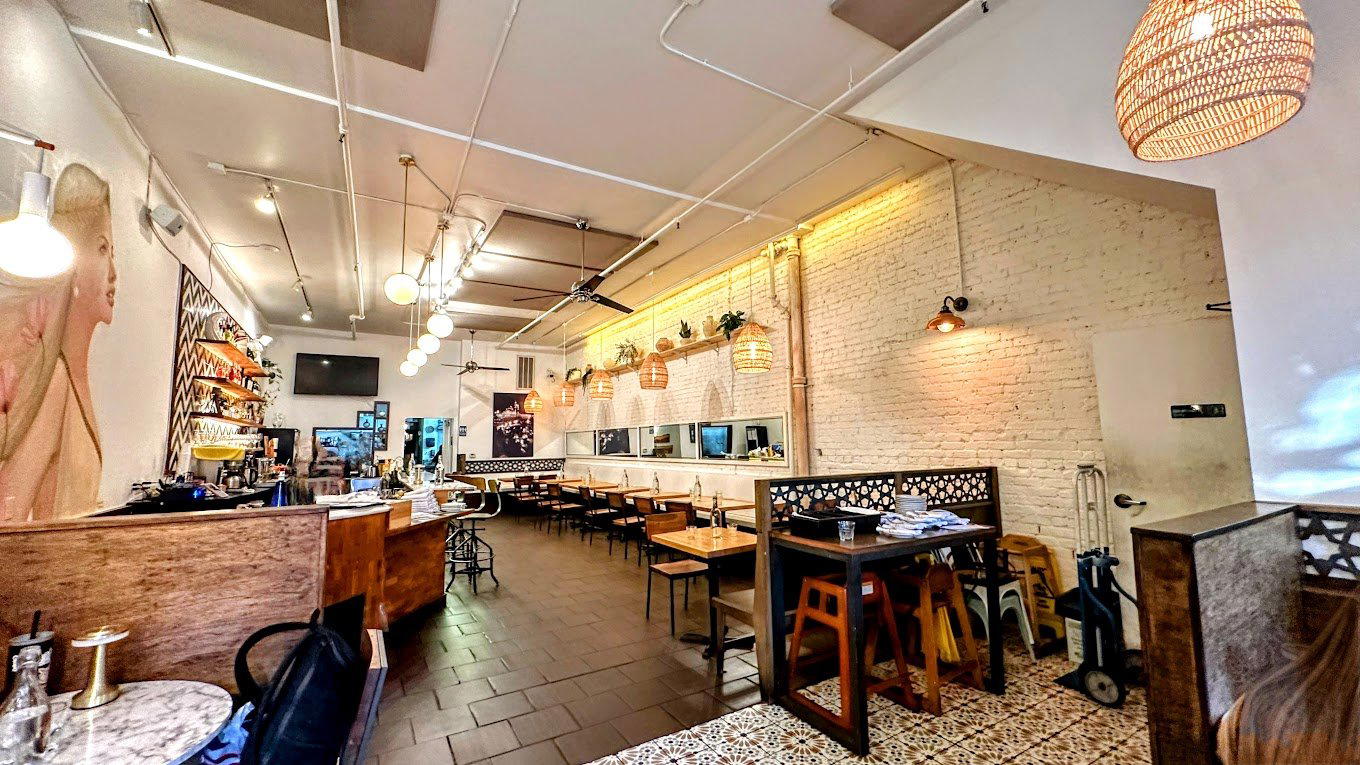
Eastern Mediterranean on Fillmore: Where the Menu Does the Talking
San Francisco's Upper Fillmore corridor is a neighborhood dining stretch in Pacific Heights, with independent restaurants and a midrange price level that serves both visitors and residents. Turkish and Eastern Mediterranean cooking has always sat at the margins of that conversation in the city, overshadowed by the California-produce tasting-menu format that defines the upper tier at places like Lazy Bear, Atelier Crenn, and Benu. Troya, at 2125 Fillmore St, has occupied a different register entirely, building its reputation not on tasting-menu architecture or chef-driven narrative but on the logic of the Eastern Mediterranean table itself.
That logic is worth understanding before you arrive. Turkish cuisine organizes a meal around abundance and sequence in a way that differs structurally from both French service and the California small-plates format. Meze arrive first, cold and hot, establishing the table's rhythm. Grilled and braised proteins follow. The pacing is social rather than theatrical. At a moment when much of American fine dining, from Alinea in Chicago to Le Bernardin in New York City, leans into chef-authored sequencing, a restaurant built around the shared-table format of the Bosphorus operates on fundamentally different principles. The menu at Troya reflects that tradition rather than working against it.
How the Menu Is Built
The architecture of an Eastern Mediterranean menu is not arbitrary. Cold meze, which typically include preparations like haydari (strained yogurt with herbs), sigara böreği (fried pastry rolls), and vegetable-forward spreads, function as both an opening act and a statement of kitchen confidence. These dishes require precision and restraint; there is nowhere to hide in a properly made hummus or an eggplant preparation. They are also the category where Turkish cooking diverges most sharply from the Greek and Levantine traditions that American diners more frequently encounter, placing greater emphasis on dairy, dried fruits, and the deep pantry of Central Anatolian spicing.
Hot meze bridge the table toward the main event without the hard stop that a Western appetizer-to-entree structure imposes. Dishes in this category, across Turkish restaurants generally, tend to involve lamb offal, cheese-filled pastries, or pan-cooked egg dishes that reward sharing more than they do individual plating. The transition is gradual, which is the point.
Main preparations in this tradition center on the grill and the slow braise. Adana kebab, lamb köfte, and whole-cooked fish are reference points for quality in any serious Turkish kitchen. The comparison that matters here is internal to the tradition rather than cross-category: how well the kitchen manages fat content in ground lamb, how it handles the char-to-interior ratio on a skewer, whether rice and bread arrive in a state that actually complements rather than pads the plate. These are technical questions that a menu built on tradition answers through execution rather than through description.
For context on how this format compares to the farm-to-table precision of Northern California's tasting-menu tier, it is worth noting that places like Single Thread Farm in Healdsburg and The French Laundry in Napa operate on an entirely different axis of cost, formality, and sequencing philosophy. Troya addresses a different kind of appetite, one for a recognizable culinary tradition served with competence in a room where the conversation is not required to stop between courses.
The Fillmore Street Context
Upper Fillmore sits in the Pacific Heights neighborhood, which runs toward the more residential and affluent end of San Francisco's geography. The street itself functions as a neighborhood main street for one of the city's wealthier zip codes, which shapes both the clientele and the expectation level. Restaurants here are not destination draws in the way that SoMa's tasting-menu rooms are; they are places people return to because they work as neighborhood restaurants. Longevity on this strip is a more useful credential than a single strong review, because the audience self-selects for reliability over novelty.
The Eastern Mediterranean category occupies a mid-market price position relative to the $$$$ tier that defines Quince and Saison in San Francisco's upper bracket, and relative to peers like Providence in Los Angeles or Addison in San Diego in the broader California fine-dining conversation. That positioning is not a limitation; it is what makes a neighborhood restaurant function as a neighborhood restaurant. The comparison set for Troya is not the city's Michelin-chasing rooms but the handful of serious international-cuisine independents that have maintained a consistent audience on the west side of the city.
What It Fits and What It Doesn't
A shared-plate Eastern Mediterranean format rewards groups of three or more. Two people can cover the menu adequately, but the meze logic works well when four or five dishes can arrive simultaneously and the table can move through them laterally rather than sequentially. Solo diners are served by the tradition's portion flexibility but miss the structural point of the format.
The restaurant sits on a walkable stretch of Fillmore, reachable by the 22-Fillmore Muni line, and the neighborhood is residential enough that street parking, while competitive, is less punishing than in SoMa or the Mission. For visitors staying in Pacific Heights or Japantown, it sits within reasonable walking distance. For those coming from further afield and building an evening around the Upper Fillmore strip, the surrounding blocks offer enough in the way of bars and wine shops to assemble a coherent evening without requiring a car between stops.
Compared to the format discipline of something like Blue Hill at Stone Barns in Tarrytown or the tasting-counter intensity of Atomix in New York City, Troya operates without theatrical scaffolding. The room does not make demands of the diner beyond a willingness to eat communally and follow the menu's internal sequence. That is, depending on what you are looking for, either the point or the limitation. Further afield, Emeril's in New Orleans, Bacchanalia in Atlanta, The Inn at Little Washington, and 8 1/2 Otto e Mezzo Bombana in Hong Kong represent the kind of institution-level benchmarks against which any serious restaurant conversation eventually orients itself.
- Moussaka
- Chicken Shish Kebab
- Roasted Cauliflower
- Salmon Skewer
- Lamb Meatballs
- Shakshuka
Comparable Options
Comparable venues nearby, for context on price, style, and recognition.
| Venue | Cuisine | Price | Notes |
|---|---|---|---|
| TroyaThis venue — the venue you are viewing | Modern Turkish-Mediterranean | $$ | Not listed |
| Lale | Mediterranean-Turkish Tapas | $$ | Inner Sunset |
| Taksim | Modern Turkish Mediterranean | $$ | South of Market |
| Turtle Tower Restaurant | Authentic Northern Vietnamese Pho | $$ | Financial District |
| Lers Ros Thai | Authentic Home-Style Thai | $$ | Tenderloin |
| Universal Cafe | Californian American | $$ | Mission |
Continue exploring
More in San Francisco
Restaurants in San Francisco
Browse all →
Bars in San Francisco
Browse all →
Hotels in San Francisco
Browse all →
At a Glance
- Cozy
- Rustic
- Quiet
- Date Night
- Group Dining
- Family
- Casual Hangout
- Brunch
- Standalone
- Terrace
- Extensive Wine List
- Beer Program
- Organic
- Local Sourcing
Current opening hours
- Monday
- 11 AM–3 PM, 5–9 PM
- Tuesday
- 11 AM–3 PM, 5–9 PM
- Wednesday
- 11 AM–3 PM, 5–9 PM
- Thursday
- 11 AM–3 PM, 5–9 PM
- Friday
- 11 AM–3 PM, 5–9 PM
- Saturday
- 10 AM–9 PM
- Sunday
- 10 AM–9 PM
Hours can change for holidays and private events. Last verified .
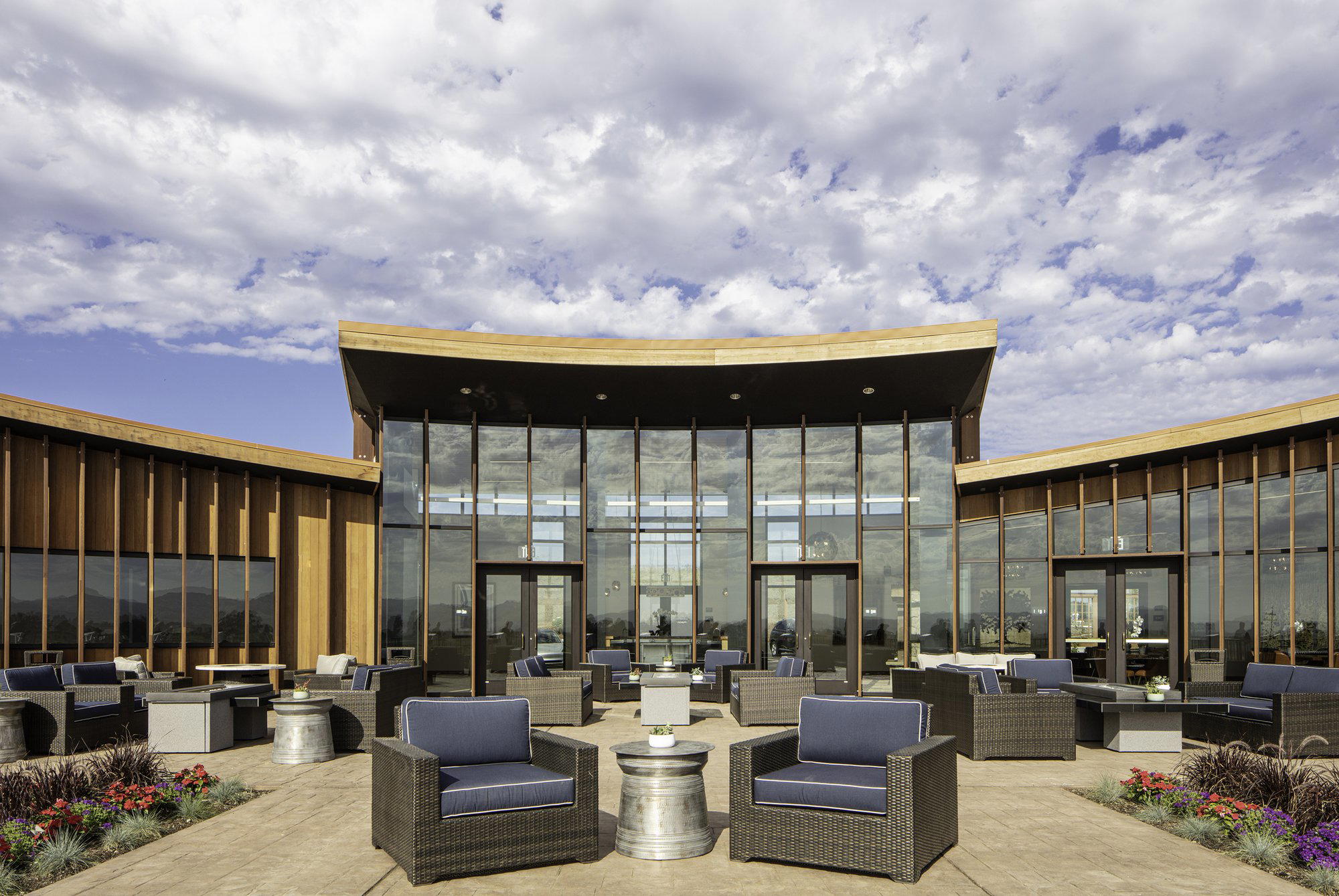
Warm and inviting with creative decor, rustic wooden tables and chairs, well-lit interior with ample outdoor seating, and a welcoming atmosphere enhanced by Turkish music and attentive service.