Our verdict
Thaker Bhojanalay sits in the dense commercial heart of Kalbadevi, one of Mumbai's oldest trading neighbourhoods, serving traditional Gujarati and Rajasthani thali meals that have drawn the same families back for generations. The format is fixed-plate, communal, and unapologetically functional — a counter to the city's proliferating tasting-menu culture. For a milestone meal rooted in the rhythms of old Bombay, it occupies a category largely its own.

Pearl is the En Primeur Club membership app — saves, bookings, and concierge access live there. Same editors, same standards.
- Address
- Building No 31, Purshottam Niwas, Dadiseth Agiyari Ln, Marine Lines East, Kalbadevi, Marine Lines, Mumbai, Maharashtra 400002, India
- Phone
- +91 22 2206 9916
- Hours
- Mon 11:30 AM–3:30 PMTue–Sun 11:30 AM–3:30 PM, 7–10:30 PM
- Website
- shreethakerbhojanalay.com
- Directions
- Get directions
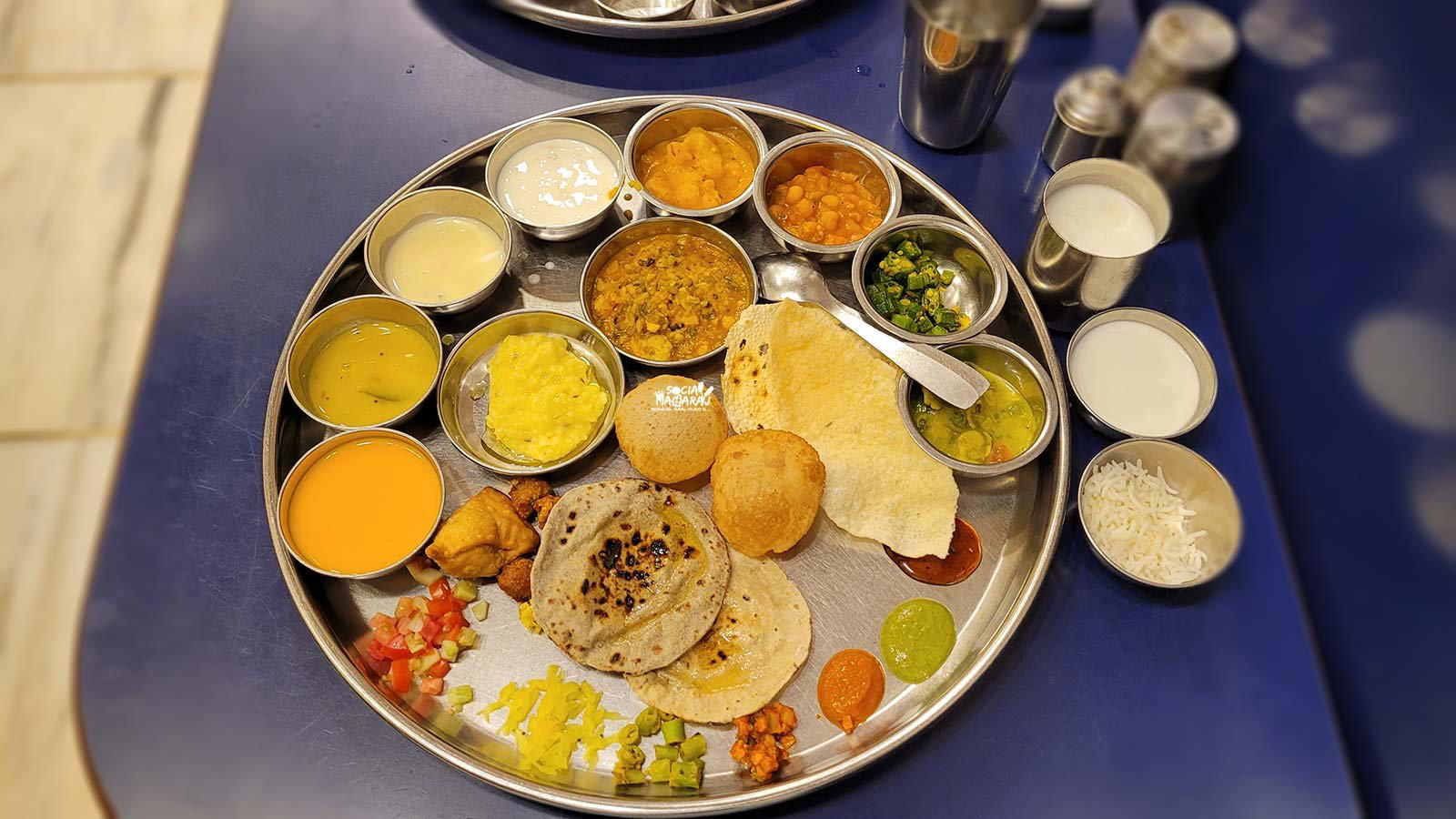
Where Old Bombay Still Eats
Kalbadevi has never been a neighbourhood that courts attention. Its lanes carry the compressed energy of a trading district that has operated more or less continuously for over a century — textile dealers, silver merchants, Jain temples, and the persistent smell of street food frying at odd hours. Dadiseth Agiyari Lane, where Thaker Bhojanalay occupies Building No 31, sits within this fabric, and the restaurant makes no effort to separate itself from it. There is no signage designed to lure the passing tourist. The draw is institutional: generations of Gujarati and Marwari families who have eaten here across enough decades that the address is simply known.
Mumbai's dining conversation has shifted decisively toward the contemporary in recent years. Restaurants like Masque (Contemporary Indian) and The Table (Contemporary Indian) have built international reputations on reinvention and technique. The Bombay Canteen (Indian) and Americano (Indian Fusion) have found a register that is simultaneously nostalgic and forward-facing. Thaker Bhojanalay operates in a different register entirely — one where the meal has not changed because no argument has been made that it should.
The Thali as Occasion Format
In western India, the thali is not a simplified meal. It is an expression of hospitality logic: everything arrives together or in rapid succession, replenishment is expected, and refusal is gently resisted. For communities with roots in Gujarat and Rajasthan, a thali lunch at a trusted establishment carries the weight that a tasting menu carries elsewhere. It is what you eat when you are marking something, a business deal concluded, a family gathering, a day that deserves more than a quick lunch at a canteen counter.
This positioning matters when thinking about Thaker Bhojanalay as an occasion venue. The occasion here is not constructed by ambient lighting or a theatrical amuse-bouche sequence. It is constructed by the format itself: the generosity of the spread, the familiarity of flavours that connect to home cooking at scale, and the shared act of eating from a broad tray in company. That is a particular kind of celebration, and it is one that Mumbai's newer dining options cannot easily replicate regardless of their ambition. For comparison, Dakshin offers a more formal southern Indian equivalent in a hotel setting, but the register is entirely different, curated, quieter, designed for the hotel dining experience. Thaker Bhojanalay's occasion is not curated. It is accumulated.
Situating It in the Mumbai Meal Hierarchy
Mumbai has a well-established tier of restaurants that draw on Indian regional traditions as source material for refined dining. Dum Pukht in New Delhi represents the haute-classical end of that spectrum at the national level, where technique and provenance are foregrounded and priced accordingly. Adaa at Falaknuma Palace in Hyderabad frames its regional cooking through the lens of royal hospitality architecture. Thaker Bhojanalay does neither of these things. It sits closer to the other end of the authenticity argument: this is the food itself, without the interpretive layer, served in conditions shaped by the neighbourhood around it rather than by a design brief.
That positioning makes it comparable, in a structural sense, to what Farmlore in Bangalore does with Karnataka produce or what Naar in Kasauli does with Himalayan ingredients, all three centre a specific culinary geography and resist universalising it. The methods are different, but the commitment to a particular tradition over a generalised idea of Indian food is shared. At the same international end of the spectrum, places like Le Bernardin in New York City and Atomix in New York City define what it looks like when a cuisine's internal logic is taken seriously at the highest formal level. Thaker Bhojanalay applies that same seriousness of purpose to an entirely different format and price point.
What Draws People Back
Restaurants that survive across decades in a city as restless as Mumbai do so because they are solving a problem that alternatives cannot. In Kalbadevi's case, that problem is finding a meal that feels like it belongs to the neighbourhood rather than to a hospitality concept imported into it. The thali format at an establishment like this one carries a social contract: you will be fed generously, the food will be familiar in a specific regional register, and the interaction will be direct rather than performed.
For visitors to the city, this is also where Thaker Bhojanalay enters the conversation differently from establishments designed with tourism in mind. Venues like Bomras in Anjuna or Baan Thai in Kolkata have built reputations that translate across audiences. Thaker Bhojanalay has not pursued that translation. It remains oriented toward the community it has always served, which means the visitor who finds it is entering something functional rather than staged, a distinction that is increasingly hard to find in any major city.
Planning Your Visit
Thaker Bhojanalay is located at Building No 31, Purshottam Niwas, Dadiseth Agiyari Lane, Marine Lines East, Kalbadevi, reachable by the Marine Lines station on the Western Railway or by cab into the Kalbadevi commercial area. The neighbourhood is dense and the lane requires some navigation on foot; arriving by auto-rickshaw or on-foot from the station is more practical than arriving by car. As with most thali establishments in this part of Mumbai, lunch is the primary service. Given the neighbourhood's merchant-community character, timing a visit to coincide with a weekday midday meal reflects how the restaurant has always operated. No phone or website is listed in public records, which is itself a signal: reservations are not the format. The meal is walk-in, cash-oriented, and built around the rhythm of service rather than around a booking system. For broader context on where this fits in the city's dining picture, see our full Mumbai restaurants guide. For accommodation near the area, our full Mumbai hotels guide covers options across the city's price tiers. If you are planning an evening around the area, our full Mumbai bars guide, our full Mumbai wineries guide, and our full Mumbai experiences guide offer additional programming context.
Frequently asked questions
Would Thaker Bhojanalay be comfortable with kids?
Kalbadevi thali restaurants of this type are traditionally family-oriented spaces — the format itself, with set portions arriving in sequence at a shared table, suits younger diners well. The Dadiseth Agiyari Lane address is a busy street-level setting rather than a formal dining room, so the atmosphere is tolerant of noise and movement. Families eating together is standard here, not an exception.
What's the vibe at Thaker Bhojanalay?
This is a working lunch-counter in a trading district — Kalbadevi has been a commerce neighbourhood for well over a century, and Thaker Bhojanalay operates within that rhythm. Expect shared seating, quick turnover, and service built around efficiency rather than ceremony. The draw is the meal itself, not the room.
Is Thaker Bhojanalay suitable for visitors unfamiliar with traditional Mumbai thali dining?
The thali format requires no prior knowledge — portions arrive without requiring you to order, making it one of the more accessible entry points into western Indian vegetarian cooking for first-time visitors. Located off Dadiseth Agiyari Lane in Kalbadevi, the restaurant sits in a district where this style of eating has been the daily norm for generations. The context adds meaning to the meal that a hotel restaurant or modern Indian dining room cannot replicate.
What do regulars order at Thaker Bhojanalay?
The thali is the operative format here, as it is at most serious traditional houses in this part of Mumbai — there is no menu in the conventional sense. Regulars are not selecting from options; they are returning for a fixed occasion that changes according to what the kitchen is running that day. That consistency of format, rather than novelty of choice, is what sustains the repeat visits.
Where is Thaker Bhojanalay in Mumbai?
Thaker Bhojanalay is located at Building No 31, Purshottam Niwas, Dadiseth Agiyari Ln, Marine Lines East, Kalbadevi, Marine Lines, Mumbai, Maharashtra 400002, India, Mumbai.
How far ahead should I plan for Thaker Bhojanalay?
Thali restaurants in Kalbadevi typically operate on a walk-in basis tied to meal-time windows — arriving at opening for lunch service is the standard approach. Planning around the neighbourhood itself matters more than booking lead time; Marine Lines station puts the Dadiseth Agiyari Lane address within easy reach if you time the visit to the lunch rush rather than around it.
Cost and Credentials
Comparable venues nearby, for context on price, style, and recognition.
| Venue | Cuisine | Price | Notes |
|---|---|---|---|
| Thaker BhojanalayThis venue — the venue you are viewing | Authentic Gujarati Thali | $1–10 | Not listed |
| Prasad Food Divine | Vegetarian Multi-Cuisine | $10–20 | Nahur, Vegetarian Multi-Cuisine |
| Gajalee | Malvani Seafood | $20–30 | Vile Parle, Malvani Seafood |
| Peshawari Mumbai | North West Frontier Indian | Not listed | Sahar, North West Frontier Indian |
| O Pedro | Modern Goan-Portuguese | $30–50 | Kolekalyan, Modern Goan-Portuguese |
| Khyber | North-West Frontier/Mughlai | $20–30 | Fort Mumbai, North-West Frontier/Mughlai |
Details
- Classic
- Cozy
- Well Known
- Family
- Celebration
- Casual Hangout
- Historic Building
- Set Menu
- Vegetarian Friendly
- Vegan Options
- Gluten Free Options
Current opening hours
- Monday
- 11:30 AM–3:30 PM
- Tuesday
- 11:30 AM–3:30 PM, 7–10:30 PM
- Wednesday
- 11:30 AM–3:30 PM, 7–10:30 PM
- Thursday
- 11:30 AM–3:30 PM, 7–10:30 PM
- Friday
- 11:30 AM–3:30 PM, 7–10:30 PM
- Saturday
- 11:30 AM–3:30 PM, 7–10:30 PM
- Sunday
- 11:30 AM–3:30 PM, 7–10:30 PM
Hours can change for holidays and private events. Last verified .
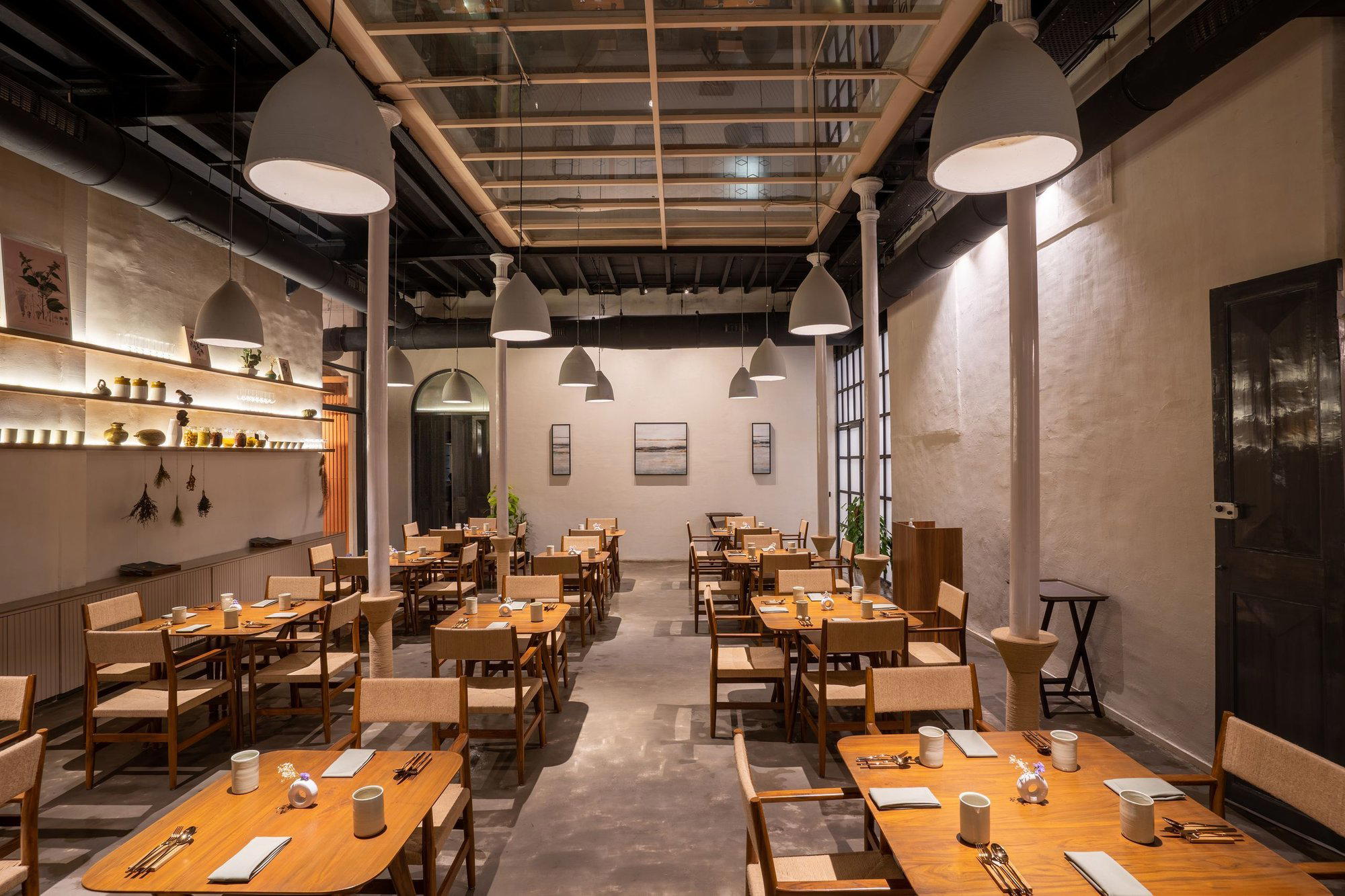
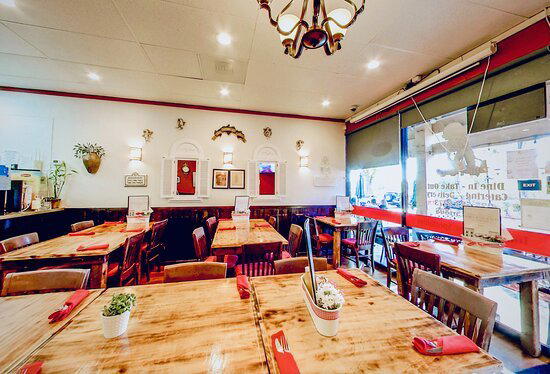
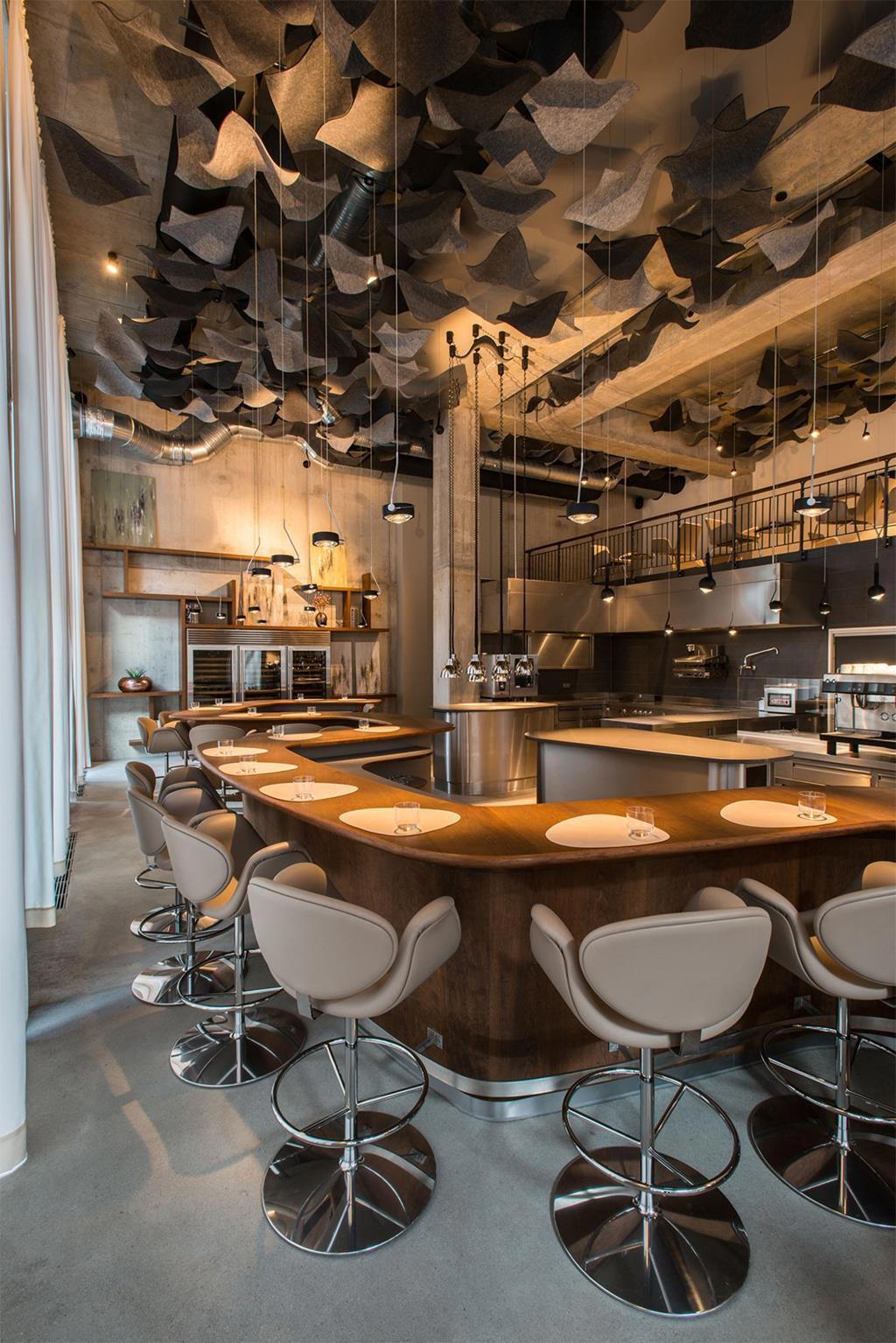
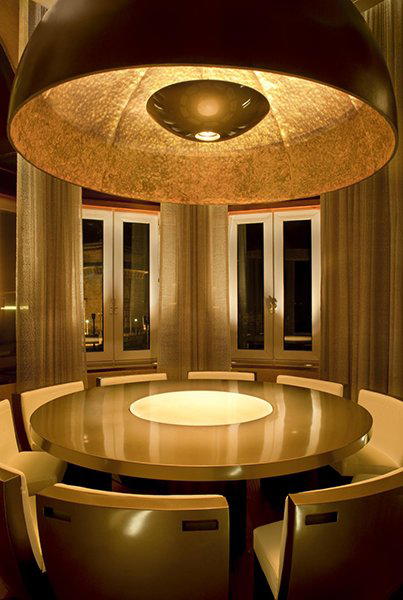
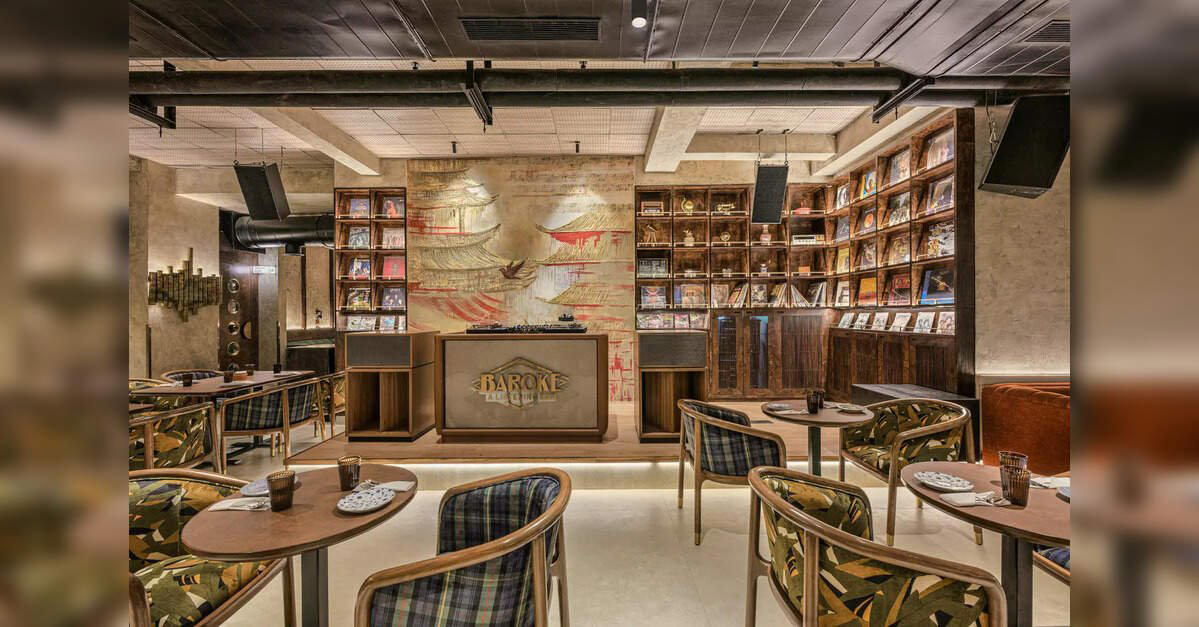
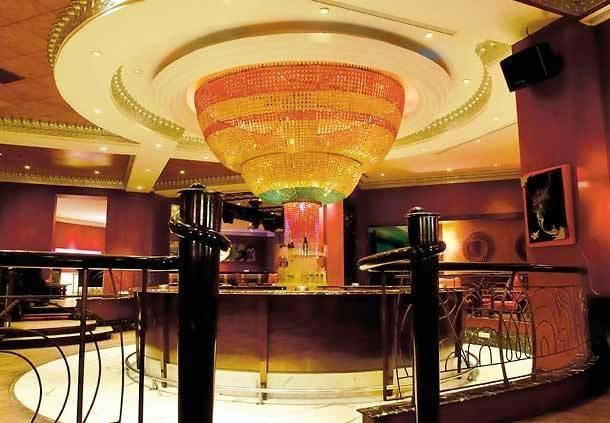
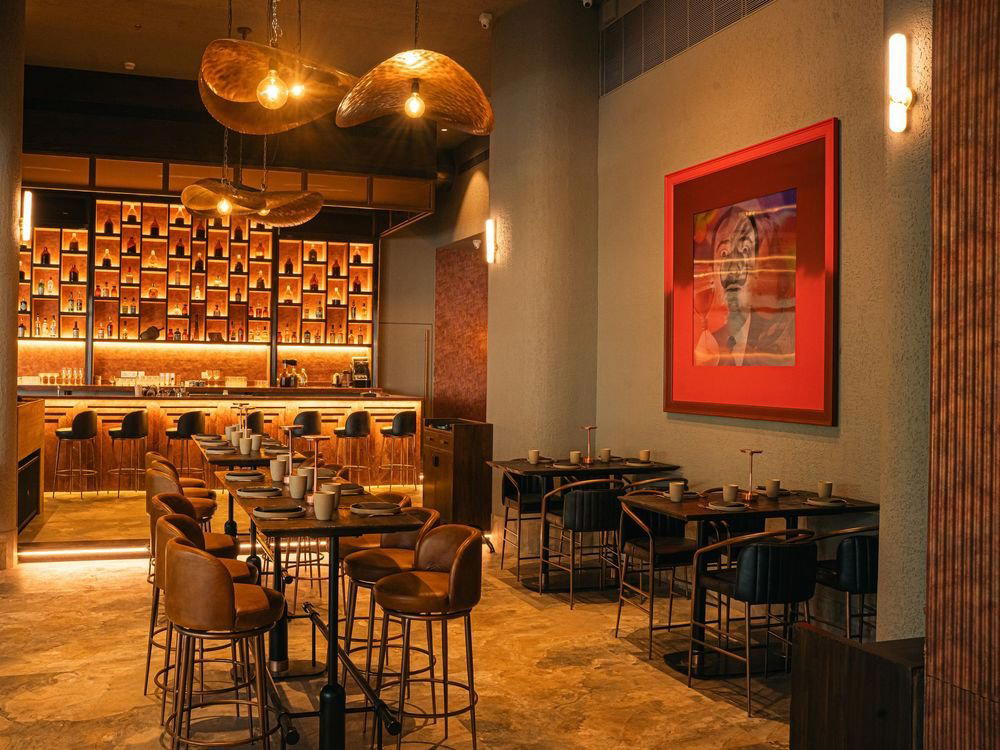
Simple, unpretentious, and functional dining room with stainless steel plates, air-conditioned, bustling with warm hospitality and efficient service.