Trattoria Zille sits on Karl-Liebknecht-Straße in Potsdam-Babelsberg, occupying the relaxed middle ground between neighborhood Italian and the more formal dining options scattered across the city. The trattoria format, with its emphasis on familiar, ingredient-led cooking, fits naturally into Babelsberg's creative, residential character. For visitors exploring Potsdam beyond the palace gardens, it offers a grounded alternative to the area's tourist-facing dining circuit.
Pearl is the En Primeur Club membership app — saves, bookings, and concierge access live there. Same editors, same standards.
- Address
- Karl-Liebknecht-Straße 19, 14482 Potsdam, Germany
- Phone
- +493317400666
- Website
- trattoria-zille.de
- Directions
- Get directions
 Saves & bookings on Pearl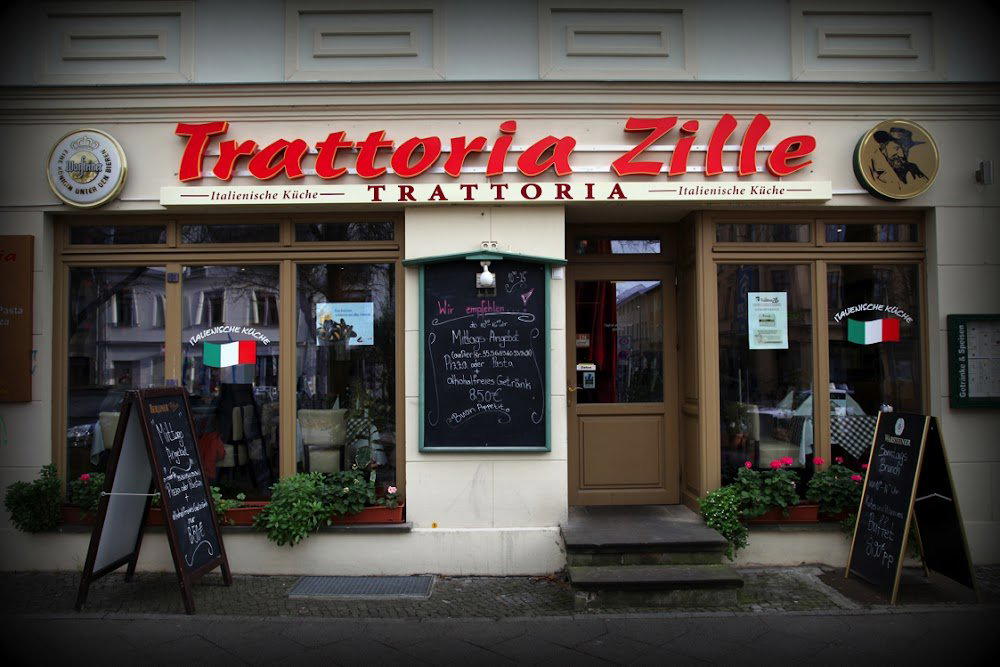
Babelsberg's Trattoria Tradition and Where Zille Fits
Potsdam's dining scene has historically clustered around the Dutch Quarter and the palace-adjacent streets of the inner city, where restaurants pitch themselves, consciously or not, at heritage tourism. Babelsberg operates differently. The district, built around Germany's oldest large-scale film studio and a dense stock of early twentieth-century housing, draws a resident-first crowd: film industry workers, academics from the nearby university campuses, and families who have claimed the area's quieter pace as their own. The restaurants that work here tend to earn their regulars through consistency and value rather than spectacle.
Trattoria Zille, at Karl-Liebknecht-Straße 19, sits inside that dynamic. The trattoria format itself carries a particular logic: it is neither the white-tablecloth ristorante nor the counter-service pizzeria, but something in between, where the cooking is expected to be direct and the sourcing honest rather than theatrical. Across Germany's mid-sized cities, Italian trattorias of this type tend to operate as reliable neighbourhood anchors, competing less against fine dining rooms than against each other on the quality of their pasta and the depth of their house wine list.
Zille occupies a different register entirely, one where the appeal is recurrence over occasion.
The Intersection of Italian Technique and German Seasonal Produce
The trattoria model as it has evolved in Germany carries an interesting structural tension. The technique is imported: pasta-making traditions from Emilia-Romagna, the slow-braising logic of Tuscan cucina povera, the restrained use of fat that distinguishes good Italian cooking from its caricatures. But the raw material available in Brandenburg is distinctly northern European, shaped by sandy soils, short summers, and a farming tradition oriented toward root vegetables, game, and freshwater fish rather than the Mediterranean produce that Italian kitchens were built around.
The trattorias that handle this well don't pretend otherwise. They use the season as their organising principle, letting Brandenburg asparagus in late spring or local mushrooms in autumn anchor dishes that the technique then finishes. This approach has more in common with how Germany's serious kitchens treat regional produce than with the imported-ingredients model that defines some Italian restaurants in major cities. At venues like Aqua in Wolfsburg or JAN in Munich, the conversation about local produce meets global technique happens at a much higher price point and under Michelin scrutiny. The neighbourhood trattoria version of that conversation is quieter and more representative of how most people actually eat Italian food in Germany.
Brandenburg's growing season is compressed, which means autumn and winter menus in a place like Zille should theoretically lean toward game preparations, dense root vegetable dishes, and the kind of slow-cooked proteins that Italian winter cooking does well. Spring, from April onward, brings the white asparagus season that defines much of the regional produce calendar across Brandenburg and Saxony-Anhalt, a product that pairs with Italian technique in ways that have become almost conventional in this part of Germany.
Babelsberg as a Dining Neighbourhood
Karl-Liebknecht-Straße functions as one of Babelsberg's main commercial arteries, a street of ground-floor retail and restaurants that serves the dense residential blocks behind it. The film studio heritage gives the neighbourhood an unusual demographic mix: long-term residents coexist with people in Potsdam on project timelines, which creates the kind of repeat-customer pressure that keeps neighbourhood restaurants honest. A trattoria on this street is not receiving the foot traffic of the Dutch Quarter or the palace gardens, so it depends on regulars and word-of-mouth in a more direct way than venues in more tourist-saturated locations.
Other Babelsberg-adjacent options, including Kengs Landhaus and GARAGE du PONT, suggest that the area supports a range of formats and price points without any single register dominating. The A Slice of Britain presence on the Potsdam dining map is a reminder that the city's expat and international communities actively shape demand for non-German formats, Italian among them.
For visitors using Potsdam as a base for wider Brandenburg exploration, the S7 train connects Babelsberg directly to Berlin in under forty minutes, which gives the neighbourhood a commuter character that reinforces its restaurant culture: people eat here regularly, not ceremonially.
Trattoria Zille Against Germany's Broader Restaurant Scene
Germany's fine dining circuit, represented at the upper end by venues like Schwarzwaldstube in Baiersbronn, Vendôme in Bergisch Gladbach, Victor's Fine Dining by Christian Bau in Perl, and Waldhotel Sonnora in Dreis, operates at a completely different altitude. But even at the neighbourhood level, the country's Italian restaurants participate in a longer conversation about what transplanted cuisine looks like when it has genuinely embedded itself in a local food culture.
Particularly interesting examples of that embedding, from CODA Dessert Dining in Berlin's avant-garde position to the regional discipline of ES:SENZ in Grassau, show that German restaurants across formats have absorbed international technique without abandoning local ingredient logic. The neighbourhood trattoria does this less self-consciously, which is the point. Internationally, the same conversation plays out at a more celebrated level at places like Le Bernardin in New York City or Atomix in New York City, where imported culinary tradition and local produce meet under significant critical scrutiny. Restaurant Haerlin in Hamburg and Schanz in Piesport represent Germany's version of that upper-tier dialogue. Trattoria Zille occupies a much more modest register, but the underlying dynamic, technique from one tradition applied to ingredients from another, runs through both ends of the price spectrum.
Planning a Visit
Trattoria Zille is located at Karl-Liebknecht-Straße 19 in Potsdam-Babelsberg, accessible from Berlin via the S7 line to Babelsberg station, a short walk from the restaurant. Given the neighbourhood's resident-first character and the typically modest seat counts of trattoria-format restaurants, booking ahead is advisable for weekend evenings, particularly during the asparagus season in April and May, when Brandenburg produce drives significant demand at mid-range restaurants across the region. The restaurant is open Monday through Saturday from 11 AM to 11 PM and is closed on Sunday. Reservations are recommended, and the dress code is casual.
Same-City Peers
Comparable venues nearby, for context on price, style, and recognition.
| Venue | Cuisine | Price | Notes |
|---|---|---|---|
| Trattoria Zille in Potsdam-BabelsbergThis venue — the venue you are viewing | Authentic Italian Trattoria | $$$ | Not listed |
| Zanotto Potsdam | Authentic Northern Italian Trattoria | $$$ | Potsdam |
| Kongsnæs - Kaiserliche Matrosenstation Potsdam | European Seafood | $$$ | Jungfernsee |
| Trattoria Toscana Potsdam | Authentic Italian Trattoria | $$ | Potsdam-West |
| Restaurant 22 Stufen | Modern German-European with Lake View | $$$ | Griebnitzsee |
| Ma’Loa | Hawaiian Poké Bowl | $$ | Potsdam |
At a Glance
- Romantic
- Cozy
- Classic
- Date Night
- Group Dining
- Casual Hangout
- Terrace
- Standalone
- Beer Program
- Craft Cocktails
Current opening hours
- Monday
- 11 AM–11 PM
- Tuesday
- 11 AM–11 PM
- Wednesday
- 11 AM–11 PM
- Thursday
- 11 AM–11 PM
- Friday
- 11 AM–11 PM
- Saturday
- 11 AM–11 PM
- Sunday
- Closed
Hours can change for holidays and private events. Last verified .
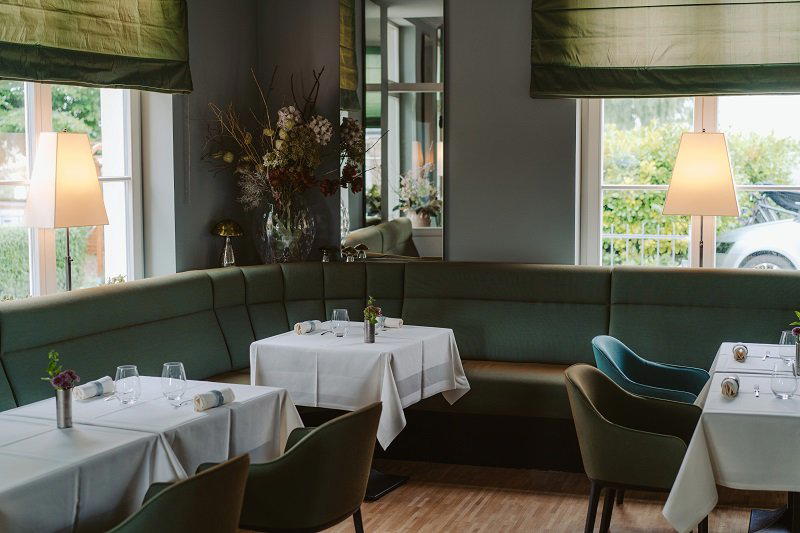
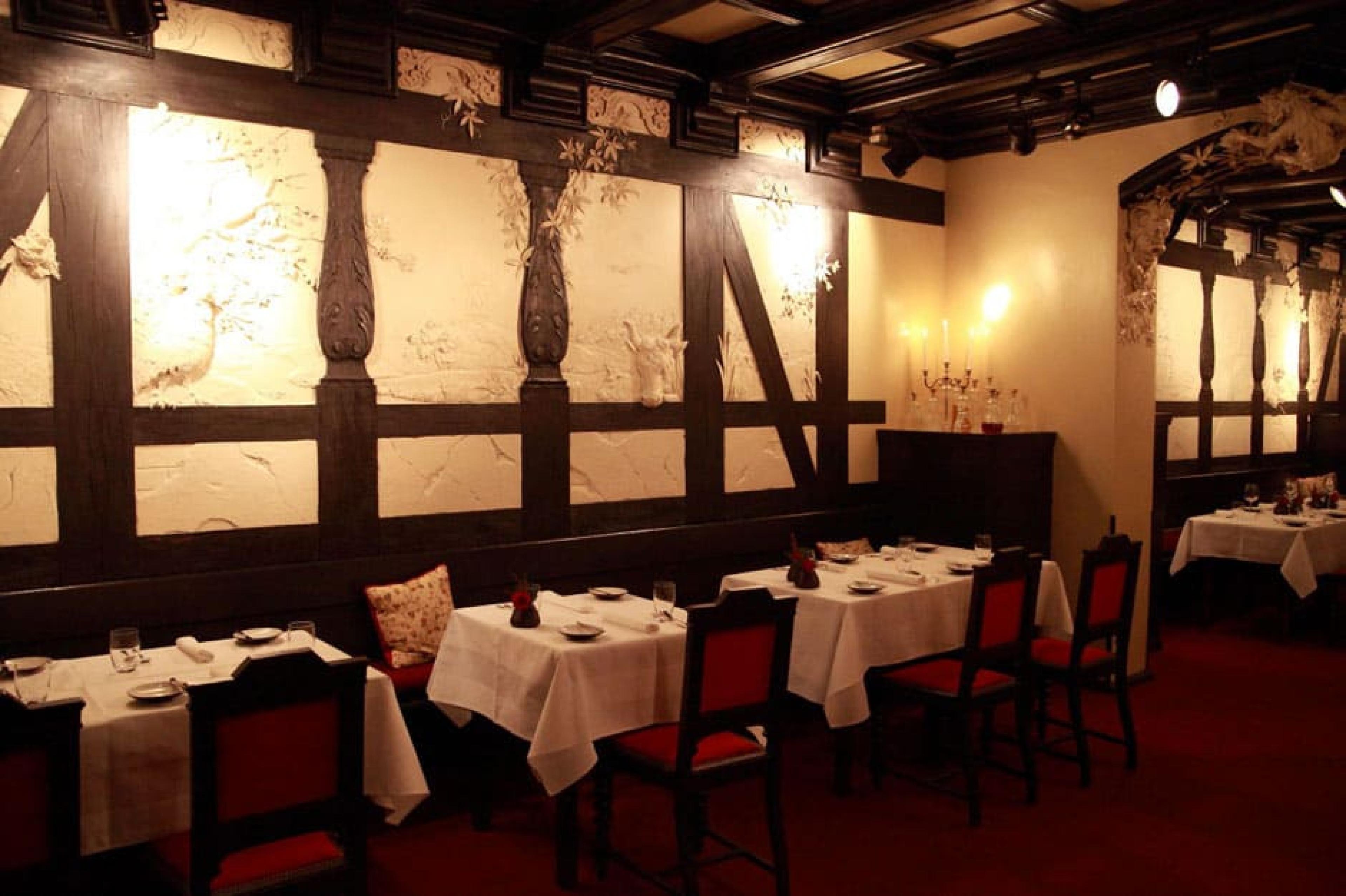
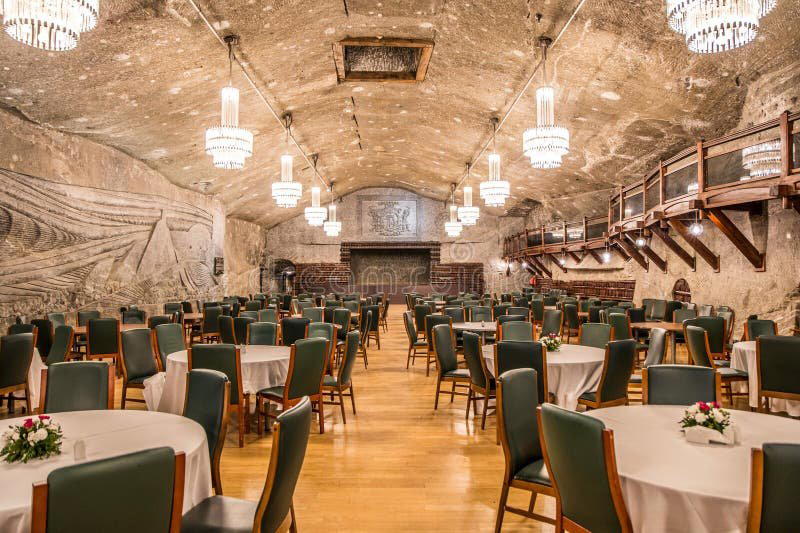
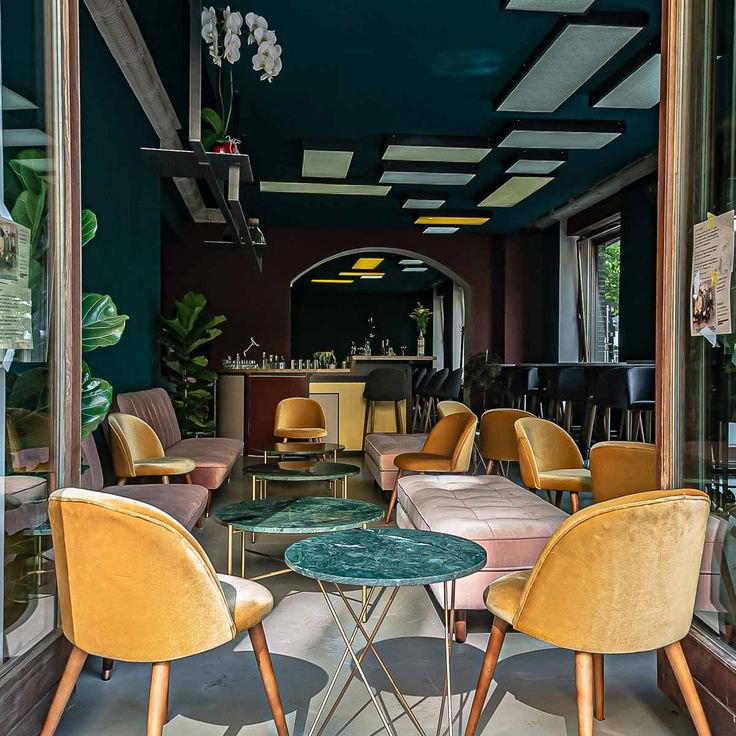
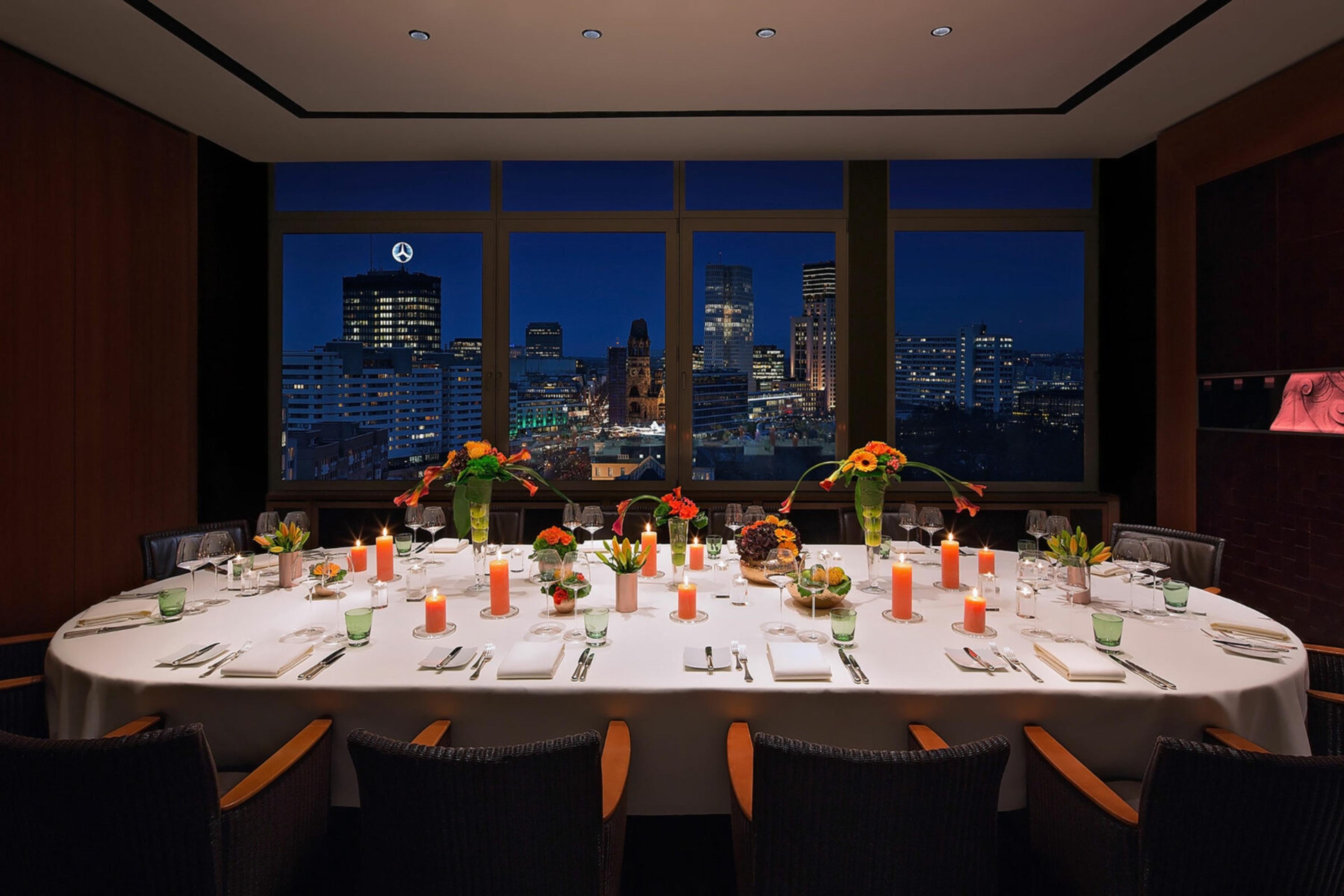
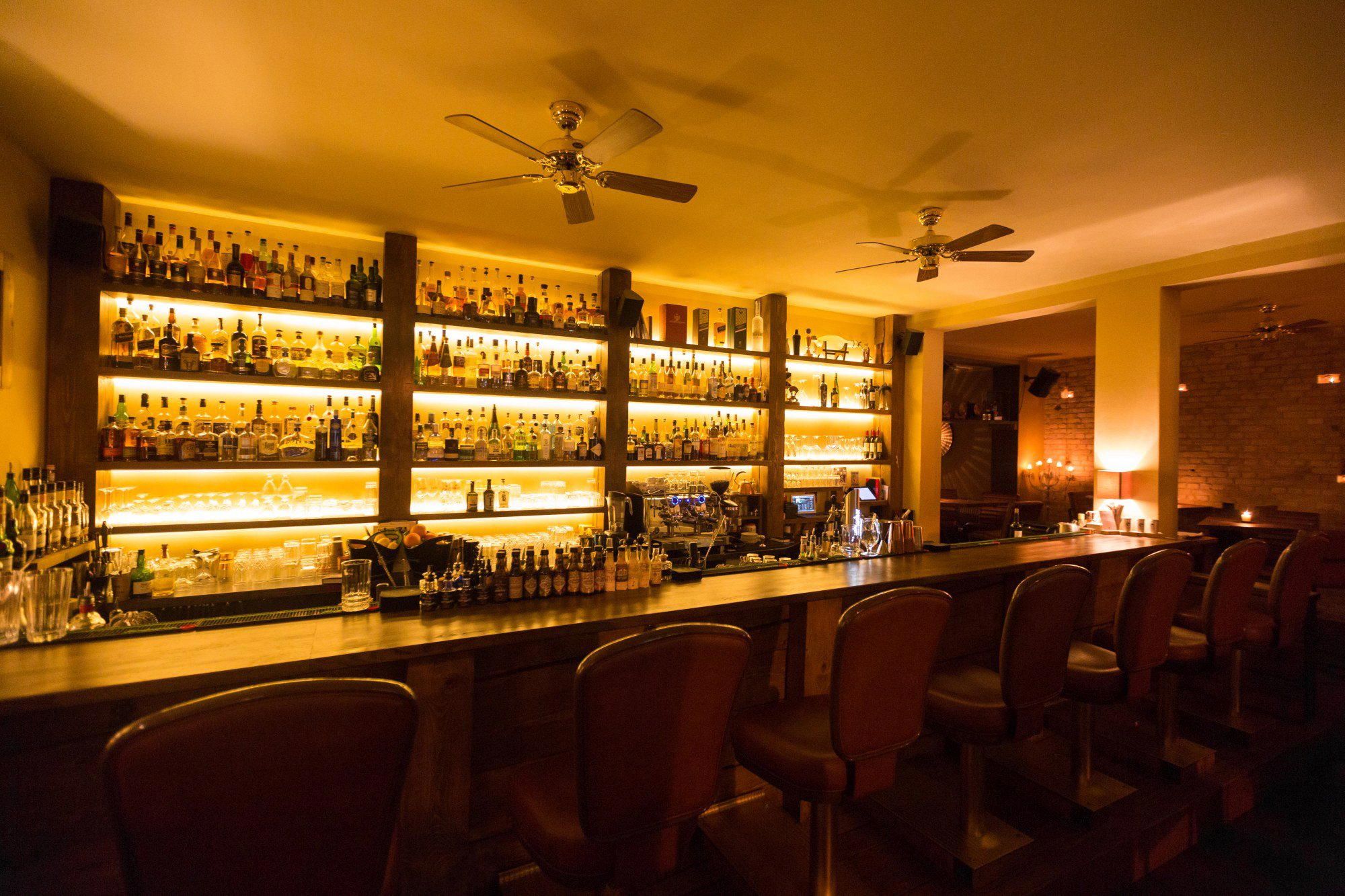
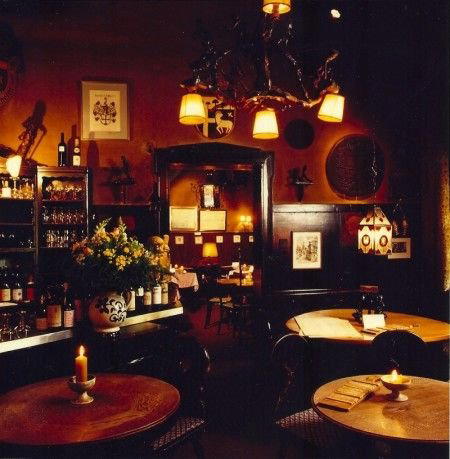
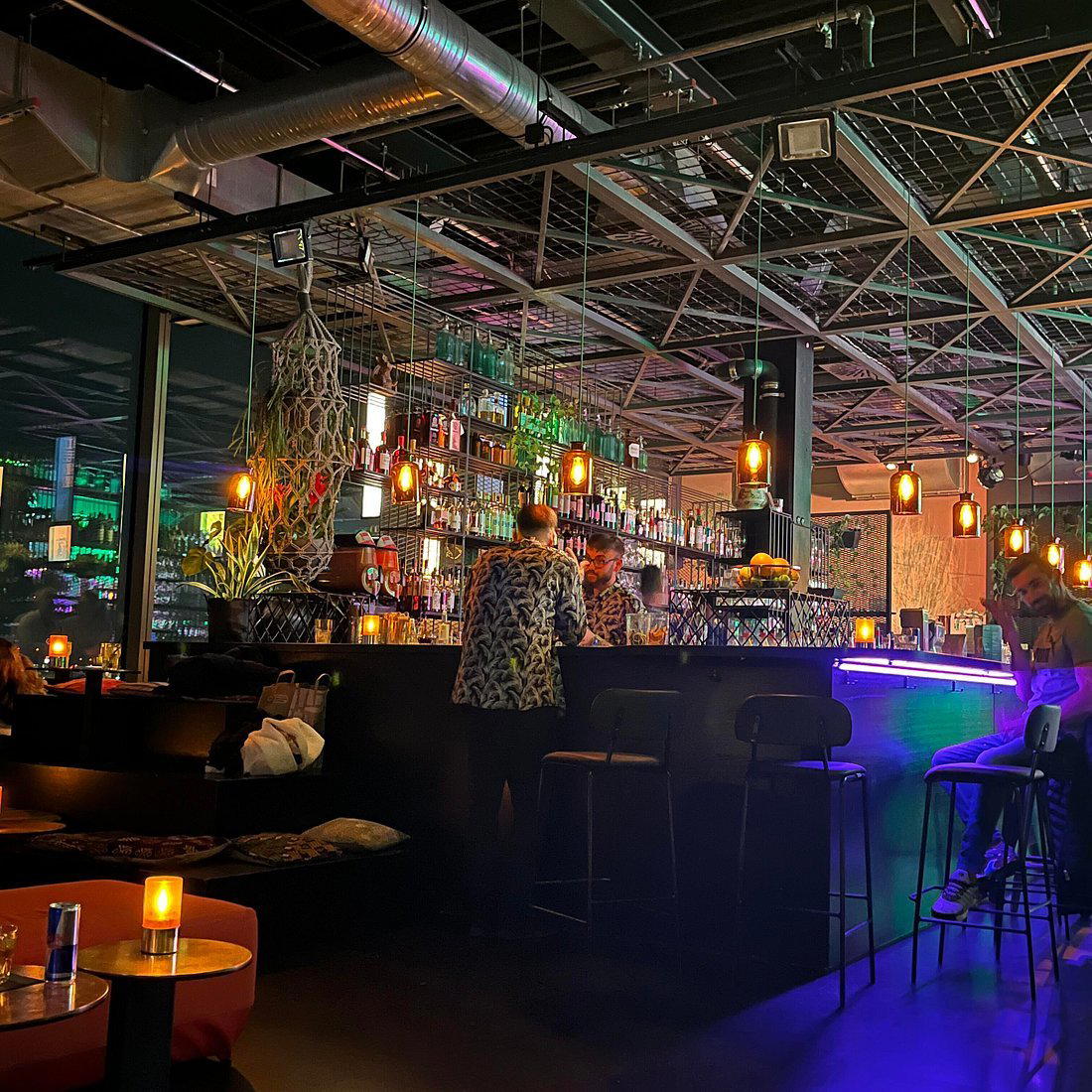
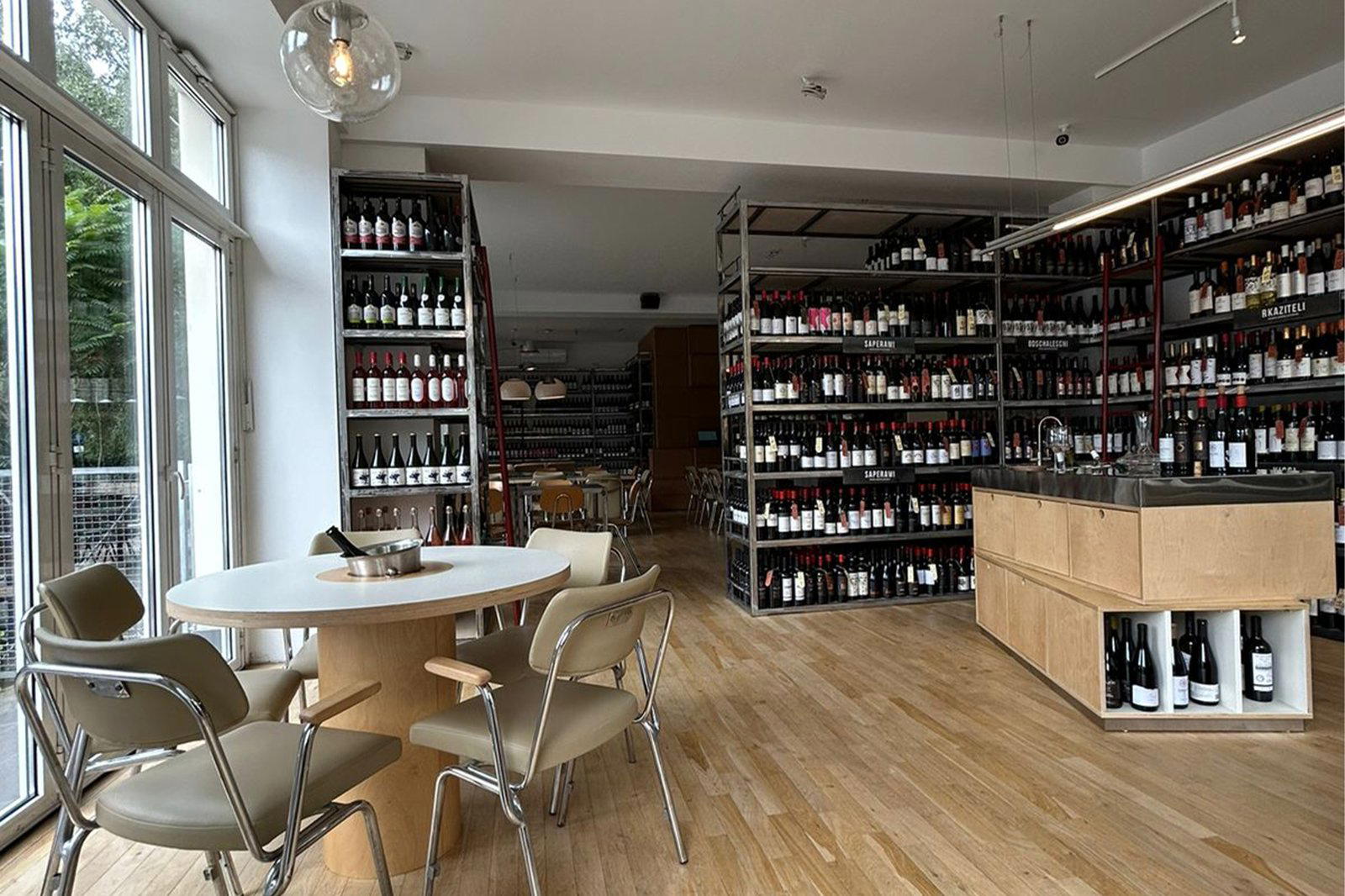
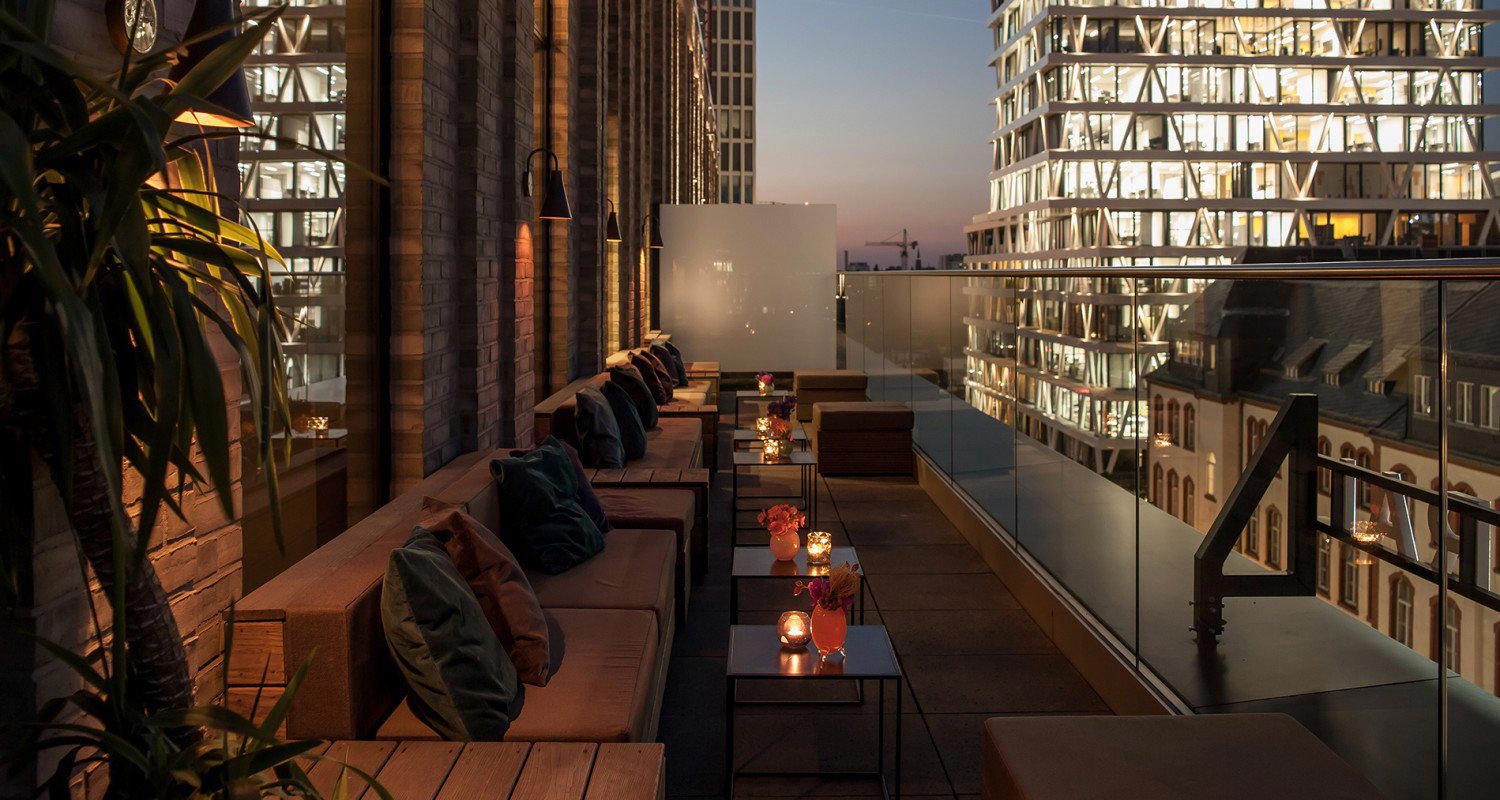
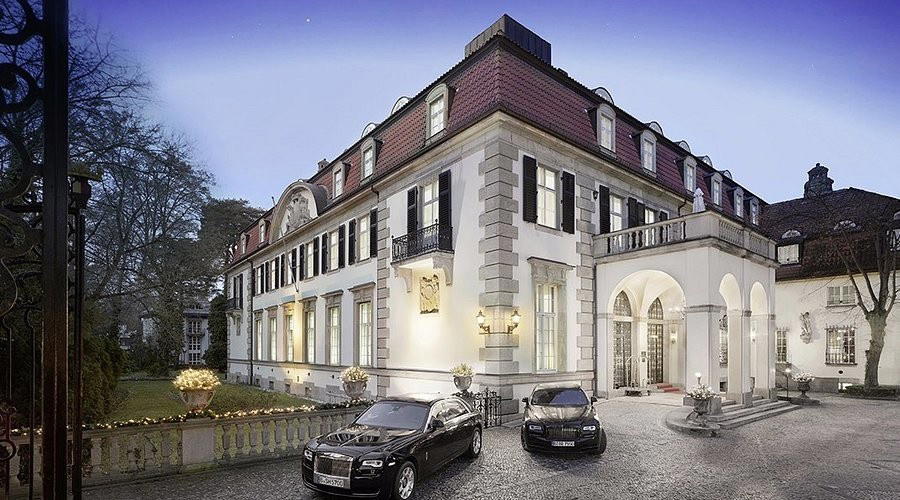
Cozy and welcoming atmosphere with a casual-romantic vibe, enhanced by outdoor summer garden seating that creates an intimate dining experience.