Our verdict
On Dortustraße in central Potsdam, Zanotto occupies a stretch of the city where independent restaurants have quietly built a credible dining scene beyond the palace-and-garden tourist circuit. With an Italian-inflected identity and a wine focus that sets it apart from the bistro mainstream, Zanotto is the kind of address that rewards guests who arrive curious about the cellar as much as the kitchen.

Pearl is the En Primeur Club membership app — saves, bookings, and concierge access live there. Same editors, same standards.
- Address
- Dortustraße 53, 14467 Potsdam, Germany
- Phone
- +4915752424304
- Hours
- Mon–Tue ClosedWed–Sun 6–9 PM
- Website
- daszanottopotsdam.de
- Directions
- Get directions
The menu
What to order
- Vitello Tonnato
- Tagliatelle
- Linguine Vongole
- Lasagna
- Tiramisu
Potsdam's Dining Scene Beyond the Palace Gates
Potsdam has long been read through its UNESCO-listed parks and Hohenzollern architecture, which means its restaurant scene has historically been shaped by visitor traffic rather than the kind of residential demand that builds serious, locally-rooted dining culture. That has been changing. Along Dortustraße and the streets feeding into the Dutch Quarter, a cluster of independent addresses has emerged that serves the city's growing professional population and day-trippers willing to push past the obvious. Zanotto, at Dortustraße 53, sits inside that shift: a wine-oriented Italian-adjacent address that belongs to a different conversation than the palace-view tourist staples.
The comparison set in Potsdam is relatively contained. Juliette holds the classic French register at the €€€ tier, while kochZIMMER in der Gaststätte zur Ratswaage represents the modern cuisine end at €€€€. Zanotto occupies a space that is neither as formally structured as those nor as casual as A Slice of Britain or Kengs Landhaus. Its positioning — wine-led, Italian-inflected, neighbourhood-oriented — gives it a distinct character within a relatively small but increasingly coherent local dining market. See our full Potsdam restaurants guide for the broader picture.
The Physical Register: Dortustraße at Ground Level
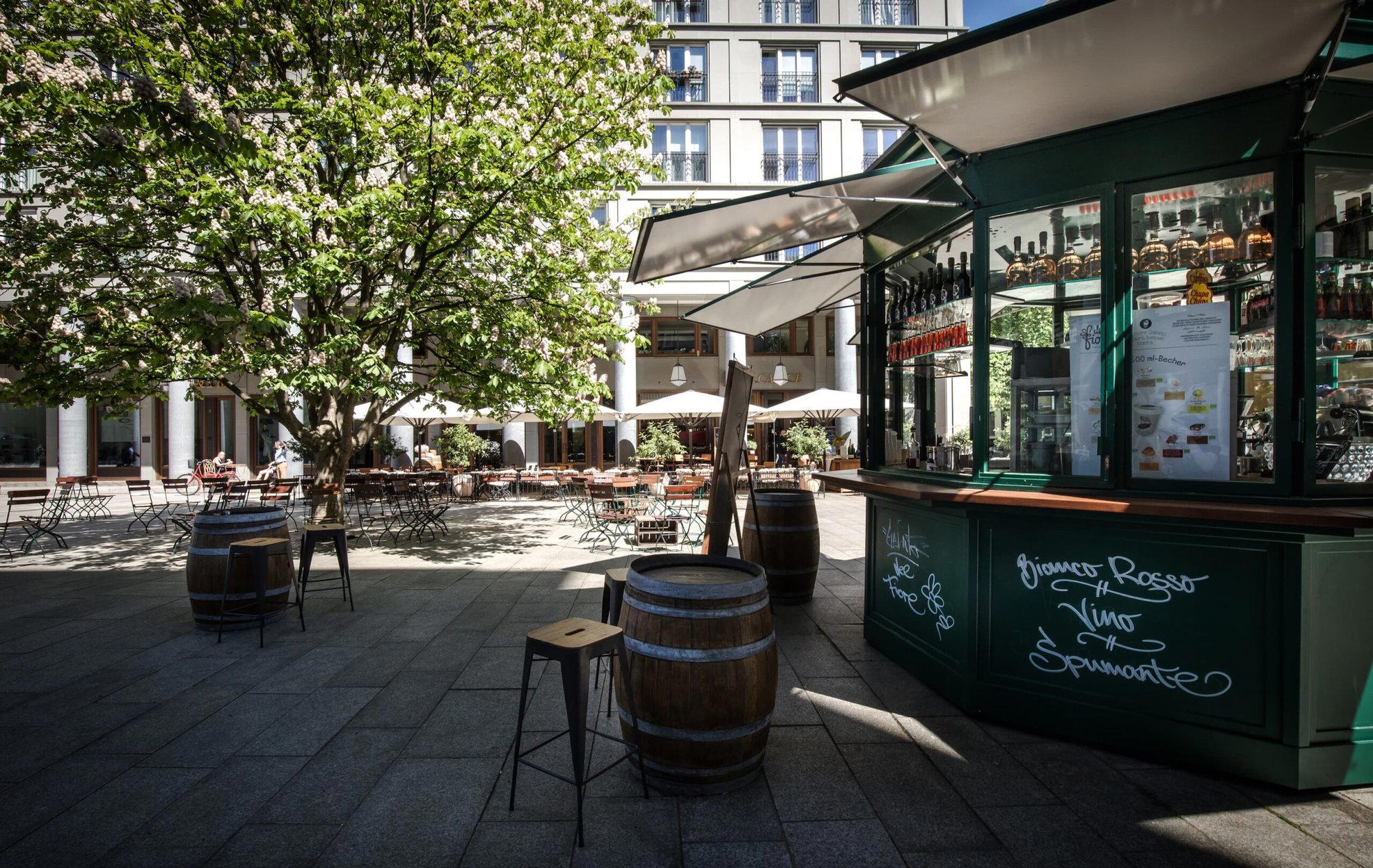
Dortustraße is one of those streets that functions as a quiet social artery rather than a destination strip. The building line is modest, the pace is unhurried, and arriving at Zanotto feels less like entering a restaurant designed to impress from the street and more like finding a room that has been arranged with intention. Wine-focused rooms in this part of Germany tend toward one of two formats: the wine bar with small plates appended, or the full-service restaurant with a cellar taken more seriously than the category usually demands. Zanotto aligns closer to the latter reading, where the wine is not an afterthought to the food but a genuine parallel programme.
That parallel structure matters when thinking about how to use the space. It is the kind of address where arriving without a wine agenda is fine, but arriving with one, with a specific region in mind, or a curiosity about Italian producers alongside German ones, opens a different experience of the same room.
The Wine Angle: Why Cellar Depth Matters in This Context
German restaurant wine lists have undergone a significant recalibration over the past decade. The old hierarchy that placed French classified growth at the leading and German Riesling as a regional curiosity has given way, in the better addresses, to lists that argue for Italian and German producers on equal terms. At the Michelin-registered end of the German market, this shift is well-documented: houses like Aqua in Wolfsburg, Vendôme in Bergisch Gladbach, and Waldhotel Sonnora in Dreis maintain cellars where Italian and German bottles carry the same critical weight as Burgundy or Bordeaux. The editorial influence of that upper tier has filtered down into mid-market independents, making wine curation a genuine differentiator even outside the formal fine dining bracket.
Zanotto operates in that filtering zone. For a city the size of Potsdam, a restaurant that takes its wine list seriously enough to anchor part of its identity around it is a meaningful local point of reference.
Guests who want to understand how Zanotto's wine programme compares to what German fine dining has developed at the upper tier should look at the cellar logic at places like Schanz in Piesport, ES:SENZ in Grassau, or JAN in Munich. Those addresses represent what the category looks like when cellar investment is treated as a core editorial statement rather than a service amenity. Zanotto operates at a different scale but within the same directional logic.
Placing Zanotto in the Broader German Independent Scene
The independent restaurant in a mid-sized German city faces a structural challenge that its counterparts in Berlin or Hamburg do not. The local population is smaller, the tourist draw is more seasonal, and the margin for experimentation is narrower. Berlin's most technically ambitious addresses, including CODA Dessert Dining, have the density of a metropolitan dining audience to sustain unusual formats. In Potsdam, the formula needs to be legible enough for a broader range of guests while still offering something that distinguishes it from the average neighbourhood trattoria.
Wine-led positioning is one of the more reliable ways to occupy that middle ground. It signals seriousness without requiring the kind of full tasting-menu infrastructure that alienates guests looking for a flexible, moderately priced evening. Internationally, this model has proven durable: Le Bernardin in New York City and Atomix in New York City represent the high end of the equation, where wine and food are genuinely co-equal programmes, but the principle scales down well. In Germany, Restaurant Haerlin in Hamburg and Victor's Fine Dining by Christian Bau in Perl hold that co-equal standard at the formal end; Zanotto holds an equivalent aspiration at the accessible neighbourhood level.
Where Zanotto occupies genuinely distinct ground in Potsdam is in its combination of Italian culinary reference and wine emphasis, a pairing that is common in major cities but relatively uncommon in Brandenburg, where the dining vocabulary tends toward German regional or undifferentiated international. That positioning also puts it adjacent to the GARAGE du PONT tier of the local market in terms of atmosphere and intent, even if the culinary registers differ. Across the city's small but growing cluster of serious independent restaurants, Zanotto reads as one of the addresses that has chosen a clear editorial identity rather than hedging toward a catch-all menu.
Planning a Visit
Zanotto is located at Dortustraße 53 in the 14467 postcode of central Potsdam, within walking distance of the Dutch Quarter and the main rail links connecting the city to Berlin's S-Bahn network. Potsdam Hauptbahnhof is the primary rail entry point, with the city centre reachable by tram or a short walk. Contact details and current hours are best confirmed directly or through current listings, as the venue data available does not include a confirmed phone number or website. Given the format, booking ahead is the sensible approach, particularly on weekends when the city draws significant day-trip traffic from Berlin. Dress code is not formally specified, but a smart-casual register fits the neighbourhood and the room's character as described by guests familiar with the address. Schwarzwaldstube in Baiersbronn represents what the German fine dining standard looks like at full formal register; Zanotto sits at the comfortable, serious-independent end of the spectrum, which calls for a different kind of preparation.
Frequently asked questions
What is the atmosphere like at Zanotto Potsdam?
Zanotto sits on Dortustraße, a street that functions as a quiet social artery rather than a high-footfall destination strip. The building line and immediate surroundings are modest in scale, which tends to produce a neighbourhood cadence rather than a tourist-facing energy. Expect a setting shaped by the rhythms of central Potsdam rather than by the palace-and-park visitor circuit.
What part of town is Zanotto Potsdam in?
Zanotto Potsdam is located at Dortustraße 53, 14467 Potsdam, Germany, Potsdam.
How does Zanotto Potsdam fit into the broader Potsdam dining scene away from the tourist trail?
Potsdam's restaurant conversation is often dominated by venues positioned for the Sanssouci and UNESCO park visitor circuit, which means restaurants on streets like Dortustraße 53 in the 14467 central postcode tend to draw a more locally rooted clientele. Zanotto occupies that quieter register: close to the Dutch Quarter and the main rail connections, but off the route that most day-trippers follow. For anyone based in the city or arriving by train looking to eat among Potsdam residents rather than alongside tour groups, the Dortustraße address is a more useful reference point than anything on the palace perimeter.
What do people recommend at Zanotto Potsdam?
The most reliable approach is to check directly at Dortustraße 53 or to ask on arrival what is running that day, particularly given that independent restaurants in mid-sized German cities often shift their offer seasonally.
Is Zanotto Potsdam reservation-only?
For a restaurant at Dortustraße 53 in a city where independent dining rooms can fill quickly on weekends, contacting the venue in advance is the practical choice rather than assuming walk-in availability.
What do critics highlight about Zanotto Potsdam?
What the venue's position on Dortustraße 53 does signal is a deliberate distance from the tourist infrastructure clustered around Sanssouci, which in the German independent scene often correlates with a kitchen cooking for locals rather than for passing footfall.
Is Zanotto Potsdam allergy-friendly?
The standard practice in Germany requires restaurants to declare allergens on request under EU food information regulations, so raising specific requirements directly with the team at Dortustraße 53 before visiting is both practical and your legal right.
Quick Comparison
Comparable venues nearby, for context on price, style, and recognition.
| Venue | Cuisine | Price | Awards | Notes |
|---|---|---|---|---|
| Zanotto PotsdamThis venue — the venue you are viewing | Authentic Northern Italian Trattoria | $50–100 | Not listed | Not listed |
| Ristorante & Trattoria "Al Dente" | Italian Trattoria | $20–30 | Not listed | Babelsberg |
| Kongsnæs - Kaiserliche Matrosenstation Potsdam | European Seafood | $30–50 | Not listed | Jungfernsee |
| Juliette | Classic French Bistro | Not listed | Michelin Plate | Holländisches Viertel |
| Trattoria Zille in Potsdam-Babelsberg | Authentic Italian Trattoria | $30–50 | Not listed | Babelsberg |
| Restaurant 22 Stufen | Modern German-European with Lake View | $30–50 | Not listed | Griebnitzsee |
Continue exploring
More in Potsdam
Restaurants in Potsdam
Browse all →
Bars in Potsdam
Browse all →
Hotels in Potsdam
Browse all →
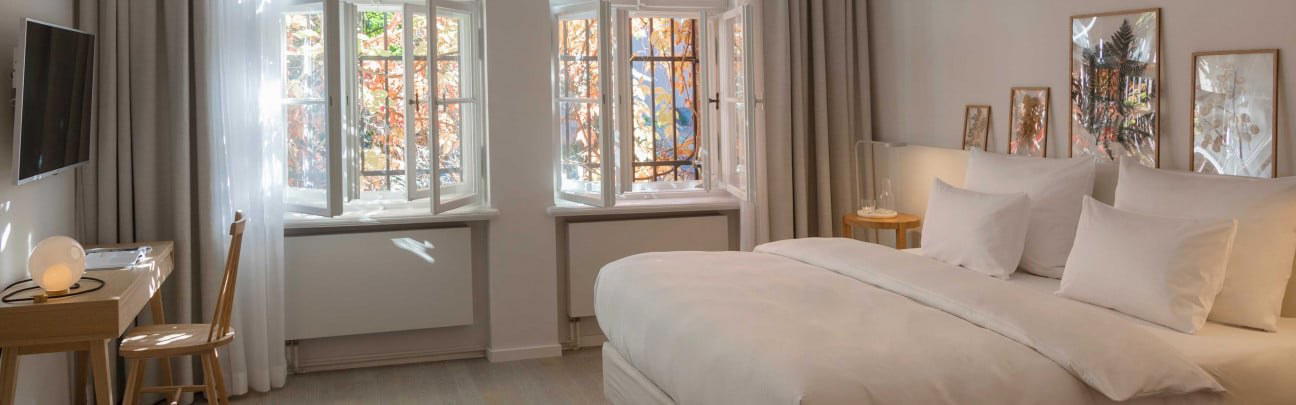
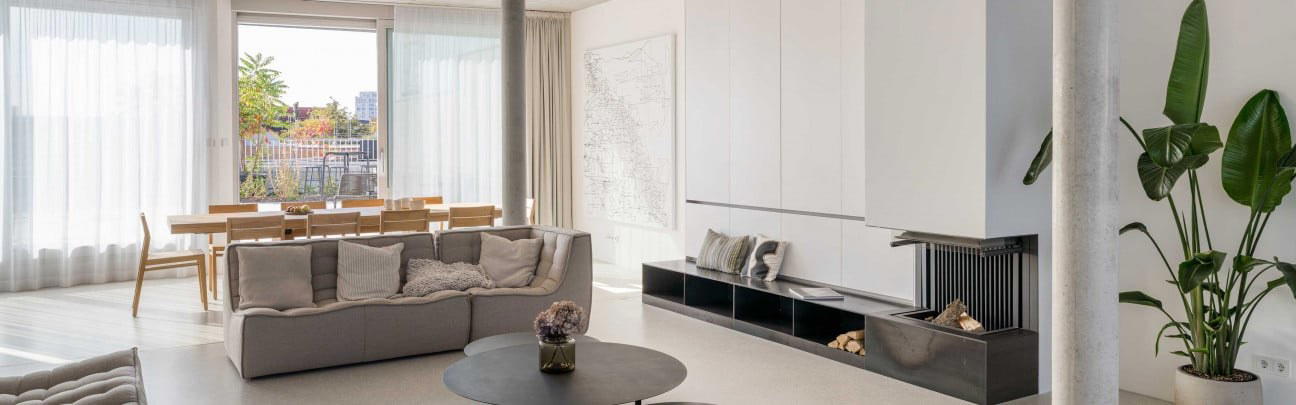
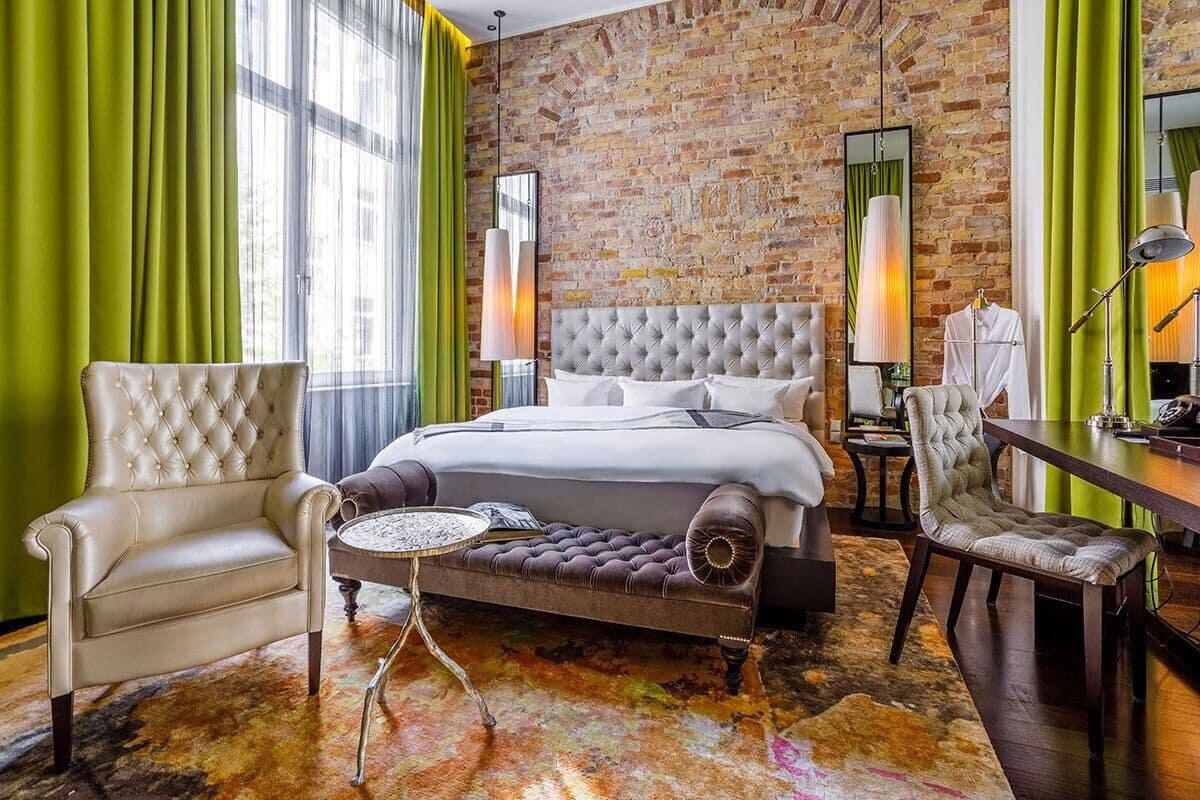
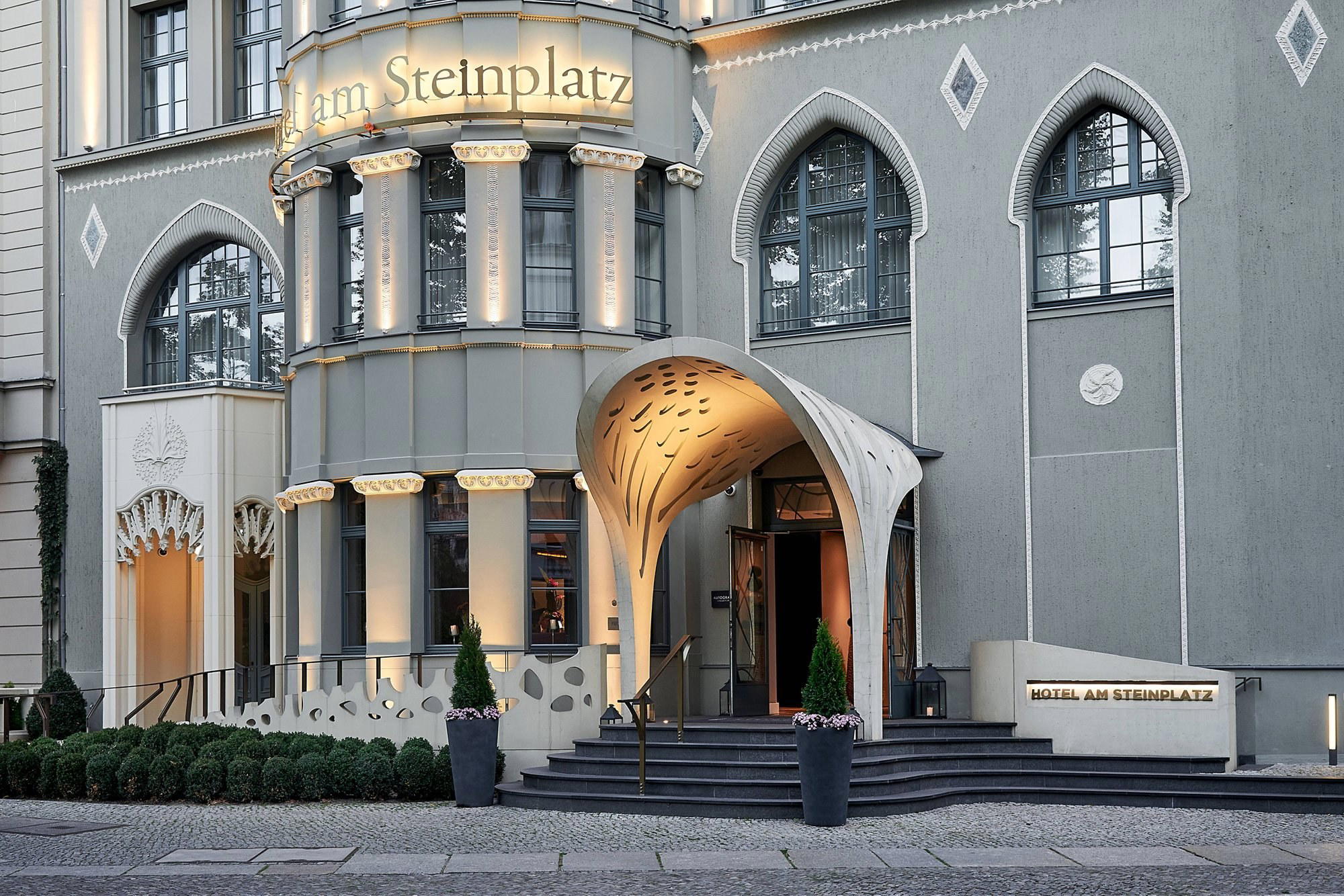

Zanotto Potsdam
The wine
- Wine program
- Curated wine list
- Extensive wine list
Details
- Romantic
- Cozy
- Elegant
- Intimate
- Date Night
- Special Occasion
- Casual Hangout
- Open Kitchen
- Standalone
- Extensive Wine List
- Local Sourcing
- A La Carte
- Wine
- Vegetarian Friendly
Current opening hours
- Monday
- Closed
- Tuesday
- Closed
- Wednesday
- 6–9 PM
- Thursday
- 6–9 PM
- Friday
- 6–9 PM
- Saturday
- 6–9 PM
- Sunday
- 6–9 PM
Hours can change for holidays and private events. Last verified .
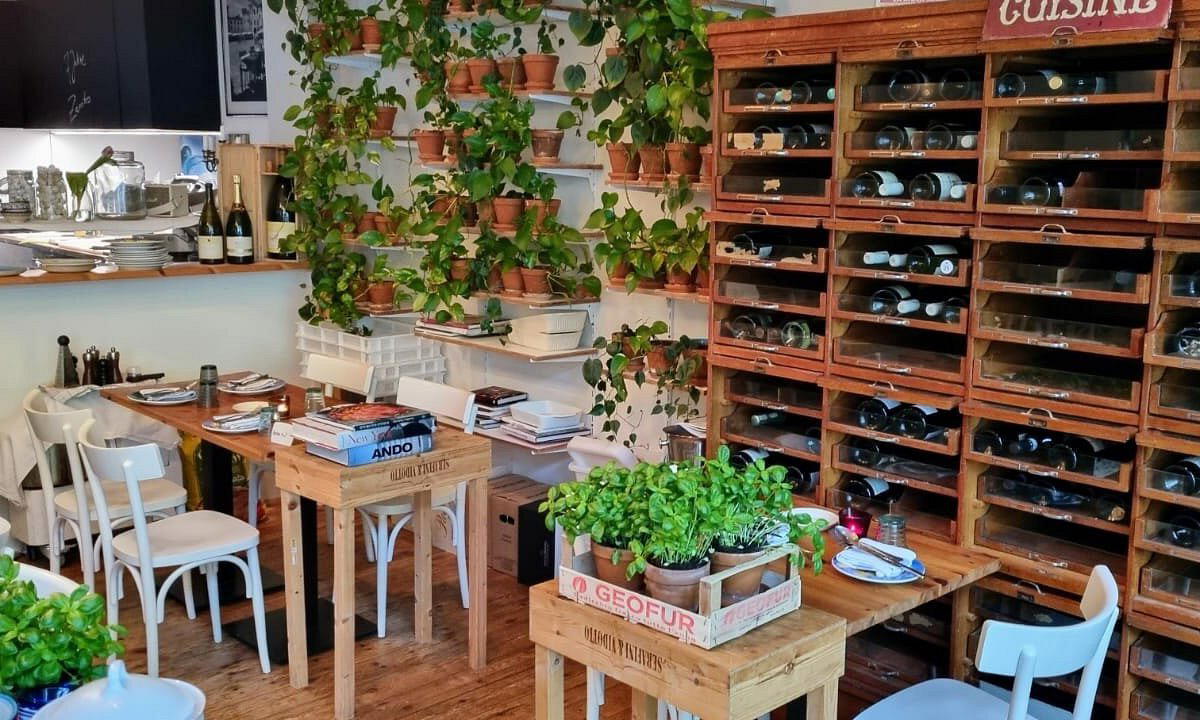
Charming and warmly lit with lovingly curated details, creating an authentic Italian osteria atmosphere that feels both refined and welcoming.