Trattoria Toscana Potsdam brings the unhurried rhythms of Tuscan dining to Zeppelinstraße, a residential stretch on the western edge of the city. The format follows the classic trattoria model: a progression of courses built around regional Italian tradition rather than tasting-menu theatre. For Potsdam's Italian dining scene, it occupies a dependable neighbourhood position distinct from the city's French and modern-European options.
Pearl is the En Primeur Club membership app — saves, bookings, and concierge access live there. Same editors, same standards.
- Address
- Zeppelinstraße 136, 14471 Potsdam, Germany
- Phone
- +4933155076757
- Website
- url
- Directions
- Get directions
 Saves & bookings on Pearl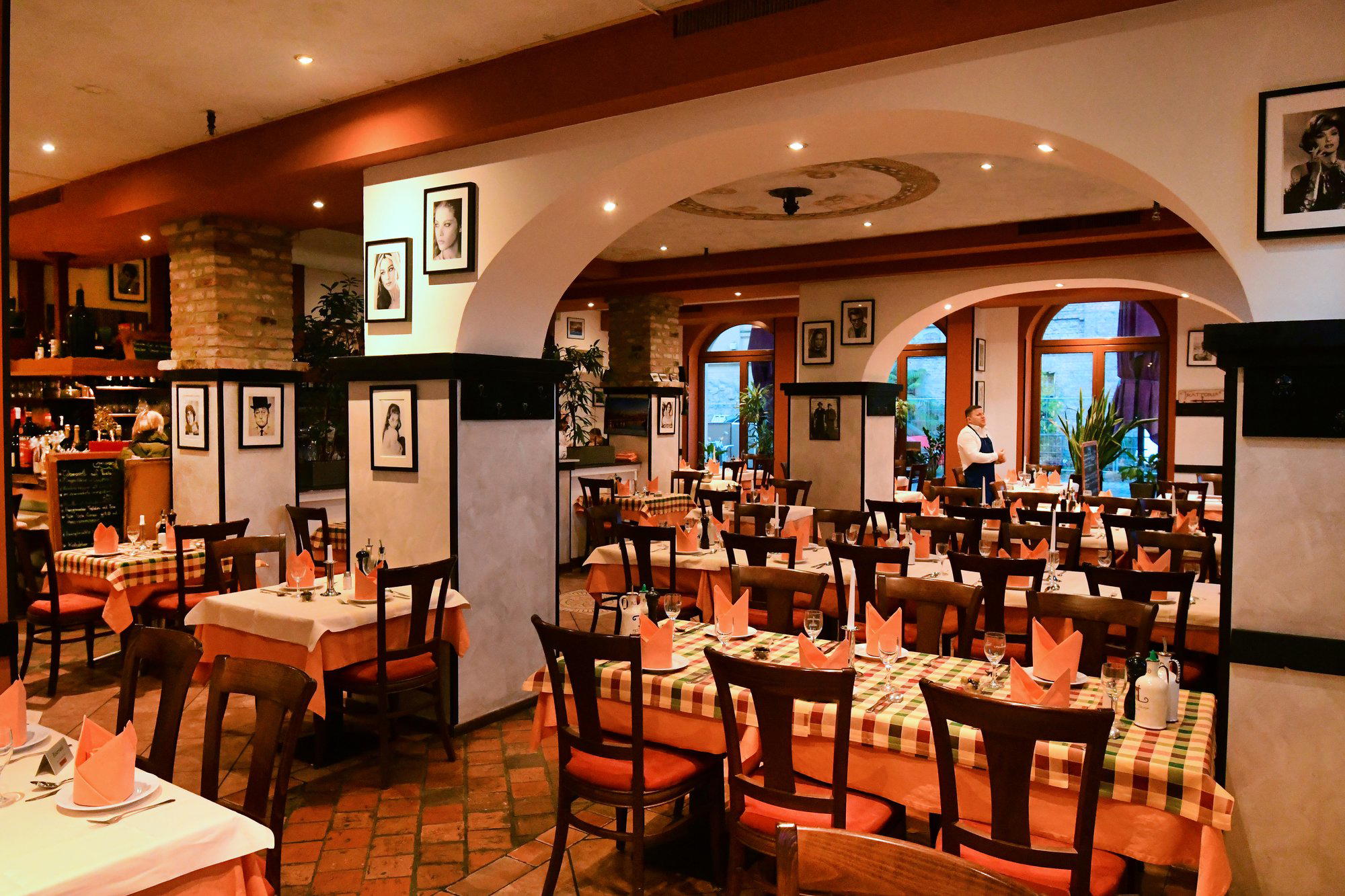
Potsdam's Italian Table: Where the Trattoria Tradition Lands
Along Zeppelinstraße, a tree-lined corridor that runs through one of Potsdam's quieter residential quarters, the trattoria model operates at a different register than the formal dining rooms that cluster around the city's palace precincts. Trattoria Toscana Potsdam sits at number 136 on that street, and what it represents in the context of Potsdam's dining scene matters as much as the specifics of any individual dish. The city already has a small but pointed set of European restaurant options. The Italian trattoria, by contrast, tends to operate on a different social contract with the diner: less architectural formality, a menu built around the progression of an Italian meal rather than a chef's personal tasting sequence, and a pace that assumes you have no particular reason to be anywhere else.
That structural difference is worth holding in mind as a frame. The Tuscan tradition specifically, rather than the broader Italian umbrella, carries a set of expectations: cured meats and bread before the table is properly settled, a first course that might lean on hand-rolled pasta with wild boar or a ribollita in cooler months, a second course built around roasted or braised meat, and the kind of dessert that functions as punctuation rather than spectacle. It is a progression that has defined Florentine and Sienese dining culture for generations, and it translates into German cities with varying degrees of fidelity. At its leading, the model produces meals that feel genuinely sequential rather than arbitrary.
The Architecture of the Meal
The trattoria structure organises a visit into stages that most Italian-format restaurants nominally follow but often compress into a two-course shorthand. The antipasto phase sets tone more than it feeds: a selection of cured meats, some bruschetta or crostini, and the kind of small vegetables preserved in oil that require no introduction and reward unhurried attention. What this opening act signals is whether the kitchen is working in the tradition.
First courses in the Tuscan canon typically run to fresh pasta in various cuts, pappardelle being the recognisable vehicle for the slow-cooked sauces the region favours, alongside ribollita when the temperature outside earns it and panzanella in the warmer months. The grain-and-bread logic of Tuscan cooking, which historically treated leftover bread as a structural ingredient rather than a waste product, puts the kitchen's sourcing and timing habits on display in ways that a simple tomato sauce cannot.
The second course is where Tuscan tradition becomes most legible to a non-Italian diner. Bistecca alla Fiorentina, when offered, demands a specific breed, a specific cut, and a specific relationship with high heat and resting time. Braised preparations, particularly wild boar (cinghiale) and lamb, follow slower logic. Dessert in the tradition tends toward cantucci with Vin Santo, panna cotta, or tiramisù in its non-theatrical original form. Each stage of the meal is not merely a sequence of dishes but a pacing mechanism, and the rhythm of service across these courses tells you something about whether a kitchen understands the tradition it is working in.
Potsdam's Dining Scene and Where Italian Fits
Potsdam sits in an interesting position for European dining. Its proximity to Berlin, roughly 25 kilometres to the east, means it does not need to service the full spectrum of international cuisine the capital covers. What it has developed instead is a smaller, more personal set of restaurants that reflect the city's character: heritage-conscious, European in orientation, and more likely to prize consistency over novelty. GARAGE du PONT and A Slice of Britain represent the city's appetite for European formats outside the French and Italian axis, while Kengs Landhaus extends the range further. Within that context, a trattoria format anchored in Tuscan tradition fills a specific and uncontested space.
For comparison, Germany's highest-level Italian dining exists in a separate tier entirely. The country's most decorated European tables, among them Aqua in Wolfsburg, Vendôme in Bergisch Gladbach, and Schwarzwaldstube in Baiersbronn, operate at a formal fine-dining register that has little in common with the trattoria model. Even Berlin's more experimental formats, such as CODA Dessert Dining, represent a different set of ambitions. The trattoria is not trying to compete in that conversation. It is serving a different function: the reliable, unpretentious delivery of a regional Italian meal to a neighbourhood audience.
For visitors arriving from further afield who want a reference point for the broader German fine-dining context, venues like JAN in Munich, Restaurant Haerlin in Hamburg, Schanz in Piesport, ES:SENZ in Grassau, Victor's Fine Dining by christian bau in Perl, and Waldhotel Sonnora in Dreis map the ceiling of the national dining culture. Internationally, counters like Le Bernardin in New York City and Atomix in New York City illustrate what stronger examples from the tasting-menu format looks like globally. Trattoria Toscana Potsdam is not positioned against any of those reference points. Its comparable set is local, its ambitions regional, and that positioning is appropriate for what the format actually delivers.
Planning a Visit
Trattoria Toscana Potsdam is located at Zeppelinstraße 136, 14471 Potsdam, in a residential area that sits west of the city centre. The address is reachable by public transport from the central station and from the palace district, though the neighbourhood has a quieter character than the tourist corridors around Sanssouci. Open Tue-Sun from 4 PM to 12 AM; closed Monday. Reservations are recommended. Checking in advance is particularly worth doing if you are visiting as part of a broader Potsdam dining itinerary, given that neighbourhood restaurants in this part of the city can operate on schedules that differ from central establishments.
A Credentials Check
Comparable venues nearby, for context on price, style, and recognition.
| Venue | Cuisine | Price | Notes |
|---|---|---|---|
| Trattoria Toscana PotsdamThis venue — the venue you are viewing | Authentic Italian Trattoria | $$ | Not listed |
| Zanotto Potsdam | Authentic Northern Italian Trattoria | $$$ | Potsdam |
| A Slice of Britain | Traditional British Breakfast Café | $$ | Innenstadt |
| Restaurant Waage | Authentic Italian-Mediterranean | $$$ | Innenstadt |
| Sagar Tikka Haus Potsdam | Classic Indian Tikka & Curry House | $$ | Babelsberg |
| GARAGE du PONT | French Bistro | $$ | Nördliche Vorstadt |
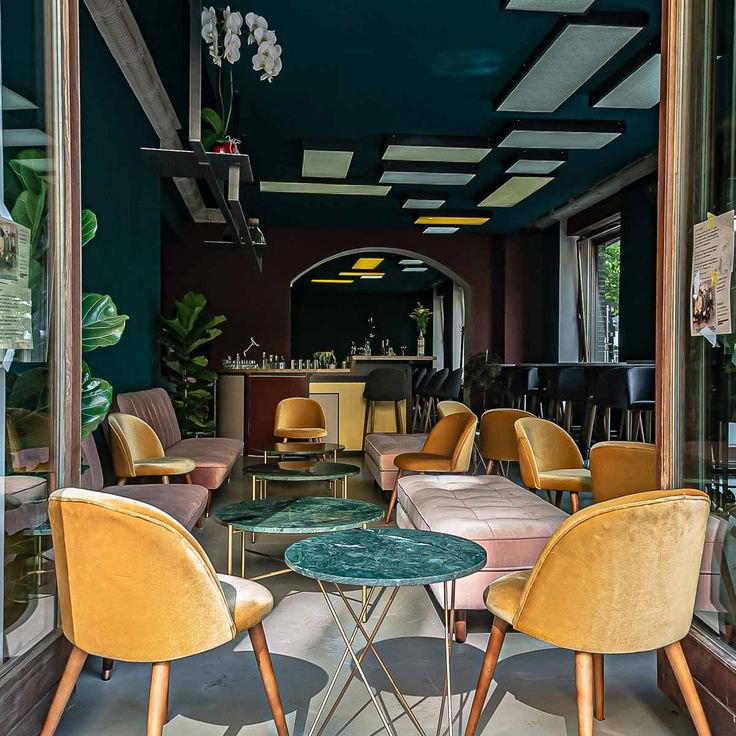
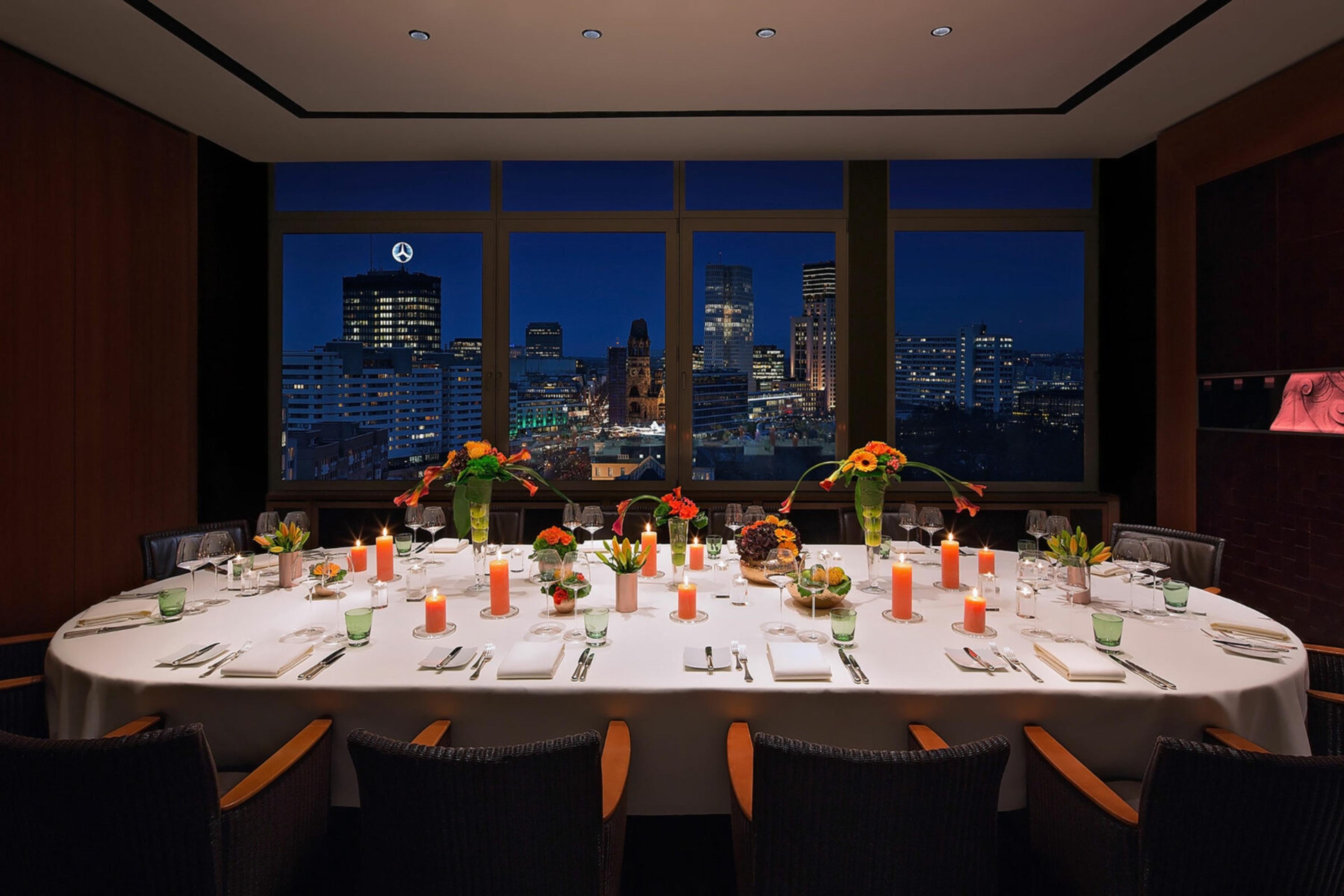
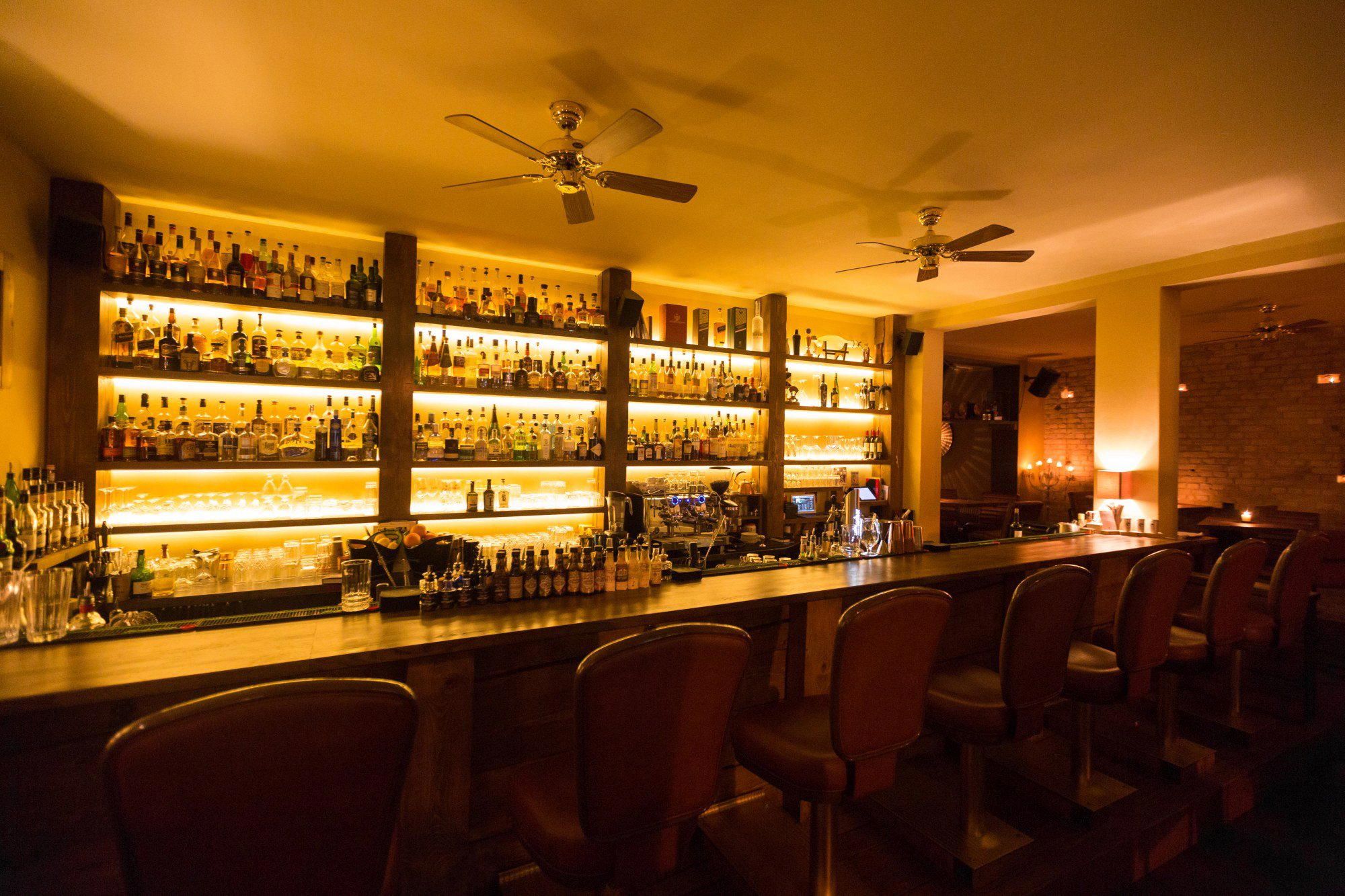
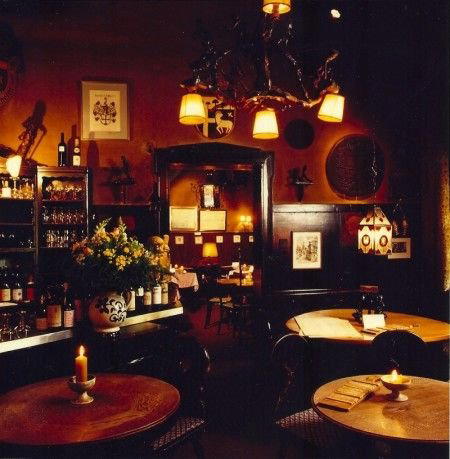
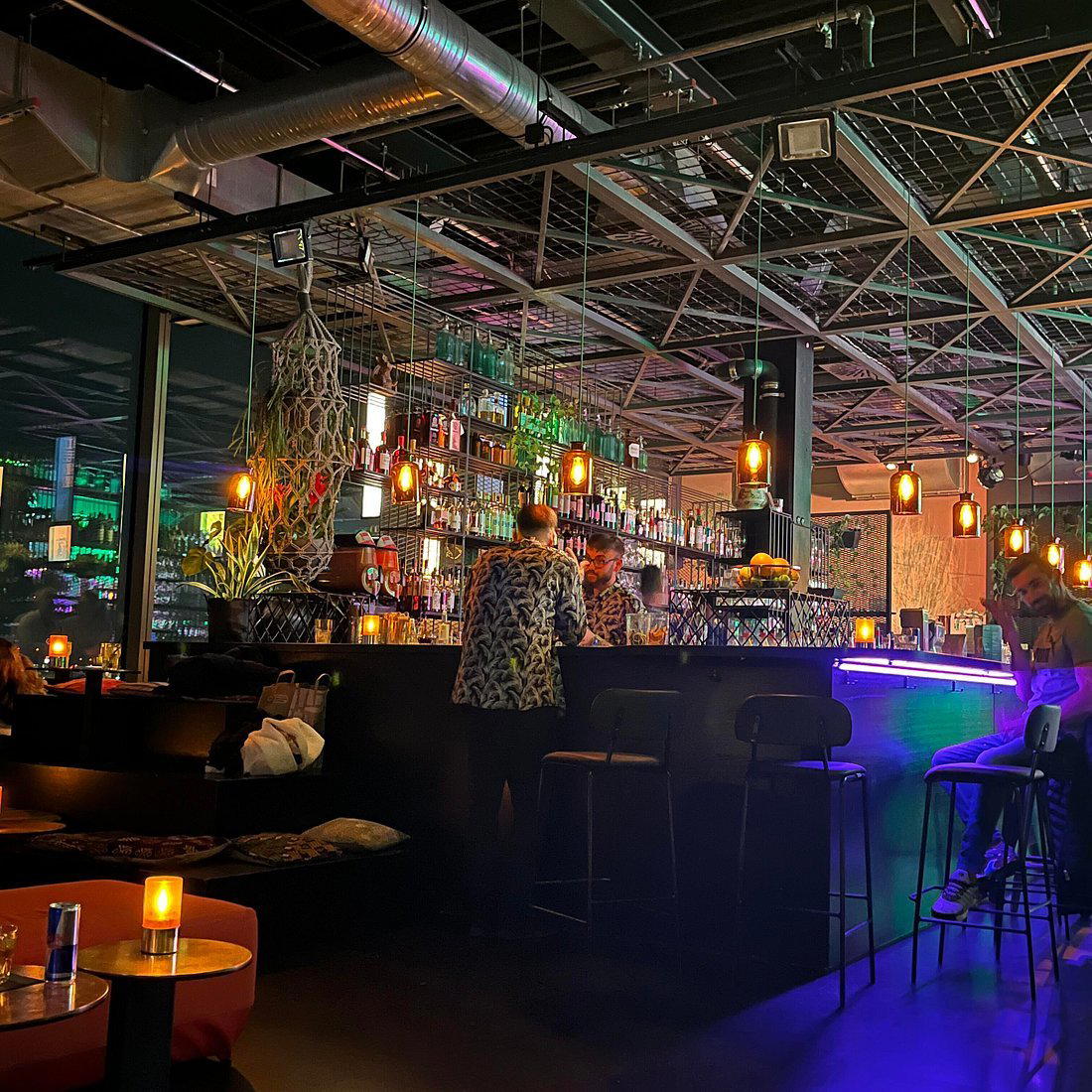
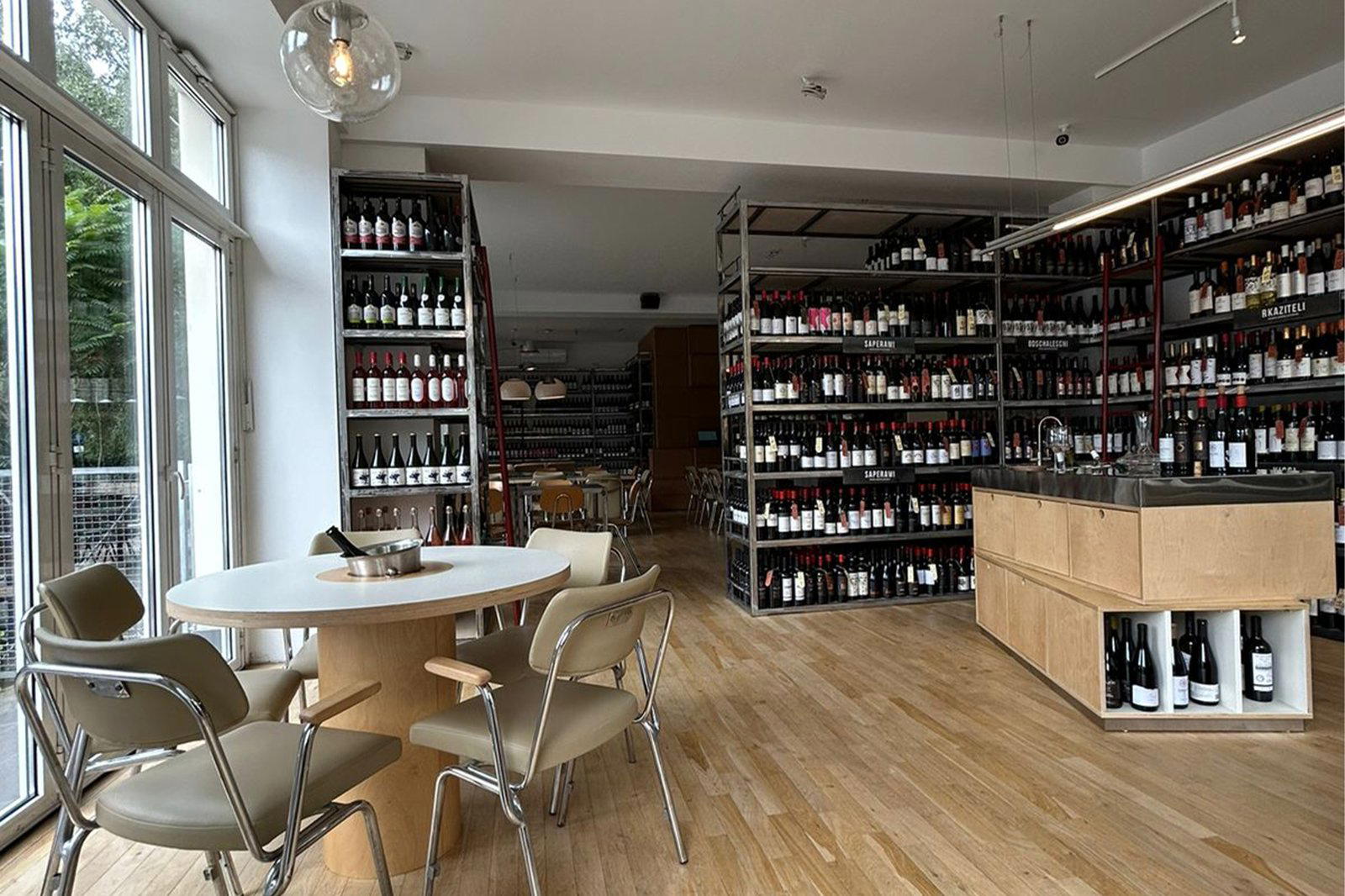
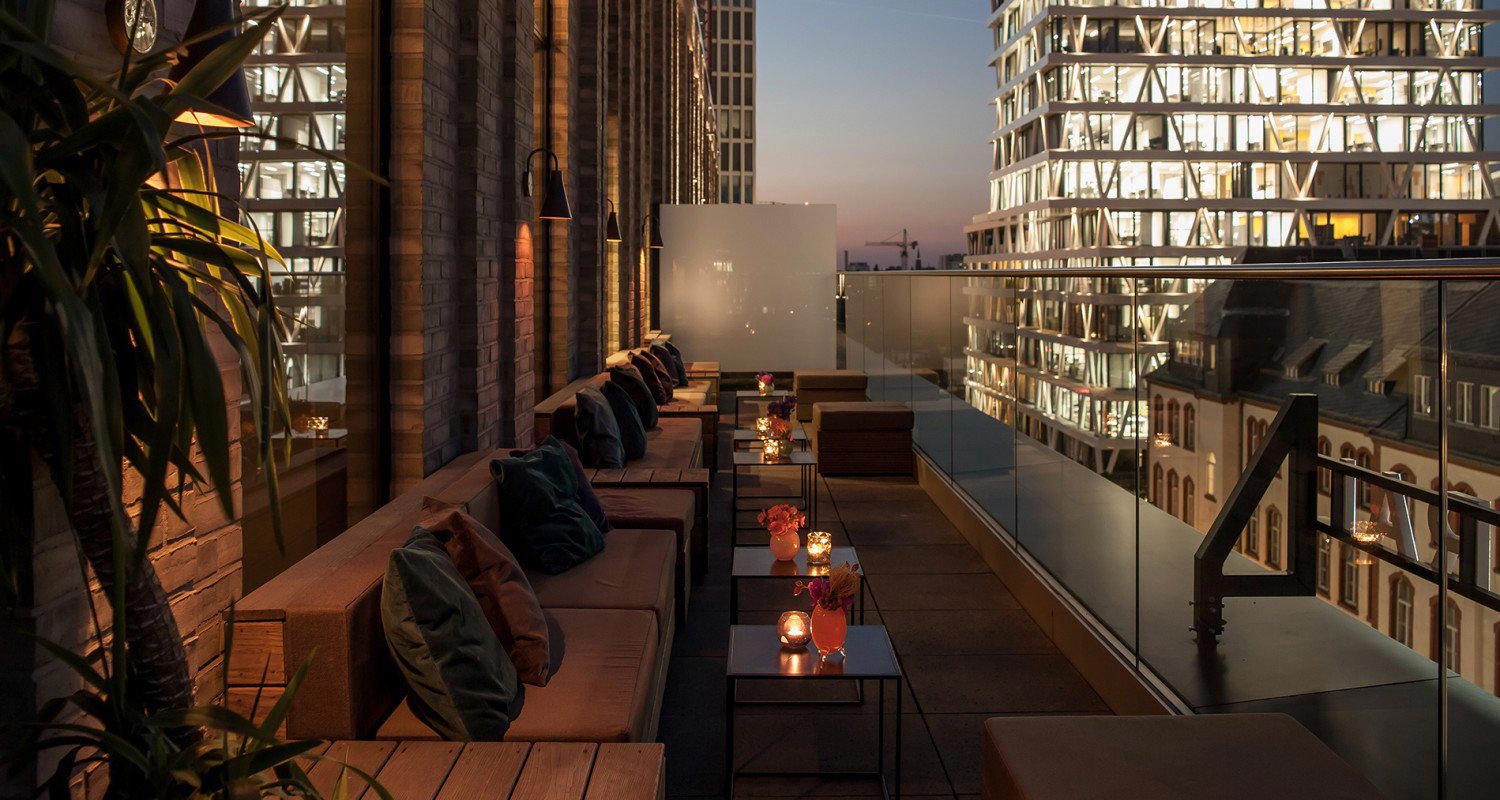
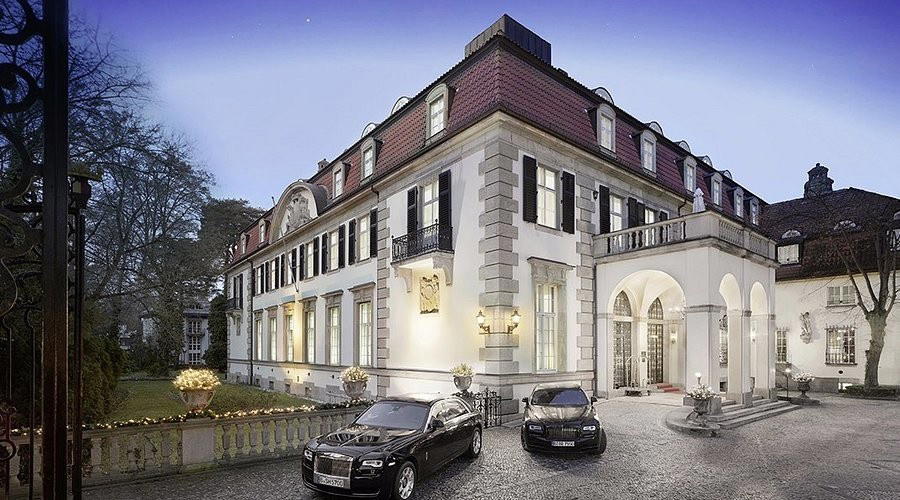
At a Glance
- Cozy
- Rustic
- Lively
- Family
- Group Dining
- Casual Hangout
- Historic Building
- Terrace
- Waterfront
Current opening hours
- Monday
- Closed
- Tuesday
- 4 PM–12 AM
- Wednesday
- 4 PM–12 AM
- Thursday
- 4 PM–12 AM
- Friday
- 4 PM–12 AM
- Saturday
- 4 PM–12 AM
- Sunday
- 4 PM–12 AM
Hours can change for holidays and private events. Last verified .
Cozy and lively classic trattoria atmosphere with warm, welcoming vibe suitable for families and groups.