In the Val d'Orcia town of Pienza, Trattoria Latte di Luna anchors itself firmly in the trattoria tradition: simple rooms, local produce, and a menu that reads like a map of the surrounding countryside. The kitchen draws on the same agricultural identity that defines this corner of Tuscany, where Pecorino di Pienza and Chianina beef are produced within walking distance of the table.
Pearl is the En Primeur Club membership app — saves, bookings, and concierge access live there. Same editors, same standards.
- Address
- Via S. Carlo, 2/4, 53026 Pienza SI, Italy
- Phone
- +39 0578 748606
- Directions
- Get directions
 Saves & bookings on Pearl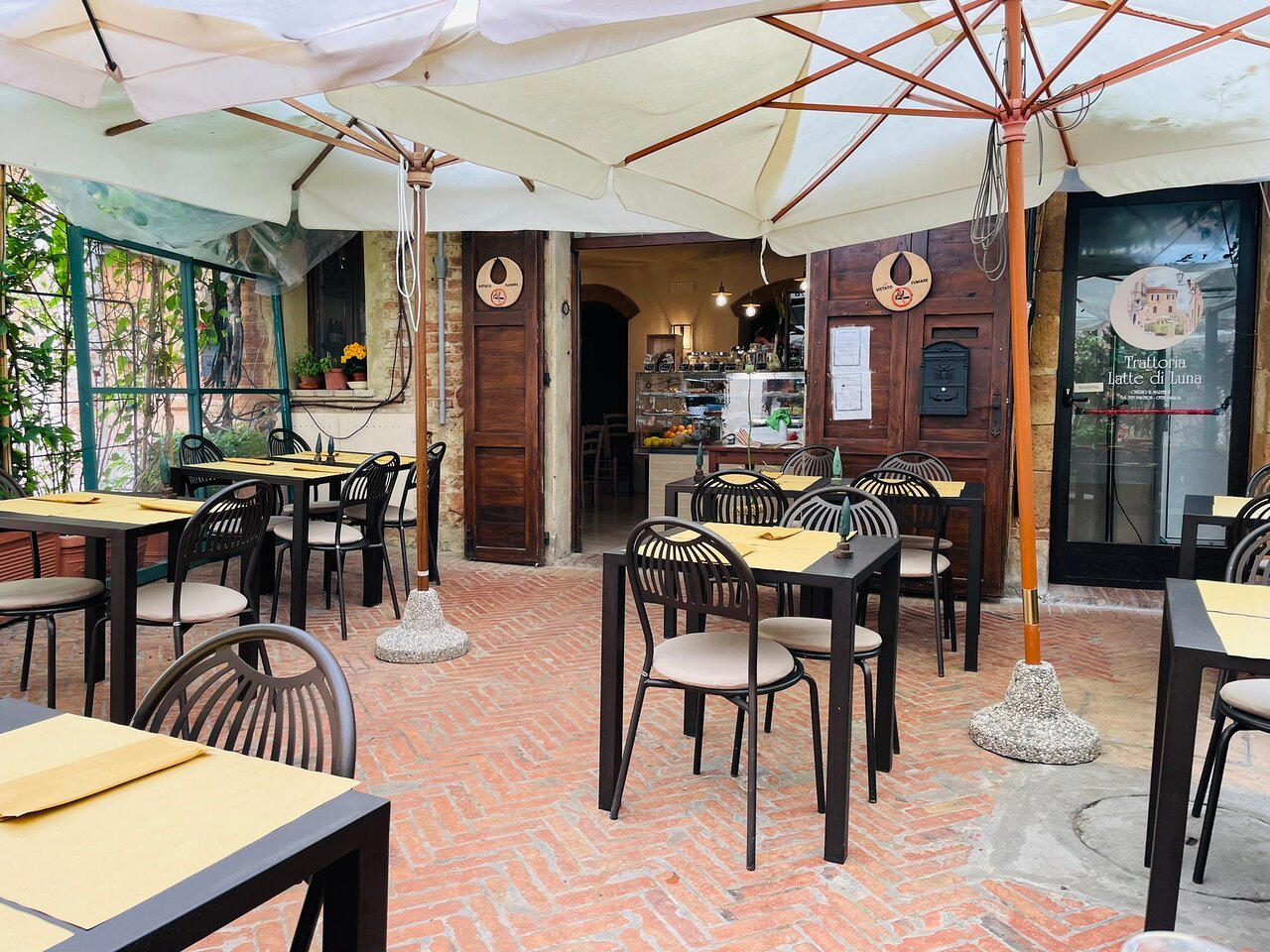
Where the Val d'Orcia Comes to the Table
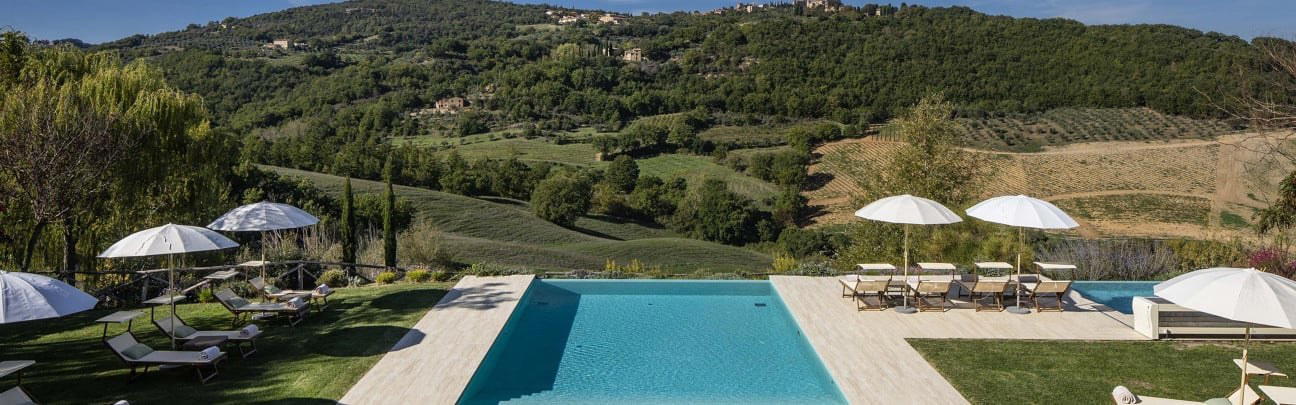
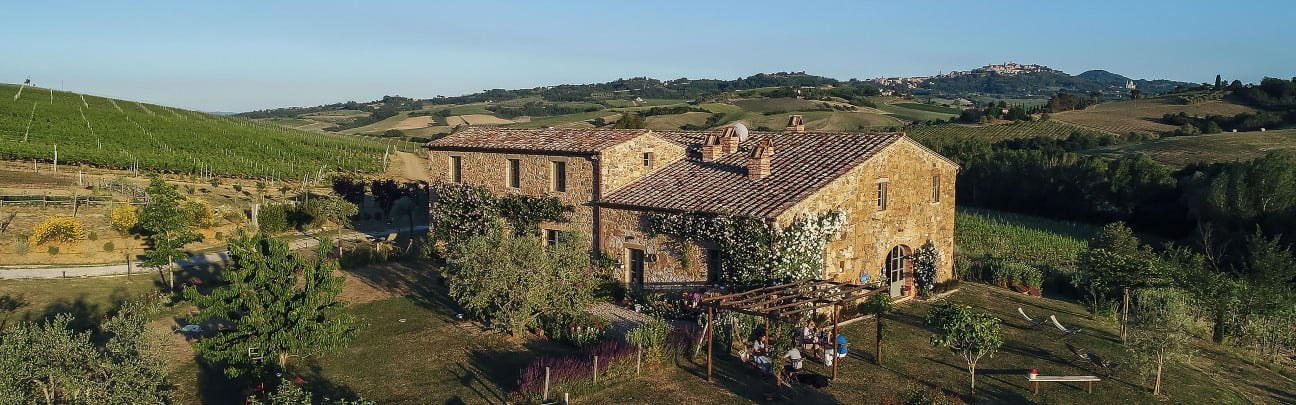
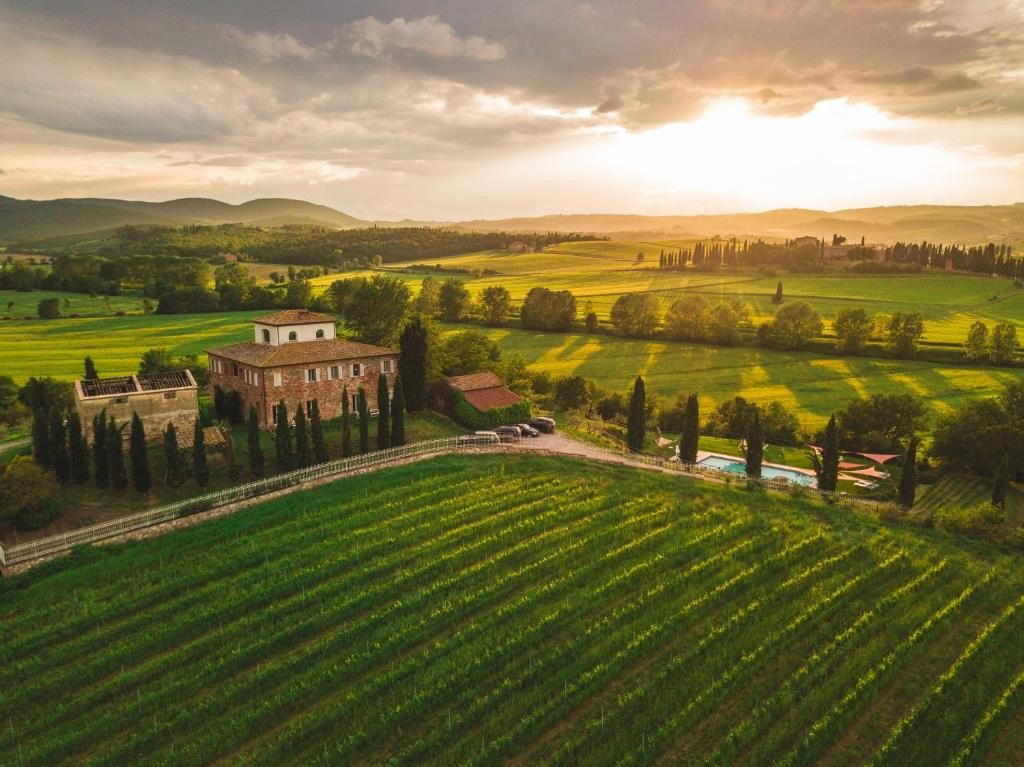
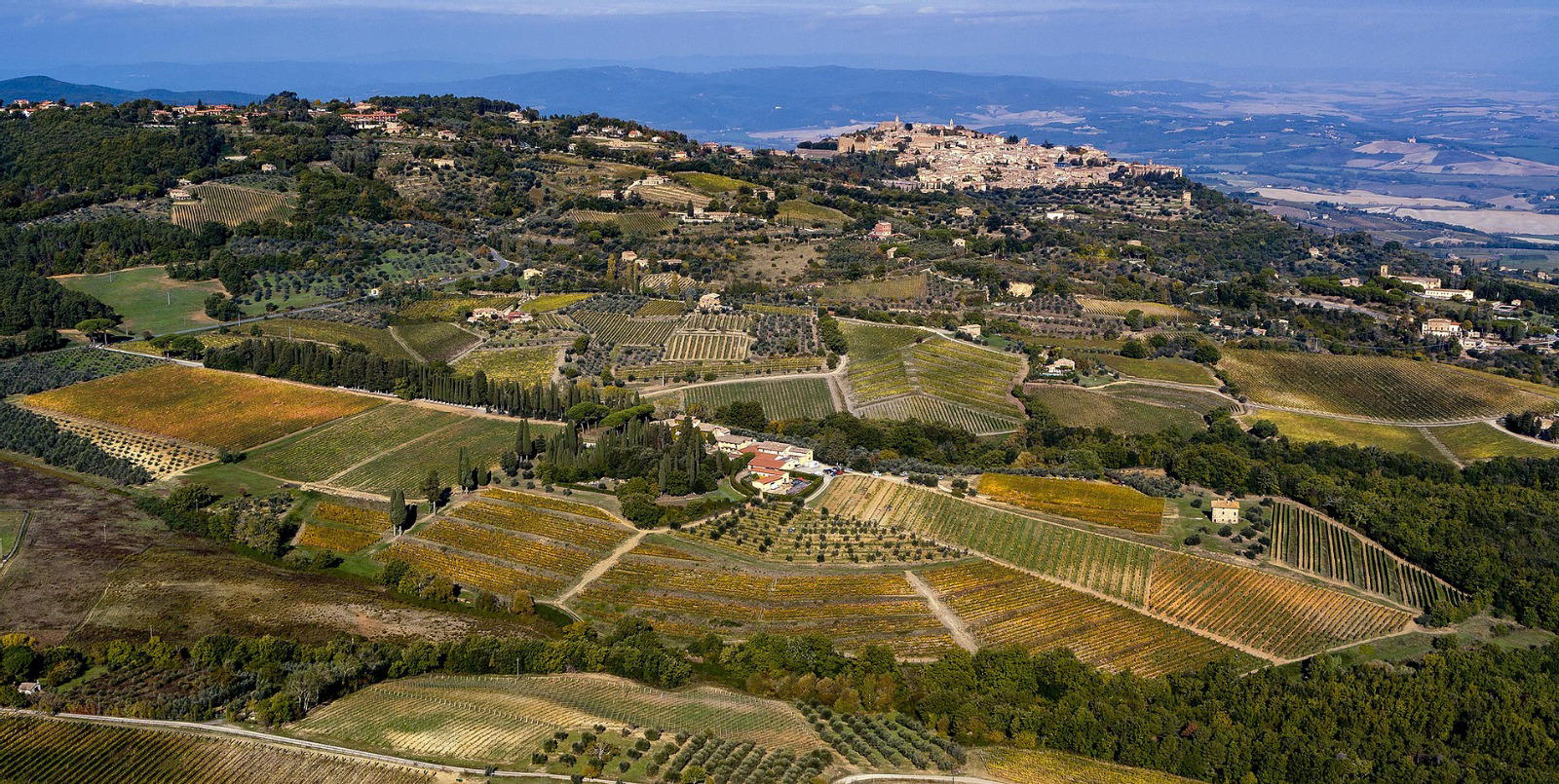
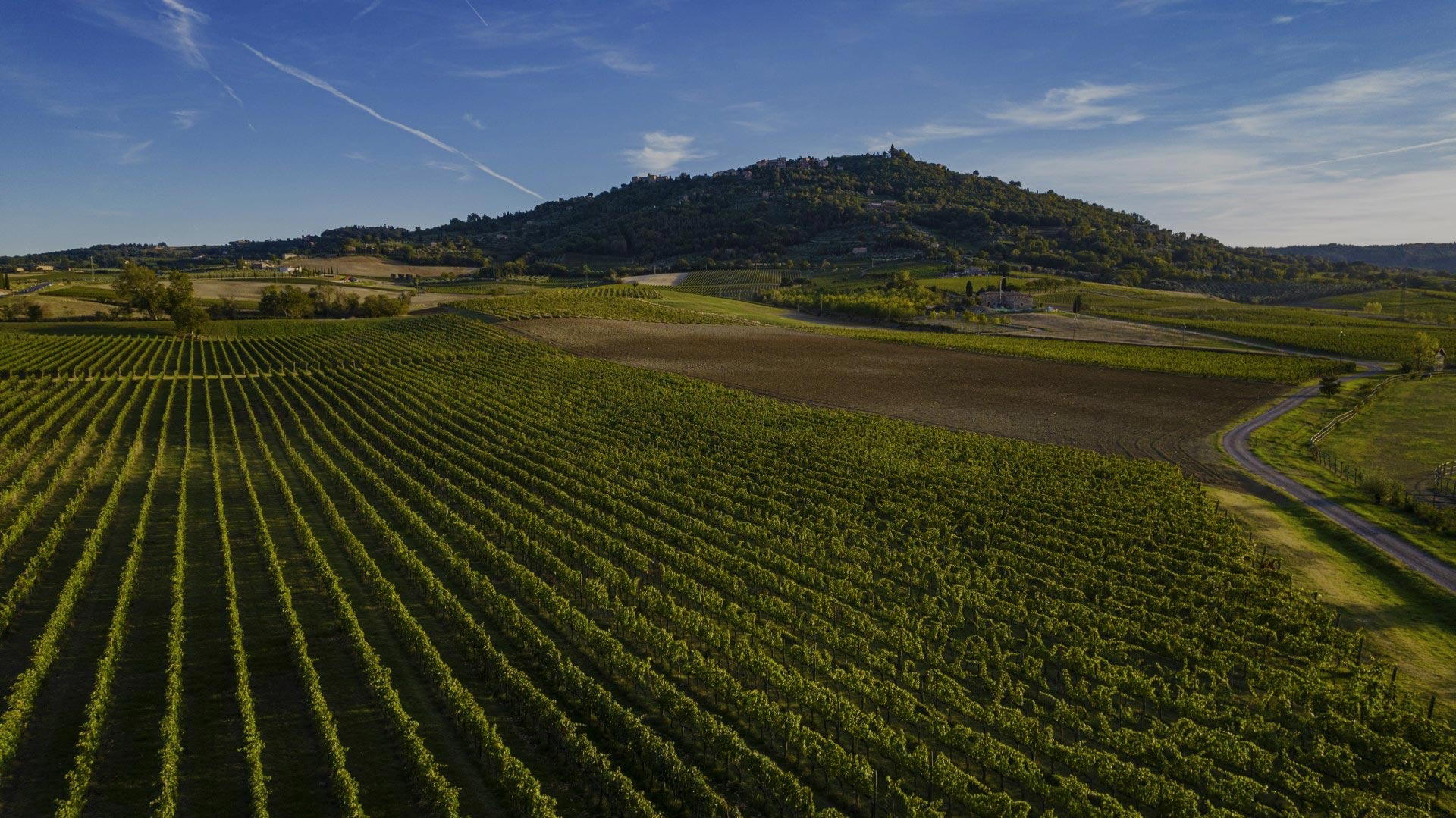
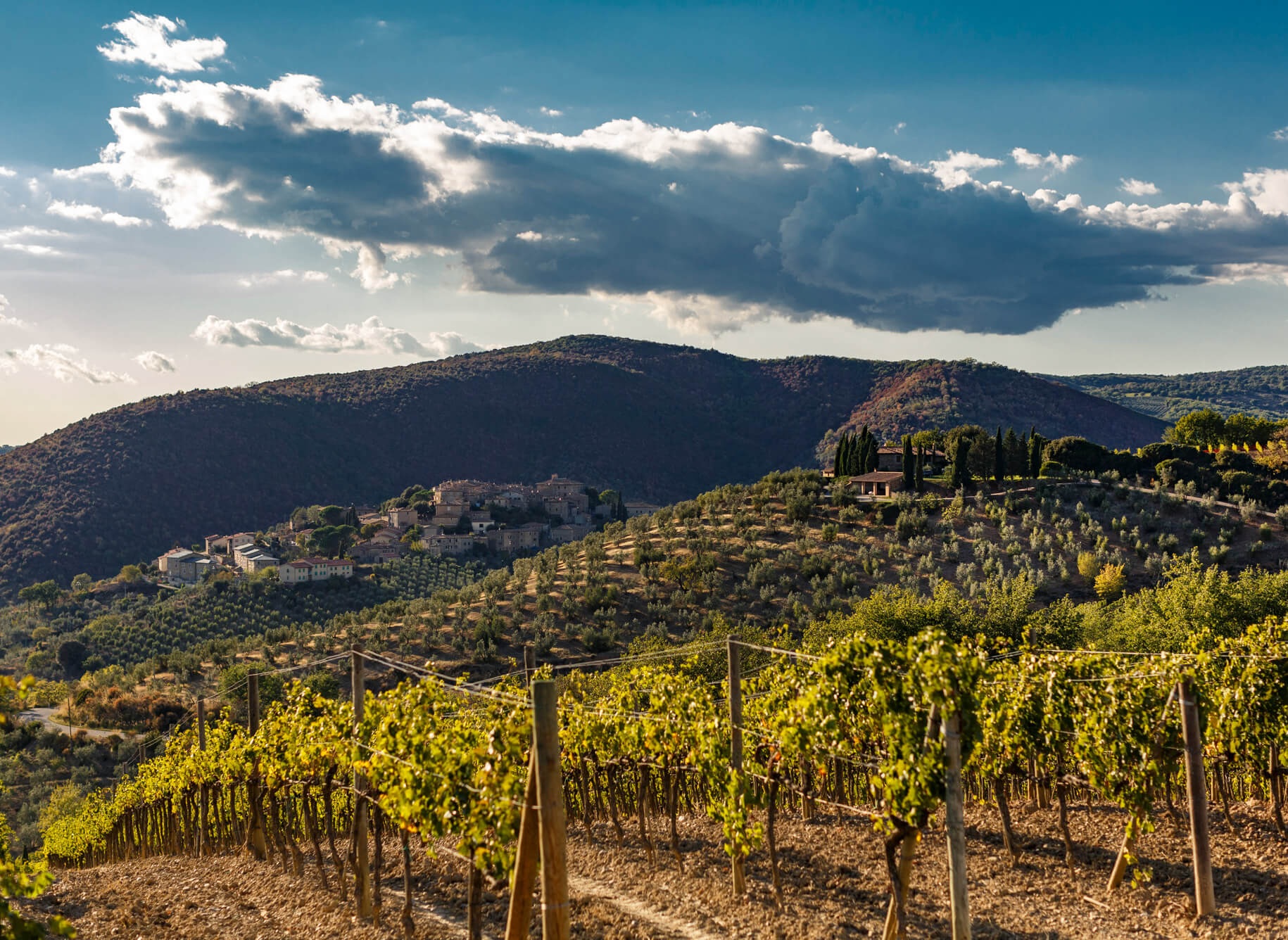
Pienza sits at the western edge of the Val d'Orcia, a UNESCO-protected valley where the agricultural calendar still governs daily life. The town itself was rebuilt in the fifteenth century as a model Renaissance city, but its food culture belongs to a much older and earthier tradition: trattorie that cook what the valley produces, season by season, without editorial intervention. Trattoria Latte di Luna occupies that position on Via S. Carlo, a short walk from the central Piazza Pio II, where the stone streets narrow and the tourist foot traffic thins. Trattoria Latte di Luna sits at Via S. Carlo, 2/4, 53026 Pienza SI, Italy, and serves traditional Tuscan trattoria cooking built around Val d'Orcia produce. This is trattoria format in the classical Tuscan sense: functional, unhurried, oriented entirely toward the food rather than the setting.
The Source Logic of the Val d'Orcia
The ingredient case for this part of Tuscany is unusually strong, even by Italian standards. Pecorino di Pienza has its own DOP designation and is produced by shepherds whose flocks graze the surrounding hills. The cheese arrives at the table in multiple stages of aging: the young fresco has a milky, yielding character, while the stagionato aged versions develop the sharpness and crystalline texture associated with long cave aging. Both are made within a few kilometres of the restaurant. This proximity matters because it collapses the supply chain almost entirely. In a food economy where provenance is often a marketing layer applied after the fact, the Val d'Orcia's Pecorino arrives here with its origins intact and verifiable.
Chianina cattle, one of the oldest bovine breeds in Italy and the source of the bistecca alla Fiorentina tradition, are raised across the Chiana and Orcia valleys. The breed's slow growth rate and grass-fed management produce beef with a distinct mineral density that sets it apart from intensively reared alternatives. A trattoria in Pienza drawing from local Chianina supply is operating in a category that destination restaurants in Florence or Milan have to work considerably harder to access. The geography here is the supply chain, and the supply chain is the argument for the kitchen.
Truffles from the Crete Senesi, the clay-hill terrain northeast of Pienza, follow a tight seasonal window. White truffle appears in autumn, black in winter and spring. A menu reading that lists local truffle in either period is a reliable indicator of how closely the kitchen tracks the calendar rather than the wholesale market. For visitors planning around specific produce, autumn is the period when the valley's full larder is open simultaneously: truffle season, the olive harvest, and the tail end of the summer vegetable cycle all converge between late September and November. This is the period when trattorie in this part of Tuscany operate at the peak of their seasonal logic.
The Trattoria Format in Context
Italy's trattoria category has fractured considerably over the past two decades. In cities, the word now covers everything from bare-bones lunch counters to self-consciously curated operations with natural wine lists and artisan producers listed by name on the menu. In small rural towns like Pienza, the format has changed less, partly because the audience is different (a mix of local regulars and informed visitors rather than an urban dining public) and partly because the supply relationships that define genuine trattoria cooking are geographically fixed. You cannot replicate a Pienza trattoria's ingredient relationships in Rome or Milan because the ingredients themselves are tied to specific hill pastures and local producers.
This places Latte di Luna in a different competitive frame from the starred restaurants that define Italian fine dining at the national level. Operations like Osteria Francescana in Modena, Dal Pescatore in Runate, or Enoteca Pinchiorri in Florence operate within a tradition that transforms regional produce through technical ambition and creative reinterpretation. Le Calandre in Rubano and Piazza Duomo in Alba similarly apply progressive Italian thinking to local terroir. Latte di Luna makes no argument in that register. Its claim is the opposite: direct execution of local produce with minimal transformation, at prices that the local community can access. That is not a lesser ambition. It is a different one, and in a town with Pienza's ingredient depth, it is a credible one.
Italy's broader fine dining circuit, from La Pergola in Rome to Villa Crespi in Orta San Giulio and Reale in Castel di Sangro, rewards travellers who sequence their itineraries deliberately: a tasting menu counter one evening, a trattoria lunch the next. The contrast makes both experiences more legible.
Planning Your Visit
Via S. Carlo is in the historic centre, where parking is limited to the perimeter roads and the main car park at the town walls. Lunch service is the natural anchor point for a trattoria visit of this kind: the kitchen is cooking for the day's produce, and the afternoon light across the Val d'Orcia makes a post-lunch walk along the town's southern belvedere one of the more direct pleasures Tuscany offers.
Fast Comparison
Comparable venues nearby, for context on price, style, and recognition.
| Venue | Cuisine | Price | Notes |
|---|---|---|---|
| Trattoria Latte di LunaThis venue — the venue you are viewing | Traditional Tuscan Trattoria | $$ | Not listed |
| Dal Moro's Fresh Pasta To Go | Fresh Pasta To Go | $$ | Castello |
| Gelateria La Romana | Artisanal Italian Gelato | $$ | Sallustiano |
| Osteria Santo Spirito | Traditional Tuscan Trattoria | $$ | Santo Spirito |
| Trattoria Marione | Traditional Tuscan Trattoria | $$ | Santo Spirito |
| Trattoria I'raddi | Traditional Tuscan Trattoria | $$ | Santo Spirito |
Continue exploring
More in Pienza
Restaurants in Pienza
Browse all →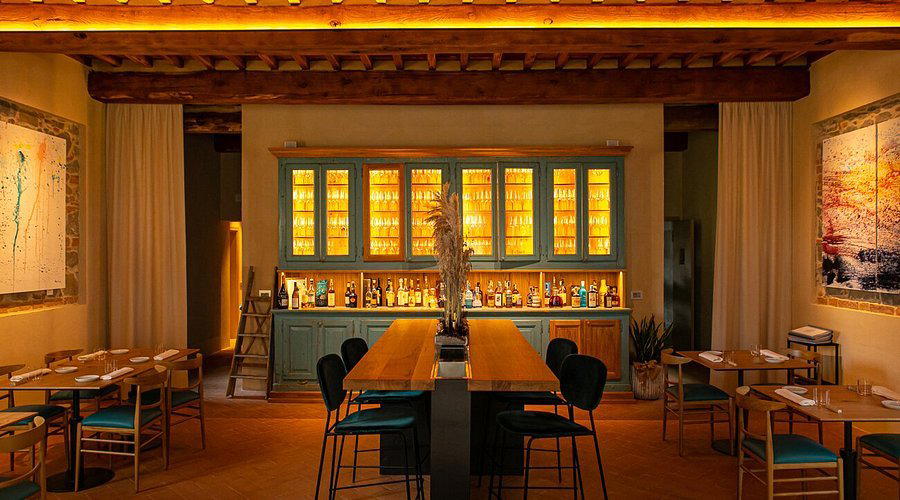
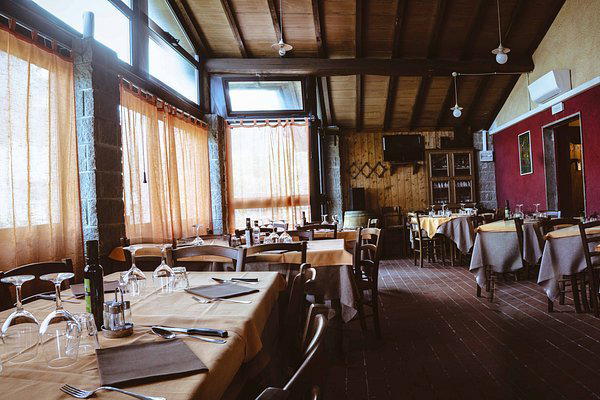
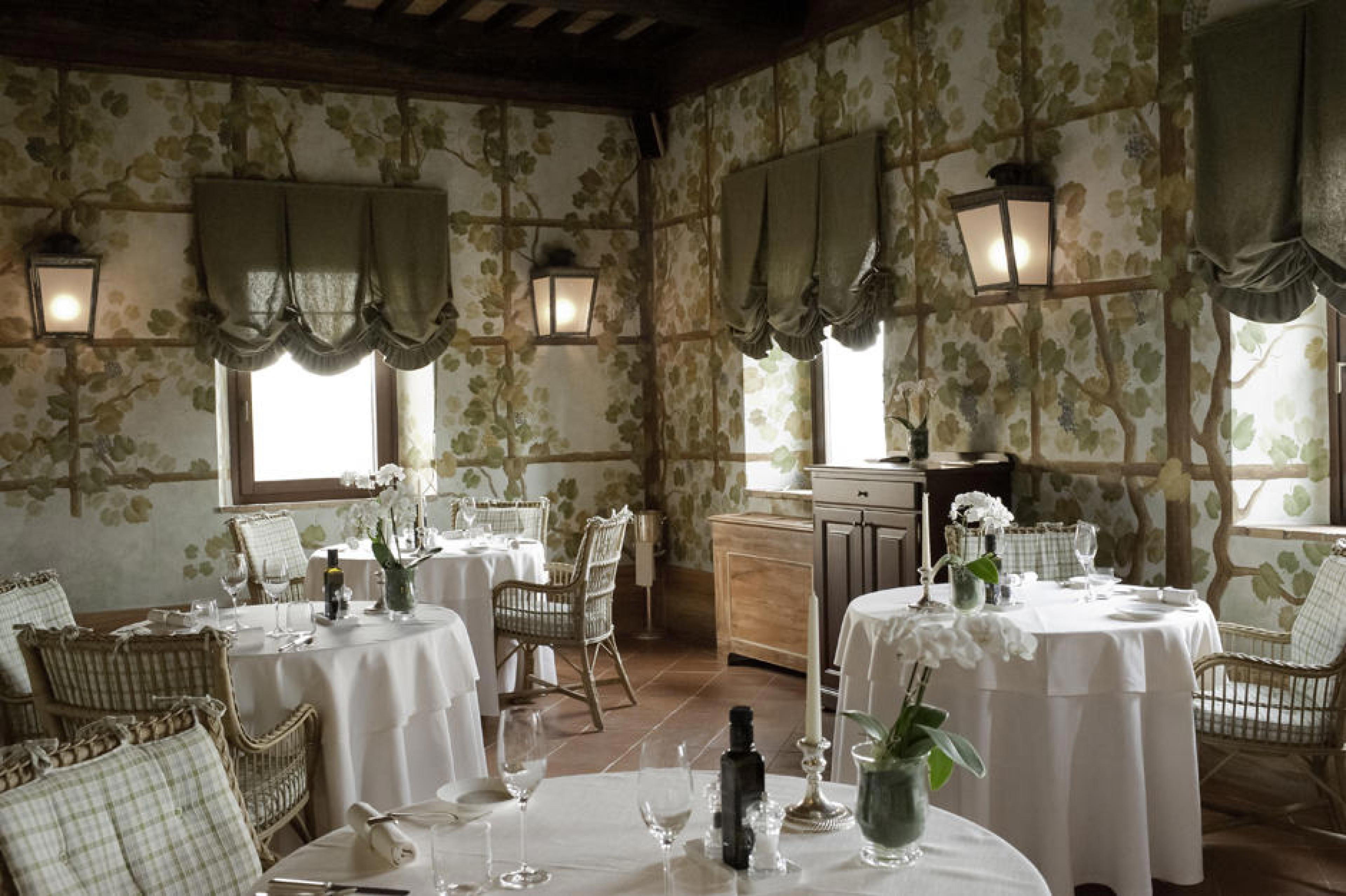
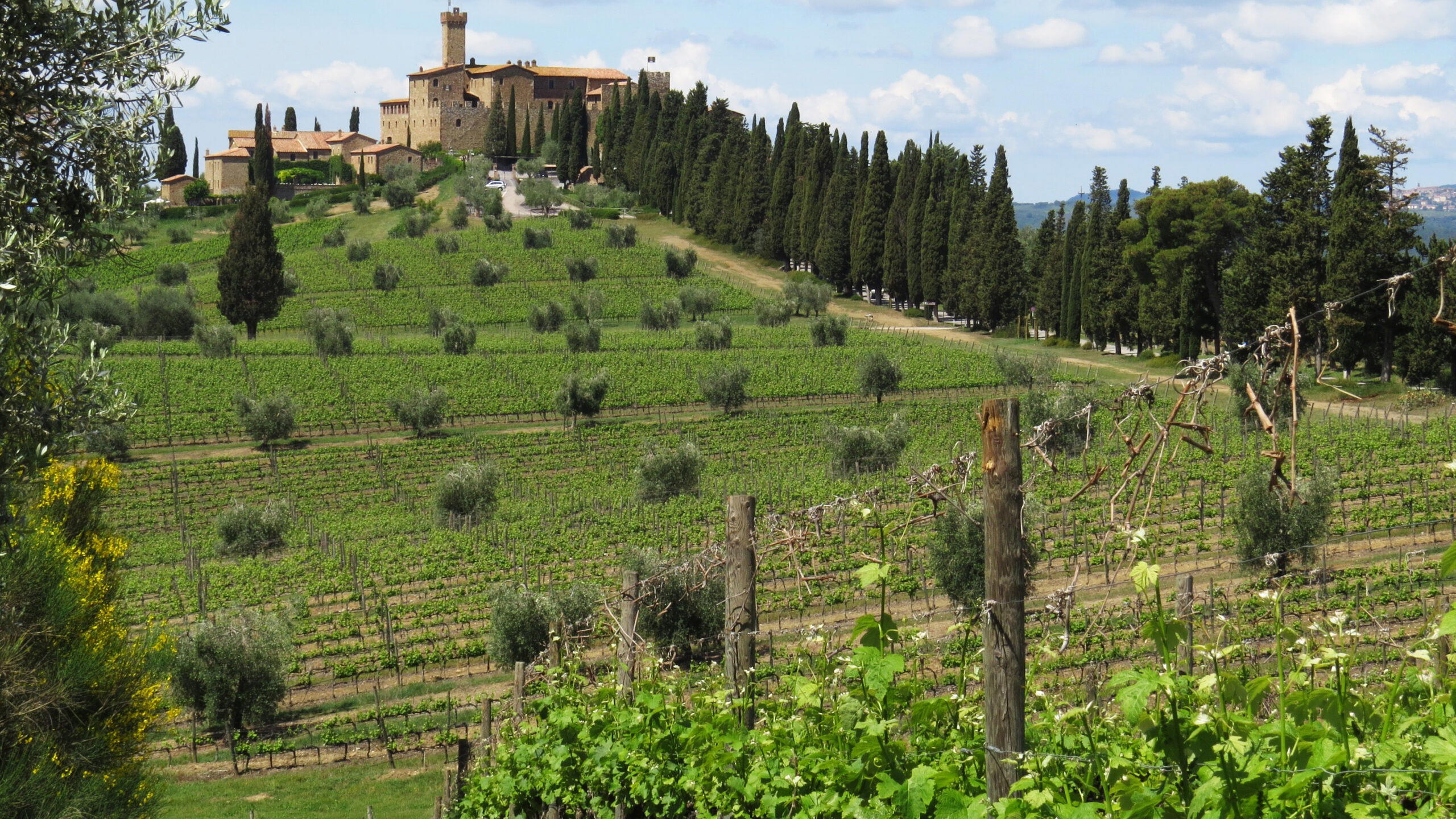
Bars in Pienza
Browse all →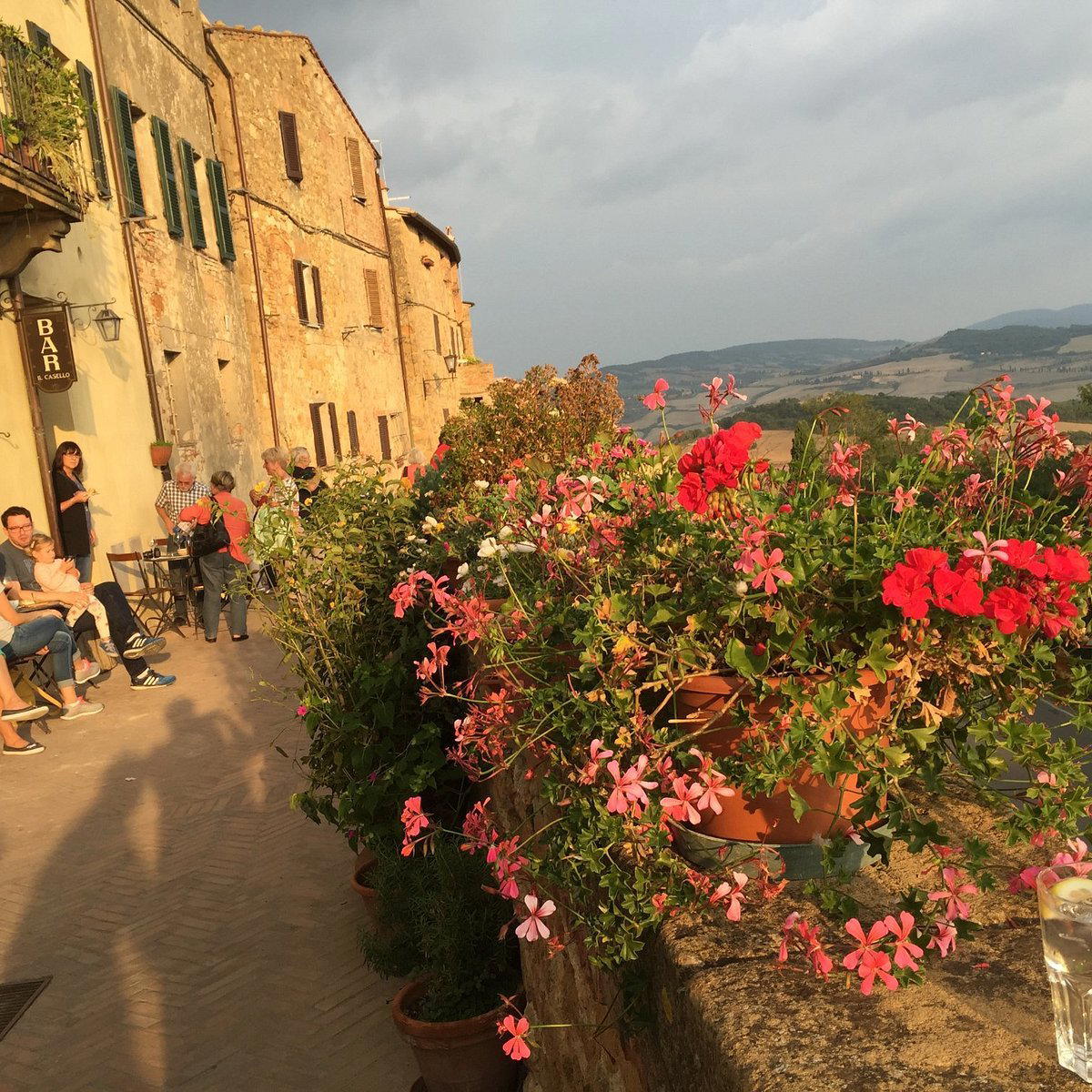
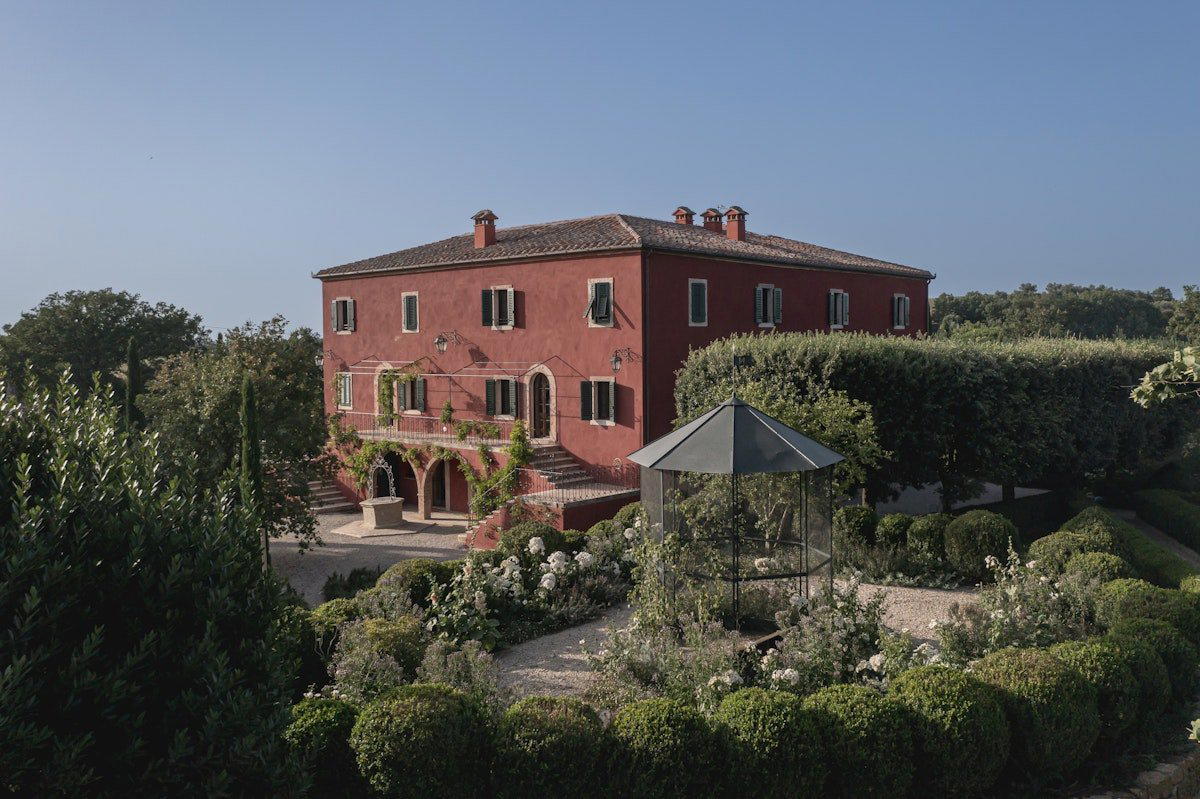
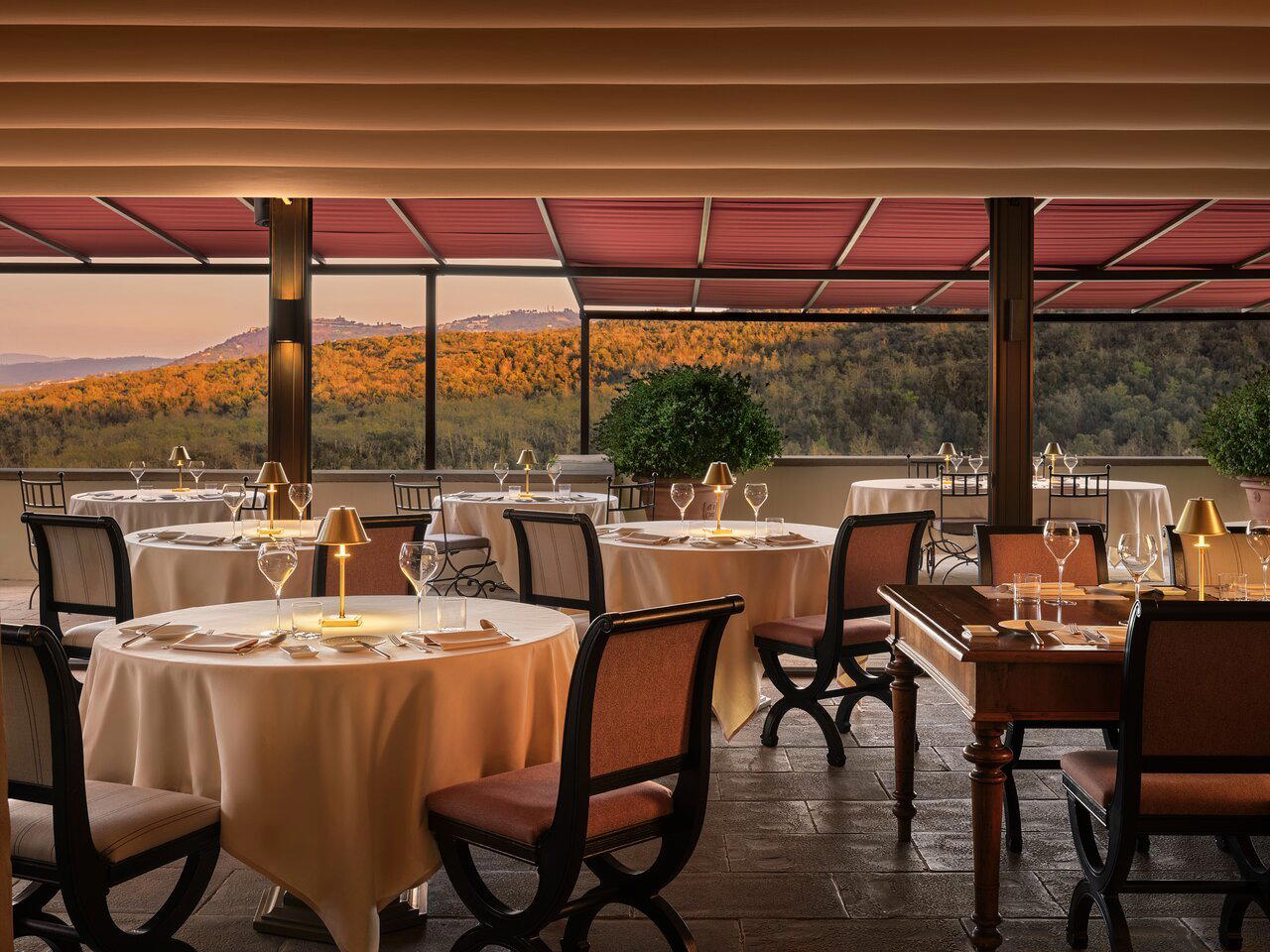
Hotels in Pienza
Browse all →
At a Glance
- Rustic
- Cozy
- Romantic
- Date Night
- Family
- Casual Hangout
- Terrace
- Local Sourcing
- Street Scene
Current opening hours
- Monday
- 11:30 AM–3:30 PM
- Tuesday
- 11:30 AM–3:30 PM
- Wednesday
- 11:30 AM–3:30 PM
- Thursday
- 11:30 AM–3:30 PM
- Friday
- Closed
- Saturday
- 11:30 AM–3:30 PM
- Sunday
- 11:30 AM–3:30 PM
Hours can change for holidays and private events. Last verified .
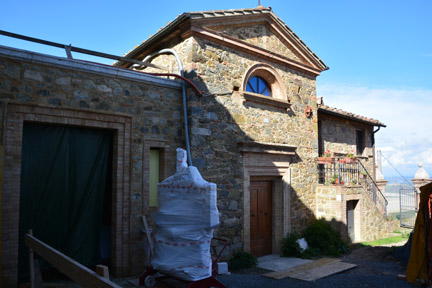
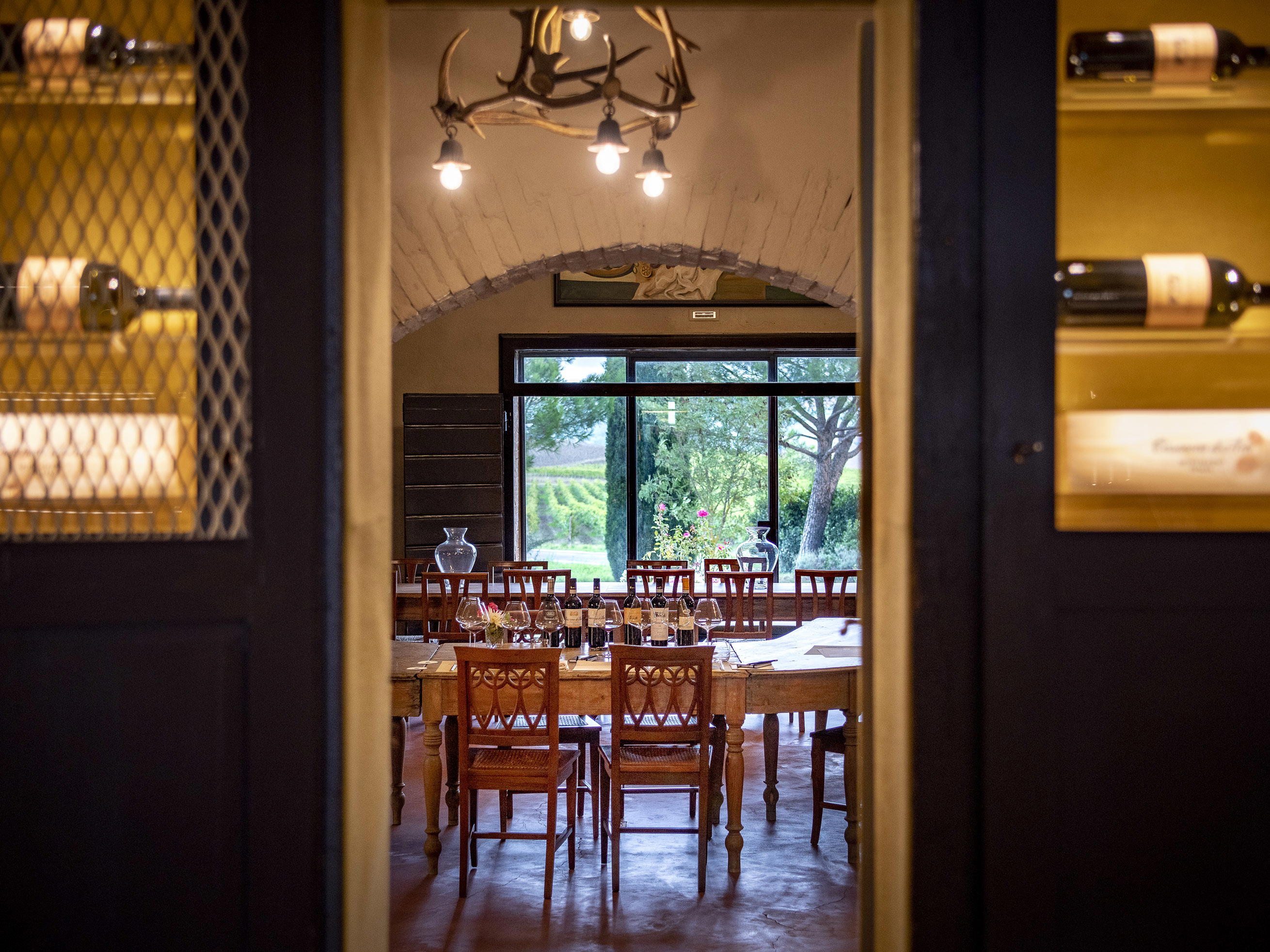
Warm family atmosphere with brick and stucco interiors and romantic shaded terrace for al fresco dining amid picturesque Pienza surroundings.