
Tokyo’s Italian dining field splits between formal tasting rooms and neighbourhood trattorias with serious recognition. TRATTORIA GRAN BOCCA sits in the latter camp: a 75-seat Iidabashi room selected for Tabelog Italian TOKYO “Tabelog 100” 2025, with wine, cocktails, a fish-led kitchen note, and a price tier that makes it a polished but not ceremonial choice.
Pearl is the En Primeur Club membership app — saves, bookings, and concierge access live there. Same editors, same standards.
- Address
- Japan, 〒102-0071 Tokyo, Chiyoda City, Fujimi, 2 Chome−10−2 飯田橋グランブルーム サクラテラス2F
- Phone
- +81 50-3101-4631
- Website
- selecao.co.jp
 Saves & bookings on Pearl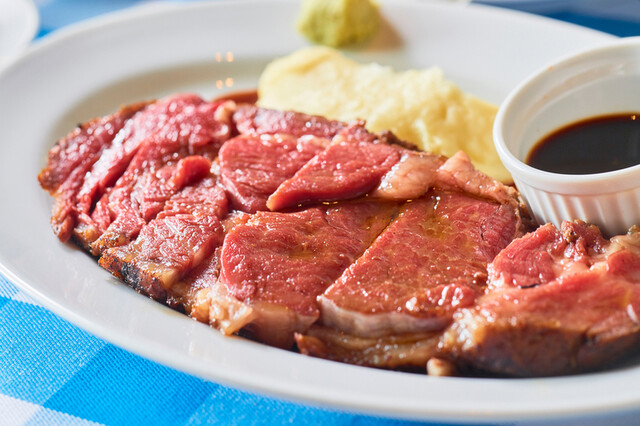
Approaching the Sakura Terrace side of Iidabashi Grand Bloom, the mood is urban Tokyo after work, not a hushed dining temple: office floors empty, station traffic becomes dinner plans, and a second-floor restaurant sits above the neighbourhood’s rail-and-river rhythm. In Iidabashi, eating out must serve business dinners, family tables, dates, and friends after the commute. Tokyo Italian is strong at both extremes, from formal French-adjacent rooms to pasta counters with obsessive sourcing; the useful middle is harder. TRATTORIA GRAN BOCCA fills it with scale, service range, and recognition beyond casual station dining.
The signal is breadth handled with discipline, not theatrical scarcity. The room has 75 seats, including counter and terrace seating, so the experience is built around motion: wine glasses, mixed party sizes, and trattoria clatter rather than tasting-menu silence. Tokyo Italian at this level needs balance: too polished and it drifts into hotel dining; too loose and it becomes a pasta stop. Here, the Tabelog Italian TOKYO “Tabelog 100” 2025 selection places the restaurant within a curated Tokyo Italian group, while the Iidabashi address keeps it useful for everyday city dining, not only destination meals.
Iidabashi Italian with trattoria energy, not tasting-menu theatre
Iidabashi is not Ginza, and that frames the meal. Ginza Italian often prices itself against luxury shopping districts and formal client dinners. Kagurazaka, just west, has denser backstreet dining, with French, Japanese, and specialist counters in narrow lanes. Iidabashi sits between them: connected, practical, and mixed in occasion. A restaurant here must work for weekday lunch, early family dinners, group tables, and wine-led evenings without changing personality.
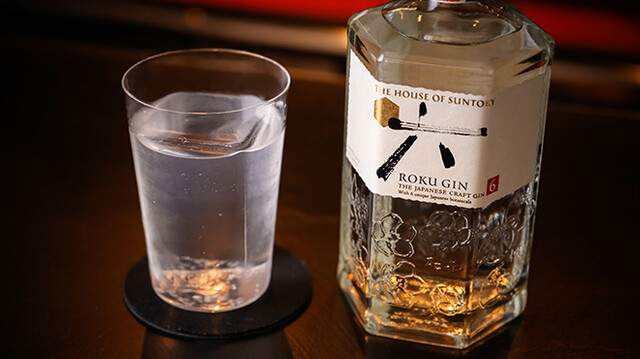
Within that context, the appeal is format rather than novelty. The kitchen is listed as Italian, with a stated emphasis on fish; drinks include wine, cocktails, and a sommelier. Those details matter because Tokyo Italian has moved beyond red-sauce comfort or imported luxury cues. Strong rooms now define themselves through sourcing, seafood fluency, wine service, and translating Italian structure into Japanese dining habits. A fish emphasis feels natural in Tokyo, where seafood literacy is high and diners notice when Italian kitchens treat marine ingredients as central, not decorative.
Price clarifies the position. Dinner is JPY 10,000 to JPY 14,999, and lunch JPY 3,000 to JPY 3,999: above casual Italian, below the city’s more formal European tier. Compared with nearby SOMBREUIL TOKYO, listed at JPY 20,000 to JPY 29,999 for dinner, this is less occasion-heavy, more flexible, and easier for repeat meals. Compared with Old Thailand Iidabashi ten, listed at JPY 3,000 to JPY 3,999 for dinner, it asks diners to pay for a larger room, wine service, and Italian recognition rather than neighbourhood utility alone.
The “Tabelog 100” Italian TOKYO 2025 selection is the trust signal to read carefully. It is not a Michelin star and should not be treated as one. It is category-specific Tokyo recognition from a platform Japanese diners use heavily to sort serious restaurants from merely convenient ones. For a trattoria-format Italian restaurant, that matters because it rewards consistency in a crowded category. Tokyo has many competent Italian kitchens; fewer hold enough diner confidence to sit on a citywide Italian list.
The room works because it accepts Tokyo's mixed dining habits
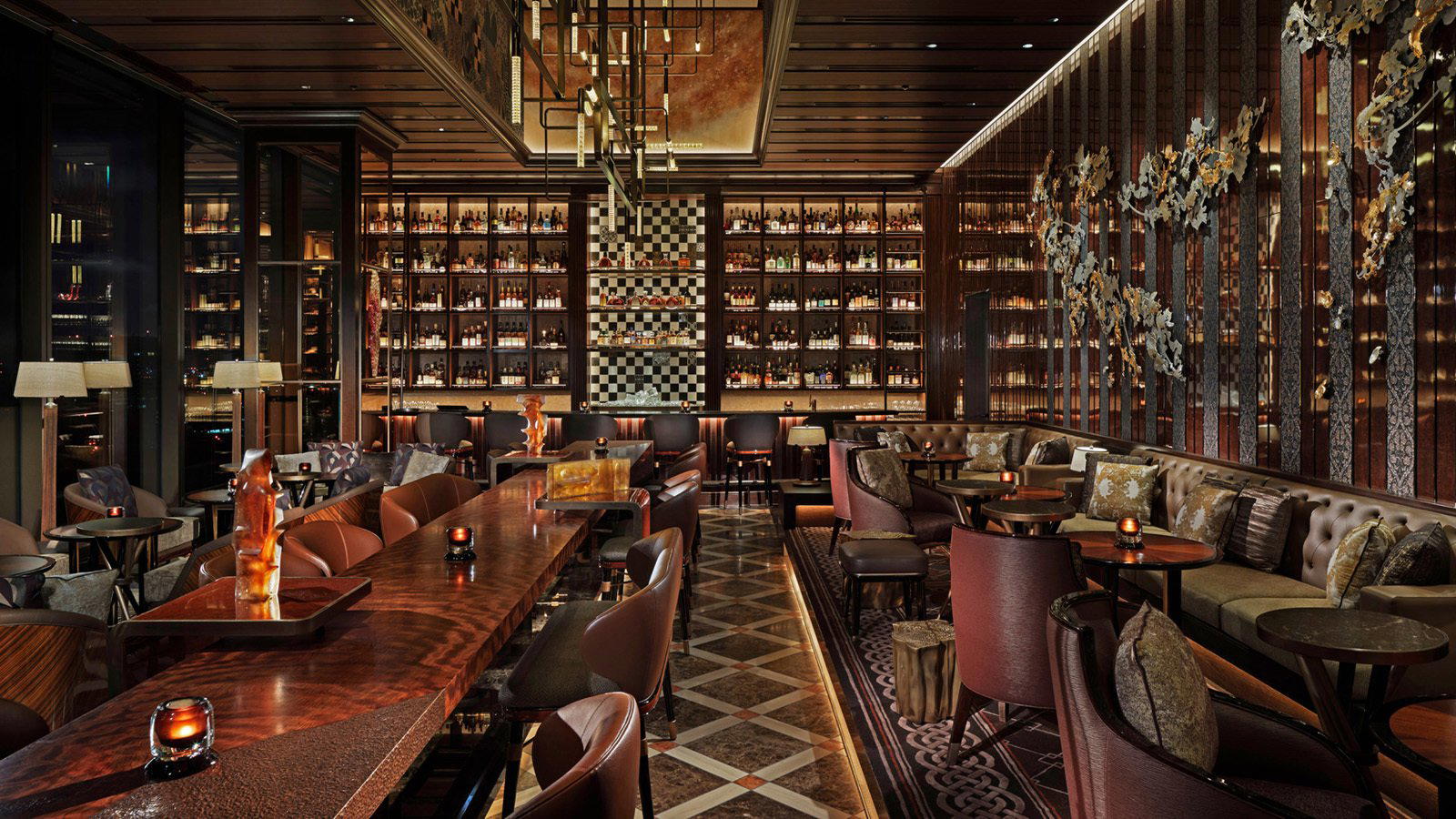
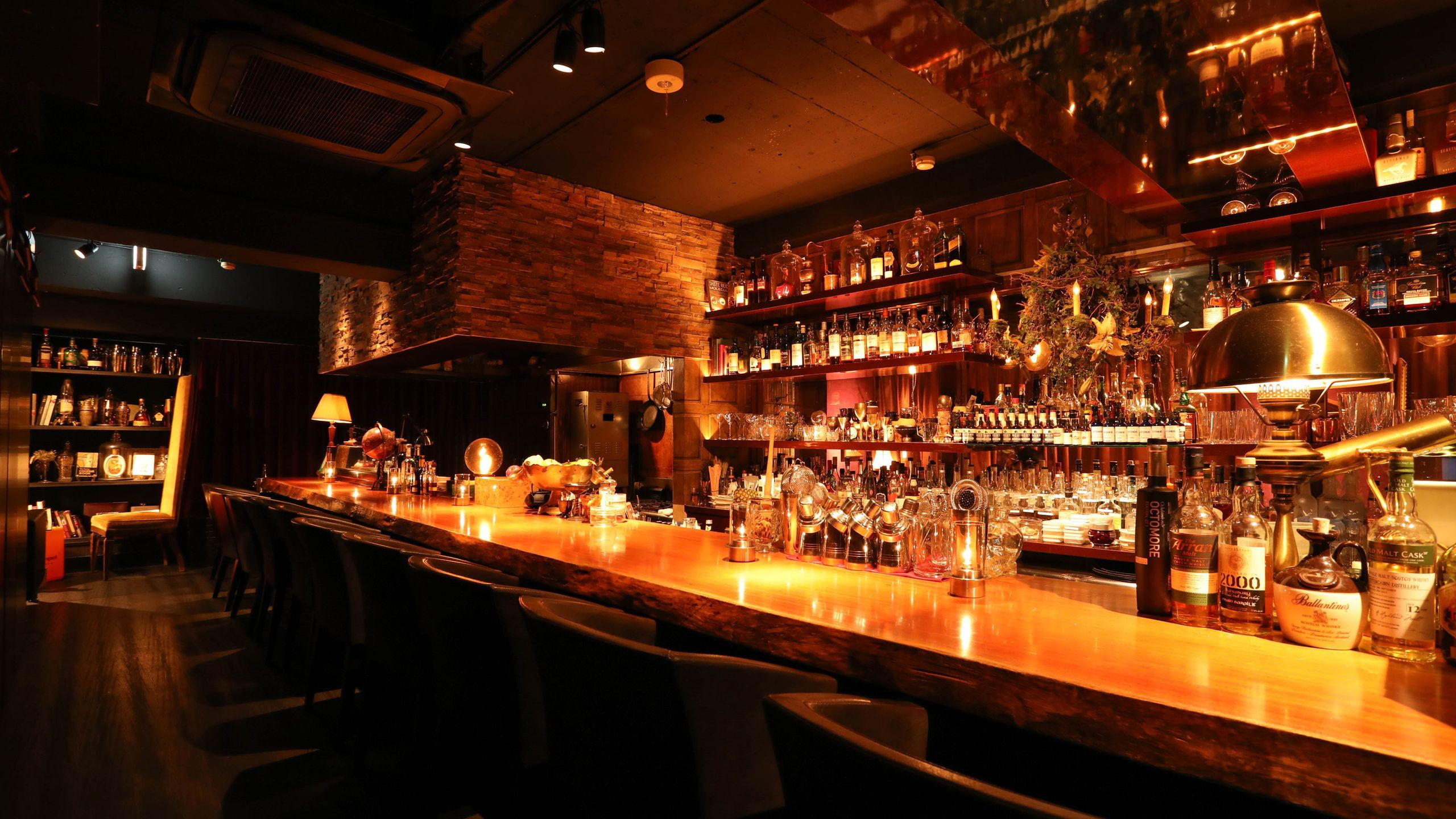
The physical setup tells the story. Seventy-five seats is large by Tokyo specialist-restaurant standards, especially where small counters often carry prestige. There are 8 counter seats, terrace seating is part of the restaurant’s working vocabulary, and private-room use is available for 5 to 8 people in a semi-private curtained space. This is architecture for multiple tempos, not one prescribed performance.
That flexibility matters. Tokyo dining can be rigid: the calibrated counter, the fixed-timing omakase room, the French restaurant where the evening stretches by design. A trattoria in Iidabashi succeeds only if guests choose the register. Business tables need composed service. Families need space and tolerance. Wine drinkers need a list with intent. Friends need conversation without reverence. Listed services, including celebrations, BYO drinks, take-out, and children welcome, point to practical hospitality rather than one luxury script.
The sensory angle is urban, not pastoral. The appeal is controlled liveliness in a large Italian room in a transport-connected Tokyo district: counter seats for shorter meals, terrace seating when weather allows, wine service for longer dinners, and enough activity to feel social without becoming a bar. Pets are permitted only on the terrace, and the terrace may be affected by heavy rain or strong winds, so the outdoor seating is a useful city extension, not a resort fantasy.
For travellers, neighbourhood context matters as much as cuisine. Iidabashi gives access to Kagurazaka, Chiyoda business zones, and central rail lines without the performance pressure of more famous dining districts. A night here can be mapped against nearby skewers at 124. KAGURAZAKA (Yakitori), the casual pull of 2D Cafe, curry culture at 3 Chome no Curry Ya San, or izakaya-style seafood around Akihabara at . 鮪と炭火焼き うお炭 秋葉原店. For a wider city read, use Our full Tokyo restaurants guide, then cross-check hotel geography through Our full Tokyo hotels guide, drinking routes through Our full Tokyo bars guide, producer-led context via Our full Tokyo wineries guide, and cultural planning through Our full Tokyo experiences guide.
How to read it against Tokyo's wider dining map
The useful comparison is not with tiny chef-counter restaurants, but Tokyo venues that manage a broad audience while holding a clear culinary lane. 12/10 Shinjuku ten belongs to a different Shinjuku rhythm; -Grilled beef Sukiyaki- KAMAKURA TANUKIAN 鎌倉 たぬき庵 in Kamakura sits outside Tokyo’s daily dining orbit; and regional references such as.cafe in Osaka.know in Kumamoto, (Shoku) Vietnam in Kawasaki, [Curry Senmon Ten] Maruyama Kyoju. in Sapporo, and [ki:] in Kyoto show how Japanese dining strength often lies in precise category execution rather than grand statements. Overseas links such as Jōdo Saké Bar in Los Angeles and Onigiri Time in Pasadena underline the same point: format discipline travels better than vague luxury.
TRATTORIA GRAN BOCCA is strongest as a polished urban trattoria with recognised Tokyo Italian credentials. It is not for diners seeking a hushed counter or chef-biography theatre. It is better for a group wanting Italian structure, wine, central access, and a room with enough scale to feel lived-in. In a city where many serious meals demand advance choreography, that kind of restaurant has its own authority.
The Minimal Set
Comparable venues at a glance for context.
| Venue | Cuisine | Price | Notes |
|---|---|---|---|
| TRATTORIA GRAN BOCCAThis venue — the venue you are viewing | Not listed | $$$ | Not listed |
| エリオ・ロカンダ・イタリアーナ | Not listed | $$$ | Chiyoda, Authentic Southern Italian Trattoria |
| Vincero | Not listed | $$$ | Shinjuku, Regional Italian with Japanese Influences |
| Sapposentu di Aki | Chūō, Authentic Sardinian Italian | $$$ | Not listed |
| RAMA Shirokane | Not listed | $$$ | Minato, Seasonal Japanese-Italian Counter Tasting Menu |
| Alporto | Minato, Italian Kaiseki | $$$ | Not listed |
Recognition history
Dated appearances from independent guides and award organizations, with the underlying list record or original source where available.
Tabelog 100 #3 · No. 3
Tabelog · Tabelog 100 - Italian - TOKYO - 2025









At a Glance
- Lively
- Energetic
- Modern
- Cozy
- Group Dining
- After Work
- Family
- Casual Hangout
- Celebration
- Business Dinner
- Open Kitchen
- Private Dining
- Standalone
- Extensive Wine List
- Beer Program
- Local Sourcing
Current opening hours
- Monday
- 11:30 AM–2:30 PM, 5–10:30 PM
- Tuesday
- 11:30 AM–2:30 PM, 5–10:30 PM
- Wednesday
- 11:30 AM–2:30 PM, 5–10:30 PM
- Thursday
- 11:30 AM–2:30 PM, 5–10:30 PM
- Friday
- 11:30 AM–2:30 PM, 5–10:30 PM
- Saturday
- 11:30 AM–2:30 PM, 5–10:30 PM
- Sunday
- 11:30 AM–2:30 PM, 5–9 PM
Hours can change for holidays and private events. Last verified .
A bustling, casual trattoria atmosphere with a lively open kitchen at the center, energetic staff, and a warm, modern dining room suited to groups and family meals rather than quiet, intimate dining.