Tosokchon NYC
Tosokchon NYC brings the Korean tradition of slow-simmered samgyetang, whole chicken braised in ginseng broth, to Midtown Manhattan's 33rd Street, a block dense with Korean-owned restaurants and grocery suppliers. The format is direct: a focused menu built around a dish that has served as both everyday comfort food and ceremonial restorative in Seoul for generations. For anyone building a Korean dining itinerary in New York, this is where the genre's humbler, more deeply rooted register sits.
Pearl is the En Primeur Club membership app — saves, bookings, and concierge access live there. Same editors, same standards.
- Address
- 14 E 33rd St 1FL A, New York, NY 10016
- Phone
- +16463988880
- Website
- tosokchonnyc.com
- Directions
- Get directions
 Saves & bookings on Pearl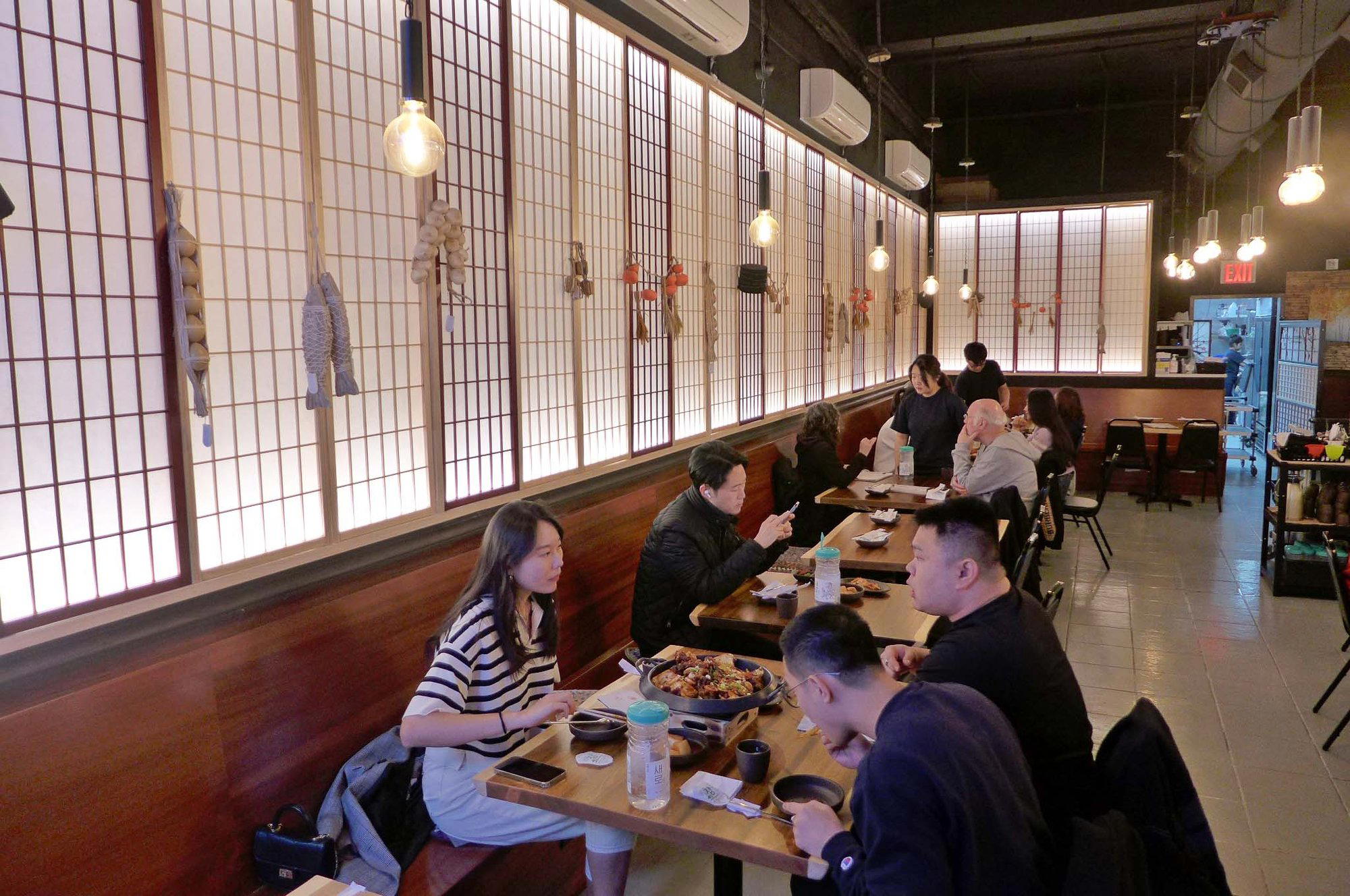
The Case for Eating Simple Korean Food in Midtown Manhattan
If you spend any time tracing New York City's Korean dining scene from its fine-dining tier down to its working-register roots, particularly instructive stop is not always the one with the tasting menu. Tosokchon NYC is a casual Korean restaurant in New York City, known for traditional samgyetang and recommended for reservations. Atomix and Jungsik New York represent what happens when Korean culinary technique gets filtered through a fine-dining framework, producing progressive menus that price and position against Le Bernardin and Per Se. Tosokchon NYC sits at the opposite end of that spectrum, and that contrast is precisely why it earns a place in any considered Korean dining itinerary in this city.
The address, 14 East 33rd Street, ground floor, puts the restaurant squarely in the Koreatown corridor that runs along 32nd Street and spills into adjacent blocks. This stretch of Midtown has functioned as the operational spine of New York's Korean community for decades, housing everything from late-night barbecue houses to specialty grocers supplying Korean pantry staples to the broader metro area. Tosokchon NYC occupies that neighborhood infrastructure, drawing from a tradition rather than performing one.
Samgyetang and the Logic of the Restorative Dish
The culinary tradition that anchors the restaurant is samgyetang: whole young chicken, typically stuffed with glutinous rice, ginseng root, jujubes, and garlic, then simmered low and long in a broth that consolidates those ingredients into something warming. In South Korea, the dish carries both everyday and ceremonial weight. It is eaten on the hottest days of the lunar calendar, the three bok days of summer, as a form of deliberate counterprogramming: consuming heat to restore energy depleted by heat. Korean medicine framed ginseng as a tonic for gi, the body's vital energy, and samgyetang became the canonical delivery mechanism for that belief.
That cultural context matters when assessing what kind of restaurant the restaurant is and what the kitchen is actually attempting. This is a direct transplant of a specific restorative format from Seoul. The New York outpost imports that positioning into a Midtown block already saturated with Korean food options, which means it has to do the thing correctly rather than approximately.
Among the range of Korean dining available in New York, from the charcoal-grill barbecue houses of 32nd Street to the kaiseki-influenced progressivism of the city's decorated Korean tasting-menu rooms, samgyetang occupies a distinct niche. It is a single-bowl dish with a slow-cooking logic that resists shortcuts. The broth cannot be rushed without losing the depth that makes the format worth traveling for. Restaurants that understand this tend to run focused menus, depth on one thing rather than breadth across many, and the restaurant fits that operational pattern.
Where This Fits in New York's Korean Dining Tier
New York's Korean restaurant scene has stratified sharply over the past decade. At the leading end, Atomix holds two Michelin stars with a tasting-menu format that treats Korean ingredients and flavor structures as the architecture for haute cuisine. Jungsik operates in similar territory with a progressive Korean framework. Below that, the Koreatown corridor runs a dense middle market of barbecue, jjigae, and rice bowl formats at accessible price points, with high turnover and variable quality across individual operators.
The restaurant occupies neither bracket neatly. It is more focused and more culturally specific than the general Koreatown middle market, but it is not reaching for the fine-dining tier where Masa-level investment or Atomix-style tasting formats set the terms. The better comparison is a small category of Korean specialists in New York that do one traditional format with real precision, the kind of restaurant that attracts Korean visitors from Seoul specifically because the source material is credible rather than adapted.
That positioning puts the restaurant in an interesting spot relative to the broader American dining conversation. The farm-to-table and single-dish specialist formats that define places like Blue Hill at Stone Barns or the tasting-menu commitment of Alinea represent depth-over-breadth philosophies that the American fine-dining world has formalized and celebrated. The restaurant applies the same logic from a different cultural tradition, with no tasting menu and no Michelin hardware, but with an equally specific culinary argument.
Planning Your Visit: Koreatown Logistics
East 33rd Street sits in Koreatown, within walking distance of Penn Station and Herald Square. The neighborhood operates across a wide span of hours, with many Korean restaurants running late into the night.
The restaurant's position in a ground-floor unit on a mixed-use Midtown block is typical of the Koreatown format: compact, direct, built for throughput rather than leisure dining. If you are building a broader Korean dining day in the neighborhood, the restaurant functions well as an early or mid-afternoon meal, leaving room for the late-night barbecue options that define the 32nd Street stretch after dark. For readers interested in the full range of what New York's dining scene offers across cuisine types and price tiers, New York City restaurants guide covers the city from neighborhood-level specialists through to the decorated rooms where French Laundry-level ambition is pursued in a Manhattan frame.
For context across the broader American dining spectrum, the specialist-depth model the restaurant represents in Korean cooking has counterparts in regional American kitchens: the sourcing discipline of Single Thread Farm in Healdsburg, the regional American focus of Emeril's in New Orleans, or the ingredient-led precision of Providence in Los Angeles. The common thread is specificity and conviction about what the kitchen is doing and why.
Standing Among Peers
Comparable venues nearby, for context on price, style, and recognition.
| Venue | Cuisine | Price | Notes |
|---|---|---|---|
| Tosokchon NYCThis venue — the venue you are viewing | Authentic Korean Home-Style | $$ | Not listed |
| Han Bat | Authentic Korean | $$ | Midtown-Times Square |
| Nangman BBQ | Korean BBQ | $$ | Midtown South-Flatiron-Union Square |
| Kisa | Traditional Korean Baekban | $$ | Lower East Side |
| Geo Si Gi Gamjatang | Korean Gamjatang Specialist | $$ | Murray Hill-Broadway Flushing |
| KPOT Korean BBQ & Hot Pot | Korean BBQ & Hot Pot | $$ | Coney Island-Sea Gate |
Continue exploring
More in New York City
Restaurants in New York City
Browse all →
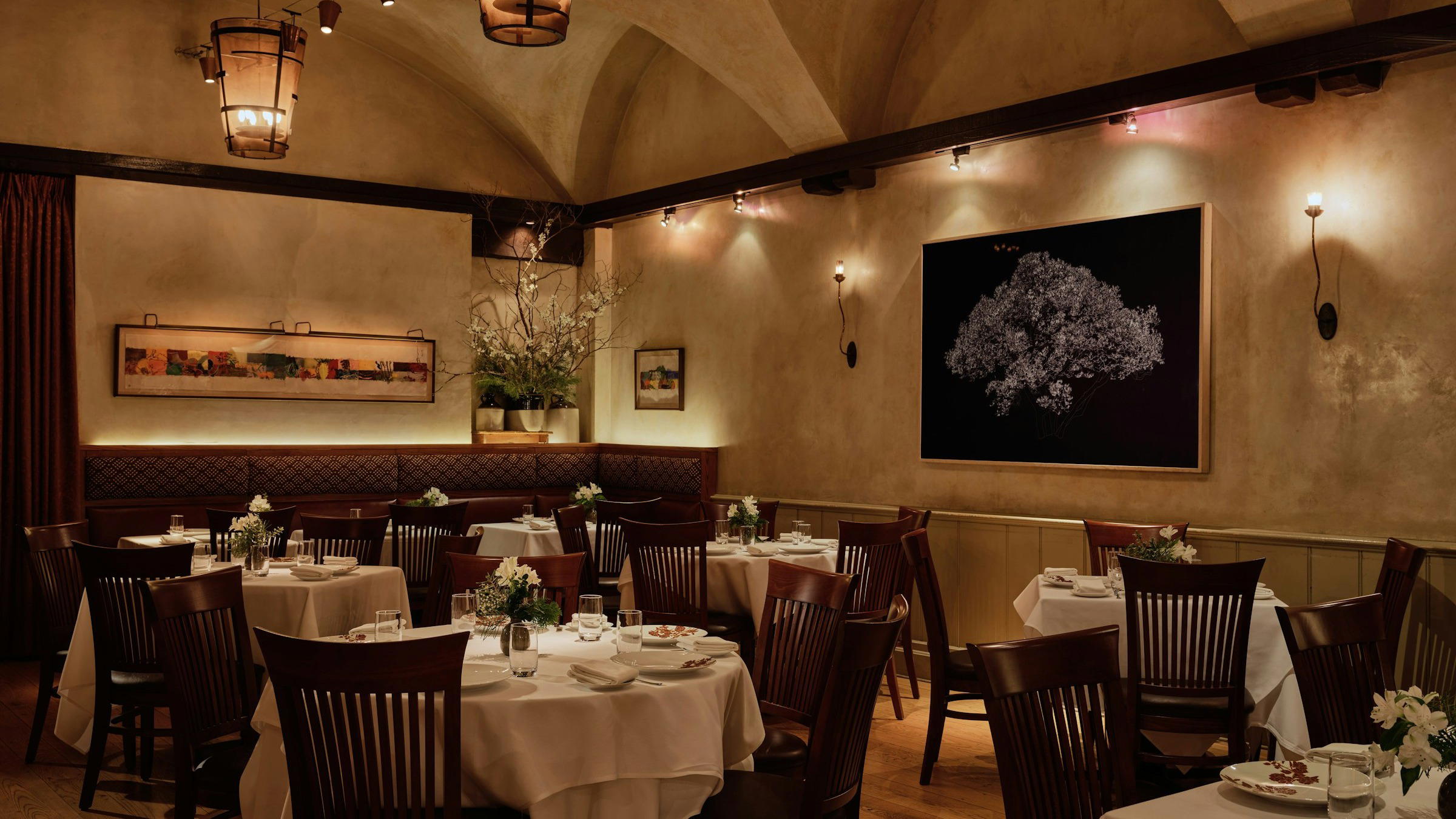
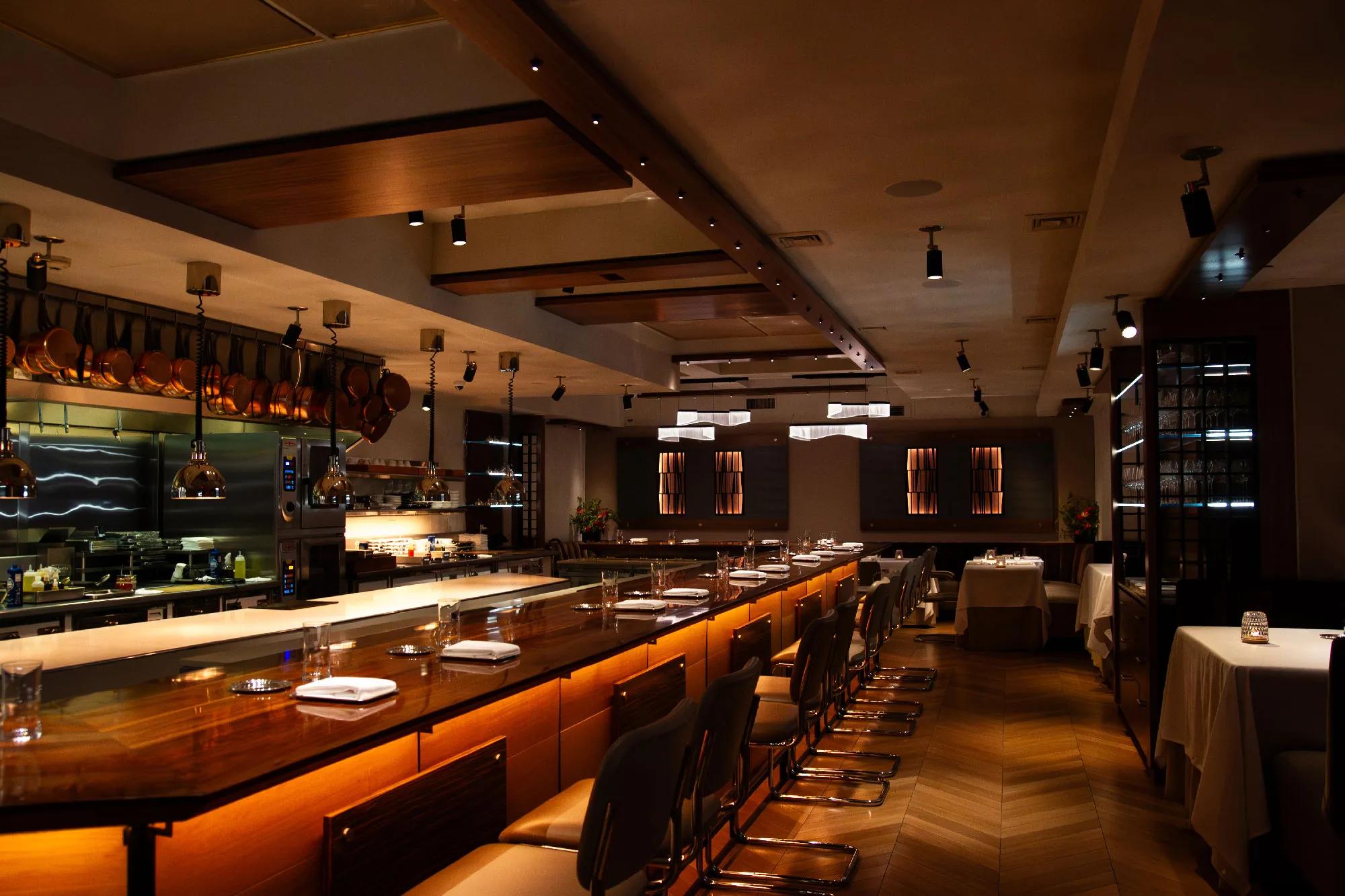
Bars in New York City
Browse all →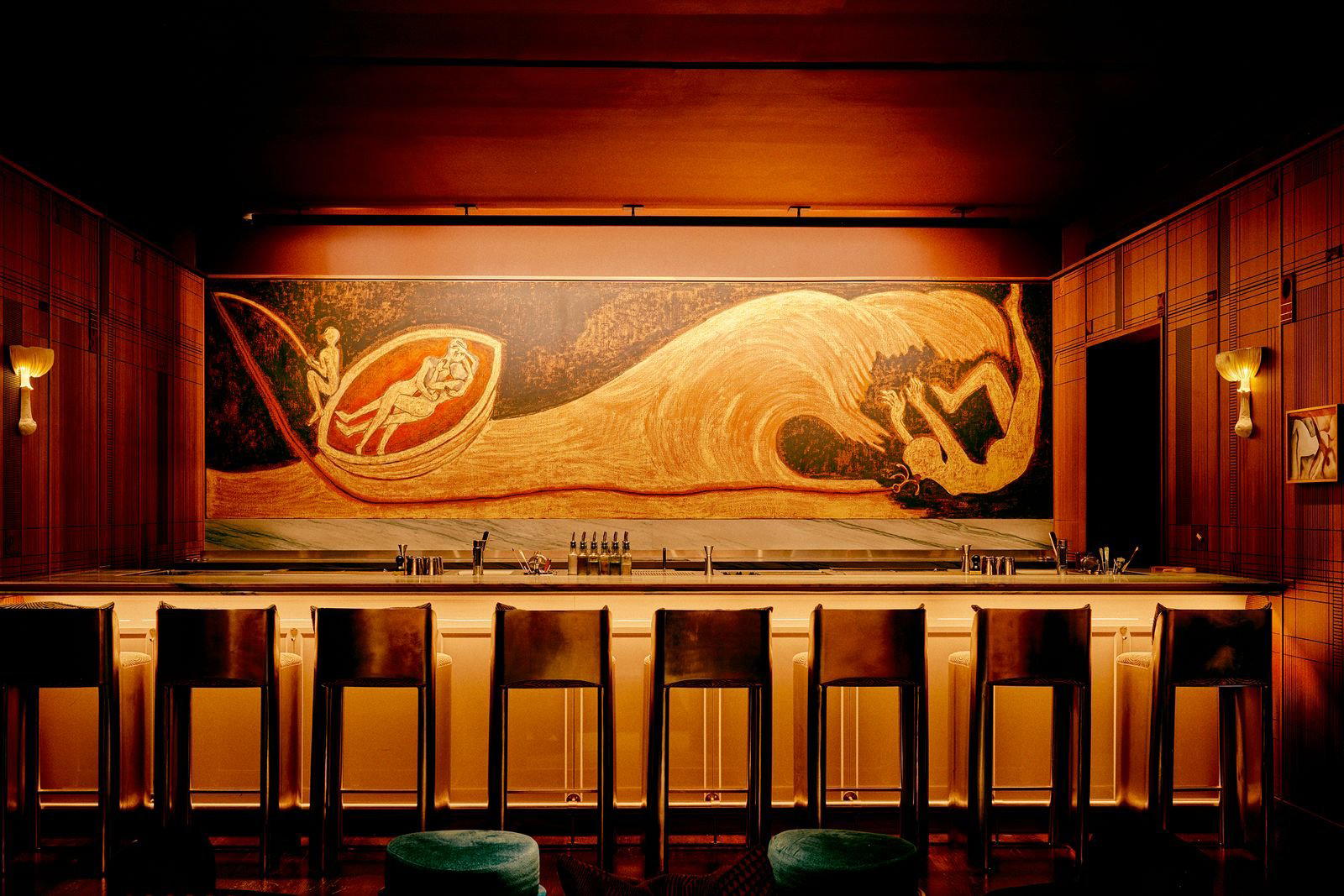
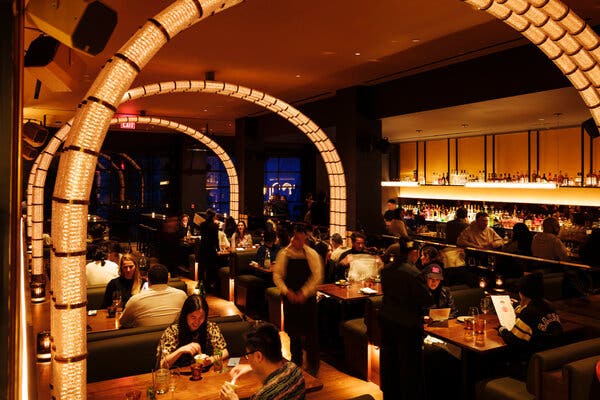

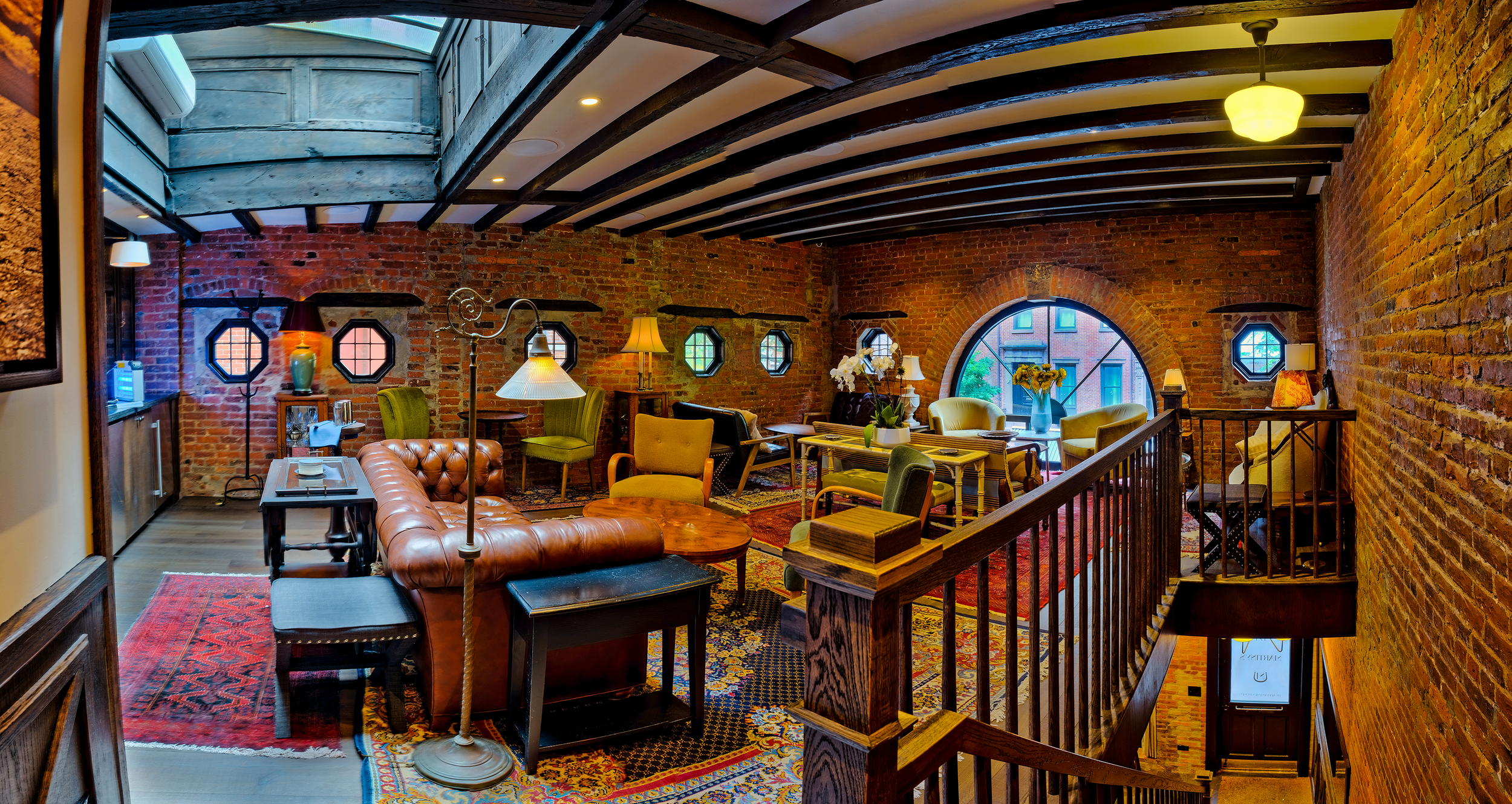
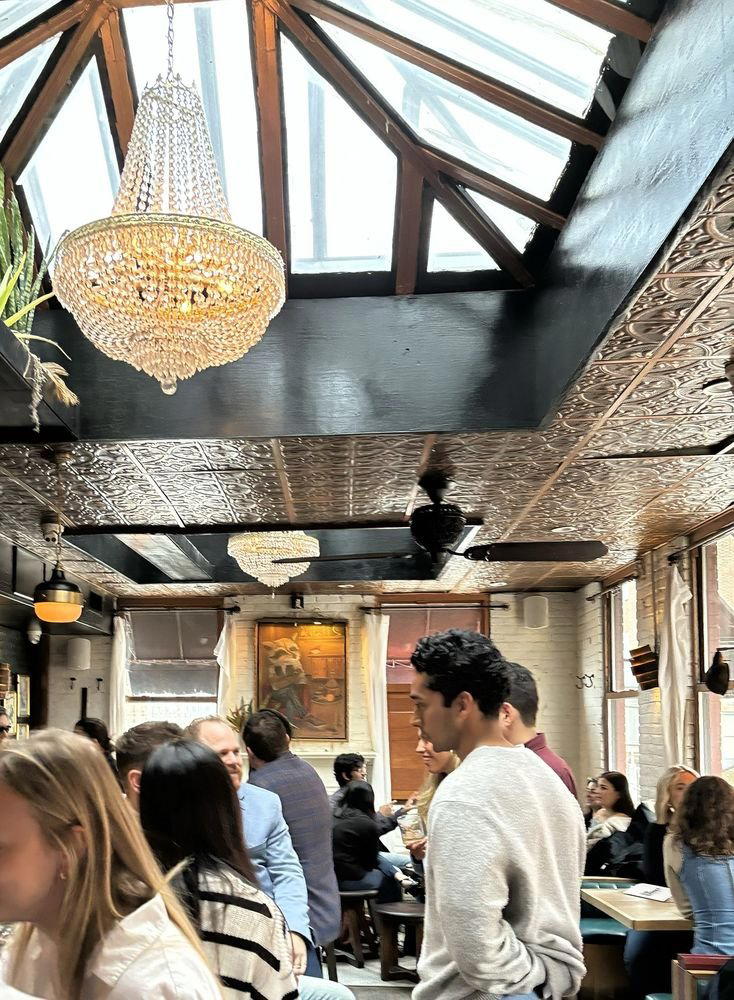
Hotels in New York City
Browse all →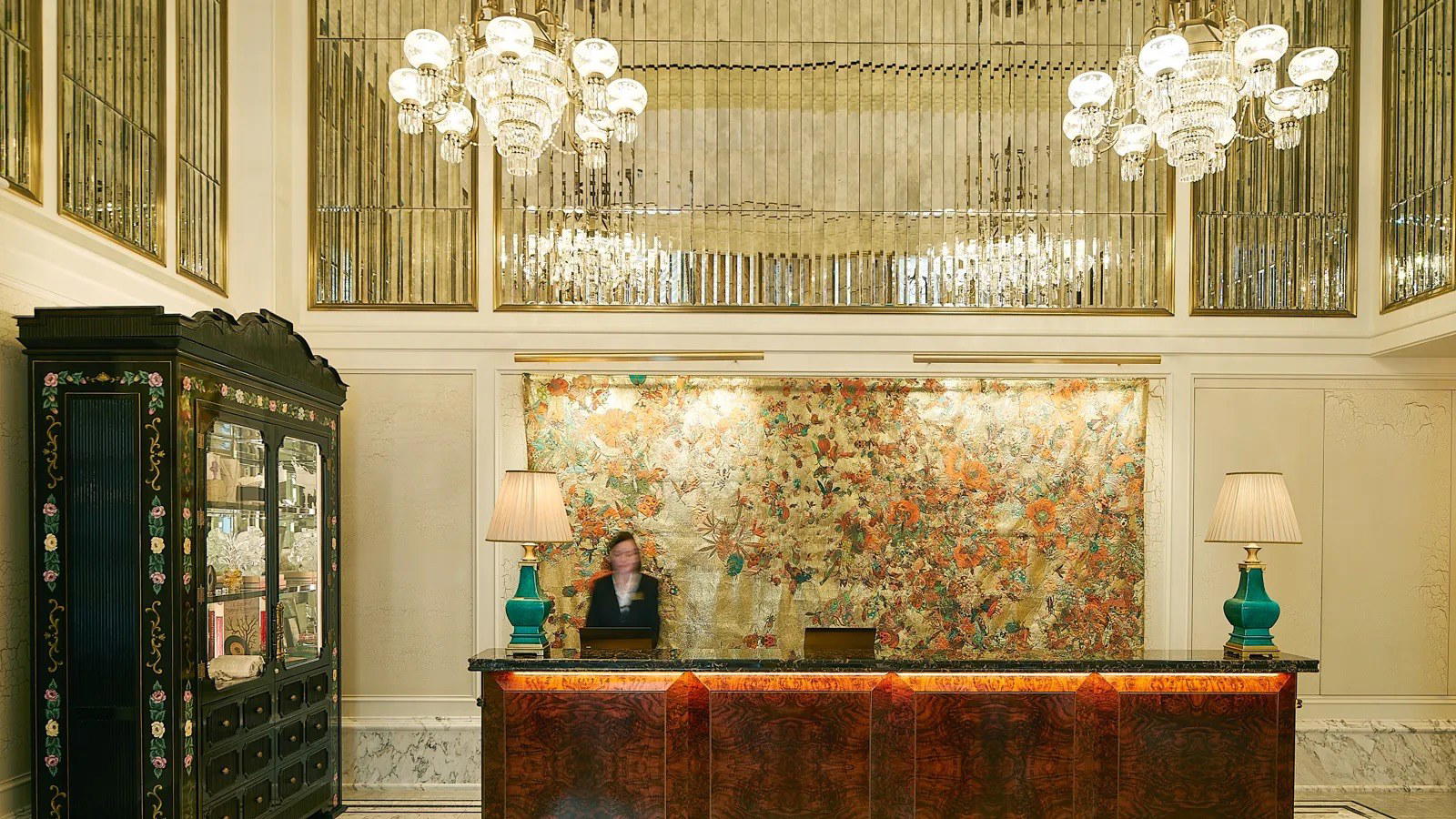





At a Glance
- Cozy
- Classic
- Rustic
- Casual Hangout
- Late Night
- Historic Building
- Sake Program
Current opening hours
- Monday
- 11:30 AM–12 AM
- Tuesday
- 12–4 AM, 11:30 AM–12 AM
- Wednesday
- 12–4 AM, 11:30 AM–12 AM
- Thursday
- 12–4 AM, 11:30 AM–12 AM
- Friday
- 12–6 AM, 11:30 AM–12 AM
- Saturday
- 12–6 AM, 11:30 AM–12 AM
- Sunday
- 12–6 AM, 11:30 AM–10 PM
Hours can change for holidays and private events. Last verified .
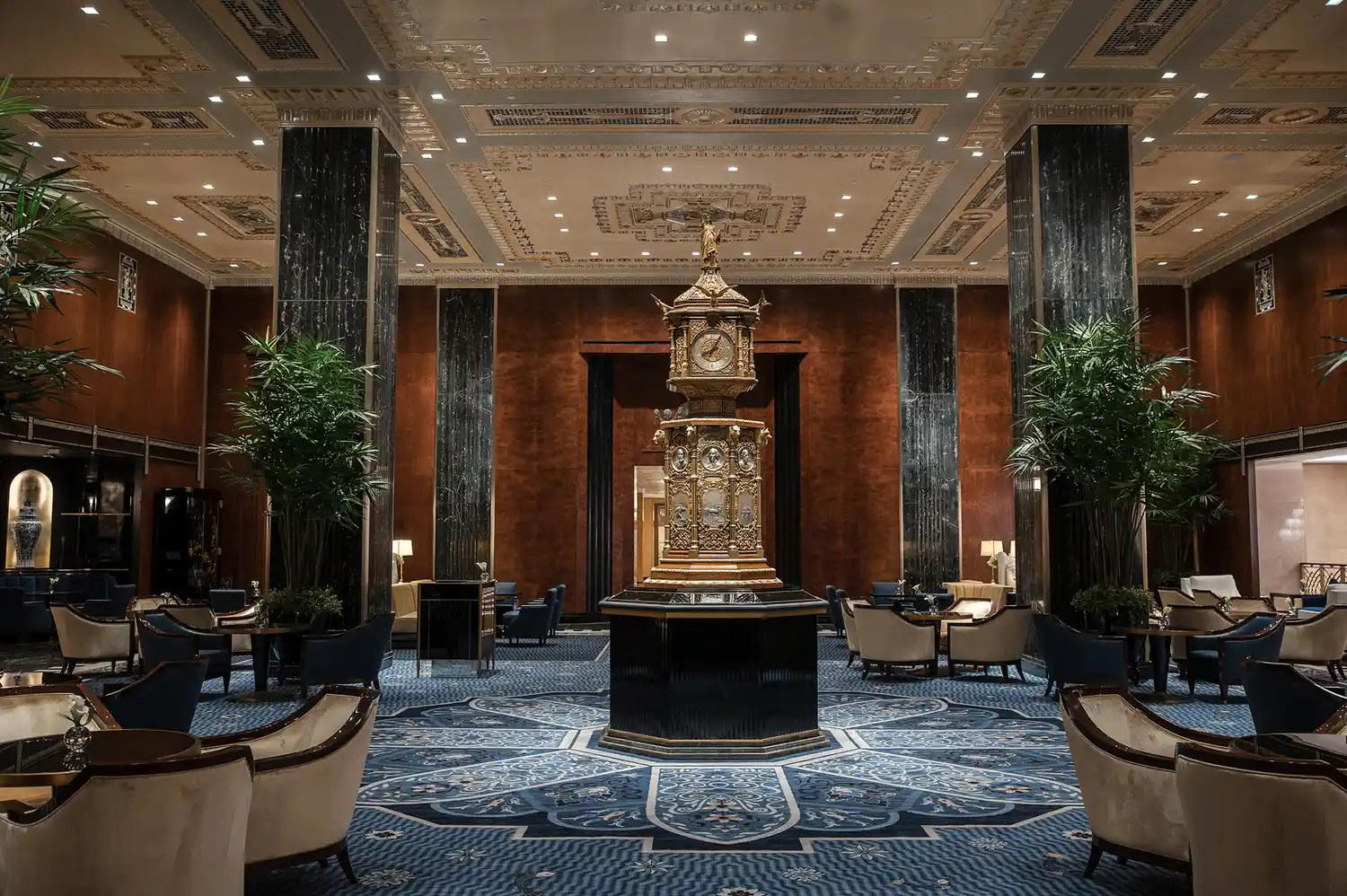
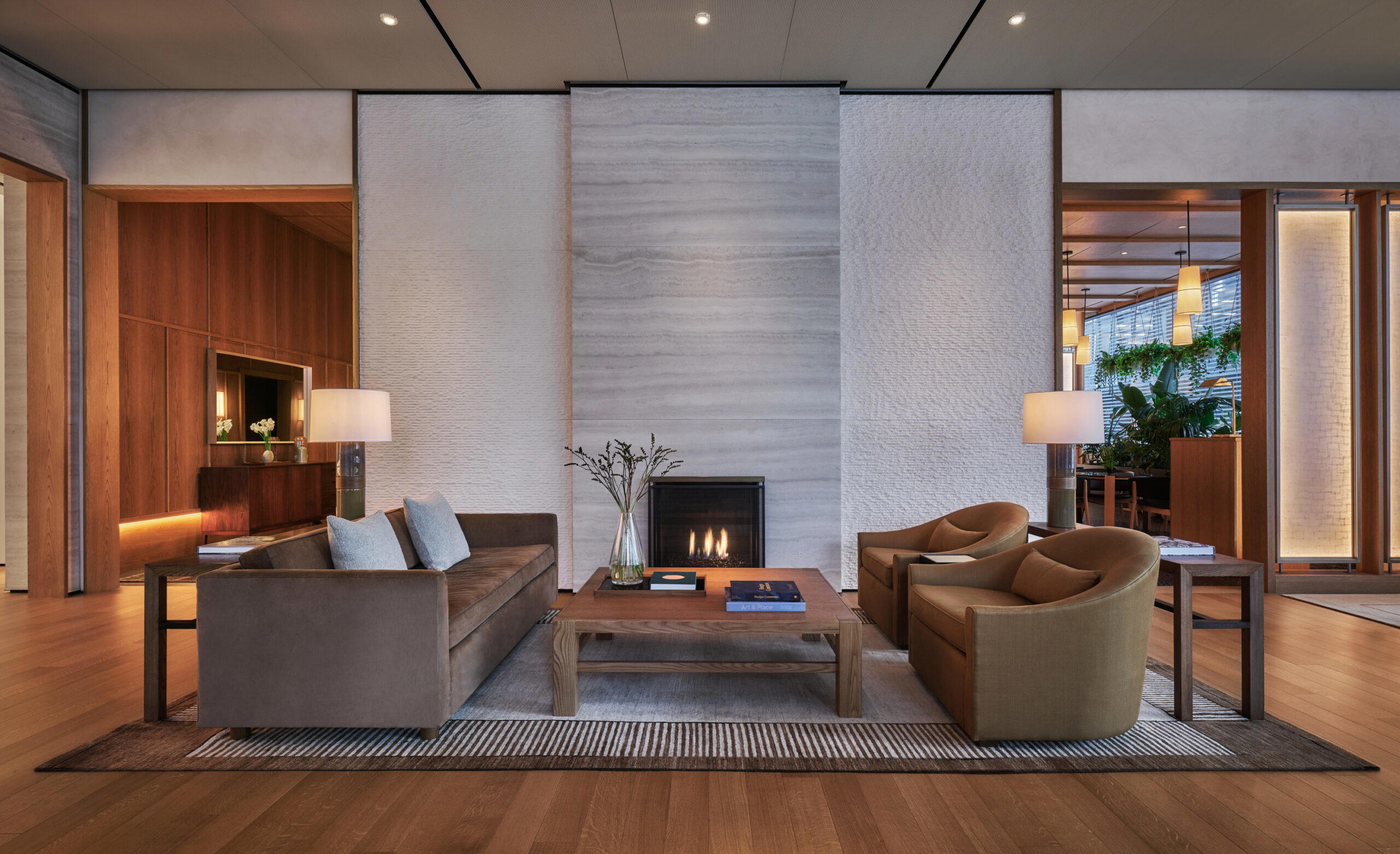
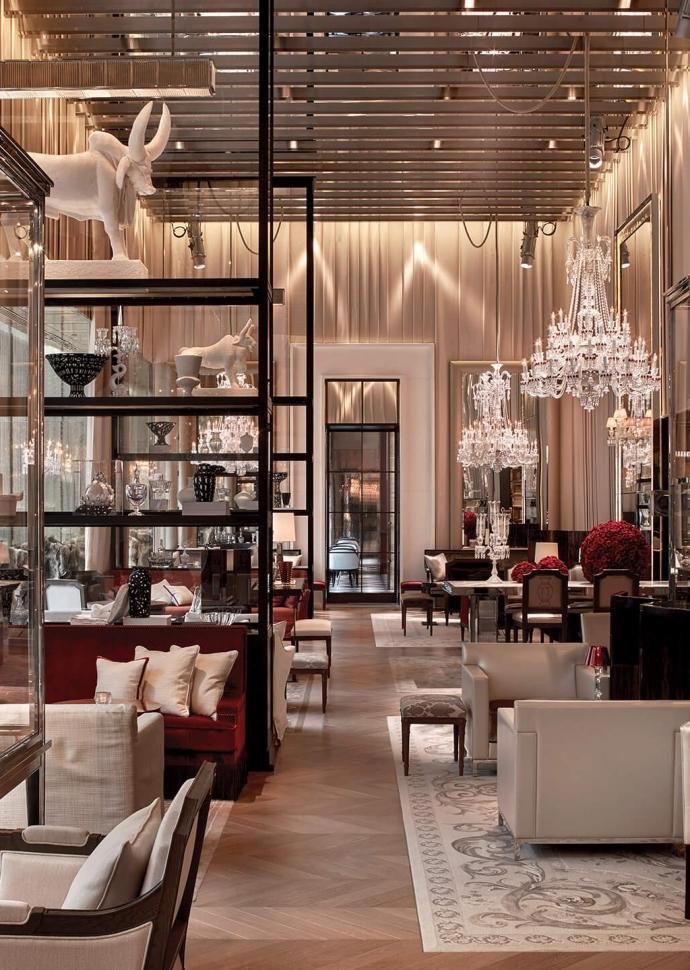
Warm, hanok-inspired interiors blending traditional Korean old-world style with modern enhancements, creating a cozy and welcoming home-style atmosphere.