Geo Si Gi Gamjatang
Our verdict
At 152-28 Northern Blvd in Flushing, Geo Si Gi Gamjatang represents the kind of deeply rooted Korean cooking that draws regulars from across the boroughs rather than tourists following a trend. The restaurant's focus on gamjatang, the pork bone and potato stew that anchors northern Korean home cooking, positions it inside a neighbourhood where authenticity is the baseline expectation, not a selling point.

Pearl is the En Primeur Club membership app — saves, bookings, and concierge access live there. Same editors, same standards.
- Address
- 152-28 Northern Blvd, Flushing, NY 11354
- Phone
- (718) 888-0001
- Hours
- Mon–Thu 10:30 AM–11 PMFri–Sun 10:30 AM–12 AM
- Directions
- Get directions
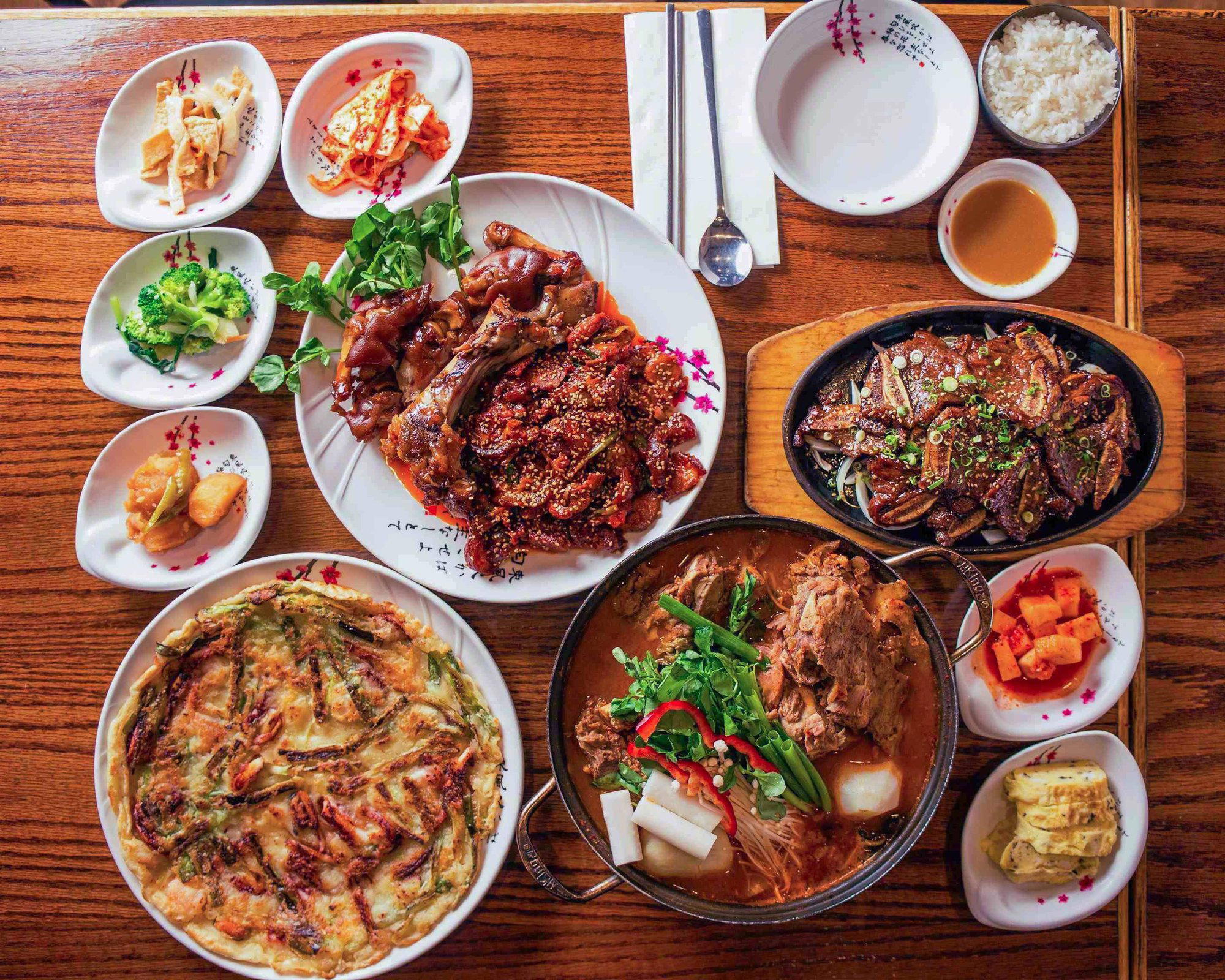
The menu
What to order
- Tubaegi Gamja Tang
- Uh Geo Gi Gamja Tang
- Haemul Nakgi Gamja Tang
Flushing's Korean Table and the Regulars Who Keep It Honest
Northern Boulevard in Flushing does not announce itself. There are no doormen, no reservation confirmations arriving by email, no tasting menus with eleven courses. What there is, across several city blocks, is one of the most concentrated corridors of Korean and Chinese cooking in the United States, where the clientele is largely local, largely returning, and largely uninterested in whether a food media outlet has caught up with what they already know. Geo Si Gi Gamjatang at 152-28 Northern Blvd sits inside that corridor, doing what the leading neighbourhood restaurants in Flushing have always done: feeding people who come back because the food earns it.
That dynamic, the loyalty of a regular rather than the curiosity of a first-timer, is the most reliable quality signal in a neighbourhood like this. In Manhattan's upper tier, recognition tends to travel through formal channels. Atomix, operating at the Michelin-starred end of modern Korean cooking in Midtown, and Le Bernardin, Eleven Madison Park, Per Se, and Masa at the city's highest price brackets, build reputations through awards infrastructure and critical attention. In Flushing, the mechanism is simpler and arguably more rigorous: does the dining room fill with the same faces week after week? At Geo Si Gi Gamjatang, the answer, by all observable accounts, is yes.
The Dish That Defines the House
Gamjatang is not a dish that lends itself to abbreviation or aestheticisation. The preparation centres on pork neck bones and spine, slow-simmered with perilla seeds, dried chillies, doenjang, and potatoes until the broth reaches a density that is closer to liquid heat than simple stock. It is a dish with deep roots in Korean working-class cooking, traditionally eaten late at night or early in the morning, and it travels poorly to contexts where presentation overrides substance. Flushing, with its population of first- and second-generation Korean immigrants who hold the dish to a specific standard inherited from home, is one of the few places in New York where a restaurant can be held publicly accountable for getting it right.
The name itself, Geo Si Gi Gamjatang, signals intent. It is not a fusion address or a concept restaurant building a narrative around a single dish. It is a place that has committed, by name, to a specific preparation, and regulars return with the expectation that the broth will be consistent, the bones will release cleanly, and the heat will be calibrated without concession to a broader audience. That kind of discipline, maintained in a neighbourhood where the clientele knows the dish from childhood, is not marketing. It is operational survival.
What the Regulars' Perspective Reveals
The most instructive thing about a restaurant with a loyal local following is what they order without looking at the menu. In Korean restaurants built around a signature preparation, regulars typically organise their order around the central dish and fill the table with banchan and secondary items that the kitchen handles well but that never appear in any published description. This is the unwritten menu, the sequence of side dishes that come without being listed, the specific spice level that long-term customers have calibrated over years of repeat visits.
At addresses like this one in Flushing, the regulars also function as quality control in a way that no critic's visit can replicate. A food critic arrives once, or twice. A regular arrives every other week for three years. If the broth thins, they notice. If the bones arrive with less meat, they notice. The restaurant's continued presence on Northern Boulevard, in a stretch where turnover is high and competition is direct, is itself a form of evidence that the kitchen has maintained the standard its regular clientele requires.
This is the structural difference between a neighbourhood specialist in Flushing and, say, a destination restaurant outside New York. A place like Blue Hill at Stone Barns in Tarrytown or The Inn at Little Washington operates in a context where visitors travel specifically to eat there, often once. In Flushing, the visitor is the exception. The regular is the baseline.
Flushing in the New York Dining Context
New York's Korean dining now spans a range that would have seemed implausible two decades ago. At one end, modern Korean tasting menus at the Michelin level have established that Korean technique and ingredient logic can operate at the same register as any European fine dining tradition. At the other end, the borough-level specialists, particularly in Flushing and Bayside, maintain the vernacular cooking that those fine dining interpretations draw from, whether they acknowledge it or not.
Geo Si Gi Gamjatang sits firmly in the latter category, which is not a lesser position. The gamjatang tradition requires no reinterpretation to justify itself. It predates the current interest in Korean food by decades, and the leading versions of it, the ones that regulars travel across boroughs to eat, are not simplified or adjusted for a broader palate. For readers whose New York dining normally runs through venues like Lazy Bear in San Francisco terms of format or Smyth in Chicago in terms of ambition, Flushing operates by entirely different criteria, and the rewards are proportionally different too. You can find the full context of how these restaurants fit into the city's broader dining map in our full New York City restaurants guide.
For the record, restaurants across the country that draw serious followings through regional specificity rather than critical apparatus include Frasca Food & Wine in Boulder, Providence in Los Angeles, Addison in San Diego, Emeril's in New Orleans, and Single Thread Farm in Healdsburg. Each operates with a clearly defined point of view. Geo Si Gi Gamjatang's point of view is narrower and, in that narrowness, more specific: one dish, one tradition, one neighbourhood, executed to the standard of people who grew up eating it.
For international context, the commitment to a single regional preparation mirrors what specialist restaurants in Europe have long practised. Dal Pescatore in Runate and Atelier Moessmer Norbert Niederkofler in Brunico hold to regional culinary identity with similar discipline, even if the scale and format differ significantly. The French Laundry in Napa does the same at the opposite end of the price range. The common thread is commitment to a specific culinary logic, rather than a broad-appeal menu.
Planning Your Visit
| Venue | Cuisine | Price Range | Booking | Location |
|---|---|---|---|---|
| Geo Si Gi Gamjatang | Korean (Gamjatang specialist) | Not confirmed | Walk-in likely; confirm directly | 152-28 Northern Blvd, Flushing |
| Atomix | Modern Korean | $$$$ | Advance reservation required | Midtown Manhattan |
| Per Se | French Contemporary | $$$$ | Advance reservation required | Columbus Circle |
| Le Bernardin | French Seafood | $$$$ | Advance reservation required | Midtown Manhattan |
Flushing is accessible via the 7 train to Main Street-Flushing, placing Northern Boulevard within walking distance. No phone or website data is currently confirmed for Geo Si Gi Gamjatang; visiting in person or cross-referencing current community platforms is the most reliable way to confirm hours before travelling.
Frequently asked questions
What's Geo Si Gi Gamjatang's location?
Geo Si Gi Gamjatang is located at 152-28 Northern Blvd, Flushing, NY 11354, New York City.
Is Geo Si Gi Gamjatang a good option for late-night dining in Flushing?
Gamjatang has a documented history as a late-night dish in Korea, traditionally eaten by workers finishing overnight shifts, and many New York restaurants specialising in it reflect that heritage with extended hours. Flushing's Northern Boulevard corridor includes several Korean venues that operate well past midnight, and gamjatang specialists are among the most likely to keep late schedules.
What's the signature dish at Geo Si Gi Gamjatang?
The name of the restaurant at 152-28 Northern Blvd answers the question directly: gamjatang, a Korean stew built on pork neck bones and spine, slow-simmered with potato, perilla leaves, and dried chillies into a deep, rust-coloured broth. It is a dish with working-class roots in Korea, not a showpiece for plating, and its presence as the house centrepiece signals a kitchen with a single serious focus rather than a sprawling menu.
How hard is it to get a table at Geo Si Gi Gamjatang?
No advance reservation system is confirmed for this address on Northern Boulevard in Flushing, which is standard operating practice for most neighbourhood specialists in the area. Walk-in timing matters: the mid-afternoon lull between lunch and dinner service is generally the most reliable window at this category of Flushing restaurant. Expect waits during weekend evenings, when Korean dining in Queens draws both local regulars and visitors from Manhattan.
What do critics highlight about Geo Si Gi Gamjatang?
Geo Si Gi Gamjatang sits outside the Michelin and formal critical circuit that covers Manhattan Korean addresses, which is not unusual for Flushing neighbourhood specialists. Its reputation is sustained by a regular local following rather than award infrastructure or press cycles. That pattern of loyalty is itself a credibility signal: in a borough with as many Korean options as Queens, repeat custom is the functional equivalent of a review.
What if I have allergies at Geo Si Gi Gamjatang?
Gamjatang as a dish class involves pork bones, perilla, dried chillies, and fermented soybean paste, with variations that may include shellfish-based stock. Anyone with a pork, soy, or gluten sensitivity should plan to speak with staff directly on arrival, and arriving outside peak hours gives the kitchen more space to address dietary questions.
Is Geo Si Gi Gamjatang worth it?
The case for making the trip to 152-28 Northern Blvd in Flushing rests on the logic of the neighbourhood specialist: a kitchen that does one dish category well and serves a local crowd that would notice immediately if standards slipped. For anyone interested in Korean pork bone cookery at its most direct, that combination of focus and value is the argument.
Where It Fits
Comparable venues nearby, for context on price, style, and recognition.
| Venue | Cuisine | Price | Awards | Notes |
|---|---|---|---|---|
| Geo Si Gi GamjatangThis venue — the venue you are viewing | Korean Gamjatang Specialist | $20–30 | Not listed | Not listed |
| Unidentified Flying Chickens - JH | Korean Fried Chicken | $20–30 | Not listed | Elmhurst |
| Nangman BBQ | Korean | Not listed | Not listed | Midtown South-Flatiron-Union Square |
| MONO+MONO | Modern Korean Fusion | $30–50 | Not listed | East Village |
| Golden HOF | Modern Korean Bar & Grill | $50–100 | The New Yorker The Best Things I Ate | Midtown-Times Square |
| Soju Haus | Korean Pub | $50–100 | Not listed | Midtown South-Flatiron-Union Square |
Continue exploring
More in New York City
Restaurants in New York City
Browse all →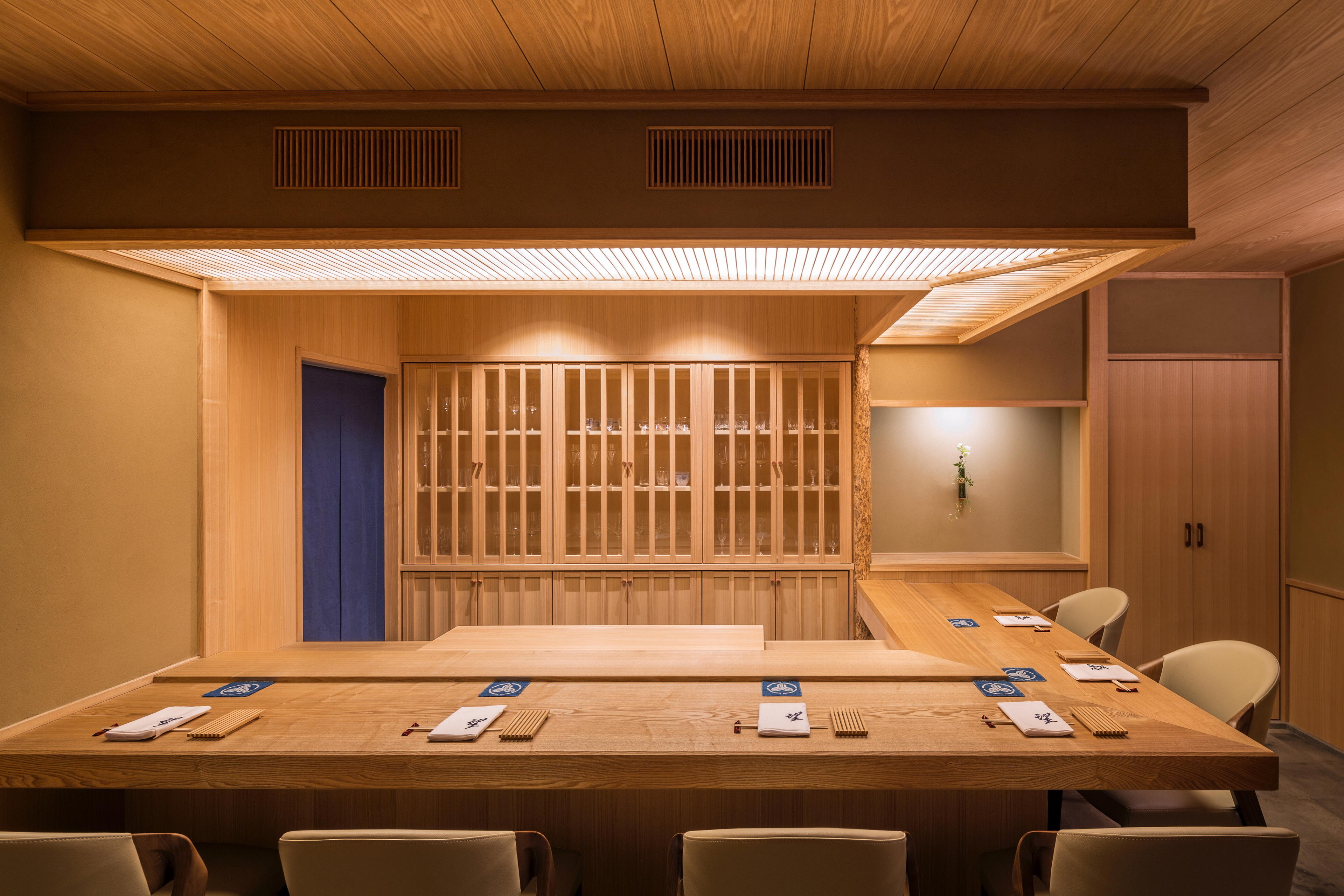
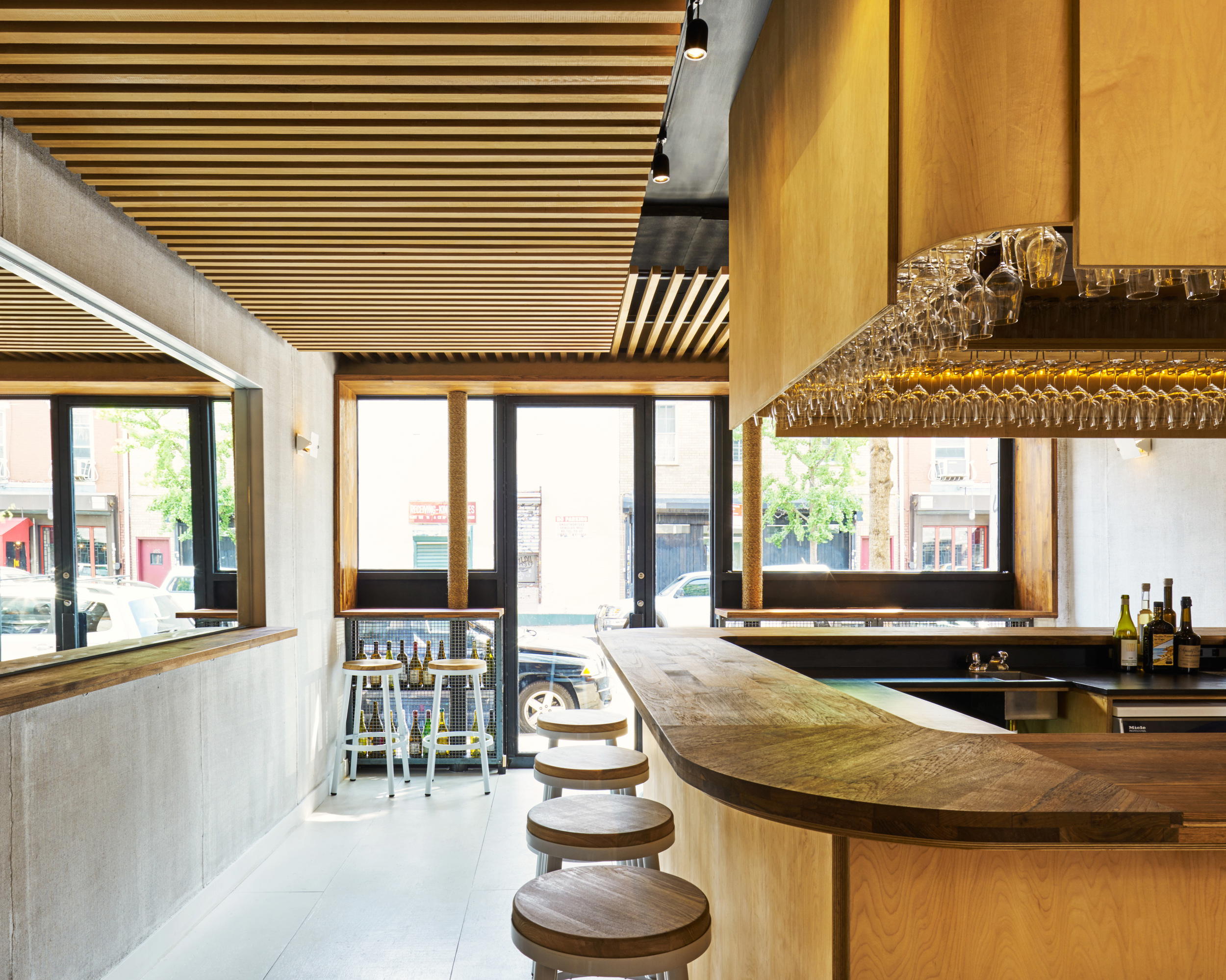
Bars in New York City
Browse all →
Hotels in New York City
Browse all →





Details
- Cozy
- Casual
- Group Dining
- Casual Hangout
- Family
- A La Carte
Current opening hours
- Monday
- 10:30 AM–11 PM
- Tuesday
- 10:30 AM–11 PM
- Wednesday
- 10:30 AM–11 PM
- Thursday
- 10:30 AM–11 PM
- Friday
- 10:30 AM–12 AM
- Saturday
- 10:30 AM–12 AM
- Sunday
- 10:30 AM–12 AM
Hours can change for holidays and private events. Last verified .
Casual cabin-like spot with simple wooden tables and a hearty, informal atmosphere.