Toro Loco
On Stone Street, one of Lower Manhattan's oldest surviving blocks, Toro Loco occupies a stretch where the neighbourhood's shift from financial district after-work destination to year-round dining address plays out in real time. The bar and kitchen operate within a scene defined as much by the street's cobblestones as by what arrives at the table, a useful entry point into Downtown's evolving casual dining tier.
Pearl is the En Primeur Club membership app — saves, bookings, and concierge access live there. Same editors, same standards.
- Address
- 15 Stone St, New York, NY 10004
- Phone
- +19172620444
- Website
- toroloconyc.com
- Directions
- Get directions
 Saves & bookings on Pearl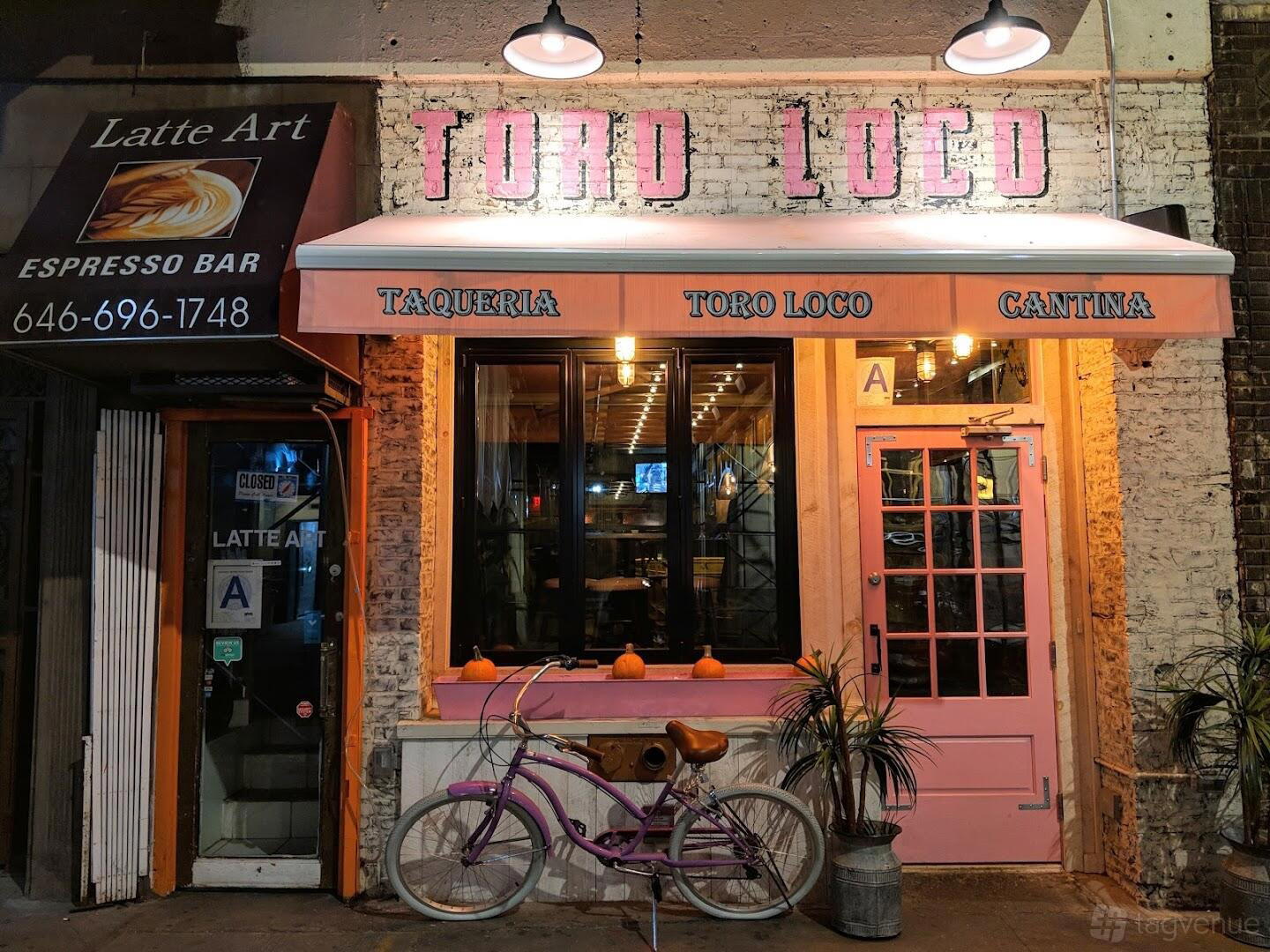
Stone Street and the Reinvention of Downtown Drinking
Stone Street is one of the few blocks in Lower Manhattan where the architecture hasn't been erased by a later century. The cobblestones date to the 1600s, the brick facades to the post-fire rebuilding of the 1830s, and the dining-and-drinking culture layered on top of them has shifted considerably over the past two decades. For most of the 2000s, the street operated almost exclusively as a financial district pressure valve: loud from 5pm on Thursdays and Fridays, near-empty otherwise. Toro Loco sits inside that story, and understanding how the block has changed is one useful frame for understanding what the venue is now.
The broader Downtown Manhattan dining scene has undergone a genuine structural shift since the mid-2010s. The residential population south of Chambers Street grew substantially as former office buildings converted to apartments, and that demographic shift pulled restaurant operators toward formats that could sustain midweek dinner trade rather than surviving on commuter surges alone. Stone Street has tracked that change, with venues adjusting menus, hours, and positioning to serve a more consistent, neighbourhood-oriented crowd. What was once a monoculture of beer and bar food has become a more varied block, with some addresses attempting credible kitchen programs alongside the drinks.
Toro Loco occupies a position within that evolution. The name and setting place it in a Latin-inflected casual dining category that has grown significantly across Lower Manhattan as the population has diversified, a different competitive set from the expense-account rooms of the Financial District proper, and a different register from the tasting-menu tier operating further uptown at counters like Masa or prix-fixe rooms like Per Se.
The Casual Counter in a City of High-Low Dining
New York's dining culture has always maintained a high-low structure, but the distance between the tiers has compressed in interesting ways. The city's leading end, anchored by three-Michelin-star rooms like Le Bernardin and precision-driven Korean progressives like Atomix and Jungsik New York, has become more technically ambitious while the mid-range and casual tier has become more ingredient-focused and less formula-driven. Venues that once relied on concept novelty to justify covers have had to develop more coherent kitchen identities to survive.
Within that context, the Latin casual category is particularly competitive. Across the boroughs, the competition ranges from neighbourhood taquerias with decades of community trust to higher-production operations with cocktail programs that borrow heavily from the craft bar movement. Stone Street's outdoor seating, which expands significantly in warmer months, gives venues on the block a seasonal advantage that indoor-only competitors lack, the street functions as a de facto beer garden from late spring through early autumn, drawing both office workers and tourists navigating the nearby Charging Bull and Bowling Green.
Nationally, the casual Latin dining category has seen a similar pattern of reinvention. Operators at restaurants like Emeril's in New Orleans and more technique-driven rooms such as Alinea in Chicago have demonstrated that American dining at every price point has become more self-conscious about sourcing, format, and kitchen identity over the past decade. That shift has cascaded downward, and even casual operators in high-traffic tourist corridors now face expectations around kitchen credibility that didn't exist fifteen years ago.
What Stone Street Has Become
The outdoor dining culture of Stone Street sits in an interesting position relative to the rest of Lower Manhattan. The block closes to vehicle traffic, which creates a pedestrian experience unusual in this part of the city, and during summer weekday evenings the density of covers rivals many purpose-built dining destinations. For a venue like Toro Loco, that foot traffic is both an asset and a challenge: the location generates walk-in volume that a reservation-dependent room could never match, but it also means the kitchen must be configured for throughput rather than the kind of pacing that defines more considered dining experiences. The comparison set here isn't Blue Hill at Stone Barns or Single Thread Farm in Healdsburg, it's the bar-restaurant hybrid that has to perform across lunch, happy hour, and dinner without losing coherence in any slot.
Across the country, the strongest casual operators have found ways to differentiate within that constraint. Lazy Bear in San Francisco, Providence in Los Angeles, and destination rooms like Addison in San Diego or The Inn at Little Washington have all built identities that extend well beyond location. At the other end of the spectrum, high-volume tourist-adjacent venues succeed by delivering consistency at scale. The venues that struggle are those caught between the two positions. Stone Street, as a dining environment, rewards the operators who commit clearly to one register or the other.
For the broader Lower Manhattan dining picture, including restaurants operating across a wider range of formats and price tiers, EP Club's full New York City restaurants guide maps the scene by neighbourhood and category. International reference points for the Latin dining category also appear in EP Club coverage from cities as varied as Atlanta (Bacchanalia) and further afield at rooms like 8½ Otto e Mezzo Bombana in Hong Kong and Alain Ducasse's Louis XV in Monte Carlo, which together illustrate how sharply dining expectations vary by format and market even when the surface category looks similar.
Planning Your Visit
Stone Street sits within walking distance of Fulton Center and Wall Street subway stations, making access direct from most of Manhattan and from Brooklyn via the nearby Whitehall/South Ferry hub. The outdoor dining season on Stone Street runs roughly April through October, with peak volume on Thursday and Friday evenings. Visiting midweek or at lunch provides a noticeably different experience of the block.
Quick reference: 15 Stone St, New York, NY 10004. Lower Manhattan, walking distance from Wall St and Fulton Center subway stations. Outdoor seating available seasonally. The restaurant is an Authentic Mexican Taqueria in New York City, with a casual dress code, reservations recommended, and an average spend of about $40 per person.
Cuisine and Credentials
Comparable venues nearby, for context on price, style, and recognition.
| Venue | Cuisine | Price | Notes |
|---|---|---|---|
| Toro LocoThis venue — the venue you are viewing | Authentic Mexican Taqueria | $$ | Not listed |
| Mission Cantina | Fusion Mexican | $$ | Lower East Side |
| Barrio Chino | Regional Mexican with Agave Focus | $$ | Lower East Side |
| Ruta Oaxaca - Brooklyn | Oaxacan Mexican Cuisine | $$ | Downtown Brooklyn-DUMBO-Boerum Hill |
| Beto's Carnitas & Guisados | Mexico City-Style Carnitas & Guisados | $$ | Lower East Side |
| Mole | Authentic Mexican Bar & Grill | $$ | Williamsburg |
Continue exploring
More in New York City
Restaurants in New York City
Browse all →
Bars in New York City
Browse all →
Hotels in New York City
Browse all →





At a Glance
- Lively
- Trendy
- Energetic
- Group Dining
- Casual Hangout
- Brunch
- After Work
- Open Kitchen
- Craft Cocktails
Current opening hours
- Monday
- 11:30 AM–11 PM
- Tuesday
- 11:30 AM–11 PM
- Wednesday
- 11:30 AM–11:30 PM
- Thursday
- 11:30 AM–11:30 PM
- Friday
- 11:30 AM–11:30 PM
- Saturday
- 11:30 AM–11:30 PM
- Sunday
- 11:30 AM–10 PM
Hours can change for holidays and private events. Last verified .
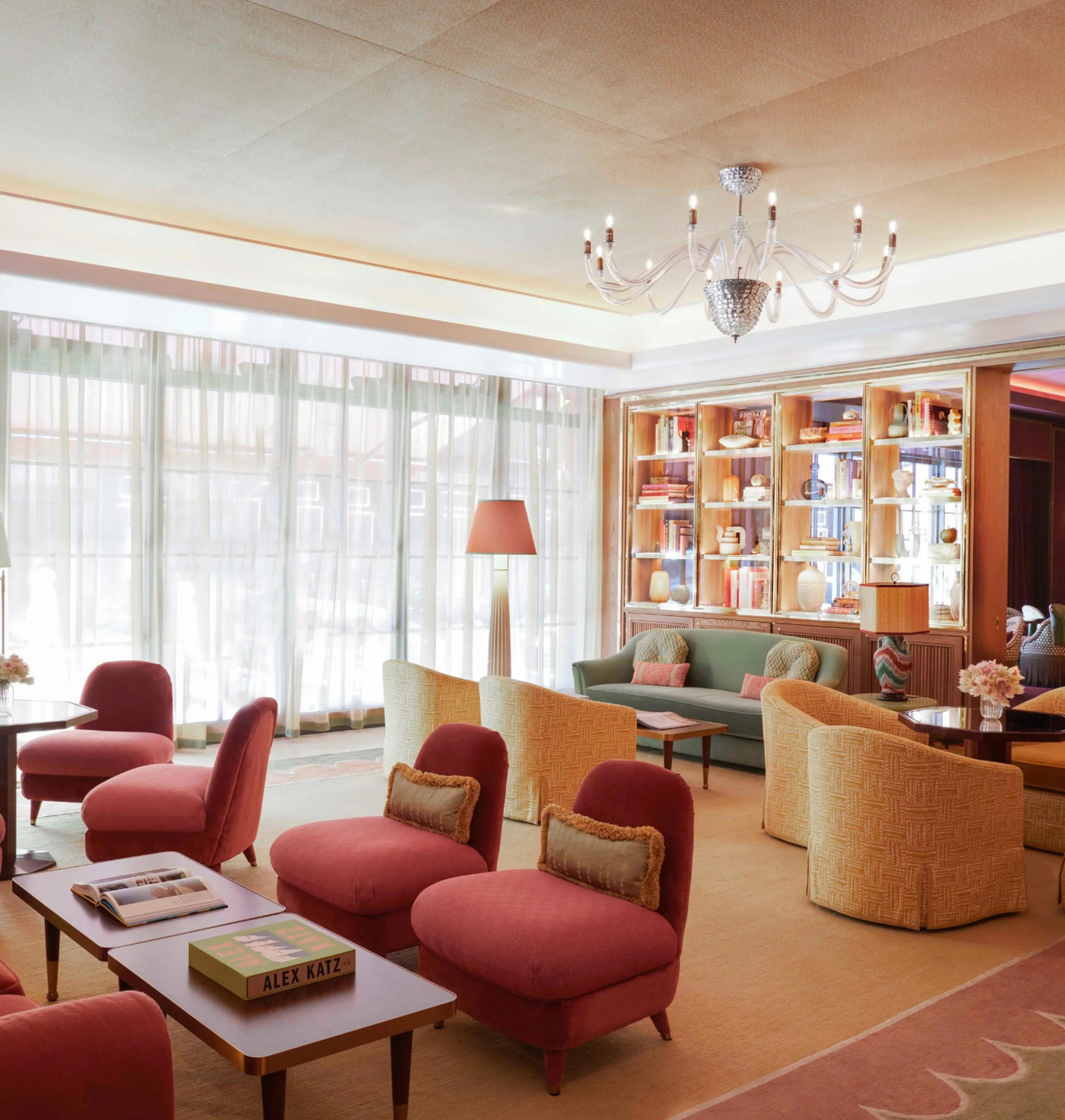
Lively and lively with eclectic Latin American kitsch decor, modern touches, and a fun party atmosphere featuring DJ events.