Ruta Oaxaca - Brooklyn
Ruta Oaxaca brings the ingredient-driven cooking traditions of southern Mexico to Smith Street in Brooklyn, working within a borough dining scene that has increasingly made space for serious regional Mexican cuisine beyond Tex-Mex conventions. The address at 138 Smith St places it in Cobble Hill, a neighbourhood where independent restaurants with clear culinary points of view have long found a receptive audience.
Pearl is the En Primeur Club membership app — saves, bookings, and concierge access live there. Same editors, same standards.
- Address
- 138 Smith St, Brooklyn, NY 11201
- Phone
- +17185761507
- Website
- opentable.com
- Directions
- Get directions
 Saves & bookings on Pearl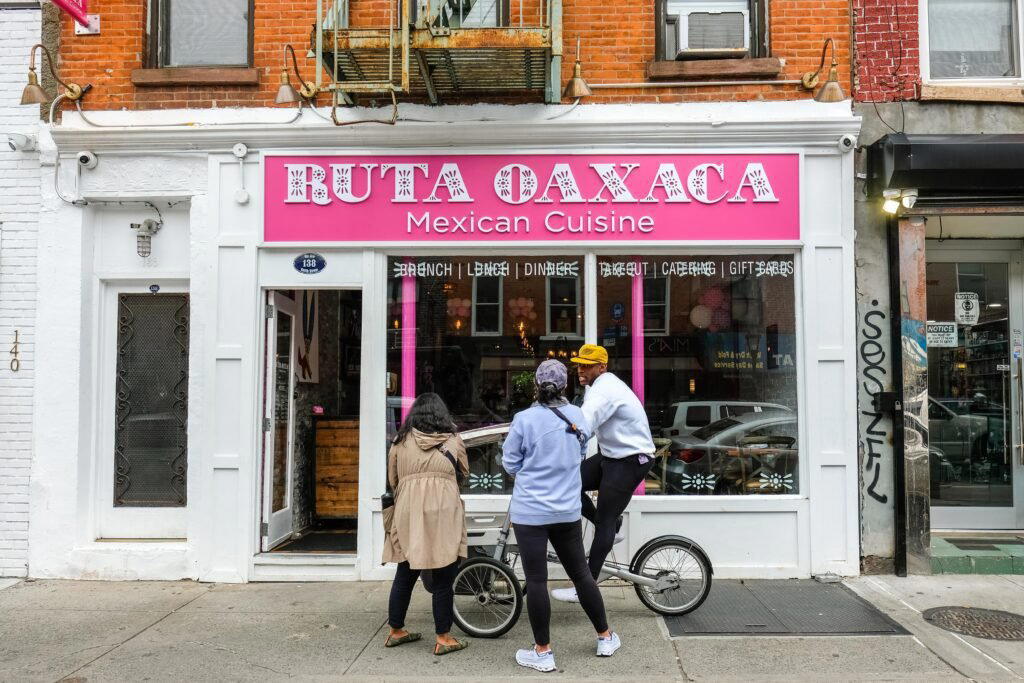
Where Brooklyn Meets Southern Mexico
Smith Street in Cobble Hill occupies an interesting position in Brooklyn's dining geography. The strip has cycled through enough openings and closures to filter out casual operators, leaving behind restaurants with a defined reason to exist. Regional Mexican cooking, particularly the kind rooted in Oaxacan tradition, has found genuine traction in this environment, where diners have grown familiar with the difference between assembly-line guacamole and something built from actual culinary knowledge of the southern highlands.
Ruta Oaxaca at 138 Smith St operates within that more demanding context. Oaxacan cuisine is one of Mexico's most codified regional traditions, governed by dried chile varieties, mole construction that can involve thirty or more ingredients, and corn preparations that bear little resemblance to what most American diners encounter under the Mexican food umbrella. A restaurant working seriously within this tradition is not adapting a cuisine for accessibility; it is asking diners to meet a kitchen on its own terms.
The Architecture of an Oaxacan Meal
The tasting logic of Oaxacan cooking differs from European progression models in ways worth understanding before you sit down. Rather than a linear build from light to rich, a traditional Oaxacan spread operates through contrast and layering. The meal moves between acidic tlayudas, earthy mole negro that can carry chocolate and charred chile in equal measure, and memelas or enfrijoladas that act as textural counterweights. Heat is not a variable adjusted for comfort; it is a structural element of the cuisine.
At the neighbourhood level, this means a well-constructed meal at a serious Oaxacan table reads more like a tasting of regional vocabulary than a conventional multi-course arc. The proteins change, but the throughline is the quality of the chile work and the masa. Mole negro, considered the complex preparation in the canon, is the dish against which kitchens in this tradition are evaluated. It requires dried negro chilhuacles, mulato, and ancho chiles alongside Mexican chocolate, plantain, and sometimes more than two dozen other components, with a preparation time measured in days rather than hours.
This is the editorial lens through which Ruta Oaxaca's offer should be understood: not as a neighbourhood Mexican restaurant that happens to use interesting ingredients, but as a specific regional proposition where the sourcing and technique signal whether the kitchen is working from genuine knowledge of the tradition.
Brooklyn's Regional Mexican Tier
New York's Mexican dining scene has matured considerably over the past decade. The upper bracket is no longer dominated solely by European-influenced tasting menus from venues like Per Se or Le Bernardin; there is now a recognized tier of serious regional Mexican operations drawing on specific state traditions rather than a generalized national cuisine. Brooklyn has been more receptive to this tier than Manhattan, partly because of lower operating costs and partly because the borough's dining culture rewards specificity over spectacle.
Within this context, Oaxacan cuisine carries particular credibility. It is one of three or four Mexican regional traditions with enough internal complexity to sustain a serious kitchen program over time. Yucatecan cooking, Veracruz seafood traditions, and the mole cultures of Puebla occupy similar positions in the hierarchy of Mexican regional cuisines recognized by serious diners. A restaurant that holds to Oaxacan specificity, rather than blending in dishes from other states for commercial appeal, makes a claim about its culinary intentions that is either substantiated by the food or quickly exposed.
For comparison, Brooklyn's wider dining range spans from highly technical Korean tasting menus, represented at the highest level in Manhattan by Atomix and Jungsik New York, to the Japanese omakase tier anchored by venues like Masa. Each of those cuisines has a defined technical canon against which kitchens are measured. Oaxacan cooking carries the same internal rigour; the comparable set is simply less visible to diners schooled on European fine dining benchmarks.
Cobble Hill as Context
The Smith Street address matters in practical terms. Cobble Hill sits between Carroll Gardens to the south and Brooklyn Heights to the north, with Atlantic Terminal accessible via the 2, 3, 4, and 5 trains at Borough Hall, or the F and G lines at Bergen Street a few blocks south. The neighbourhood draws a mix of locals with long tenure on the block and newer residents who have pushed residential prices upward while maintaining the street-level diversity of the restaurant strip.
Independent restaurants here compete not on volume but on return visits. A kitchen without a clear culinary identity finds it difficult to build the regulars that sustain a Smith Street operation through the slower winter months. Ruta Oaxaca's regional specificity functions as both a culinary commitment and a practical differentiator in that environment.
Across the United States, restaurants with a serious regional Mexican focus have been building track records over the past decade in cities from San Francisco to Chicago. Venues like Lazy Bear in San Francisco and Alinea in Chicago represent the kind of conceptually rigorous dining that has raised expectations for what a focused culinary program can achieve. Similar discipline, applied to a regional Mexican tradition rather than modernist European technique, is the operating standard that Oaxacan-focused restaurants now face in serious food cities. The same observation applies to destination-driven kitchens like Blue Hill at Stone Barns outside the city, or The French Laundry in Napa, where the sourcing and technique set a baseline expectation that regional specialists across all cuisines are now measured against.
Comparable regional American cooking programs worth tracking include Emeril's in New Orleans, Providence in Los Angeles, Addison in San Diego, Bacchanalia in Atlanta, The Inn at Little Washington, and Single Thread Farm in Healdsburg, each of which demonstrates how regional culinary identity can anchor a serious dining program over time.
Know Before You Go
- Address: 138 Smith St, Brooklyn, NY 11201
- Neighbourhood: Cobble Hill, Brooklyn
- Cuisine Focus: Regional Oaxacan, southern Mexican tradition
- Nearest Transit: Borough Hall (2/3/4/5) or Bergen St (F/G)
- Reservations: Recommended
- Hours: Mon: 12–10 PM; Tue: 12–10 PM; Wed: 12–10 PM; Thu: 12–10 PM; Fri: 11 AM–11 PM; Sat: 11 AM–11 PM; Sun: 11 AM–10 PM
- Price Range: $$
Budget and Context
Comparable venues nearby, for context on price, style, and recognition.
| Venue | Cuisine | Price | Notes |
|---|---|---|---|
| Ruta Oaxaca - BrooklynThis venue — the venue you are viewing | Not listed | $$ | Not listed |
| Rosie's | East Village, Modern Mexican | $$ | Not listed |
| Lupe's East L.A. Kitchen | Not listed | $$ | SoHo-Little Italy-Hudson Square, California-Mexican |
| Dorado | Not listed | $$ | Greenwich Village, Baja-Style Mexican Tacos & Quesadillas |
| Taqueria On Tenth | Not listed | $$ | Chelsea-Hudson Yards, Upscale Mexican Taqueria |
| MEXiCUE | Midtown-Times Square, Mexican BBQ Fusion | $$ | Not listed |
Continue exploring
More in New York City
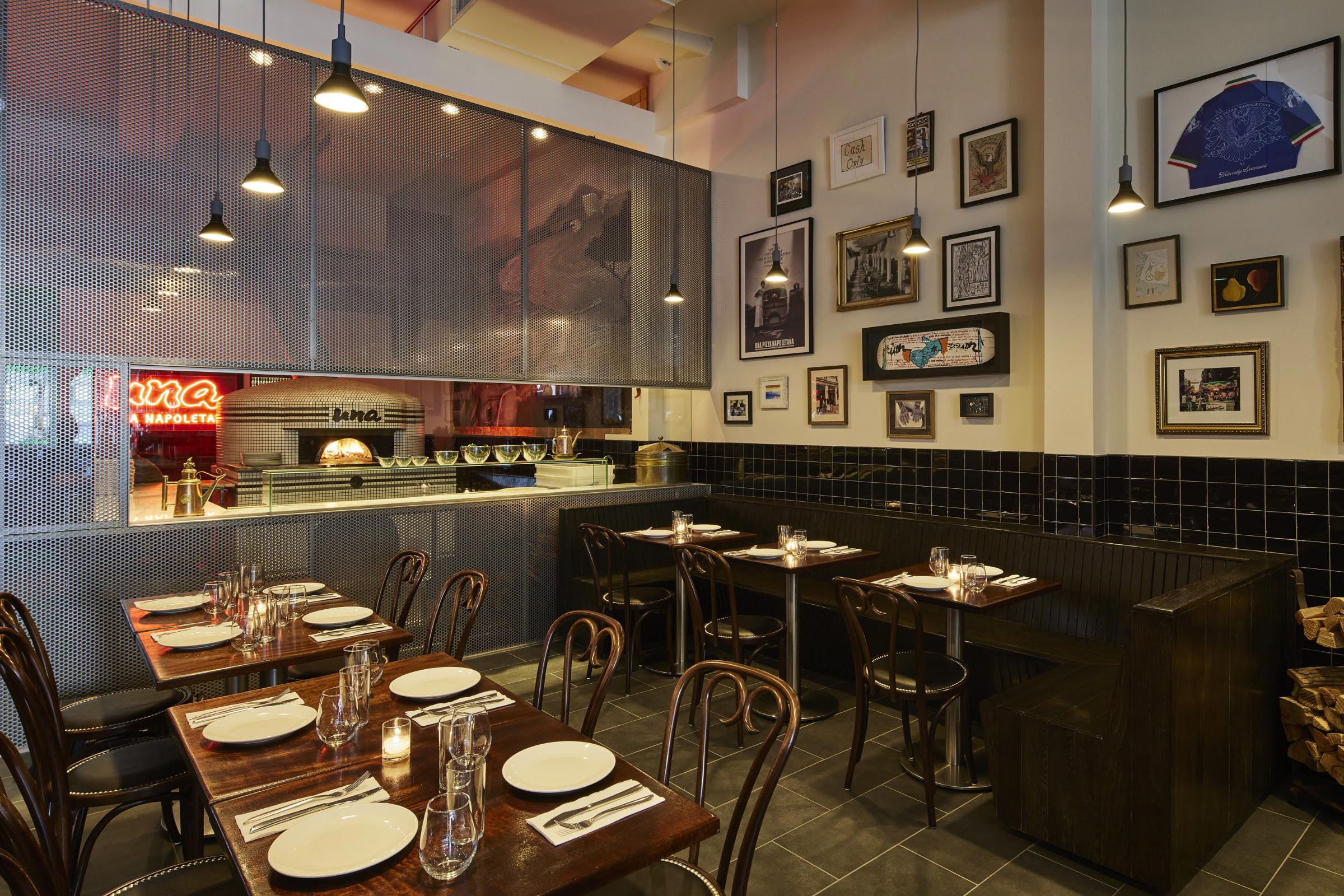
Restaurants in New York City
Browse all →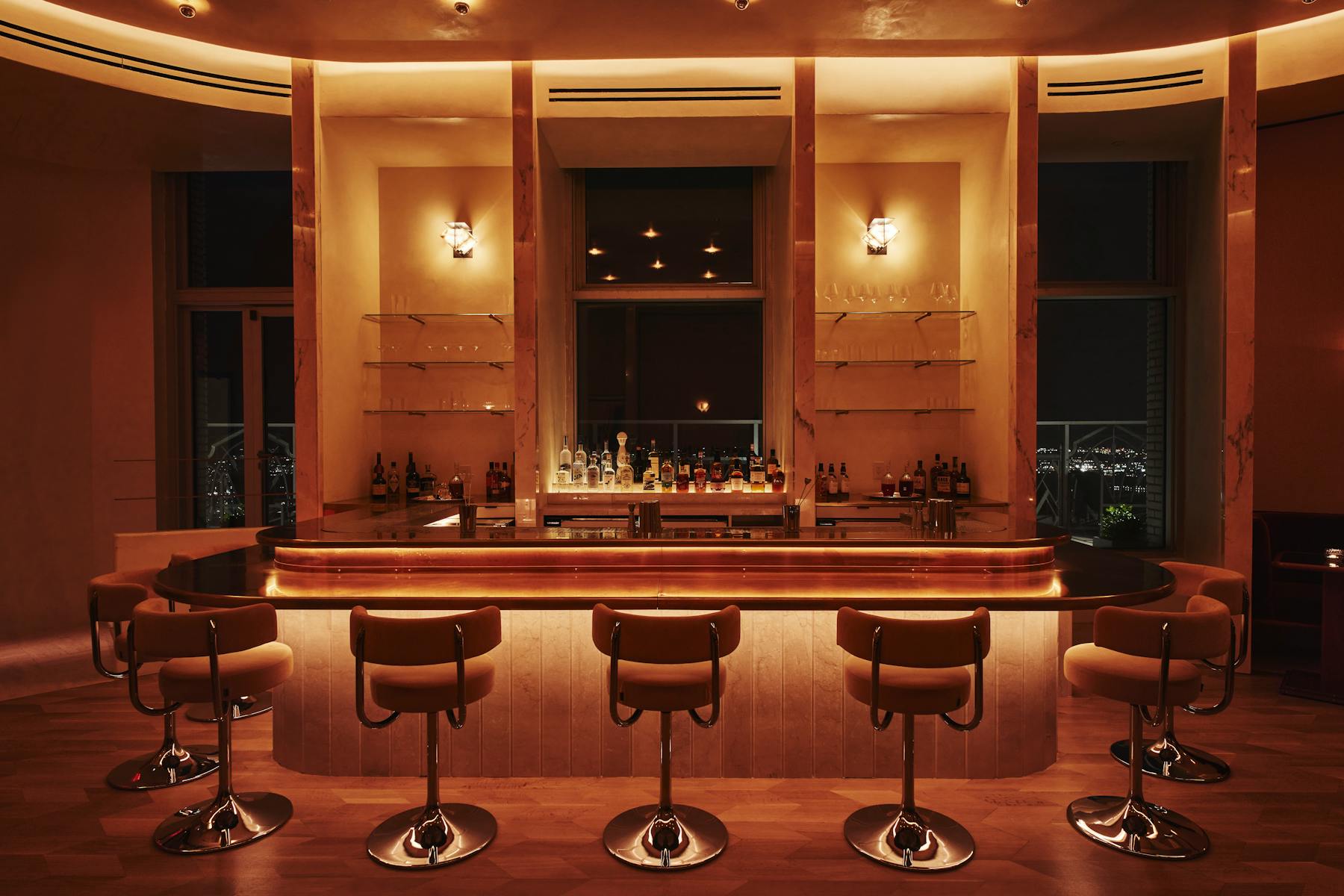
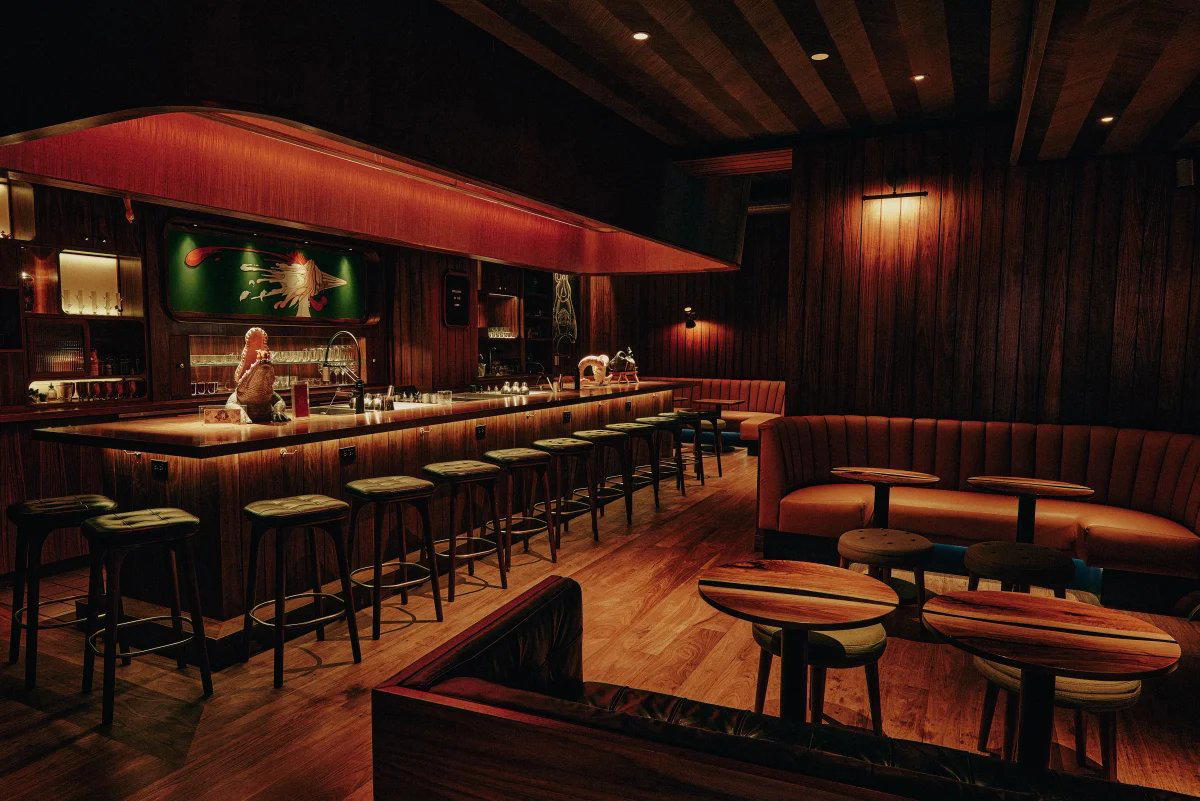
Bars in New York City
Browse all →
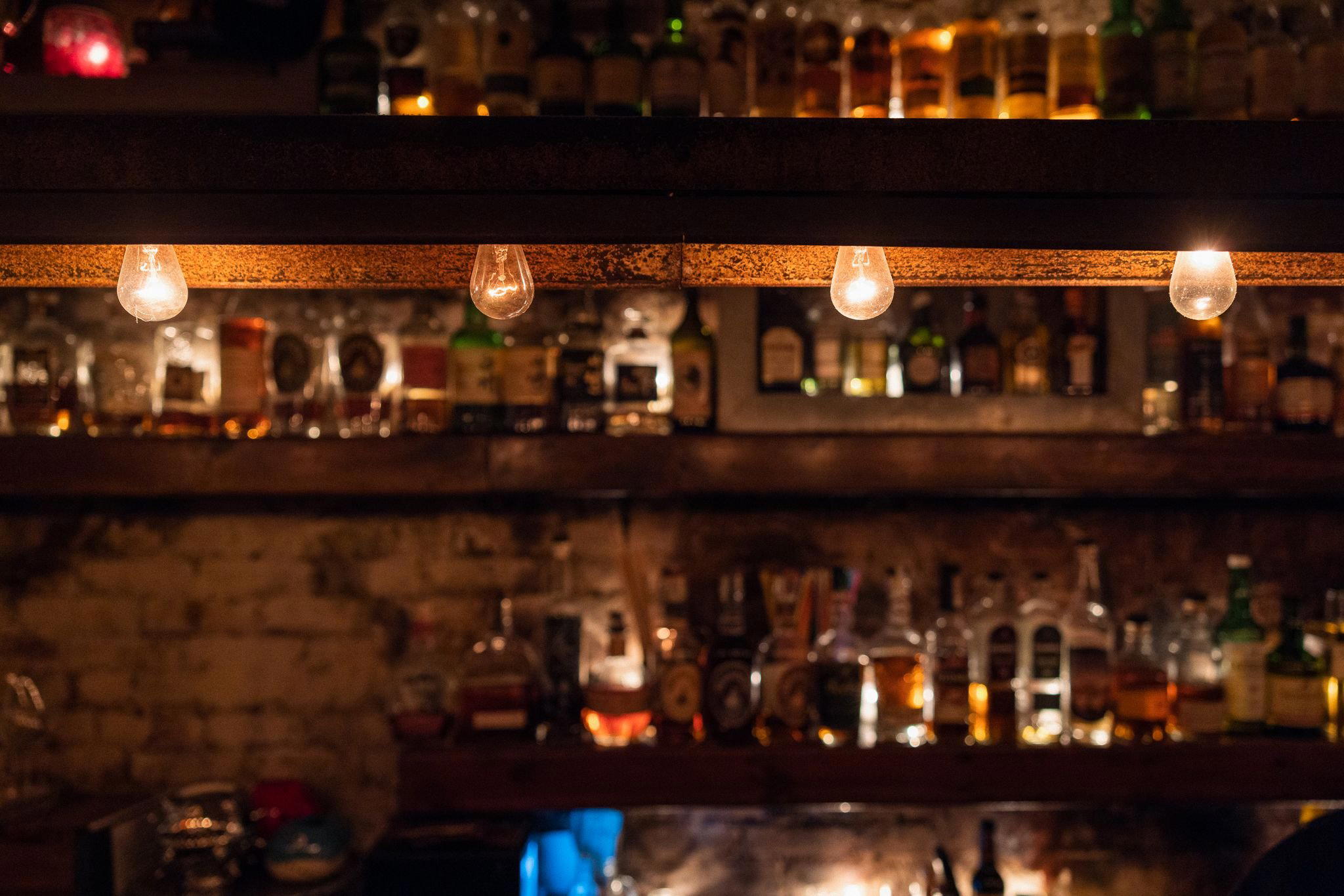
Hotels in New York City
Browse all →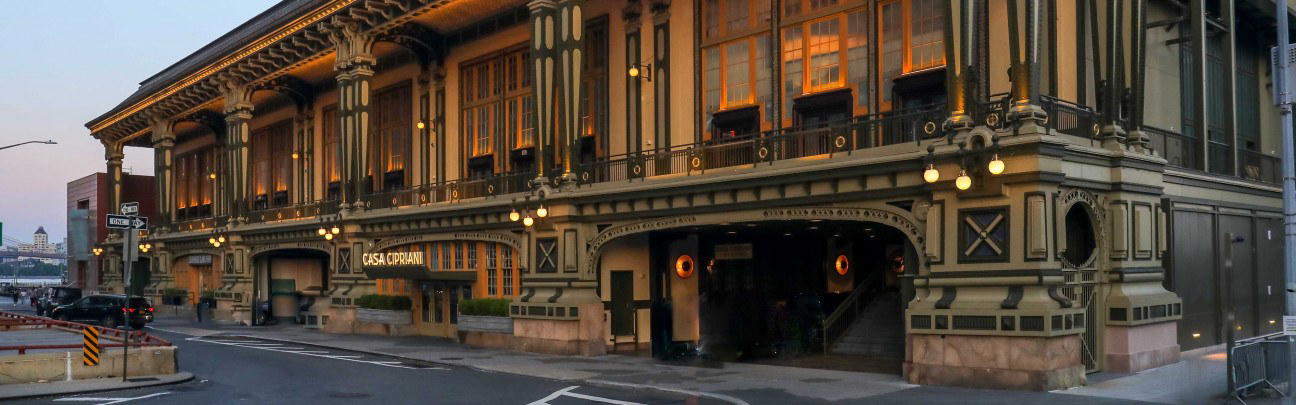


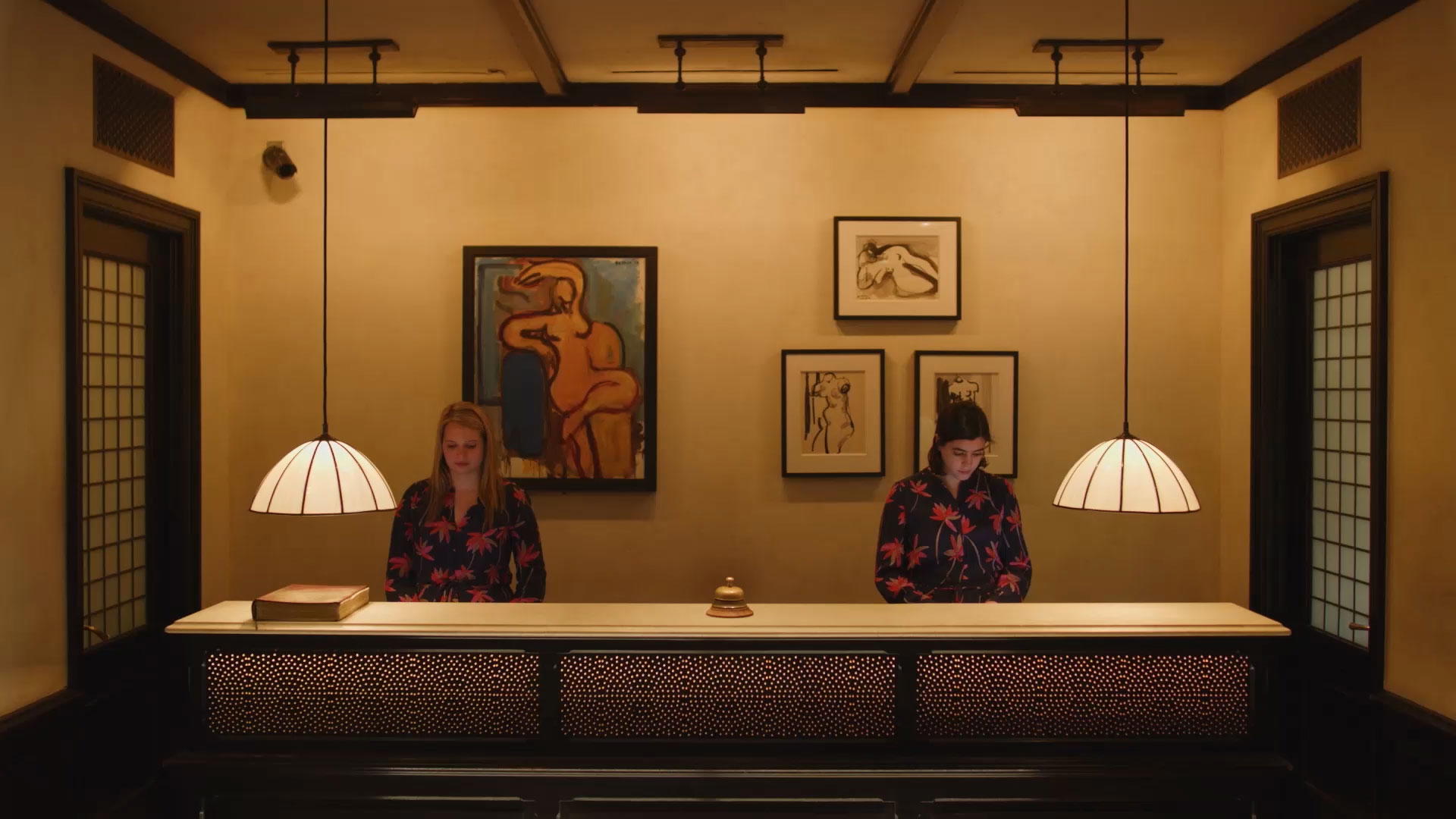






At a Glance
- Lively
- Group Dining
- Celebration
- Brunch
- Open Kitchen
- Craft Cocktails
Current opening hours
- Monday
- 12–10 PM
- Tuesday
- 12–10 PM
- Wednesday
- 12–10 PM
- Thursday
- 12–10 PM
- Friday
- 11 AM–11 PM
- Saturday
- 11 AM–11 PM
- Sunday
- 11 AM–10 PM
Hours can change for holidays and private events. Last verified .
Lively and distinctive atmosphere with moderate noise levels.