Barrio Chino
Barrio Chino occupies a specific corner of the Lower East Side's layered dining identity, where Latin and Chinese cultural crosscurrents have defined the block for decades. The address at 253 Broome St places it squarely in one of Manhattan's most historically dense neighbourhoods, where the character of the street matters as much as what arrives at the table.
Pearl is the En Primeur Club membership app — saves, bookings, and concierge access live there. Same editors, same standards.
- Address
- 253 Broome St, New York, NY 10002
- Phone
- +12122286710
- Website
- barriochinony.com
- Directions
- Get directions
 Saves & bookings on Pearl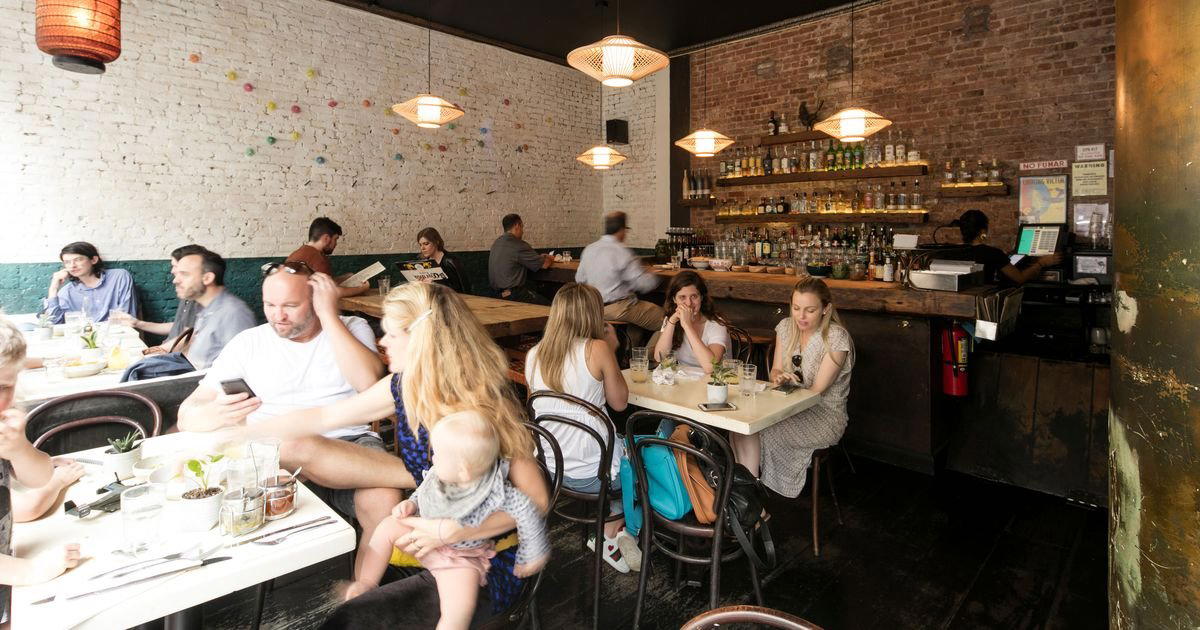
Broome Street and the Lower East Side's Overlapping Histories
Barrio Chino is a restaurant in New York City’s Lower East Side, at 253 Broome St, with a casual dress code and recommended reservations. The Lower East Side has always been a neighbourhood defined by successive waves of arrival. Broome Street, in particular, sits at a junction where the old Jewish immigrant corridor meets the southern edge of Chinatown and the northern reach of what was once a Latin-inflected commercial strip. The name Barrio Chino, Spanish for Chinatown, a term used in cities from Havana to Barcelona to describe urban Chinese enclaves, captures exactly that overlap. It is a concept that exists in multiple cities simultaneously, and the address at 253 Broome St plants it in one of the few neighbourhoods in New York where the reference lands with geographic as well as cultural accuracy.
That specificity of place matters more than it might at a venue on, say, a midtown block with no particular historical identity. The Lower East Side's dining character has been shaped as much by real estate pressure and demographic shift as by any single culinary tradition. Restaurants here tend to carry the weight of their location in ways that venues in more sanitised corridors do not. The blocks around Broome and Delancey have seen the arrival and departure of enough institutions to give any address a kind of inherited gravity.
Where Barrio Chino Sits in the Downtown Manhattan Scene
Downtown Manhattan's dining scene has fractured into distinct tiers over the past decade. At one end, the neighbourhood holds approachable, often cash-forward spots shaped by the area's long history as a landing place for first-generation communities. At the other, a younger set of chef-driven rooms has moved in, drawing on the neighbourhood's grit as ambient credibility while charging prices that would have been unthinkable on these blocks fifteen years ago. The restaurant occupies a middle register in that geography, not the stripped-back legacy lunch counter, but not the omakase-tier destination either.
For context, the upper bracket of New York dining runs through a different set of postcodes. Le Bernardin and Per Se anchor the formal end of the spectrum in Midtown, while Eleven Madison Park and Atomix have defined what serious tasting-menu dining looks like further downtown and in Midtown South respectively. Masa represents the extreme of the counter-dining format at a price point that makes it effectively its own category. The restaurant does not compete in that tier, which is precisely what gives it a distinct function in the city's dining map. Not every useful reservation needs to be a $400 commitment.
Nationally, the conversation around neighbourhood-rooted dining with Latin and Asian crossover influences has become more sophisticated. Venues like Lazy Bear in San Francisco and Providence in Los Angeles show how seriously the west coast has taken the question of where a restaurant comes from. On the east coast and in the south, places like Emeril's in New Orleans and The Inn at Little Washington in Washington have built identities that are inseparable from their specific geography. The restaurant is working within a similar logic, the neighbourhood is not backdrop, it is argument.
The Concept Behind the Name
The restaurant as an urban formation predates New York's version by several decades. Havana's the restaurant, established in the mid-nineteenth century, was at one point the largest Chinese community in Latin America. The cross-cultural hybridisation that happened in those enclaves, Cuban-Chinese restaurants serving rice dishes that belonged to neither tradition cleanly, became a model that later appeared in Mexican, Argentine, and Spanish cities. When the concept travels to the Lower East Side, it arrives with that accumulated meaning: the idea that a neighbourhood can hold two naming systems simultaneously without resolving the contradiction.
For a dining room on Broome Street, that conceptual framing does real work. It signals a willingness to sit with cultural ambiguity rather than flatten it into a single cuisine category. Comparable approaches have worked in other cities: Frasca Food and Wine in Boulder built an identity around a specific regional Italian reference that most diners had never encountered, and the precision of that reference became the point. Smyth in Chicago uses its Fulton Market location as part of its narrative. The more specific the cultural or geographic claim, the more it can anchor a room's identity.
Price and Positioning
Comparable venues nearby, for context on price, style, and recognition.
| Venue | Cuisine | Price | Notes |
|---|---|---|---|
| Barrio ChinoThis venue — the venue you are viewing | Not listed | $$ | Not listed |
| Casa Mezcal | Lower East Side, Oaxacan Mexican | $$ | Not listed |
| Papatzul | Not listed | $$ | SoHo-Little Italy-Hudson Square, Authentic Regional Mexican |
| Mexicosina | Not listed | $$ | Mott Haven-Port Morris, Authentic Mexican Taqueria |
| Tacos 1986 | West Village, Tijuana-Style Tacos | $$ | Not listed |
| El Zason | Not listed | $$ | Downtown Brooklyn-DUMBO-Boerum Hill, Modern Mexican Gastropub |
Continue exploring
More in New York City
Restaurants in New York City
Browse all →
Bars in New York City
Browse all →
Hotels in New York City
Browse all →




At a Glance
- Cozy
- Trendy
- Lively
- Energetic
- Date Night
- Group Dining
- Casual Hangout
- Brunch
- Open Kitchen
- Craft Cocktails
Current opening hours
- Monday
- 12–10 PM
- Tuesday
- 12–10 PM
- Wednesday
- 12–10 PM
- Thursday
- 12–10 PM
- Friday
- 12–11 PM
- Saturday
- 10 AM–11 PM
- Sunday
- 10 AM–10 PM
Hours can change for holidays and private events. Last verified .
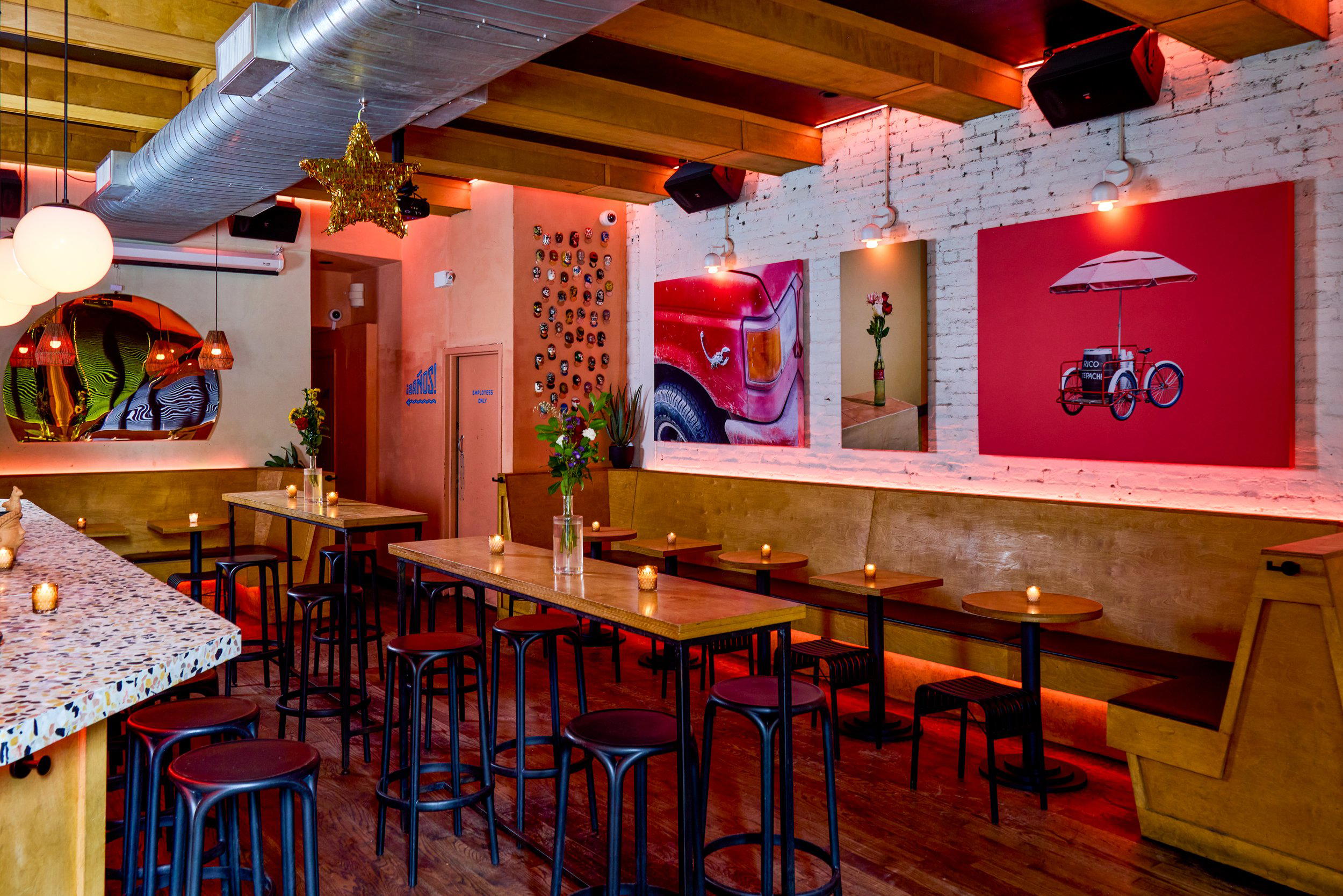
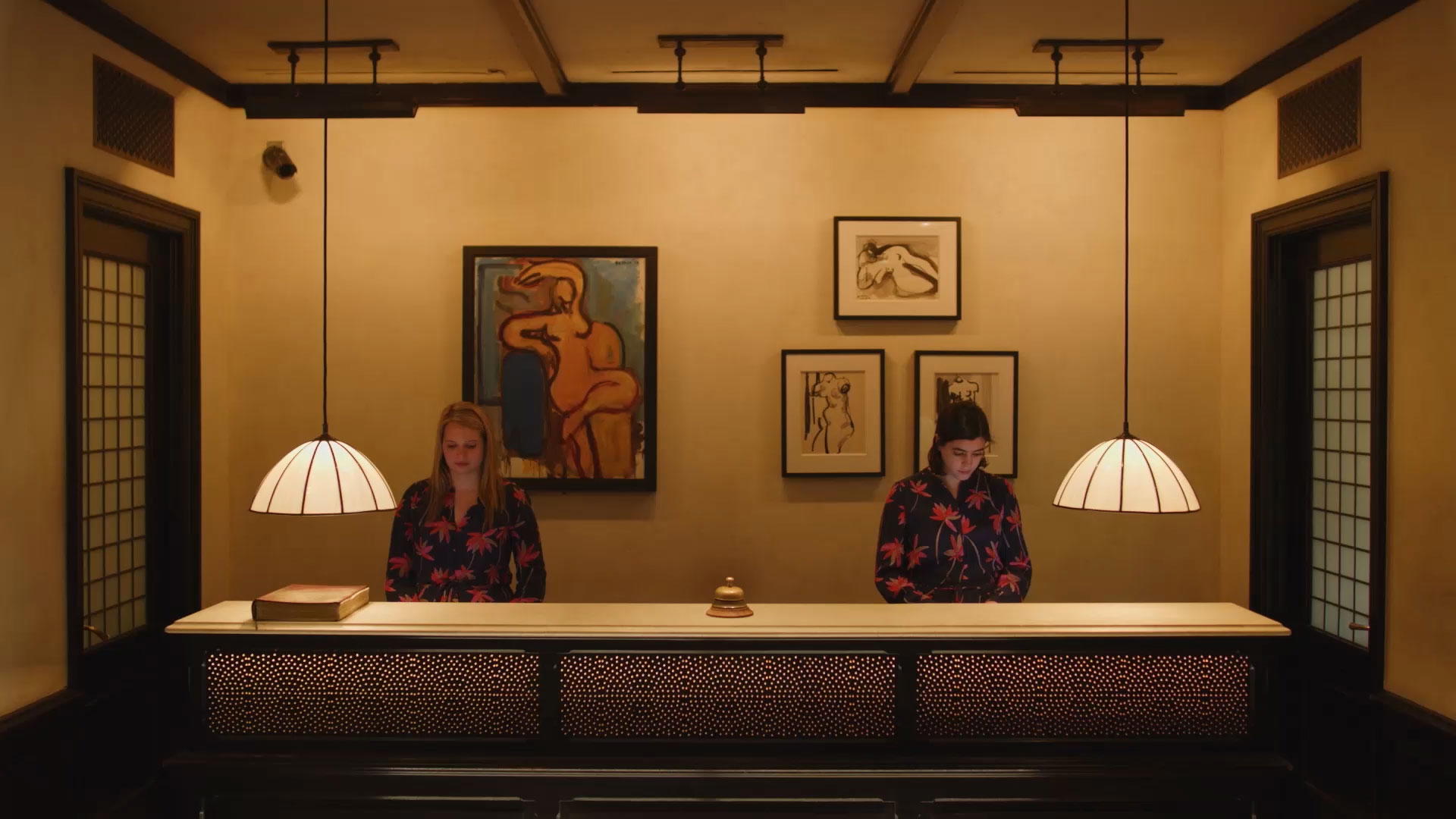
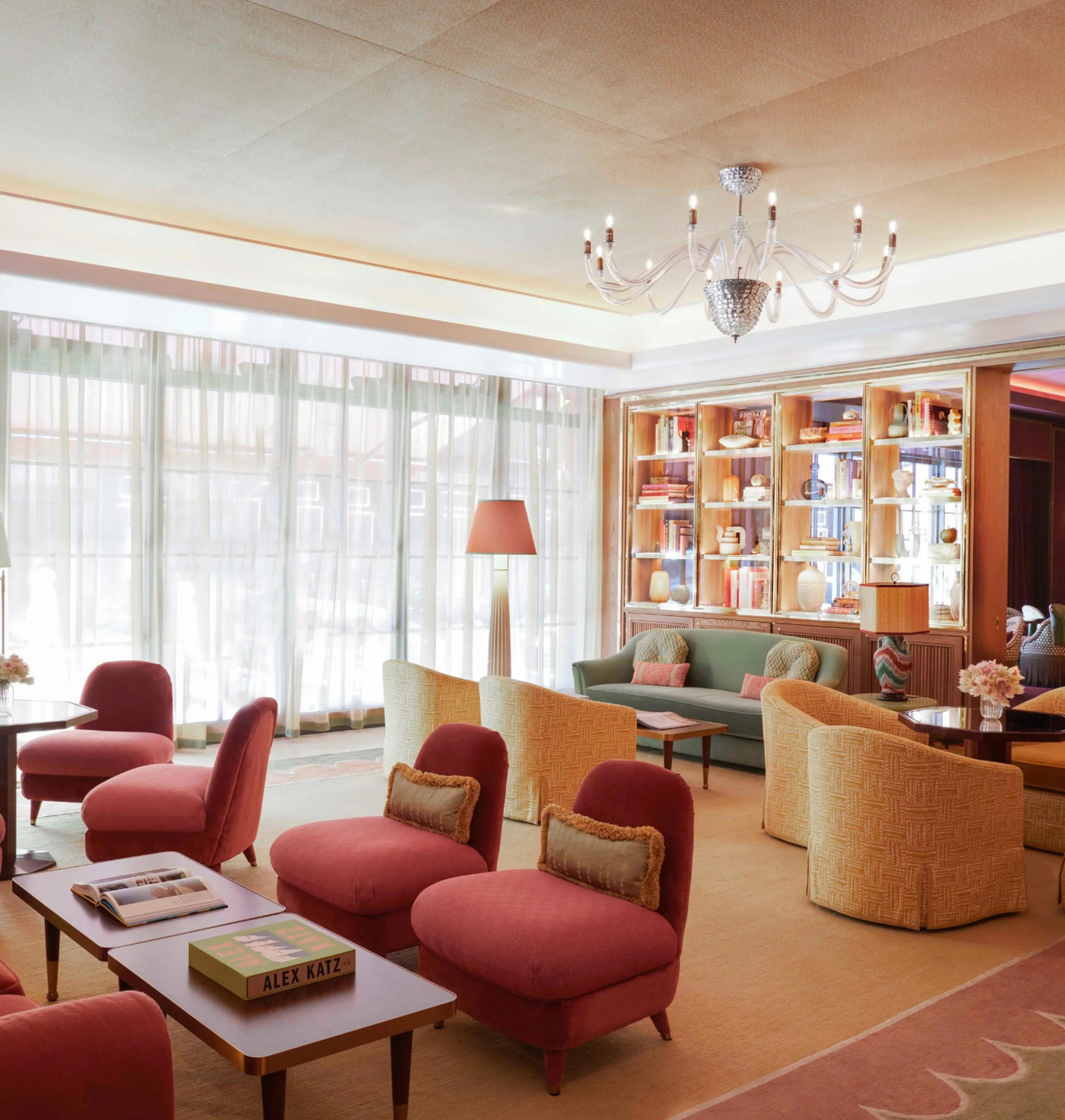
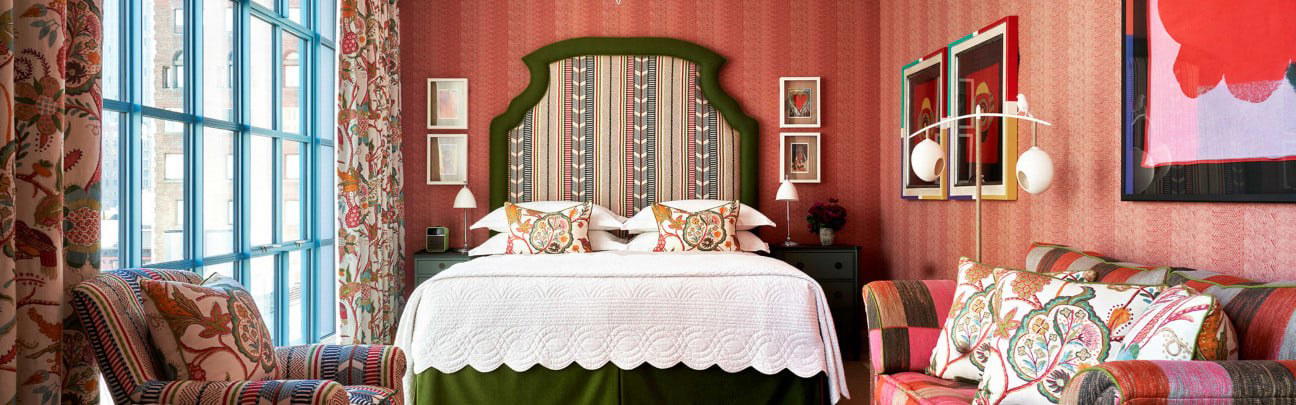
Cozy and hip with Asian-inspired elements like painted scrolls and lanterns, light-filled space, soothing lighting, energetic vibe with loud music at times.