
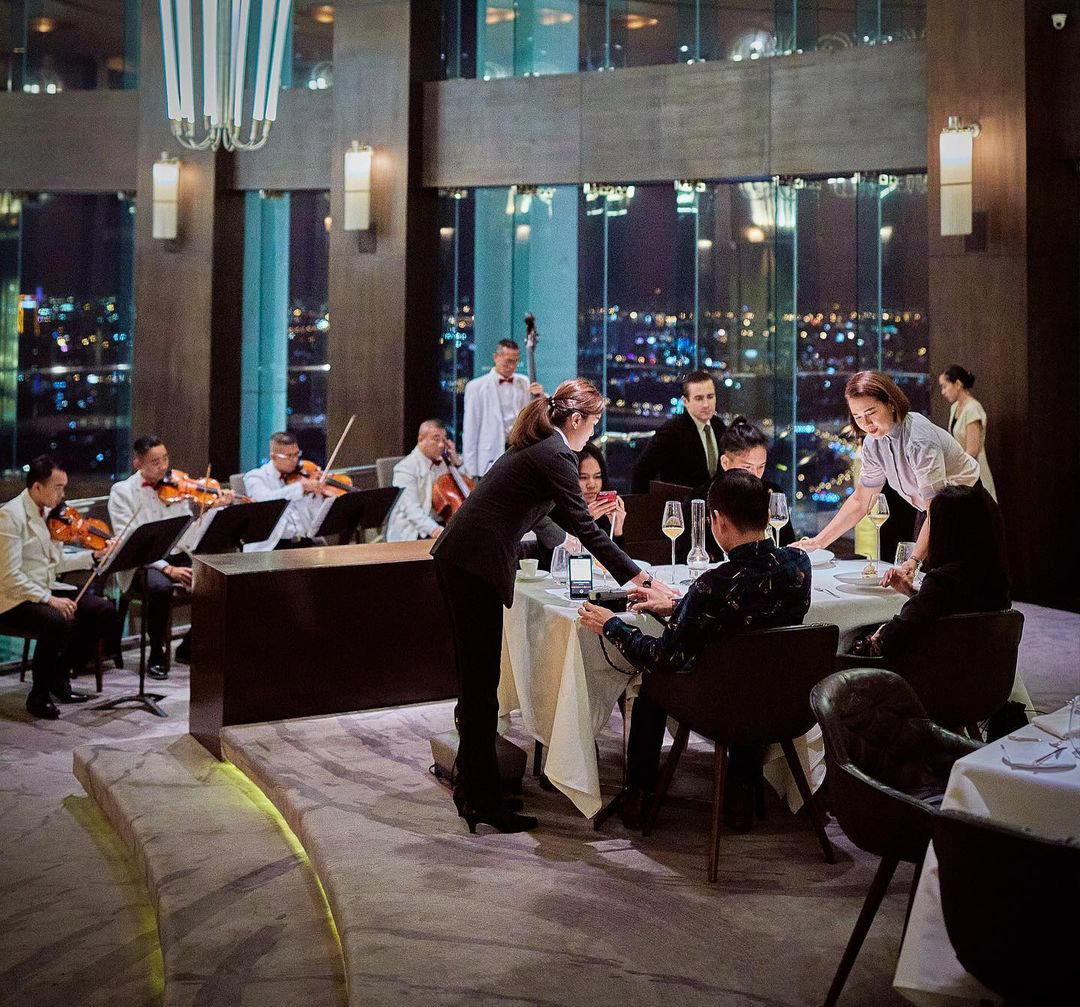
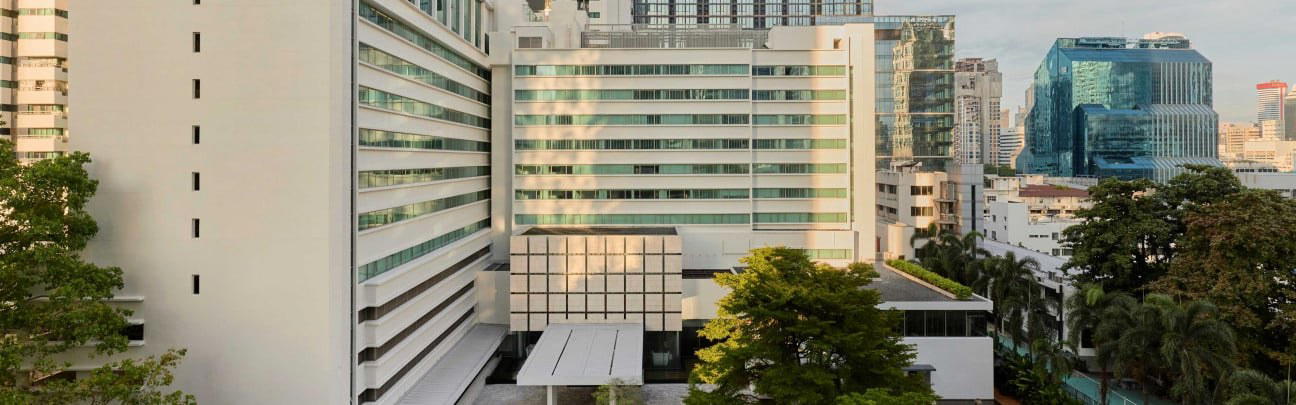
On the 56th floor of The Empire tower in Sathon, Sartoria by Paulo Airaudo brings a meticulous modern take on Tuscan dining to Bangkok's skyline. Thai produce meets Japanese and European ingredients across handmade pasta, dry-aged meats, and fresh seafood, with a tasting menu format that allows guests to choose their main course. The mosaic floors, warm wood panelling, and panoramic city views position it firmly in Bangkok's upper tier of European fine dining.
Pearl is the En Primeur Club membership app — saves, bookings, and concierge access live there. Same editors, same standards.
- Address
- 56th Floor The Empire, No.1, S Sathon Rd, Yan Nawa, Sathon, Bangkok 10120, Thailand
- Phone
- +66 2 407 1654
- Website
- sartoriabypauloairaudo.com
- Directions
- Get directions
 Saves & bookings on Pearl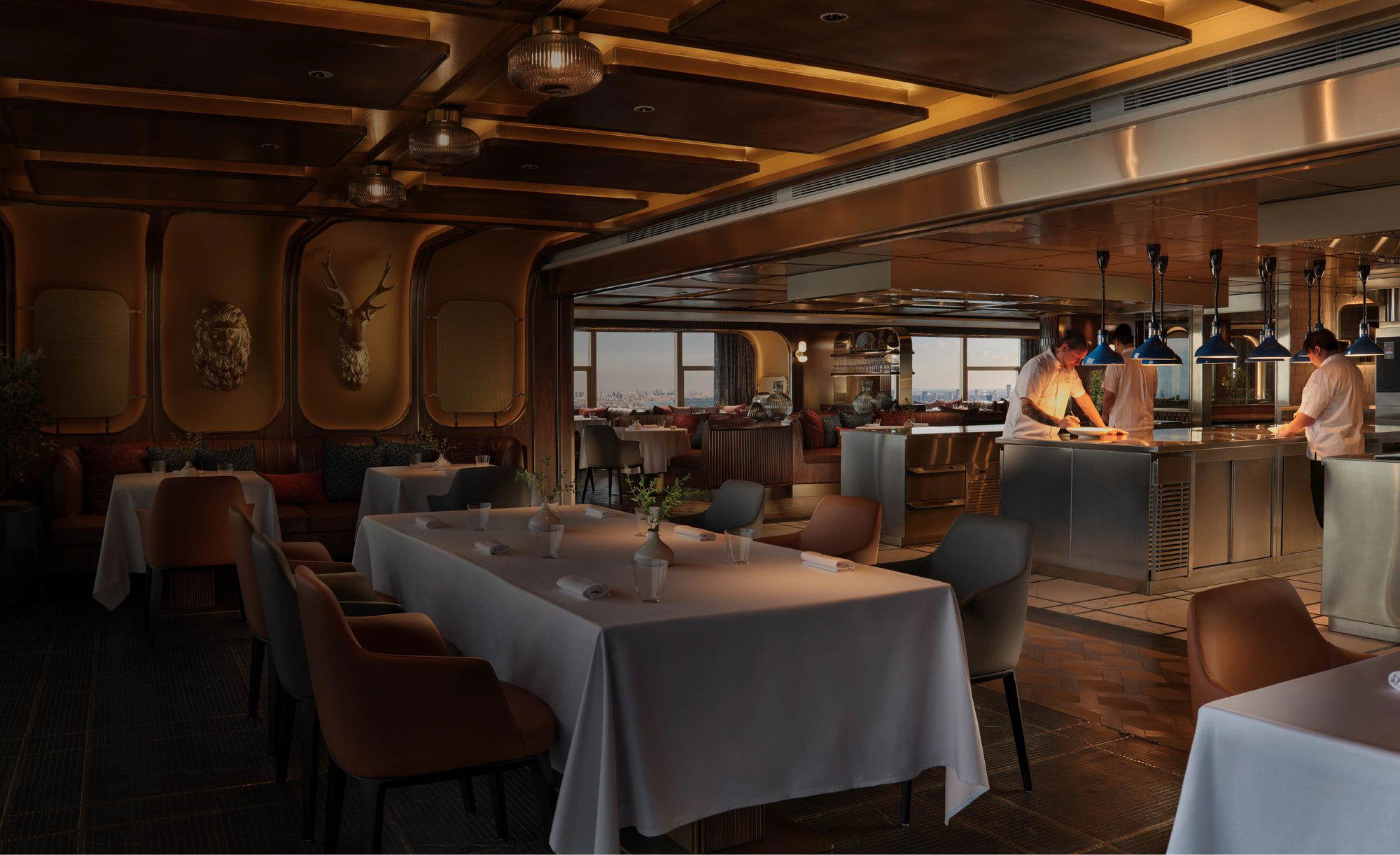
Fifty-Six Floors Above Sathon
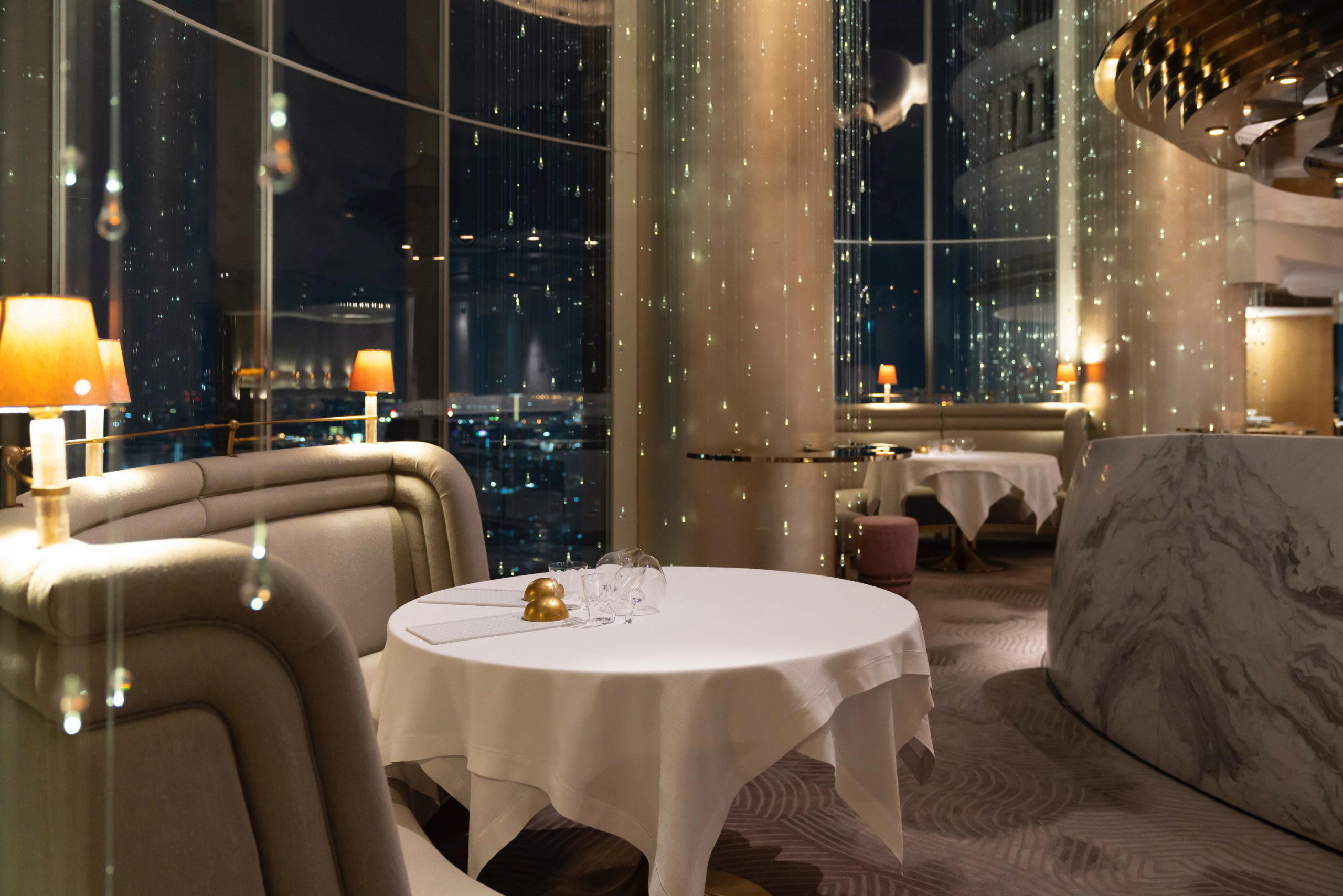
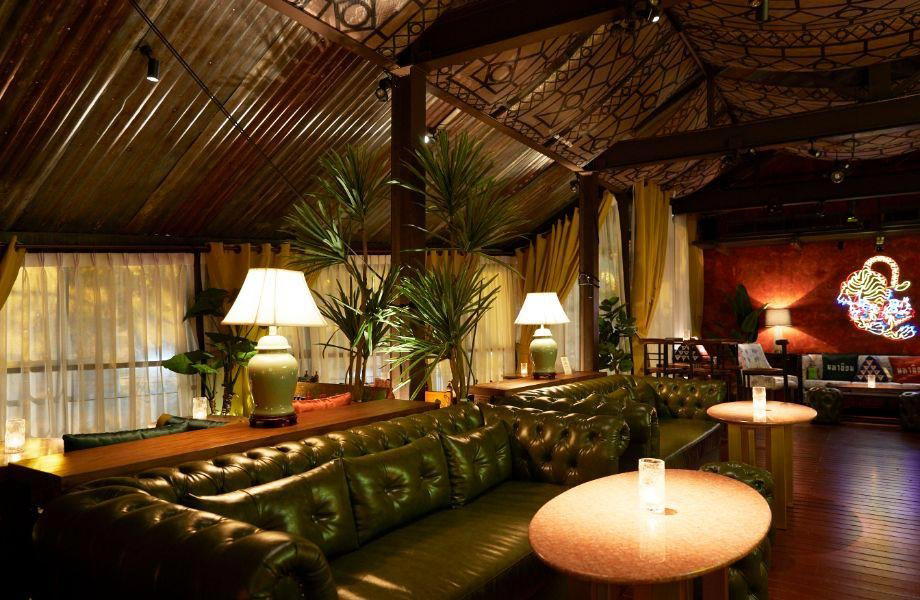
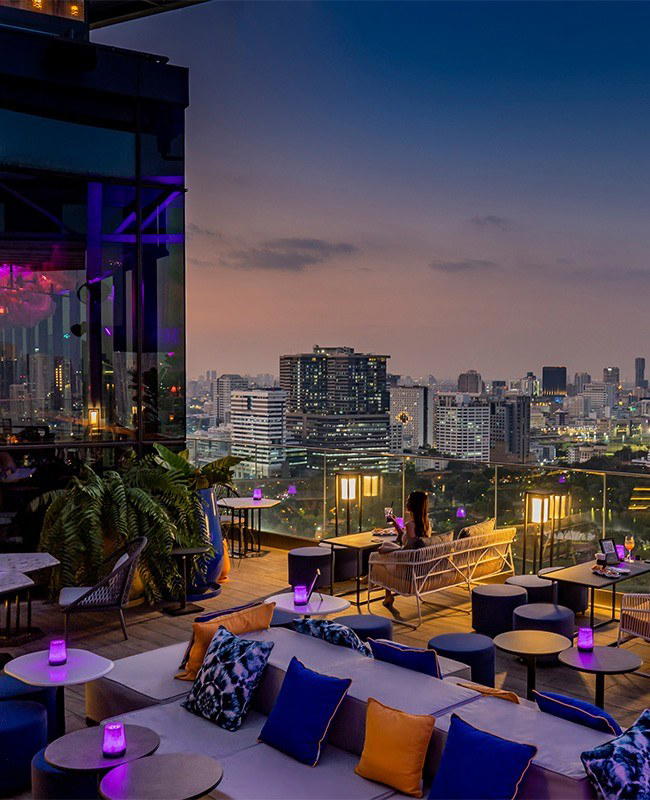
Bangkok's premium dining tier has developed a habit of placing European fine dining at altitude. The city's high-rise restaurant format, where Chao Phraya views and skyline panoramas frame European technique, has matured into something more rigorous than rooftop spectacle. On the 56th floor of The Empire on South Sathon Road, Sartoria by Paulo Airaudo occupies that upper bracket with a specific regional focus that separates it from the broader category. This is Contemporary Italian Fine Dining, interpreted through a modern lens, in a room designed to recall Florence: mosaic floors, warm wood panelling, and an atmosphere that reads as considered rather than theatrical.
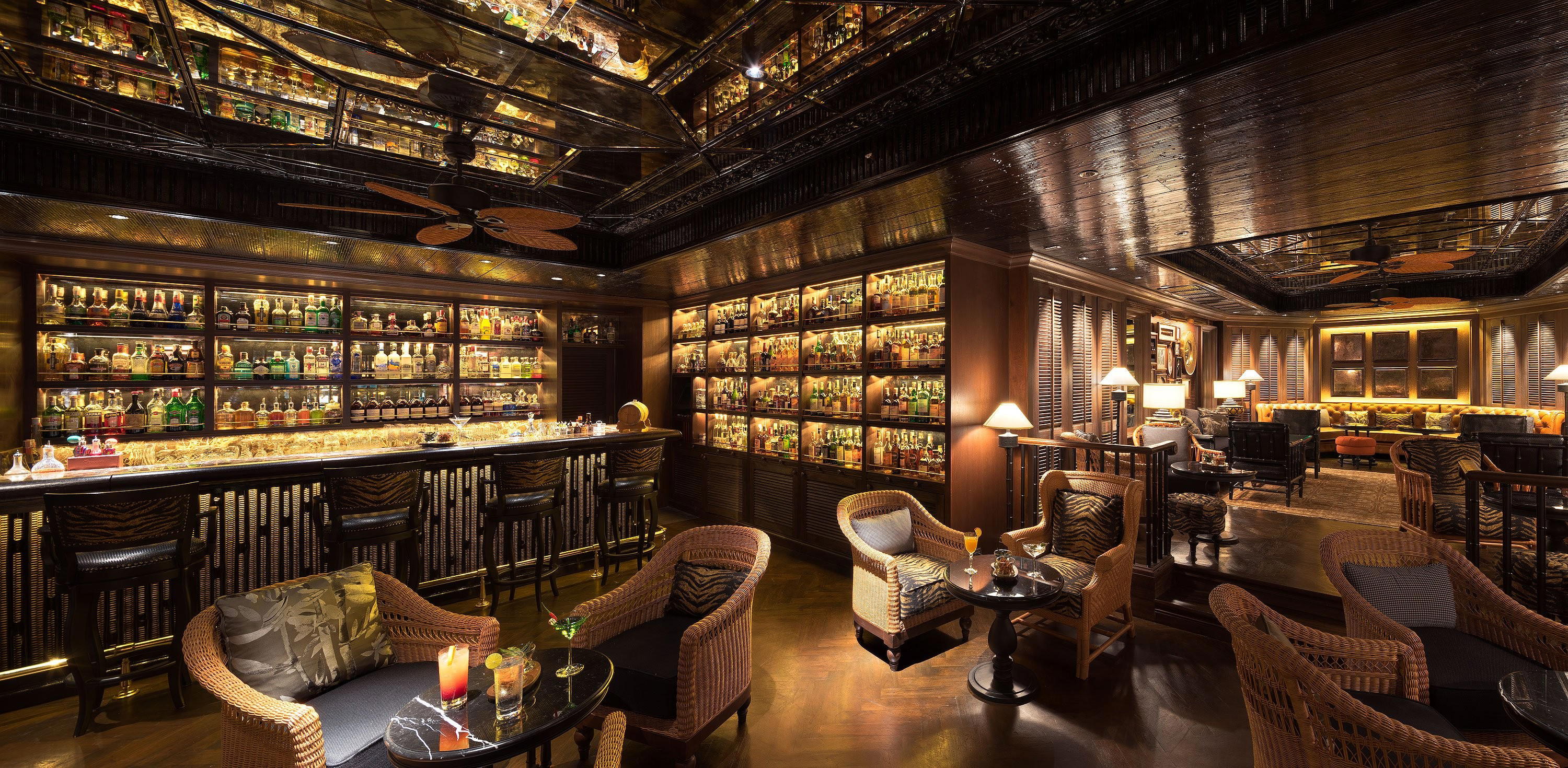
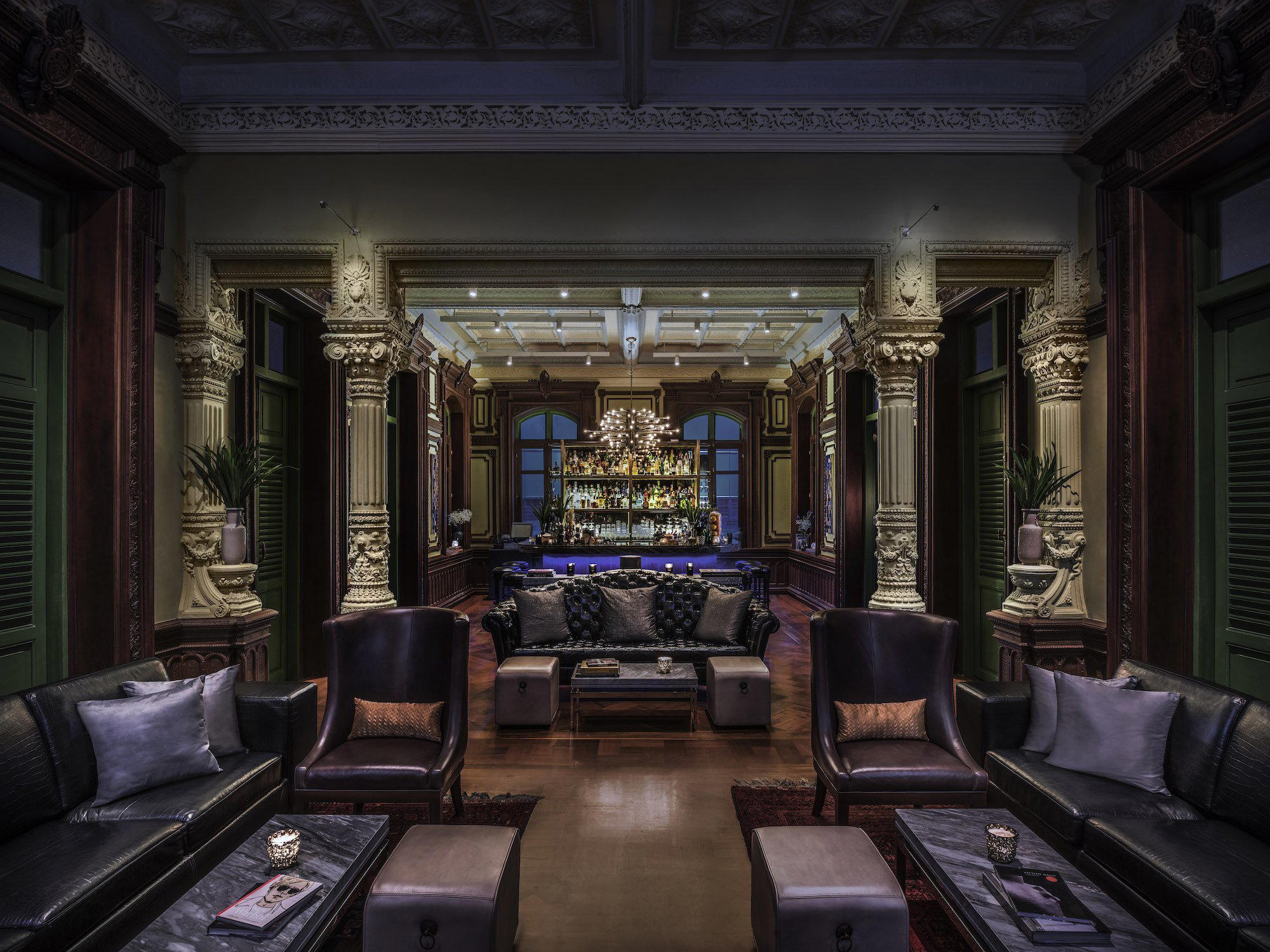
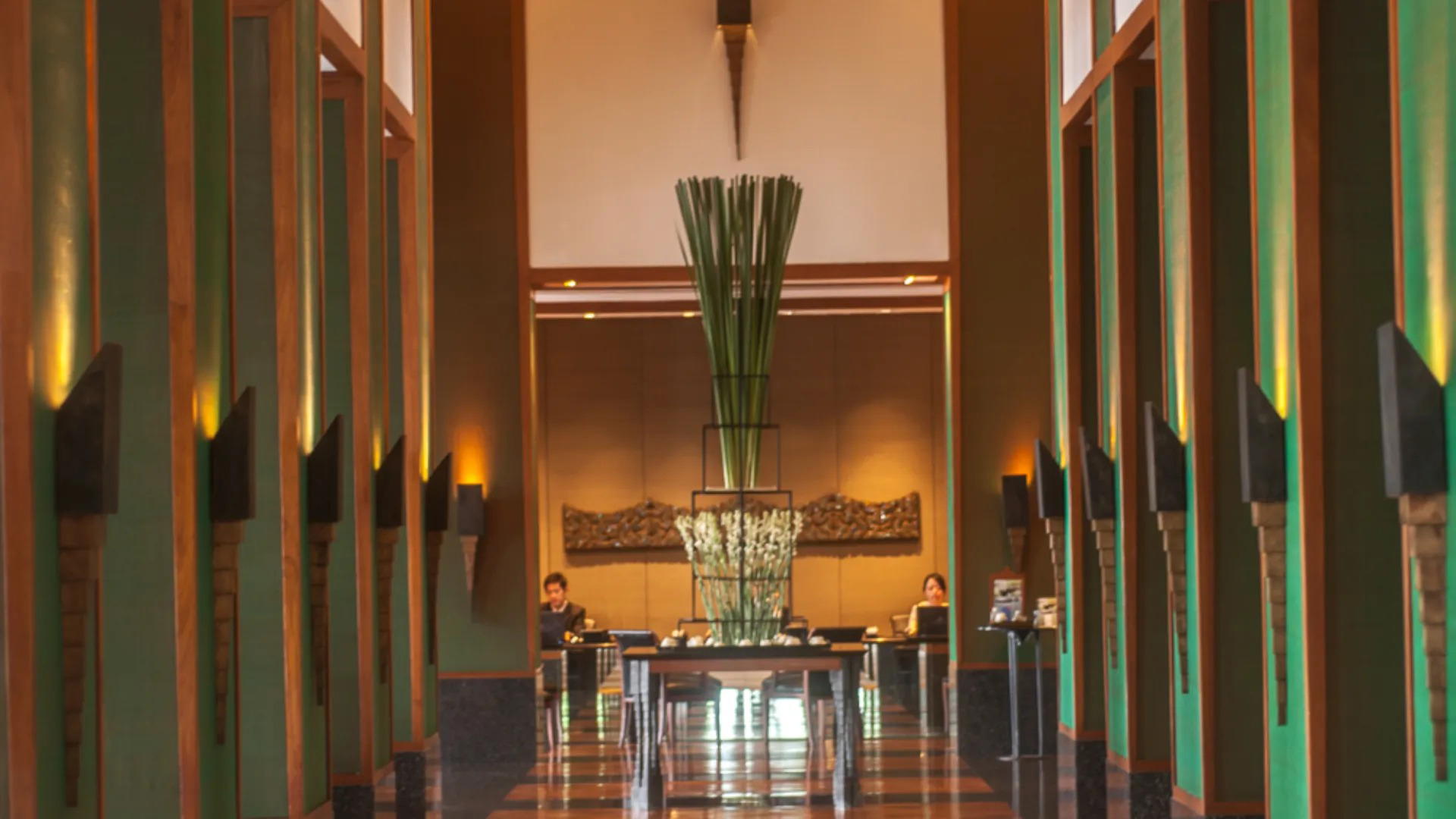
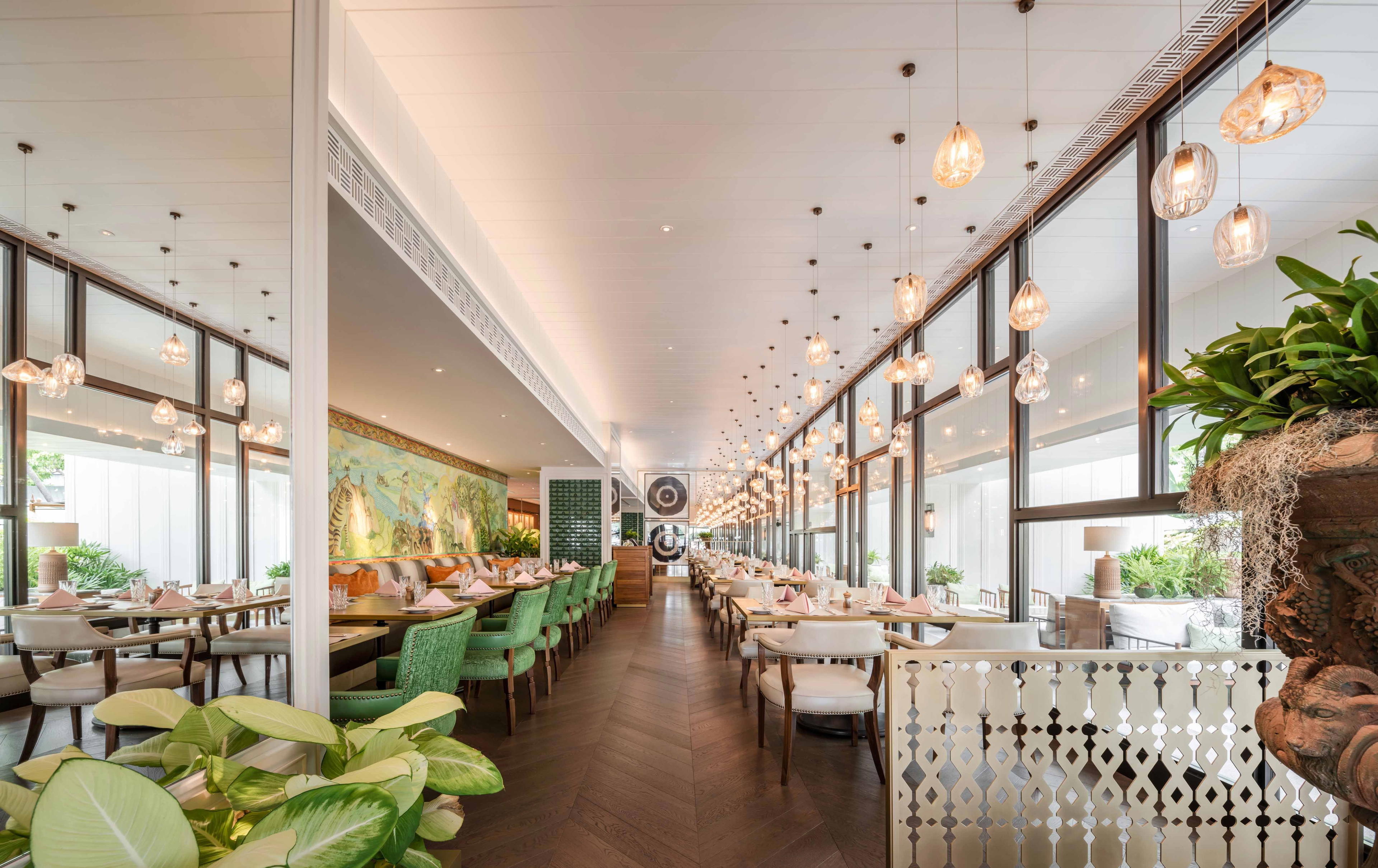
The room itself communicates intent before the first course arrives. In a city where altitude dining can default to view-over-substance, the interior here redirects attention. The Florence-inspired mosaic floors and wood-panelled walls create a density of material that grounds the experience, making the panoramic skyline an backdrop rather than the main event. Bangkok's premium European addresses, Côte by Mauro Colagreco and Sühring among them, each establish a distinct regional identity. Sartoria does the same, anchoring itself specifically in the Tuscan tradition rather than the broader Mediterranean or European categories.
How the Meal Unfolds
Multi-course Italian tasting menus outside Italy often collapse into a parade of pasta courses with a protein finale. Sartoria's format resists that by building toward a choice, the larger tasting menu allows diners to select their main course, introducing a degree of agency that changes the meal's rhythm.
Opening movement of a meal at this level should accomplish two things: establish the kitchen's technical register and signal the ingredient philosophy. At Sartoria, that philosophy places Thai produce in dialogue with Japanese and European inputs. This is not fusion in the diluted sense, it is sourcing logic applied to a Tuscan framework, where the leading available ingredient wins regardless of origin. The handmade pasta section of the menu represents one direct expression of that framework. Pasta made fresh against the backdrop of Bangkok's skyline, using Thai produce, sits at an intersection that would read as incongruous anywhere except a city that has become one of Southeast Asia's most sophisticated platforms for European fine dining.
Two dishes from the menu deserve specific mention, as they illustrate the kitchen's approach to contrast and restraint. The parsley carabinero risotto uses a crustacean with enough natural intensity to anchor a rich base, while the parsley element cuts against that weight. Carabinero, the deep-red Spanish prawn used in high-end European kitchens for its fat content and flavour depth, is a deliberate choice, not a local convenience. Its appearance here signals the kitchen's willingness to import specific ingredients when Thai alternatives don't achieve the same result. The dry-aged pigeon cooked rare is the kind of main course that separates kitchens willing to work with aging and precise protein temperature from those that default to safer preparations. Pigeon cooked rare requires both quality sourcing and control; dry-aging adds further complexity to the equation. These two dishes together represent the tasting menu's thesis: European technique applied to the leading available ingredients, regardless of origin.
An à la carte menu runs alongside the tasting format, which positions Sartoria slightly differently from Bangkok's more strictly tasting-only European addresses. This dual format broadens the venue's utility, a solo diner with a single evening, or a pair with mismatched appetites for a multi-course commitment, can engage with the kitchen without committing to the full progression.
Where Sartoria Sits in Bangkok's Fine Dining Picture
Bangkok's premium restaurant tier now includes addresses that would register as serious contenders in London, Paris, or Tokyo. Sorn and Baan Tepa represent the Thai-focused end of that spectrum, applying similar levels of technical rigour to indigenous culinary traditions. Gaa works a modern Indian framework into the same tier. Sartoria occupies the European fine dining segment of this picture, and within that segment, its Tuscan specificity is a meaningful differentiator. A city with one serious modern Tuscan address at altitude is a different proposition from a city with three interchangeable European tasting menus at the summit of its towers.
Across Thailand's broader restaurant geography, the concentration of this level of European fine dining in Bangkok is notable. Addresses like PRU in Phuket and AKKEE in Pak Kret demonstrate that serious dining exists outside the capital, but the density and diversity of Bangkok's upper tier, including representation from Southern Thai tradition, modern Indian, German, Mediterranean, and now modern Tuscan, reflects a city operating at a different scale of ambition. For international context, the level of sourcing discipline and tasting menu architecture at Sartoria operates in a bracket comparable to high-calibre European fine dining globally, placing it in conversation with addresses like Le Bernardin in New York City in terms of its commitment to ingredient-led, technique-grounded cooking.
Beyond the capital, Aeeen in Chiang Mai, Angeum in Phra Nakhon Si Ayutthaya, and Agave in Ubon Ratchathani represent Thailand's wider dining geography.
Planning Your Visit
Address: 56th Floor, The Empire, No. 1 South Sathon Road, Yan Nawa, Sathon, Bangkok 10120. Format: Tasting menu (with main course selection on the larger format) and à la carte available. Reservations: essential. Dress: Smart casual.
Comparable Venues
Comparable venues nearby, for context on price, style, and recognition.
| Venue | Cuisine | Price | Notes |
|---|---|---|---|
| Sartoria by Paulo AiraudoThis venue — the venue you are viewing | Contemporary Italian Fine Dining | $$$$ | Not listed |
| Embassy Room La Marina | Coastal Italian Fine Dining | $$$ | Makkasan |
| Duet by David Toutain | Modern French Fine Dining | $$$$ | Suan Lumphini |
| Antito | Creative Northern Italian | $$$ | Bang Rak Khwaeng |
| Arva | Italian Harvest Cuisine | $$$$ | Makkasan |
| Issaya Siamese Club | Modern Thai | $$$$ | Thung Maha Mek |
Recognition history
Dated appearances from independent guides and award organizations, with the underlying list record or original source where available.
Michelin Plate
Michelin
At a Glance
- Elegant
- Sophisticated
- Intimate
- Modern
- Special Occasion
- Date Night
- Business Dinner
- Rooftop
- Open Kitchen
- Panoramic View
- Extensive Wine List
- Sommelier Led
- Local Sourcing
- Skyline
- Waterfront
Current opening hours
- Monday
- Closed
- Tuesday
- Closed
- Wednesday
- 12–2 PM, 6–10 PM
- Thursday
- 12–2 PM, 6–10 PM
- Friday
- 12–2 PM, 6–10 PM
- Saturday
- 12–2 PM, 6–10 PM
- Sunday
- 12–2 PM, 6–10 PM
Hours can change for holidays and private events. Last verified .
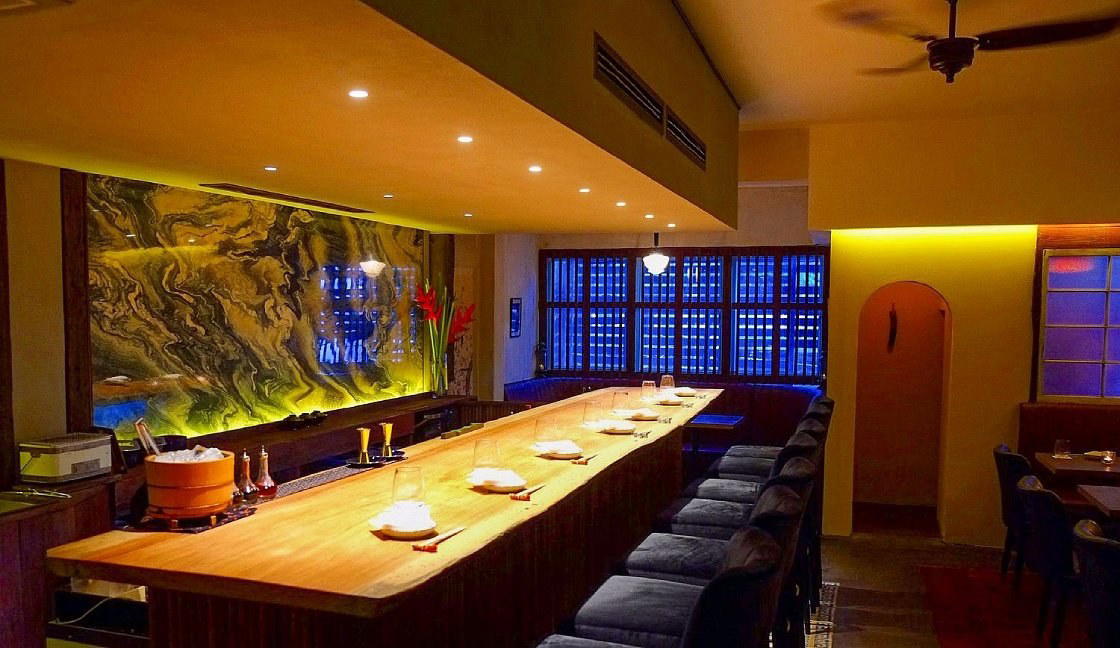
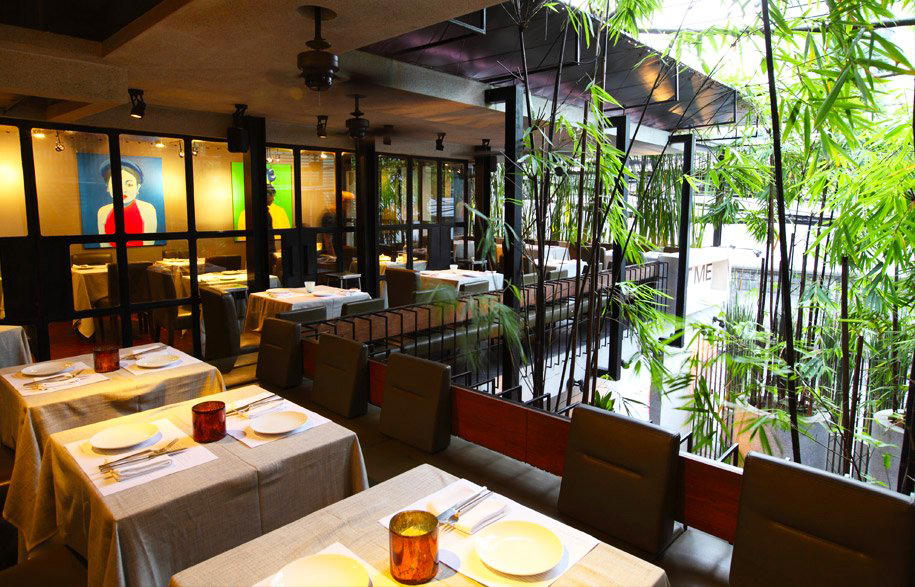
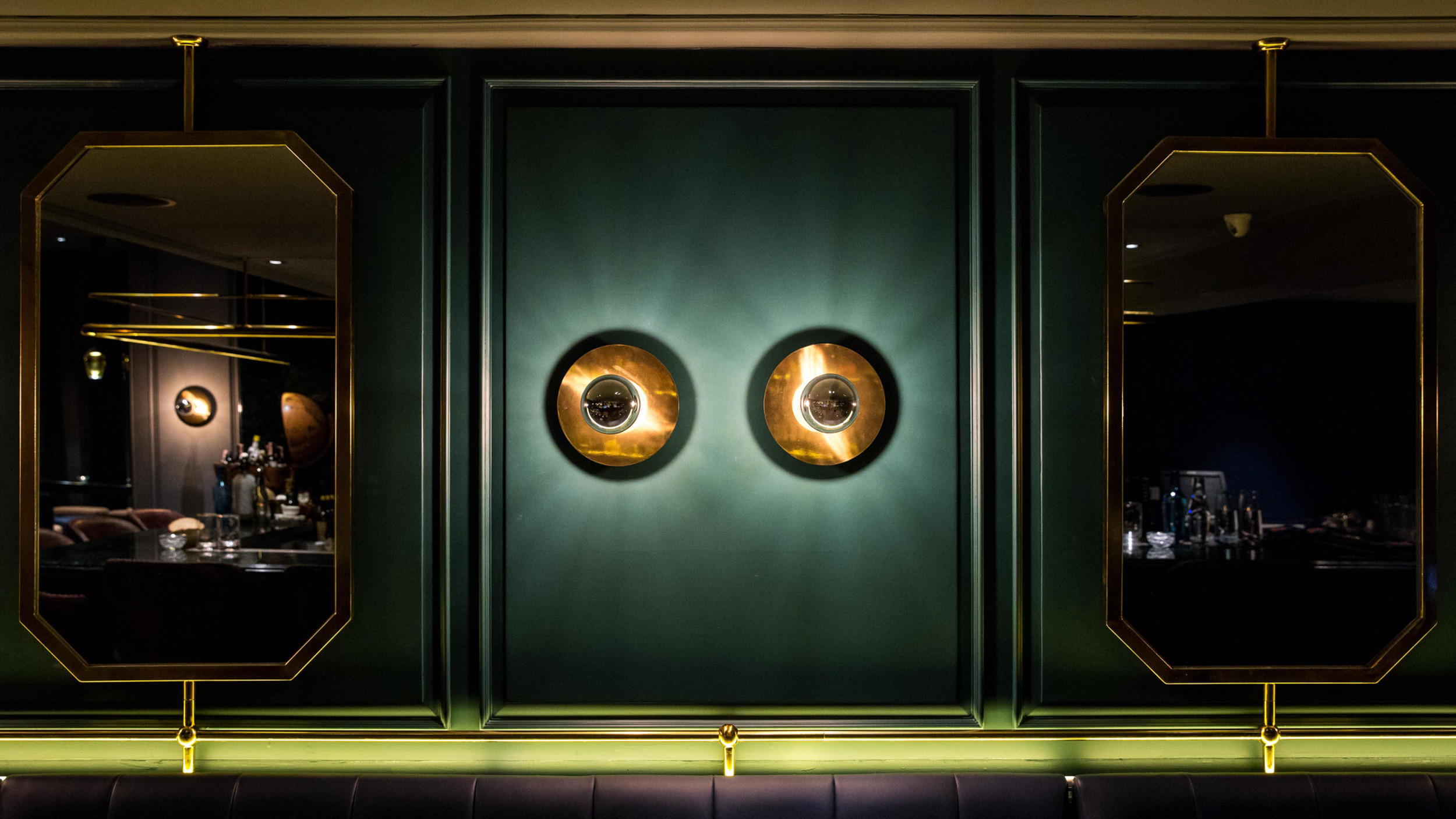
Warm, elegant wood-panelled space with mosaic floors inspired by Florence, deep browns, tranquil blues, antique mirrors, and an open kitchen for culinary theater.