
Torimeshi Torito Bunten puts Tsukiji’s poultry trade into a compact counter format built around chicken dishes and oyako-don. The draw is not luxury theatre but market discipline: a 16-seat room, sub-¥1,000 listed pricing, take-out service, and selection for Tabelog 100 Chicken Cuisine 2025.
Pearl is the En Primeur Club membership app — saves, bookings, and concierge access live there. Same editors, same standards.
- Address
- 東京都中央区築地4-8-6
- Phone
- +81335436525
- Website
- toritoh.com
 Saves & bookings on Pearl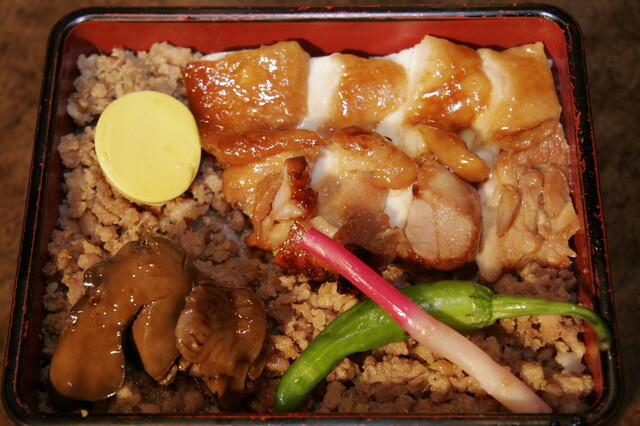
Tsukiji’s outer market works on compression: narrow lanes, early shutters, laminated menus, and diners moving with the pace of a working food district rather than a dining quarter built for long evenings. In that setting, chicken rice bowls make sense. They are fast, technical, and unforgiving; the difference between a routine oyako-don and a serious one is measured in egg texture, stock depth, rice timing, and the quality of the bird.
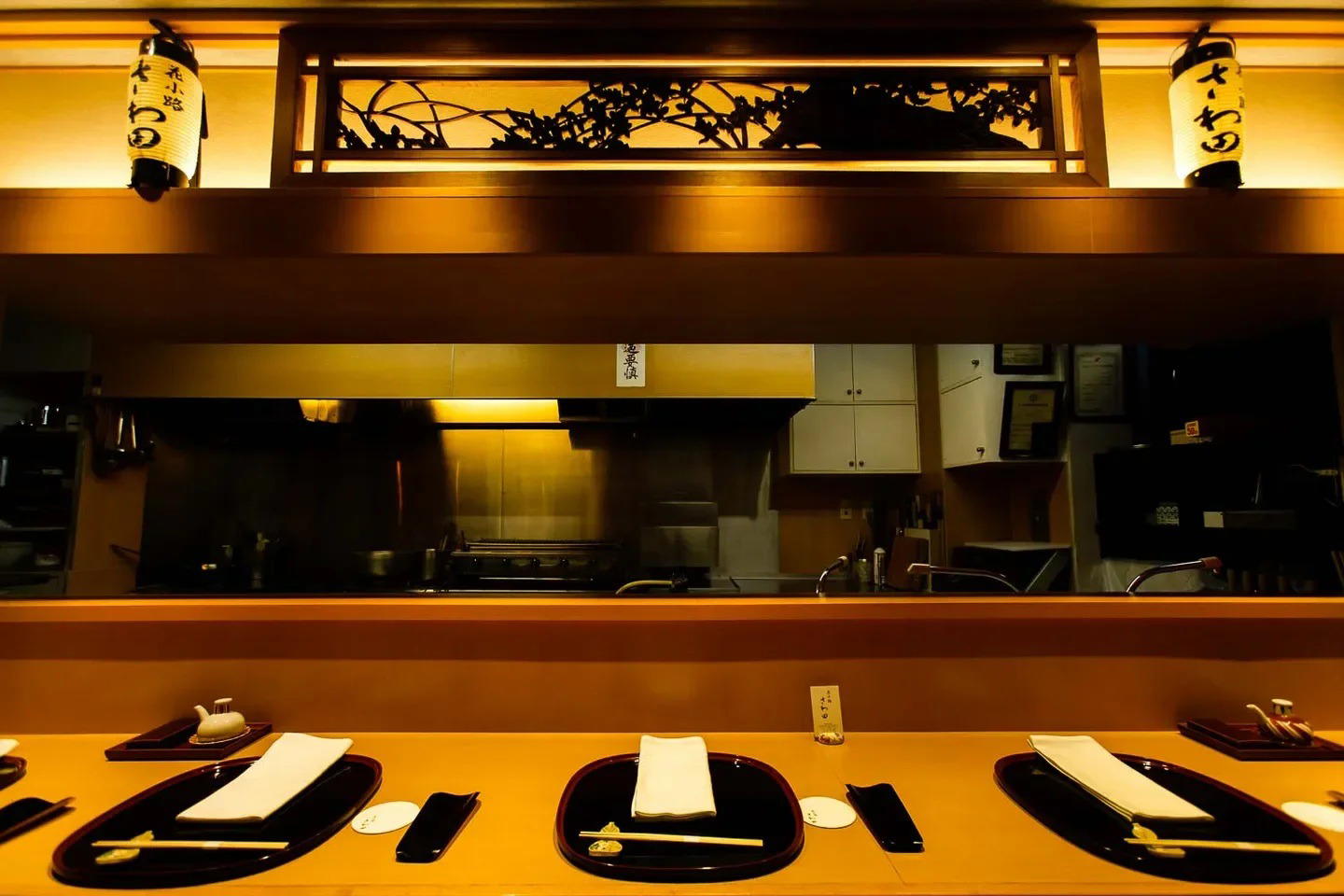
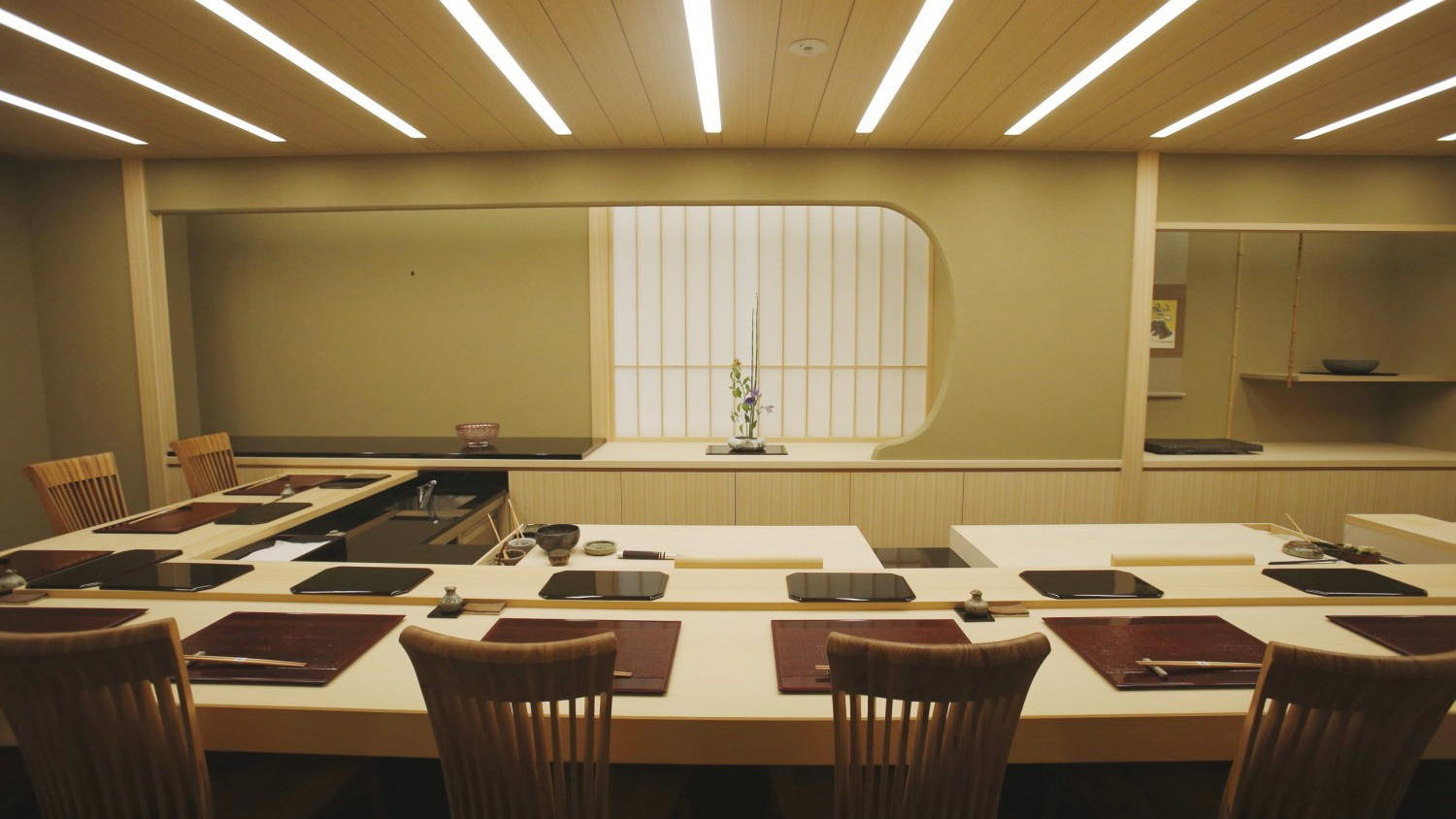
Torimeshi Torito Bunten belongs to that older Tokyo category where a specialist counter can carry more authority than a larger dining room. Its public footprint is compact: 16 seats, counter seating, take-out, non-smoking service, and a listed average price below JPY 999. That combination places it far from Ginza tasting-menu Tokyo, but not outside the city’s serious food conversation. Tabelog selected it for the 2025 Tabelog 100 Chicken Cuisine list, a signal that the format is being judged against other poultry specialists rather than against general casual restaurants.
Tsukiji's market logic suits chicken bowls better than ceremony
Tokyo’s premium dining image is often exported through sushi counters, kaiseki rooms, and yakitori houses with long wine lists. Tsukiji tells a different story. The outer market rewards narrow specialism: tuna shops, tamagoyaki counters, knife merchants, dried-goods stalls, curry counters, and tiny eateries that survive because a single product has enough repeat demand. Chicken cuisine sits naturally inside that ecology. It is less performative than sushi and less leisurely than yakitori, but it asks for the same supply-chain confidence.
The useful comparison is not with fine dining, but with Tokyo’s specialist short-form meals. Kitsuneya, Tadokoro Foods Eat-in, Chosei An, Seiju, and Sushi Iwa each occupy different points on the city’s spectrum, from quick market eating to formal craft. Torimeshi Torito Bunten sits closer to the market end of that scale: limited seats, low listed spend, and a menu identity tied to chicken dishes and oyako-don. The seriousness comes from focus, not from length of service.
That matters for travellers who plan Tokyo around scarce tables. A meal here asks for a different kind of discipline. Instead of building a night around a reservation slot, the calculation is daytime appetite, queue tolerance, market timing, and whether a compact counter meal fits between Tsukiji, Ginza, and Higashi-Ginza. The reward is a Tokyo food experience that reads as local infrastructure rather than destination staging.
Oyakodon, poultry sourcing, and the value of a tight menu identity
Oyakodon is a deceptively plain dish: chicken and egg over rice, usually bound by a sweet-savoury broth. Its name, often translated as “parent and child bowl,” can sound quaint in English, but the dish is more technical than the translation suggests. The egg must set without drying, the chicken has to remain tender, and the rice needs enough structure to take sauce without collapsing. Tokyo has many casual versions; the stronger examples rely on poultry know-how and controlled pacing.
The venue’s own positioning connects the shop to Torifujō, a chicken wholesaler established in 1907. That credential is useful because it explains why a small counter in Tsukiji can compete in a category crowded with inexpensive bowls. Poultry quality, cutting, and broth work are not decorative details here; they are the foundations of the format. Tabelog’s chicken-cuisine recognition in 2025 reinforces the point: this is a specialist address judged within a poultry category, not a general comfort-food stop being flattered by nostalgia.
Price also changes the editorial reading. A sub-¥1,000 listed average spend in central Tokyo is not a luxury proposition, but it can be a high-value one when paired with category recognition. In a city where many visitors over-index on expensive counters, the smarter move is to leave space for small-format specialists that show how Tokyo eats when ritual is stripped away. This is the same lesson found across casual Japanese genres, from curry to onigiri to set meals: narrow scope often beats broad ambition.
How to fold it into a Tokyo food day
Tsukiji is easiest to understand as a morning and midday district. The outer market’s rhythm is shaped by trade, lunch, and early closures rather than late-night dining. That makes the restaurant better suited to a planned daytime route than an improvised evening choice. Its listed hours run from morning to early afternoon on operating days, with Sundays, public holidays, and Tsukiji Outer Market closure days outside the normal rhythm. The nearest station is Tsukiji, with Tsukiji Market and Higashi-Ginza also close enough for a practical route through the area.
Payment details are part of the planning, not a footnote. Credit cards and electronic money are not accepted, while PayPay is listed. Private rooms and private use are unavailable, which fits the counter format. Parking is listed at Tsukiji Outer Market Parking Lot, but the area is better approached by rail for most visitors, especially when pairing the meal with Ginza or the former wholesale-market surroundings.
For a broader Tokyo itinerary, pair this kind of counter meal with contrasting formats rather than trying to rank unlike things. A seafood-led casual stop such as . 鮪と炭火焼き うお炭 秋葉原店, a yakitori reference like 124. KAGURAZAKA (Yakitori), or a curry specialist such as 3 Chome no Curry Ya San will teach more about the city than stacking only formal dinners. Travellers mapping neighbourhood variety can also look at 12/10 Shinjuku ten and 2D Cafe, then use Our full Tokyo restaurants guide for the larger dining picture.
EP Club’s wider city planning pages help separate meals from the rest of the trip: Our full Tokyo hotels guide, Our full Tokyo bars guide, Our full Tokyo wineries guide, and Our full Tokyo experiences guide. For readers building a Japan-wide food map, relevant contrasts include -Grilled beef Sukiyaki- KAMAKURA TANUKIAN 鎌倉 たぬき庵 in Kamakura.cafe in Osaka.know in Kumamoto, (Shoku) Vietnam in Kawasaki, [Curry Senmon Ten] Maruyama Kyoju. in Sapporo, and [ki:] in Kyoto. Japanese casual formats also travel well abroad, as seen in Jōdo Saké Bar in Los Angeles and Onigiri Time in Pasadena.
Credentials Lens
Comparable venues for context, by category and price tier.
| Venue | Cuisine | Price | Notes |
|---|---|---|---|
| Torimeshi Torito BuntenThis venue — the venue you are viewing | Traditional Japanese Oyakodon & Chicken Rice Bowls | $ | Not listed |
| 月 | japanese | $ | Minato |
| Suzuki En Asakusa honten | Matcha gelato & Japanese tea shop | $ | Taitō |
| Tsukemen Gonokami Seisakujo | Shrimp Tsukemen Ramen Shop | $ | Shibuya |
| Toranomon Okanoeisen Shinjuku takashimaya ten | Japanese traditional sweets (wagashi) | $ | Shibuya |
| Ganso Shio Daifuku Mizuno | Traditional Japanese confectionery & cafe (shio daifuku specialist) | $ | Toshima |
Recognition history
Dated appearances from independent guides and award organizations, with the underlying list record or original source where available.
Tabelog 100 #87 · No. 87
Tabelog · Tabelog 100 - Chicken cuisine - 2025



At a Glance
- Cozy
- Classic
- Lively
- Solo
- Casual Hangout
- After Work
- Family
- Standalone
- Local Sourcing
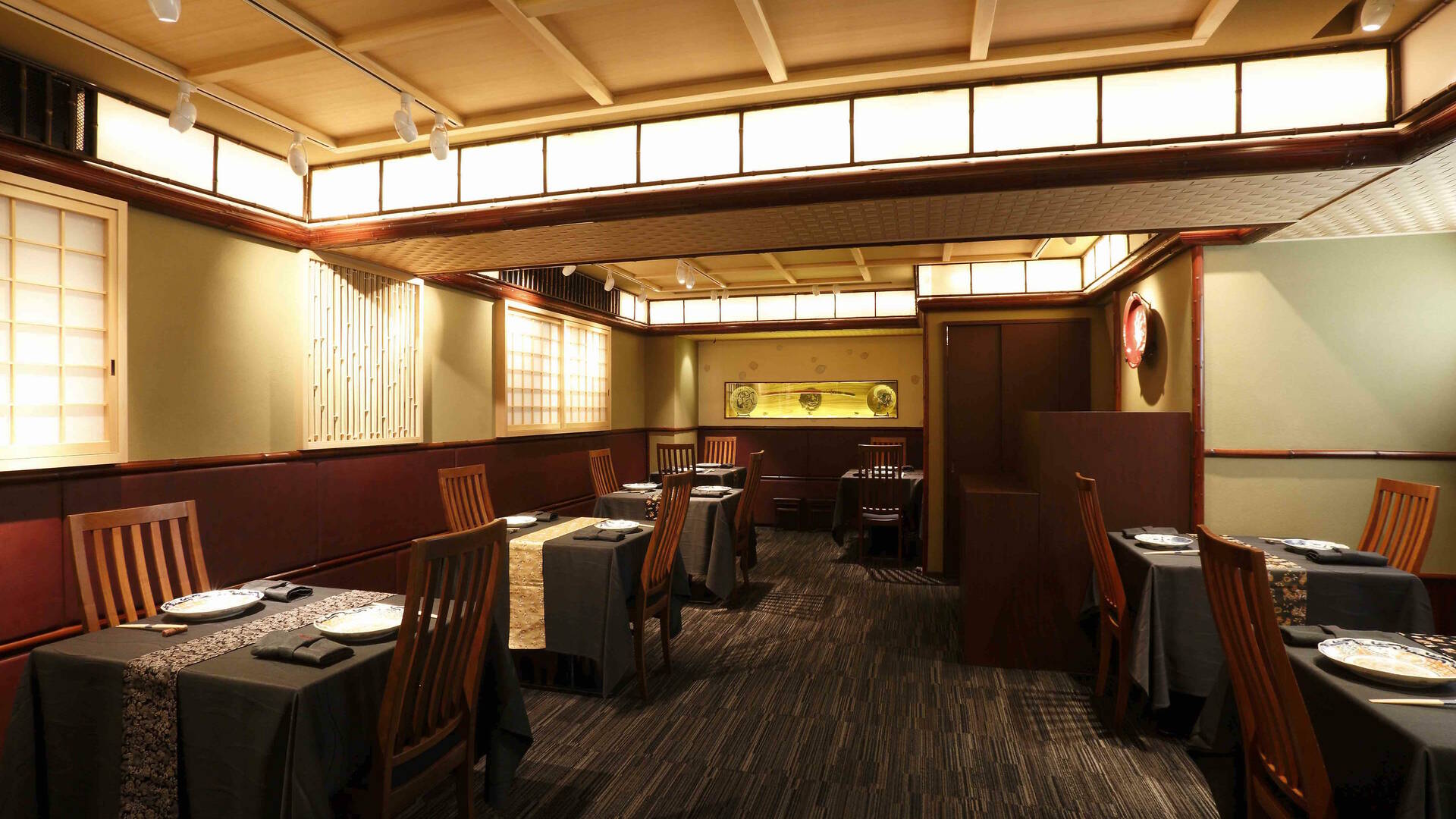
A small, no-frills counter-style diner with a classic Shitamachi feel, usually busy from early morning, where the focus is on steaming bowls of chicken and egg over rice rather than decor, creating a warm, bustling atmosphere.