Merídio occupies a quietly significant address on Rue Amiral Roussin in central Dijon, a city whose restaurant scene has grown considerably more serious in recent years. Set against a dining culture shaped by Burgundy's produce and France's broader creative cuisine movement, the restaurant sits within a competitive tier that rewards those who arrive with some prior knowledge of the city's evolving table.
Pearl is the En Primeur Club membership app — saves, bookings, and concierge access live there. Same editors, same standards.
- Address
- 38 Rue Amiral Roussin, 21000 Dijon, France
- Phone
- +33380615198
- Website
- meridiodijon.fr
- Directions
- Get directions
 Saves & bookings on Pearl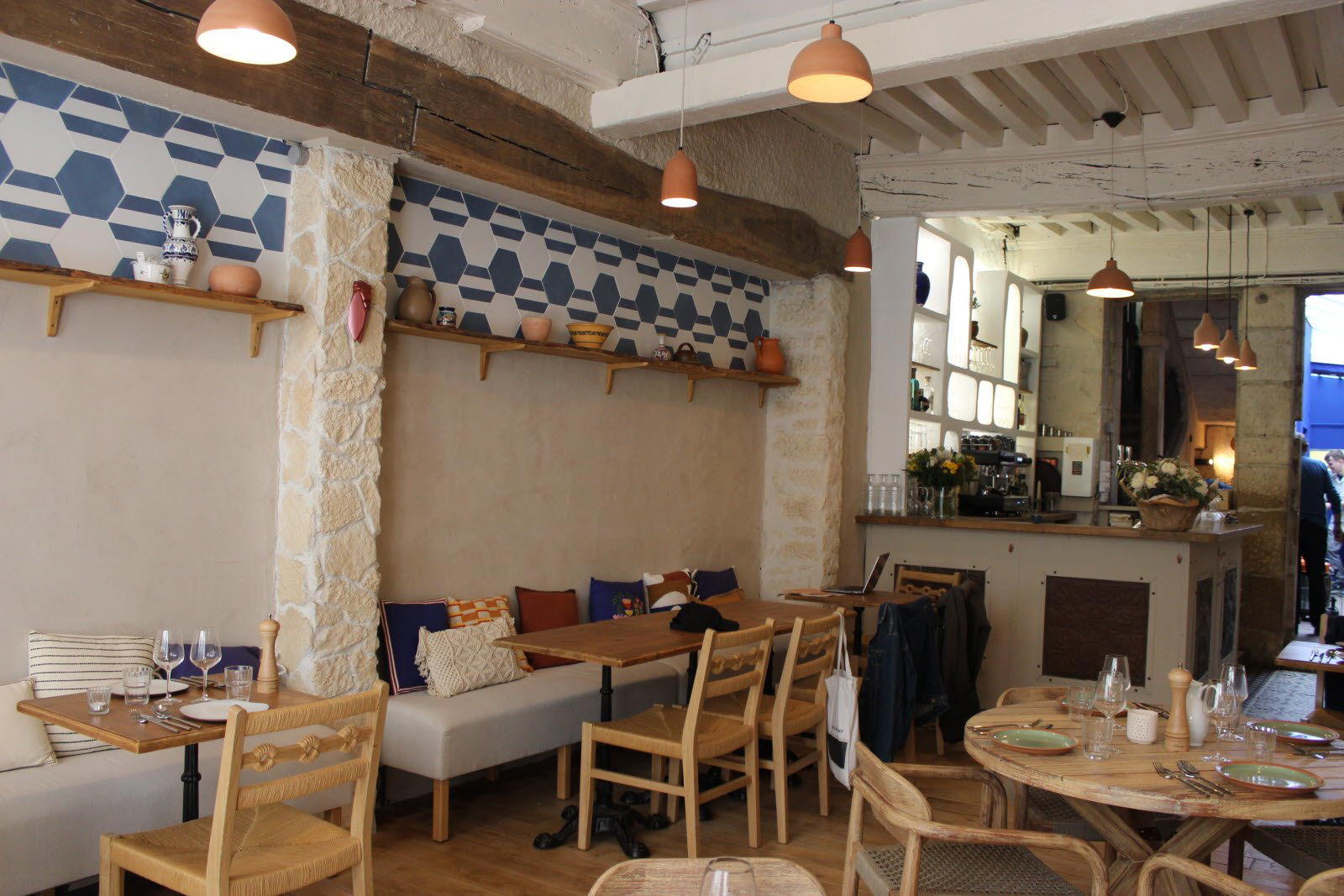
Rue Amiral Roussin, and What It Says About Dijon's Dining Direction
Dijon's restaurant culture has been reshaping itself steadily over the past decade. The city's historical identity as France's mustard capital and the gateway to Burgundy's vineyards long encouraged a conservative table: rich sauces, braised meats, local cheeses, and wines poured without ceremony. That foundation remains, but a younger tier of addresses has established itself alongside the traditional anchors, drawing on Burgundy's notable produce while applying a more contemporary sensibility to the plate. Merídio, at 38 Rue Amiral Roussin, Dijon, France, is a restaurant serving Mediterranean Fusion with French-Italian Influences.
The street itself is part of the city's older residential and commercial fabric, removed from particularly touristic corridors around the Palais des Ducs. Addresses in this part of central Dijon tend to attract locals more than passing visitors, which tends to shape both the atmosphere and the level of expectation in the room. A dining room that reads primarily to a local clientele operates under different pressures than one calibrated to international tourists, and that distinction is worth keeping in mind when approaching Merídio for the first time.
The Broader Scene: Where Dijon's Creative Tier Now Sits
To understand Merídio's position, it helps to map the wider field. At the summit of Dijon's restaurant hierarchy sits William Frachot (Modern French, Creative), which holds two Michelin stars and operates in the €€€€ tier, setting the benchmark for fine dining ambition in the city. Just below that, Loiseau des Ducs (Modern Cuisine) and L'Aspérule (Modern Cuisine) occupy the €€€ band, where technical seriousness meets slightly more accessible price points. At the creative end of the spectrum, Origine (Creative) competes in the same €€€€ tier as Frachot with a different, more experimental approach. Akatsuki adds an international dimension to the city's offer.
This is a more layered field than Dijon's reputation abroad might suggest. The city is often treated as a staging post between Paris and Lyon, or as a wine tourism base, but its restaurant scene now has enough internal structure to merit a visit on its own terms.
Atmosphere and the Sensory Register of the Room
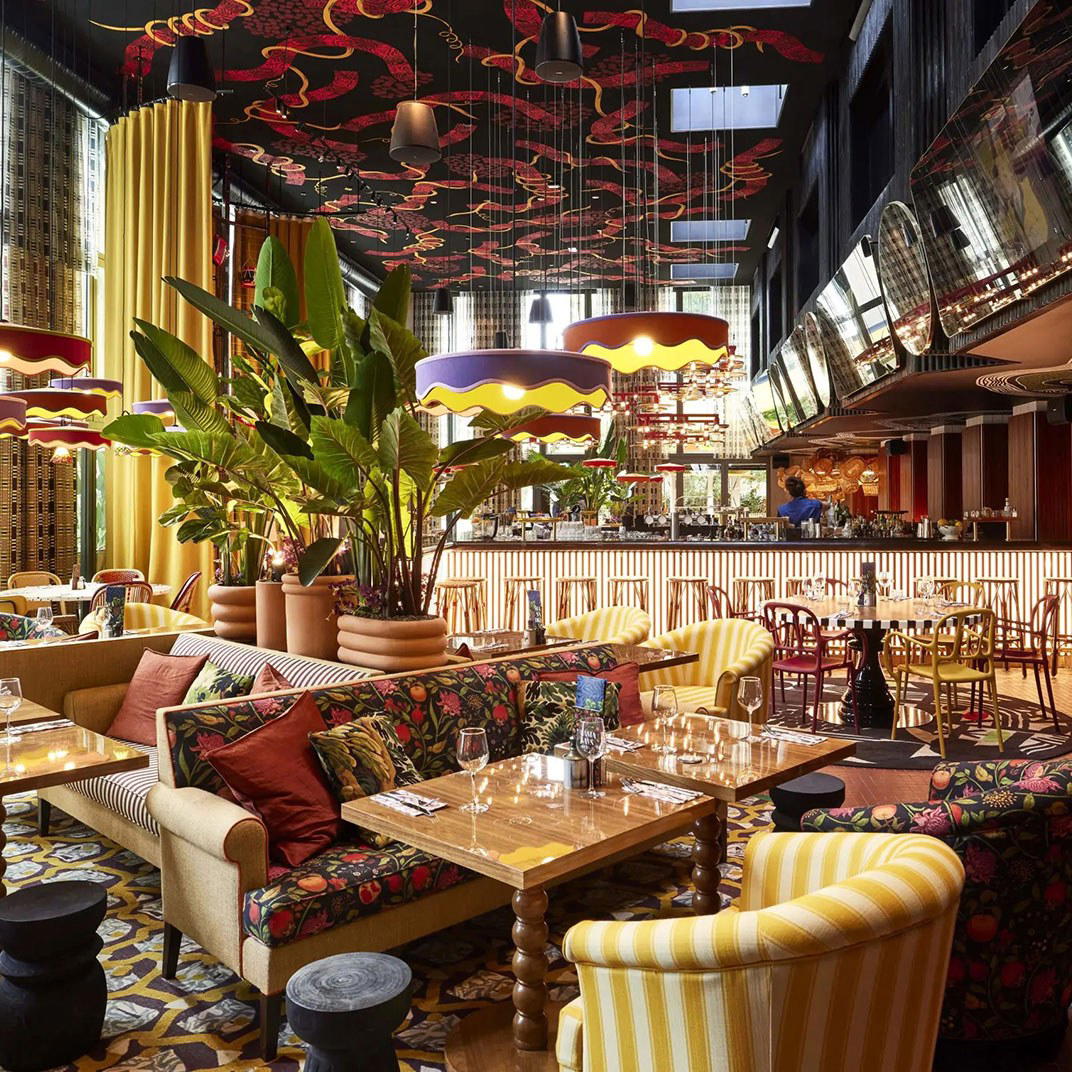
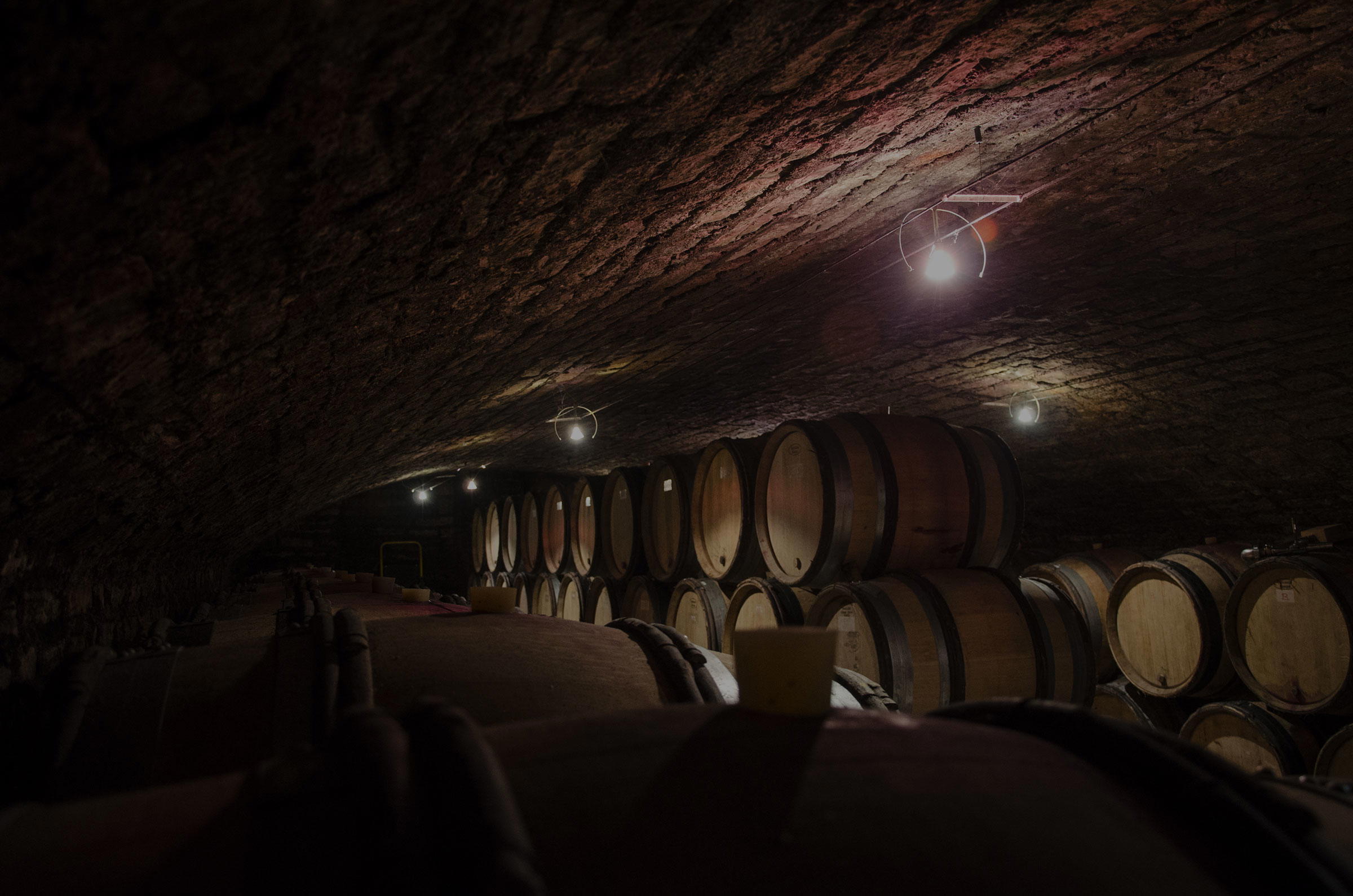
In Dijon's mid-tier creative dining, the sensory experience tends to be shaped as much by the room's character as by what arrives on the plate. The city's older buildings bring a particular quality of light and stone, thick walls, high ceilings, and an acoustic softness that distinguishes dinner here from the harder surfaces of modern dining rooms. Addresses on streets like Rue Amiral Roussin typically occupy converted bourgeois buildings, where the architecture does quiet work in setting a register before the first course appears.
At this tier of French provincial dining, the pace of service is itself a form of atmosphere. Courses arrive with the rhythm of a kitchen that is neither rushed nor theatrical. The room is arranged to make that feel natural rather than protracted. Burgundian wine lists at this level tend to run deep in regional appellations, with the sommelier's judgment functioning as a genuine editorial act rather than a formality. The glass in front of you is often as much a part of the sensory argument as anything on the plate.
France's creative cuisine addresses in provincial cities have learned, over the past fifteen years, to translate ideas that might have felt metropolitan into a register that suits the pace and scale of their location. The reference points exist at a national level: restaurants like Mirazur in Menton, Bras in Laguiole, and Flocons de Sel in Megève have each demonstrated that serious creative cooking can be deeply rooted in a specific place without requiring a Parisian address to carry authority. In Dijon, that argument is being made across a growing number of tables, and Merídio is part of that conversation.
Burgundy's Produce and the Logic of the Plate
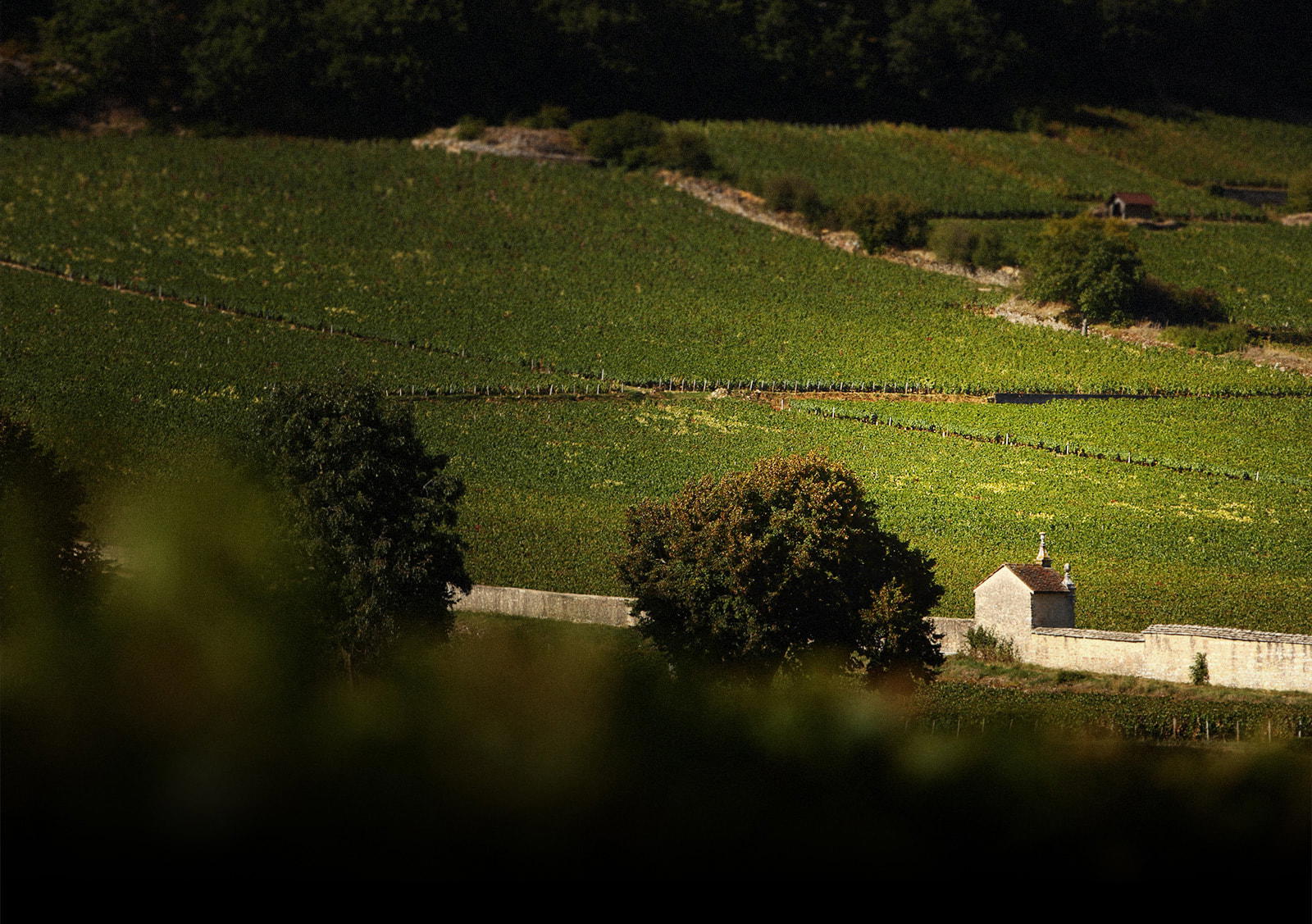
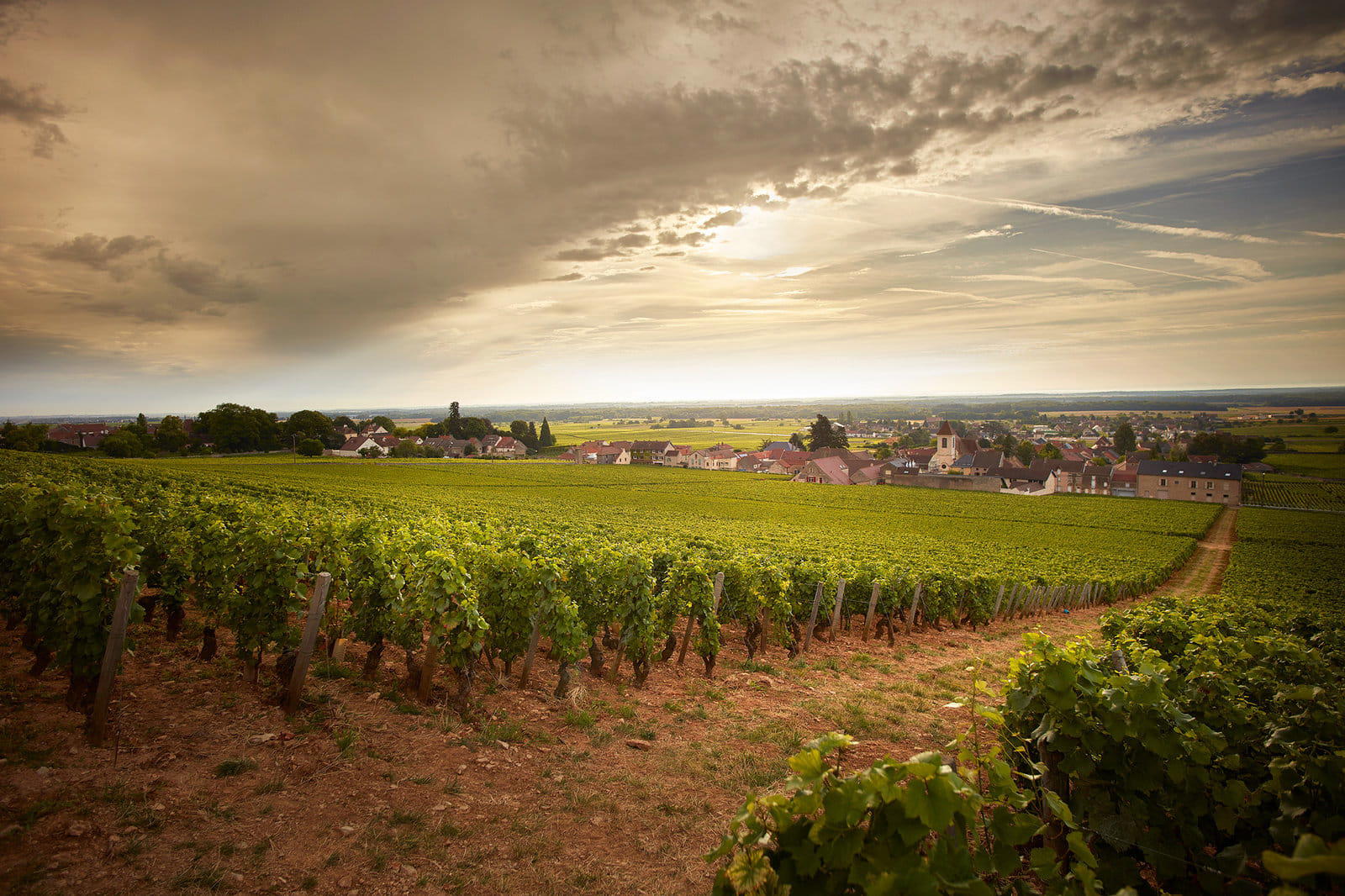
Dijon's geographical position makes ingredient sourcing a genuine competitive advantage for any kitchen operating here. The Côte d'Or runs directly south from the city, producing some of France's most celebrated wines and encouraging a culture of small-scale farming and artisan production that extends well beyond the vine. Bresse chicken, Époisses cheese, Charolais beef, and the mustard traditions of the city itself are all part of the raw material that a kitchen at this address can reasonably claim access to.
The broader tradition of French creative cuisine, from the classical rigour of Paul Bocuse - L'Auberge du Pont de Collonges through the generational evolution visible at Troisgros - Le Bois sans Feuilles in Ouches and the precision of Alléno Paris au Pavillon Ledoyen, establishes the lineage into which Dijon's creative addresses are implicitly placing themselves. Even Assiette Champenoise in Reims and Au Crocodile in Strasbourg offer useful comparisons as provincial French fine dining addresses operating with regional identity as a primary credential. Internationally, the argument for place-rooted creative cuisine extends even to AM par Alexandre Mazzia in Marseille, and across the Atlantic to the technical focus evident at Le Bernardin in New York City and the tasting-menu precision of Atomix in New York City and the Alsatian classicism of Auberge de l'Ill in Illhaeusern.
Planning a Visit: Practical Orientation
Dijon is approximately 90 minutes from Paris by TGV, making it a practical one-night destination or a morning-to-evening day trip. The central address on Rue Amiral Roussin is walkable from the main train station and from the historic core around the Palais des Ducs, removing any logistical friction around transport. For visits timed around Burgundy's autumn harvest season, from late September through October, the city carries a particular energy.
Comparable Spots
Comparable venues nearby, for context on price, style, and recognition.
| Venue | Cuisine | Price | Notes |
|---|---|---|---|
| MerídioThis venue — the venue you are viewing | Mediterranean Fusion with French-Italian Influences | $$ | Not listed |
| Torikara San | Modern Japanese Izakaya | $ | Centre-ville |
| Akatsuki | Authentic Japanese Izakaya | $$ | Rue Coupée de Longvic |
| Chez Septime | Traditional French Bistro | $$ | near the train station |
| Restaurant Jaipur | Authentic Indian Cuisine from Rajasthan | $$ | Dijon city center |
| Au Gre de mes envies | Authentic Taiwanese Asian | $$ | Centre-ville |
Continue exploring
More in Dijon
Restaurants in Dijon
Browse all →
Bars in Dijon
Browse all →
Hotels in Dijon
Browse all →
At a Glance
- Romantic
- Cozy
- Elegant
- Date Night
- Group Dining
- Family
- Celebration
- Brunch
- Terrace
- Standalone
- Local Sourcing
- Organic
- Street Scene
Current opening hours
- Monday
- Closed
- Tuesday
- 12–2 PM, 7–10 PM
- Wednesday
- 12–2 PM, 7–10 PM
- Thursday
- 12–2 PM, 7–11 PM
- Friday
- 12–2 PM, 7 PM–12 AM
- Saturday
- 12–2 PM, 7 PM–12 AM
- Sunday
- Closed
Hours can change for holidays and private events. Last verified .
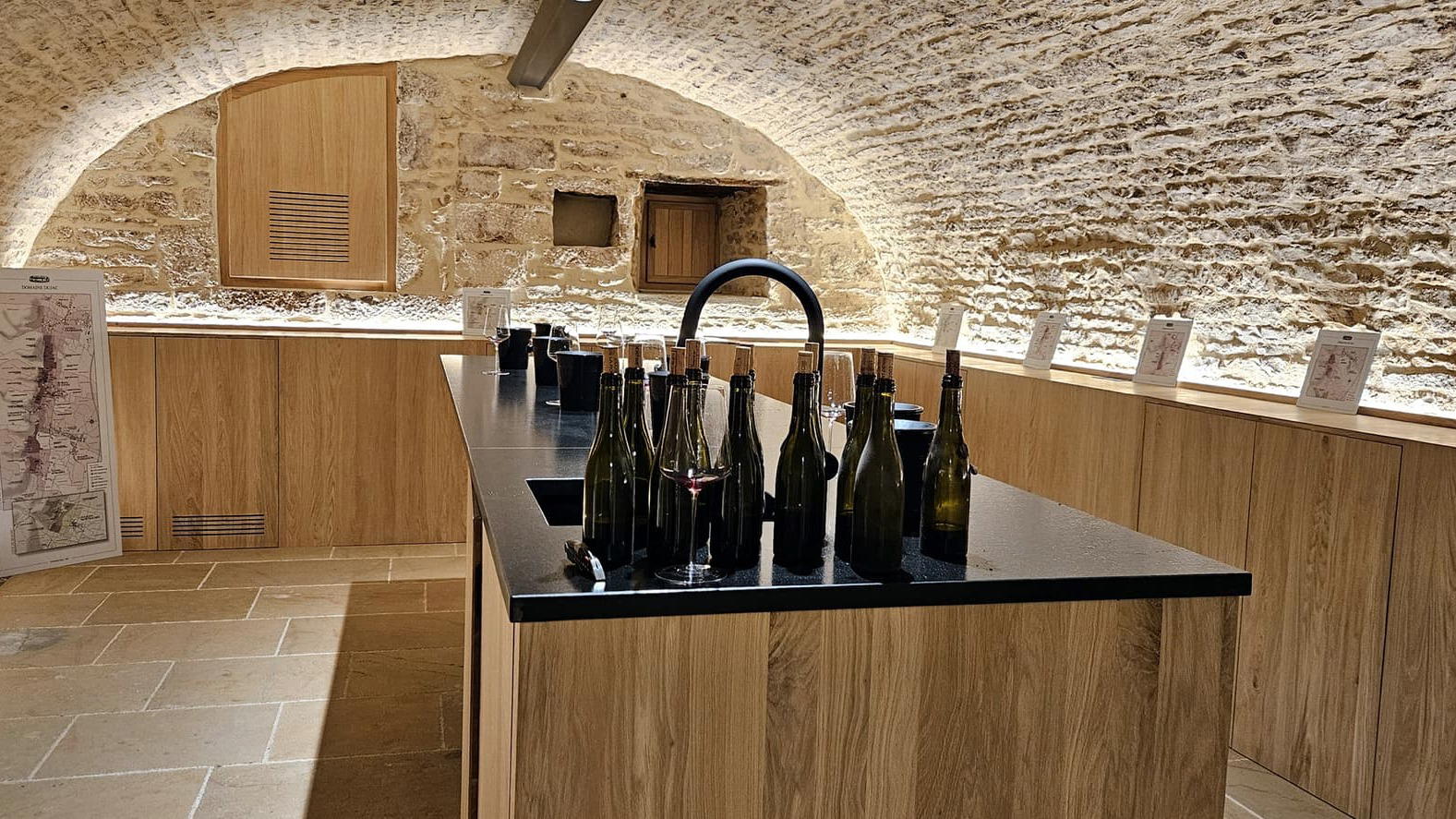
Warm and welcoming Mediterranean atmosphere with authentic decor evoking coastal charm; pleasant lighting with a terrace overlooking the street; intimate vault-like dining space with charming character.