On Avenue Junot in central Dijon, Chez Septime occupies a position in the city's mid-to-upper dining tier, where regional Burgundian cooking meets considered modern technique. The menu structure here does much of the editorial work, signalling a kitchen that treats produce provenance and course sequencing as deliberate arguments rather than defaults. For visitors already planning around the region's wine calendar, it makes a logical anchor reservation.
Pearl is the En Primeur Club membership app — saves, bookings, and concierge access live there. Same editors, same standards.
- Address
- 11 Av. Junot, 21000 Dijon, France
- Phone
- +33380667298
- Website
- chezseptime.fr
- Directions
- Get directions
 Saves & bookings on Pearl
What the Menu Architecture Tells You
In Burgundy's dining culture, the menu is rarely just a list of dishes. It functions as a statement of allegiance: to the land, to the season, to a specific idea of what French cooking should be doing in 2024. Dijon, as the region's administrative and gastronomic capital, hosts a range of restaurants that argue this point differently. At the formal end, William Frachot and Loiseau des Ducs operate at the €€€€ tier with multi-course tasting structures that run through the full grammar of classical French technique. At the creative middle ground, L'Aspérule and Origine press the format toward a more contemporary register. Chez Septime on Avenue Junot sits within this ecosystem, and the way its menu is structured, or rather, what that structure implies about the kitchen's priorities, places it in a specific and readable position among the city's options.
Menu architecture in a French regional restaurant of this type typically encodes several things at once: the kitchen's confidence in its sourcing, its willingness to let produce lead rather than technique, and its sense of how formal the dining occasion should feel. A restaurant that opens with simply prepared seasonal vegetables or a single-ingredient fish course is making a different argument than one that leads with a terrine or a composed amuse sequence. The sequencing, the number of courses, and how optional supplements are handled all tell you something about where the kitchen places itself in the broader conversation about what Burgundian cooking means now.
Dijon's Dining Character and Where Chez Septime Fits
Dijon's restaurant scene has grown considerably more interesting in the past decade. The city was long read as a stopover on the way to more celebrated Burgundy destinations, a place where you ate well at a brasserie before heading south toward Beaune or the Côte de Nuits. That reading has become less accurate. The arrival of sharper, more focused kitchens, including Akatsuki at the more experimental edge, has given the city a genuine dining breadth. Chez Septime, on Avenue Junot, operates within this more varied context rather than against the backdrop of the older, more conservative dining profile the city once carried.
Avenue Junot itself situates the restaurant in a residential-commercial part of central Dijon, away from one tourist-dense zone around the Palais des Ducs. That address suggests a kitchen oriented toward a local and returning clientele rather than one angling primarily for destination diners on a single Burgundy trip. Restaurants in this position often build menus that assume familiarity and repeat visits, which tends to produce tighter, more seasonal rotations rather than sprawling tasting formats designed to be comprehensive on a single occasion.
For the broader context of what serious French regional cooking looks like at this level, the national reference points are instructive. Houses like Bras in Laguiole and Auberge de l'Ill in Illhaeusern have spent decades demonstrating that deep regional identity and technical ambition are not in conflict. In Burgundy specifically, where the wine culture exerts enormous pressure on food culture, kitchens that succeed long-term tend to be those that treat the two as genuinely reciprocal rather than letting the cellar overshadow the plate. Troisgros in Ouches and Les Prés d'Eugénie in Eugénie-les-Bains represent different answers to the same question about how a French kitchen sustains regional identity across generations. Chez Septime in Dijon is not operating at those established houses' scale of recognition, but the questions its menu structure engages with are the same.
Reading the Room: Format, Tone, and What to Expect
Burgundy's dining culture skews toward the formal end of the French spectrum, partly because the wine trade has historically attracted clients who expect ceremony with their bottles. But there is a counter-movement in French regional cities, where younger-format restaurants strip back the ritual without abandoning the seriousness of the cooking. The distinction matters when you are planning how a meal at the restaurant will actually feel.
What the Avenue Junot address and the restaurant's positioning within Dijon's mid-to-upper tier does suggest is a dining experience where the wine list will do serious work alongside the food. In any Burgundy-based kitchen operating at this level, the cellar is not a secondary consideration. Visitors with specific producer interests should ask about the list in advance; in a region where négociant versus domaine, village versus premier cru, and vintage year all carry weight, a well-built wine program is as much a reason to visit as the menu itself.
For international reference points on how this type of considered regional kitchen plays at higher tiers of recognition, Flocons de Sel in Megève and Mirazur in Menton show what happens when strong regional rootedness combines with technical ambition and sustained critical attention. At the opposite end of the French export model, Alléno Paris and Le Bernardin in New York demonstrate how French technique travels when freed from a specific terroir anchor. The restaurant's interest, by contrast, is in staying rooted, in Dijon, in Burgundy, in what the region's seasonal produce and wine culture make possible when treated as a complete cooking environment rather than a backdrop.
Paul Bocuse's Auberge du Pont de Collonges and Georges Blanc in Vonnas remain the region's most historically significant reference points for classical French cooking, but neither represents where the conversation in Burgundy's dining rooms is currently moving. Lazy Bear in San Francisco offers an interesting transatlantic contrast: a kitchen that has built a tasting-format dinner around communal dining and hospitality transparency, which speaks to how differently the same impulse toward considered, seasonal menus can resolve depending on city and culture.
Planning Your Visit
The restaurant is located at 11 Avenue Junot, 21000 Dijon. Dijon is served directly by TGV from Paris Gare de Lyon in approximately one hour and forty minutes, making it accessible as a day trip but more rewarding as an overnight or multi-night stay given the density of wine-related itinerary options in the surrounding region. Current hours, booking method, and menu pricing are available in the venue details: Mon: Closed; Tue: 12–2 PM, 7–10 PM; Wed: 12–2 PM, 7–10 PM; Thu: 12–2 PM, 7–10 PM; Fri: 12–2 PM, 7–10:30 PM; Sat: 12–2 PM, 7–10:30 PM; Sun: Closed. Reservations are recommended, and the price per person is about $25.
Where the Accolades Land
Comparable venues nearby, for context on price, style, and recognition.
| Venue | Cuisine | Price | Notes |
|---|---|---|---|
| Chez SeptimeThis venue — the venue you are viewing | Traditional French Bistro | $$ | Not listed |
| Chez Léon | Traditional Burgundian Bistro | $$ | Historic Centre of Dijon, near Halles |
| Au Gre de mes envies | Authentic Taiwanese Asian | $$ | Centre-ville |
| L'AbenFant | Modern French Locavore Bistro | $$$ | old Dijon |
| Restaurant Jaipur | Authentic Indian Cuisine from Rajasthan | $$ | Dijon city center |
| BRASSERIE FRANCOIS | Classic French Brasserie | $$ | central Dijon |
Continue exploring
More in Dijon
Restaurants in Dijon
Browse all →
Bars in Dijon
Browse all →
Hotels in Dijon
Browse all →
At a Glance
- Cozy
- Lively
- Casual Hangout
- Family
- Open Kitchen
- Natural Wine
- Local Sourcing
Current opening hours
- Monday
- Closed
- Tuesday
- 12–2 PM, 7–10 PM
- Wednesday
- 12–2 PM, 7–10 PM
- Thursday
- 12–2 PM, 7–10 PM
- Friday
- 12–2 PM, 7–10:30 PM
- Saturday
- 12–2 PM, 7–10:30 PM
- Sunday
- Closed
Hours can change for holidays and private events. Last verified .
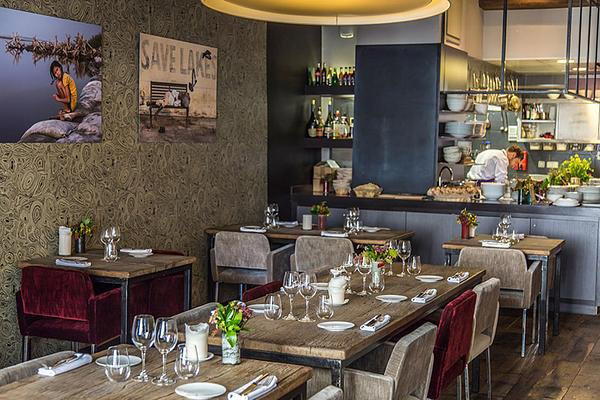
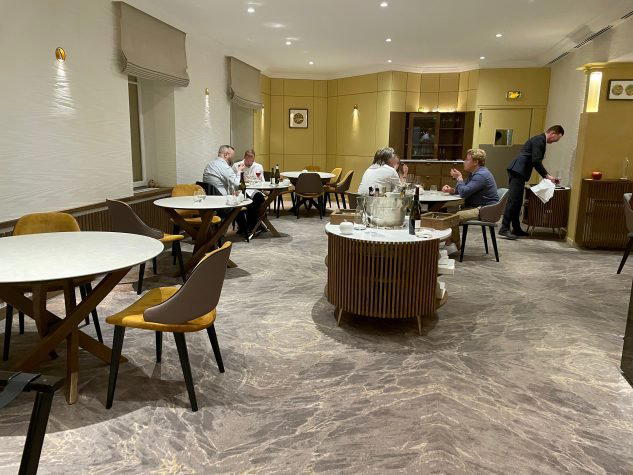
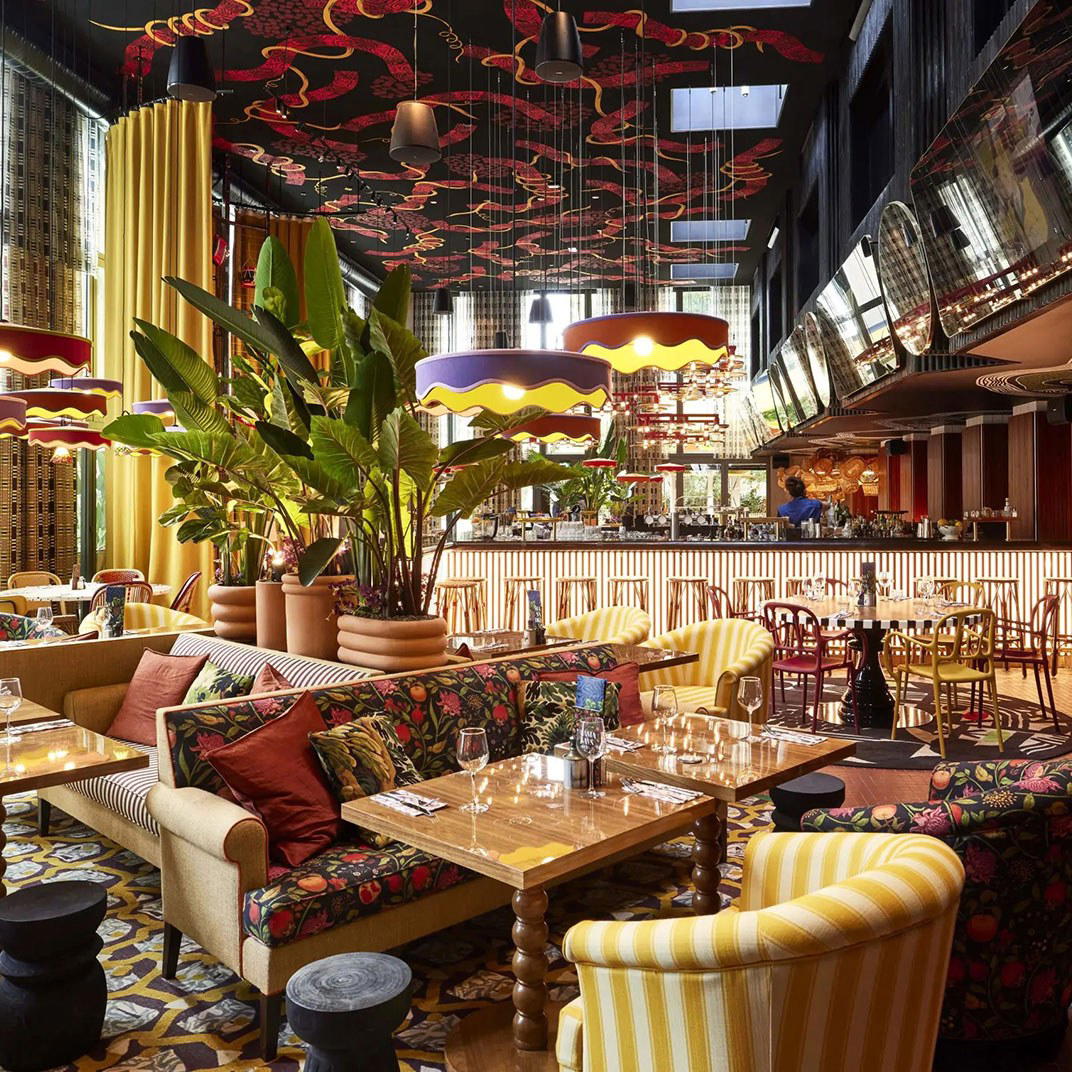
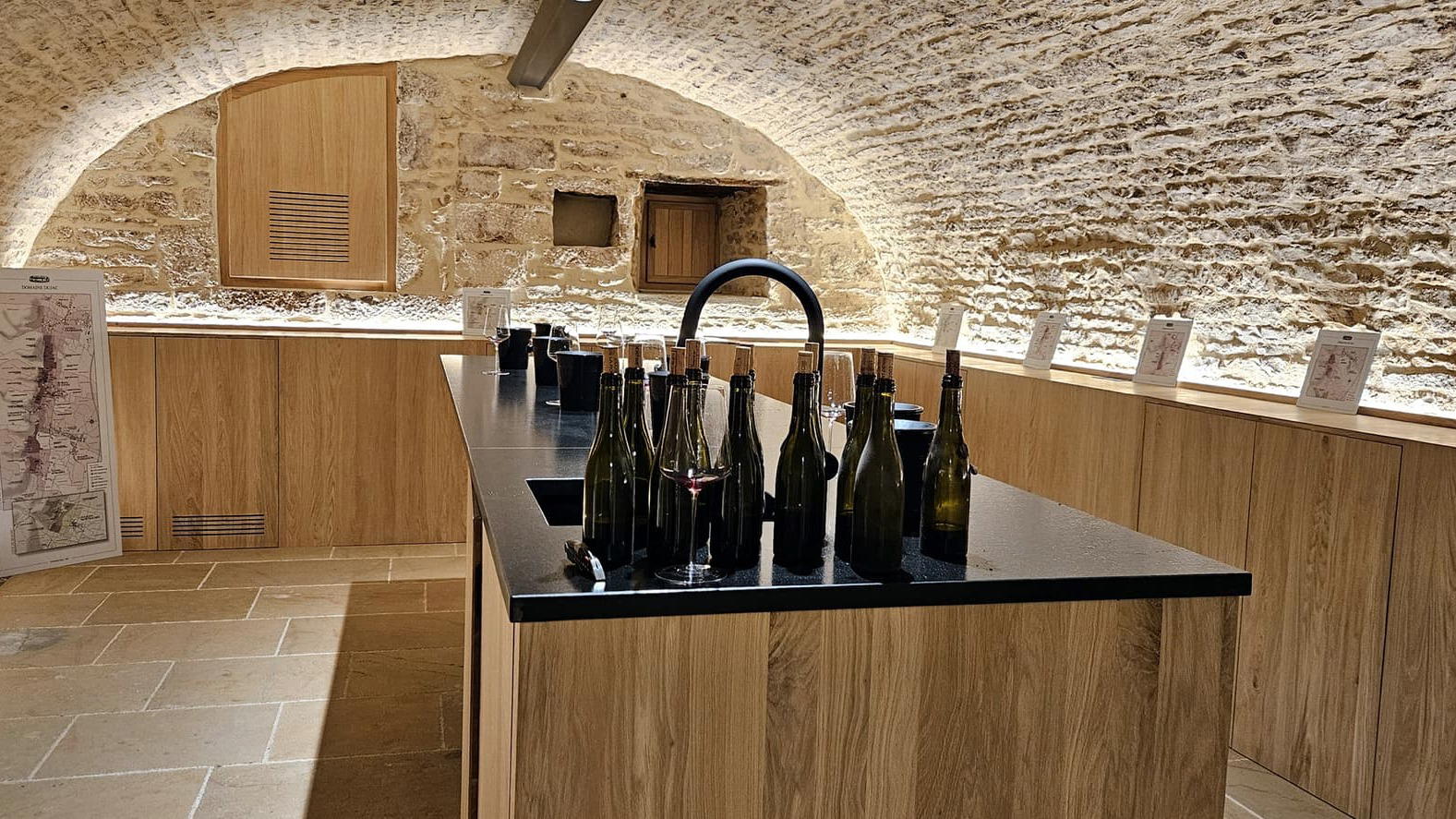
Warm and welcoming bistro atmosphere with comfortable seating, good spacing between tables, and background music creating a friendly vibe for all ages.