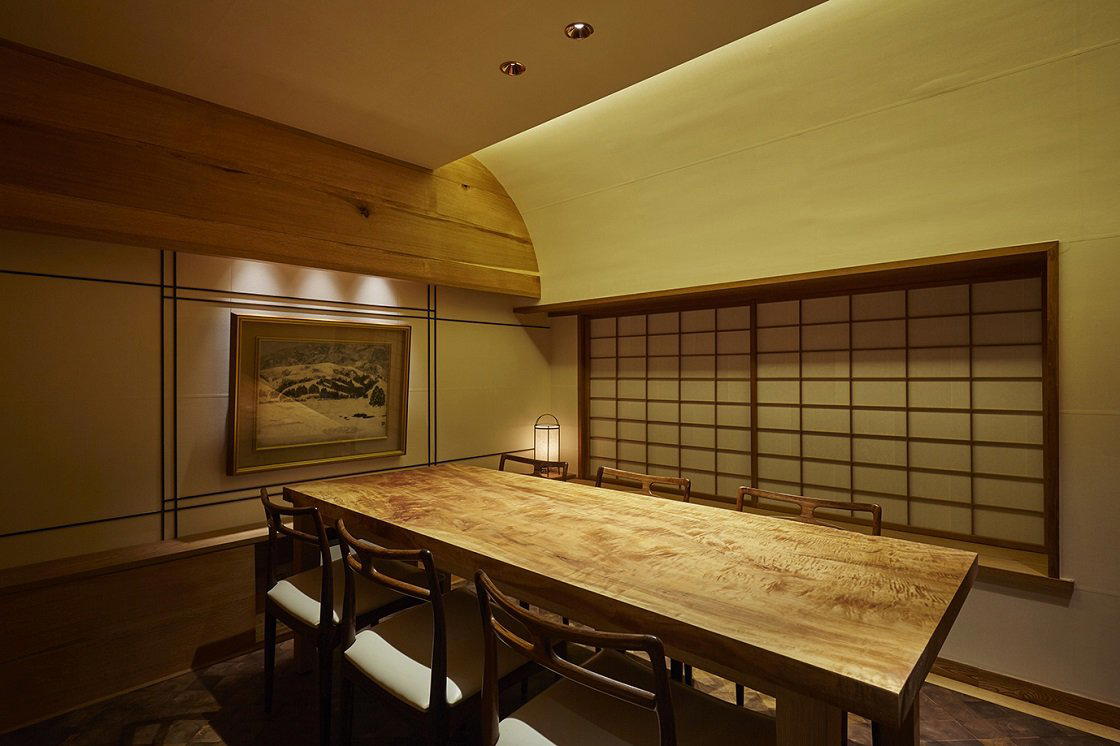
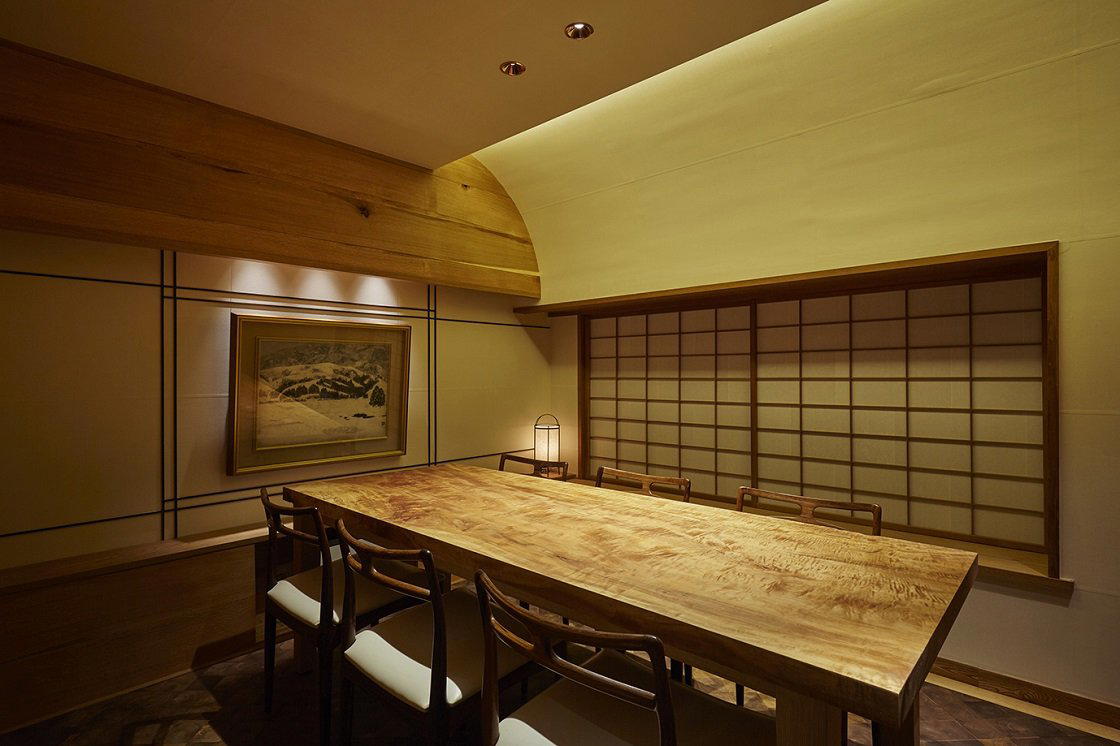
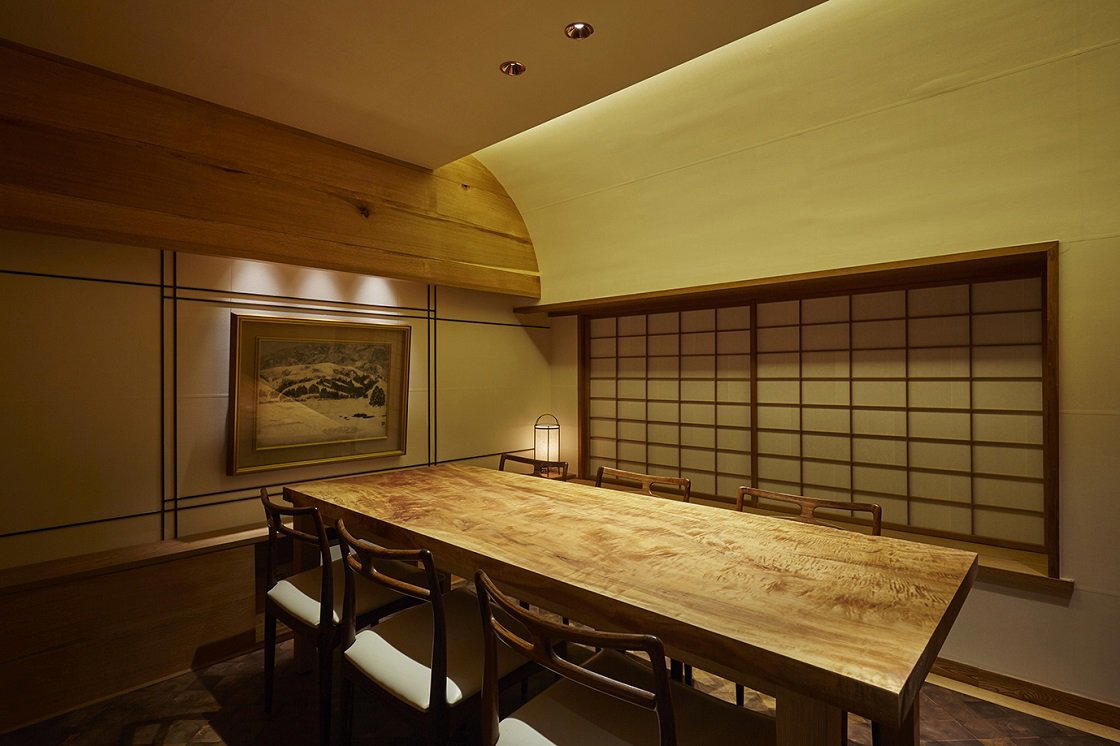
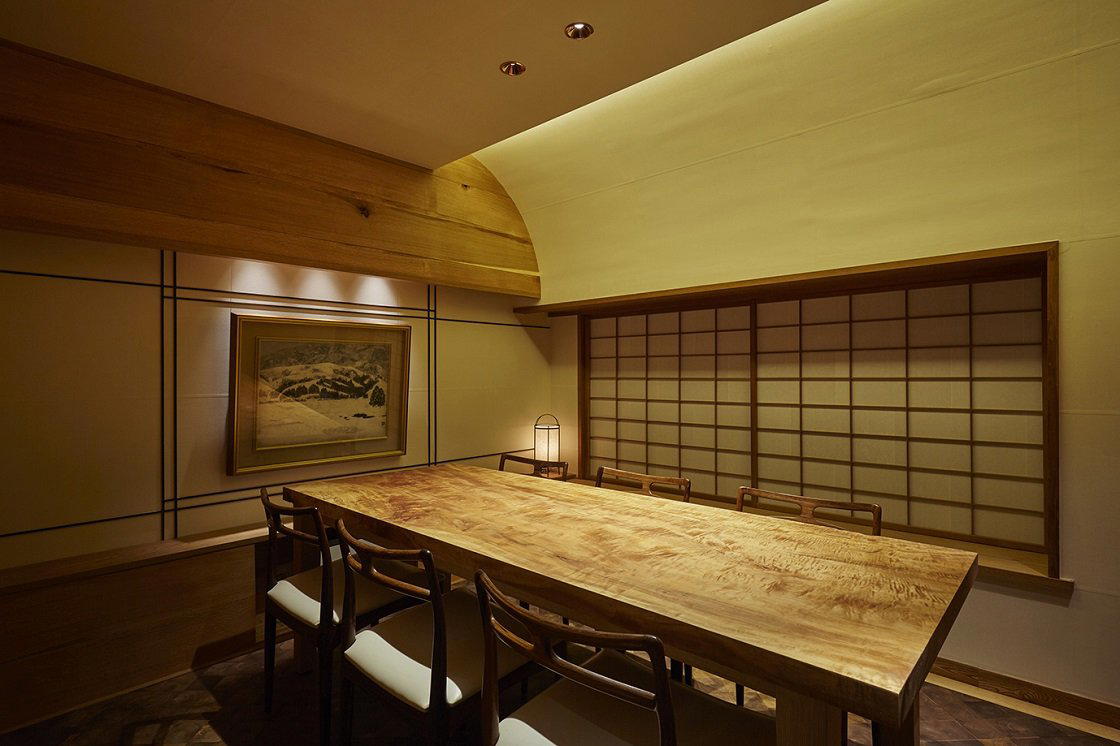
Tabelog 100 #11
Our verdict
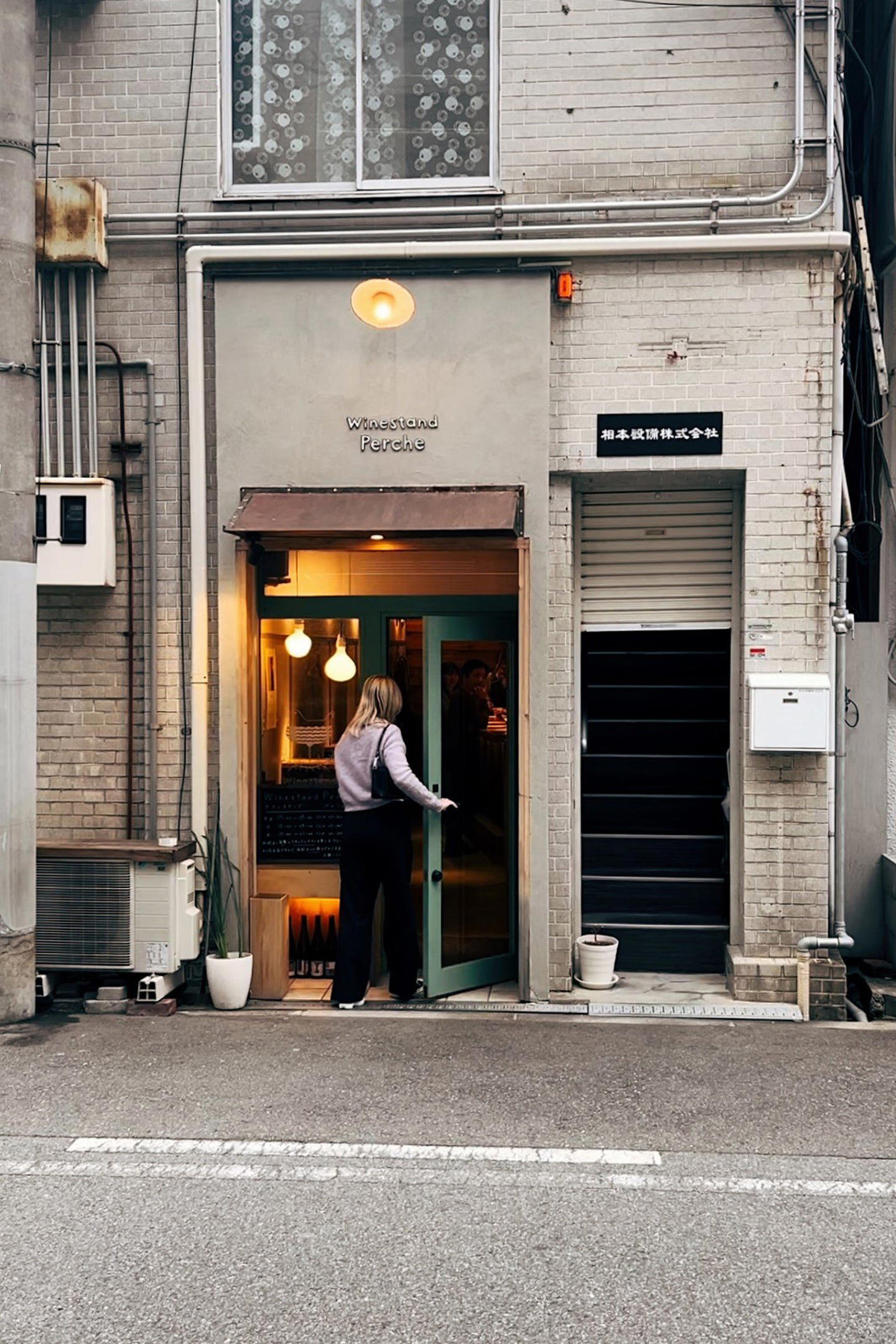
Tori Yasu places Osaka yakitori in its small-counter form: focused, close-range cooking built around grilled chicken, mizutaki and chicken dishes rather than a broad izakaya spread. Its Tabelog Yakitori WEST 100 selections from 2023 through 2025 and eight-seat counter format put it in the serious end of Tenma’s dining conversation.

Pearl is the En Primeur Club membership app, where members save venues, book tables and use the concierge.
The menu
What to order
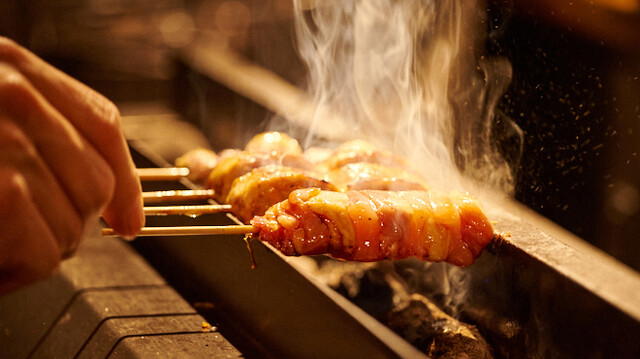
- Yakitori course of young chicken and Ise Akadori
- Mizutaki (water-boiled chicken) à la carte
- Chicken broth soup
- Tsukune skewers
Osaka is strongest when a restaurant lets the cooking set the rhythm. Across the city, dining can move quickly from commuter routes to tight dining rooms, and yakitori suits that geography: smoke discipline, short exchanges, and a meal built piece by piece rather than staged as ceremony. Tori Yasu belongs to that Osaka register, where poultry is not a casual snack but a full dinner format.
Osaka dining is often reduced to sauce, batter and street-side ease, but its serious yakitori restaurants tell another story. The craft depends on chicken, charcoal control and sequencing; the drinking side increasingly borrows from broader global habits. Sake remains central, shochu has a natural place, and wine can enter rooms that want grilled chicken to feel closer to a restaurant meal than a post-work stop. Local product, tightly managed grill technique and pairings beyond the old beer-first template are the useful lens here.
Yakitori as a focused meal, not a drinking snack
The key distinction in Osaka yakitori is format. A broad izakaya can serve skewers with fried dishes, sashimi, noodles and whatever the table wants next. A focused yakitori restaurant narrows the frame: chicken structures the meal, and heat management becomes the kitchen’s argument. Tori Yasu is listed for yakitori, mizutaki and chicken dishes, placing it inside the poultry-specialist tradition rather than the general izakaya category occupied by venues such as Sakeya Sakana Yoshimura.
That changes expectations. At a yakitori specialist, diners are not chasing breadth; they are watching repetition, timing and restraint. The chef’s biography is not the story. The story is modern Osaka’s room for compact specialist restaurants that ask diners to follow a single ingredient category across a full evening. In that respect, Tori Yasu sits closer to the city’s serious small-format dining than to the casual skewer-and-beer shorthand many visitors bring to yakitori.
The recognition supports that reading. Tori Yasu has Tabelog Hyakumeiten recognition for 2025, showing it is judged within a yakitori field rather than as neighbourhood convenience. Its Tabelog score is 3.69, and it appears in a competitive category where consistency matters more than novelty. Awards are not a substitute for taste, but they tell travellers which rooms local diners and platform editors have kept in circulation.
Osaka's small-room advantage
Osaka gives this kind of restaurant a useful stage. The city’s eating culture mixes office traffic, residential density and late-evening appetite without needing either polished hotel-dining mood or tourist spectacle. A focused restaurant here can be serious without becoming stiff. The room needs no showpiece; it needs pace, heat and a drinks list that can carry a full chicken dinner.
Scale is part of the point. Tori Yasu reads as a focused yakitori meal, shifting dinner from social sprawl to close observation. In larger, broader restaurants, the grill can recede. Here, the specialist format turns technique into the performance: ordering, grilling, resting and serving belong to the same tight rhythm. For travellers used to tasting menus, this is Osaka’s poultry-and-charcoal equivalent, but without needing the formality of course cards.
The drink structure also shows where yakitori has moved. Sake and shochu remain natural partners because they handle salt, fat and smoke without forcing the meal into a Western dining script. Wine, when treated seriously, changes the pacing. It lets grilled chicken meet acidity, tannin and temperature choices suited to a longer dinner. That is the global-technique edge here: not imported luxury, but a Japanese format conversing with a wider beverage vocabulary.
Within Osaka, the listed dinner pricing of JPY 8,000 - JPY 9,999 separates Tori Yasu from more casual everyday options and from higher-budget special-occasion rooms elsewhere in the city. That middle-to-upper yakitori band is useful for visitors wanting a focused dinner without the cost structure of luxury kappo or sushi. The comparison is not cuisine equivalence; it is how much attention, capacity and specialization the city can support at different price levels.
How to place it in an Osaka itinerary
Tori Yasu makes most sense for travellers who have eaten the obvious Osaka canon and want to see the city through a narrower, more disciplined format. Pairing it with street food the same day misses the point. Treat it as the evening’s anchor, especially if the trip also includes more casual Osaka dining, bakery browsing, coffee, or other relaxed meals elsewhere in the city.
Visitors building a wider Osaka plan should think in categories rather than checklists: one specialist meal, one everyday local meal, one bakery or coffee stop, one drinking night. Our full Osaka restaurants guide is the natural place to map those choices, while Our full Osaka hotels guide, Our full Osaka bars guide, Our full Osaka wineries guide and Our full Osaka experiences guide help set the rest of the trip around the meal rather than treating dinner as an isolated booking.
The wider Japan and California listings also show how EP Club separates specialist formats from general dining: some rooms are built around beef, seafood, regional cooking, casual Japanese forms, drinks, or tightly defined single-category specialisms. Read that way, Tori Yasu is not merely another Osaka dinner. It is a compact argument for yakitori as a complete restaurant language.
Frequently asked questions
Is Tori Yasu more mid-range or high-end?
Pricing at Tori Yasu is listed as JPY 8,000 - JPY 9,999.
How do I find Tori Yasu?
Tori Yasu is located in Osaka.
Do they take walk-ins at Tori Yasu?
Booking details can change, so the safest approach is to confirm directly with Tori Yasu before planning the evening. Focused yakitori restaurants in Osaka can fill quickly, especially when they have Tabelog Hyakumeiten recognition.
What is Tori Yasu known for?
Tori Yasu is known for yakitori, mizutaki, and chicken dishes in Osaka. It has Tabelog Hyakumeiten recognition for 2025, which is the clearest marker of its standing.
Where It Fits
Comparable venues in the metro at similar price points.
| Venue | Cuisine | Price | Awards | Notes |
|---|---|---|---|---|
| Tori YasuThis venue (the venue you are viewing) | Yakitori & Chicken Cuisine Counter | $50–100 | Tabelog 100 #11 | Not listed |
| Kakigori Laboratory | Modern Kakigori (Shaved Ice) | $10–20 | Not listed | Nishi-ku |
| Torisho Ishii Hina | Modern Yakitori Omakase | $100–150 | Not listed | Minami-Azabu |
| Kyosho ran Minamimori chou | Japanese Yakiniku | $50–100 | Tabelog 100 #1 | Kita |
| Sumibi Yakitori Kichizo | Charcoal-Grilled Yakitori & Izakaya | $50–100 | Tabelog 100 #47 | Nishi |
| Yakiniku Mikazuki Tenjinbashi ten | Premium Kuroge Wagyu Yakiniku | $100–150 | Tabelog 100 #60 | Kita |
Recognition history
Dated appearances from independent guides and award organizations, with the underlying list record or original source where available.
Tabelog 100 #11 · No. 11
Tabelog · Tabelog 100 - Yakitori - WEST - 2025