
Tabelog 100 #47
Our verdict
Sumibi Yakitori Kichizo gives Osaka’s yakitori scene a compact, value-led counterpoint to higher-priced tasting-menu dining. Its Tabelog 100 Yakitori WEST 2025 selection, 16-seat scale and charcoal-grill focus put it in the serious specialist tier without pushing into the city’s luxury price bracket.

Pearl is the En Primeur Club membership app, where members save venues, book tables and use the concierge.
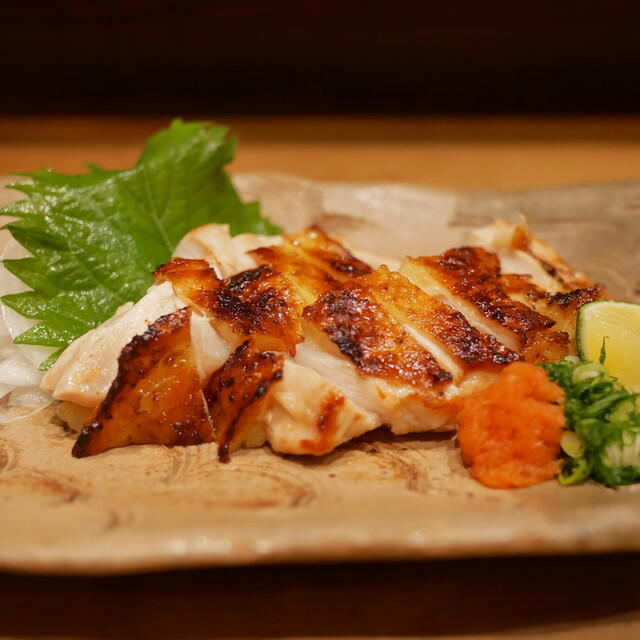
The menu
What to order
- Charcoal-grilled yakitori skewers
- Branded chicken yakitori (e.g., Kuro-ō, Nagoya Cochin, Awaodori)
Approaching a yakitori room in Osaka slows dinner down. The city excels at speed, from station-counter noodles to department-store food halls, but yakitori asks for timing, repetition and control over heat. In Osaka, Sumibi Yakitori Kichizo represents a focused dining mode, where a grill-led format can carry more weight than a long tasting-menu script.
Osaka restaurant culture is often judged by abundance: takoyaki, okonomiyaki, kushikatsu, late-night ramen, markets and snack streets. Yakitori works differently: a craft of portioning and sequence rather than spectacle, where value depends on precision more than rarity. Here, the question is whether focus, pacing and technical control justify a dedicated evening rather than a casual stop between bars.
Charcoal yakitori as Osaka value, not luxury theatre
The useful comparison is neither Osaka’s cheapest izakaya nor its most formal dining rooms. Sumibi Yakitori Kichizo sits between them: a specialist grill format with izakaya accessibility. Listed for yakitori and izakaya, it reads as a grill-led drinking table rather than a formal multi-course counter. Yakitori houses at this level are judged on consistency across skewers, control of seasoning and heat, and whether the format sustains a full dinner without filler.
Public recognition gives the restaurant weight. Its Tabelog Hyakumeiten 2025 recognition places it among a curated group, while its listed Tabelog score of 3.72 also matters. Japan’s user-rating culture is conservative, and that band for tightly focused restaurants usually indicates a serious local following rather than broad tourist visibility.
Osaka yakitori pricing can rise quickly once highly formal formats and elaborate beverage choices enter. Kichizo stays in a more forgiving bracket, with dinner listed at JPY 6,000 - JPY 7,999, giving access to a craft-led dinner without the spend of Osaka’s more formal counters. For travellers, that leaves room for breadth: casual local snacks, other Osaka dining rooms, or another relaxed meal can coexist with a serious yakitori dinner rather than compete with it.
A focused format changes the economics of the evening
Format shapes the experience before the first skewer arrives. A grill-led setup keeps the cooking central and puts the focus on pacing rather than spectacle. In Osaka, where group and solo dining need different formats, this kind of yakitori meal suits diners who want the cooking itself to define the night rather than simply serve as a stop between other plans.
The point is not corporate-entertaining gloss with yakitori attached. Sumibi Yakitori Kichizo belongs to public-facing Osaka dining, where grill cadence is part of the value. That flexibility is often underappreciated in Japan’s specialist restaurants, where a narrow format can still feel complete when the cooking has enough rhythm and control.
Payment and booking logistics should be checked directly before visiting, especially for travellers managing a tight itinerary. So is location: the restaurant is in Osaka, and the value of the experience comes less from sightseeing momentum than from treating the grill as the reason for the evening. It suits diners seeking a focused dinner without building the night around a landmark or foot-traffic circuit.
Its price position becomes clearer against other Osaka alternatives. Sapporo Soup Curry JACK Shinmachi ten, PRESTAU, Hanzou, Poussin and 新町あだち each occupy different lanes for comparison, while Kichizo’s lane is narrower: yakitori, izakaya ease, grill pacing and a bill suited to a specialist dinner. That is why it belongs on a shortlist for travellers who care less about maximal luxury than category integrity.
How to place it in an Osaka food itinerary
The strongest way to use Sumibi Yakitori Kichizo is as the anchor of an evening in Osaka, not a detour between major sightseeing stops. Its dinner price bracket suits a planned night better than an improvised snack crawl. Osaka has plenty of walk-in comfort food; serious yakitori rewards diners who treat the grill as the main event.
It also fits a broader Osaka itinerary that alternates specialisation and casual eating. A traveller could build a day around coffee, a simple lunch, casual snacks, then yakitori at night without repeating the same dining register. For wider planning, Our full Osaka restaurants guide is the natural starting point; Our full Osaka hotels guide, Our full Osaka bars guide, Our full Osaka wineries guide and Our full Osaka experiences guide frame the city beyond dinner.
For readers comparing Japanese specialist formats across regions, the point is category discipline. Other dining rooms in Japan show how the country’s restaurant culture rewards a narrow brief, whether the focus is skewers, seafood, curry or another tightly held format. The logic extends outside Japan through sake-led or Japanese casual formats too, though those sit in different cultural and price contexts.
The verdict is simple: this is a value-led yakitori choice for diners who want Osaka’s grill craft without paying for ceremony they may not need. The Tabelog Hyakumeiten 2025 recognition supplies trust; the specialist format supplies focus; the JPY 6,000 - JPY 7,999 dinner bracket keeps the evening grounded. Add it to an Osaka plan when the goal is not breadth for its own sake, but one tight, grill-focused dinner that explains why yakitori remains one of Japan’s great small-format dining traditions. For broader regional contrast, focused restaurants across Japan can make a narrow premise feel complete.
In Context: Similar Options
Comparable venues at the same tier.
| Venue | Cuisine | Price | Awards | Notes |
|---|---|---|---|---|
| Sumibi Yakitori KichizoThis venue (the venue you are viewing) | Charcoal-Grilled Yakitori & Izakaya | $50–100 | Tabelog 100 #47 | Not listed |
| Tori Yaki Saji | Yakitori & Chicken Grill | $50–100 | Tabelog 100 #68 | Kita |
| Kuku Hanare | High-end Yakiniku (Japanese BBQ) Counter | $100–150 | Tabelog 100 #23 | Sakaihigashi |
| Torisho Ishii Hina | Modern Yakitori Omakase | $100–150 | Not listed | Minami-Azabu |
| Yakiniku Futoro | Casual Wagyu Yakiniku Counter | $100–150 | Tabelog 100 #98 | Kita |
| Ishii Jr. | Yakitori & Chicken Dishes Omakase | $50–100 | Tabelog 100 #98 | Kita |
Recognition history
Dated appearances from independent guides and award organizations, with the underlying list record or original source where available.
Tabelog 100 #47 · No. 47
Tabelog · Tabelog 100 - Yakitori - WEST - 2025
Continue exploring
More in Osaka
Restaurants in Osaka
All restaurants in Osaka →

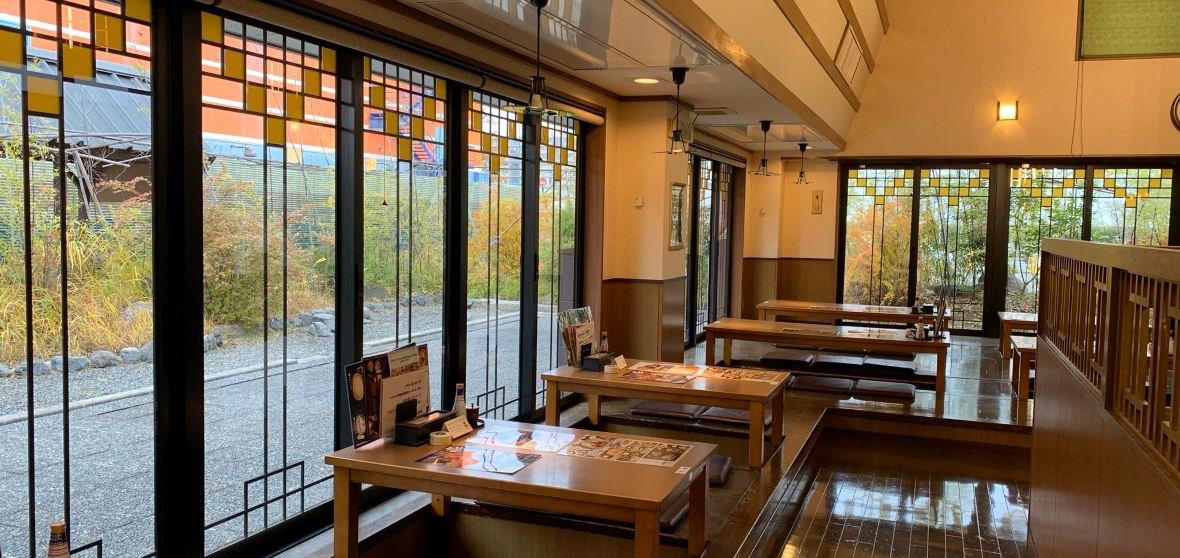


Bars in Osaka
All bars in Osaka →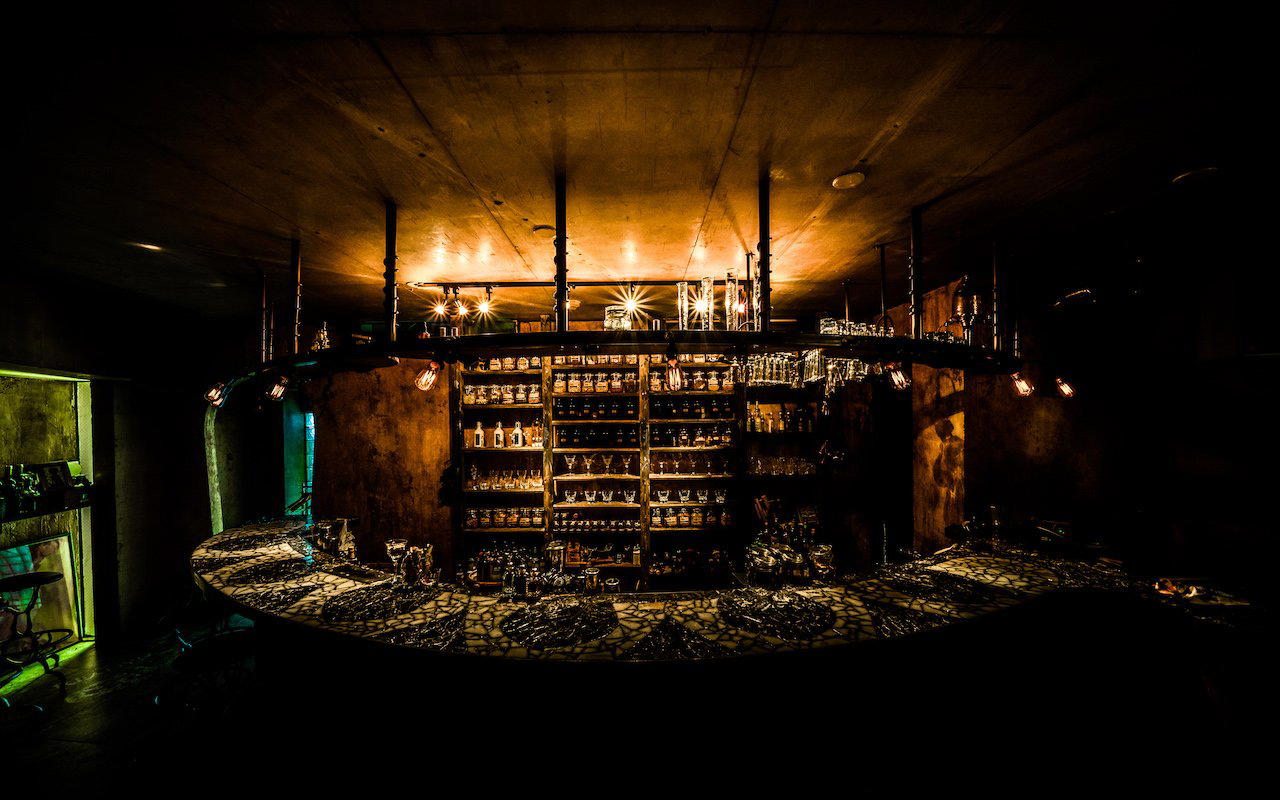
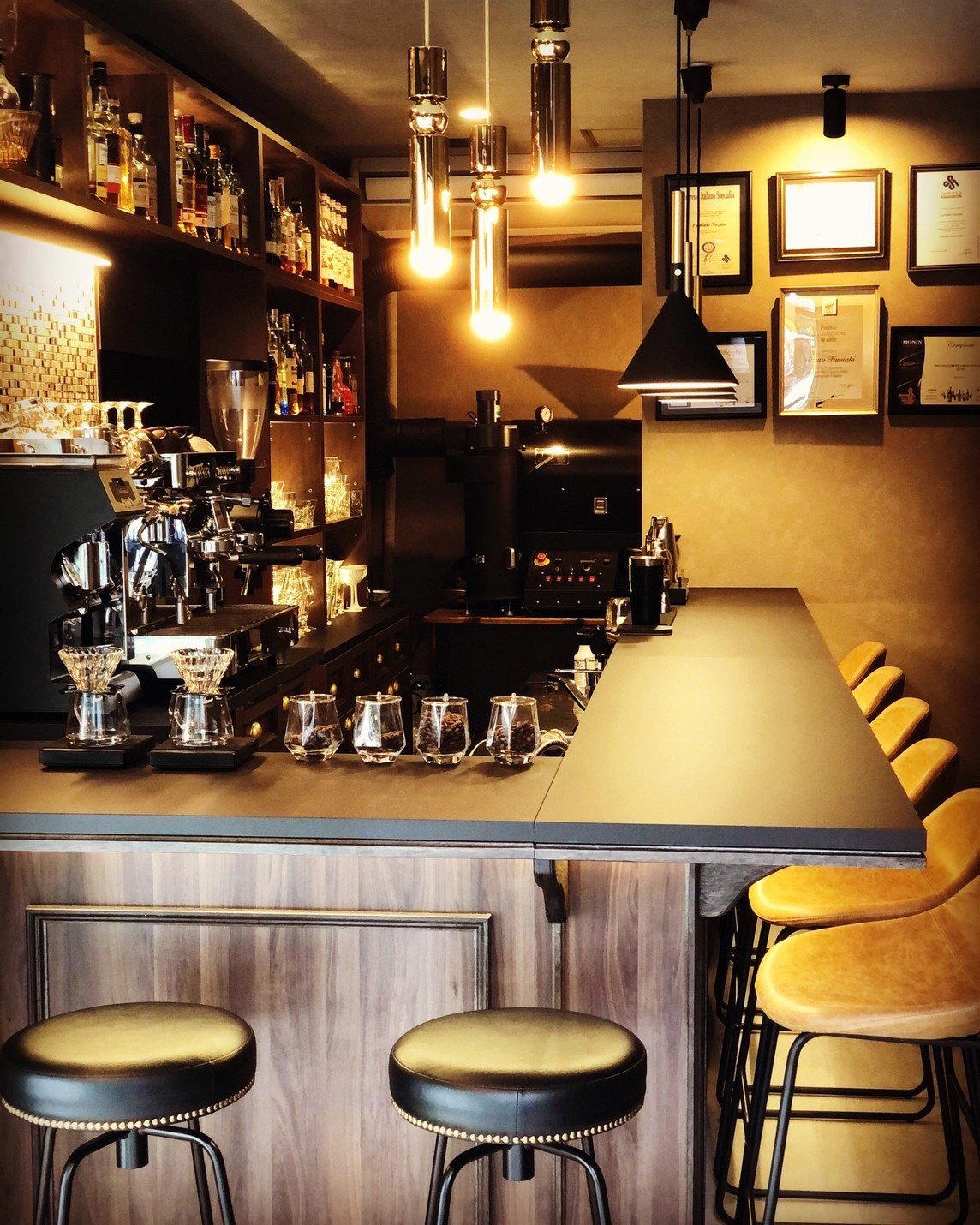

Hotels in Osaka
All hotels in Osaka →



Wineries in Osaka
Browse all →
Details
- Cozy
- Lively
- Intimate
- Elegant
- After Work
- Casual Hangout
- Solo
- Family
- Date Night
- Chefs Counter
- Open Kitchen
- Standalone
- Sake Program
- Beer Program
- A La Carte
- Counter Dining
- Small Plates
- Sake
- Shochu
- Beer
Current opening hours
- Monday
- 6–11 PM
- Tuesday
- 6–11 PM
- Wednesday
- 6–11 PM
- Thursday
- 6–11 PM
- Friday
- 6–11 PM
- Saturday
- 6–11 PM
- Sunday
- Closed
Hours can change for holidays and private events. Hours as of .
Small, non-smoking house-restaurant with a stylish yet relaxed interior and counter seating around the charcoal grill, creating an intimate, cozy and lively izakaya atmosphere.