Nobu
Nobu Mexico City brings the Japanese-Peruvian fusion format that defined a generation of international fine dining to Bosques de las Lomas, one of the capital's most affluent western corridors. The Tamarindos address places it within a business-district dining cluster that skews toward international brands and expense-account spending. For Mexico City diners familiar with the Nobu global template, the local iteration delivers the expected architectural menu of cold dishes, hot appetisers, and signature mains that have made the brand a durable fixture across forty-plus countries.
Pearl is the En Primeur Club membership app — saves, bookings, and concierge access live there. Same editors, same standards.
- Address
- Cuajimalpa, P.º de los Tamarindos 90-Local 21A, Bosques de las Lomas, Cuajimalpa de Morelos, 05120 Ciudad de México, CDMX, Mexico
- Phone
- +525591350062
- Website
- nobu.mx
- Directions
- Get directions
 Saves & bookings on Pearl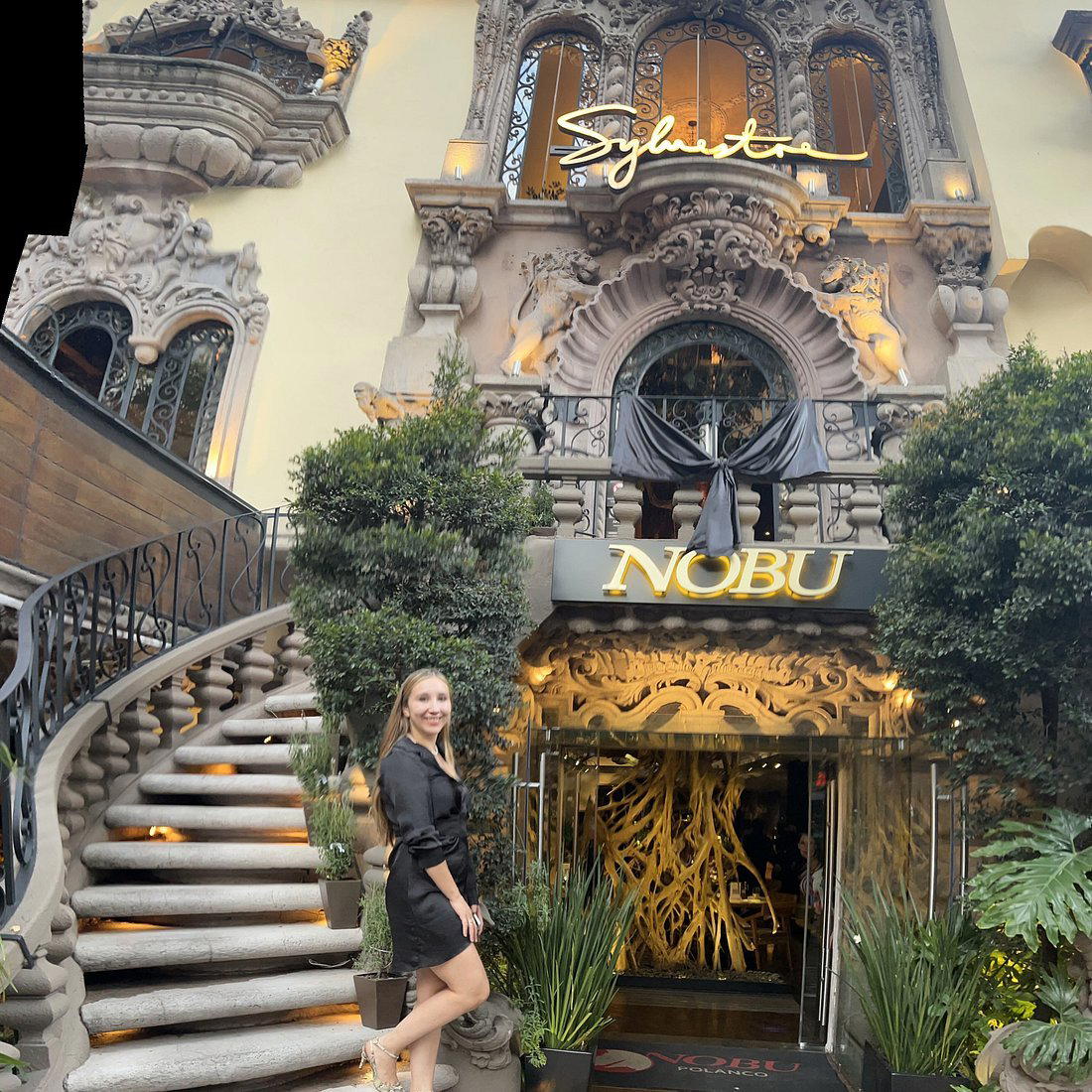
A Global Format Meets a Local Market
Bosques de las Lomas sits at the western edge of Mexico City's premium dining geography, a neighbourhood defined less by culinary experimentation than by international brand confidence. The towers along Paseo de los Tamarindos house law firms, financial offices, and the kind of corporate infrastructure that sustains a particular type of restaurant: polished, internationally legible, reliable. Nobu at number 90 fits that profile precisely. It is a Japanese-Peruvian Fusion restaurant in Ciudad de México, where dinner typically runs from about $120 per person. Where Pujol or Quintonil demand engagement with Mexican culinary history, Nobu asks only that you know the format, and most of its regulars do.
The Nobu brand operates across more than forty countries, and Mexico City is one of several Latin American outposts in a network that spans Miami, São Paulo, and Buenos Aires. That scale matters for understanding what kind of restaurant this is. The menu here is not locally authored in the way that Sud 777 or Em are locally authored. It belongs to a corporate fine-dining architecture built on Nobu Matsuhisa's Japanese-Peruvian synthesis, first formalized in New York in 1994 and since replicated with controlled consistency. The question worth asking in any Nobu market is not whether the kitchen executes the menu, but whether that menu holds relevance against the city's own dining ambitions.
How the Menu Is Built, and What That Architecture Reveals
The Nobu menu structure is among the more deliberately legible in global fine dining. It divides into cold dishes, hot appetisers, sushi and sashimi, robata and main courses, with desserts completing the arc. This is not accidental: the format was designed to be navigable across language barriers and cultural contexts, which is precisely why it travels. A diner in Mexico City, Tokyo, or London faces the same decision architecture, and that consistency is the brand's core product.
Cold dishes form the intellectual centre of the menu. The yellow tail jalapeño preparation, which appears across virtually every Nobu location globally, exemplifies the Japanese-Peruvian logic at the brand's foundation: clean fish, citrus acidity, controlled heat. That dish has been a reference point in the international fusion conversation for nearly three decades, predating the broader industry adoption of similar flavour pairings. Whether it reads as innovative or familiar depends entirely on the diner's frame of reference, and in Mexico City, a market now producing ambitious chefs across Rosetta and beyond, it is more likely to read as canonical than cutting-edge.
The hot appetiser section reflects the same calculus. Rock shrimp tempura with ponzu or creamy spicy sauce has become a benchmark preparation in the global Japanese-fusion idiom, copied extensively but rarely matched in terms of textural precision at the source. The robata section, which draws from Japanese charcoal-grill tradition, sits as the protein anchor of the menu and tends to be the section where kitchen discipline is most legible to a knowledgeable diner. Sushi and sashimi operate within the Nobu house style rather than the austere omakase tradition; portions are generous and the fish selection reflects supply chains organised at brand rather than local level.
What the menu architecture reveals, ultimately, is a restaurant designed for breadth of appeal rather than depth of specialisation. That is not a criticism: it is a design choice, and one that has sustained the brand across four decades. Compared to the tighter, more conceptually focused menus at Le Chique in Puerto Morelos or Animalón in Valle de Guadalupe, Nobu's format is maximalist, offering multiple entry points across textures, temperatures, and flavour registers within a single meal.
Nobu in the Context of Mexico's International Fine Dining
Mexico's premium restaurant market has developed along two parallel tracks in recent years. One track is domestically rooted: chefs drawing on regional Mexican ingredients and technique, represented at its most ambitious by restaurants like KOLI Cocina de Origen in Monterrey, Levadura de Olla in Oaxaca, and Alcalde in Guadalajara. The other track is internationally oriented: global brands and formats serving a cosmopolitan clientele that moves between Mexico City, New York, and European capitals and wants consistent reference points in each.
Nobu belongs firmly to the second track. Its comparable set in Mexico City is not Pujol or Quintonil but the other international hospitality formats operating in Polanco, Lomas, and Santa Fe. This positioning is neither a strength nor a weakness in absolute terms; it reflects a real demand in a city of twenty-two million that hosts significant international business traffic. The Bosques de las Lomas address, specifically, places it within reach of the financial district and the corridor of embassies and multinational offices that feed a lunchtime and evening clientele less interested in culinary nationalism than in dependable execution.
Internationally, the brand's positioning can be understood through comparison with its New York incarnations. Le Bernardin and Atomix occupy different tiers of the New York fine-dining spectrum, both defined by singular creative vision. Nobu New York, by contrast, has always operated as a premium accessible format, and the Mexico City outpost inherits that same positioning. The format works because it delivers technical competence without demanding that the diner commit to a chef's personal culinary argument.
Planning Your Visit
Nobu Mexico City sits within a business-district dining cluster in Bosques de las Lomas, more accessible by car or rideshare than by metro. The Tamarindos corridor serves a largely corporate and residential clientele, which means evenings mid-week tend to be steady rather than frantic, and weekend bookings during peak hours warrant advance planning. For those building a broader Mexico City itinerary, maps the capital's dining geography across neighbourhoods and price tiers.
| Venue | Cuisine | Price Tier | Neighbourhood | Format |
|---|---|---|---|---|
| Nobu Mexico City | Japanese-Peruvian fusion | $$$+ | Bosques de las Lomas | À la carte, international brand |
| Pujol | Mexican | $$$$ | Polanco | Tasting menu, locally authored |
| Quintonil | Modern Mexican | $$$$ | Polanco | Tasting menu, locally authored |
| Rosetta | Italian, Creative | $$ | Roma Norte | À la carte, chef-driven |
| Em | Mexican | $$$ | Juárez | Tasting menu, locally authored |
A Credentials Check
Comparable venues nearby, for context on price, style, and recognition.
| Venue | Cuisine | Price | Notes |
|---|---|---|---|
| NobuThis venue — the venue you are viewing | Japanese-Peruvian Fusion | $$$$ | Not listed |
| Hotaru Arcos | Contemporary Japanese Omakase | $$$$ | Cooperativa Palo Alto |
| Umai | Modern Japanese | $$$$ | Juarez |
| Wagyu San | Asian Steak Room (Japanese Wagyu) | $$$$ | Cuauhtemoc |
| Masa House Sushi | Modern Japanese Sushi | $$$$ | Lomas Virreyes |
| Ishi-Ko | Japanese with Mexican Taste | $$$$ | Lomas de Virreyes |
Continue exploring
More in Mexico City
Restaurants in Mexico City
Browse all →
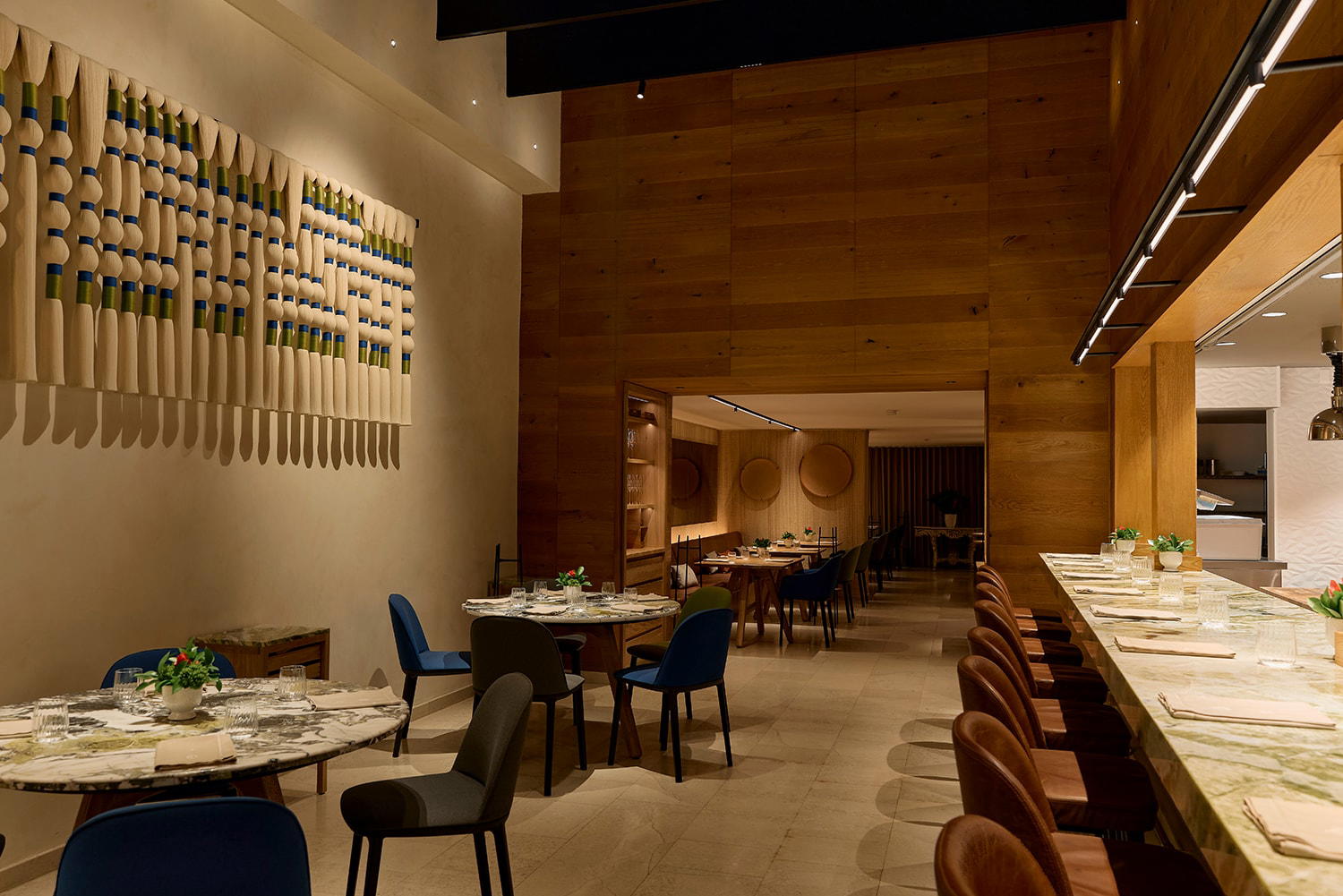
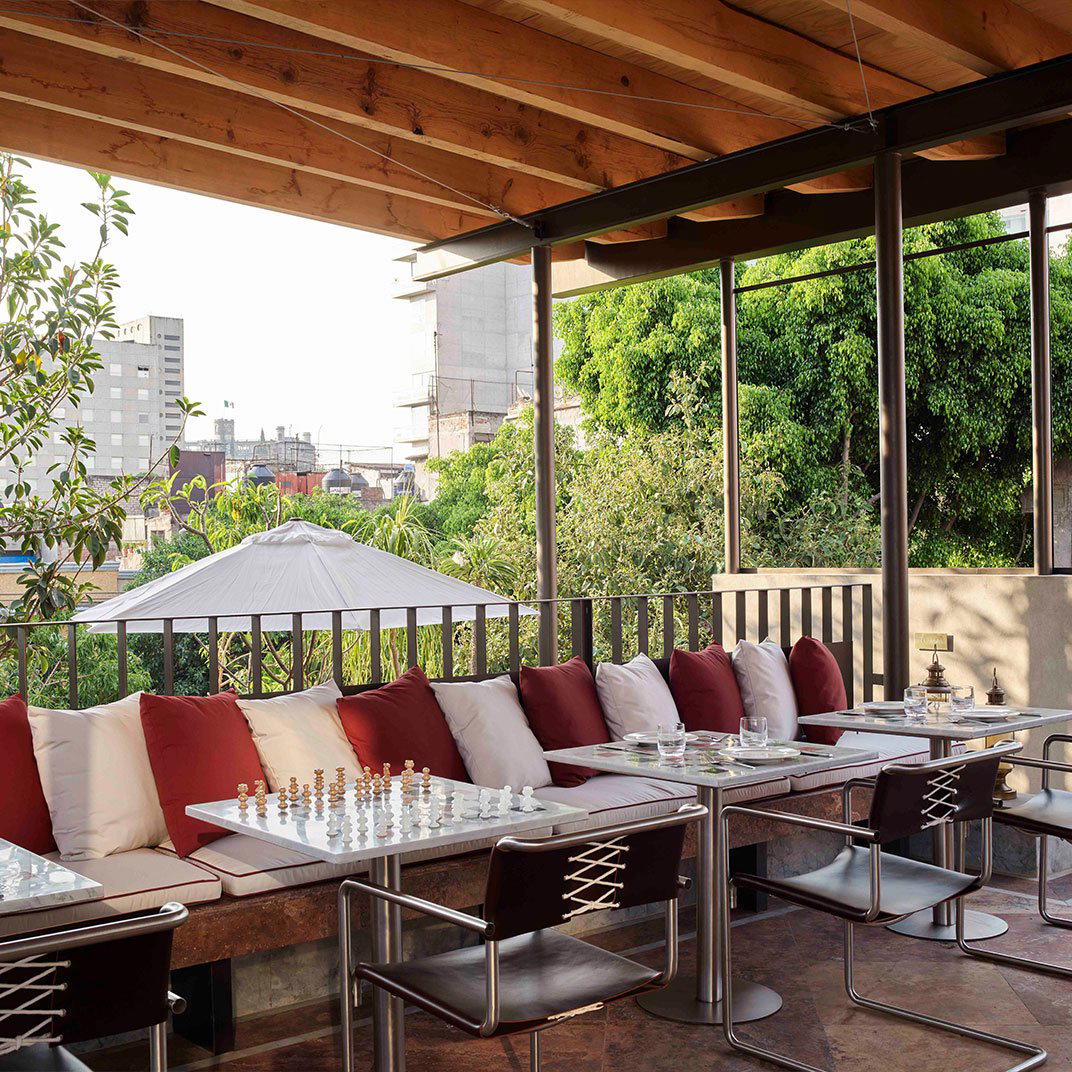
Bars in Mexico City
Browse all →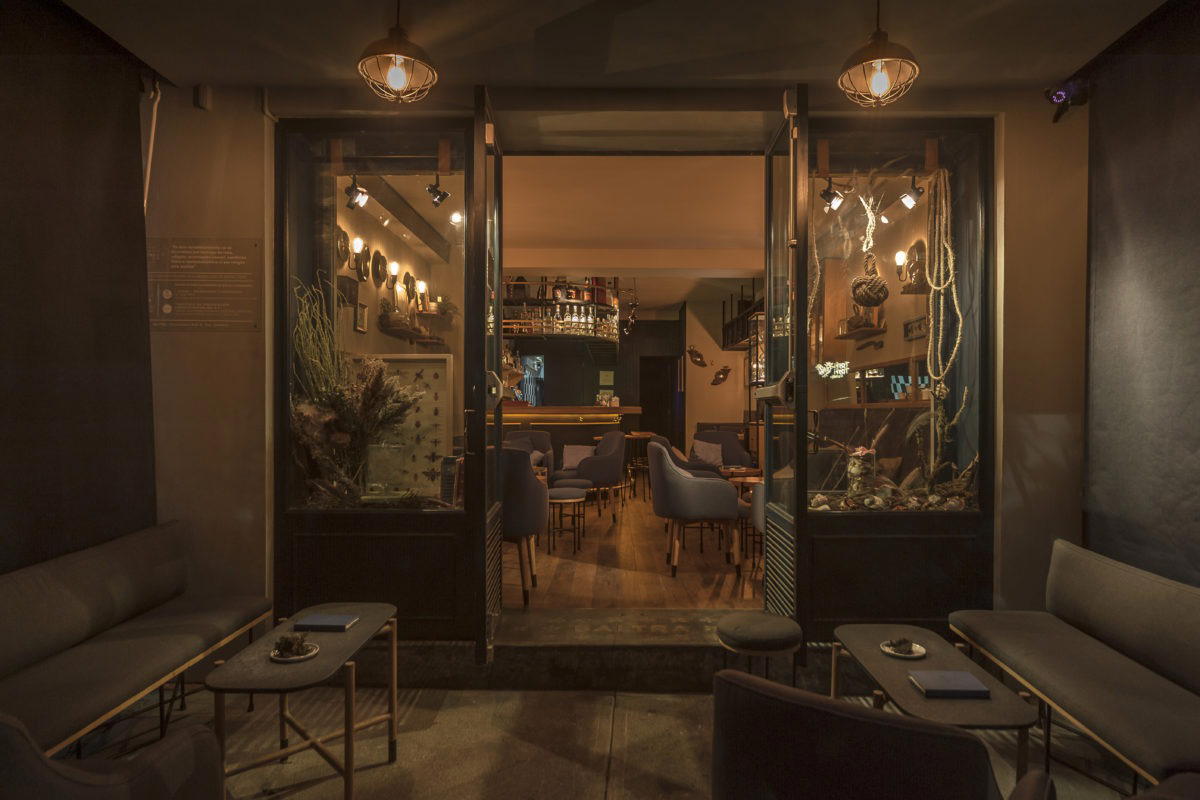
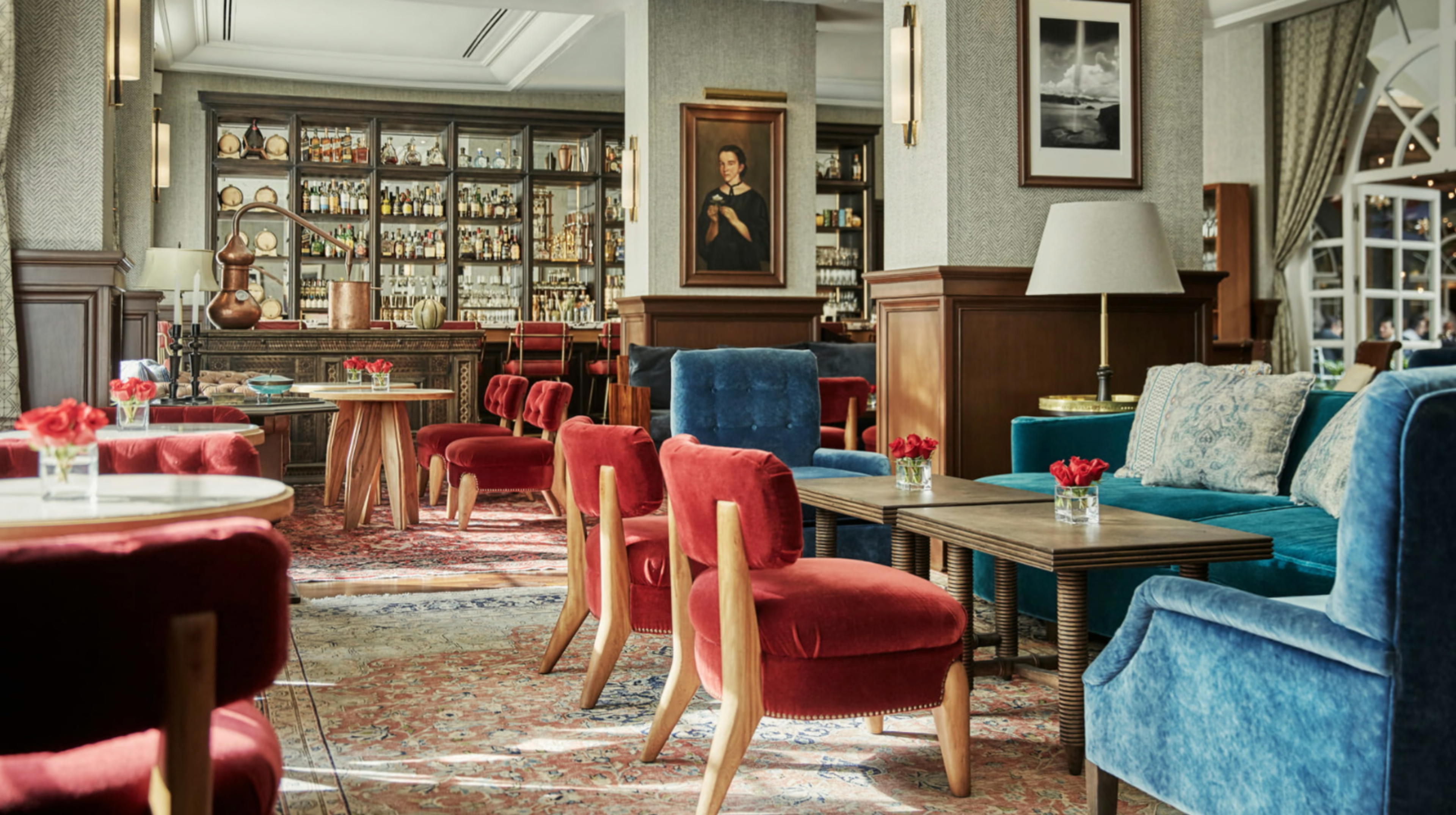
At a Glance
- Elegant
- Sophisticated
- Modern
- Trendy
- Date Night
- Special Occasion
- Business Dinner
- Private Dining
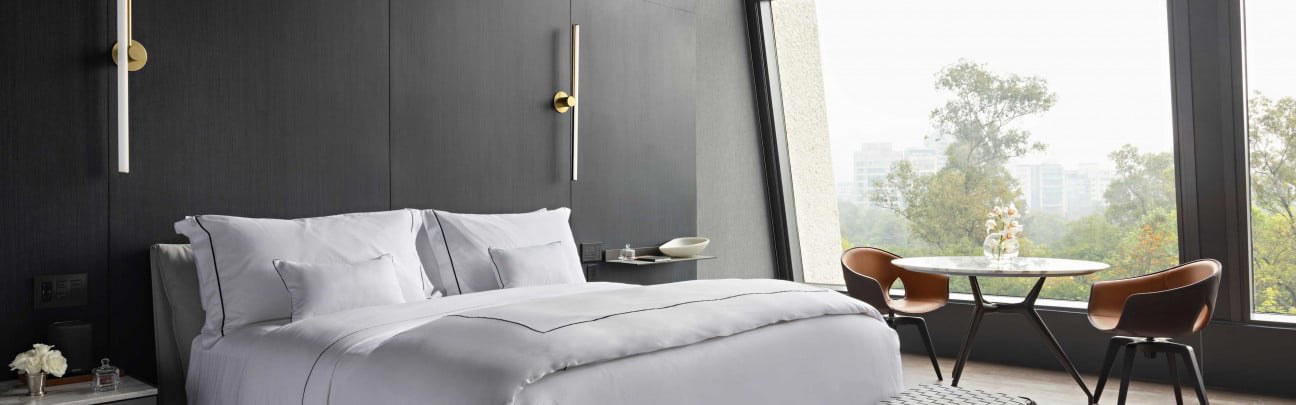
- Hotel Restaurant
- Sake Program
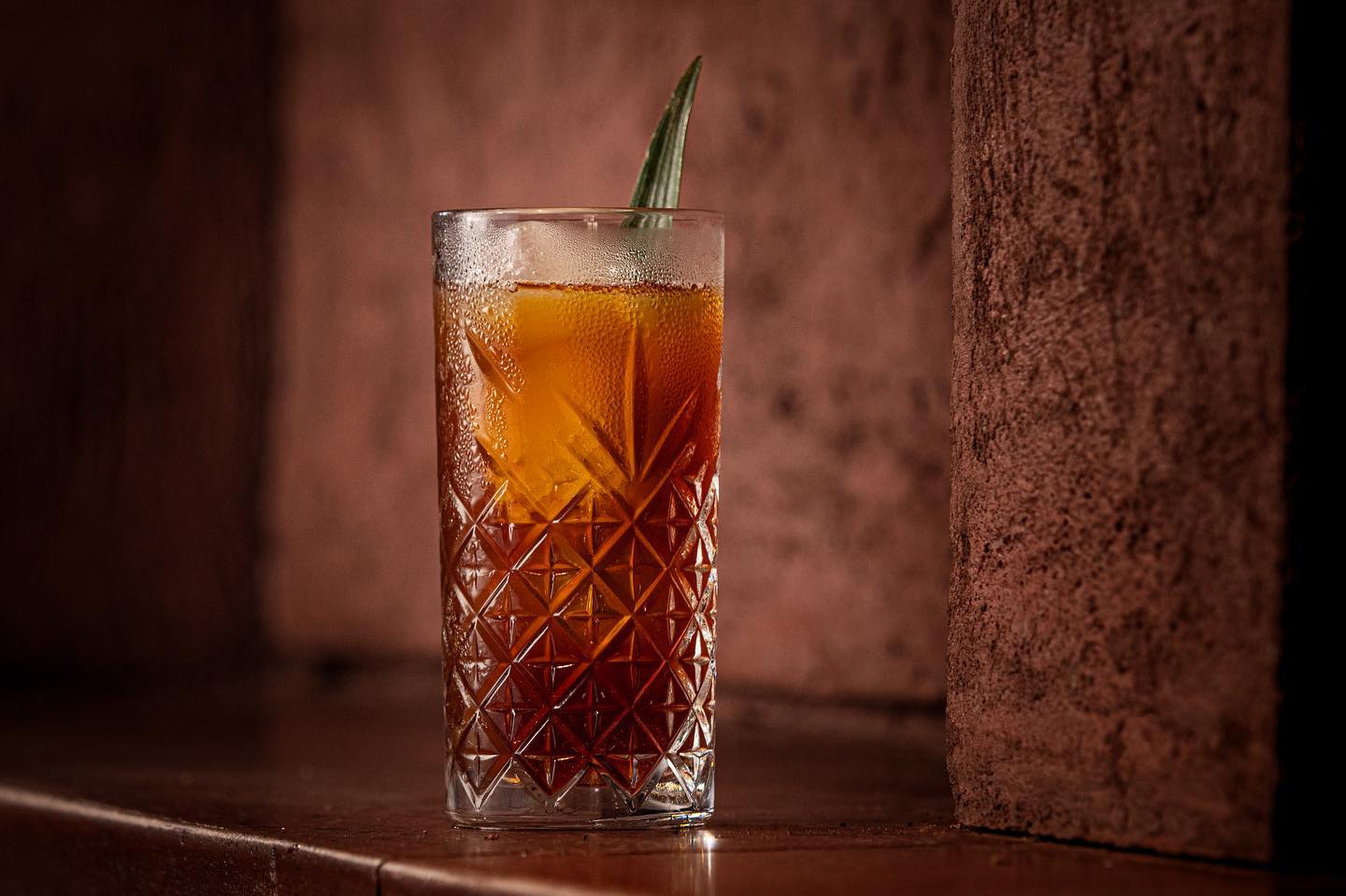
- Craft Cocktails
Current opening hours
- Monday
- 1–11 PM
- Tuesday
- 1–11 PM
- Wednesday
- 1–11 PM
- Thursday
- 1 PM–1 AM
- Friday
- 1 PM–1 AM
- Saturday
- 1 PM–1 AM
- Sunday
- 1–7 PM
Hours can change for holidays and private events. Last verified .
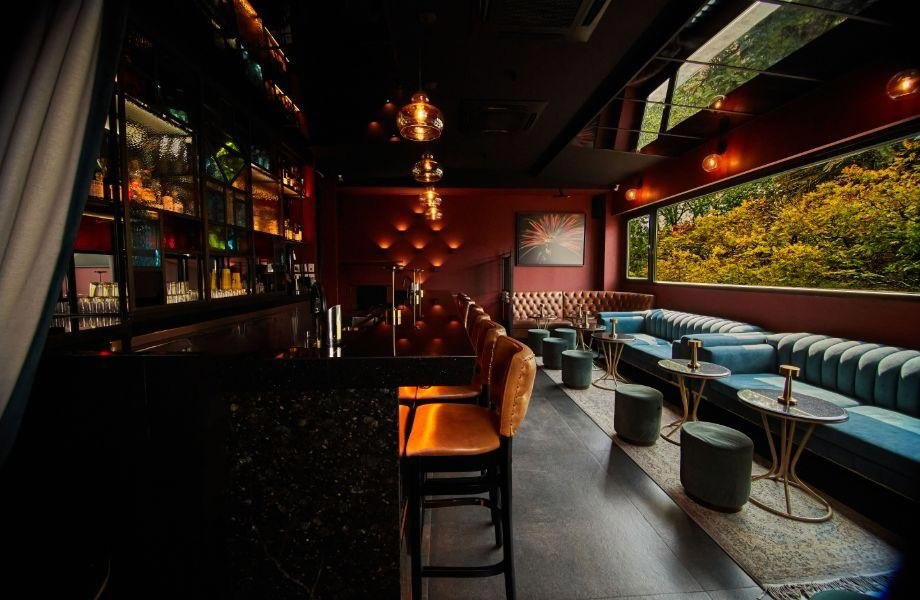
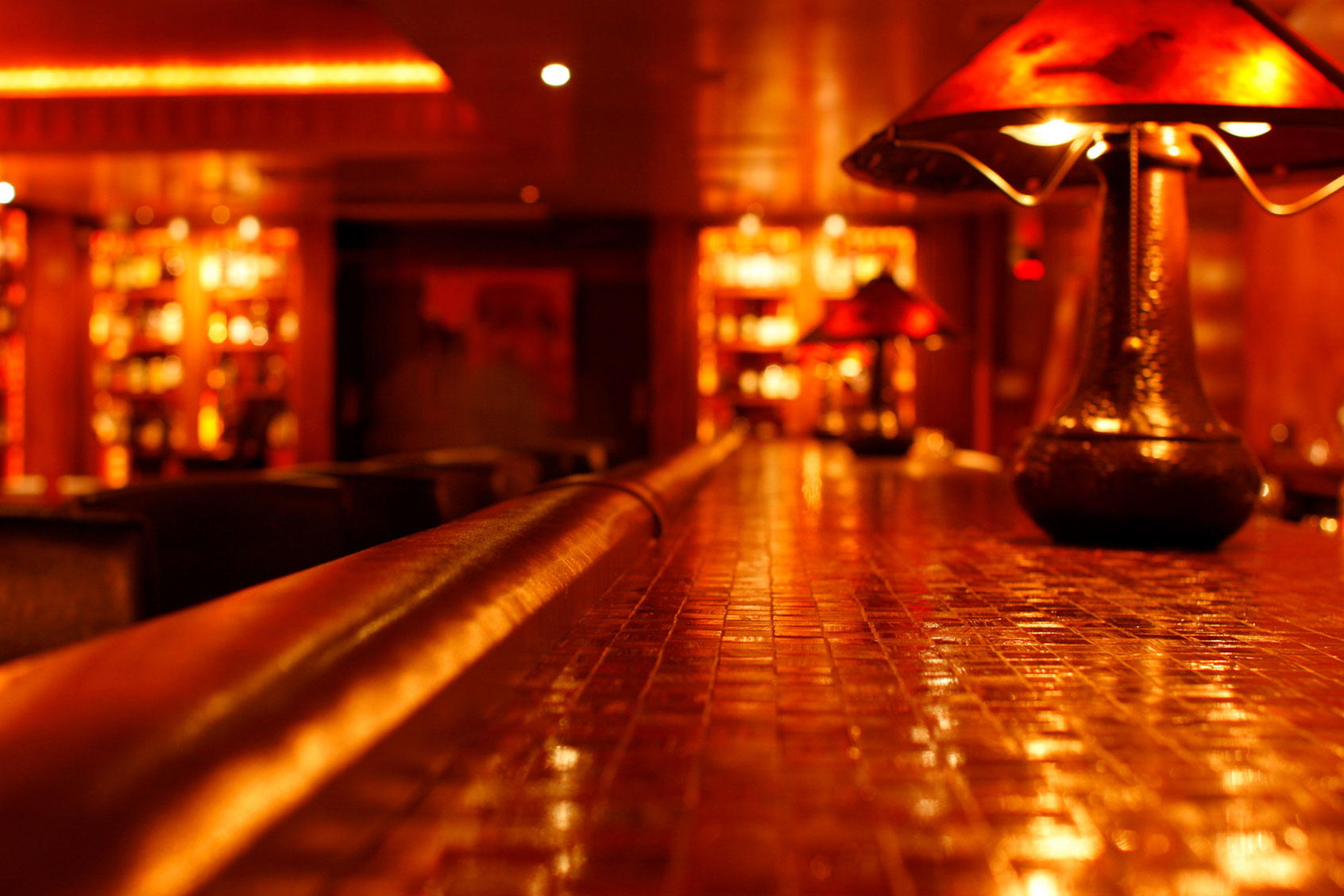
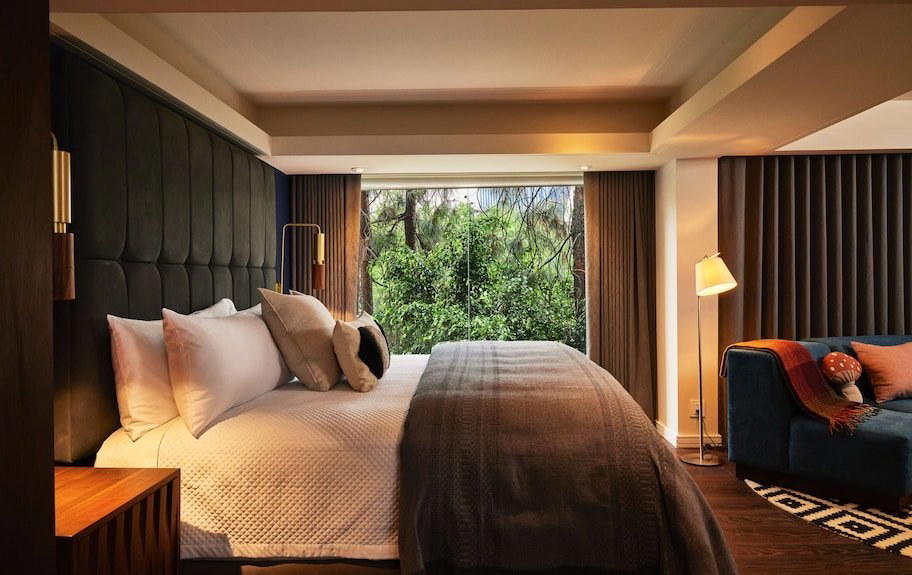
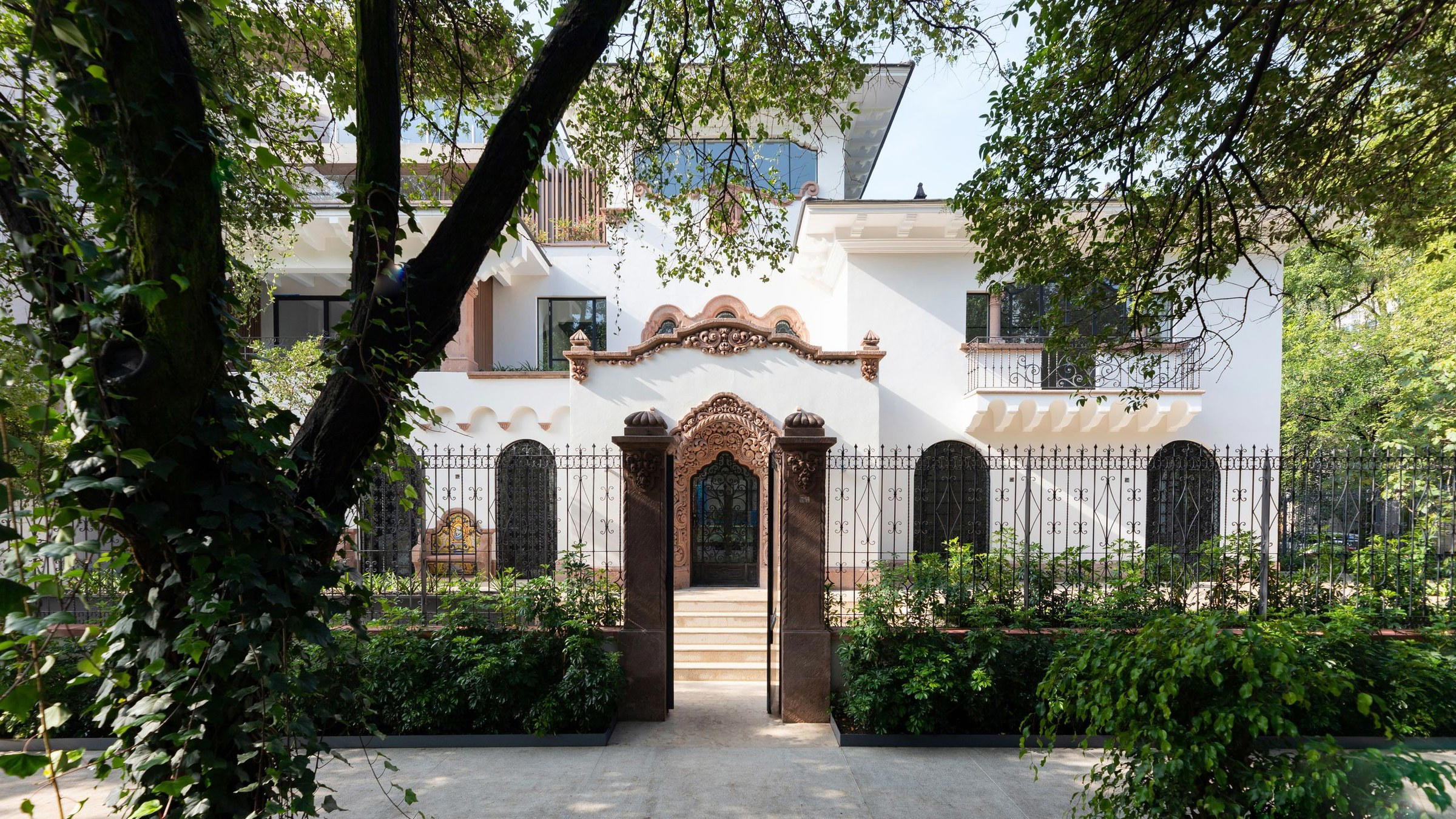
Sophisticated and contemporary design in a converted colonial mansion with elegant lighting and high-end service.