Little Park
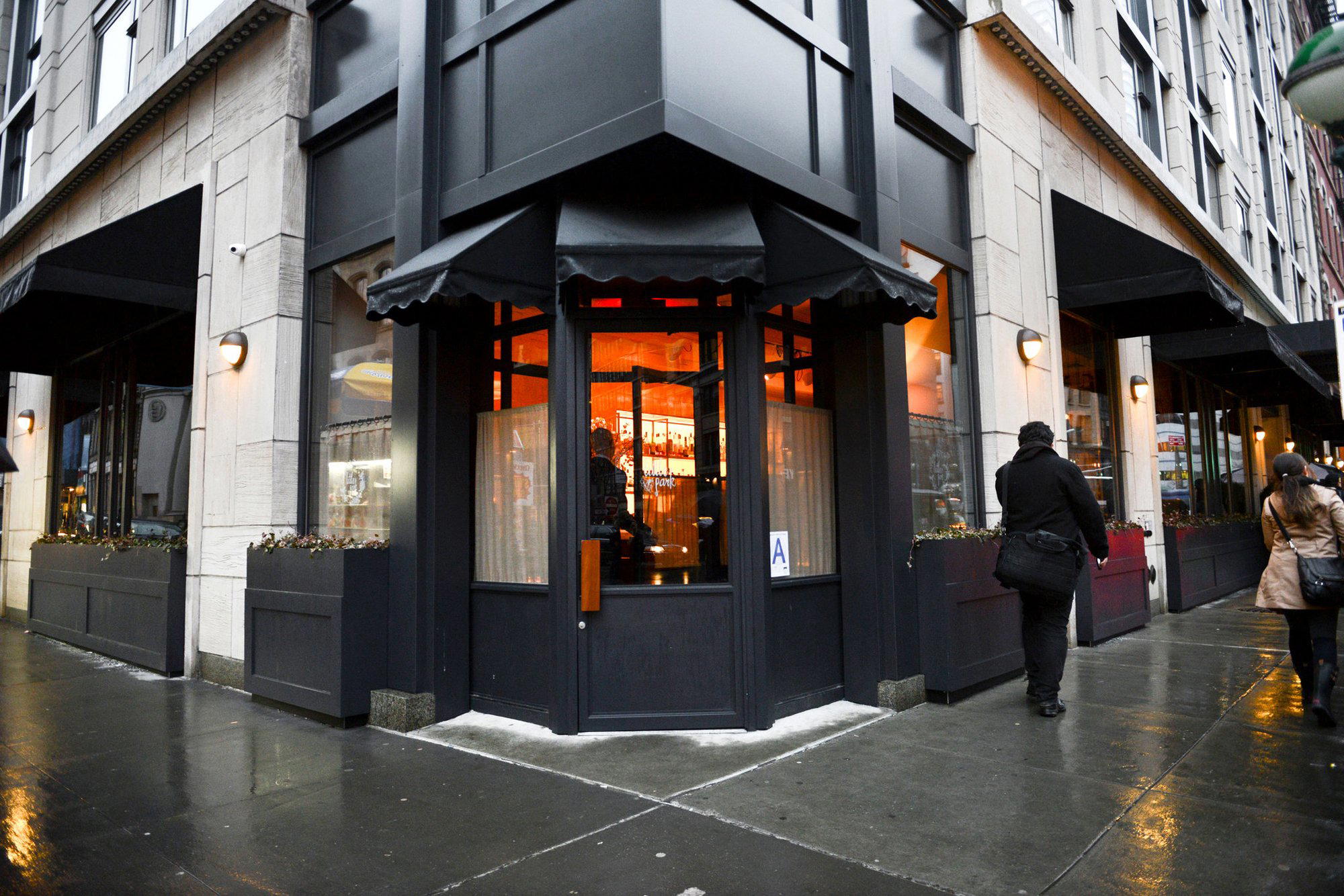
Situated inside AKA Tribeca at 85 West Broadway, Little Park occupies a corner of lower Manhattan where farm-driven American cooking meets a considered hotel dining room setting. The space positions itself within a neighborhood that has steadily shifted from post-industrial loft territory to a more polished residential and hospitality corridor. It sits in a mid-tier of New York hotel restaurants that prioritize seasonal sourcing over formal tasting-menu structure.
- Address
- AKA Tribeca, 85 W Broadway, New York, NY 10007
- Website
- littlepark.com
- Directions
- Get directions
A Dining Room Shaped by Its Address
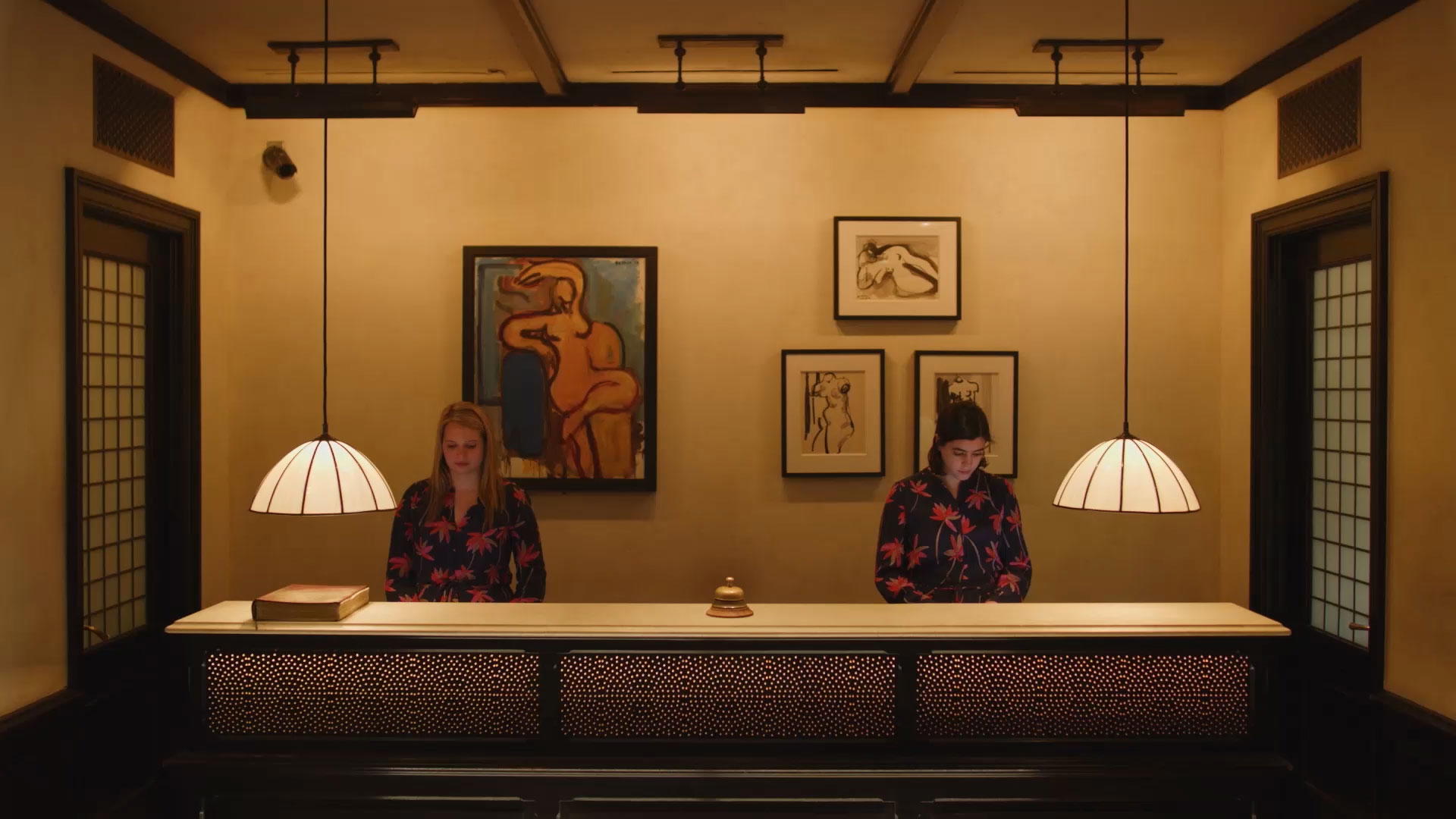
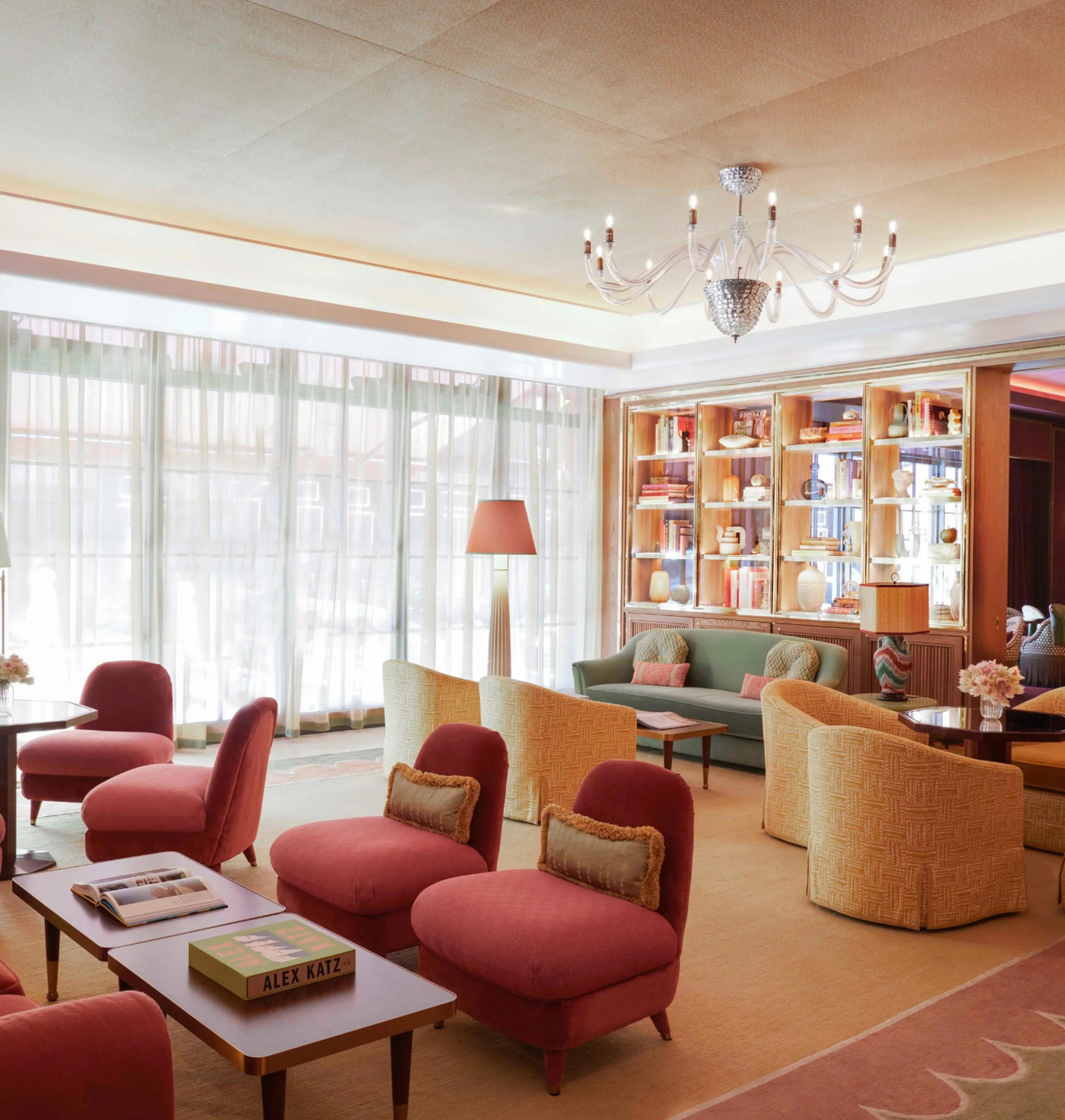
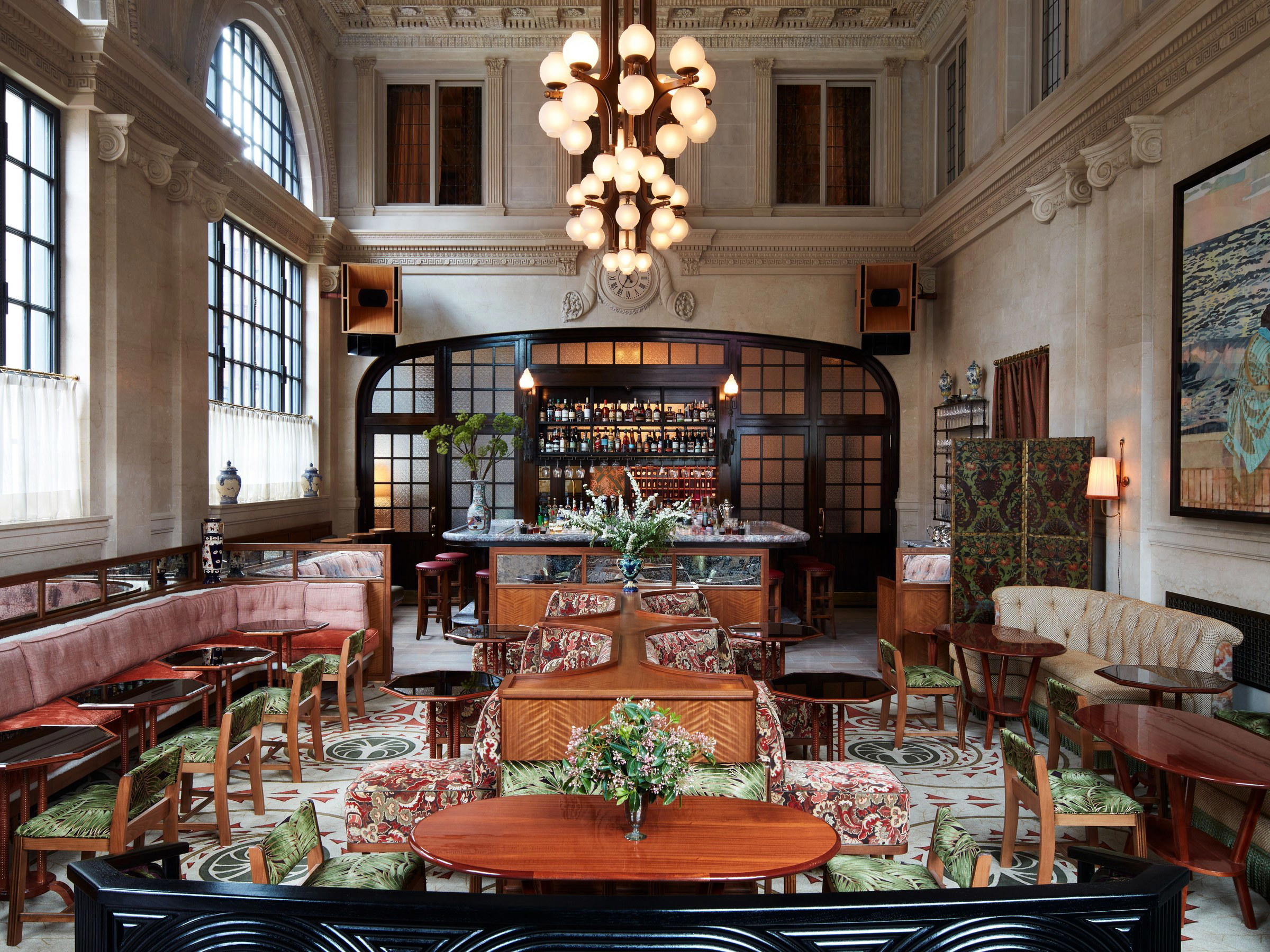
Tribeca's dining character has changed considerably over the past two decades. What was once a neighborhood defined by converted warehouses and a handful of destination restaurants has become one of lower Manhattan's more settled residential corridors, with hotel dining rooms playing a larger role in the local food ecosystem. Little Park, a restaurant at AKA Tribeca in New York City, sits inside that shift: a hotel restaurant that reads less like a lobby amenity and more like a deliberate neighborhood anchor. The physical container matters here. AKA properties are designed for longer-stay guests rather than transient traffic, and that brief tends to produce dining rooms with a different spatial logic than conventional hotel restaurants, quieter, more considered, less engineered for volume turnover.
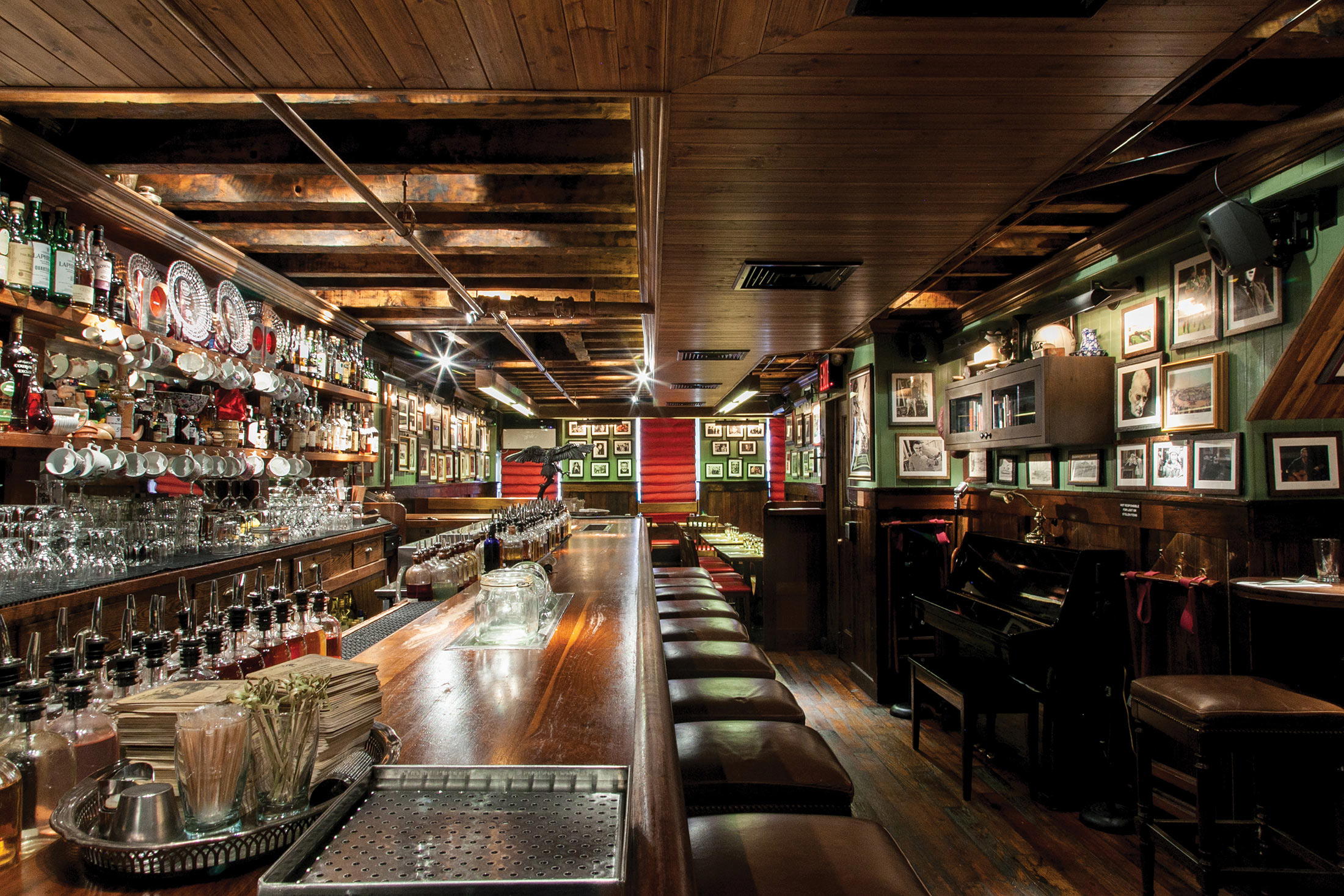
The design approach at spaces like this one reflects a broader pattern in American hotel dining. Rather than the open, buzzy atrium formats that defined hotel restaurant design in the 2000s and early 2010s, newer iterations have moved toward lower ceilings, warmer materials, and a seating density that allows for actual conversation. The result is a room that functions well for both the building's extended-stay residents and the broader Tribeca diner looking for something without the social intensity of a destination tasting counter.
Farm-Driven Cooking in a City That Does It in Many Registers
New York's farm-to-table tradition now spans an enormous range of formats, from the deeply institutional (consider Blue Hill at Stone Barns in Tarrytown, which has set the benchmark for agricultural fine dining in the wider region for over two decades) to the casual and neighborhood-oriented. Little Park operates toward the accessible end of that spectrum, where seasonal sourcing and market-driven menus are the framework rather than the marketing hook. This is a meaningful distinction. When a restaurant at this price tier commits to seasonal revision, it signals a kitchen that is genuinely managing supplier relationships rather than printing a fixed menu with a few seasonal garnish swaps.
Across the United States, the restaurants that have made farm-driven cooking most credible at the fine and near-fine dining level tend to anchor themselves in specific regional supply networks. Single Thread Farm in Healdsburg does this through an owned farm. Smyth in Chicago manages it through deep Midwest producer relationships. In New York, the Hudson Valley supply corridor has long been the primary source for restaurants making these commitments seriously, and a Tribeca address puts a kitchen within reasonable logistical reach of that network.
Where It Sits in the New York Hotel Restaurant Tier
New York hotel dining has bifurcated fairly sharply. At one end sit the formally credentialed flagship restaurants, Per Se and Le Bernardin at the $$$$ ceiling, with Michelin stars and prix-fixe formats that make them destination dining rather than hotel amenities. At the other end sit the all-day brasserie formats that serve breakfast and quick-lunch infrastructure for hotel guests. Little Park occupies the middle register: a dinner-focused room with enough culinary seriousness to attract non-hotel diners, but without the formality or price point that would place it in direct competition with the city's tasting-menu tier, which includes Atomix, Eleven Madison Park, and Masa.
That middle register is actually one of the more competitive spaces in New York dining. The city has enough serious cooks, enough restaurant-literate diners, and enough food media attention that even a moderately priced hotel restaurant faces real quality expectations. The comparable regional peer group, places like Frasca Food and Wine in Boulder, Addison in San Diego, or Providence in Los Angeles, shows how hotel-adjacent and neighborhood dining has matured across American cities. The standard for serious casual dining has risen, and New York sets a demanding version of it.
The Neighborhood Calculus
Tribeca's position at the southern end of the island shapes who eats here and when. The neighborhood draws a different demographic than Midtown's hotel dining rooms: younger finance professionals, creative industry residents, and visitors staying in lower Manhattan who would rather eat south of Canal Street than commute uptown for dinner. This gives the restaurant a more local-feeling clientele than many comparable hotel restaurants, which often skew heavily toward hotel guests. AKA's extended-stay model reinforces this: guests staying for weeks rather than nights tend to seek out neighborhood restaurants rather than staying within the hotel ecosystem, and a dining room that functions as a genuine neighborhood option serves both the hotel's guests and the surrounding blocks simultaneously.
The Tribeca-to-downtown corridor also places the restaurant near the Financial District dining circuit, which has strengthened considerably. For a broader picture of how American farm-driven cooking has developed regionwide, the trajectories of Lazy Bear in San Francisco, Emeril's in New Orleans, and The French Laundry in Napa each show a different American approach to the same core commitment to place and season. Internationally, the farm-and-territory logic is explored at a different scale entirely at Atelier Moessmer Norbert Niederkofler in Brunico and Dal Pescatore in Runate, where regional sourcing carries a deeper historical and cultural weight. And for a fine-dining hotel property that has made its address central to its identity as its kitchen, The Inn at Little Washington remains a key American reference point.
Planning Your Visit
Address: AKA Tribeca, 85 West Broadway, New York, NY 10007. Dress: Smart casual is consistent with the AKA property aesthetic and the Tribeca neighborhood tone. Budget: Positioned in the moderate-to-mid-range tier relative to New York's broader hotel dining spectrum.
Comparable Options
Comparable venues nearby, for context on price, style, and recognition.
| Venue | Cuisine | Price | Notes |
|---|---|---|---|
| Little ParkThis venue — the venue you are viewing | Seasonal American Farm-to-Table | $$$ | Not listed |
| The Parlour Room | Modern American Grill with Raw Bar | $$$ | Midtown-Times Square |
| Dolly's | Southern-inspired American Comfort | $$$ | Hell's Kitchen |
| Smoke Jazz Club | New American with Jazz | $$$ | Upper West Side-Manhattan Valley |
| Bar Hugo - Rooftop | Cocktail-focused American rooftop bar with upscale bar bites | $$$ | SoHo |
| Urban Cove Society and Kitchen | Modern American with Global Fusion | $$$ | Financial District-Battery Park City |
Continue exploring
More in New York City
Restaurants in New York City
Browse all →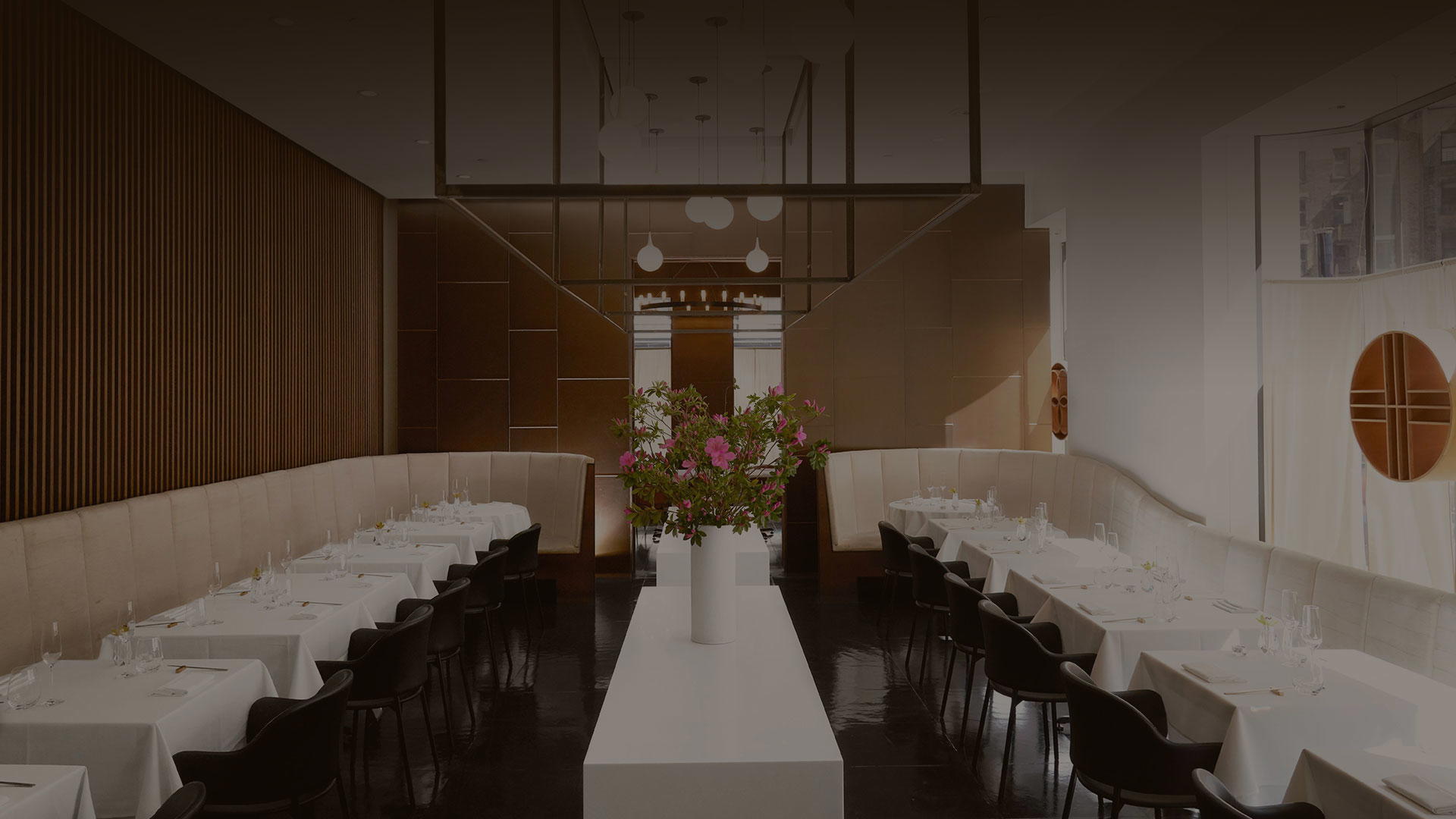
Bars in New York City
Browse all →
Hotels in New York City
Browse all →

Wineries in New York City
Browse all →


At a Glance
- Modern
- Cozy
- Brunch
- Casual Hangout
- Open Kitchen
- Farm To Table
- Local Sourcing
- Street Scene
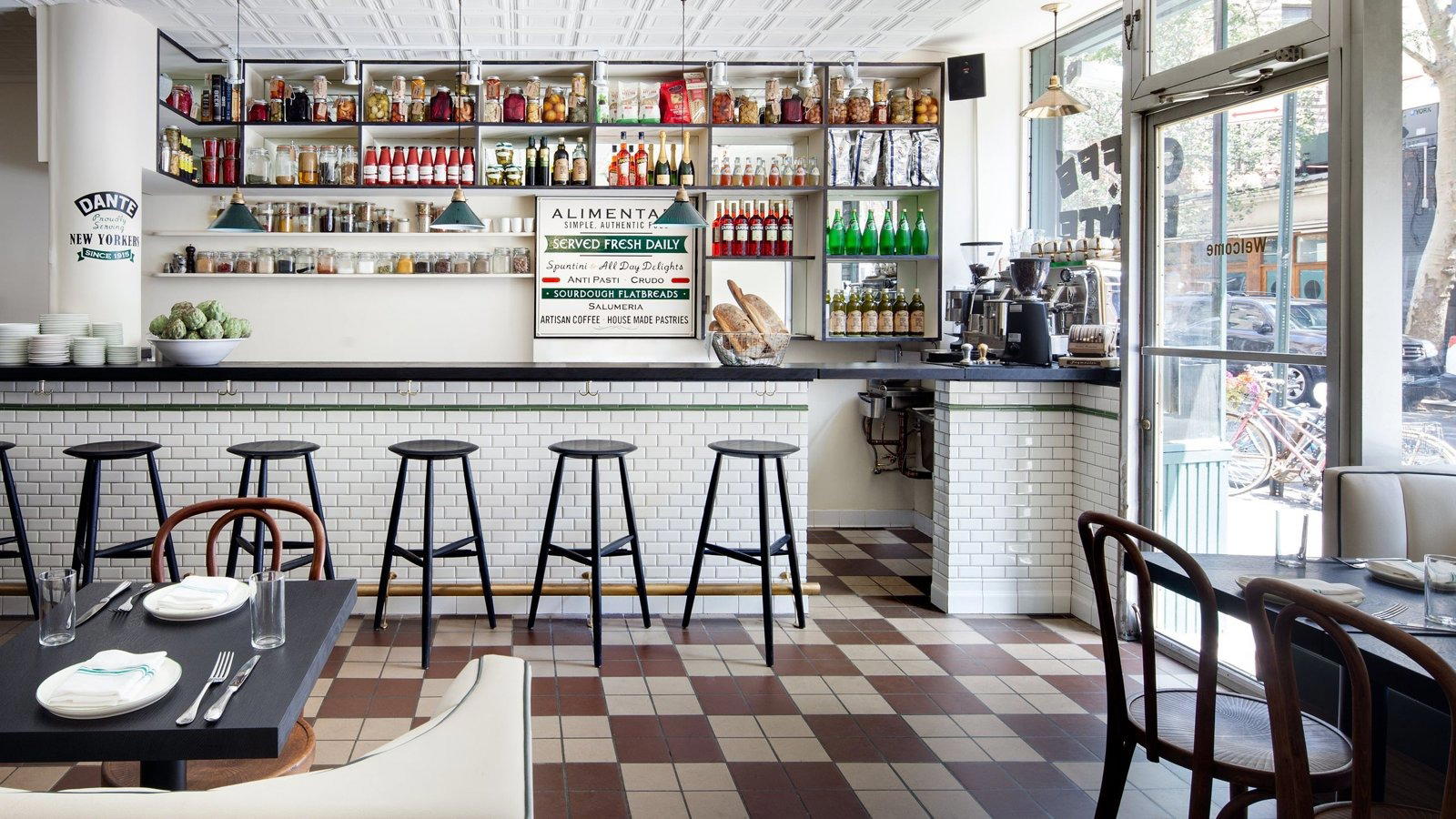
Bright and inviting with a cozy, modern atmosphere inspired by the adjacent small park.