
Tabelog 100 #23
Our verdict
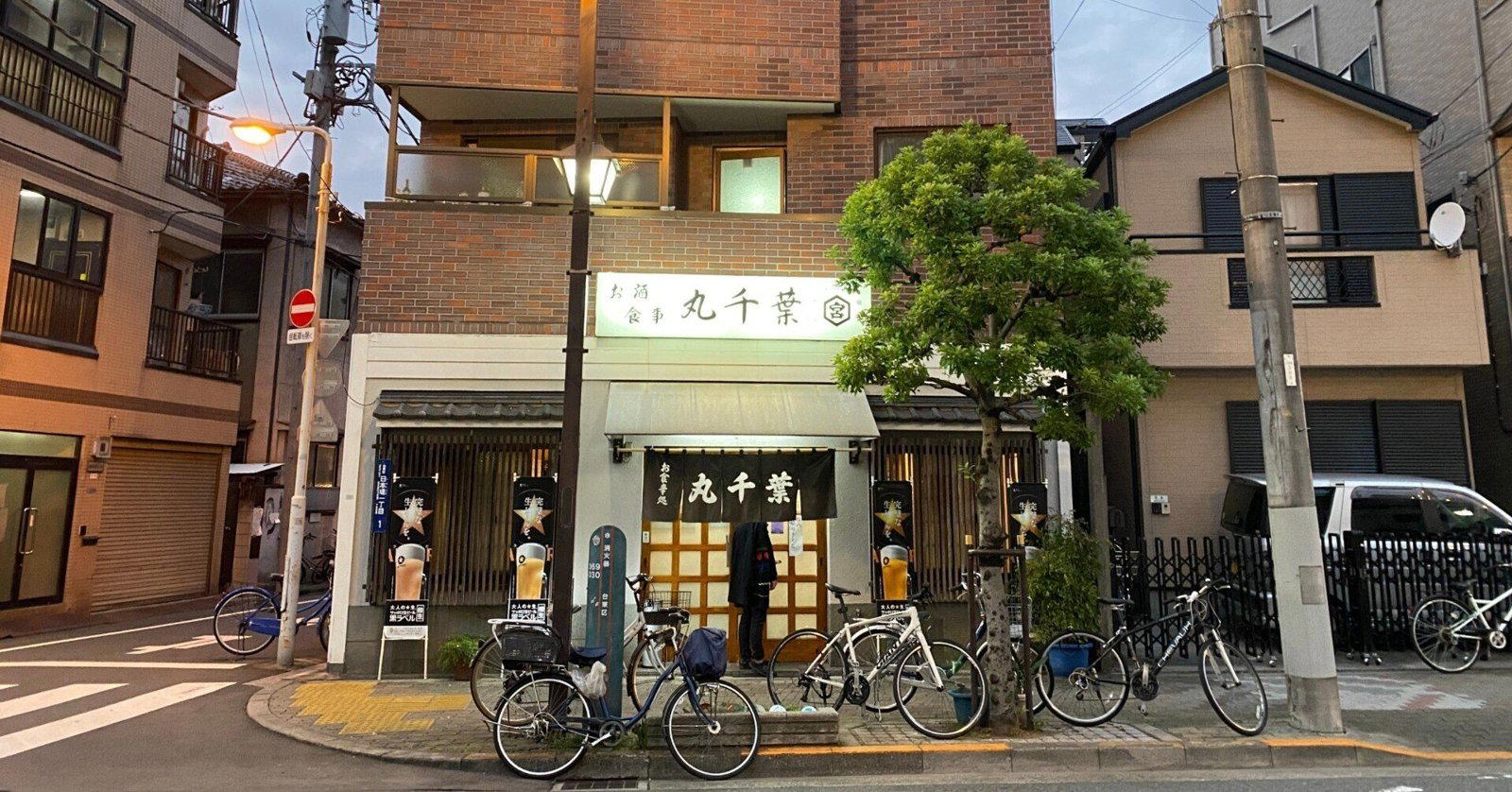
Maruchiba places Tokyo izakaya culture in its older, drink-led register: fish, sake, shochu, counter seating, and a Tabelog 100 Izakaya EAST 2025 selection rather than a chef-driven tasting format. The appeal is not polish for its own sake, but a compact Nihonzutsumi room where the cellar logic and tavern rhythm matter as much as the food.

Pearl is the En Primeur Club membership app, where members save venues, book tables and use the concierge.
The menu
What to order
- Fresh seafood sashimi
- Fried chicken karaage
- Fried oysters (seasonal)
- Nikomi stew (winter)
- Nabe hot pot (winter)
Maruchiba sits in Tokyo, outside the most familiar hotel-dining frame that shapes many visitor itineraries. The izakaya language here is plainer and more useful: a Japanese-style tavern built for drinking, eating steadily, and letting the evening find its own pace. Maruchiba belongs to that durable Tokyo category, where the room is organized around informality, appetite, and conversation rather than a formal tasting-menu script.
Drinks, shared plates, and the izakaya as a drinking room with food discipline
Tokyo izakaya culture is often misread abroad as casual dining with a drink on the side. In the stronger examples, the drink-led rhythm is the frame. Small plates, shared orders, and flexible pacing can stretch or contract depending on the table. The point is not a formal pairing structure, but a practical one. Drinks come first as social architecture, food follows as ballast and punctuation.
That matters in a city where premium dining often means fixed menus, chef counters, and reservation choreography. The izakaya counter is a different kind of luxury: fewer explanations, less ceremony, and more dependence on regulars understanding how to order. A 2025 Tabelog Hyakumeiten recognition gives Maruchiba a credible signal inside that category, particularly because izakaya recognition is harder to parse than sushi or French awards. The format is looser, the menus can change more easily, and the evaluation rests on consistency across food, drink, and room energy rather than on a single tasting-menu narrative.
The drink-led emphasis also places the restaurant in a distinct competitive set. Tokyo references such as Cafe Bach, Obana, オマージュ, Asakusa Juroku, and Asakusa Nagami point to how broad the city’s dining map becomes once the search moves beyond central luxury districts: coffee, unagi, Japanese cooking, and neighborhood tavern culture can all serve different decisions. Maruchiba is the choice when the evening should revolve around the durable grammar of the izakaya.
A compact tavern room, not a tasting-menu theater
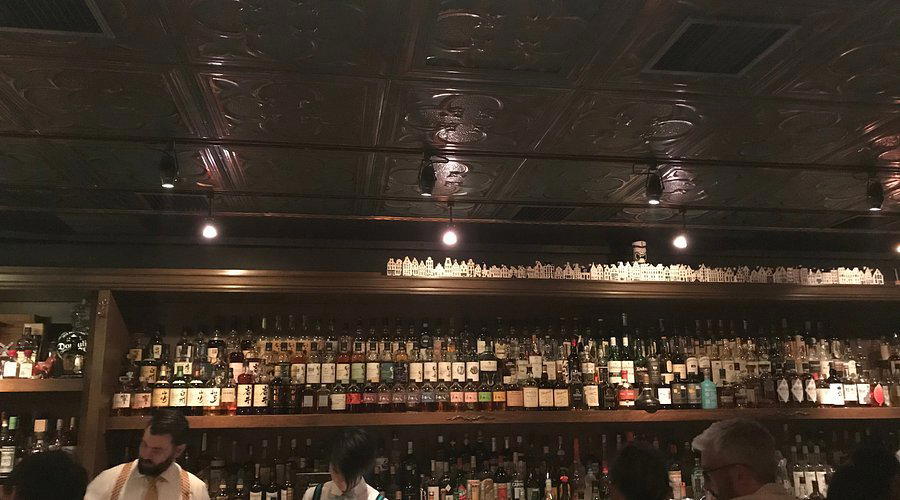
The format is concise and tavern-like, with the kind of social logic that makes izakaya dining feel different from a formal restaurant counter. Counter-style dining in Japan is not automatically a chef’s stage. In taverns, it can be more democratic, faster-moving, and less scripted. Solo diners, pairs, and small groups can all fit the rhythm, which explains why this kind of room often feels flexible even when the setting is modest.
Food-wise, the public positioning is clear enough without inventing signature dishes: Maruchiba is categorized as an izakaya, a Japanese-style tavern. That matters more than a list of unverified specialties. In Tokyo, tavern seasonality is often expressed through categories, shared plates, and cooking methods as much as through named luxury ingredients. The useful way to approach the meal is to let the room’s izakaya structure guide the ordering rather than arrive expecting a fixed progression.
Maruchiba’s appeal sits in that balance between recognition and informality. The Tabelog score of 3.64 and 2025 Hyakumeiten recognition give measurable support, but the room remains in the tavern register rather than the destination-restaurant register. That distinction is useful for travelers. This is not the place to look for a heavily narrated, plated progression. It is the place to understand why Tokyo izakaya can be more culturally revealing than a more polished dining room.
How to place it within a Tokyo eating trip
For an itinerary, this is a strong counterweight to higher-priced counters and formal Japanese meals. Pairing an izakaya like this with sushi, soba, unagi, or other Tokyo dining gives a clearer reading of the city than stacking multiple prestige reservations in the same week. The setting matters too: Tokyo’s older commercial and residential rhythms tend to support taverns differently from districts built around expense accounts, and Maruchiba belongs to that more grounded side of the map.
Planning should be pragmatic. The format favors parties that can order with focus rather than linger over a sprawling table plan, and the recognition means it should not be treated as an anonymous drop-in tavern. The listed budget is Dinner: JPY 4,000 - JPY 4,999; Lunch: JPY 4,000 - JPY 4,999, which places it in a useful middle band for a Tokyo izakaya meal. Treat the evening as a drink-led meal, not as a quick pre-dinner stop.
Readers building a wider Tokyo map can compare the city’s dining range through Our full Tokyo restaurants guide, then place it alongside category-specific references such as other Tokyo dining rooms and casual stops. For the rest of the city plan, use the broader EP Club Tokyo guides to hotels, bars, wineries, and experiences. Beyond Tokyo, EP Club’s Japan and broader restaurant coverage includes additional city guides and restaurant references without needing to treat them as direct comparisons for Maruchiba.
Reputation Context
Comparable venues side-by-side for orientation.
| Venue | Cuisine | Price | Awards | Notes |
|---|---|---|---|---|
| MaruchibaThis venue (the venue you are viewing) | Classic Tokyo Izakaya & Seafood Tavern | $30–50 | Tabelog 100 #23 | Not listed |
| Asakusa ASA Tora | Seafood-focused Japanese izakaya & sushi | $30–50 | Tabelog 100 #75 | Taitō |
| Shinsuke | Traditional Japanese Izakaya | $30–50 | Tabelog 100 #56 | Bunkyō |
| Amanoya | Traditional Japanese sweets café & okonomiyaki | $20–30 | Tabelog 100 | Chiyoda |
| 源氏香 | Japanese Omakase | Not listed | Not listed | Chūō |
| Chosei An | Tsukiji soba-ya izakaya with seafood donburi | $20–30 | Tabelog 100 #49 | Chūō |
Recognition history
Dated appearances from independent guides and award organizations, with the underlying list record or original source where available.
Tabelog 100 #23 · No. 23
Tabelog · Tabelog 100 - Izakaya - EAST - 2025
Continue exploring
More in Tokyo
Restaurants in Tokyo
All restaurants in Tokyo →











Details
- Lively
- Cozy
- Classic
- Energetic
- Casual Hangout
- After Work
- Group Dining
- Solo
- Family
- Standalone
- Chefs Counter
- Sake Program
- Beer Program
- Sustainable Seafood
- A La Carte
- Small Plates
- Counter Dining
- Sake
- Shochu
- Beer
- Pescatarian Friendly
Current opening hours
- Monday
- 2–9 PM
- Tuesday
- 2–9 PM
- Wednesday
- Closed
- Thursday
- 2–9 PM
- Friday
- 2–9 PM
- Saturday
- 2–9 PM
- Sunday
- 2–9 PM
Hours can change for holidays and private events. Hours as of .