
Tabelog 100 #13
Our verdict
Tonkatsu Aoki Ginza 8 chome ten brings a specialist pork-cutlet format into Ginza’s border with Shimbashi, where quick daytime eating and after-work dining overlap. Its Tabelog Tonkatsu 100 selections in 2018, 2019, 2021, 2022, 2024 and 2026 place it in the serious Tokyo tonkatsu conversation rather than the casual fry-shop category.

Pearl is the En Primeur Club membership app, where members save venues, book tables and use the concierge.
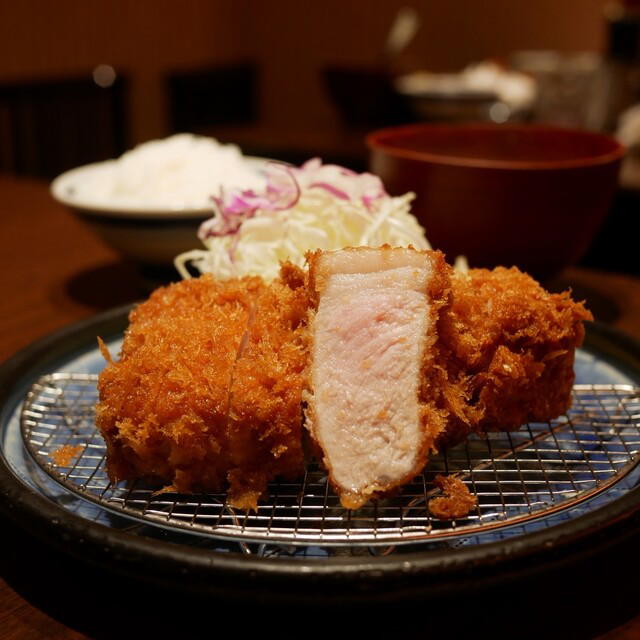
The menu
What to order
- Tonkatsu
- 林SPF pork tonkatsu
- Premium pork cutlet set
In Tokyo, the mood can shift quickly from big-city polish to the tighter rhythm of a specialist meal. Tonkatsu in Tokyo rewards that compression: a focused format, a fryer-led discipline, diners who understand that pork cutlet is not a generic comfort dish but a genre with its own hierarchy of meat, coating, oil management and timing. Tonkatsu Aoki Ginza 8 chome ten belongs to that school, where the format is narrow by design and the decision is less about browsing a menu than choosing how seriously to take lunch or dinner.
Tokyo tonkatsu works differently at noon and after dark
The lunch-versus-dinner divide matters in Tokyo because the city changes character by the hour. Daytime Tokyo is efficient: office workers, shoppers and travellers moving between appointments, with meals expected to be direct and disciplined. Evening Tokyo carries a different weight, when the after-work crowd turns parts of the city less ceremonial and more appetite-driven. A tonkatsu specialist in this setting has to satisfy both tempos without becoming two different restaurants.
That is why the format reads as more useful than grand. Tokyo’s high-end dining reputation often leans on formal counters, refined Japanese dining rooms and higher-spend tasting menus; tonkatsu occupies another lane, one where repetition and control are the critical markers. Tabelog’s Tonkatsu 100 selection in 2026 gives this restaurant a clear credential inside that specialist lane. The score of 3.71 also matters in context: Japanese review culture tends to compress ratings, and category-specific recognition often says more than a broad popularity metric.
Lunch is the sharper value play, because tonkatsu travels poorly as a prestige idea but works brilliantly as a focused midday meal. Dinner changes the frame. The same cutlet format becomes a slower, more deliberate choice after the city’s daytime pace has thinned and evening dining traffic takes over. The appeal is not theatrical tasting-menu pacing; it is the confidence of a restaurant built around a single Japanese staple and judged against other specialists doing the same work.
The serious tonkatsu test is restraint, not novelty
Tonkatsu looks simple until it is placed beside weaker versions. The category depends on balance: pork with enough presence to justify the fryer, panko that protects rather than smothers, and service timing that keeps the dish from turning heavy. Tokyo diners tend to read those signals quickly. In a city where counter-style dining can carry many meanings, tonkatsu has its own code, more democratic in price and less formal in ritual, but no less demanding when the kitchen is chasing precision.
This is where Tokyo’s broader dining mix is useful context. Kyubey speaks to the city’s polished dining tradition; FARO and Paris Yugao show its appetite for higher-spend formats; Cafe Paulista anchors a different café rhythm; Ginza Fukuju sits in another Japanese dining bracket. Against that spread, a dedicated tonkatsu room offers a different kind of luxury: not ceremony, but specialization. The point is not to compete with more formal meals on ceremony. The point is to make pork cutlet feel like a category worthy of a detour inside a city crowded with more expensive signals.
The format reinforces that reading. The experience is closer to a compact specialist shop than a flexible group restaurant. That has consequences for how to use it. Solo diners and pairs fit the rhythm naturally; larger parties should think carefully about timing and expectations. The meal works best when guests accept the public cadence of a focused tonkatsu setting rather than expecting the seclusion or flexibility of a broader-format restaurant.
How it fits into a Tokyo eating day
For travellers, the smart use case is to treat this as a Tokyo meal rather than a destination that consumes half a day. It pairs logically with a Tokyo itinerary: galleries, retail, hotel check-ins, or a later bar plan. The restaurant’s appeal is strongest when placed between bigger commitments, especially for diners who want one precise Japanese specialty without committing to a long tasting menu.
The choice between lunch and dinner should follow the day’s structure. Lunch gives the clearer contrast between cost, speed and craft; dinner suits diners already in Tokyo who want a specialist meal without the choreography of formal fine dining. Either way, the category sets the expectation. This is not a place to search for breadth. It is for reading how Tokyo treats a familiar dish when the kitchen is built around doing one thing with discipline.
For a wider Tokyo itinerary, compare the mood with other Tokyo dining rooms across casual, specialist and higher-spend formats. Broader planning sits in Our full Tokyo restaurants guide, with parallel city coverage in Our full Tokyo hotels guide, Our full Tokyo bars guide, Our full Tokyo wineries guide and Our full Tokyo experiences guide. For Japan and overseas contrasts, look more generally at how focused local specialties sit beside café culture, counter dining, casual meals and city-specific drinking rooms.
Quick Comparison
Comparable venues for orientation by cuisine and category.
| Venue | Cuisine | Price | Awards | Notes |
|---|---|---|---|---|
| Tonkatsu Aoki Ginza 8 chome tenThis venue (the venue you are viewing) | Japanese Tonkatsu | $20–30 | Tabelog 100 #13 | Not listed |
| HIKINIKU TO COME (挽肉と米) | Hamburger steak set menu (Japanese-style) | $20–30 | Tabelog 100 #59 | Shibuya |
| Ginza Kagari - Soba | Chicken Tori Paitan Ramen | $10–20 | Not listed | Chūō |
| Takeno | Traditional Tsukiji seafood shokudo / izakaya | $30–50 | Tabelog 100 #94 | Chūō |
| Tsukiji Nagaya 6-7-7 | Fugu-focused Japanese Tachinomi | $30–50 | Tabelog 100 #33 | Chūō |
| TORAYA TOKYO | Traditional Japanese Wagashi & Tea Café | $20–30 | Tabelog 100 #64 | Chiyoda |
Recognition history
Dated appearances from independent guides and award organizations, with the underlying list record or original source where available.
Tabelog 100 #13 · No. 13
Tabelog · Tabelog 100 - Tonkatsu - 2026
Continue exploring
More in Tokyo
Restaurants in Tokyo
All restaurants in Tokyo →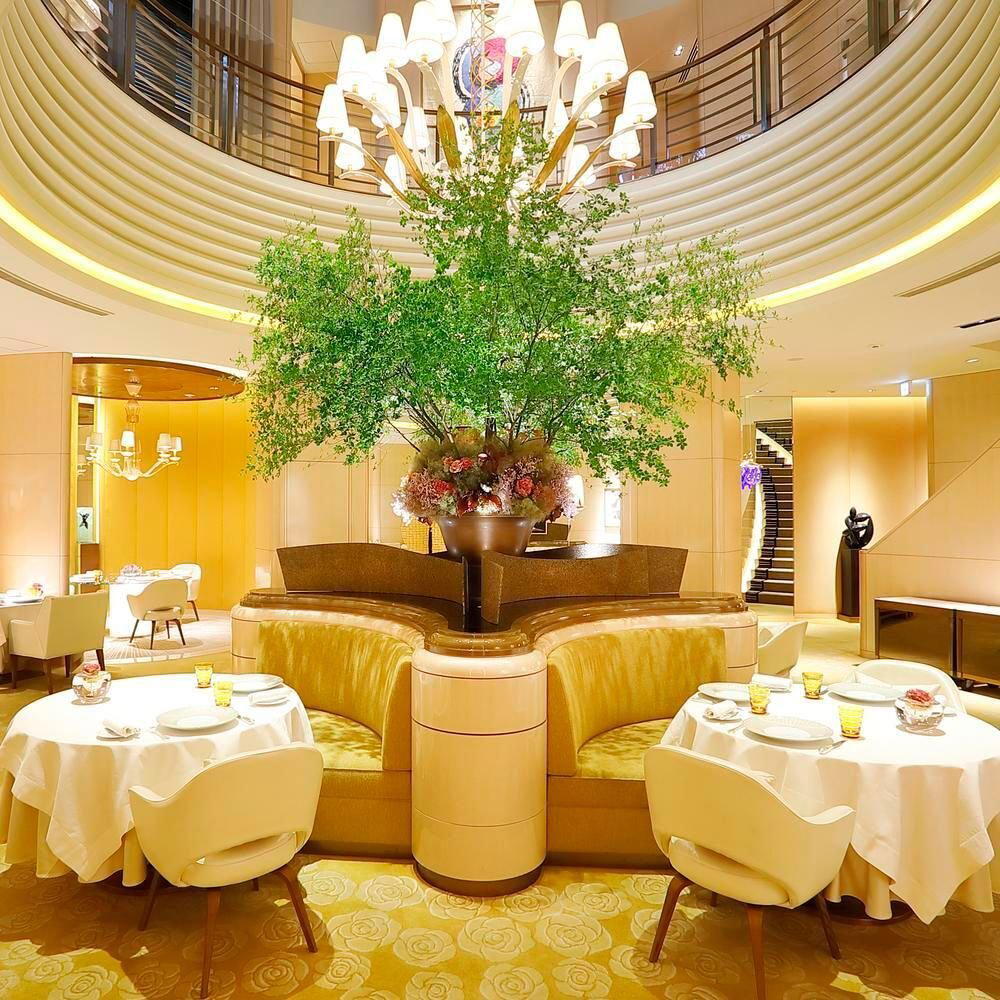
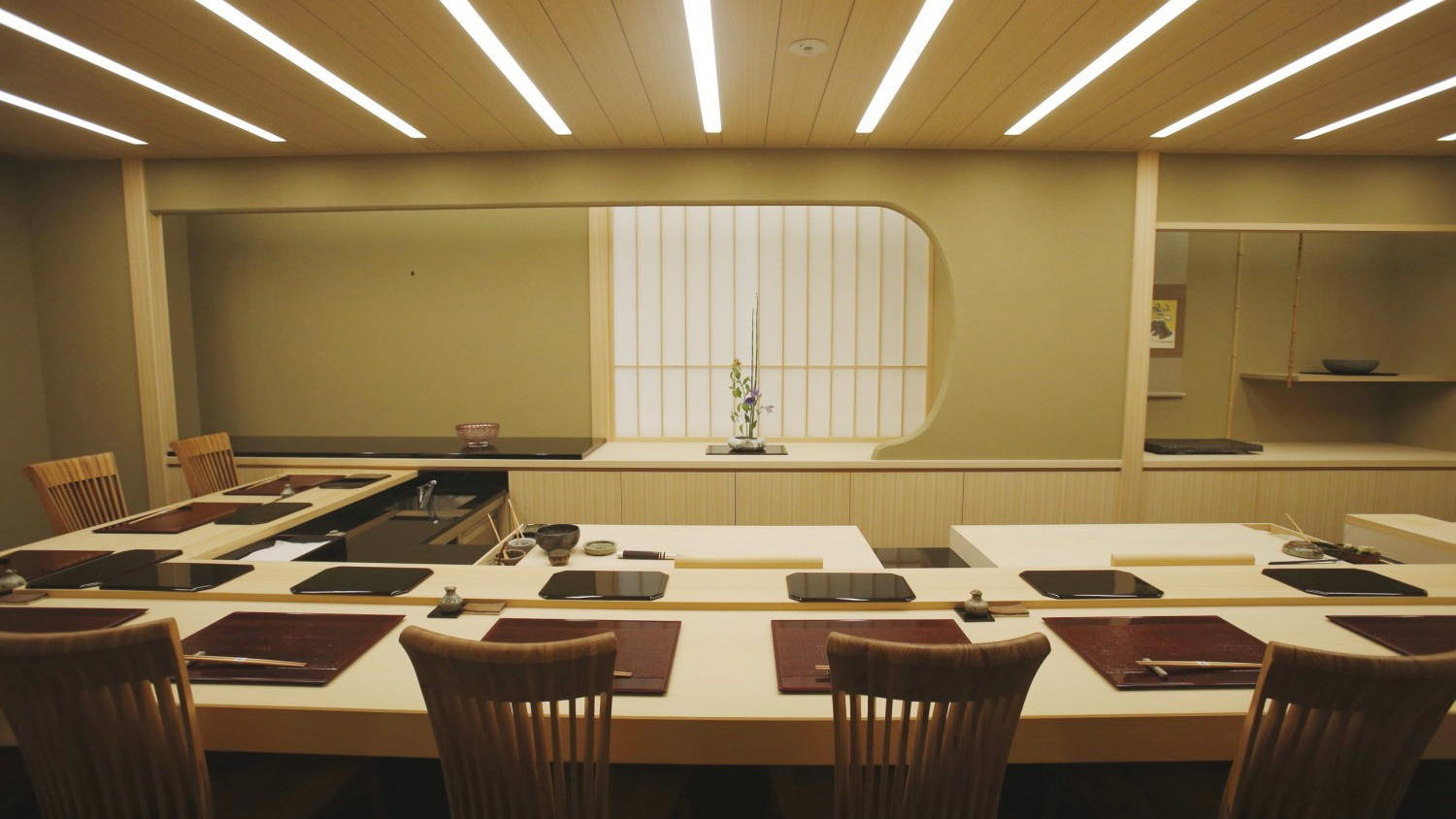

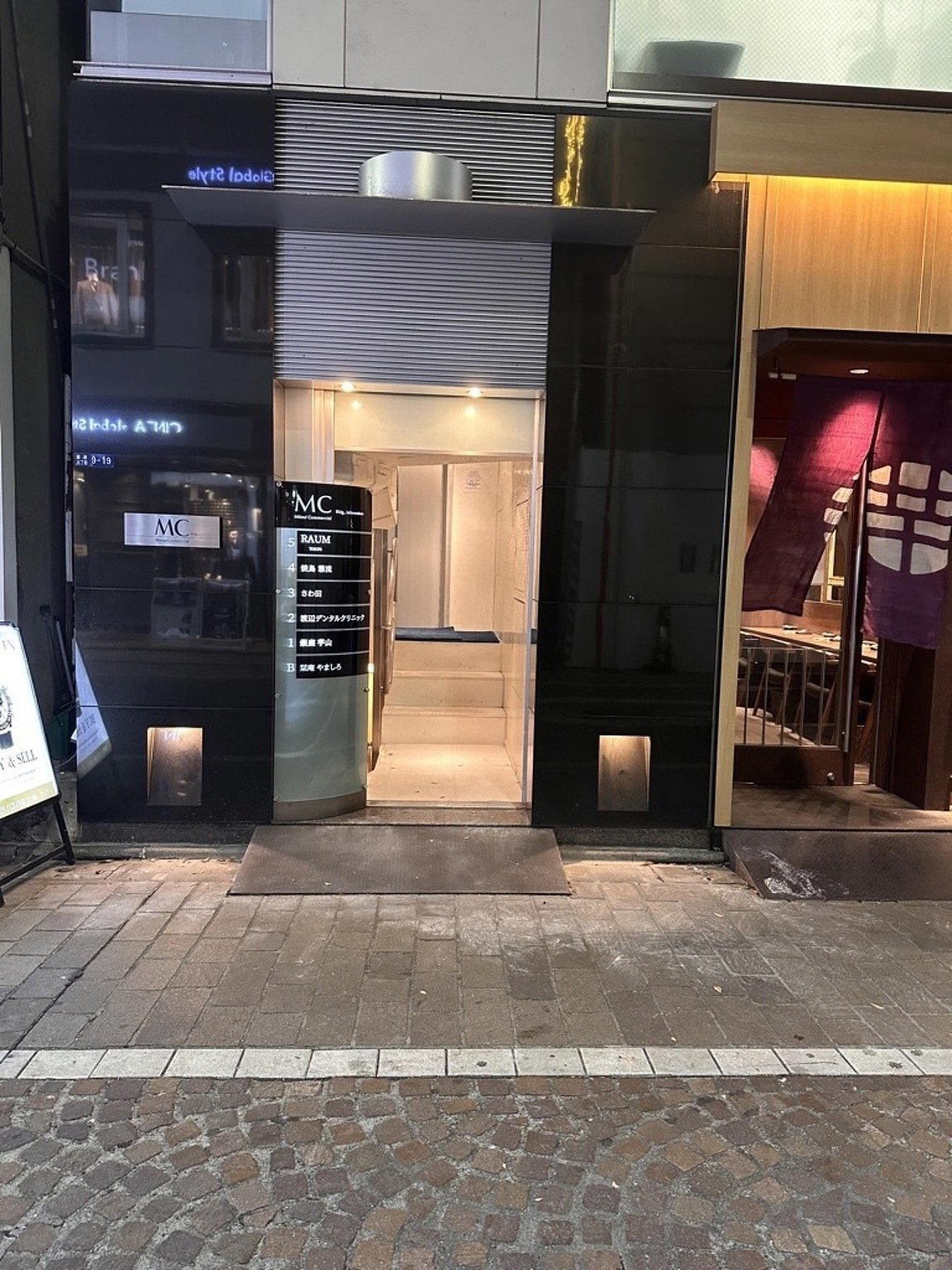
Bars in Tokyo
All bars in Tokyo →
Details
- Quiet
- Classic
- Intimate
- Cozy
- Solo
- Casual Hangout
- Standalone
- Beer Program
- Local Sourcing
- A La Carte
- Set Menu
- Beer
- Gluten Free Options
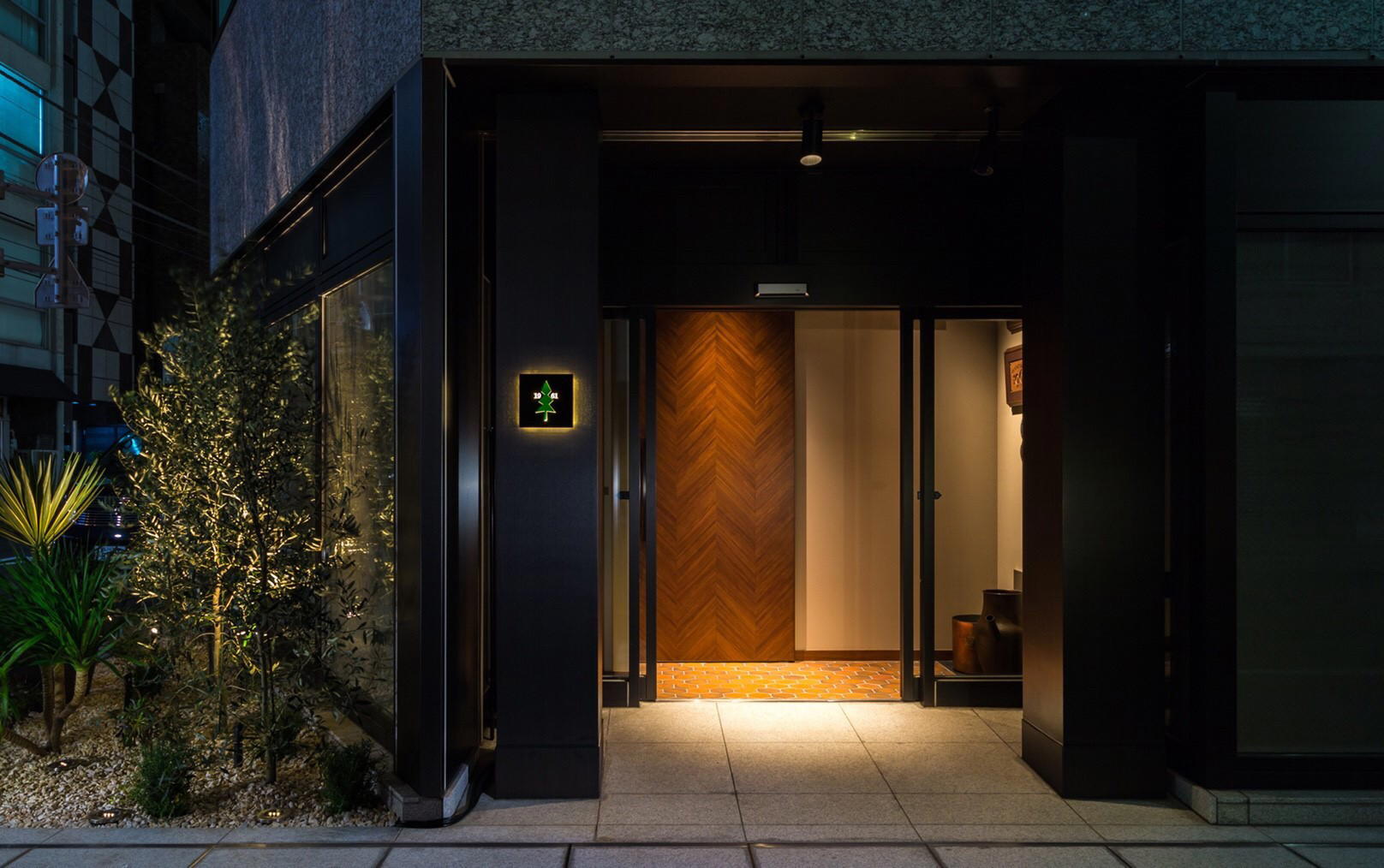
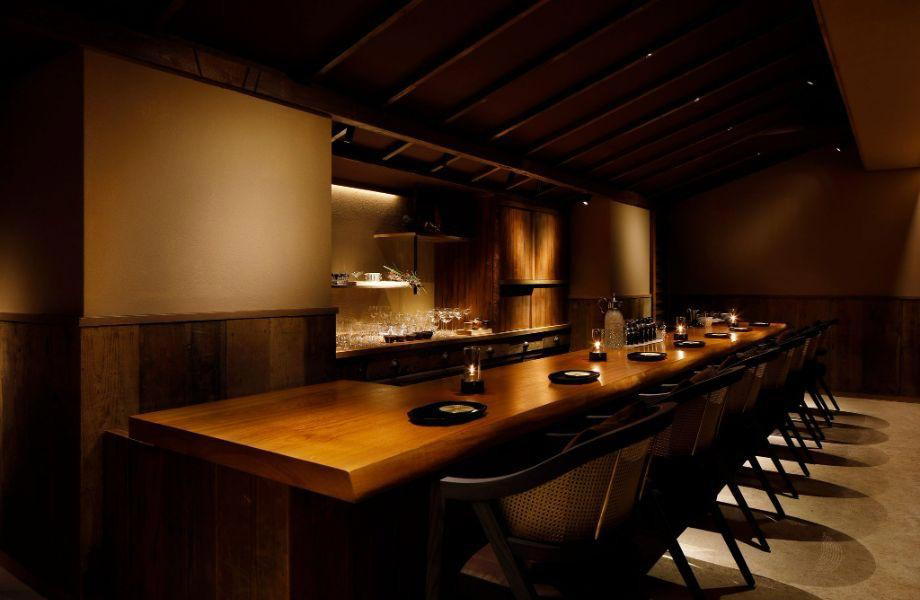
A calm, understated, and focused tonkatsu shop atmosphere rather than a flashy dining room, with a quiet, intimate feel.