
Tabelog 100 #64
Our verdict
TORAYA TOKYO puts Japanese traditional sweets inside the composed setting of Tokyo Station Hotel, making wagashi feel less like a souvenir counter and more like a pause in Marunouchi’s transit-heavy day. Its Tabelog Cafe EAST “Tabelog 100” 2025 selection, 48-seat room, and focus on cafe, wagashi, and kakigori place it in a precise Tokyo category: formal enough for a planned stop, accessible enough for midday use.

Pearl is the En Primeur Club membership app, where members save venues, book tables and use the concierge.
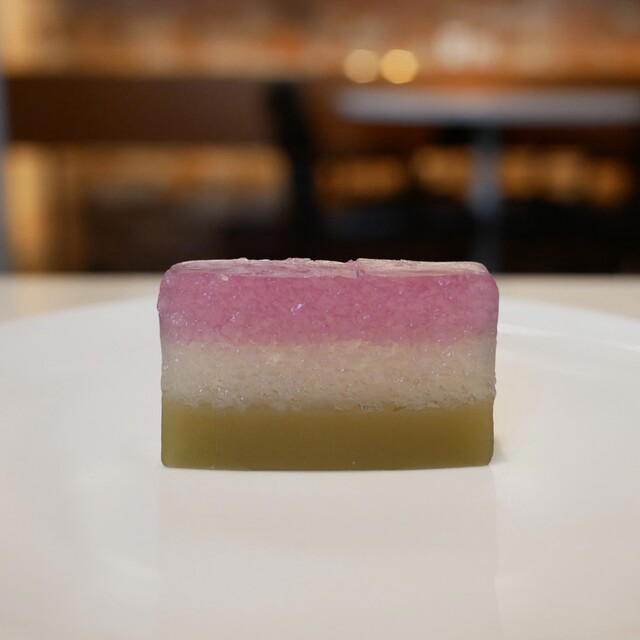
The menu
What to order
- Anmitsu
- Wagashi assortment
- Matcha with seasonal nerikiri
Tokyo is built for movement: rail connections, concourses, hotel corridors, and office workers crossing the city at a disciplined pace. Inside that infrastructure, TORAYA TOKYO offers another rhythm. The experience is better understood as a composed cafe pause than as a street-level grab-and-go stop, so the visit starts with a change of tempo: a calm setting, an emphasis on Japanese sweets, and the sense that wagashi can hold its own in a room made for lingering rather than turnover.
That container matters in Tokyo, where sweets culture splits across department-store counters, tea salons, hotel lounges, and neighborhood kissaten. Visitors often treat wagashi as boxed gifts, but stronger Tokyo rooms make it a seated ritual, giving seasonal Japanese confectionery, shaved ice, and tea time the spatial seriousness the city gives sushi counters and kaiseki dining rooms. TORAYA TOKYO sits in that salon-like lane, not a purely transactional snack format, and the distinction shapes expectations.
A Tokyo tea room that treats wagashi as part of the city’s daily architecture
Tokyo has polished dining, but its strength is context rather than spectacle: transit, offices, hotels, and service cultures that use calm as a language. Here, a traditional sweets cafe reads differently from a retail-basement counter. The appeal is not simply what is ordered, but the way a pause for tea, Japanese confectionery, or shaved ice can become part of a city day rather than an errand between appointments.
The menu category is specific: cafe, Japanese traditional sweets, and kakigori. That places it lighter than Tokyo’s formal restaurants, but above the casual snack bracket of station vendors. Comparisons within Tokyo can include Naruto Kintoki Honpo Kurio Shoten Guransuta ten and Zopf Curry Pan Senmon Ten Guransuta ten for more quick-stop station energy, while Oak, Cantonese en, and TOYOKEN Toukyou sute-shon point to different dining registers. TORAYA TOKYO’s own listed price band is JPY 1,000 to JPY 1,999, keeping it accessible while still feeling like a deliberate stop.
The Tabelog Hyakumeiten 2025 recognition gives the room a public signal beyond brand familiarity, alongside a listed score of 3.82. For Tokyo travelers, that matters because cafe recognition in Japan can cover patisserie counters, kissaten, coffee specialists, dessert cafes, and tea-focused rooms. A wagashi-led cafe occupies a narrower cultural lane than espresso-driven rooms or Western pastry salons, and TORAYA TOKYO’s listing places it clearly within cafe, Japanese traditional sweets, and kakigori rather than a broader dining category.
The design argument is restraint, not drama
Tokyo’s theatrical cafes often sell a visual concept first, where the room draws attention before the order. TORAYA TOKYO moves the other way. Its setting is best read through calm functional signals: a composed cafe format, a focus on sweets and tea, and a pace that lets the order remain the point. The attraction is not novelty, but proportion, quiet, and a format that lets wagashi read as design.
That restraint matches the discipline of Japanese sweets. Wagashi depends on seasonality, shape, bean paste, rice flour, agar, sugar work, and reference, but the cafe benefits from a room that does not compete with the plate. Kakigori has become one of Tokyo’s serious dessert formats, with specialist shops drawing attention in warmer months, yet a tea-room setting changes the tempo. Here, shaved ice sits alongside traditional sweets rather than as a standalone summer chase. The result suits travelers seeking the cultural grammar of Japanese confectionery without committing to a formal tea ceremony or a dessert-only pilgrimage across town.
The design is socially flexible in tone. The better reading is public salon rather than secluded dining room: refined, but not dependent on ceremony or exclusivity to make its case. In Tokyo hospitality, that distinction matters. A venue can feel considered without asking guests to treat a sweets stop like a major dinner reservation.
How it fits into a Tokyo food day
The strongest use case is a calibrated break in a food itinerary, not the anchor meal. Tokyo rewards precision: sushi, yakitori, curry, ramen, and sweets carry their own codes, and the city works as a hinge between errands, hotels, shopping, and transfers. Pair this stop with other Tokyo dining rooms, a check-in, or a pause before a more meal-driven address. For later-night contrast, unnamed bars and casual rooms point to a different Tokyo rhythm entirely.
Editorially, the room’s value is clarity. It does not ask travelers to decode a chef’s tasting menu, chase a counter seat, or dress for a lounge pretending to be grander than it is. It offers a focused Japanese sweets category, Tabelog Hyakumeiten 2025 recognition, and a Tokyo setting for visitors who care about space as much as flavor. The price band keeps it useful; the sweets focus keeps it distinct.
For broader Tokyo planning, use Our full Tokyo restaurants guide alongside Our full Tokyo hotels guide, Our full Tokyo bars guide, Our full Tokyo wineries guide, and Our full Tokyo experiences guide. Regional comparisons sharpen the category further: unnamed cafes, sweets counters, bars, and casual dining rooms show how Japanese formats shift when setting, city, and service model change.
Frequently asked questions
Is TORAYA TOKYO more mid-range or high-end?
Pricing at TORAYA TOKYO is listed as JPY 1,000 - JPY 1,999.
Where is TORAYA TOKYO located?
Tokyo.
Do I need a reservation for TORAYA TOKYO?
Check TORAYA TOKYO’s official channels for the latest visit details. Public listing information places it in Tokyo, with a listed lunch budget of JPY 1,000 - JPY 1,999.
What is TORAYA TOKYO known for?
TORAYA TOKYO is listed as a cafe for Japanese traditional sweets and kakigori. It also received Tabelog Hyakumeiten 2025 recognition.
Can TORAYA TOKYO adjust for dietary needs?
For specific dietary requirements, the website and phone contact +81-3-5220-2346 are the clearest starting points. Check the venue's official channels for the latest details.
Is TORAYA TOKYO good for families?
TORAYA TOKYO is a Tokyo cafe listed for Japanese traditional sweets and kakigori. For family-specific needs, check the venue’s official channels before visiting.
Peers You’d Cross-Shop
Comparable venues by category and price.
| Venue | Cuisine | Price | Awards | Notes |
|---|---|---|---|---|
| TORAYA TOKYOThis venue (the venue you are viewing) | Traditional Japanese Wagashi & Tea Café | $20–30 | Tabelog 100 #64 | Not listed |
| Hana Goori Kakigori | Japanese Kakigori (Shaved Ice) | $20–30 | Not listed | Roppongi |
| Ponchi Ken | Tonkatsu & Pork Shabu by Western-Cuisine Chef | $20–30 | Tabelog 100 #32 | Chiyoda |
| Kusa Makura | Japanese Kissaten / Coffee Shop | Not listed | Tabelog 100 | Minato |
| Ochanomizu Ogawa Ken | Japanese Western / Yoshoku Cafe | $10–20 | Tabelog 100 #64 | Bunkyō |
| Fujiya Honten Nihonbashi hamacho | Modern Izakaya with French Influence | $30–50 | Tabelog 100 #11 | Chūō |
Recognition history
Dated appearances from independent guides and award organizations, with the underlying list record or original source where available.
Tabelog 100 #64 · No. 64
Tabelog · Tabelog 100 - Cafe - EAST - 2025
Continue exploring
More in Tokyo
Restaurants in Tokyo
All restaurants in Tokyo →
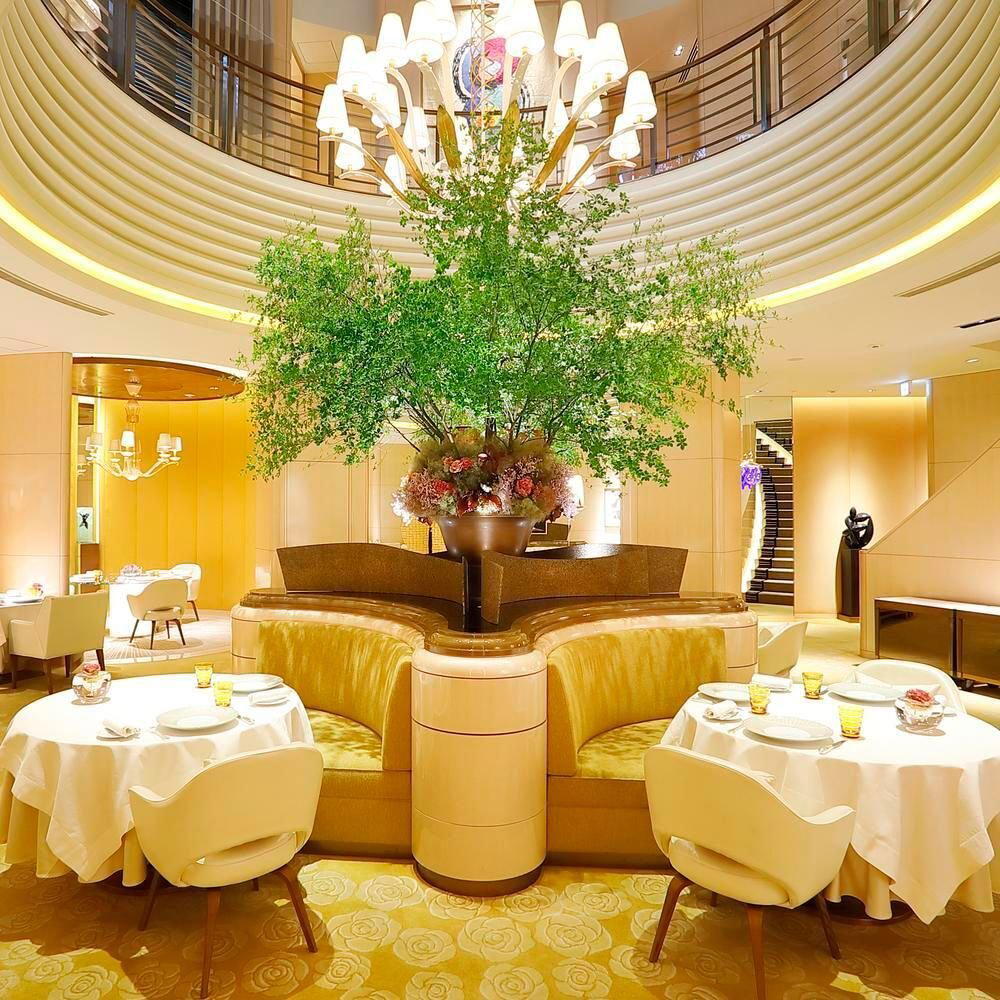
Bars in Tokyo
All bars in Tokyo →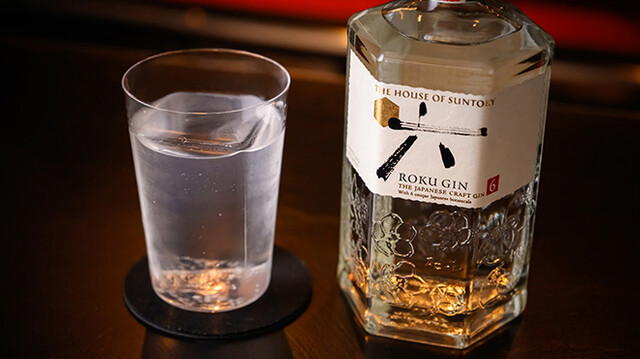



Details
- Quiet
- Elegant
- Classic
- Cozy
- Well Known
- Solo
- Family
- Casual Hangout
- After Work
- Standalone
- Design Destination
- A La Carte
- Tea
- Vegetarian Friendly
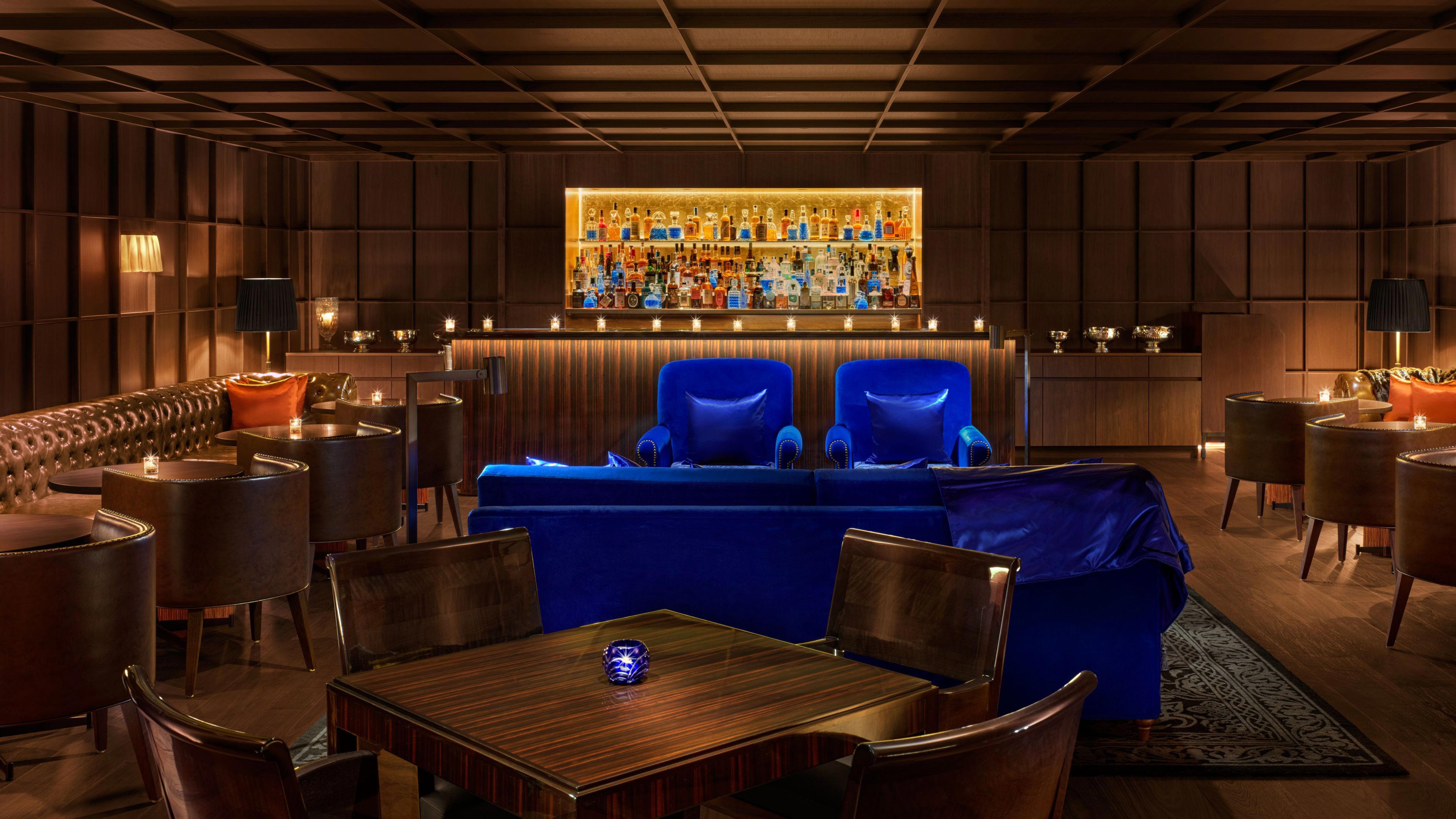
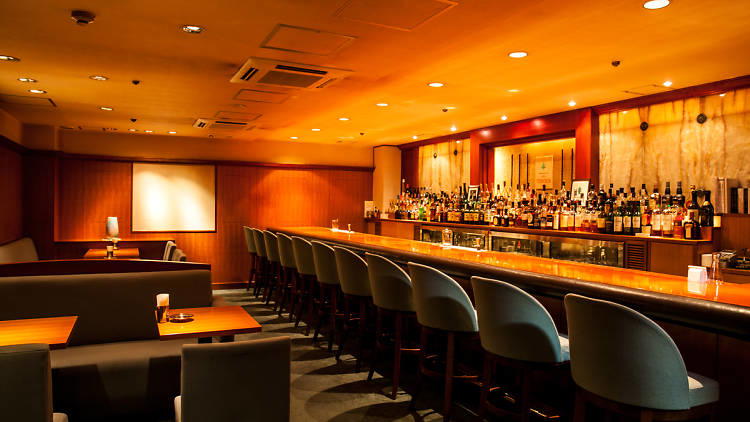
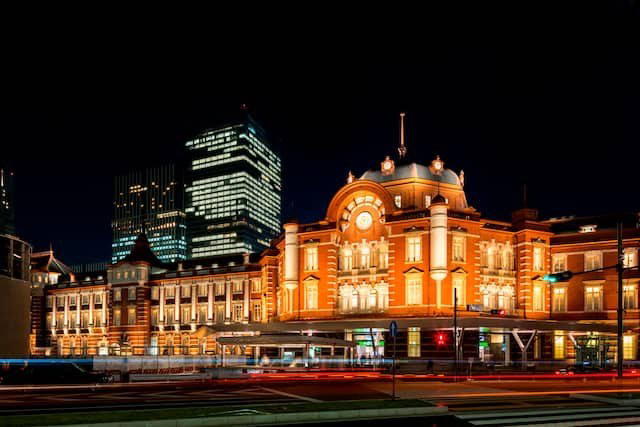
Calm and refined tea-house atmosphere with clean, modern-classic design, soft lighting, and a quiet, contemplative mood that contrasts with the bustle of Tokyo Station.