.png)
A Michelin Plate-recognised Cantonese address in Guangzhou's Yuexiu District, Tongtown operates at the accessible end of the city's serious dining tier, with a Google rating of 4.8 from reviewers. The setting and format are built around the communal rhythms of a shared Cantonese table: rotating dishes, layered courses, and the kind of institutional familiarity that defines the city's most-trusted neighbourhood dining rooms.
 Discover on Pearl
Pearl is the En Primeur Club membership app — saves, bookings, and concierge access live there. Same editors, same standards.
- Address
- 588 Huifu E Rd, Yuexiu District, Guangzhou, Guangdong Province, China, 510115
- Phone
- +86 181 8880 0638
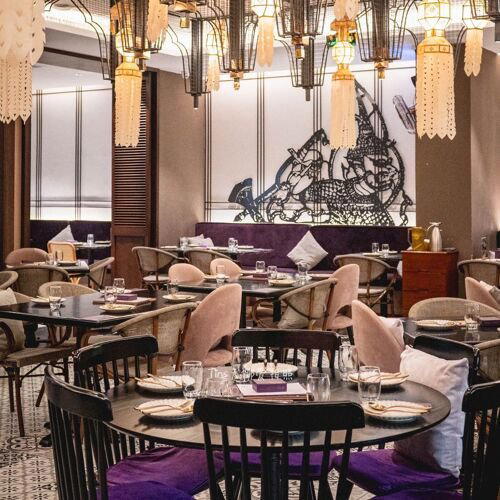
The Cantonese Banquet Tradition and Where Tongtown Sits Within It
Guangzhou's dining culture is, at its core, a culture of the table. Not the individual plate, not the tasting counter, not the chef's arc from apprentice to auteur, but the communal lazy Susan, the succession of shared dishes arriving in a rhythm that requires a kind of collective attention from everyone seated. This is the form that defines the city's restaurants more than any other, and it is the form against which every serious Cantonese address in Guangzhou must be measured.
Tongtown, at 588 Huifu East Road in Yuexiu District, operates firmly within this tradition. Recognized with a Michelin Plate in the 2025 guide, it sits among Guangzhou restaurants that have earned formal attention without reaching the starred bracket occupied by addresses like Jiang by Chef Fei or Lai Heen. A Michelin Plate signals that the kitchen is cooking to a consistent standard worth tracking, a meaningful credential in a city where the competition for Cantonese diners is as serious as anywhere in China.
At about $80 per person, it sits well below the ¥¥¥ tier of peers such as Imperial Treasure Fine Chinese Cuisine or Jade River. That gap matters in practical terms: Tongtown occupies the space where serious Cantonese cooking becomes accessible to a broader dining public, rather than being reserved for banquet budgets and corporate entertaining. In Guangzhou, that accessibility is not a compromise, it is a different kind of promise.
The Logic of the Shared Table
Cantonese banquet culture developed over centuries around the logic of abundance and choreography. A well-run shared table is a managed event: dishes arrive in an order that respects the palate's progression, the lazy Susan turns at a pace that keeps everyone in sync, and the meal accumulates in a way that no single diner could achieve by ordering alone. The pleasure is collective. The skill of the kitchen shows not in a single set piece but across the full arc of the meal.
This format places specific demands on a restaurant. A kitchen producing for communal tables must maintain quality across a wide range of simultaneous preparations. The timing between courses, the temperature management of dishes that will sit briefly on a rotating platform before reaching each diner, the balance of flavours across a sequence that might include steamed seafood, roasted meats, stir-fried vegetables, and soupy rice, all of these require a different kind of discipline than the precision plating of a tasting menu counter.
Tongtown's Michelin Plate recognition, sustained into 2025, suggests the kitchen is meeting that discipline at a consistent level. A Google rating of 3.0 from 4 reviews offers only a narrow snapshot.
Yuexiu District and the Address
Huifu East Road places Tongtown inside Yuexiu, Guangzhou's oldest urban district and the area that carries the densest concentration of the city's historical and commercial identity. The neighbourhood is not a design-led dining destination in the way that some newer Guangzhou corridors have become, but it has the weight of continuous habitation and the kind of streetscape where restaurants earn loyalty over years rather than seasons.
Cantonese restaurants in older city-centre locations like this tend to draw a regular clientele who are serious about the food in a way that tourists and hotel guests may not be. Tongtown is a restaurant that operates on local word of mouth and institutional reputation. In the context of Guangzhou's dining culture, that is not a limitation. It is, if anything, a signal of confidence.
For visitors approaching from outside the district, Yuexiu is accessible by metro. The district rewards those willing to move away from the larger hotel dining rooms clustered in newer commercial zones.
Tongtown in the Wider Cantonese Dining Context
Guangzhou is not the only city in the region where serious Cantonese cooking is practiced, but it is the source. What Guangzhou does with Cantonese cuisine sets the reference point against which outposts in other cities are measured. Addresses like BingSheng Mansion have built reputations around the full-scale banquet experience, while newer formats have pushed the cuisine toward more intimate or contemporary presentations.
Across the broader region, the tradition has spread in ways that reflect local contexts. Forum in Hong Kong and Le Palais in Taipei represent how Cantonese technique travels and adapts. Mainland outposts in cities like Nanjing, where Dai Yuet Heen operates, or Macau, where Chef Tam's Seasons has established a high-recognition presence, show how the cuisine translates to different dining publics.
Tongtown's position in Guangzhou itself, at the accessible price tier, with a Michelin signal of quality, makes it a different kind of proposition from these travelled or refined iterations. It is, in the most direct sense, a neighbourhood Cantonese restaurant in the city that defines the cuisine. It belongs to the network of mid-tier Cantonese addresses that keep the tradition alive for the people who live inside it.
For a wider picture of serious Chinese dining across the country, the guides for Xin Rong Ji in Beijing, 102 House in Shanghai, Ru Yuan in Hangzhou, and Xin Rong Ji in Chengdu provide useful cross-city reference points for how regional fine dining operates at different price tiers and in different culinary traditions.
Know Before You Go
- Address: 588 Huifu East Road, Yuexiu District, Guangzhou, Guangdong Province, 510115
- Cuisine: Cantonese
- Price range: ¥¥ (mid-range by Guangzhou standards)
- Awards: Michelin Plate, 2025
- Google rating: 4.8 from 43 reviews
- Booking: Reservation recommended
- Getting there: Yuexiu District is served by Guangzhou Metro; Huifu East Road is accessible from multiple central stations
How It Stacks Up
Comparable venues nearby, for context on price, style, and recognition.
| Venue | Cuisine | Price | Awards | Notes |
|---|---|---|---|---|
| TongtownThis venue — the venue you are viewing | Modern Cantonese with Signature Roast Goose | $$$ | Michelin Plate | |
| Tao Tao Ju · Ya Yuan | Upscale Cantonese Dim Sum | $$$ | Michelin Plate | Guangzhoushi |
| Dr. Xu's Wellbeing Branch (Tianhe) | Cantonese Chinese Medicine Cuisine | $$$ | Michelin Plate | Guangzhoushi |
| AKEN’S KITCHEN | Creative Hakka Cuisine | $$$ | 1 recognition | Guangzhoushi |
| Flavor Restaurant | Huaiyang and Sichuan Chinese | $$$ | , | Guangzhoushi |
| Delightful House | Refined Cantonese Dim Sum and Classics | $$$ | Michelin Plate | Guangzhoushi |
Continue exploring
More in Guangzhou
Restaurants in Guangzhou
Browse all →
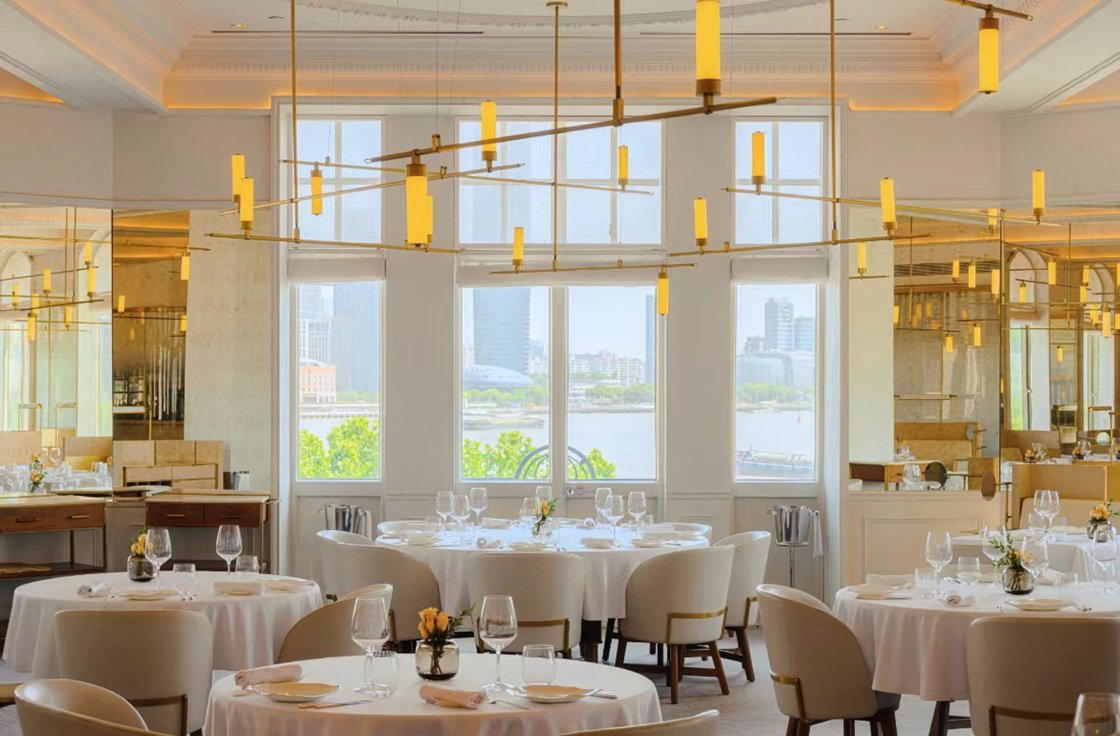
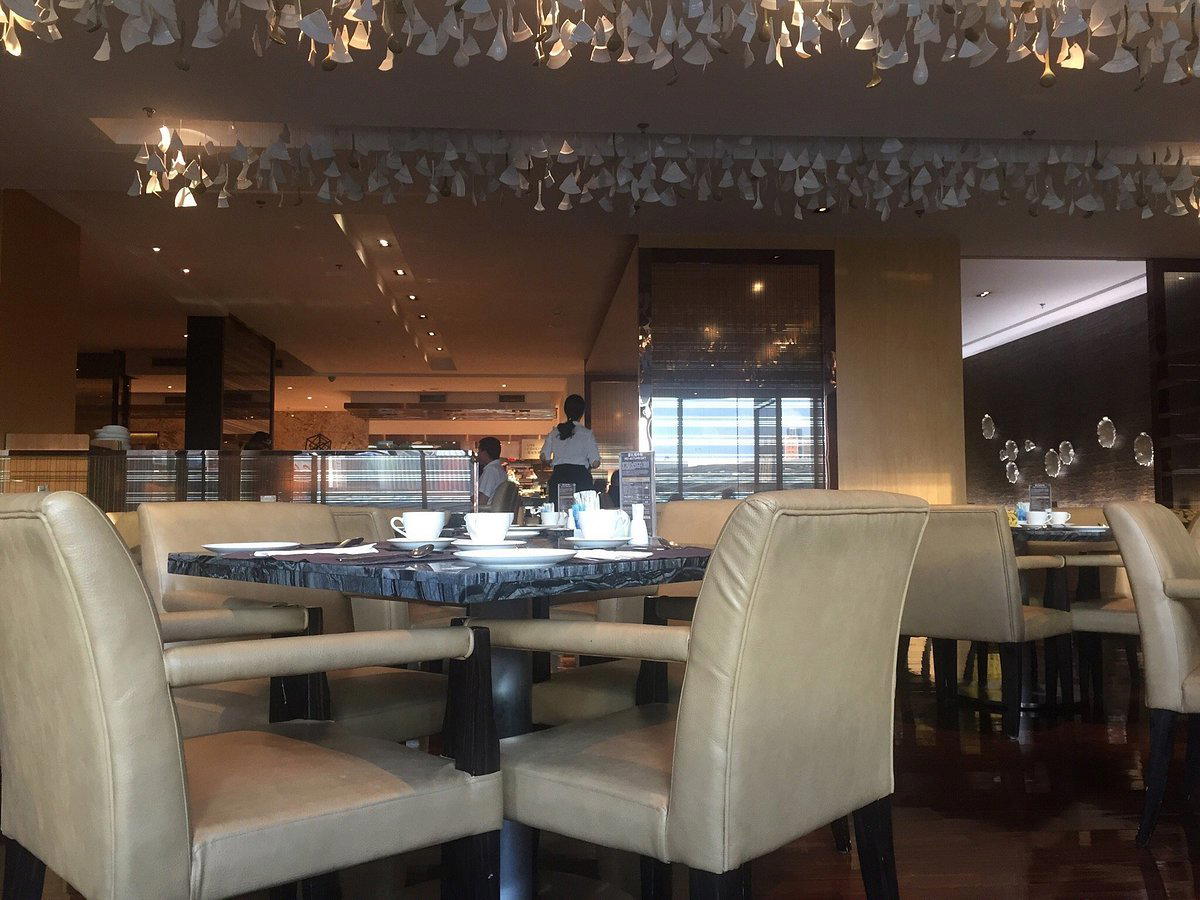
Bars in Guangzhou
Browse all →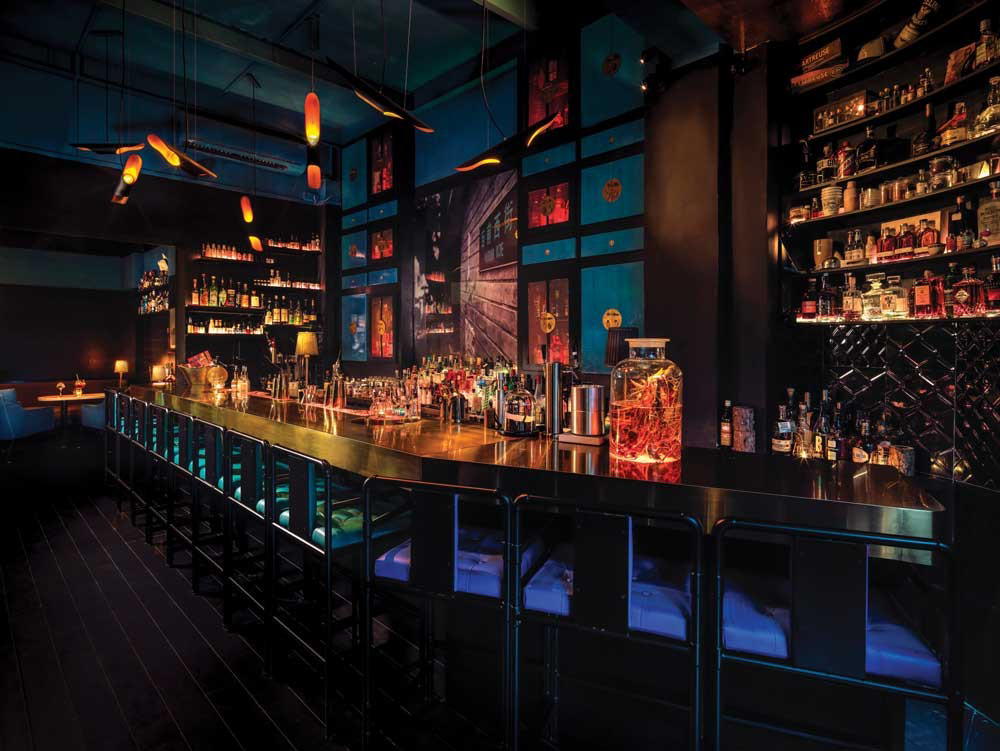
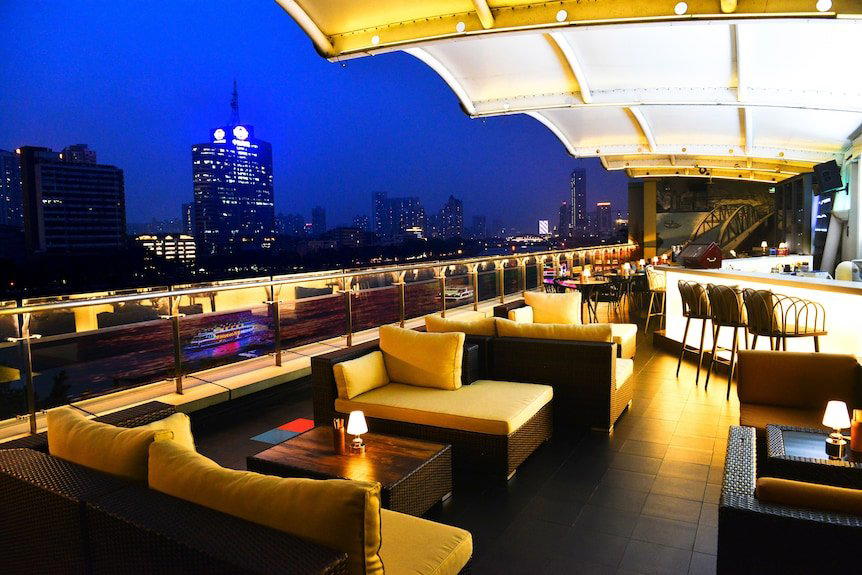
At a Glance
- Elegant
- Modern
- Sophisticated
- Intimate
- Business Dinner
- Group Dining
- Celebration
- Special Occasion
- Date Night
- Open Kitchen
- Panoramic View
- Private Dining
- Design Destination
- Extensive Wine List
- Sommelier Led
- Local Sourcing
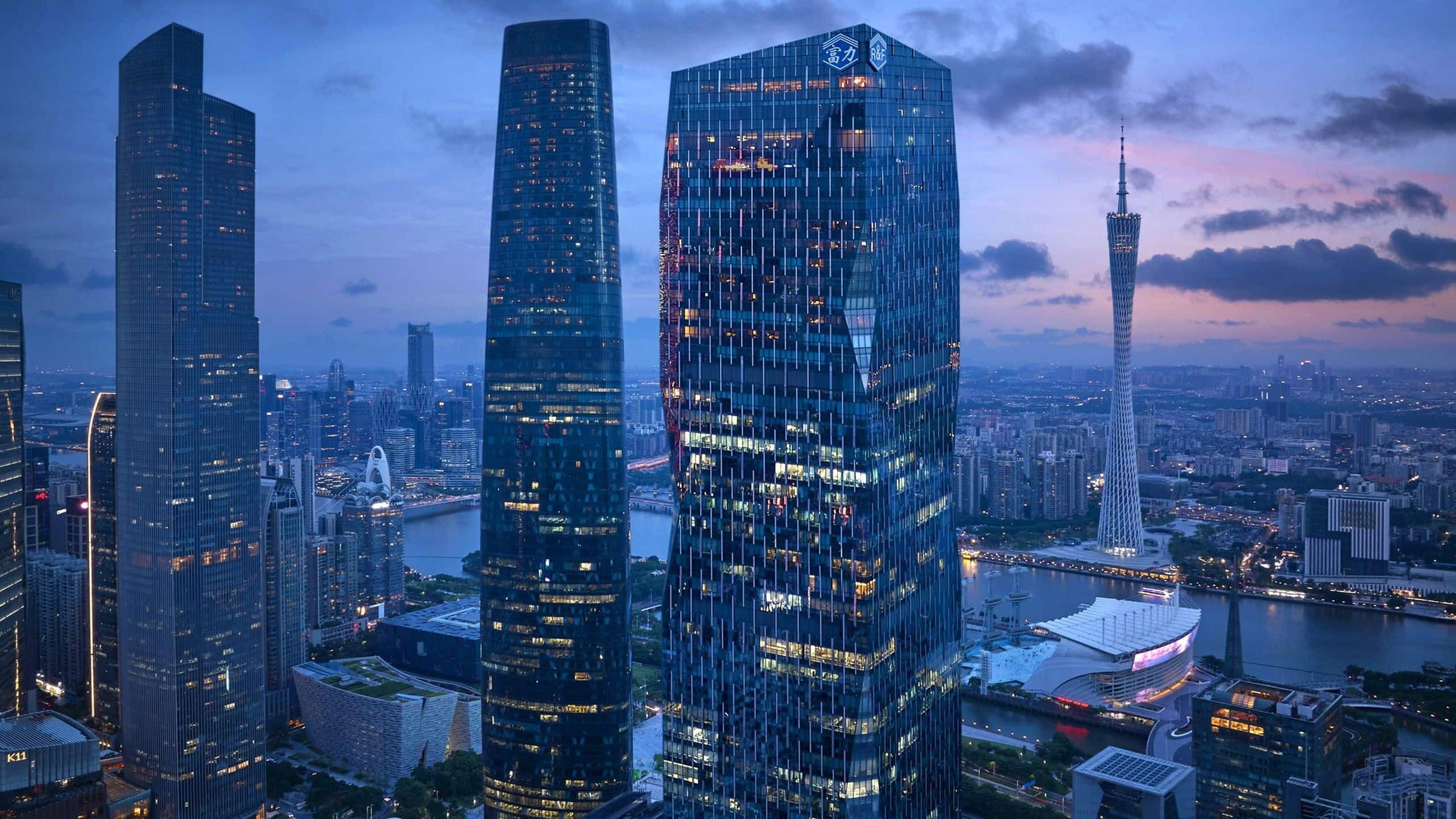
- Skyline
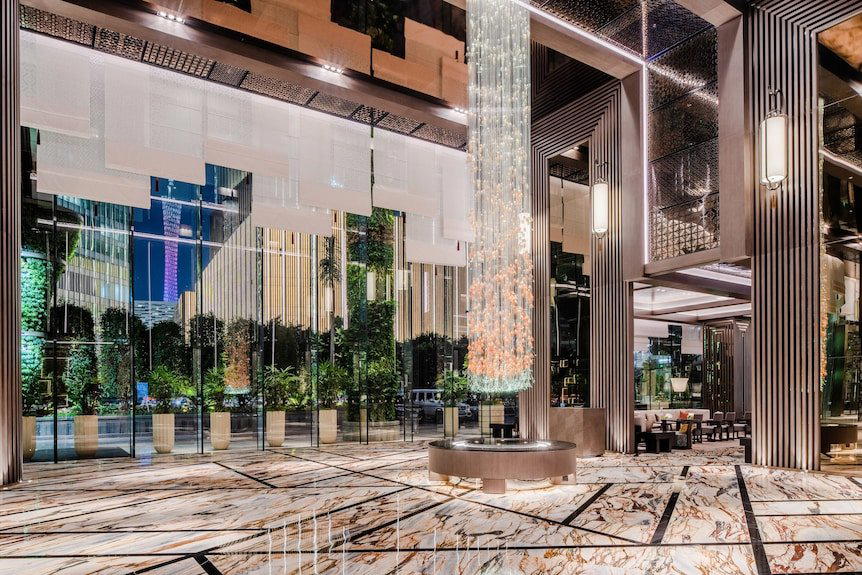
Contemporary, softly lit dining room with clean lines and burnished textures; hushed acoustics create an intimate cocoon; theatrical yet refined atmosphere centered on open kitchen stations.