
Tomino Ya Motoyawata honten gives Ichikawa a serious Korean table with a local, lived-in rhythm rather than a Tokyo import posture. Its Tabelog 100 selection for Asian and ethnic cuisine in EAST Japan puts it in a sharper competitive frame, while the cooking leans on Korean home-style formats, tripe, offal hot pot and drinking food that suits a neighbourhood dining room.
Pearl is the En Primeur Club membership app — saves, bookings, and concierge access live there. Same editors, same standards.
- Address
- 千葉県市川市八幡1-11-13 シャトー森井 1F
- Phone
- +81473365775
- Website
- tabelog.com
 Saves & bookings on Pearl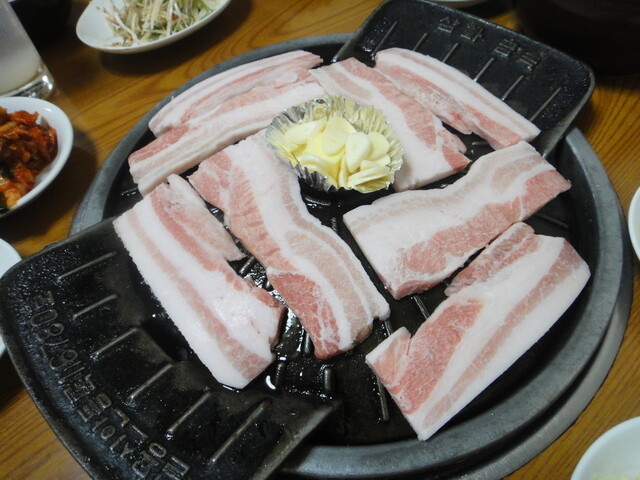
Approach the Motoyawata side of Ichikawa and the dining mood shifts from destination dining to neighbourhood appetite: families, friends and regular drinkers seeking heat, broth, rice, offal and something fermented in the glass. Tomino Ya Motoyawata honten belongs to Japan’s less polished but more revealing tier of Korean restaurants, where the value is repertoire rather than spectacle. The category is Korean and tripe, placing the kitchen closer to home-style stews, organ meats and shared plates than to barbecue-as-theatre.
That distinction matters in Chiba. Much of Greater Tokyo’s Korean dining is filtered through Shin-Okubo’s density and late-night energy; Ichikawa works differently. The audience is local, the meal structure looser, and the cooking must serve weekday lunches, family dinners and group drinking with equal competence. A Tabelog 100 selection for Asian cuisine and ethnic cuisine EAST in 2024 gives broader recognition, but the more interesting point is the type of restaurant recognised: not a tasting-menu address or chef-counter format, but a compact house restaurant built around repeatable comfort and ingredients with a point of view.
Korean home cooking in Ichikawa, with tripe as the anchor
Korean food in Japan often divides into two public images: grilled meat on one side, soup-and-rice cooking on the other. This address sits closer to the second camp, with offal in the foreground. Highlights include hormone nabe, grilled offal, gamjatang with perilla leaves, stone-grilled bibimbap and makgeolli. These are not decorative menu categories; they point to a kitchen organised around texture, broth, starch and fermentation.
Offal is the key editorial marker. In Japanese dining, horumon has its own drinking culture, but Korean tripe and offal cooking bring a different grammar: heat, garlic, greens, chile, bones, tubers and rice absorbing sauce or broth. The overlap makes sense in Ichikawa, a commuter city with appetite for everyday value and enough competition to reward a clear lane. The result reads casual at first, then more specific once the meal moves from rice dishes into stew and offal.
The ingredient angle is not luxury sourcing but what the kitchen foregrounds. Tripe, offal hot pot and perilla-led potato stew all require confident preparation rather than expensive garnish. In this price tier, the useful measure is depth through stock, seasoning and cuts that need handling, not premium branding. The Tabelog score of 3.65 and 2024 Tabelog 100 placement suggest diners have noticed.
Within Ichikawa, Tomino Ya Motoyawata honten sits among neighbourhood specialists rather than central Tokyo destination counters. China Soba Komuro represents local ramen precision, while Gyotoku Biryani House shows South Asian cooking’s serious footing east of Tokyo. Enak Enak widens the Asian comparison. For lower-price local contrast, Chonan Montaichio operates in a cheaper band, while Jagaimo sits higher at dinner. The useful reading is range, not hierarchy: Ichikawa’s dining strength is built from focused specialists, not a single restaurant district.
A compact room built for repeat meals, not ceremony
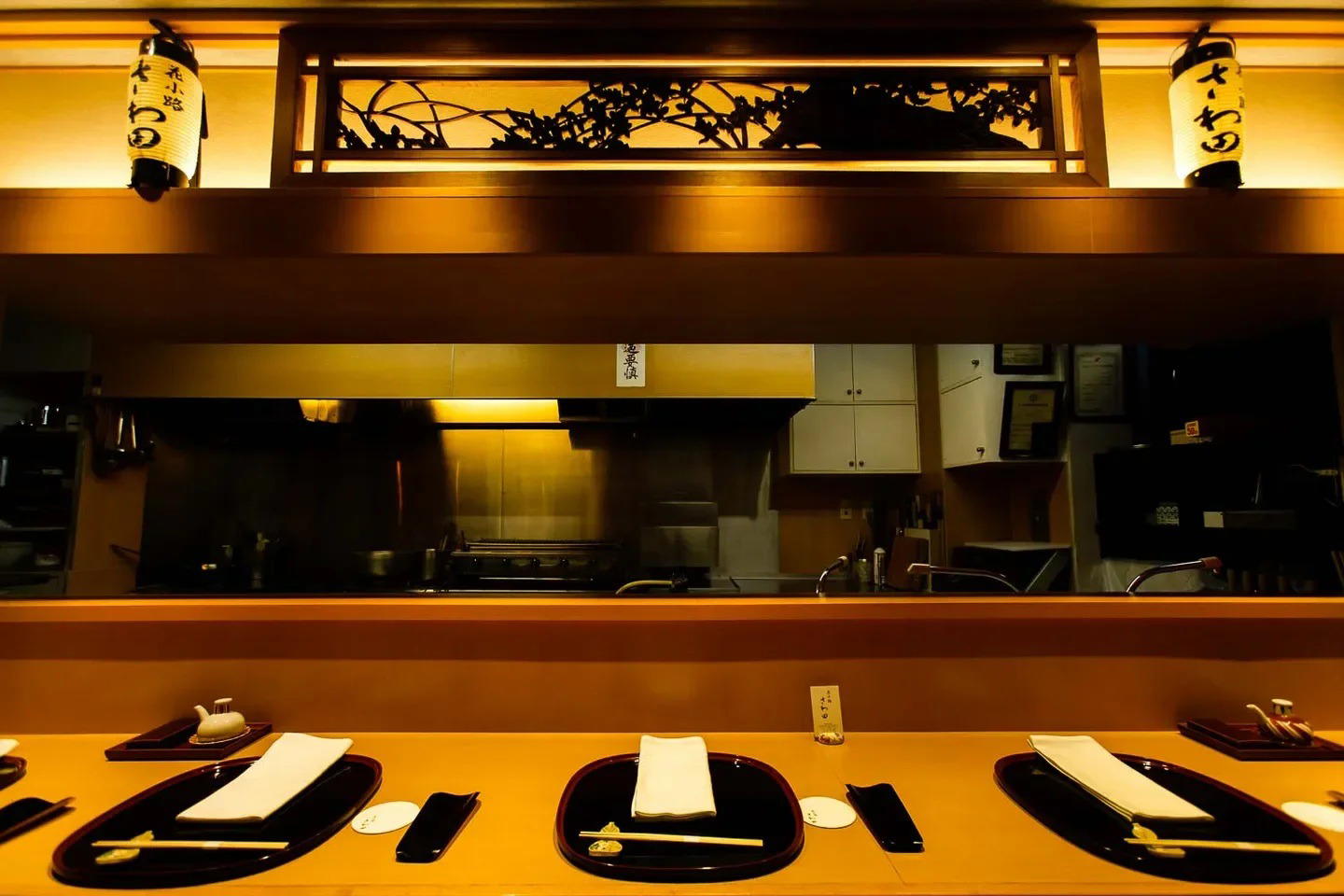
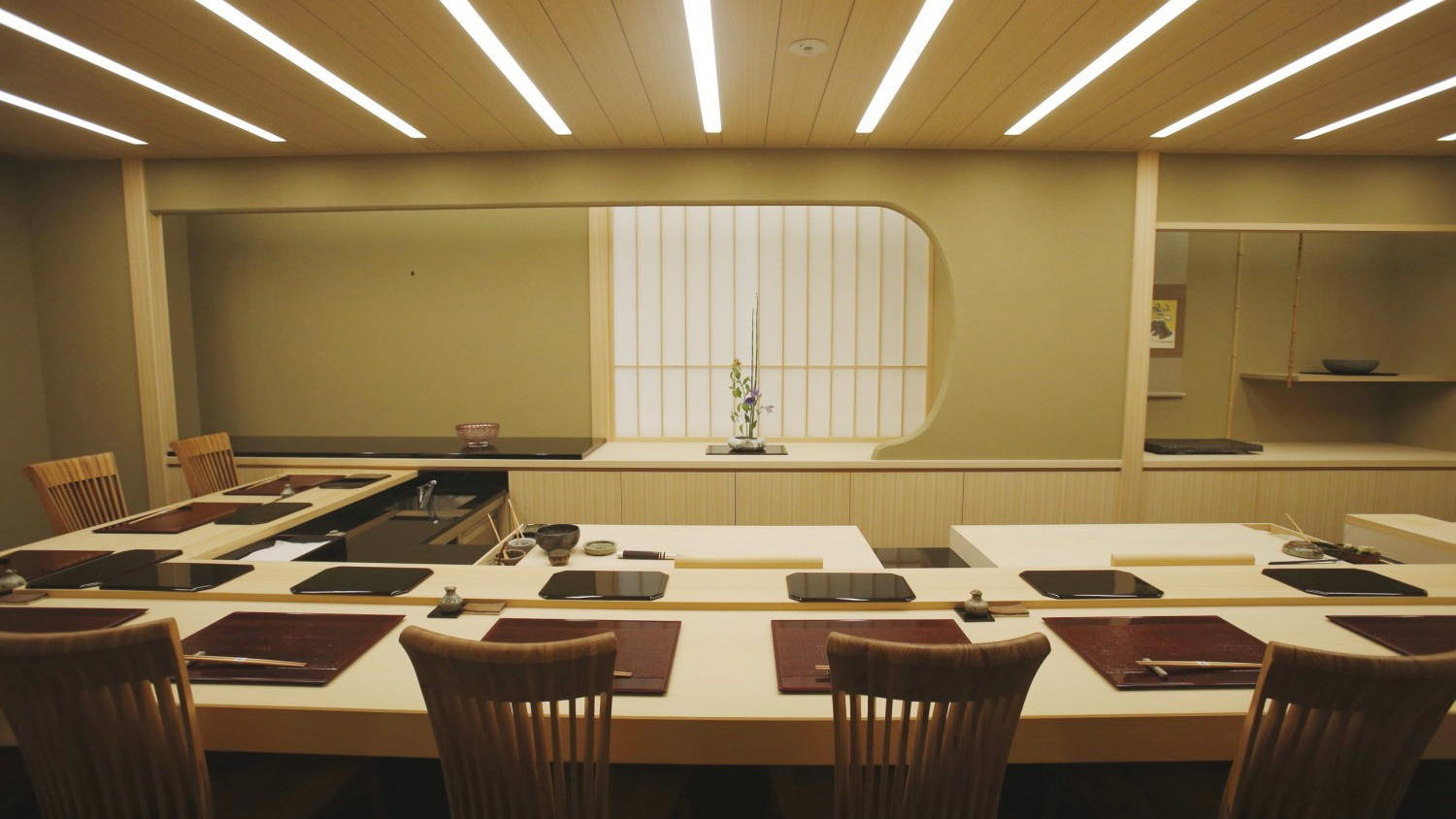
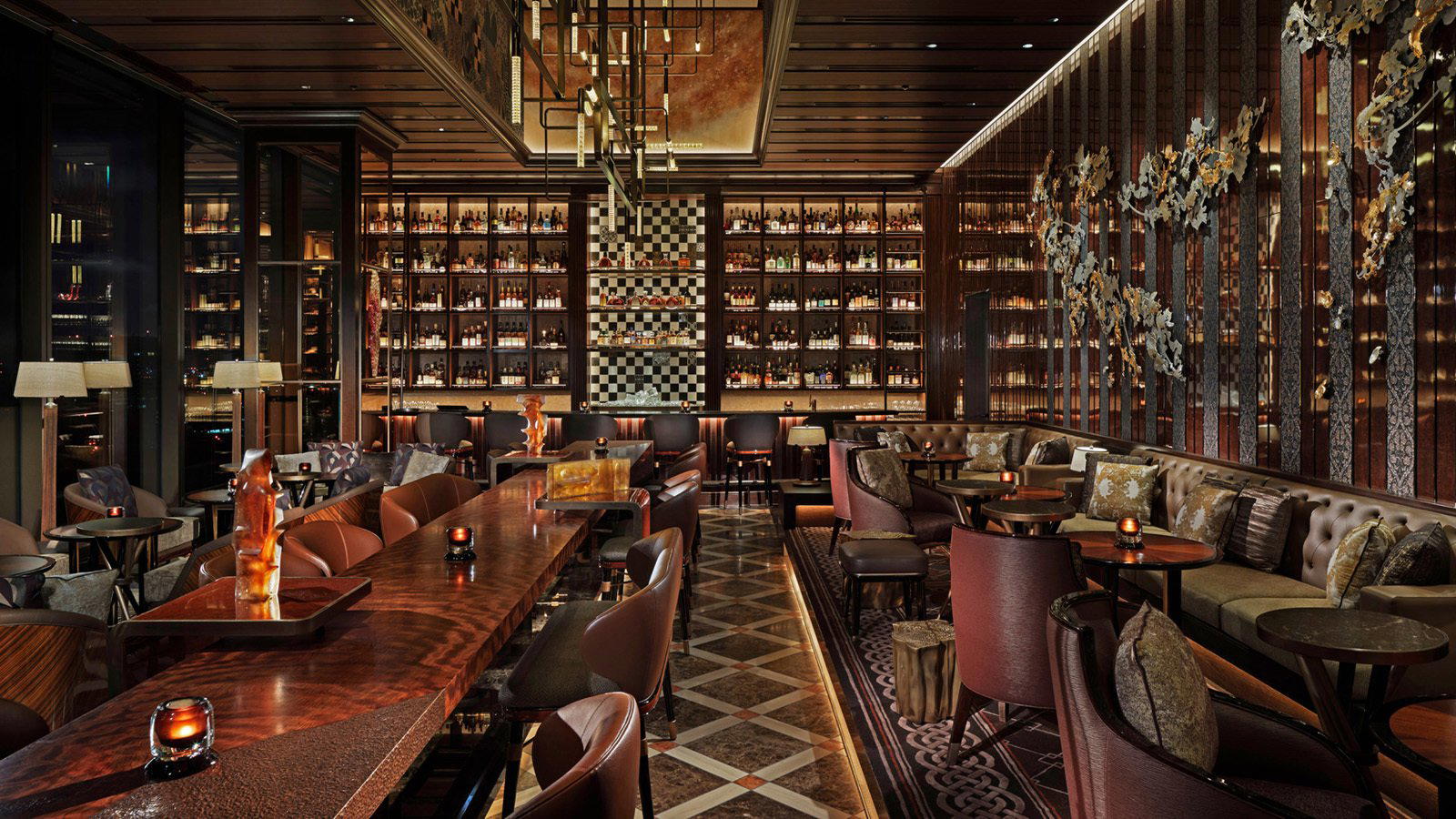
The format reinforces that reading. A 32-seat room with sunken seating and no private rooms encourages shared ordering and visible regulars over hushed formality. Private use is available for groups in the 20-to-50 range, helping explain why the restaurant works for gatherings as well as smaller dinners. Service notes point to longer parties and take-out, another sign that it functions as local routine rather than a once-a-year reservation prize.
Drinks follow the food. Sake and shochu are listed, and makgeolli appears in the restaurant’s own menu framing, suiting the chile, broth and starch-heavy side of Korean cooking. The mix is common in Japan’s Korean restaurants for good reason: shochu handles grilled offal, makgeolli softens spice and fermented dishes, and sake keeps the meal legible for diners who default to Japanese drinking habits. The family-friendly positioning also matters. Korean stew and rice dishes adapt across age groups, one clear reason the restaurant can serve children and drinking parties without changing identity.
Compared with Pizzeria Canto Della Terra or Saryo Ren, the choice is less cuisine preference than dining tempo. Italian or tea-house formats structure the table around courses, desserts or a gentler pause; Korean home cooking here asks for shared heat, quick appetite and broad ordering. Against Jagaimo’s higher dinner spend, this address reads as sharper value for groups that care more about depth of seasoning than dining-room polish. That is not a compromise. It is the point.
How to read it inside a wider Japan itinerary
For travellers using Ichikawa as more than a pass-through, this restaurant explains the city better than a high-gloss address would. Motoyawata and Onigoe sit in the commuter belt, and good food here must survive repeat custom. Recognition from Tabelog’s Asian and ethnic cuisine EAST list gives outside diners a reason to pay attention, but the meal belongs to the local rhythm: practical, generous in format, and ingredient-led in its focus on offal, broth and fermented drinking culture.
Readers mapping the area should use Our full Ichikawa restaurants guide for the broader dining spread, then place this Korean address alongside local specialists rather than treating it as an isolated stop. City planning can widen through Our full Ichikawa hotels guide, Our full Ichikawa bars guide, Our full Ichikawa wineries guide and Our full Ichikawa experiences guide. The wider Japanese dining map includes different formats, from -Grilled beef Sukiyaki- KAMAKURA TANUKIAN 鎌倉 たぬき庵 in Kamakura and. 鮪と炭火焼き うお炭 秋葉原店 in Tokyo to.cafe in Osaka.know in Kumamoto, (Shoku) Vietnam in Kawasaki and [Curry Senmon Ten] Maruyama Kyoju. in Sapporo. For readers comparing Japanese comfort formats abroad, Jōdo Saké Bar in Los Angeles and Onigiri Time in Pasadena show how rice, sake and casual specialist cooking translate outside Japan.
The verdict is simple: come for Korean cooking with a neighbourhood spine, not ceremony. The strongest case is offal-led dishes, family-and-friends utility, modest spend and third-party recognition in a category where small restaurants often do the serious work quietly.
Fast Comparison
Comparable venues by cuisine and price in the same metro.
| Venue | Cuisine | Price | Notes |
|---|---|---|---|
| Tomino Ya Motoyawata hontenThis venue — the venue you are viewing | Authentic Korean home cooking & offal hot pot | $$ | Not listed |
| Saryo Ren | Dining | Not listed | Ichikawa |
| Shokudo Otsuka | Japanese cafeteria set-meal (shokudo) | $ | Gyotoku |
| Chonan Montaichio | Tsukemen ramen shop | $ | Moto-Yawata |
| Open Oven | Artisanal Bakery & Cafe | $ | Ichikawa |
| Tsuke Soba Ishii | Tsukemen / Dipping Noodles | $ | Konodai |
Recognition history
Dated appearances from independent guides and award organizations, with the underlying list record or original source where available.
Tabelog 100 #68 · No. 68
Tabelog · Tabelog 100 - Asian cuisine / Ethnic cuisine - EAST - 2024






At a Glance
- Cozy
- Lively
- Classic
- Family
- Casual Hangout
- Group Dining
- After Work
- Late Night
- Private Event
- Standalone
- Beer Program