
A compact Ichikawa cafeteria with Tabelog 100 Diner 2026 recognition, Shokudo Otsuka belongs to the small-format end of Japan’s everyday dining culture rather than the destination tasting-menu circuit. The appeal is value, discipline, and ingredient-led cooking in a 10-seat room near Gyotoku, with the practical caveat that reservations are unavailable.
Pearl is the En Primeur Club membership app — saves, bookings, and concierge access live there. Same editors, same standards.
- Address
- 千葉県市川市福栄1-3-21
- Phone
- +81473141475
- Website
- tabelog.com
 Saves & bookings on Pearl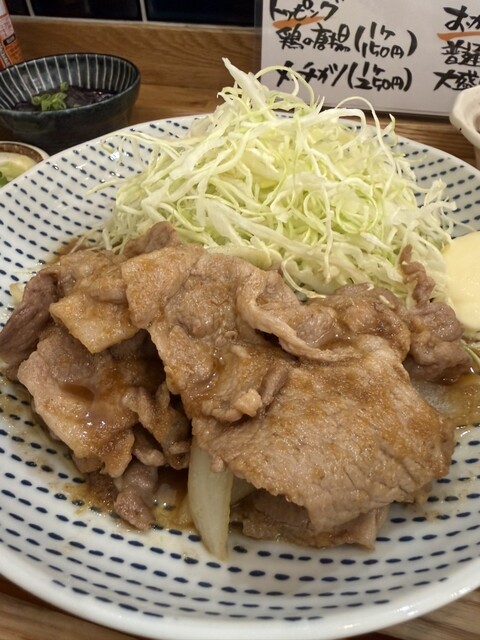
Approaching a small shokudo in Ichikawa is a different proposition from entering a polished Tokyo counter. The scale is domestic, the rhythm is local, and the room tells the diner what matters before the menu does: a handful of seats, a short distance from Gyotoku Station, and the kind of everyday cooking culture where sourcing, portioning, and rice matter as much as ceremony. Shokudo Otsuka sits inside that tradition, closer to the Japanese cafeteria lineage than to the luxury restaurant circuit, yet its selection for Tabelog 100 Diner 2026 places it in a sharper editorial frame.
Ichikawa’s dining map rewards readers who look beyond central Tokyo’s reservation economy. The city’s appeal is not a single dominant cuisine but a practical spread of specialist rooms and neighbourhood counters: ramen at China Soba Komuro, South Asian cooking at Gyotoku Biryani House, Indonesian food at Enak Enak, and local Japanese formats that work by repetition rather than theatre. For a wider read on the area, our full Ichikawa restaurants guide is the natural starting point.
Everyday Japanese cooking, judged by small-room discipline
The shokudo format is often misunderstood by travellers who equate Japanese dining ambition with omakase, kaiseki, or counter-only ramen. Cafeteria cooking has its own demands: procurement has to hold up across regular service, rice quality becomes central rather than incidental, and the price-to-satisfaction equation is exposed. There is little room for decorative technique when the format is built around meals people could plausibly repeat.
That is why the Tabelog 100 Diner 2026 selection matters. It does not recast the room as luxury; it confirms that a modest cafeteria can be assessed seriously when execution is consistent enough to register beyond its immediate neighbourhood. The category also separates this address from Ichikawa’s higher-spend steak tier, represented locally by Steak Ishii, and from lower-cost noodle specialists such as China Soba Komuro. The useful comparison is not grandeur but intent: a compact room, a narrow daily-use price band, and cooking that has to justify attention without ceremony.
The ingredient-sourcing angle is less about named farms or dramatic provenance than about how Japanese set-meal culture treats staples. Rice is not a side issue in this format; it is the structure around which the meal is measured. The 2025 change charging for rice refills, while keeping a large initial portion free, signals the economic pressure around staples in small restaurants. It also says something about the broader shokudo bargain: value is preserved through clear portion logic, not through abundance without cost.
Ichikawa's value tier is more serious than it looks
At this level, price can be misleading. A low spend band does not automatically mean casual in the careless sense; in Japan, it can mean a room that strips out everything except the meal. Ten seats, with counter and small table seating, create a format where turnover, timing, and kitchen pacing are part of the experience. The absence of private rooms and private use also keeps the social contract clear: this is everyday dining, not an occasion room.
The better way to read the place is against Ichikawa’s broader mix. Gyotoku Biryani House sits in a similar value band but belongs to a different immigrant-food current, while Jagaimo and Chonan Montaichio help show how the city’s appeal is distributed across small addresses rather than concentrated in a single dining district. That pattern is useful for visitors: Ichikawa rewards targeted meals, not aimless luxury hunting.
There is also a useful national context. Japan’s serious casual dining culture reaches from cafeteria counters and curry specialists to sake bars and onigiri shops, with quality often expressed through repetition rather than spectacle. Readers comparing formats might look at [Curry Senmon Ten] Maruyama Kyoju. in Sapporo, Onigiri Time in Pasadena, or Jōdo Saké Bar in Los Angeles to see how narrow concepts can carry serious editorial weight without formal dining codes.
Who should prioritise it in an Ichikawa itinerary
This is a strong choice for diners who want Japan’s daily meal culture taken seriously: compact, non-smoking, cashless-payment friendly, and grounded in cafeteria logic rather than performance. It is less suited to travellers seeking a long-format tasting menu, named chef narrative, private-room hosting, or a celebratory wine-led evening. The case for going rests on category intelligence: a Tabelog-recognised shokudo in a suburban Chiba setting tells a different story from another Tokyo prestige counter.
Planning should be realistic because reservations are unavailable and the room is small. Lunch is the cleaner bet for travellers building an Ichikawa day around Gyotoku, while evening service has a later start from January 2026. Closed days fall early in the week, and the restaurant has no parking, so rail-first planning is the sensible move. For broader trip design around the city, see our full Ichikawa hotels guide, our full Ichikawa bars guide, our full Ichikawa wineries guide, and our full Ichikawa experiences guide.
For readers mapping Japan through focused casual formats, useful contrasts sit well beyond Ichikawa: -Grilled beef Sukiyaki- KAMAKURA TANUKIAN 鎌倉 たぬき庵 in Kamakura. 鮪と炭火焼き うお炭 秋葉原店 in Tokyo.cafe in Osaka.know in Kumamoto, and (Shoku) Vietnam in Kawasaki. The point is not to compare cuisines directly, but to understand how small, specific rooms shape the way serious eating works outside the familiar luxury frame.
Comparable Spots, Quickly
Comparable venues by cuisine and price in the same metro.
| Venue | Cuisine | Price | Notes |
|---|---|---|---|
| Shokudo OtsukaThis venue — the venue you are viewing | Japanese cafeteria set-meal (shokudo) | $ | Not listed |
| Chonan Montaichio | Tsukemen ramen shop | $ | Moto-Yawata |
| China Soba Komuro | Classic Japanese Ramen | $ | Suehiro |
| Tomino Ya Motoyawata honten | Authentic Korean home cooking & offal hot pot | $$ | Ichikawa |
| Open Oven | Artisanal Bakery & Cafe | $ | Ichikawa |
| Gyotoku Biryani House | Northern Indian Halal & Biryani | $ | Gyotoku Ekimae |
Recognition history
Dated appearances from independent guides and award organizations, with the underlying list record or original source where available.
Tabelog 100 #82 · No. 82
Tabelog · Tabelog 100 - Diner - 2026







At a Glance
- Cozy
- Intimate
- Solo
- Casual Hangout
- After Work
- Family
- Standalone
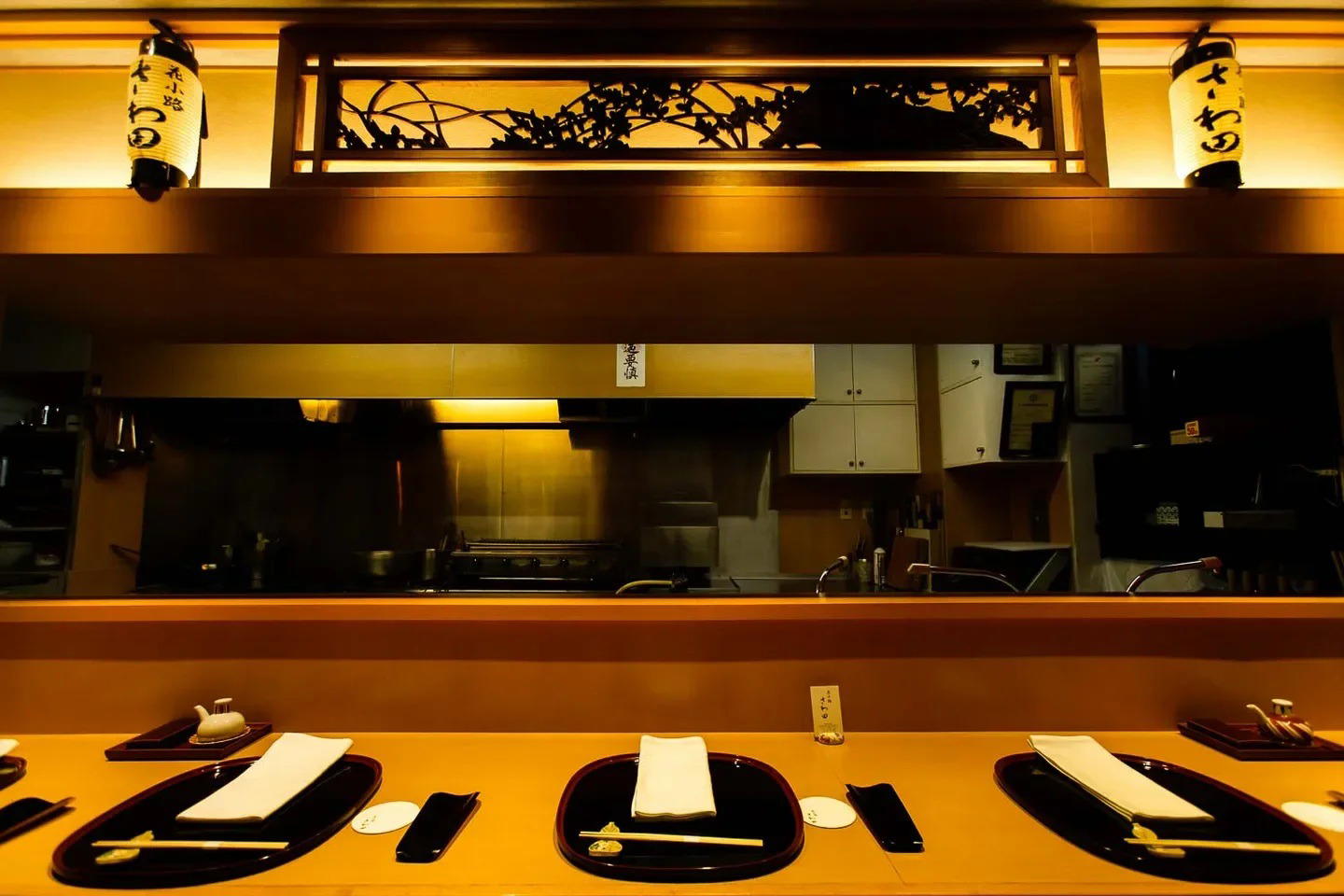
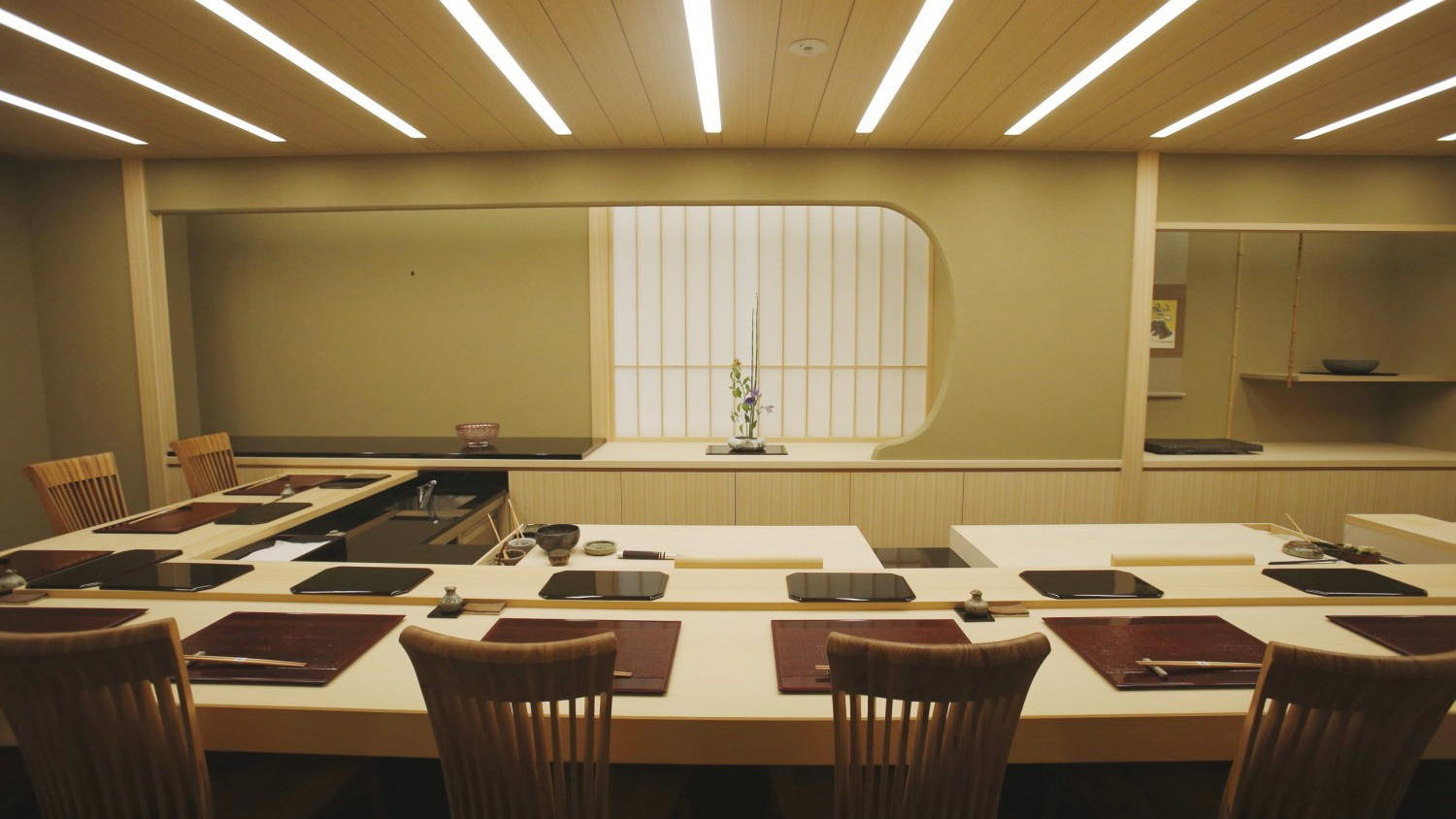
A small, non-smoking local cafeteria with about ten seats split between a short counter and a couple of tables, creating a simple, cozy, everyday-dining atmosphere rather than a design-driven space.