
Tabelog 100 #69
Our verdict
Jagaimo gives Ichikawa’s yoshoku tradition a sourcing-led argument: domestic potatoes from dedicated producers and contracted farmers, served in a compact Motoyawata room with counter seating and a local following. Its 2025 Tabelog 100 Yoshoku EAST selection places it in a serious category conversation rather than the casual Western-style dining lane.

Pearl is the En Primeur Club membership app, where members save venues, book tables and use the concierge.
The menu
What to order
- Potato-based small plates
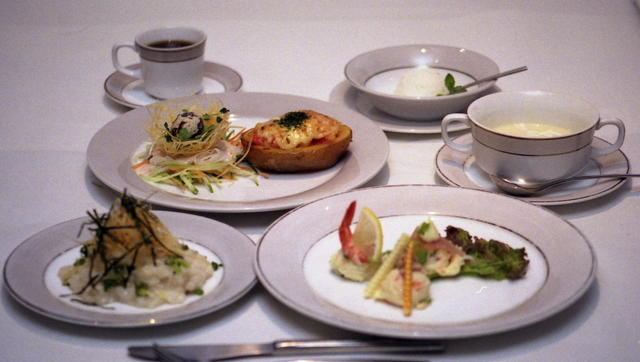
- Assorted potato gratins
- Potato croquettes
Ichikawa’s restaurant streets reward smaller rooms: places where the counter may matter, the lighting is modest, and the cooking is judged less by spectacle than by repetition. In Ichikawa, yoshoku has a different rhythm from central Tokyo’s grander Western-style dining rooms. It is neighbourhood food with a long memory, built around Japanese readings of Western forms, and the serious versions live or die on balance, sauce work, and restraint.
Jagaimo sits squarely in that tradition. The name gives the restaurant an everyday directness before the meal begins: familiar comfort is not treated as filler, but as part of the restaurant’s identity. That matters in yoshoku because the cuisine often depends on ordinary pleasures made precise rather than rare ingredients made theatrical. In a category where nostalgia can become lazy, careful execution is the difference between comfort cooking and cooking with a point of view.
A focused yoshoku argument in Ichikawa
Yoshoku is often misunderstood as a soft category: Western-derived plates translated through Japanese technique. The better reading is more demanding. It asks how a restaurant handles weight, sweetness, browning, texture, and sauce without losing clarity. Familiar formats are a useful test because they absorb everything around them. Indifference turns them dull; attention gives the kitchen structure.
That focus explains why a small Ichikawa restaurant can belong in a larger East Japan conversation. The 2025 Tabelog 100 Yoshoku EAST selection is the relevant trust signal here, not because lists settle taste, but because they identify restaurants that specialists and repeat diners are already taking seriously. A Tabelog score of 3.60 adds another clue: this is not anonymous neighbourhood cooking, but a restaurant with enough recognition to travel beyond its immediate catchment.
The comparison inside Ichikawa is useful. Chonan Montaichio occupies a different everyday bracket, while the local field also includes different price-and-format choices such as Pizzeria Canto Della Terra and Tomino Ya Motoyawata honten. Jagaimo’s position is narrower: a yoshoku specialist in the JPY 3,000–JPY 3,999 range. That scale suits the category. Yoshoku does not need a large dining room to be convincing; it needs consistency, heat control, and ingredients that justify close attention.
A compact Ichikawa room, not a destination-dining performance
The room’s compactness shapes the meal. In a smaller yoshoku restaurant, the food belongs to the pace of a local room rather than a distant performance. This is where suburban and satellite-city dining around Tokyo often becomes more interesting than visitors expect. The experience is less about a grand arrival and more about the confidence of a place that serves its city with a clear point of view.
That historical feeling gives the restaurant a useful frame without needing a fixed origin story. Japan’s yoshoku houses have long carried postwar and late-Showa associations: family meals, dates, after-work dinners, and Western food filtered through local habits. The best examples do not use nostalgia as decor; they keep familiar formats alive by making them disciplined, satisfying, and current enough for repeat diners.
Ichikawa’s dining map supports that range. For a broader local read, our full Ichikawa restaurants guide places yoshoku beside other styles of local dining and small-format independents. Nearby local references include other Ichikawa dining rooms across different categories and price points. Together, they show why Ichikawa is better approached as a lived-in dining city rather than a spillover from Tokyo.
How to read Jagaimo against the wider Japan dining map
The useful question is not whether Jagaimo competes with Tokyo’s luxury counters. It does not need to. The better comparison is with specialist restaurants that make a narrow category persuasive through focus. In that sense, it belongs to the same editorial shelf as regional addresses where the format is specific and the audience knows what it came for, rather than restaurants trying to cover every occasion.
For travellers building a Chiba-side itinerary, the practical value is concentration. Ichikawa has enough dining density to justify an evening without turning dinner into a transfer-heavy exercise. Jagaimo’s budget is listed at JPY 3,000–JPY 3,999 for both dinner and lunch, pointing to a controlled, small-scale meal rather than a luxury-restaurant proposition. That makes it useful for diners who want a focused yoshoku stop without building the whole trip around ceremony.
The verdict is selective but clear: come for a focused version of yoshoku, not for novelty. The cooking’s attachment to familiar forms gives it an editorial hook, the 2025 Tabelog 100 Yoshoku EAST selection supplies external validation, and the Ichikawa setting keeps the experience grounded. For readers extending the search beyond Ichikawa, the broader contrast with other dining rooms is instructive: category discipline travels better than trend chasing.
Use the surrounding city guides to round out the trip rather than forcing this meal to carry, and our full Ichikawa experiences guide give the city context that a single restaurant page cannot.
Frequently asked questions
Is Jagaimo suitable for children?
Jagaimo is in Ichikawa, with dinner listed at JPY 3,000–JPY 3,999. Families who are comfortable with a focused yoshoku dining room may find it workable.
What's the vibe at Jagaimo?
The setting is a focused yoshoku room in Ichikawa. Tabelog selected it for Yoshoku EAST 2025, and its score is listed as 3.60.
Is Jagaimo expensive?
Jagaimo’s budget is listed as Dinner: JPY 3,000 - JPY 3,999; Lunch: JPY 3,000 - JPY 3,999.
What is Jagaimo known for?
Jagaimo is known as a yoshoku restaurant in Ichikawa and was selected for Tabelog 100 Yoshoku EAST 2025.
In Context: Similar Options
Comparable venues by cuisine and price in the same metro.
| Venue | Cuisine | Price | Awards | Notes |
|---|---|---|---|---|
| JagaimoThis venue (the venue you are viewing) | Potato-focused yoshoku (Japanese-style Western) | $20–30 | Tabelog 100 #69 | Not listed |
| Enak Enak | Malaysian & Southeast Asian Casual Dining | $10–20 | Tabelog 100 #28 | . Ichikawa Station area |
| Gyotoku Biryani House | Northern Indian Halal & Biryani | $10–20 | Tabelog 100 #48 | Gyotoku Ekimae |
| Pizzeria Canto Della Terra | Neapolitan Pizzeria & Italian | $20–30 | Tabelog 100 #75 | Minamiyawata / Motoyawata |
| Tomino Ya Motoyawata honten | Authentic Korean home cooking & offal hot pot | $20–30 | Tabelog 100 #68 | Ichikawa |
| Open Oven | Artisanal Bakery & Cafe | $1–10 | Tabelog 100 #23 | Ichikawa |
Recognition history
Dated appearances from independent guides and award organizations, with the underlying list record or original source where available.
Tabelog 100 #69 · No. 69
Tabelog · Tabelog 100 - Yoshoku - EAST - 2025
Continue exploring
More in Ichikawa
Restaurants in Ichikawa
All restaurants in Ichikawa →





Details
- Cozy
- Intimate
- Classic
- Date Night
- Group Dining
- Casual Hangout
- After Work
- Solo
- Standalone
- Local Sourcing
- A La Carte
- Small Plates
- Beer
- Highballs
- Sake
Current opening hours
- Monday
- 11:30 AM–2:30 PM, 5:30–11 PM
- Tuesday
- Closed
- Wednesday
- 11:30 AM–2:30 PM, 5:30–11 PM
- Thursday
- 11:30 AM–2:30 PM, 5:30–11 PM
- Friday
- 11:30 AM–2:30 PM, 5:30–11 PM
- Saturday
- 11:30 AM–2:30 PM, 5:30–11 PM
- Sunday
- 5:30–11 PM
Hours can change for holidays and private events. Hours as of .
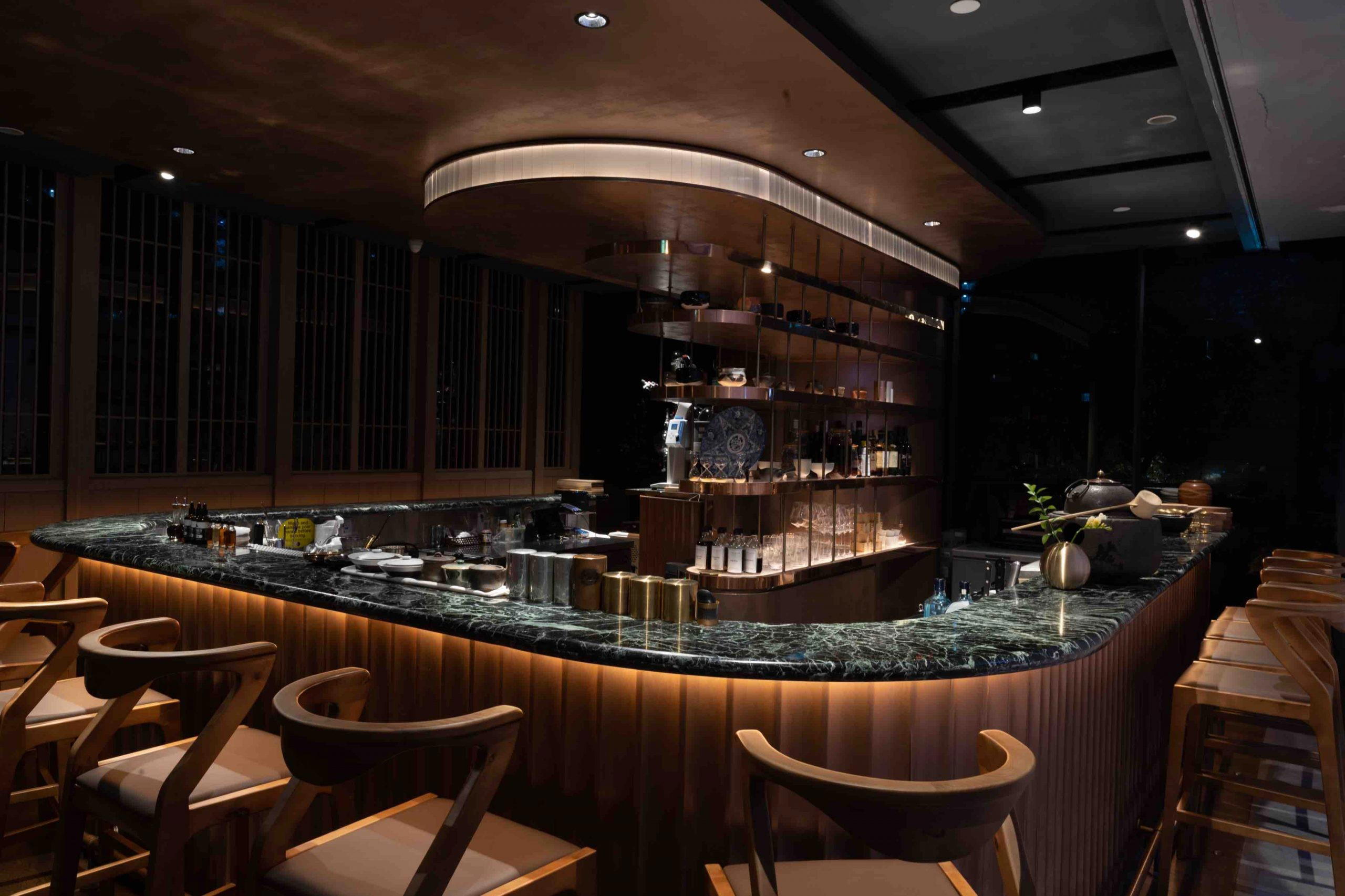
Warm, low lamp lighting and a nostalgic yoshoku feel create a relaxed, slightly elegant atmosphere that suits quiet conversations and lingering over food and drinks.