
Tokyo Tonkatsu Gabuu brings a counter-only tonkatsu format to Ueno-Okachimachi, with recognition in Tabelog 100 Tonkatsu 2026 placing it inside Japan’s serious pork-cutlet conversation. The appeal is not ceremony for its own sake, but the exchange rate between cost, craft, and access in a district built for decisive eating.
Pearl is the En Primeur Club membership app — saves, bookings, and concierge access live there. Same editors, same standards.
- Address
- 東京都台東区上野4-6-4 OGSⅡ B1F
- Website
- tabelog.com
 Saves & bookings on Pearl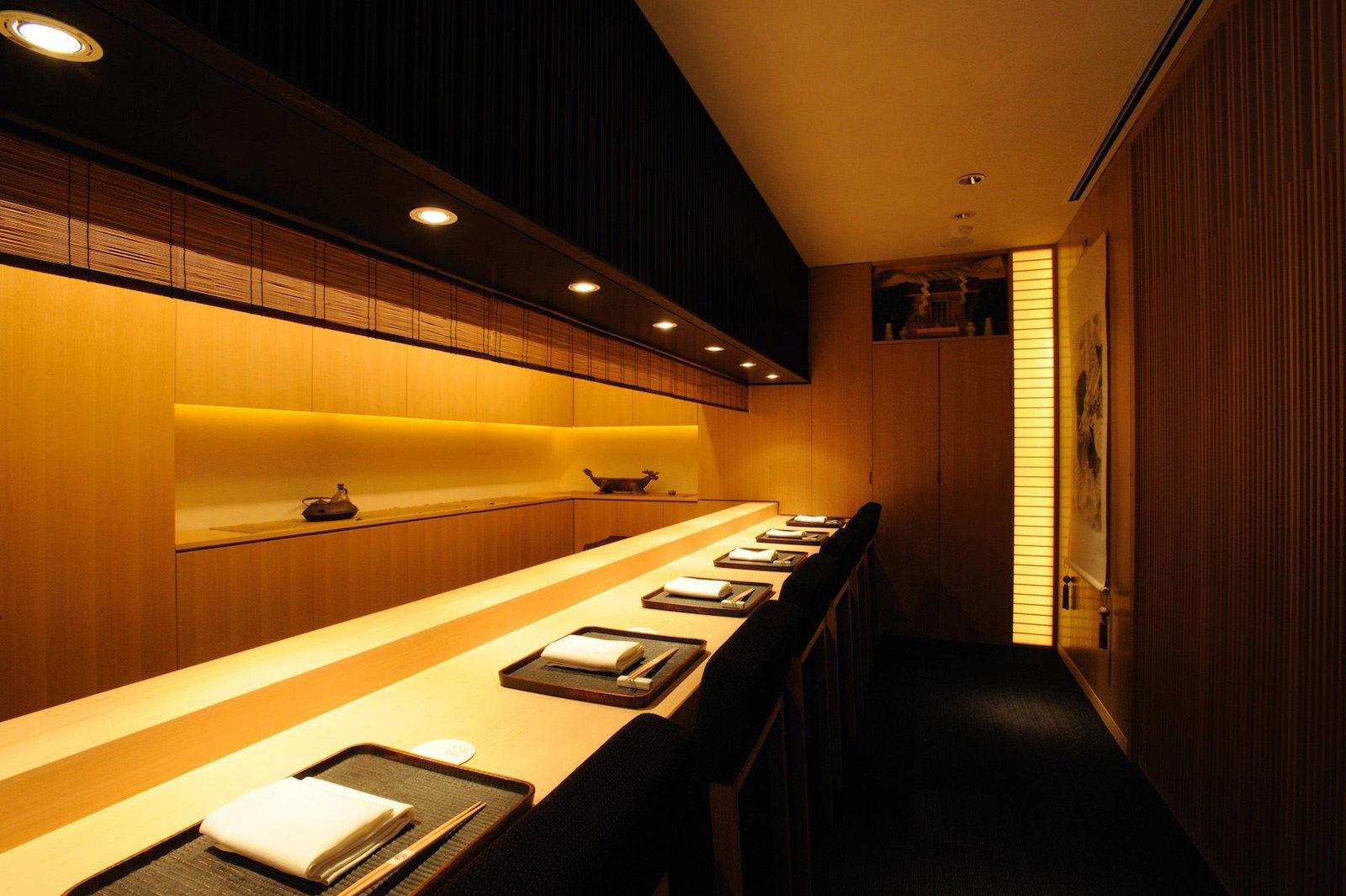
Ueno-Okachimachi is a practical place to eat: station exits, basement stairwells, department-store edges, and restaurants that need to make their case quickly. That setting suits tonkatsu. The form is direct, but not simple. A pork cutlet restaurant lives or dies by frying temperature, fat management, rice, cabbage, pacing, and whether the room can turn a familiar lunch into something worth crossing town for.
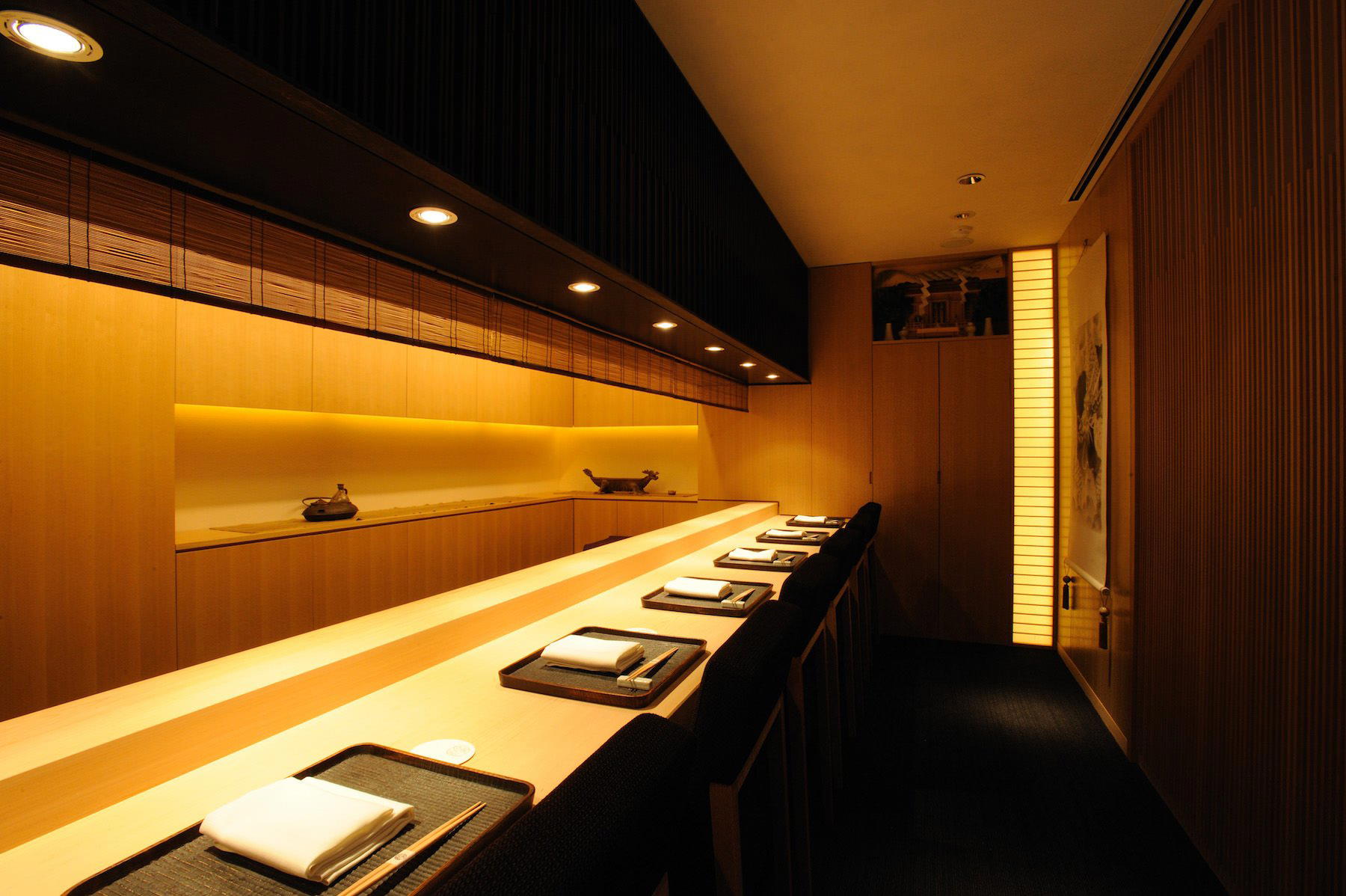
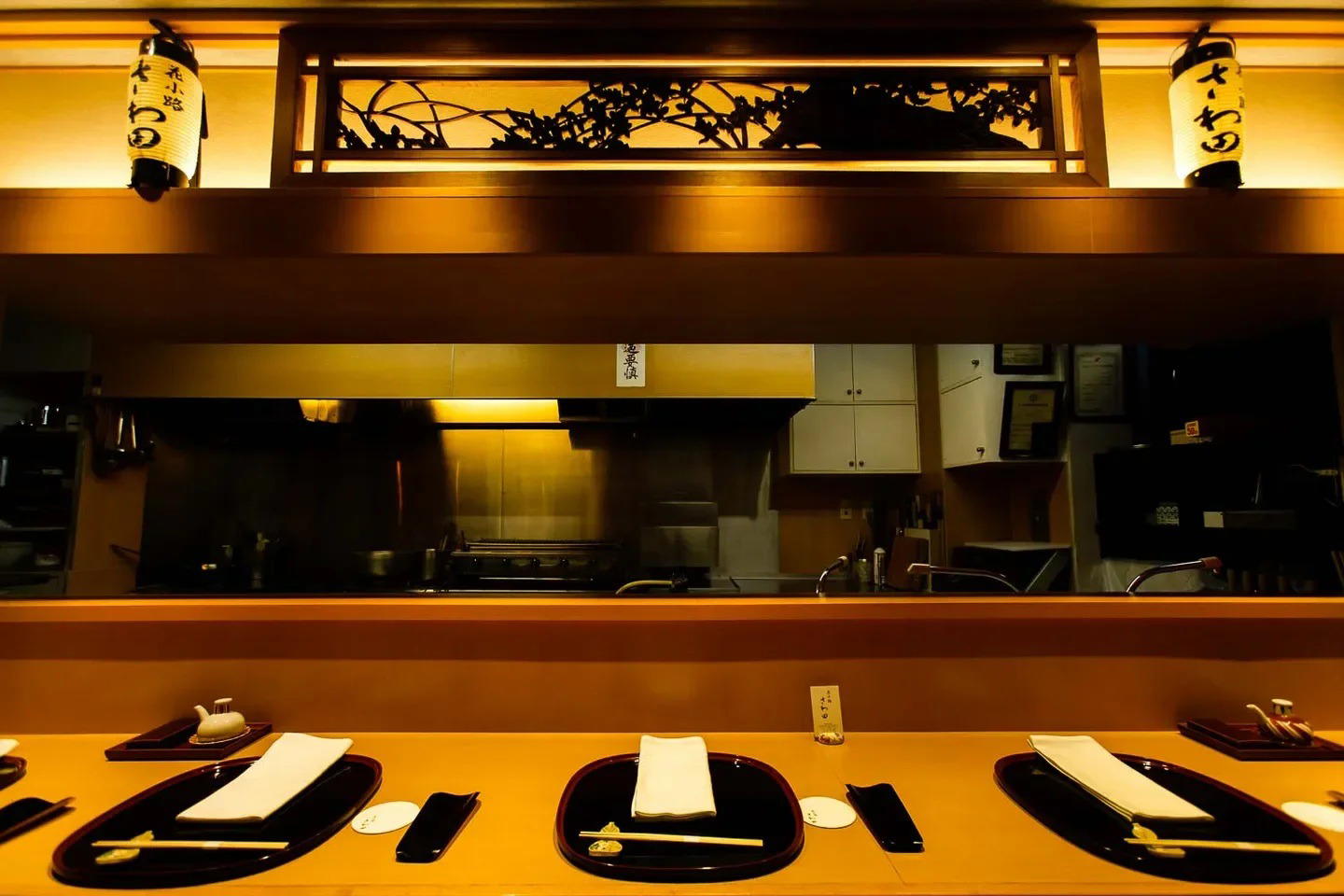
Tokyo Tonkatsu Gabuu enters that conversation from a compact basement address in Taito, with a 17-seat counter-only setup and a no-smoking room. In Tokyo, counter tonkatsu has become a useful middle ground between casual comfort food and specialist dining: less formal than sushi or tempura counters, more technique-dependent than a neighborhood set-meal shop. Its selection for Tabelog 100 Tonkatsu 2026 matters because the category is narrow and competitive; it rewards restaurants that understand the cutlet as a discipline, not a menu afterthought.
Ueno's value equation runs through the fryer
Tokyo’s tonkatsu culture has always had a democratic streak. The plate is familiar, the format is readable, and the pleasure is built around contrast: pork, coating, rice, cabbage, sauce, and restraint. What has changed is the upper middle of the category. Serious tonkatsu now competes with yakitori, curry, yoshoku, and seafood counters for travelers who want precision without committing an entire evening to fine dining.
That is where this address makes sense. Around Ueno and Okachimachi, the competitive set is broad rather than narrow. Tompachitei keeps the tonkatsu comparison local; Kurofune Tei and Gensen Yoshoku Sakurai pull the area toward yoshoku; Ningyocho Imahan Ueno hirokoji ten sits in a higher spend bracket for beef-focused dining; Uokusa shows the district’s informal seafood side. Against that spread, a specialist pork-cutlet counter offers a clear proposition: a focused meal with category credibility, not a generalized Japanese restaurant experience.
The Tabelog score of 3.66 gives useful context without needing melodrama. In Japan’s restaurant-review culture, scores in this range can signal serious local traction, particularly in a single-dish category where regulars compare details closely. Selection for the 2026 Tabelog 100 Tonkatsu list adds a stronger trust marker. It places the restaurant among named tonkatsu specialists for that year, rather than among broadly popular Tokyo eateries.
The counter format keeps the meal disciplined
A 17-seat counter changes the experience before the first order lands. It reduces drift. Diners are not there for a sprawling menu or a private-room occasion; they are there for a cutlet set and the rhythm of a small room. That matters for tonkatsu because timing is not decorative. Fried food loses authority quickly if the kitchen and room fall out of sync.
The category listed is tonkatsu and deep-fried foods, which is enough to frame expectations. This is not a chef-biography restaurant and there is no need to force one onto it. The editorial point is the format: Tokyo’s strongest specialist counters often succeed by narrowing the field until execution becomes legible. The value comes from paying for concentration rather than luxury signals.
Service details also point toward a traveler-friendly version of the specialist model. Multilingual menus in English and Simplified Chinese, plus a digital menu, lower the friction for visitors who might otherwise avoid a compact Japanese counter. That does not make the restaurant tourist-facing in the generic sense; it makes the rules easier to read. For a category where ordering confidence affects the meal, that difference matters.
Family access is unusually explicit for a counter restaurant. Children are welcome, including babies, preschoolers, and school-age children, and strollers are accepted. The basement entrance has stairs and no elevator, so the access question is physical rather than attitudinal. Each seat is expected to order at least one set meal, which keeps the room aligned with its format.
Where it fits in a Tokyo food itinerary
For visitors building a Tokyo dining week, this is the kind of meal that should sit between heavier bookings. It can carry a lunch or early dinner without the pacing demands of an omakase counter or the cost curve of luxury beef. In that role, it pairs well with a day in Ueno, Ameyoko, Akihabara, or Yanaka rather than as a standalone cross-city evening built around ceremony.
Tokyo’s restaurant scene rewards category thinking. A traveler who treats every meal as “Japanese food” misses the point; the city is better read as a collection of specialized systems. Tonkatsu, yakitori, curry, yoshoku, sushi, ramen, and kissaten culture each have their own markers of seriousness. For wider planning, compare this tonkatsu stop with nearby and cross-city entries such as . 鮪と炭火焼き うお炭 秋葉原店, 12/10 Shinjuku ten, 124. KAGURAZAKA (Yakitori), 2D Cafe, and 3 Chome no Curry Ya San.
Regional context helps too. Japan’s casual-specialist dining is not confined to Tokyo, and the strongest itineraries often mix capital-city depth with regional specificity. Useful contrasts include -Grilled beef Sukiyaki- KAMAKURA TANUKIAN 鎌倉 たぬき庵 in Kamakura.cafe in Osaka.know in Kumamoto, (Shoku) Vietnam in Kawasaki, [Curry Senmon Ten] Maruyama Kyoju. in Sapporo, and [ki:] in Kyoto. For Japanese food culture abroad, Jōdo Saké Bar in Los Angeles and Onigiri Time in Pasadena show how compact formats travel and change outside Japan.
Use Tokyo Tonkatsu Gabuu when the itinerary needs a specialist meal with a high evidence-to-theater ratio. The case rests on category focus, counter discipline, and a 2026 Tabelog 100 Tonkatsu selection. For broader planning, keep it alongside Our full Tokyo restaurants guide, then build the surrounding days through Our full Tokyo hotels guide, Our full Tokyo bars guide, Our full Tokyo wineries guide, and Our full Tokyo experiences guide.
Cost Snapshot
Comparable venues for context, by category and price tier.
| Venue | Cuisine | Price | Notes |
|---|---|---|---|
| Tokyo Tonkatsu GabuuThis venue — the venue you are viewing | Taitō, Tonkatsu | $$ | Not listed |
| やきそばー HIT | Sugamo, Japanese Yakisoba & Ramen Bar | $$ | Not listed |
| Sake to Misonikomi Misonikomin | Not listed | $$ | Bunkyō, Japanese Udon / Miso Nikomi |
| TAKEUCHI Chiyoda kanda jinbou honten | Chiyoda, Japanese Curry | $$ | Not listed |
| Ishiusuhiki Teuchi Kyorakutei | Not listed | $$ | Shinjuku, Traditional Japanese Soba and Tempura |
| Kuya | Not listed | $$ | Chūō, Traditional Japanese Wagashi & Monaka |
Recognition history
Dated appearances from independent guides and award organizations, with the underlying list record or original source where available.
Tabelog 100 #80 · No. 80
Tabelog · Tabelog 100 - Tonkatsu - 2026


At a Glance
- Modern
- Minimalist
- Cozy
- Sophisticated
- Family
- Solo
- Casual Hangout
- Chefs Counter
- Design Destination
- Standalone
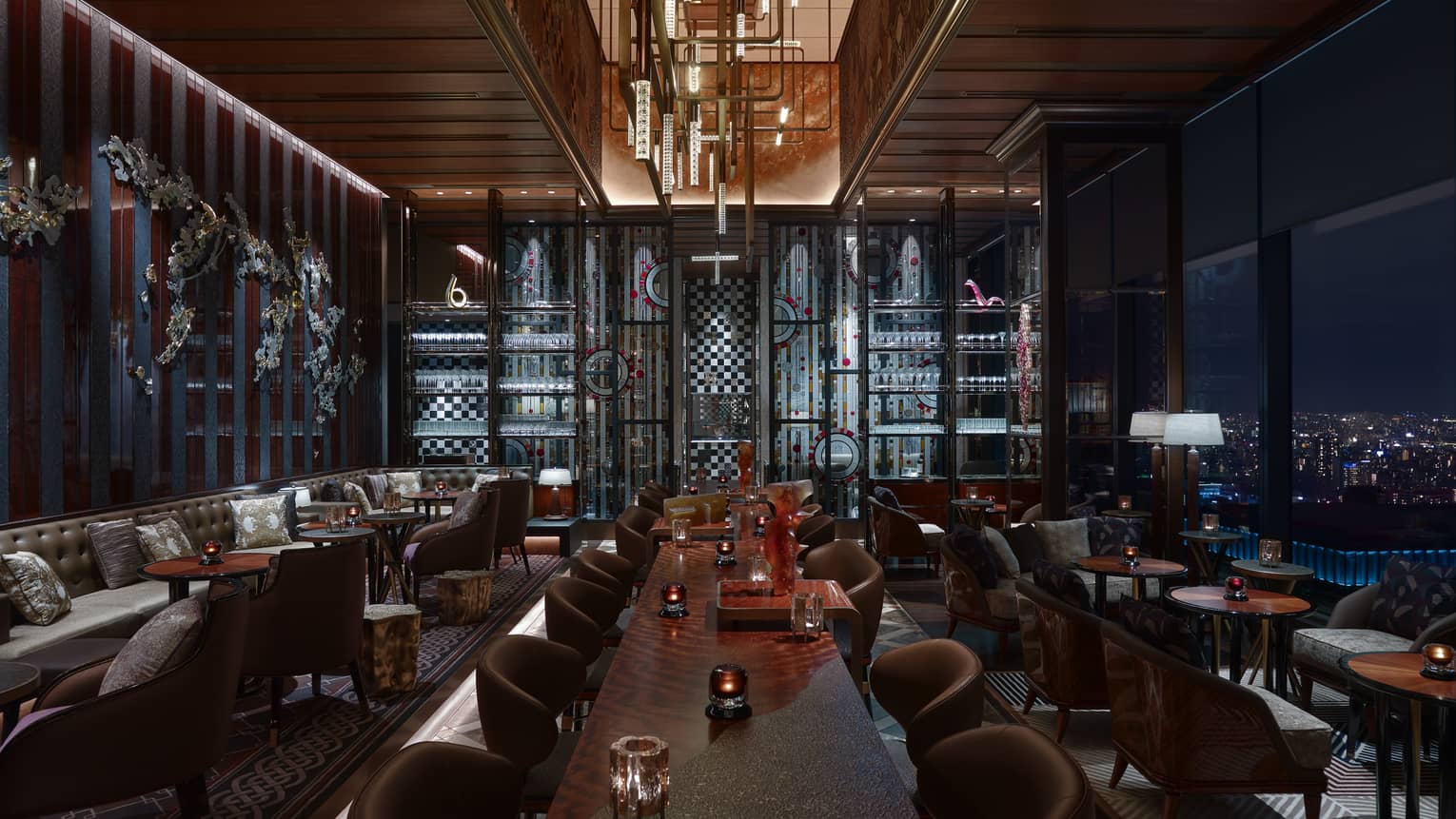
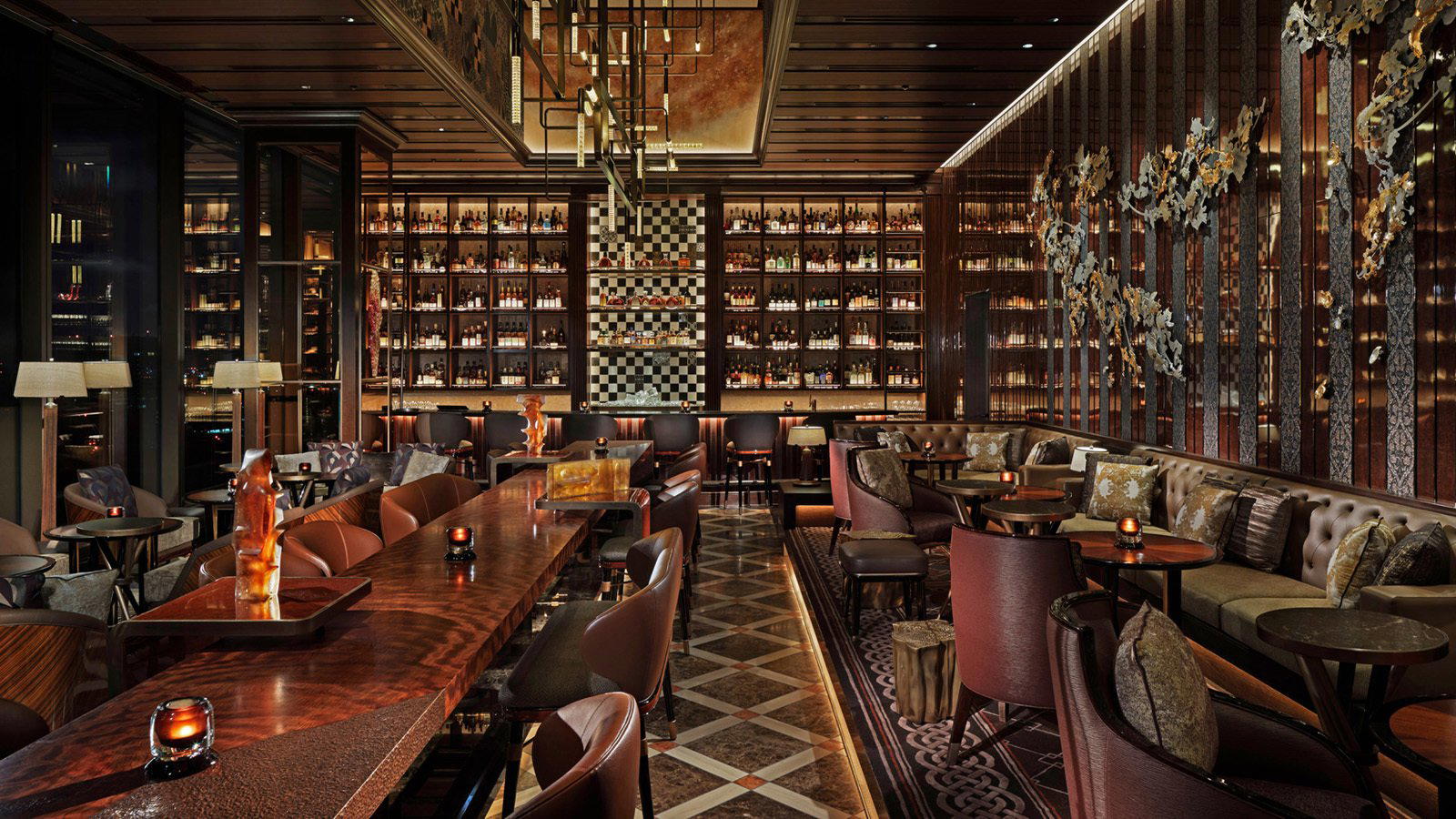
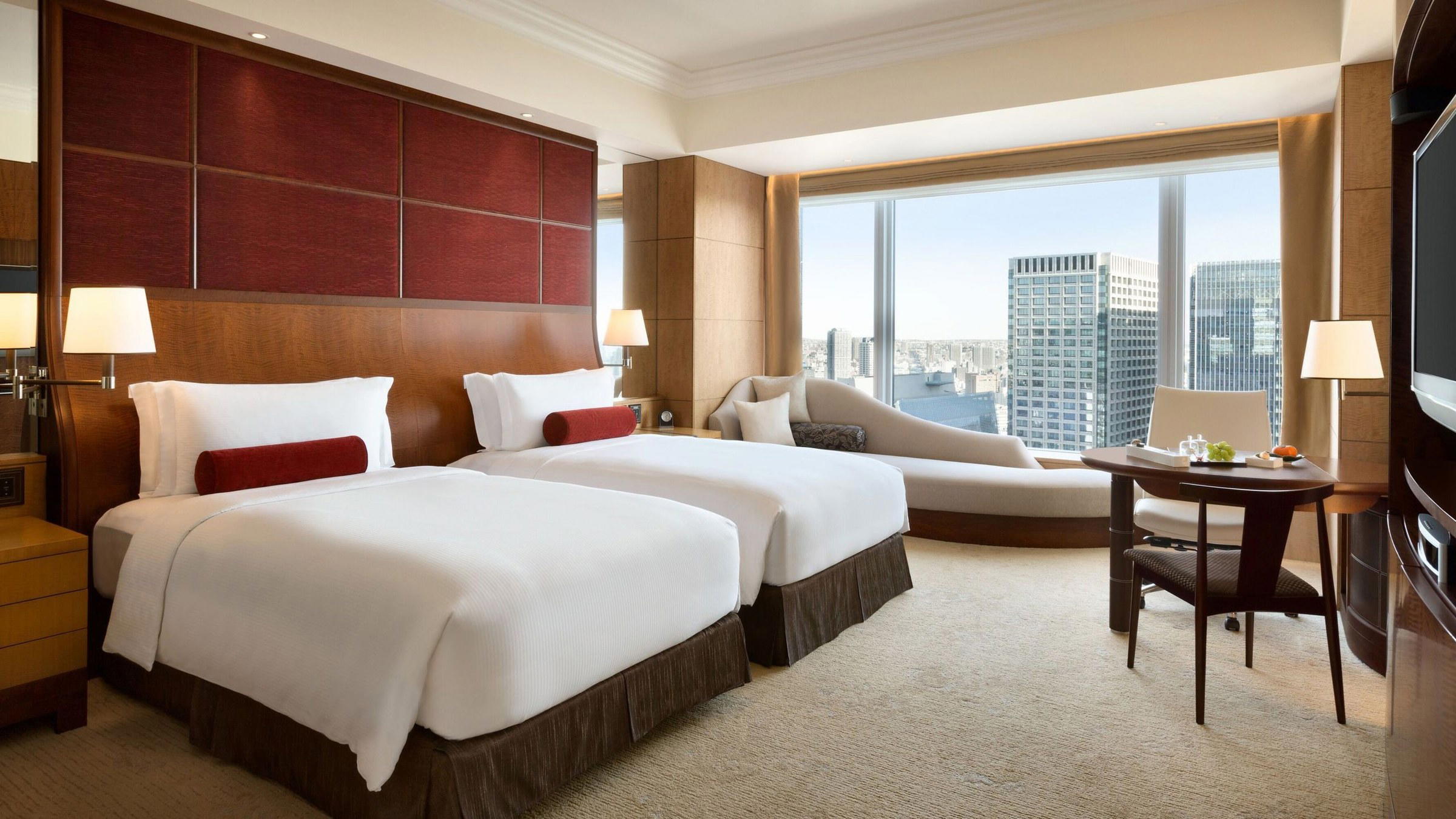
A classic-modern, spacious, and stylish basement space with a clean, low-oil-smell atmosphere.