
Kuya belongs to Ginza’s quieter register: Japanese traditional sweets treated as occasion food rather than restaurant theater. Its Tabelog 100 recognition for Tokyo wagashi in 2023, plus earlier sweets selections, places it in the city’s serious confectionery tier, with a take-out format suited to gifts, family visits, and formal calls.
Pearl is the En Primeur Club membership app — saves, bookings, and concierge access live there. Same editors, same standards.
- Address
- 6 Chome-7-19 Ginza, Chuo City, Tokyo 104-0061, Japan
- Phone
- +81 3-3571-3304
- Website
- instagram.com
 Saves & bookings on Pearl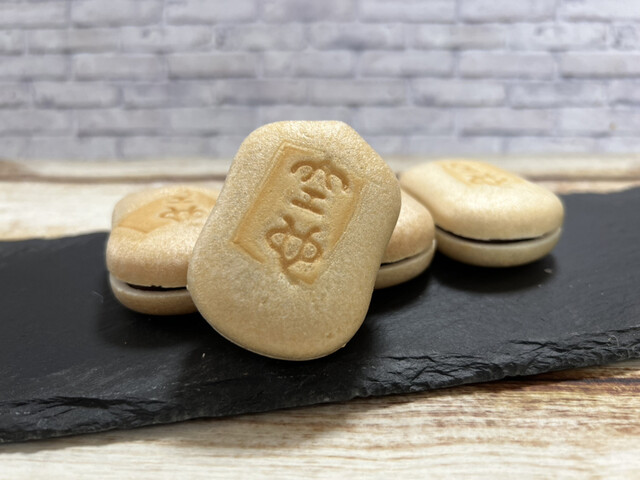
Ginza changes tone quickly once the department-store façades give way to smaller shopfronts and old retail rituals. The pleasure here is not a long meal or a room built for spectacle; it is the precision of a Japanese sweets counter in a district where presentation, timing, and the social meaning of a box still matter. Kuya fits that register: compact, purposeful, and tied to the habit of buying wagashi for someone else as much as for oneself.
Tokyo’s high-end dining conversation often runs toward sushi counters, tempura rooms, and beef restaurants, but the city’s confectionery culture has its own hierarchy. Wagashi is not simply dessert. It belongs to tea, seasonal observance, family visits, workplace gifts, and the etiquette of arriving with something that signals care without excess. In Ginza, that tradition sits beside luxury retail rather than apart from it, which changes the stakes. A small purchase can carry the same social weight as a restaurant reservation.
Ginza wagashi as occasion food, not an afterthought
The useful way to read this address is through purpose. A sweets shop in Ginza is often chosen for a milestone visit, a thank-you, or a household gift, not for casual snacking alone. The take-out format reinforces that social role. It is built around selection, packaging, and timing, rather than lingering over a table. That makes it a different kind of occasion dining: less about ceremony in the room, more about the ceremony that follows.
The price band, JPY 1,000 to JPY 1,999, also explains why wagashi occupies a distinct place in Tokyo’s premium food culture. It can be serious without becoming expensive in the way Ginza sushi or beef can be. In the same neighborhood orbit, venues such as Tenichi, Yakiniku Ginza Cobau, Edo Yakiniku, Gendaisaryo Ginza Fugetsudo, and Ginza Katsukami 2 speak to Ginza’s restaurant-led spending culture. Japanese sweets operate on a narrower ticket but a highly coded standard: freshness, finish, seasonality, and gift suitability carry the status.
That difference matters for travelers building a Tokyo food itinerary. A day that includes formal dining can feel overloaded if every stop is a full sitting. Wagashi offers a lighter, culturally specific counterpoint. It gives the schedule a different rhythm, especially around Ginza, where shopping, gallery visits, hotel lobbies, and department-store food halls can all blur into one polished afternoon.
Recognition here points to craft, consistency, and local confidence
Kuya’s public credibility comes through Tabelog’s Japanese traditional sweets and Japanese sweets cafe selection for Tokyo in 2023, with earlier Tabelog Sweets Tokyo selections in 2018, 2019, 2020, and 2022. In a category crowded with historic shops, department-store counters, and neighborhood specialists, repeated selection is a meaningful signal. It suggests the appeal is not a passing social-media surge but a sustained place in Tokyo’s sweets conversation.
That recognition should be read correctly. It does not place wagashi in competition with a tasting menu, nor should it be judged by restaurant metrics such as course progression or wine service. The critical lens is narrower and more exacting: does the shop justify a planned stop, does it make sense as a gift, and does it belong in the same day as heavier Ginza dining without feeling redundant? On those terms, the case is clear. The format is concise, the category is culturally specific, and the setting is practical for visitors already moving through central Tokyo.
For milestone meals, this is where the editorial argument becomes useful. A celebration in Tokyo does not need to begin and end at the dinner table. A box of wagashi can mark the morning after, a family visit, or the polite exchange before an evening reservation. The gesture is small, but the context is not. In Japan, confectionery often carries formality in miniature, and Ginza remains one of the neighborhoods where that language is understood.
How to fold it into a Tokyo itinerary
The strongest use is as a planned Ginza stop rather than an incidental detour. Pair it with a broader central-Tokyo day, then save heavier dining for later. Travelers mapping restaurants across the city can compare the tempo with . 鮪と炭火焼き うお炭 秋葉原店, 12/10 Shinjuku ten, 124. KAGURAZAKA (Yakitori), 2D Cafe, and 3 Chome no Curry Ya San. For the wider city map, use Our full Tokyo restaurants guide, with parallel planning through Our full Tokyo hotels guide, Our full Tokyo bars guide, Our full Tokyo wineries guide, and Our full Tokyo experiences guide.
The broader Japan context also helps. Regional and cross-city planning can pull in -Grilled beef Sukiyaki- KAMAKURA TANUKIAN 鎌倉 たぬき庵 in Kamakura.cafe in Osaka.know in Kumamoto, (Shoku) Vietnam in Kawasaki, [Curry Senmon Ten] Maruyama Kyoju. in Sapporo, and [ki:] in Kyoto. For Japanese drinking and casual-food references outside Japan, Jōdo Saké Bar in Los Angeles and Onigiri Time in Pasadena show how specific formats travel, though Ginza wagashi remains tied to a more formal gift culture.
Editorial verdict is simple: treat this as a precision stop for Japanese sweets and social ritual, not as a substitute for lunch or dinner. In a city where luxury often announces itself through scarcity and price, this category rewards a quieter kind of attention. The purchase is modest; the cultural signal is not.
A Quick Peer Check
Comparable venues by cuisine and category.
| Venue | Cuisine | Price | Notes |
|---|---|---|---|
| KuyaThis venue — the venue you are viewing | Traditional Japanese Wagashi & Monaka | $$ | Not listed |
| Hirugao (ひるがお) | Shio Ramen Specialist | $$ | Marunouchi |
| 銀座久兵衛 | japanese | Not listed | Chūō |
| 花蝶 | Tonkatsu | Not listed | Chūō |
| Kurobuta Tonkatsu Hori Ichi | Kurobuta tonkatsu specialist | $$ | Minato |
| Tsutsui | Traditional Yoshoku (Japanese Western cuisine) | $$ | Chūō |
Recognition history
Dated appearances from independent guides and award organizations, with the underlying list record or original source where available.
Tabelog 100 #52 · No. 52
Tabelog · Tabelog 100 - Japanese traditional sweets / Japanese sweets cafe - TOKYO - 2023









At a Glance
- Classic
- Quiet
- Solo
- Family
- Casual Hangout
- After Work
- Standalone
- Historic Building
Current opening hours
- Monday
- 10 AM–5 PM
- Tuesday
- 10 AM–5 PM
- Wednesday
- 10 AM–5 PM
- Thursday
- 10 AM–5 PM
- Friday
- 10 AM–5 PM
- Saturday
- 10 AM–4 PM
- Sunday
- Closed
Hours can change for holidays and private events. Last verified .
A calm, traditional wagashi shop atmosphere focused on takeaway sweets rather than dine-in, with an elegant, understated feel reflecting its long history in Ginza.