BAK




BAK occupies the third floor of Amsterdam's Veem warehouse, overlooking the IJ with a menu architecture built around vegetables long before that became a familiar restaurant pitch. Chef Benny Blisto runs five- and seven-course menus drawing on around 80 vegetable varieties and 50 herb types annually, sourced from regional artisan growers. Michelin Plate recognition and a 2025 Opinionated About Dining ranking confirm its place in Amsterdam's serious mid-tier dining conversation.
Pearl is the En Primeur Club membership app — saves, bookings, and concierge access live there. Same editors, same standards.
- Address
- Van Diemenstraat 408, 1013 CR Amsterdam, Netherlands
- Phone
- +31 20 737 2553
- Website
- bakrestaurant.nl
- Directions
- Get directions
 Saves & bookings on Pearl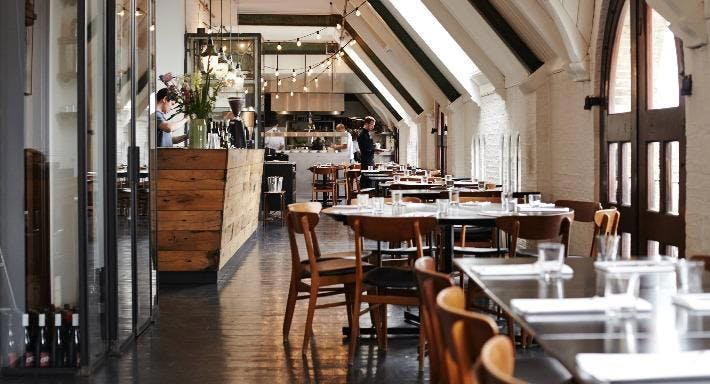
A Warehouse Floor Above the IJ
BAK is a Bistro in Amsterdam, at Van Diemenstraat 408, 1013 CR Amsterdam, Netherlands. The approach to BAK requires a small act of intention. Van Diemenstraat sits on the north bank of the IJ, in a stretch of Amsterdam that grew up around industrial water trade and has since been colonised by studios, warehouses-turned-offices, and the occasional restaurant that earns the journey. The Veem warehouse is one of those buildings that has absorbed decades of use without losing its working character. Arriving on the third floor, the river is immediately present, a wide grey-blue plane that gives the room a sense of scale you rarely get in the compressed canal-house dining rooms of the centre. That physical context is not incidental. It frames what BAK is doing with its food: a restaurant that takes the raw and the agricultural seriously, in a space that still smells faintly of the city's industrial past.
How the Menu Is Built, and What That Tells You
BAK's menu architecture is the clearest statement of its culinary position. The choice is five or seven courses, and the sequencing is deliberate: every menu opens with several vegetarian dishes before moving into the fuller combinations that follow. This is not a vegetarian restaurant by category, but the primacy of vegetables in the menu's structure signals where the kitchen's real energy sits. Chef Benny Blisto sources approximately 80 varieties of vegetables and 50 varieties of herbs each year from artisan growers in the region, with Wim Bijma serving as a key agricultural partner. The scale of that sourcing commitment is notable: this is not a token farm relationship or a seasonal garnish arrangement. It is a supply chain organised around variety and specificity, which gives the kitchen genuine material to work with across a full year.
The vegetarian opening sequence functions as both a philosophy statement and a calibration exercise. By the time a guest reaches the later courses, the kitchen has already demonstrated its depth with produce, which changes the way the protein-forward combinations read. It is a sequencing choice that rewards attention, and it distinguishes BAK from Amsterdam restaurants that use vegetables decoratively while reserving technical ambition for the meat and fish courses. At the €€€ price tier, BAK sits in a bracket that includes places like Kaagman & Kortekaas, while operating at a distinct remove from the €€€€ creative tier occupied by Ciel Bleu, Flore, Spectrum, and Vinkeles.
Bistronomy Before It Had a Name in the Netherlands
The wider context here matters. When BAK began as a pop-up in a squatted space in 2013, the Dutch fine dining scene was dominated by formal codes: white tablecloths, brigade service, and a price structure that kept serious cooking at a significant distance from younger or less affluent diners. The bistronomy movement, which had already reshaped parts of Paris and London, had not yet found a convincing Dutch expression. BAK arrived early into that gap, bringing technique and sourcing rigour into an informal register that the market was not yet offering. A decade on, that positioning reads differently because the category has grown around it, but the originating move, serious cooking, accessible format, uncompromising sourcing, remains legible in the current menu structure.
De Woage in Gramsbergen and Spetters in Breskens, both operating in the same €€€ farm-to-table register outside Amsterdam. The Dutch fine dining firmament beyond the city also includes De Librije in Zwolle, Aan de Poel in Amstelveen, De Bokkedoorns in Overveen, De Groene Lantaarn in Staphorst, De Lindehof in Nuenen, and De Lindenhof in Giethoorn, each with distinct regional and stylistic identities that show the range now operating across the country.
Recognition and What It Signals
BAK holds a Michelin Plate in both 2024 and 2025.5 across 743 reviews adds a further data point.
Planning Your Visit
BAK is closed Monday and Tuesday. Wednesday through Friday, service runs from 6 to 10 pm, dinner only. Saturday and Sunday offer both lunch (12:30 to 3 pm) and dinner (6 to 10 pm), making the weekend the practical choice for those who want a daytime visit with the IJ in full light. The address is Van Diemenstraat 408, 1013 CR Amsterdam, in the Houthavens-adjacent zone on the north bank of the IJ, accessible by ferry from Centraal Station or by tram and a short walk. It is worth arriving with a few minutes to spare before your reservation: the building and the approach across the waterfront have a character worth taking in before you go up to the third floor.
Comparable Venues
Comparable venues nearby, for context on price, style, and recognition.
| Venue | Cuisine | Price | Awards | Notes |
|---|---|---|---|---|
| BAKThis venue — the venue you are viewing | Bistro | $$$ | Michelin Plate | Not listed |
| Watergang | Modern French-European Tasting Menu | $$$ | Michelin Plate | Weteringbuurt |
| Scheepskameel | Modern European Bistro | $$$ | Bib Gourmand | Marine-Etablissement |
| R21 | Modern Fine Dining | $$$ | Michelin Plate | Rapenburg |
| Tannay | Classic French Burgundy | $$$ | Michelin Plate | Westelijke Eilanden |
| Gitane | Modern Mediterranean Bistro | $$ | Bib Gourmand | Cremerbuurt West |
Recognition history
Dated appearances from independent guides and award organizations, with the underlying list record or original source where available.
Opinionated About Dining Top Restaurants in Europe Recommended
Opinionated About Dining
Star Wine List
Star Wine List
Michelin Plate
Michelin
Opinionated About Dining Top Restaurants in Europe Ranked #597
Opinionated About Dining
We're Smart World 4 Radishes
We're Smart World
Michelin Plate
Michelin
Opinionated About Dining Casual in Europe Recommended
Opinionated About Dining
Continue exploring
More in Amsterdam
Restaurants in Amsterdam
Browse all →
Bars in Amsterdam
Browse all →
Hotels in Amsterdam
Browse all →
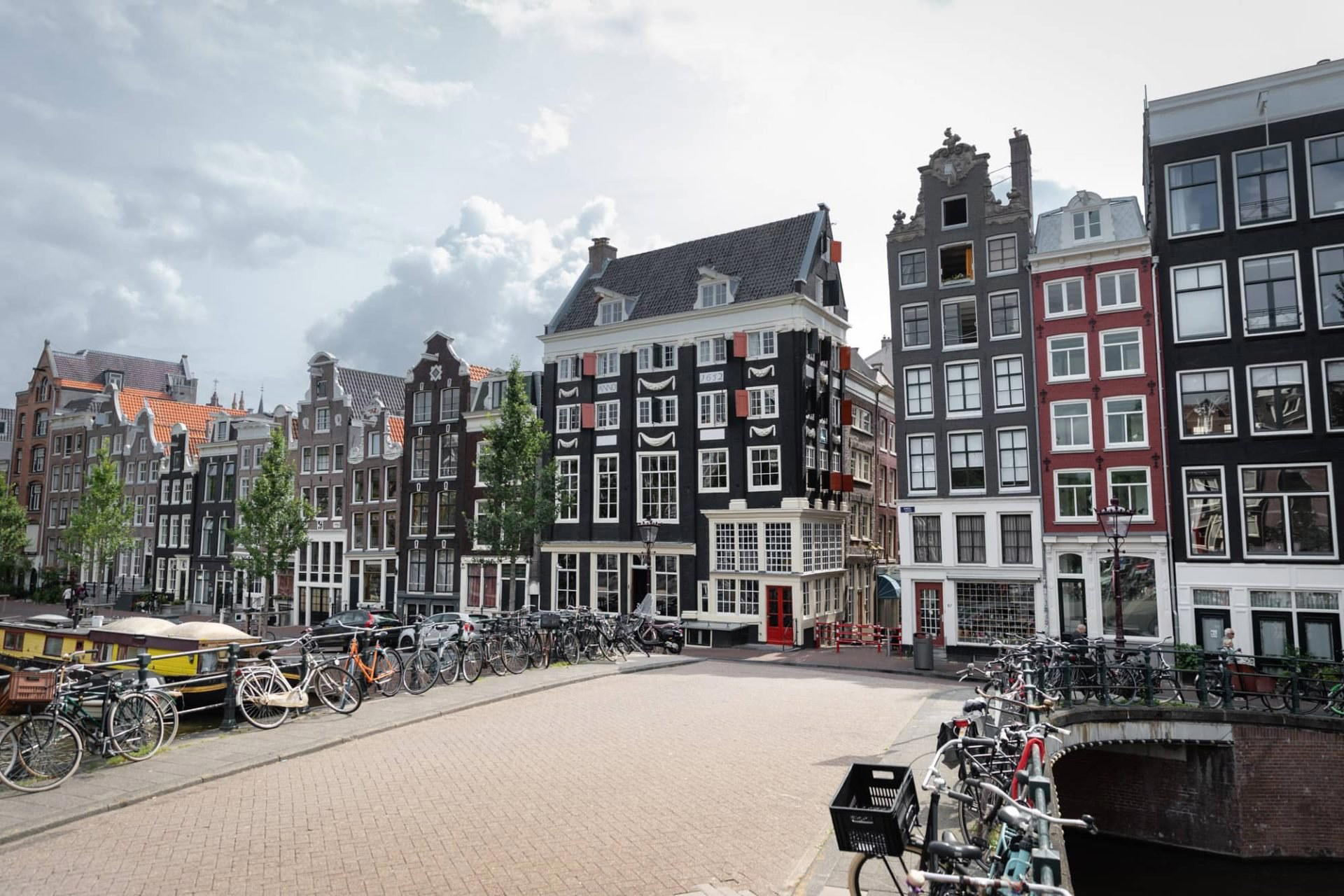
Wineries in Amsterdam
Browse all →
At a Glance
- Modern
- Sophisticated
- Scenic
- Industrial
- Date Night
- Business Dinner
- Group Dining
- Celebration
- Special Occasion
- Waterfront
- Historic Building
- Design Destination
- Standalone
- Extensive Wine List
- Natural Wine
- Sommelier Led
- Local Sourcing
- Sustainable Seafood
- Farm To Table
- Waterfront
Current opening hours
- Monday
- Closed
- Tuesday
- Closed
- Wednesday
- 6–10 PM
- Thursday
- 6–10 PM
- Friday
- 6–10 PM
- Saturday
- 12:30–3 PM, 6–10 PM
- Sunday
- 12:30–3 PM, 6–10 PM
Hours can change for holidays and private events. Last verified .
A clean, modern, Dutch-minimalist dining room in a converted warehouse overlooking the water, with a sophisticated and relaxed fine-dining atmosphere.