Tokyo Japanese Steak House
Our verdict
Tokyo Japanese Steak House on South 320th Street brings the teppanyaki dining format to Federal Way, where tableside cooking and communal seating define the experience. The restaurant fits into a local dining scene that otherwise leans heavily on chain formats and fast-casual options, giving the South King County corridor a distinct sit-down ritual worth understanding before you book.

Pearl is the En Primeur Club membership app — saves, bookings, and concierge access live there. Same editors, same standards.
- Address
- 1404 S 320th St, Federal Way, WA 98003
- Phone
- (253) 508-0557
- Hours
- Mon–Thu 5–9 PMFri 4:30–9:30 PMSat 12–2:30 PM, 4:30–9:30 PMSun 12–2:30 PM, 4:30–8:30 PM
- Website
- tokyojapanesesteakhouse.org
- Directions
- Get directions
- Booking
- Book on OpenTable
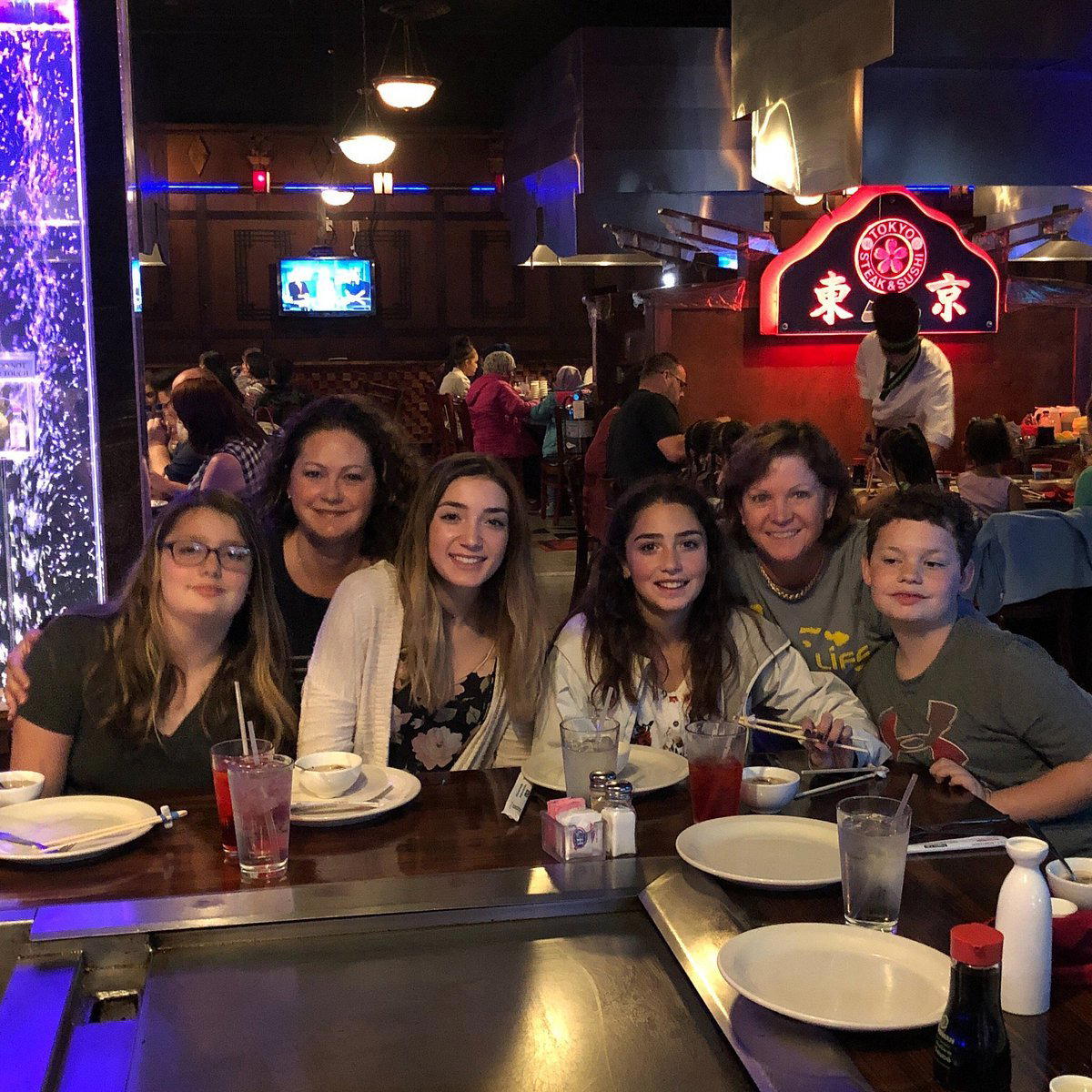
The Ritual Before the Flame
Teppanyaki dining has a choreography that predates any single restaurant's interpretation of it. Diners are seated together around a flat iron griddle, often alongside strangers, and a chef works the surface in front of them — slicing, seasoning, and cooking proteins and vegetables in a sequence that doubles as both meal and performance. The format originated in Japan but took on a distinctly American character beginning in the mid-twentieth century, when Benihana popularized the communal grill table for stateside audiences. What followed was a category of restaurant that sits outside the usual divide between casual and formal: teppanyaki is participatory in a way most dining formats are not, and the pacing is dictated by the cook, not the kitchen. Tokyo Japanese Steak House at 1404 S 320th St in Federal Way operates inside this tradition.
Federal Way and Its Dining Context
Federal Way sits in the South King County corridor, roughly midway between Seattle and Tacoma along Interstate 5. The city's dining scene skews toward accessible, family-oriented formats — chain restaurants dominate the main commercial strips, with independent operators filling specific ethnic niches or neighborhood-anchored roles. Within that mix, sit-down experiences built around a defined ritual, as teppanyaki is, occupy a distinct position. They draw diners who want more than a transaction: the meal is structured, social, and time-consuming by design. Venues like Mama Stortini's and Theary Cambodian Foods address different registers of the same local appetite for independent dining, but the teppanyaki format is its own category, celebratory, communal, and structured around the table as a shared stage. See our full Federal Way restaurants guide for broader context on where this fits in the city's dining mix.
How the Format Works
The teppanyaki meal follows a recognizable sequence that regulars understand and first-timers should know before sitting down. Soup and salad typically open the meal, establishing pacing before the main grill work begins. Then proteins arrive, steak cuts, chicken, seafood, or some combination, cooked to order on the griddle alongside fried rice and vegetables. The chef controls the timing and often incorporates tableside elements: the onion volcano, the shrimp toss, the egg flip. These are not novelties bolted onto a serious meal; they are the meal's grammar, part of how teppanyaki communicates with its audience. Diners who arrive expecting a quiet, linear dinner service will need to recalibrate. The format assumes engagement, noise, and shared space with people you may not know. That social friction is not a flaw, it is the point.
Compared to the highly controlled, solitary omakase format practiced at counters like those that draw comparison to Atomix in New York City, or the long, narrative tasting menus associated with places like Lazy Bear in San Francisco or Alinea in Chicago, teppanyaki sits in a different tier entirely, one defined less by ingredient sourcing credentials and more by the quality of the performance and the consistency of the proteins. The relevant comparison set for Tokyo Japanese Steak House is other teppanyaki-format restaurants in the South Sound and greater Seattle area, not the Michelin-tracked dining rooms at The French Laundry, Le Bernardin, or Providence in Los Angeles.
What Teppanyaki Diners Are Actually Evaluating
When regulars and first-time visitors assess a teppanyaki restaurant, they are not primarily judging the menu on paper. They are judging the chef's control of the griddle, the quality of the beef cuts, the balance of seasoning, and whether the performance sustains itself across a full table's meal without feeling mechanical. Steak quality matters enormously in this format because the griddle cooking is high-heat and fast, it rewards well-marbled cuts and punishes anything below a certain threshold. Fried rice is a secondary but reliable signal: a well-seasoned, properly textured teppanyaki fried rice is harder to execute consistently than it looks, and experienced diners notice when it falls short.
The communal seating structure also places social skill on the chef in a way that kitchen-invisible cooking does not. A teppanyaki chef is running a table, not just executing dishes. Pacing, humor, and the ability to read a mixed table, families with children, couples celebrating anniversaries, groups of coworkers, are part of the professional expectation. This is a different skill profile than what defines the kitchen brigades at destination restaurants like Single Thread Farm in Healdsburg, Blue Hill at Stone Barns, or Addison in San Diego, but it is no less demanding in context.
Planning Your Visit
Tokyo Japanese Steak House is located at 1404 S 320th St in Federal Way, Washington. Teppanyaki restaurants in this category typically accept both reservations and walk-ins, with weekends and celebratory occasions running tighter than weekday evenings, calling ahead before a group visit or birthday dinner is the standard practice. Group size matters more here than in most restaurant formats: teppanyaki tables are designed for communal seating, and a party of two may be seated alongside other diners to fill the grill. If that dynamic is a concern, confirming the seating policy when booking is worth a direct conversation with the restaurant.
FAQ
What's the must-try dish at Tokyo Japanese Steak House?
Steak is the anchor of the teppanyaki format and the most reliable indicator of a restaurant's commitment to the category. In any teppanyaki setting, the quality of the beef cut and the chef's griddle control determine whether the format delivers. Beyond the protein, teppanyaki fried rice is the secondary dish worth attention, its consistency across a service tells you something about kitchen standards. For the most current menu specifics at Tokyo Japanese Steak House, check their current listings or contact the restaurant directly.
Do they take walk-ins at Tokyo Japanese Steak House?
Teppanyaki restaurants across this price tier and format generally accommodate walk-ins during slower weekday services, with weekends and holidays running closer to capacity. The communal table structure means a walk-in party of two may wait for a full table to assemble before service begins. Federal Way's dining corridors see consistent family and group traffic on Friday and Saturday evenings, so calling ahead for those windows is advisable regardless of reservation policy.
What do critics highlight about Tokyo Japanese Steak House?
In the broader teppanyaki category, critics typically assess chef technique at the grill, protein quality, and the balance between performance and actual cooking craft. Venues that hold up on all three tend to sustain their local reputation across years of neighborhood dining. For critical context on what high-end Japanese dining looks like elsewhere in the country, Atomix and 8 1/2 Otto e Mezzo Bombana in Hong Kong represent a different tier of the same broader tradition.
How does Tokyo Japanese Steak House handle allergies?
For any allergy concern, direct contact with the restaurant before arrival is the appropriate step. Teppanyaki cooking on a shared griddle surface introduces cross-contact variables that make advance communication with staff more important here than in formats where dishes are prepared in separate kitchen stations. Federal Way diners with significant dietary restrictions should confirm specifics directly with the venue.
Is Tokyo Japanese Steak House suitable for large group celebrations?
The teppanyaki format is structurally well-suited to group dining, the communal grill table is designed for parties, and the performance element makes the format a natural fit for birthdays and milestone dinners. Teppanyaki restaurants in this category across the Pacific Northwest regularly host group bookings in the range of eight to twelve diners at a single table. For groups planning a celebration at Tokyo Japanese Steak House, confirming capacity and reservation availability in advance is the practical move, particularly given Federal Way's concentration of family-oriented dining traffic on weekend evenings. Other independently operated venues worth considering for group dining in the area include Mama Stortini's and restaurants featured in our Federal Way dining guide. For a sense of how top-tier group dining formats operate at the national level, Emeril's in New Orleans, Bacchanalia in Atlanta, Brutø in Denver, Causa in Washington D.C., and The Inn at Little Washington each represent what the category can look like when format and ambition scale together.
Frequently asked questions
How do I find Tokyo Japanese Steak House?
Tokyo Japanese Steak House is located at 1404 S 320th St, Federal Way, WA 98003, Federal Way.
Is Tokyo Japanese Steak House a good option for group dinners in the Federal Way area?
Teppanyaki restaurants are structurally suited to group dining because the communal griddle format seats multiple parties together around a shared cooking surface, making the meal a shared event rather than parallel individual dining. Tokyo Japanese Steak House sits in Federal Way's South King County corridor at 1404 S 320th St, roughly equidistant between Seattle and Tacoma, which gives groups coming from either city a central meeting point. For large party bookings, contacting the venue in advance is advisable since griddle seating capacity varies by station.
What's the must-try dish at Tokyo Japanese Steak House?
In teppanyaki format broadly, the protein selection cooked on the flat iron griddle is the centerpiece of the meal, with beef cuts typically drawing the most attention from regulars. check the venue's official channels to ask what the chef recommends on a given evening.
Do they take walk-ins at Tokyo Japanese Steak House?
Teppanyaki restaurants seat diners communally around shared grills, so availability depends on how many seats are open at each station rather than individual table turnover. Calling ahead or checking availability in person at 1404 S 320th St is the most reliable approach.
What do critics highlight about Tokyo Japanese Steak House?
What teppanyaki diners consistently evaluate, regardless of venue, is the chef's command of the griddle — timing, heat control, and tableside technique carry more weight than the menu description alone. Federal Way's position between Seattle and Tacoma makes it a practical choice for diners in South King County seeking this format without driving to a city center.
How does Tokyo Japanese Steak House handle allergies?
Teppanyaki kitchens cook on shared flat iron surfaces, which is a relevant consideration for guests with cross-contact sensitivities. Raise any dietary restrictions directly with the restaurant before booking.
Cuisine and Recognition
Comparable venues nearby, for context on price, style, and recognition.
| Venue | Cuisine | Price | Notes |
|---|---|---|---|
| Tokyo Japanese Steak HouseThis venue — the venue you are viewing | Teppanyaki Japanese Steakhouse | $30–50 | Not listed |
| Mama Stortini's - Federal Way | Pacific Northwest Italian | $20–30 | The Commons at Federal Way |
| Theary Cambodian Foods | Authentic Cambodian Khmer | $20–30 | Federal Way |
Continue exploring
More in Federal Way
Restaurants in Federal Way
Browse all →
Bars in Federal Way
Browse all →
Hotels in Federal Way
Browse all →
Details
- Lively
- Energetic
- Family
- Group Dining
- Celebration
- Open Kitchen
- Sake Program
- A La Carte
- Vegetarian Friendly
Current opening hours
- Monday
- 5–9 PM
- Tuesday
- 5–9 PM
- Wednesday
- 5–9 PM
- Thursday
- 5–9 PM
- Friday
- 4:30–9:30 PM
- Saturday
- 12–2:30 PM, 4:30–9:30 PM
- Sunday
- 12–2:30 PM, 4:30–8:30 PM
Hours can change for holidays and private events. Last verified .
Energetic atmosphere with lively tableside cooking shows featuring open grills and interactive chef performances.