The Cahuenga Corridor and What It Demands
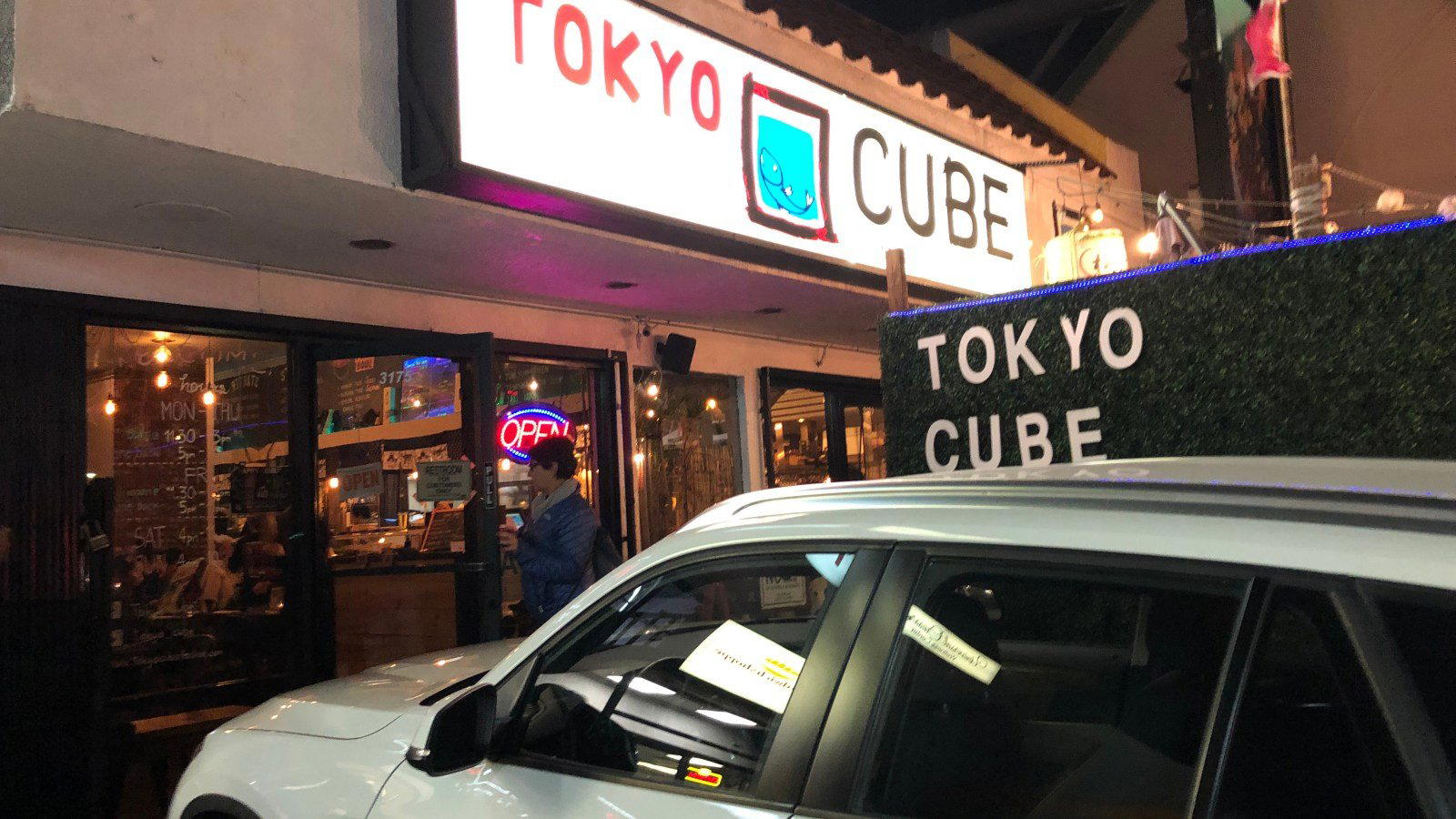
Cahuenga Boulevard West runs through a specific kind of Los Angeles neighbourhood — neither the tourist-facing density of Hollywood proper nor the deep residential quiet further into the hills. It draws a local clientele that eats out frequently and calibrates value against a wide reference set. Restaurants here do not survive on one-time visitors. They build on return business, which means the kitchen's consistency across services matters as much as its leading performance on any given night.
That neighbourhood dynamic shapes what ingredient-sourcing commitments look like in practice. A restaurant on this corridor cannot rely on a single marquee product to carry the menu. The broader supply chain has to hold across service types, seasons, and the natural variability of Japanese produce imports. Los Angeles's leading Japanese addresses, from the omakase counters of Sawtelle to the refined formats of the Arts District, all face this consistency test, and the ones that have endured longest are those with supplier relationships deep enough to absorb disruption without visible compromise on the plate.
For context on how LA's broader premium dining tier handles this: Providence has built its contemporary seafood identity around long-term fisherman relationships that give the kitchen first access to specific catches. Somni operates at the molecular tier but with the same sourcing discipline, ingredient selection is audible in the technique. Tokyo Cube occupies a different price point and format, but the neighbourhood and city context place it in a conversation where sourcing transparency is increasingly the baseline expectation, not a differentiator.
Where Japanese Cooking in LA Has Been Going
The broader trajectory of Japanese dining in Los Angeles over the past decade points toward specialisation and smaller formats. The city's Japanese restaurant tier has fragmented productively: ramen has its own economy, sushi counters have stratified sharply between entry-level and premium omakase, and the izakaya format has matured beyond its first-generation American iteration into something closer to the original Tokyo model. What has emerged in the last five years is a cohort of restaurants that resist easy categorisation, they draw from Japanese culinary logic but apply it to local California product, or they commit to a specific regional Japanese tradition rather than a generalised idea of Japanese food.
This is the competitive context Tokyo Cube enters. The Cahuenga address places it in a neighbourhood where diners have access to the full LA restaurant map and exercise real choice. Against that backdrop, the restaurants that hold attention longest are those with a defined sourcing identity, a clear answer to the question of where the food comes from and why those choices produce a better result on the plate. Nationally, this framework has gained traction well beyond California: Blue Hill at Stone Barns in Tarrytown built its entire reputation on farm-to-table sourcing transparency, and Single Thread Farm in Healdsburg treats the supply chain as co-author of the menu. The standard has been set, and diners in LA's premium tier recognise it.
Within California, the comparison set extends further. The French Laundry in Napa has long operated its own kitchen garden as a sourcing anchor. Addison in San Diego draws from Southern California's agricultural diversity as part of its identity. The regional pattern is consistent: at the top of the California dining tier, the kitchen's relationship with its suppliers is considered as important as its technique credentials. Tokyo Cube sits in a city where that expectation has filtered down well below the starred tier.
Placing Tokyo Cube in a National Frame
For diners who move between cities and calibrate restaurants against a national reference set, Tokyo Cube's Hollywood Hills location places it in a category where the local competitive bar is genuinely high. Los Angeles has earned its place alongside New York and Chicago as a city where fine-dining ambition produces work that reads credibly on a national stage. Le Bernardin in New York City and Alinea in Chicago define what sustained commitment to a sourcing and technique philosophy looks like across decades. Lazy Bear in San Francisco demonstrates how a non-traditional format can hold a serious culinary identity. Atomix in New York City has made Korean fine dining legible to a global audience by treating provenance and presentation as inseparable. These are the peer comparisons that ambitious LA restaurants are measured against, and the Cahuenga corridor sits close enough to the city's creative and industry centre that the diner base is well-acquainted with the standard.
Beyond the US coasts, the sourcing conversation in Japanese cooking has its own reference points. 8 1/2 Otto e Mezzo Bombana in Hong Kong operates in a city where imported ingredient quality is a constant logistical challenge, yet has built a reputation that holds against European fine-dining benchmarks, a reminder that supply chain mastery is as much about relationships and knowledge as it is about geography. The broader LA Japanese dining scene benefits from California's geographic advantage, but advantage only converts to quality when the kitchen has the supplier relationships to activate it consistently. See our full Los Angeles restaurants guide for a broader map of where the city's dining scene is moving.
Know Before You Go
Planning Details
- Address: 3175 Cahuenga Blvd W, Los Angeles, CA 90068
- Neighbourhood: Hollywood Hills / Cahuenga Corridor
- Price range: Not confirmed, contact directly for current pricing
- Hours: Not confirmed, verify before visiting
- Parking: Street and lot parking available along Cahuenga Blvd W; Uber and rideshare practical from Hollywood and Silver Lake