
Tabelog 100 #7
Our verdict
Nagoya’s tonkatsu culture often sits below the city’s louder miso-katsu reputation, but Tokugawa Cho Buta Fuku belongs to the more exacting cutlet tier: counter seating, pork-specialist focus, and selection for Tabelog 100 Tonkatsu 2026. The appeal is less spectacle than coordination, with frying, pacing, drinks, and counter service working as one compact system.

Pearl is the En Primeur Club membership app, where members save venues, book tables and use the concierge.
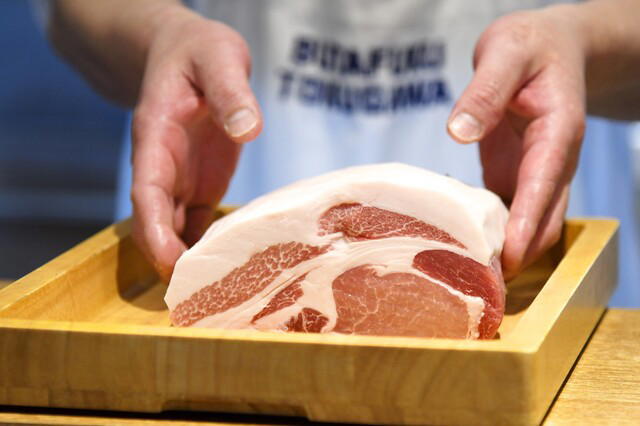
Approaching Tokugawa Cho Buta Fuku, Nagoya slows into a more deliberate restaurant rhythm. That setting matters for tonkatsu. Pork cutlet at this level is not merely a fast refuel; it is a short-format meal where room, fryer, rice, cabbage, condiments, and drink service need to land in sequence. Tokugawa Cho Buta Fuku sits in that specialist register, focused on the disciplined pleasures of a pork-cutlet meal rather than banquet scale.
Nagoya is usually read through miso katsu, hitsumabushi, kishimen, and tebasaki, but its better pork-cutlet addresses show another appetite: precision over heaviness. The question for travellers is not whether tonkatsu is familiar, but whether a cutlet house merits planning like a serious restaurant, especially in a city where Japanese counters such as Kojitsu, French-leaning rooms such as LE PIGNON, and Garden Restaurant Tokugawaen can frame a very different kind of occasion. Here, the category remains accessible, but the discipline is closer to a focused specialist restaurant than a casual set-meal shop.
A focused room turns tonkatsu into a team sport
Read the room through coordination. In a specialist tonkatsu setting, the meal depends on a tight relay: kitchen timing, front-of-house pacing, and any drink service must support the cutlet, not distract from it. The restaurant belongs to the current specialist-tonkatsu mood, where the experience is about control, temperature, texture, and rhythm rather than the older sauce-and-beer model. It is not formal dining; it is deliberate operation.
Selection for Tabelog 100 Tonkatsu 2026 gives the address a clear trust signal in a category hard to judge from abroad. Tabelog’s genre lists are useful in Japan because they separate craft categories that guidebooks can flatten into general “Japanese restaurant” coverage. A tonkatsu selection says something specific: pork cutlet, frying control, rice management, and the service rhythm around a short meal have been noticed by a Japanese dining audience.
That matters because tonkatsu is unforgiving. Sushi has ceremony and tempura theatre; tonkatsu has fewer places to hide. The cutlet must leave the fryer, rest, slice, and arrive while heat, crust, and meat texture stay balanced. Front-of-house is not decorative: it separates a meal that feels assembled from one that moves with intent. In a compact specialist format, small hesitations are visible, so team dynamic becomes part of the experience.
Nagoya's pork-cutlet lane beyond miso katsu
For visitors, Nagoya shorthand often means sweet-savoury miso sauce over pork. That is a valid local reference, but it can obscure the wider cutlet tradition: pork, oil management, breading texture, cabbage, rice quality, and the choice between sauce, salt, mustard, or citrus-led seasoning. Tokugawa Cho Buta Fuku belongs to that conversation, where pleasure comes from restraint and control rather than volume.
The price position is central. Lunch is listed at JPY 2,000 to JPY 2,999 and dinner at JPY 3,000 to JPY 3,999, a bracket where travellers can treat tonkatsu as a planned meal without pushing it into special-occasion territory. Seigetsu and Myoan offer other Nagoya comparison points, while Tokugawa Cho Buta Fuku keeps the focus on pork cutlet at a more everyday-accessible level. The spread is useful: pork cutlet can be serious without becoming ceremonial.
The 2026 Tabelog recognition gives the restaurant a contemporary frame. Japan’s specialist comfort-food addresses have grown more exacting over the last decade, treating fried foods less as nostalgia than technique. In that climate, a Nagoya tonkatsu address appearing in a category selection signals acceptance into a demanding field.
How to place it in a Nagoya dining itinerary
The location works best for travellers already building a day in Nagoya rather than treating the meal as an afterthought. The restaurant fits a planned city itinerary better than a spontaneous dash between unrelated appointments, because the appeal is in giving a short meal enough attention. Arrive with time, and treat the booking or visit window as part of the day rather than a commuter stop.
Planning matters more than status. This is a focused restaurant in a category where timing, turnover, and the kitchen’s pacing shape the experience, so it is wise to build slack into the schedule rather than stacking it before a train, museum slot, or hotel check-in. Lunch and dinner are both listed in the budget information, making it workable as either a midday anchor or a lower-key evening meal in Nagoya.
The practical frame is simple: this is not a flexible event space but a focused address for a specific meal. Expect the experience to revolve around tonkatsu, with the usual decisions of cutlet, rice, cabbage, condiments, and pacing carrying more weight than décor or ceremony. Travellers who enjoy restaurants where craft is compressed into a short format will understand the appeal quickly.
For a broader Nagoya itinerary, compare this pork-cutlet stop with other city entries in Our full Nagoya restaurants guide, then separate dinner planning from lodging through Our full Nagoya hotels guide, drinks through Our full Nagoya bars guide, regional producers through Our full Nagoya wineries guide, and cultural scheduling through Our full Nagoya experiences guide. Nearby editorial cross-checks include other Nagoya dining rooms and specialist addresses across the city. For wider Japan and overseas context, use broader city guides and unnamed regional references rather than reading Tokugawa Cho Buta Fuku through unrelated venues.
Frequently asked questions
What part of town is Tokugawa Cho Buta Fuku in?
Nagoya.
What's the pricing like at Tokugawa Cho Buta Fuku?
Pricing at Tokugawa Cho Buta Fuku is listed as dinner at JPY 3,000 - JPY 3,999 and lunch at JPY 2,000 - JPY 2,999.
Is Tokugawa Cho Buta Fuku reservation-only?
The available listing information places Tokugawa Cho Buta Fuku in Nagoya and gives lunch and dinner budget ranges, but travellers should confirm current booking and service details directly before planning around the meal.
What is Tokugawa Cho Buta Fuku known for?
It is a tonkatsu specialist, selected for Tabelog Tonkatsu 100 2026. The pricing sits at JPY 2,000–JPY 2,999 for lunch and JPY 3,000–JPY 3,999 for dinner, which places it in an accessible bracket for a recognised restaurant in Nagoya.
What if I have allergies at Tokugawa Cho Buta Fuku?
Tonkatsu is the house format here, so pork and frying are central to the meal. Allergy planning should be raised before ordering in Nagoya, especially for diners who need clear guidance on ingredients or preparation.
The Quick Read
Comparable venues by category and price.
| Venue | Cuisine | Price | Awards | Notes |
|---|---|---|---|---|
| Tokugawa Cho Buta FukuThis venue (the venue you are viewing) | Traditional Tonkatsu (Pork Cutlet) | $20–30 | Tabelog 100 #7 | Not listed |
| Seigetsu | Charcoal-grilled Unagi (Eel) Restaurant | $30–50 | Tabelog 100 #52 | JPY 3,000 - JPY 3,999 JPY 3,000 - JPY 3,999 |
| LE PIGNON | Seasonal French fine dining in a traditional Japanese courtyard house | $100–150 | Tabelog 100 #23 | JPY 15,000 - JPY 19,999 JPY 8,000 - JPY 9,999 |
| Garden Restaurant Tokugawaen | Japanese-French Fine Dining in a Historic Garden | $100–150 | Tabelog 100 #48 | JPY 15,000 - JPY 19,999 JPY 8,000 - JPY 9,999 |
| Myoan | Seasonal Japanese Kappo / Kaiseki | $200–300 | Tabelog 100 #80 | JPY 30,000 - JPY 39,999 |
| Kojitsu | Seasonal Kaiseki | $100–150 | Tabelog Bronze #196 | Japanese Cuisine, JPY 20,000 - JPY 29,999 JPY 10,000 - JPY 14,999 |
Recognition history
Dated appearances from independent guides and award organizations, with the underlying list record or original source where available.
Tabelog 100 #7 · No. 7
Tabelog · Tabelog 100 - Tonkatsu - 2026
Continue exploring
More in Nagoya
Restaurants in Nagoya
All restaurants in Nagoya →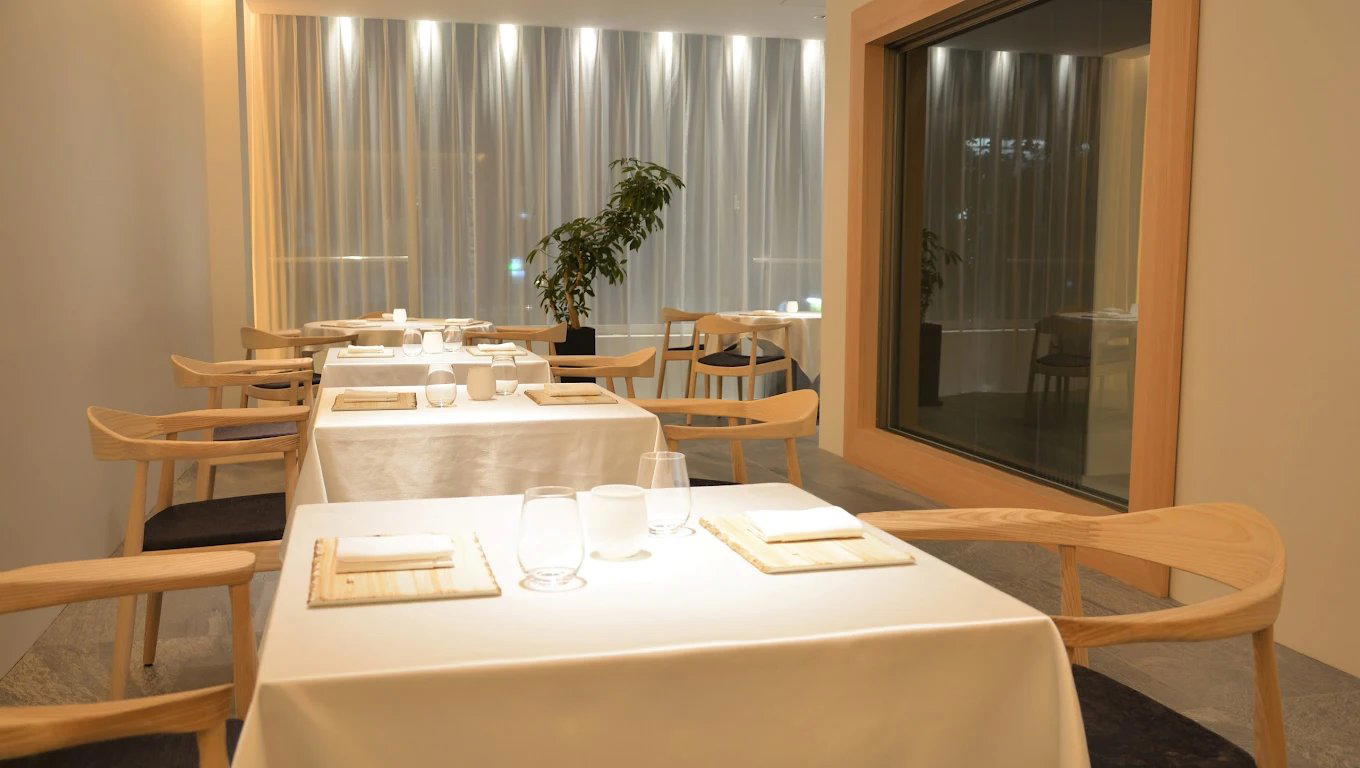





Details
- Classic
- Cozy
- Rustic
- Solo
- Family
- Casual Hangout
- After Work
- Group Dining
- Chefs Counter
- Historic Building
- Standalone
- Sake Program
- Local Sourcing
- A La Carte
- Set Menu
- Counter Dining
- Sake
- Shochu
- Wine
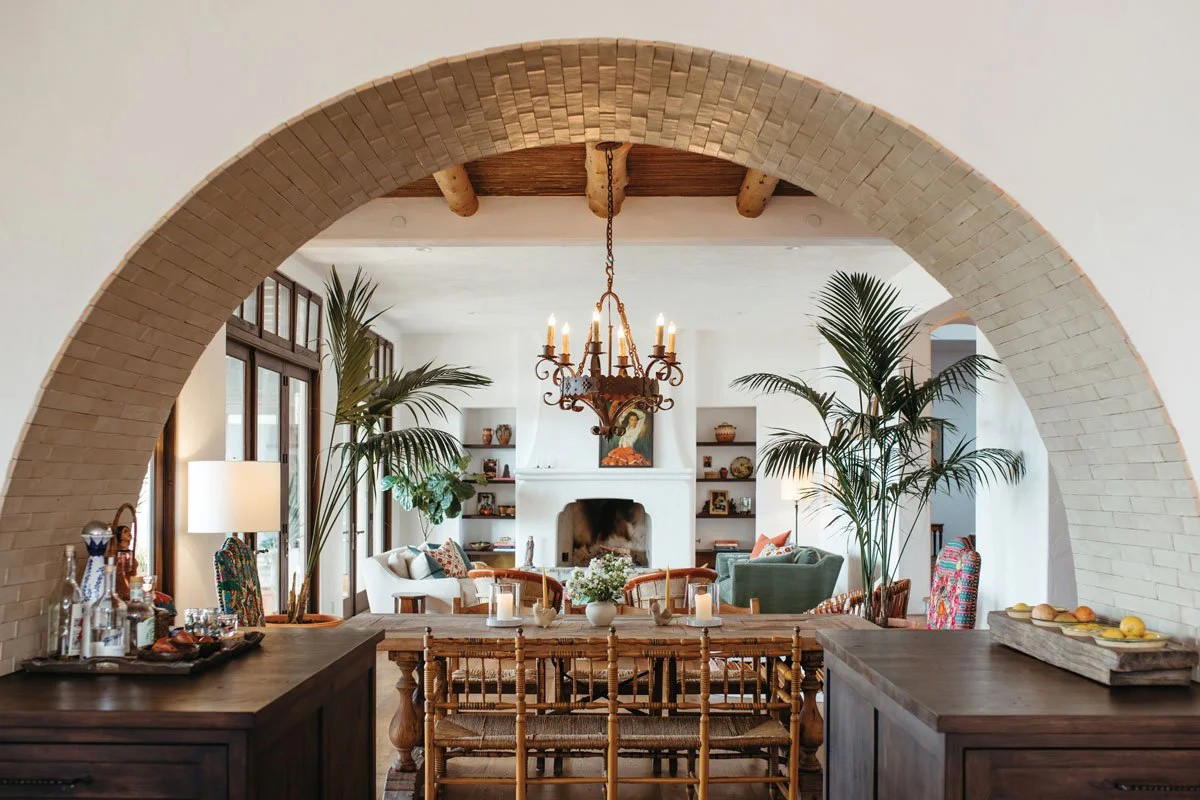
A cozy, traditional house-restaurant with a stylish yet relaxed feel, counter seating and spacious layout, offering a warm, unpretentious atmosphere where guests wait patiently for freshly fried tonkatsu.