
Tabelog 100 #52
Our verdict
Seigetsu belongs to Nagoya’s serious unagi circuit rather than its luxury tasting-menu tier. The draw is a focused eel house in Tokugawacho with Tabelog Unagi 100 selections in 2018, 2019, 2022, and 2024, a 36-seat room, sake on the drinks side, take-out, and a format that rewards diners who value specialization over ceremony.

Pearl is the En Primeur Club membership app, where members save venues, book tables and use the concierge.
The menu
What to order
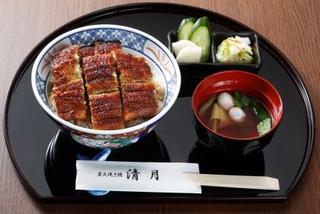
- Charcoal-grilled unagi rice bowl
- Hitsumabushi (Nagoya-style eel over rice)
Nagoya slows the meal before it begins. Away from the busiest commercial rush, the rhythm can feel quieter than the city’s major station-and-shopping circuits, and that matters for unagi. Eel restaurants in Japan are rarely about theatrical plating or chef-counter performance; they depend on timing, heat management, rice, sauce, and a front room that moves the meal without rushing the grill. Seigetsu fits that tradition: a specialist eel house, not a general Japanese restaurant using unagi as a seasonal flourish.
Nagoya’s dining identity is often read through familiar local food culture, but its eel scene needs its own lens. Unagi sits between craft and appetite: technical enough for obsessive regulars, familiar enough for a family meal. That duality explains why seriousness need not feel formal. Seigetsu’s listed recognition, price band, and category focus place it in Nagoya dining’s civic middle rather than the rarefied end of long tasting menus.
Nagoya unagi judged by repetition, not spectacle
The strongest signal is category recognition. Seigetsu appears in the 2024 Tabelog Hyakumeiten context for unagi and carries a Tabelog score of 3.73. In Japan’s restaurant culture, category-specific lists matter because they separate craft houses from broader prestige dining. A broader-format restaurant may be judged on progression, luxury ingredients, and extended service; an unagi house is judged more narrowly and brutally, with fewer places to hide.
That narrowness is the point. Unagi specialists compete on repetition: how the grill handles volume, how the rice holds under sauce, how the room manages turnover, and how the team handles the practical pressures of eel-focused service. The chef’s biography is not the story here, and no named chef should be treated as central to the restaurant’s public identity. The more useful reading is operational: a tight-category kitchen, a front-of-house team managing the room, and a meal format built around timing. Collaboration is less about a public creative director than whether the room protects the timing of a dish that suffers when delayed.
Compared with other Nagoya dining such as LE PIGNON, Garden Restaurant Tokugawaen, Kojitsu, and Myoan, the appeal is not a longer evening or wider culinary register. Those restaurants occupy a different decision bracket, with broader formats and a different sense of occasion. Tokugawa Cho Buta Fuku sits in another lane again, with its category pointing elsewhere. Seigetsu is for diners who have chosen eel as the meal’s subject, not as one course within a larger performance.
The room works like a neighborhood specialist, with the meal in focus
Unagi houses rely on rhythm between back and front. The grill may carry the prestige, but the dining room decides whether the meal lands: orders paced to the kitchen, rice served at the right moment, and seated guests handled without turning the experience into a banquet hall. Seigetsu’s appeal is that of a focused specialist address rather than a broad, all-purpose dining room. That balance helps explain why the occasion reads as practical, specific, and grounded rather than driven by luxury signals.
The drinks and service frame should support the eel rather than overtake it. With unagi, the point is not a grand cellar narrative; it is giving sauce, rice, and fat a clean partner and letting the main craft remain central. That also signals a room that treats unagi as a complete meal rather than quick refuel. The team dynamic is visible without a celebrity chef: the kitchen controls the central craft, the service protects the pacing, and the floor keeps the experience grounded. For travelers, that is often the better version of regional dining: specific, disciplined, and free of international luxury coding.
Location shapes the decision. Seigetsu is a Nagoya choice rather than an interchangeable stop on a national dining checklist, and the meal works best when it is built into a Nagoya day with intent. This is not necessarily the obvious first stop for every traveler; it rewards a plan that makes room for a focused eel meal rather than a generic restaurant booking. For a broader city map, Our full Nagoya restaurants guide gives the larger dining context, while Our full Nagoya hotels guide, Our full Nagoya bars guide, Our full Nagoya wineries guide, and Our full Nagoya experiences guide help place the meal inside a full itinerary.
Who should choose this over a longer Nagoya dinner
Seigetsu makes sense when the priority is a focused regional meal rather than a multi-course evening. The category has built-in discipline: eel, rice, sauce, heat, pacing. That makes it sharper than a generalist restaurant for diners who want to understand one part of Nagoya’s food culture clearly. It is also a practical counterpoint to the city’s higher-budget rooms. Instead of paying for progression, tableware, and ceremony, the spend goes toward narrow craft with recognized category credibility.
The editorial case is simple: choose this when specialization is the value. The 2024 Tabelog Hyakumeiten recognition gives the restaurant an external credential within its exact field, not a vague halo from general popularity. The accessible dinner and lunch budget of JPY 3,000–JPY 3,999 keeps it approachable, while the specialist focus prevents it from feeling casual in the wrong way. In a city where food identity can be reduced too easily to famous local dishes, Seigetsu reminds you that Nagoya’s better meals often come from places that do one thing repeatedly and let the format speak.
Readers comparing Japan dining styles can use nearby and city references to calibrate the choice: other Nagoya dining rooms show how varied the restaurant field can be. Further afield, unnamed specialist counters, casual Japanese rooms, and focused regional restaurants underline the same point from different angles: focused Japanese dining often reveals more through restraint than range.
Frequently asked questions
How much does it cost to eat at Seigetsu?
Pricing at Seigetsu is listed as Dinner: JPY 3,000 - JPY 3,999; Lunch: JPY 3,000 - JPY 3,999.
What time does Seigetsu open and close?
Specific opening hours are not provided here; check directly with Seigetsu before planning a visit.
What's the address for Seigetsu?
Nagoya.
What makes Seigetsu worth seeking out?
Seigetsu is listed in the 2024 Tabelog Hyakumeiten context for unagi and has a Tabelog score of 3.73. Its listed budget is Dinner: JPY 3,000 - JPY 3,999; Lunch: JPY 3,000 - JPY 3,999, so it fits a focused eel lunch or dinner rather than a long, formal outing.
Just the Basics
Side-by-side context: comparable cuisine and price.
| Venue | Cuisine | Price | Awards | Notes |
|---|---|---|---|---|
| SeigetsuThis venue (the venue you are viewing) | Charcoal-grilled Unagi (Eel) Restaurant | $30–50 | Tabelog 100 #52 | Not listed |
| Tokugawa Cho Buta Fuku | Traditional Tonkatsu (Pork Cutlet) | $20–30 | Tabelog 100 #7 | JPY 3,000 - JPY 3,999 JPY 2,000 - JPY 2,999 |
| LE PIGNON | Seasonal French fine dining in a traditional Japanese courtyard house | $100–150 | Tabelog 100 #23 | JPY 15,000 - JPY 19,999 JPY 8,000 - JPY 9,999 |
| Garden Restaurant Tokugawaen | Japanese-French Fine Dining in a Historic Garden | $100–150 | Tabelog 100 #48 | JPY 15,000 - JPY 19,999 JPY 8,000 - JPY 9,999 |
| Kojitsu | Seasonal Kaiseki | $100–150 | Tabelog Bronze #196 | Japanese Cuisine, JPY 20,000 - JPY 29,999 JPY 10,000 - JPY 14,999 |
| Myoan | Seasonal Japanese Kappo / Kaiseki | $200–300 | Tabelog 100 #80 | JPY 30,000 - JPY 39,999 |
Recognition history
Dated appearances from independent guides and award organizations, with the underlying list record or original source where available.
Tabelog 100 #52 · No. 52
Tabelog · Tabelog 100 - Unagi - 2024
Continue exploring
More in Nagoya
Restaurants in Nagoya
All restaurants in Nagoya →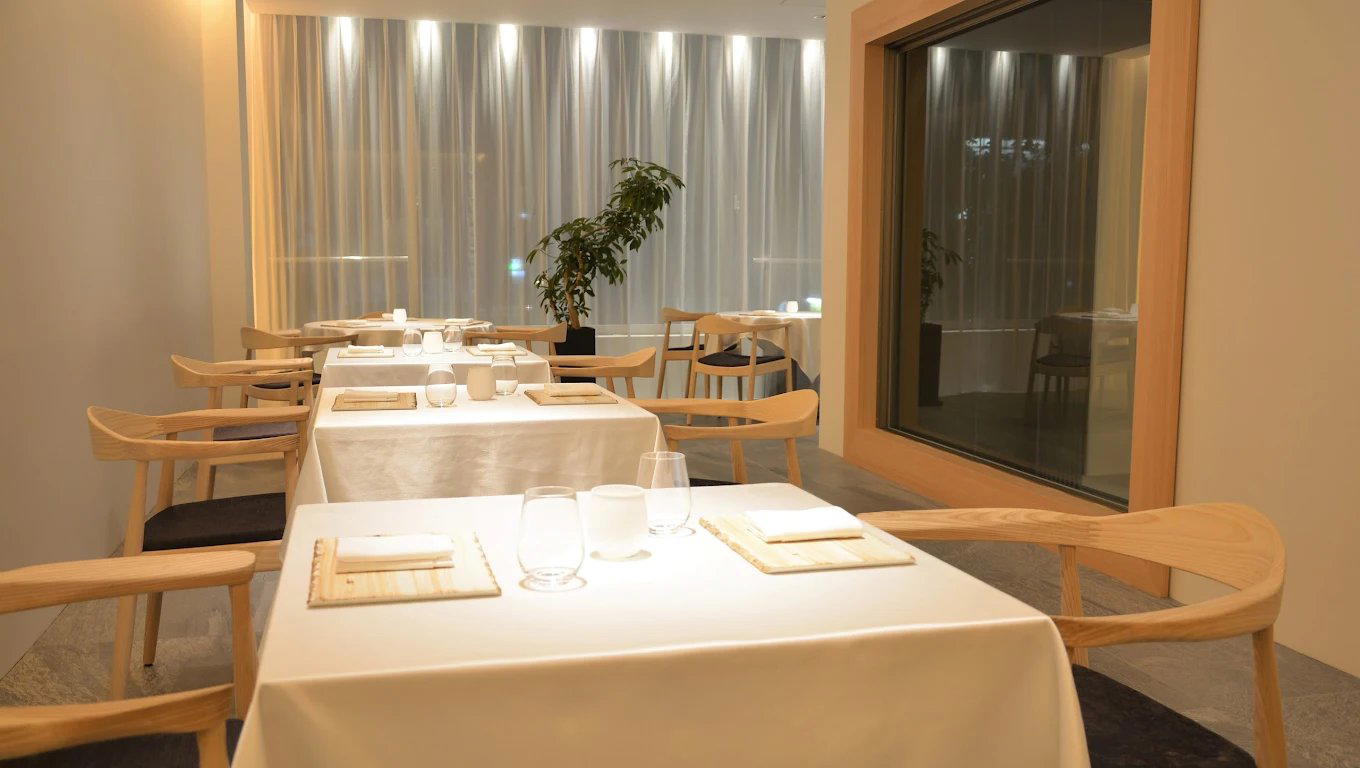
Details
- Cozy
- Classic
- Quiet
- Family
- Group Dining
- Casual Hangout
- Solo
- Special Occasion
- Standalone
- Sake Program
- A La Carte
- Set Menu
- Sake
- Beer
- Pescatarian Friendly
Current opening hours
- Monday
- Closed
- Tuesday
- Closed
- Wednesday
- 11 AM–1:30 PM, 5–7:30 PM
- Thursday
- 11 AM–1:30 PM, 5–7:30 PM
- Friday
- 11 AM–1:30 PM, 5–7:30 PM
- Saturday
- 11 AM–1:30 PM, 5–7:30 PM
- Sunday
- 11 AM–1:30 PM, 5–7:30 PM
Hours can change for holidays and private events. Last verified .
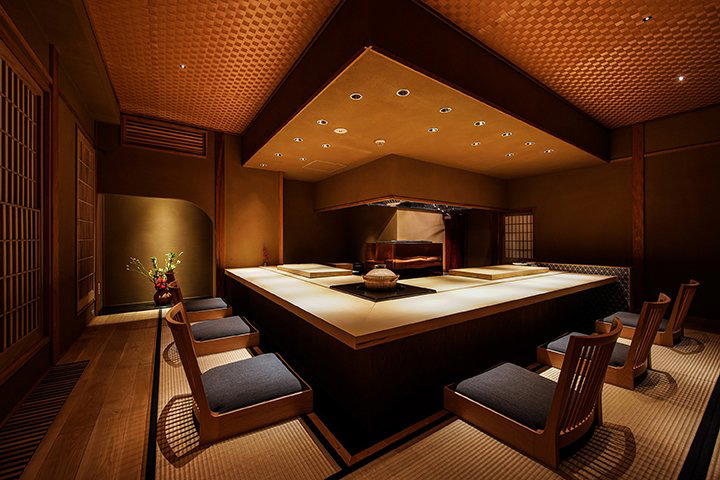
A spacious yet cozy, relaxed interior with tatami seating, designed so solo diners and families alike can enjoy unagi in an unhurried, homey atmosphere.