
To-Ricos Kway Chap at Old Airport Road Food Centre holds a 2025 Michelin Plate, placing it among Singapore's recognised hawker counters for the Teochew braised noodle tradition. The stall serves broad rice noodles in spiced soy broth alongside pork belly, trotters, intestine, tripe, and dried tofu. It is a concentrated expression of kway chap at the $-tier price point.
Pearl is the En Primeur Club membership app — saves, bookings, and concierge access live there. Same editors, same standards.
- Address
- 51 Old Airport Rd, #135, Singapore 390051
- Phone
- +65 9388 1098
- Website
- facebook.com
- Directions
- Get directions
 Saves & bookings on Pearl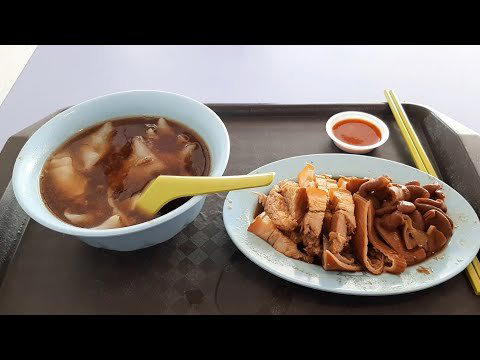
Kway Chap at Old Airport Road: A Teochew Tradition in a Hawker Institution
Old Airport Road Food Centre has been a fixed point on Singapore's hawker map since the 1970s, when street vendors were consolidated from the surrounding Kallang and Geylang neighbourhoods into a single covered complex. That resettlement policy, applied across the island during the city-state's rapid urbanisation, is why so many of Singapore's most durable hawker lineages are found not on pavements but in purpose-built centres. Old Airport Road is among the oldest and largest of those centres, and its longevity has allowed stalls to compound reputation over decades in a way that transient street vending rarely permits. To-Ricos Kway Chap, at stall 135, operates inside that longer history. To-Ricos Kway Chap is a Teochew Kway Chap stall in Singapore, located at 51 Old Airport Rd, #135, Singapore 390051, and it is a casual, walk-in-friendly hawker counter priced around US$8 per person.
The Architecture of a Kway Chap Order
Kway chap is a Teochew dish, and its structure is more deliberate than it may first appear. The order divides into two components: the broad, flat rice noodle sheets served in a lightly spiced, soy-forward broth, and a separate plate of braised items drawn from the whole pig. At To-Ricos, those braised items include pork belly, pork trotters, intestine, tripe, and dried tofu, all prepared in a spiced soy-based marinade. The 2025 Michelin Plate citation specifically references thin, silky noodles and the depth of flavour carried by the braised pork and tofu. The broth and the solids are, in effect, two distinct dishes served in tandem.
That dual structure is worth understanding before you order. The braised items are priced and portioned separately from the noodles, meaning the total cost and composition of a meal at a kway chap stall is determined by how the diner assembles their plate. A bowl of kway (the noodles alone in broth) anchors the meal; the braised pork and offal add weight, protein, and the fat-softened richness that makes the dish substantial. Dried tofu absorbs the soy marinade deeply and provides a contrasting texture against the gelatinous cuts. The offal components, intestine and tripe, are the items most associated with quality control: they require thorough cleaning and careful braising time to arrive without bitterness or residual odour. They are also the cuts that most visibly separate capable kway chap from careless versions.
The noodles themselves are rice-based and cook to a soft, near-translucent finish. Unlike wheat noodles, they carry almost no chew, so the broth and the accompanying pork do the structural work of the dish. The spiced soy broth at a well-made kway chap counter typically includes aromatics such as star anise, cinnamon, and dark soy, though the specific balance varies by stall and is one of the primary points of differentiation among practitioners of the form. To-Ricos' Michelin recognition at the Plate tier, which the Guide uses to denote a kitchen cooking well-made food worthy of attention, places it within a defined tier of Singapore hawker quality.
Where Kway Chap Sits in Singapore's Noodle Ecosystem
Singapore's hawker noodle scene is wide and internally segmented by dialect tradition, ingredient base, and preparation method. Hokkien wet noodle, prawn noodle, wonton mee, and bak chor mee each have their own sub-hierarchies of recognised stalls and lineages. Kway chap sits within the Teochew strand of that ecosystem, sharing some formal DNA with other braised-pork traditions across the region but distinct in its use of the broad rice sheet rather than a round or flat wheat noodle.
Venues such as Zén or Born operate at price points four or five multiples above a hawker meal and within entirely different culinary frameworks. Even within Singapore's mid-market local restaurant scene, kway chap remains predominantly a hawker-centre format. That concentration means the competition for recognition in the category takes place among stall operators rather than between restaurants and hawkers. That context makes the recognition more specific, not less meaningful.
For a broader sense of how Michelin-recognised noodle traditions spread across Singapore's hawker centres, Hill Street Tai Hwa Pork Noodle and 545 Whampoa Prawn Noodles represent the bak chor mee and prawn noodle traditions respectively, each with their own format logic. 91 Fried Kway Teow Mee and A Noodle Story illustrate how the same kway teow base material transforms under entirely different cooking approaches. Adam Rd Noo Cheng Big Prawn Noodle sits within the prawn noodle tradition at Adam Road Food Centre, another of the city's long-running hawker complexes.
The regional spread of recognised street food extends well beyond Singapore. George Town in Penang has produced its own Michelin-tracked stalls, including 888 Hokkien Mee (Lebuh Presgrave), Ah Boy Koay Teow Th'ng, and Air Itam Duck Rice, each operating in the same broad tradition of documented, low-price, high-craft cooking. Air Itam Sister Curry Mee and Ali Nasi Lemak Daun Pisang extend that picture into curry and rice formats. Further afield, A Pong Mae Sunee in Phuket, Anuwat in Phang Nga, and Banana Boy in Hong Kong demonstrate how the street food category sits within a larger Southeast and East Asian framework of serious, affordable cooking.
Planning a Visit
To-Ricos Kway Chap operates at stall 135 within Old Airport Road Food Centre, at 51 Old Airport Road, Singapore 390051. The food centre is large and covers multiple rows of stalls, so locating the stall number in advance is useful. The $-tier price point is consistent with hawker centre norms: a full meal with multiple braised items should remain well under SGD 10 per person.2 across 269 ratings. No booking is available or expected at this format; the meal is ordered and paid at the counter. Visiting during off-peak hours reduces queue times, as Old Airport Road attracts both local regulars and visitors throughout the day. The Michelin Plate is an annual designation, confirmed for 2025, and marks the stall as part of Singapore's documented hawker quality tier without implying the formality or pricing of a starred restaurant.
Compact Comparison
Comparable venues nearby, for context on price, style, and recognition.
| Venue | Cuisine | Price | Notes |
|---|---|---|---|
| To-Ricos Kway ChapThis venue — the venue you are viewing | ALJUNIED, Teochew Kway Chap | $ | Not listed |
| Fu He Turtle Soup | TAI SENG, Cantonese Herbal Turtle Soup | $ | Not listed |
| Kang's Wanton Noodle | CHATSWORTH, Wanton Noodles | $ | Not listed |
| New World Mutton Soup | BEDOK NORTH, Teochew Mutton Soup | $ | Not listed |
| Hup Hong Chicken Rice | YUHUA EAST, Hainanese Chicken Rice | $ | Not listed |
| Lor Mee 178 | Not listed | $ | TIONG BAHRU, Traditional Lor Mee with Shark Nuggets |
Recognition history
Dated appearances from independent guides and award organizations, with the underlying list record or original source where available.
Michelin Guide Bib Gourmand
Michelin Guide
Michelin Plate
Michelin
Michelin Plate
Michelin
Continue exploring
More in Singapore
Restaurants in Singapore
Browse all →
Bars in Singapore
Browse all →
At a Glance
- Lively
- Casual Hangout
- Standalone
Current opening hours
- Monday
- Closed
- Tuesday
- 10 AM–3 PM
- Wednesday
- 10 AM–3 PM
- Thursday
- 10 AM–3 PM
- Friday
- 10 AM–3 PM
- Saturday
- 10 AM–3 PM
- Sunday
- Closed
Hours can change for holidays and private events. Last verified .
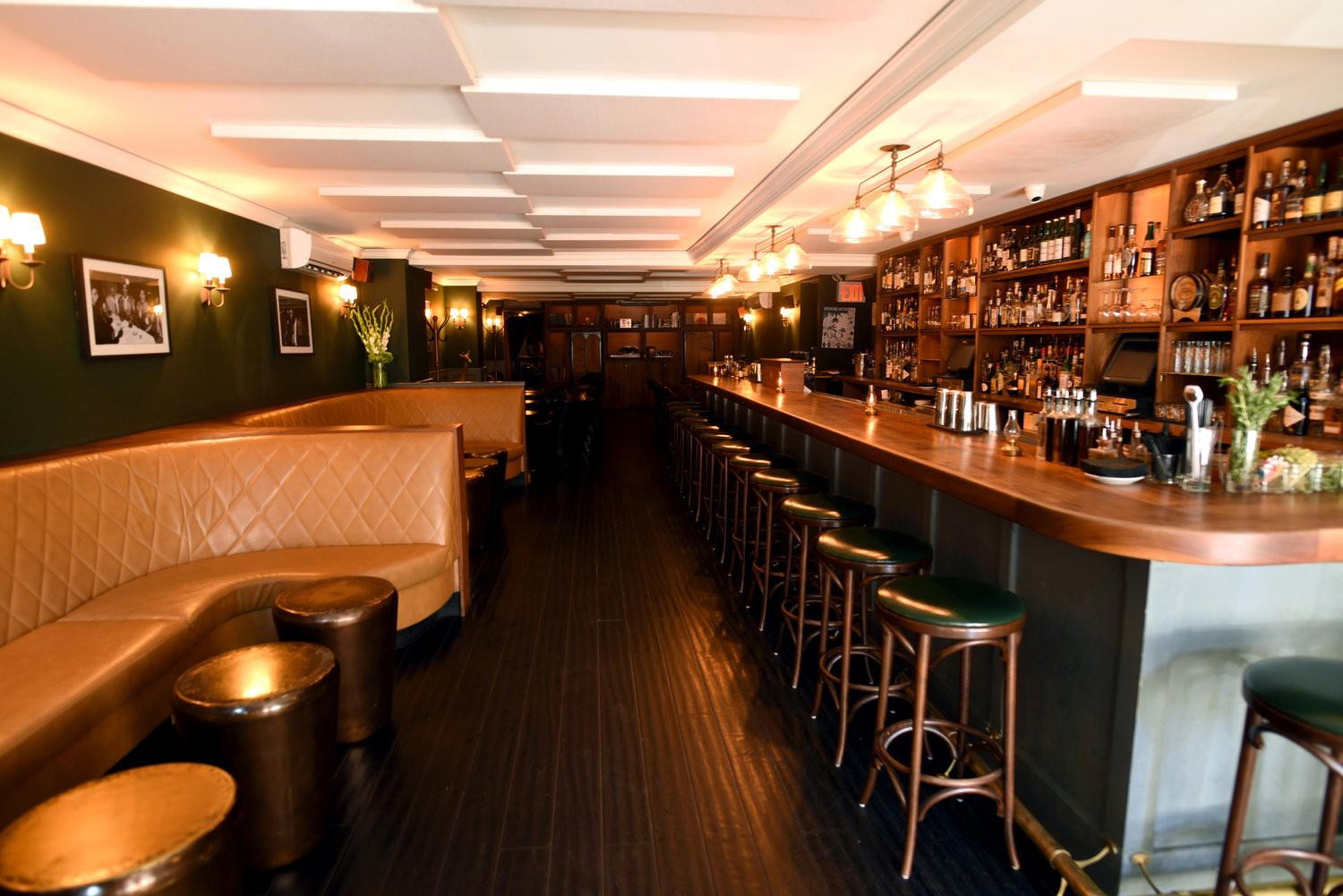
Typical bustling hawker centre with communal seating, well-ventilated high ceilings, adequate lighting, and lively peak-hour crowds.