


1 Michelin Star · Michelin Guide 1 Star
Our verdict
Hill Street Tai Hwa Pork Noodle holds a Michelin star at street food prices, serving bak chor mee cooked to order from a hawker stall at Crawford Lane. The noodles arrive layered with crispy dried plaice, pork liver, and crackling, and the queue is a fixed part of the experience. Closed on Mondays; expect to wait regardless of when you arrive.

Pearl is the En Primeur Club membership app, where members save venues, book tables and use the concierge.
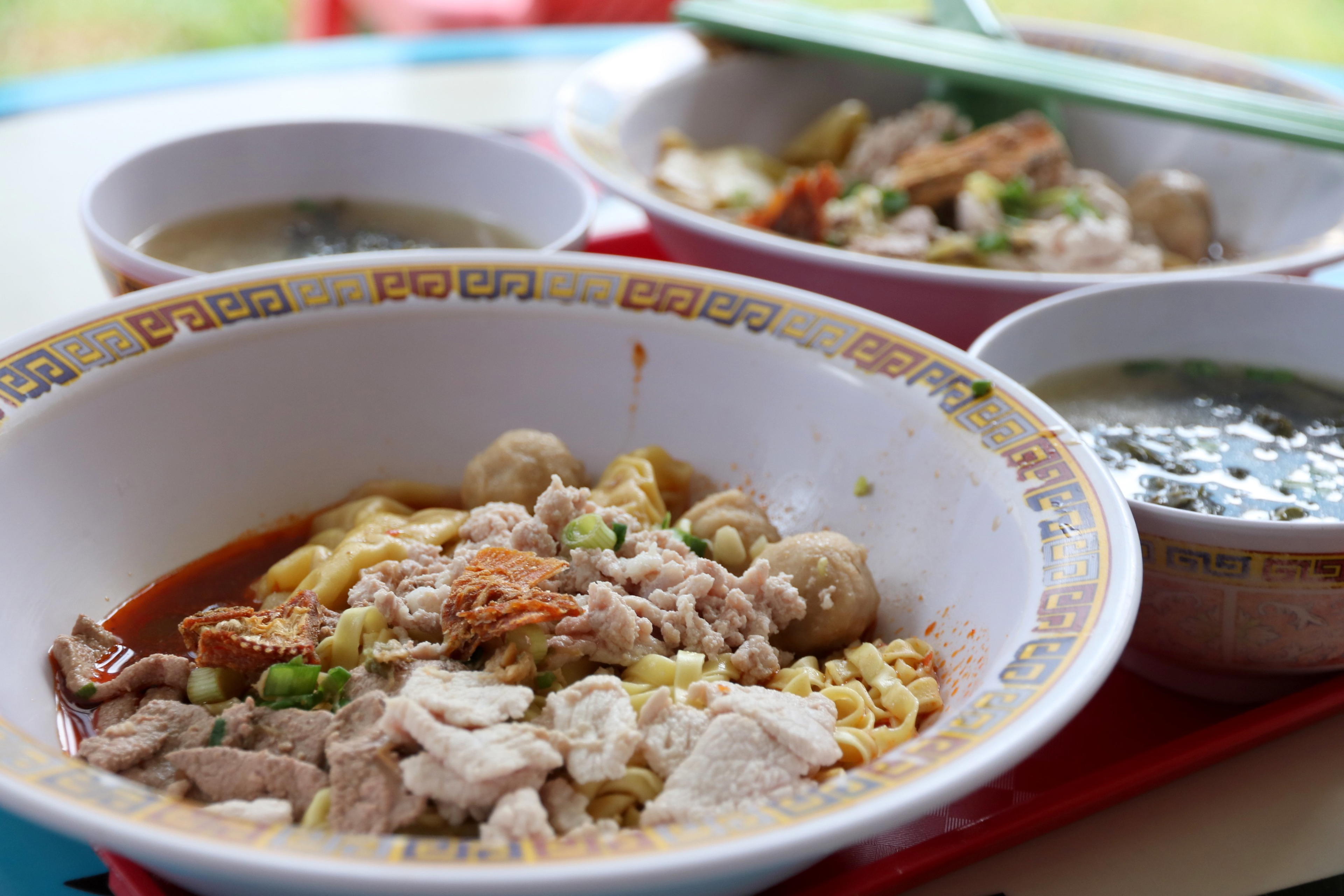
Crawford Lane and the Geometry of the Queue
There is a particular kind of patience that Singapore's hawker culture demands, and Crawford Lane has always extracted more of it than most. The Lavender-Kallang corridor, running between the old Jalan Besar grid and the river mouth, has historically been one of the city's denser nodes of working-class food culture: wet markets, clan association coffee shops, and stalls that have operated in the same few square metres for decades. It is not a neighbourhood that packages itself for visitors. The infrastructure is functional, a multi-storey hawker centre at Blk 466, fluorescent-lit, open to the street air, with plastic stools and laminate tables, and that functionality is precisely the point.
Hill Street Tai Hwa Pork Noodle sits inside that context at #01-12, a single stall within that complex. The queue outside it on any given Tuesday morning tells you most of what you need to know before you order. It forms early, moves steadily, and does not shorten at off-peak hours because, in practical terms, there are no off-peak hours here. The stall opens at 9 AM from Tuesday through Sunday and runs until 8:30 PM, though the relevant constraint is usually inventory, not the clock. This is a useful reminder that Michelin stars in Singapore operate across a price tier that European diners find genuinely disorienting: the same certification framework that covers Zén at $$$$ applies here, where a bowl costs a few dollars.
Bak Chor Mee as a Technical Discipline
Bak chor mee, minced pork noodles, occupies a specific position in Singapore's hawker canon. Unlike laksa or chicken rice, which have regional variants across Malaysia and Indonesia, bak chor mee is more tightly associated with Singapore's Hokkien community and the particular balance of black vinegar, chilli, lard, and braised mushrooms that defines the sauce base in its dry form. The dish rewards precision rather than volume: the noodles need to be cooked to the right texture, the sauce ratios need to hold, and the garnishes need to arrive at the right temperature relative to the bowl. When any of those variables slip, the dish becomes ordinary quickly.
What Michelin's inspectors flagged about this stall, noodles cooked to order, layered flavours and textures, meticulous preparation of dried plaice, pork cracklings, and liver, describes a technical standard that is easier to state than to sustain across a full service. Cooking to order at hawker pace, where throughput and quality pull against each other, is the operative challenge. The dried plaice (dried flatfish, ground or flaked, a Teochew-influenced addition that cuts through the vinegar base with its own savour) and the cracklings require separate preparation and timing. The liver, if overcooked by even a margin, becomes grainy rather than tender. These are not decorative garnishes; they are structural to the dish's balance.
This places Tai Hwa in a specific tier within Singapore's noodle scene. Alongside stalls like A Noodle Story, which holds its own Michelin recognition and approaches hawker noodles from a more contemporary angle, or the prawn-forward formats at 545 Whampoa Prawn Noodles and Adam Rd Noo Cheng Big Prawn Noodle, Tai Hwa represents the older, more conservative lineage: minimal innovation, maximum execution. The bowl has not been redesigned. It has been refined, repeatedly, over years of repetition.
The Hawker Star Phenomenon and What It Means Here
When Michelin first awarded stars to Singapore hawker stalls in 2016, the global food press treated it as a novelty. Several years on, the pattern is more legible: the Guide's Singapore edition has consistently recognised a small group of hawker operations where technical consistency and product quality meet the inspection criteria, regardless of setting or price. Tai Hwa's Michelin 1 Star, maintained through the 2024 edition, places it in that cohort alongside a handful of other street-level operations across the city.
The significance is not merely symbolic. For a stall at the $ price tier, the star functions as a permanent queue generator and a signal within the city's culinary hierarchy. It also creates an interesting comparison point against the higher-end Singapore dining scene: one-star Michelin coverage here spans from Tai Hwa's Crawford Lane hawker stall through mid-market restaurants to the lower tier of multi-course contemporary dining. That span is unusual globally and reflects Singapore's specific food culture, where the ingredients and craft at street level have always commanded serious critical attention.
For visitors calibrating where to spend eating time in the city, this context matters. A bowl at Tai Hwa, a meal at Burnt Ends, and a counter seat at a fine dining venue represent entirely different formats and price points but share the same Michelin tier. That is not a flaw in the system; it is a feature of how Singapore's food scene is actually structured.
Singapore's Hawker Noodle Scene in Regional Context
Singapore sits within a broader Southeast Asian noodle tradition that includes George Town's hawker lanes and Bangkok's street stalls, but the city-state's hawker centre model has its own specific character. The centres are regulated, stall leases are contested, and the generational transfer of recipes and technique is a recurring cultural concern. Several of Singapore's most recognised hawker stalls face succession questions as founding operators age and the economics of hawker work discourage younger entrants.
Across the causeway and the region, the structural equivalent, the specialist single-dish stall with deep technique and no frills, appears in formats like George Town's Ah Boy Koay Teow Th'ng or 888 Hokkien Mee, or in the fried noodle tradition represented by 91 Fried Kway Teow Mee and Ah Hock Fried Hokkien Noodles in Singapore itself. These are all operations where the menu is narrow and the craft is deep, the antithesis of the broad-menu hawker stall that dilutes focus across twenty dishes. Tai Hwa fits that specialist model completely.
Further afield, the same logic applies in the southern Thai street food tradition: stalls like A Pong Mae Sunee in Phuket and Anuwat in Phang Nga operate on similar principles of single-focus, daily-volume execution. The format is consistent across the region even when the dishes differ entirely.
How to Approach the Visit
The queue is not optional and cannot be avoided by arriving at unusual hours. The stall is closed on Mondays. From Tuesday through Sunday, 9 AM to 8:30 PM, the line is a structural feature of the experience rather than a variable. Arriving within the first hour of opening gives you the leading chance of shorter waits, but it does not eliminate them.
The address is 466 Crawford Lane, #01-12. The hawker centre is reachable on foot from Lavender MRT station, which puts it within a short walk of the Jalan Besar and Kallang neighbourhoods. There is no booking method; it is a walk-in queue. No dress code applies. Payment follows hawker norms, cash remains the most reliable option, though cashless payment is increasingly common across Singapore's hawker centres.
Know Before You Go
- Address: 466 Crawford Lane, #01-12, Singapore 190466
- Hours: Tuesday to Sunday, 9 AM – 8:30 PM. Closed Monday.
- Price: $ (hawker pricing)
- Booking: Walk-in only; no reservations
- Awards: Michelin 1 Star (2024)
- Queue: Expected at all hours; arrive at opening for shorter waits
- Getting there: Walking distance from Lavender MRT station
Frequently asked questions
What is the signature dish at Hill Street Tai Hwa Pork Noodle?
What makes Hill Street Tai Hwa Pork Noodle stand out within Singapore's hawker scene?
Cuisine and Recognition
A quick peer check to anchor this venue’s price and recognition.
| Venue | Cuisine | Price | Awards | Notes |
|---|---|---|---|---|
| Hill Street Tai Hwa Pork NoodleThis venue (the venue you are viewing) | Michelin-Starred Teochew Bak Chor Mee | $1–10 | 1 Michelin Star · Michelin Guide 1 Star | Not listed |
| Zén | Yakitori & Japanese Izakaya | $50–100 | Tabelog 100 #92 | European Contemporary |
| Jaan by Kirk Westaway | Modern British Fine Dining | $200–300 | 2 Michelin Stars · Michelin Guide 2 Stars | British Contemporary |
| Burnt Ends | Modern Australian Barbecue | $100–150 | 1 Michelin Star · Michelin Guide 1 Star | Australian Barbecue, Barbecue |
| Summer Pavilion | Michelin-Starred Cantonese | $100–150 | 1 Michelin Star · Michelin Guide 1 Star | Cantonese |
| Born | Contemporary Fusion Fine Dining | $200–300 | 1 Michelin Star · Michelin Guide 1 Star | Creative Cuisine, Innovative |
Recognition history
Dated appearances from independent guides and award organizations, with the underlying list record or original source where available.
Michelin 1 Star
Michelin
Michelin Guide 1 Star
Michelin Guide
Opinionated About Dining Casual in Asia Ranked #59
Opinionated About Dining
Full recognition history (4 entries)
Michelin 1 Star
Michelin
Continue exploring
More in Singapore
Restaurants in Singapore
All restaurants in Singapore →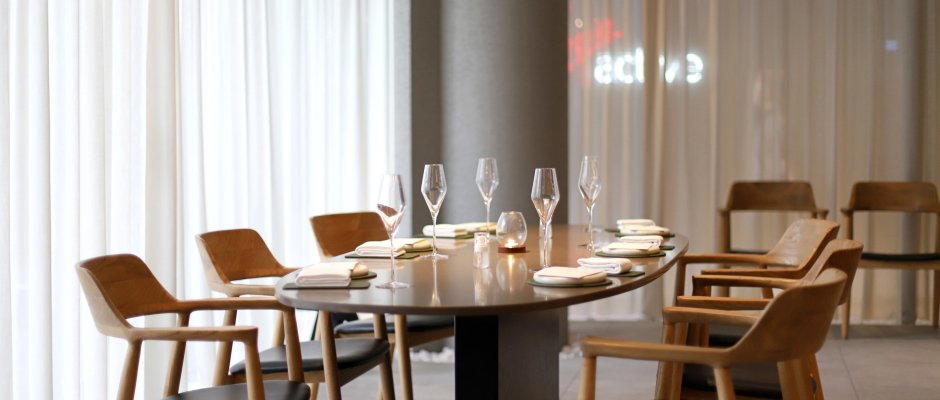
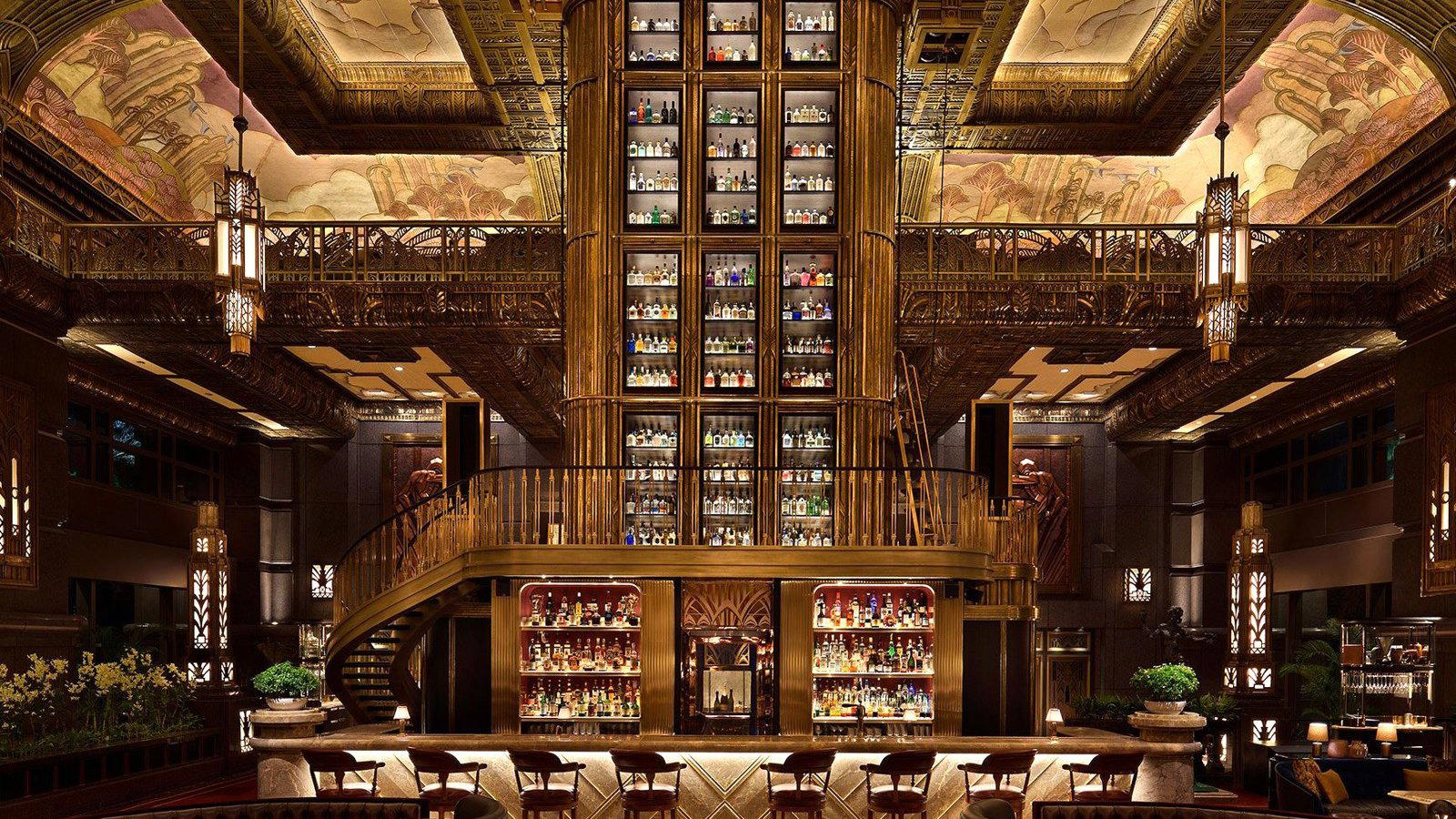
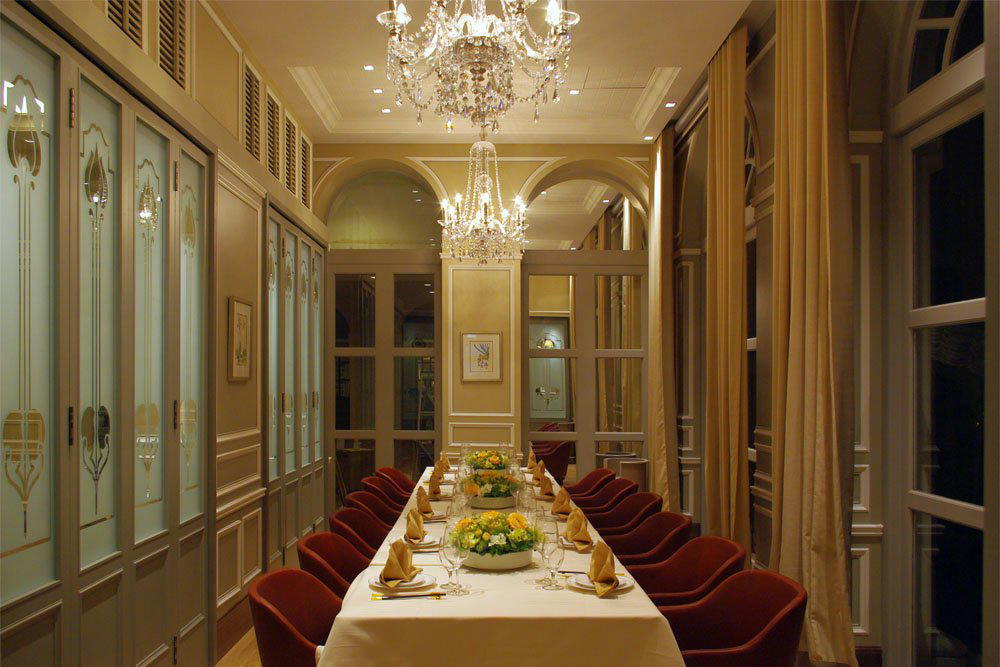
Bars in Singapore
All bars in Singapore →

Details
- Well Known
- Casual Hangout
- Solo
- Standalone
- A La Carte
Current opening hours
- Thursday
- 9 am–8:30 pm
Hours can change for holidays and private events. Hours as of .
Casual hawker center atmosphere in a run-down coffee shop with plastic tables, lively queues, and basic seating under fans.