888 Hokkien Mee (Lebuh Presgrave)

Michelin Plate
Our verdict
For three decades, 888 Hokkien Mee on Lebuh Presgrave has served one of George Town's most consistent bowls of prawn-based noodle soup, earning consecutive Michelin Plate recognition in 2024 and 2025. The broth carries a deep red colour drawn from prawn shells and aromatics, with braised or roasted pork adding substance. At single-digit ringgit prices, it sits at the working-class end of George Town's Michelin-recognised street food tier.

Pearl is the En Primeur Club membership app, where members save venues, book tables and use the concierge.
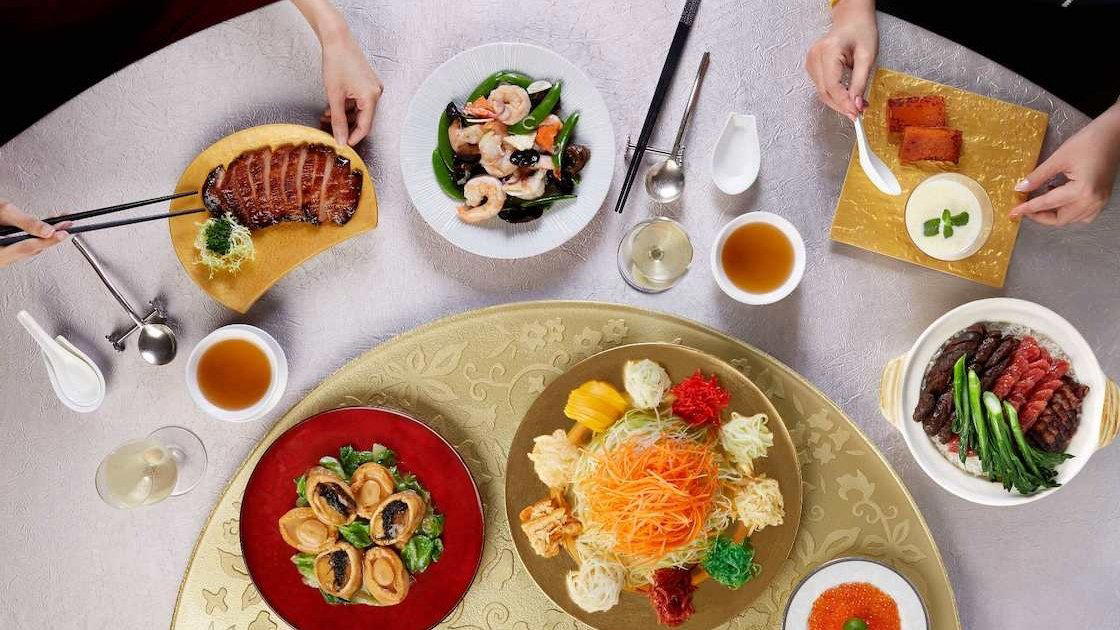
The menu
What to order
- Hokkien Mee
- Roast pork
- Pork ribs
- Oyster omelette
The Street Corner That Michelin Keeps Returning To
Lebuh Presgrave is not a street that draws tourist maps or boutique hotel concierges. It runs through a working patch of George Town where the architecture is functional, the coffee shops open early, and the regulars arrive on motorcycles. That ordinariness is part of the point. George Town's street food tradition has always operated at street level, and the stalls that survive three decades at a single address do so on consistency, not atmosphere. 888 Hokkien Mee sits in that category: a small outlet, a focused menu, and a prawn soup that has been drawing the same crowd since before Michelin had any interest in Malaysian hawker stalls.
The Michelin Guide's expansion into street food across Southeast Asia reframed how the region's hawker culture gets discussed internationally. When 888 Hokkien Mee received a Michelin Plate in 2024 and again in 2025, it joined a specific bracket of George Town vendors recognised not for ambition or innovation but for sustained craft at the most accessible price point. A Michelin Plate signals cooking worth a visit, positioned below star level but above the noise of a city with hundreds of competing stalls. In George Town's case, that recognition carries weight precisely because the city's street food scene is dense enough that external validation still means something.
What Hokkien-Style Prawn Noodles Actually Involves
The Hokkien noodle tradition in Penang diverges significantly from its counterparts elsewhere in Malaysia and Singapore. Where Kuala Lumpur Hokkien mee tends toward a dark, soy-heavy wok preparation, and where the Singapore prawn noodle leans cleaner and more restrained, the Penang iteration is built around a long-cooked prawn and pork bone broth that develops a red-orange colour and a layered sweetness. That colour comes not from artificial colouring but from the shells of small prawns rendered over heat until their pigment and sugars dissolve into the stock. The result is a soup that reads visually like something rich and complex before the first spoon confirms it.
Editorial angle here matters: ingredient sourcing in this style of cooking is less about provenance storytelling and more about volume and timing. The prawn shells that give Penang Hokkien mee its character need to be fresh enough to yield flavour and plentiful enough to build depth. Stalls that have operated for thirty years at a fixed address develop supplier relationships that casual or newer operations cannot replicate overnight. The 30-year operational record at this outlet is not incidental to the soup's quality; it is structurally connected to it.
The Bowl and Its Additions
Core bowl at 888 Hokkien Mee follows the standard Penang Hokkien mee format: yellow wheat noodles or rice vermicelli (or both) in prawn soup, topped with prawns, sliced pork, and a sambal prawn paste on the side. The awards data notes that braised pork ribs and roasted pork are available as additions, both described as adding textural range to the bowl. In the context of this dish, that matters. The soup itself is smooth and sweet; the braised pork ribs introduce a different register of umami, slower and more savoury, while roasted pork brings a contrasting crispness. These are not premium upsells in any meaningful sense at this price point. They are the difference between a functional bowl and a complete one.
For comparison, Michelin-recognised prawn noodle operations in Singapore such as 545 Whampoa Prawn Noodles work within a similar ingredient logic but in a different regulatory and real estate environment that raises operational costs and changes the price-to-portion relationship. The Penang version remains embedded in a street food economy where the cost of eating remains low partly because ingredient sourcing stays hyperlocal and partly because the format has not been repositioned for tourism. That gap is narrowing as George Town's food scene gains international attention, but stalls like 888 Hokkien Mee have not yet shifted their pricing structure to reflect their recognition.
Where It Sits in George Town's Street Food Tier
George Town's Michelin-recognised street food spans several categories and price brackets. Auntie Gaik Lean's Old School Eatery holds a full Michelin Star for Peranakan cooking at a higher price point, while outlets like Ah Boy Koay Teow Th'ng operate in the same budget street food register as 888. The Plate designation groups vendors whose cooking merits attention without placing them in the star category, a distinction that is meaningful when you are choosing where to spend a limited number of meals in a food-dense city.
Other George Town street food worth cross-referencing includes Duck Blood Curry Mee, Air Itam Sister Curry Mee, and Air Itam Duck Rice for a broader read on how George Town's hawker scene distributes across noodle styles and protein bases. Ali Nasi Lemak Daun Pisang represents a different breakfast register entirely. The city rewards methodical eating rather than single-venue focus.
At the regional level, the prawn noodle tradition receives Michelin attention in Singapore through venues like Hill Street Tai Hwa Pork Noodle, which holds a Star for its pork noodle format, and A Noodle Story, which approaches the noodle bowl from a more contemporary position. The Penang version is a separate tradition, not a lesser one. 91 Fried Kway Teow Mee and A Pong Mae Sunee in Phuket round out a regional picture of how single-dish street food vendors earn recognition across different national food cultures.
Planning Your Visit
888 Hokkien Mee is located at 67A, Lebuh Presgrave, 10300 George Town. The address sits in the older commercial district, accessible on foot from the heritage core or by short taxi or ride-share from central George Town. No booking is required or possible; this is walk-up street food. The stall operates at the single-dollar price tier, meaning a complete bowl with additions remains among the least expensive Michelin-recognised meals available anywhere in Malaysia. Arrival timing matters at popular hawker stalls: mid-morning and early lunch slots draw the heaviest local traffic, and stalls at this level sell out when the broth runs. No phone or website is listed; there is nothing to pre-research beyond the address.
For a fuller read on where 888 Hokkien Mee sits within George Town's eating, drinking, and staying options, see our full George Town restaurants guide, our full George Town hotels guide, our full George Town bars guide, our full George Town experiences guide, and our full George Town wineries guide. For context on how Malaysian cooking registers at the fine dining end, Dewakan in Kuala Lumpur represents the opposite end of the price and format spectrum. Bee See Heong in Seberang Perai and The Planters at The Danna in Langkawi extend the regional picture beyond Penang island.
Frequently asked questions
Is 888 Hokkien Mee (Lebuh Presgrave) formal or casual?
About as casual as George Town gets. This is a street-side hawker stall on Lebuh Presgrave, price-rated at $, you order, you sit, you eat. The two consecutive Michelin Plate awards (2024 and 2025) reflect the cooking, not the setting.
Is 888 Hokkien Mee (Lebuh Presgrave) award-winning?
888 Hokkien Mee (Lebuh Presgrave) has received recognition including: For 30 years, this small outlet has been serving Hokkien-style noodles in prawn soup. The soup has a beautiful rich red colour and sweet umami flavour. Add a little textural variety to your bowl with tasty options such as braised pork ribs ….
What's the must-try dish at 888 Hokkien Mee (Lebuh Presgrave)?
The prawn soup noodles are the reason the stall has run for over 30 years and earned back-to-back Michelin Plate recognition. The venue data specifically flags braised pork ribs and roasted pork as the additions worth ordering, both bring textural contrast to the soup's deep red, umami-driven broth.
What price level is 888 Hokkien Mee (Lebuh Presgrave)?
Pricing at 888 Hokkien Mee (Lebuh Presgrave) is listed as $.
Where do I go for 888 Hokkien Mee (Lebuh Presgrave)?
888 Hokkien Mee (Lebuh Presgrave) is located at 67A, Lebuh Presgrave, 10300 George Town, Pulau Pinang, Malaysia, George Town.
Side-by-Side Snapshot
| Venue | Cuisine | Price | Awards | Notes |
|---|---|---|---|---|
| 888 Hokkien Mee (Lebuh Presgrave)This venue (the venue you are viewing) | Penang Hokkien Mee | $1–10 | Michelin Plate | Not listed |
| Au Jardin | Modern European with Local Accents | $200–300 | 1 Michelin Star · World's 50 Best #39 | European Contemporary |
| Auntie Gaik Lean's Old School Eatery | Peranakan (Nyonya) | $10–20 | 1 Michelin Star | Peranakan |
| Ah Boy Koay Teow Th'ng | Teochew Koay Teow Th'ng | $1–10 | Michelin Bib Gourmand | Street Food |
| Aria | Modern American | Not listed | Not listed | Not listed |
| Communal Table by Gēn | Modern Malaysian Fusion | $30–50 | Michelin Bib Gourmand · Star Wine List | Malaysian |
Recognition history
Dated appearances from independent guides and award organizations, with the underlying list record or original source where available.
Michelin Plate
Michelin
Full recognition history (3 entries)
Michelin Plate
Michelin
Michelin Plate
Michelin
Continue exploring
More in George Town
Restaurants in George Town
All restaurants in George Town →
Bars in George Town
All bars in George Town →
Details
- Lively
- Casual Hangout
- Family
- Historic Building
- A La Carte
Current opening hours
- Monday
- 3–9:30 PM
- Tuesday
- 3–9:30 PM
- Wednesday
- 3–9:30 PM
- Thursday
- Closed
- Friday
- 3–9:30 PM
- Saturday
- 3–9:30 PM
- Sunday
- 3–9:30 PM
Hours can change for holidays and private events. Hours as of .
Busy hawker-style coffee shop with a lively atmosphere, stuffy indoor seating under fans, and fast turnover despite queues.