tán occupies a precise address in Midtown East at 209 E 49th St, sitting within reach of some of New York City's most technically demanding dining rooms. The name itself signals a considered restraint, and the East 49th Street location places it in a neighbourhood where the competition for serious dinner dollars runs deep. For the full picture on where tán fits in New York's current dining map, the details below provide the clearest read.
Pearl is the En Primeur Club membership app — saves, bookings, and concierge access live there. Same editors, same standards.
- Address
- 209 E 49th St, New York, NY 10017
- Phone
- +19173882248
- Website
- tannewyork.com
- Directions
- Get directions
 Saves & bookings on Pearl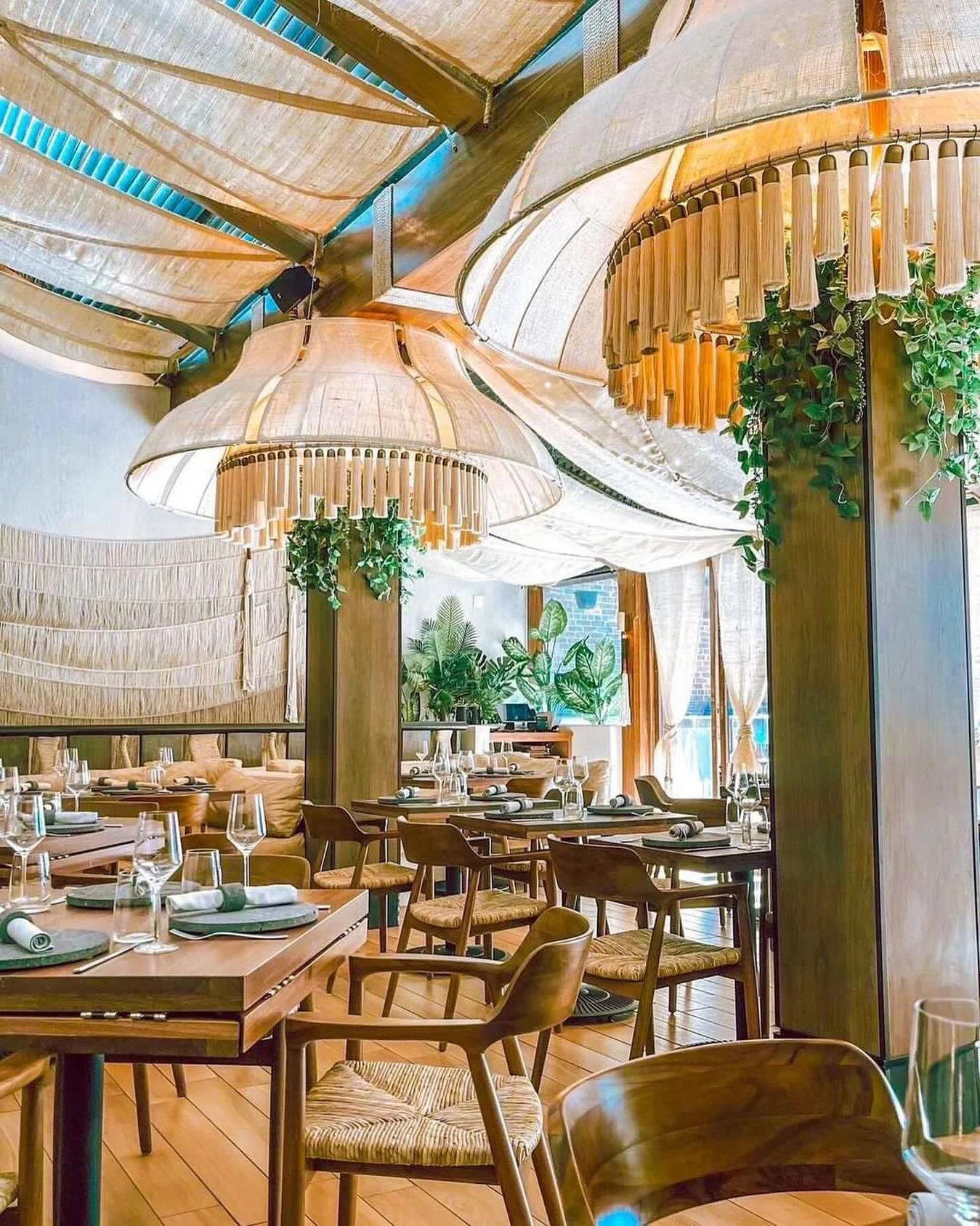
Midtown East and the Art of Positioning
East 49th Street is not where diners typically go looking for discovery. The blocks between Lexington and Second Avenue in Midtown East have long been the territory of expense-account steakhouses and hotel dining rooms built around the corporate calendar. That context matters, because any serious restaurant opening in this corridor is making a deliberate argument about what the neighbourhood can support. tán is a restaurant at 209 E 49th St, New York, NY 10017, serving Modern Coastal Mexican in Midtown East. A restaurant named tán, at 209 E 49th St, is already making a statement through geography: Midtown East has the density of business travel and the proximity to Midtown's hotel infrastructure to sustain a kitchen operating at the level where technique and sourcing cost real money.
The dining tier that tán appears to target sits alongside addresses like Atomix and Jungsik New York on the progressive end of the contemporary Korean conversation, and in parallel with the broader high-precision dining category that includes Le Bernardin and Per Se. Each of those addresses has built its identity around a particular disciplinary commitment, whether French classical technique, the precision of kaiseki, or the reimagining of Korean fermentation and seasonal produce through a European fine dining lens. The question tán raises, and which its address sharpens, is what intersection it occupies in that map.
Local Ingredients, Global Technique: A Pattern Across New York's Serious Rooms
One productive frame for understanding where a restaurant like tán sits in New York's current scene is the relationship between imported methodology and local sourcing. This is not a new tension in American fine dining. Blue Hill at Stone Barns in Tarrytown built its entire reputation on the argument that terroir-driven American produce, handled with European rigour, could produce something categorically different from either tradition alone. Single Thread Farm in Healdsburg applies a kaiseki-influenced seasonal framework to Northern California ingredients. The French Laundry in Napa remains the clearest American expression of French classical precision redirected through California sourcing.
New York's version of this dynamic is more compressed and more competitive. The city's upper-tier dining rooms are not farming their own land or sourcing from a single valley. They are operating at the intersection of global technique traditions and the network of producers, importers, and specialty markets that New York's sheer economic gravity makes possible. At Masa, the methodology is Japanese and the sourcing is globally curated to Japanese specification. At Atomix, the framework is Korean but the technique vocabulary draws on French fine dining structure and modern European plating discipline. The pattern that runs through all of these rooms is the same: a clearly identified technical lineage applied to ingredients that would not have been available, or affordable, anywhere else.
tán's name, a single syllable, Chinese in character, carrying connotations of charcoal, of heat, of transformation, points toward a kitchen interested in the mechanics of fire and the alchemy that high-heat cooking produces. That is a technique story with deep roots across East and Southeast Asian cooking traditions, and one that translates with considerable force when applied to the kinds of aged proteins, foraged fungi, and precision-cultivated produce that New York's premium ingredient networks make available. The global restaurants that have built reputations around this intersection, from 8½ Otto e Mezzo Bombana in Hong Kong to Alain Ducasse's Louis XV in Monte Carlo, demonstrate that rigorous classical training and locally specific ingredients can produce something that reads as neither purely foreign nor purely local.
How tán Compares to Its comparable set
Midtown East is not the neighbourhood where New York's current avant-garde is concentrated. The creative energy in contemporary American fine dining has largely migrated to the outer boroughs and to the lower half of Manhattan. But Midtown East has its own logic: it is where restaurants with serious ambitions and serious price points can find the volume of well-travelled, internationally experienced diners who are comfortable spending accordingly. Le Bernardin at West 51st Street has operated in that register for decades. The challenge for any new entry in this tier is demonstrating that the technical ambition matches the price signal.
Across other American cities, the restaurants that have made similar arguments, technique-forward, locally anchored, globally literate, have tended to reward patience. Alinea in Chicago took years to consolidate its position as the definitive American modernist address. Lazy Bear in San Francisco built a following through format innovation before the awards caught up. Providence in Los Angeles and Addison in San Diego each occupy a similar position in their respective cities: technically serious, locally rooted, internationally referenced. Bacchanalia in Atlanta, Emeril's in New Orleans, and The Inn at Little Washington represent the same pattern in their own markets: a commitment to place expressed through a technique vocabulary that is anything but provincial.
tán arrives in a New York market that has fully internalized this model and pushed it further. The city's diners have access to Atomix's progression through the Korean pantry, to Jungsik's architectural plating, to Per Se's rigorous classicism. What a new address in this comparable set needs to offer is a specific point of differentiation, not novelty for its own sake, but a technical or sourcing argument that the existing rooms are not already making.
Planning Your Visit
tán is located at 209 E 49th St, New York, NY 10017, in Midtown East. The address is walkable from the 51st Street (6 train) and Lexington Avenue/53rd Street (E, M trains) subway stations, and sits within a short distance of several Midtown hotels. Given the calibre of its positioning relative to the neighbourhood's dining tier, reservations are the sensible approach; demand at this level in Midtown typically runs ahead of walk-in availability, particularly for prime evening slots Thursday through Saturday.
Cuisine Context
Comparable venues nearby, for context on price, style, and recognition.
| Venue | Cuisine | Price | Notes |
|---|---|---|---|
| tánThis venue — the venue you are viewing | Modern Coastal Mexican | $$$ | Not listed |
| Vato | Modern Mexican Tortilleria | $$$ | Park Slope |
| Añejo | Modern Mexican Tequila Bar | $$$ | Hell's Kitchen |
| Casa Carmen Tribeca | Authentic Regional Mexican | $$$ | Tribeca-Civic Center |
| Quique Crudo | Mexican Seafood & Crudo | $$$ | West Village |
| MEXiCUE | Mexican BBQ Fusion | $$ | Midtown-Times Square |
Recognition history
Dated appearances from independent guides and award organizations, with the underlying list record or original source where available.
World Culinary Awards North America's Best Brunch Venue 2025 #1
World Culinary Awards
Continue exploring
More in New York City
Restaurants in New York City
Browse all →
Bars in New York City
Browse all →
Hotels in New York City
Browse all →




At a Glance
- Trendy
- Modern
- Elegant
- Date Night
- Special Occasion
- Brunch
- Terrace
- Craft Cocktails
Current opening hours
- Monday
- 5–10 PM
- Tuesday
- 5–10 PM
- Wednesday
- 5–10 PM
- Thursday
- 5–10 PM
- Friday
- 5 PM–1 AM
- Saturday
- 11 AM–2:30 PM, 5 PM–1 AM
- Sunday
- 11 AM–2 PM, 5–10 PM
Hours can change for holidays and private events. Last verified .
Lively Tulum-inspired decor with immersive, hyper-modernist atmosphere and terrace seating.