Vato brings the burrito tradition to New York City in a format that sits apart from the fast-casual mainstream. The kitchen focuses on Mexican-rooted flavors with the kind of directness that the cuisine demands, positioning it as a casual counterpoint to Manhattan's more ceremonial dining options. For a city that defaults to tasting menus and prix-fixe formats at the upper end, Vato occupies a different register entirely.

Pearl is the En Primeur Club membership app — saves, bookings, and concierge access live there. Same editors, same standards.
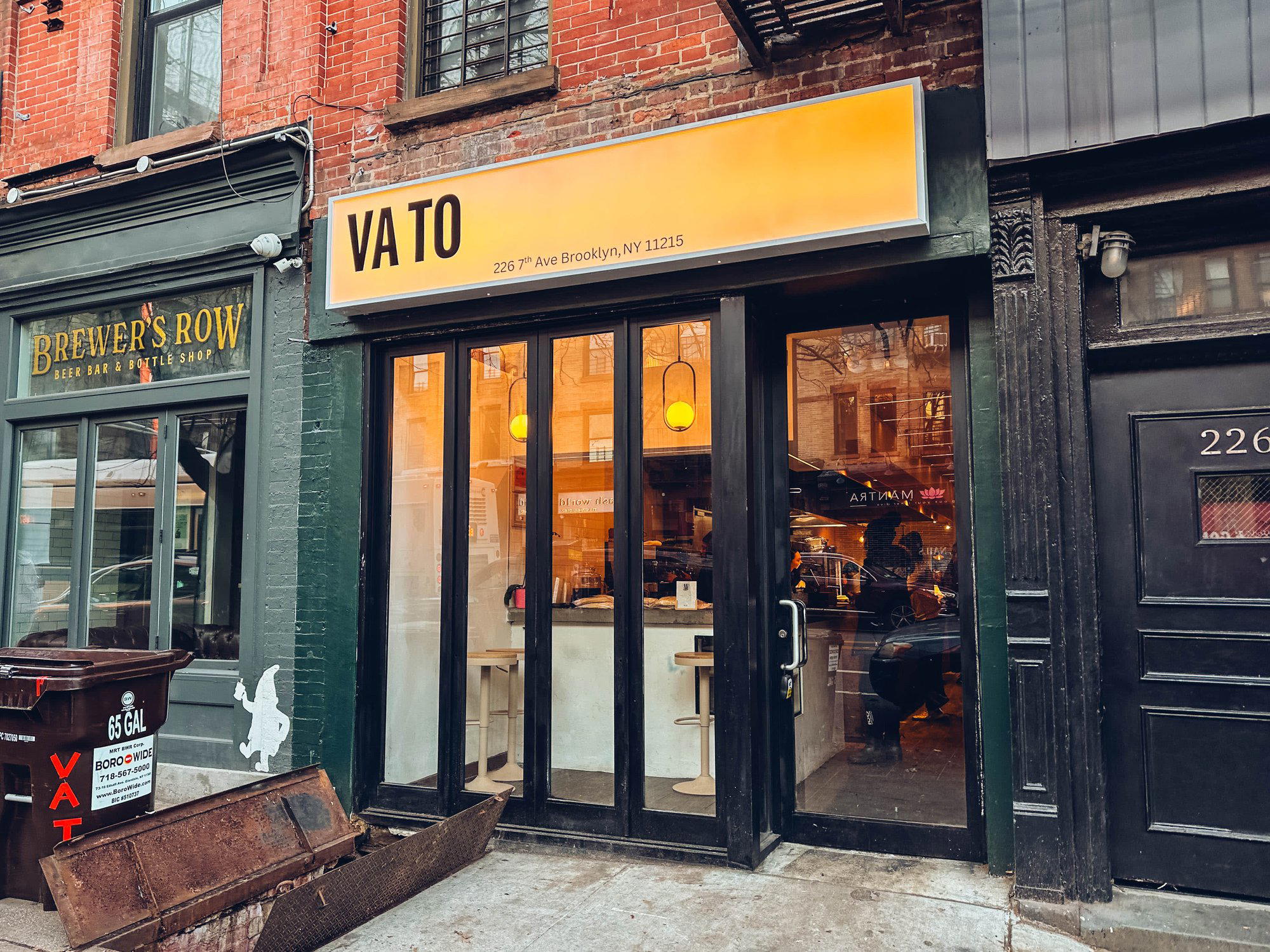
The Register of the Casual Counter in a City of Ceremony
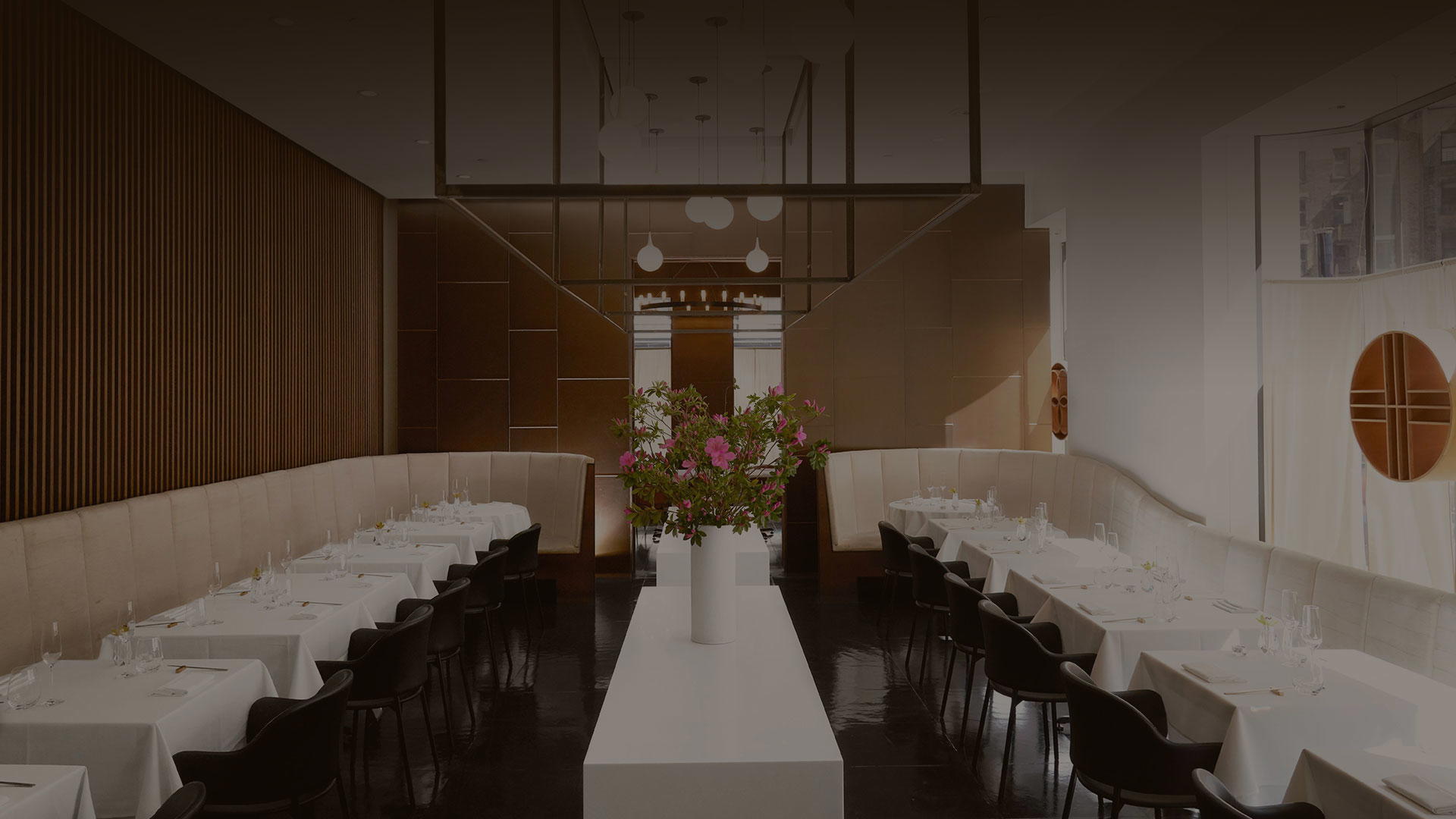
New York's dining conversation is dominated by its formal tier: the omakase counters of Midtown, the tasting-menu rooms that stretch across the West Side, the Le Bernardin and Eleven Madison Park class of dining where the evening is a structured event and the bill reflects it. That tier is real and worth engaging with. But New York also has a long, less-documented tradition of casual counters that strip back the ceremony and make the food the whole point, and the burrito format sits squarely in that tradition.
The burrito is an exercise in deliberate constraint. Every component, protein, grain, bean, fat, acid, is balanced inside a single vessel. There is nowhere to hide an undercooked component or a poorly seasoned base. The format has a directness that the city's more theatrical dining rooms, for all their technique and credential-stacking, rarely match. Vato works within that format in New York City, occupying a space where the product matters more than the production design around it.
What the Burrito Tradition Actually Requires
Mexican food in the United States has been filtered, scaled, and diluted so many times across so many formats that the original discipline of the cuisine can be easy to lose sight of. The burrito specifically has a complicated history in America: it became fast food before it became serious food, and disentangling the two is part of what any kitchen in this category has to do. The cues are in the details, the temperature of the tortilla, the ratio of rice to protein, whether the beans are cooked with any real depth of flavor or exist as filler.
Across American cities, the Mexican-rooted casual counter has undergone a kind of rehabilitation over the past two decades. Cities like Los Angeles and San Francisco have long had neighborhood taquerias operating at a high baseline, and that standard has gradually pushed expectations upward in other markets. New York, which historically defaulted to Italian, Jewish deli, and Chinese as its casual-food vernacular, has caught up considerably. The standard for what a burrito should taste like has risen alongside broader awareness of what the cuisine is actually capable of, which makes this a more competitive category than it appeared a decade ago.
Atmosphere and the Casual Format Done Seriously
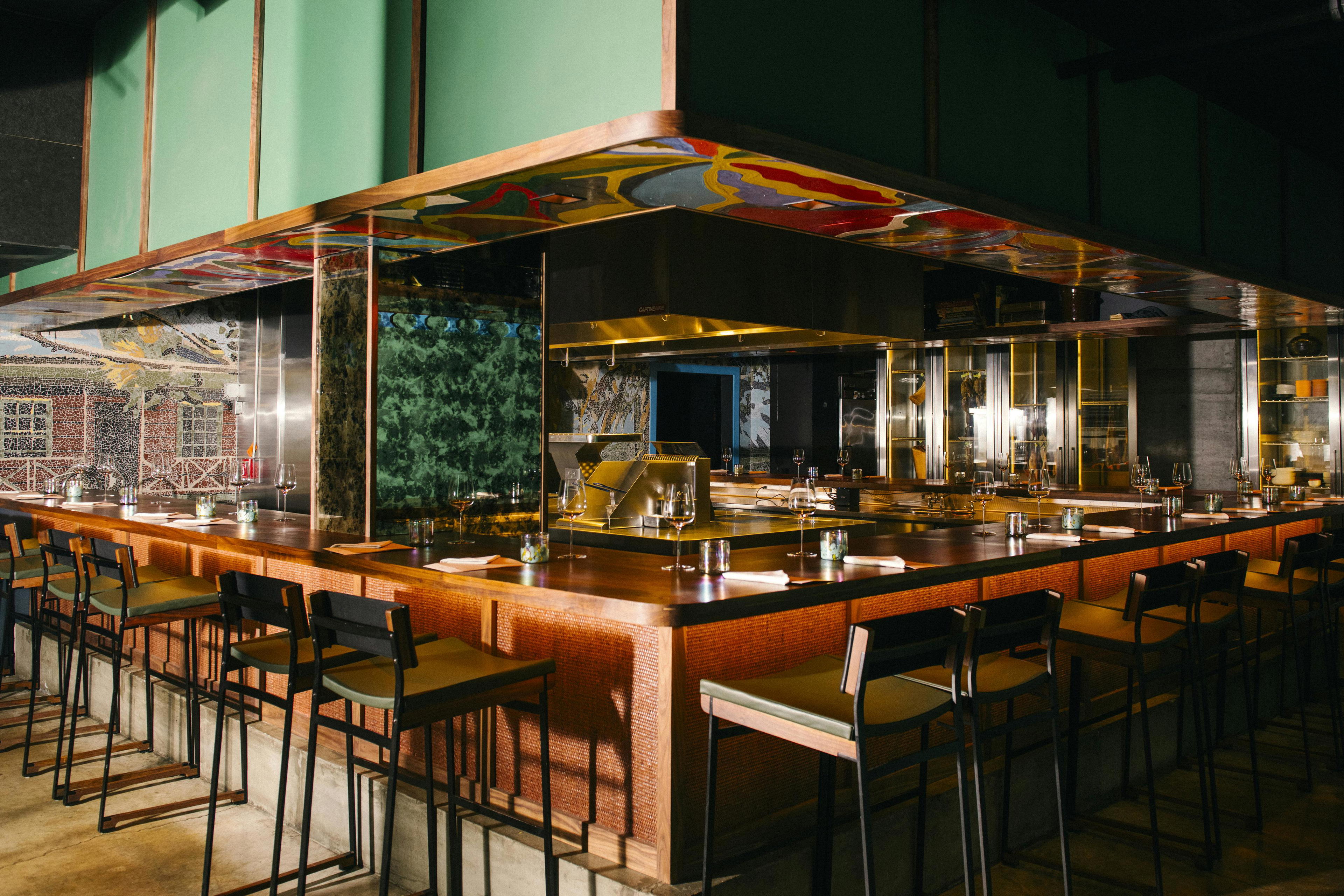
The atmosphere of a serious casual counter in New York is its own distinct register. It is not the hushed formality of a room like Atomix or the orchestrated precision of Per Se, and it is not trying to be. The sounds are different: the flat press of a tortilla, the clatter of a counter order, conversations at a normal volume. The visual logic is also different, condiments visible, the assembly process often open, no tableside presentation to manage. That transparency is part of the format's appeal. What you smell approaching a well-run taqueria counter is as reliable an indicator of quality as anything a formal restaurant could stage: warm masa, cooked fat, a vinegar-cut from pickled components.
In a city where dining rooms like Masa charge at a level that requires advance planning and serious financial commitment, the casual counter offers a different kind of value proposition. It is not lesser, it is operating on a different axis entirely. The pleasure is immediate rather than ceremonial, tactile rather than observational. You eat with your hands. The wrapper holds the whole thing together or it doesn't, and that structural success or failure is the kitchen's responsibility.
New York's Casual Mexican Scene in Context
New York's relationship with Mexican cuisine is more layered than its reputation suggests. The outer boroughs, particularly Jackson Heights in Queens and parts of the Bronx, have sustained Mexican restaurant communities for decades, with taquerias and regional spots operating at a standard that Manhattan's more visible dining rooms rarely matched until recently. That geographic spread matters: the serious casual Mexican food in New York has often been located away from the neighborhoods that attract most food media attention, which has created a knowledge gap between where the food actually is and where the commentary is focused.
Vato's presence in the city sits within a broader shift in which Manhattan and its immediate surroundings have started to develop a more credible casual Mexican tier. The burrito format, in particular, has benefited from diners who know what the format should deliver and are less willing to accept watered-down versions. That shift in expectation is the same pressure that has pushed operators across every American city to take the category more seriously. For context on how different registers of the city's dining sit against each other, see our full New York City restaurants guide.
For comparison across American casual and formal dining, the range is wide: Lazy Bear in San Francisco and Alinea in Chicago represent the highly structured end of American dining ambition, while spots like Vato operate at the opposite pole, where structure is in the food itself, not the room around it. Single Thread Farm in Healdsburg and The French Laundry in Napa occupy a different register altogether, as do Providence in Los Angeles and Emeril's in New Orleans. None of those comparisons diminish the casual counter, they simply map a different set of priorities. European equivalents like Alain Ducasse's Louis XV in Monte Carlo and Alléno Paris au Pavillon Ledoyen confirm that the formal dining tradition has its own logic, which makes the deliberate informality of the burrito counter a genuine choice rather than a default.
Planning Your Visit
Vato is a casual counter format, which means the logistical demands are low compared to New York's tasting-menu rooms. There is no multi-month reservation window to manage, no dress code to consider, and no prix-fixe commitment to calculate in advance. The trade-off is that peak hours at a well-regarded casual counter in New York can mean a wait, arriving slightly off-peak, either before the lunch rush or on the early side of dinner service, is standard practice for this format in the city.
The Essentials
Comparable venues nearby, for context on price, style, and recognition.
| Venue | Cuisine | Price | Notes |
|---|---|---|---|
| VatoThis venue — the venue you are viewing | Park Slope, Modern Mexican Tortilleria | $$$ | Not listed |
| LOLITA | Midtown-Times Square, Modern Mexican | $$$ | Not listed |
| Miti Miti | Not listed | $$$ | Park Slope, Modern Mexican & Latin American |
| Xixa | Williamsburg, Modern Mexican Fusion | $$$ | Not listed |
| El Zason | Not listed | $$ | Downtown Brooklyn-DUMBO-Boerum Hill, Modern Mexican Gastropub |
| El Camion Cantina | East Village, Casual Mexican Cantina | $$ | Not listed |
Continue exploring
More in New York City
Restaurants in New York City
Browse all →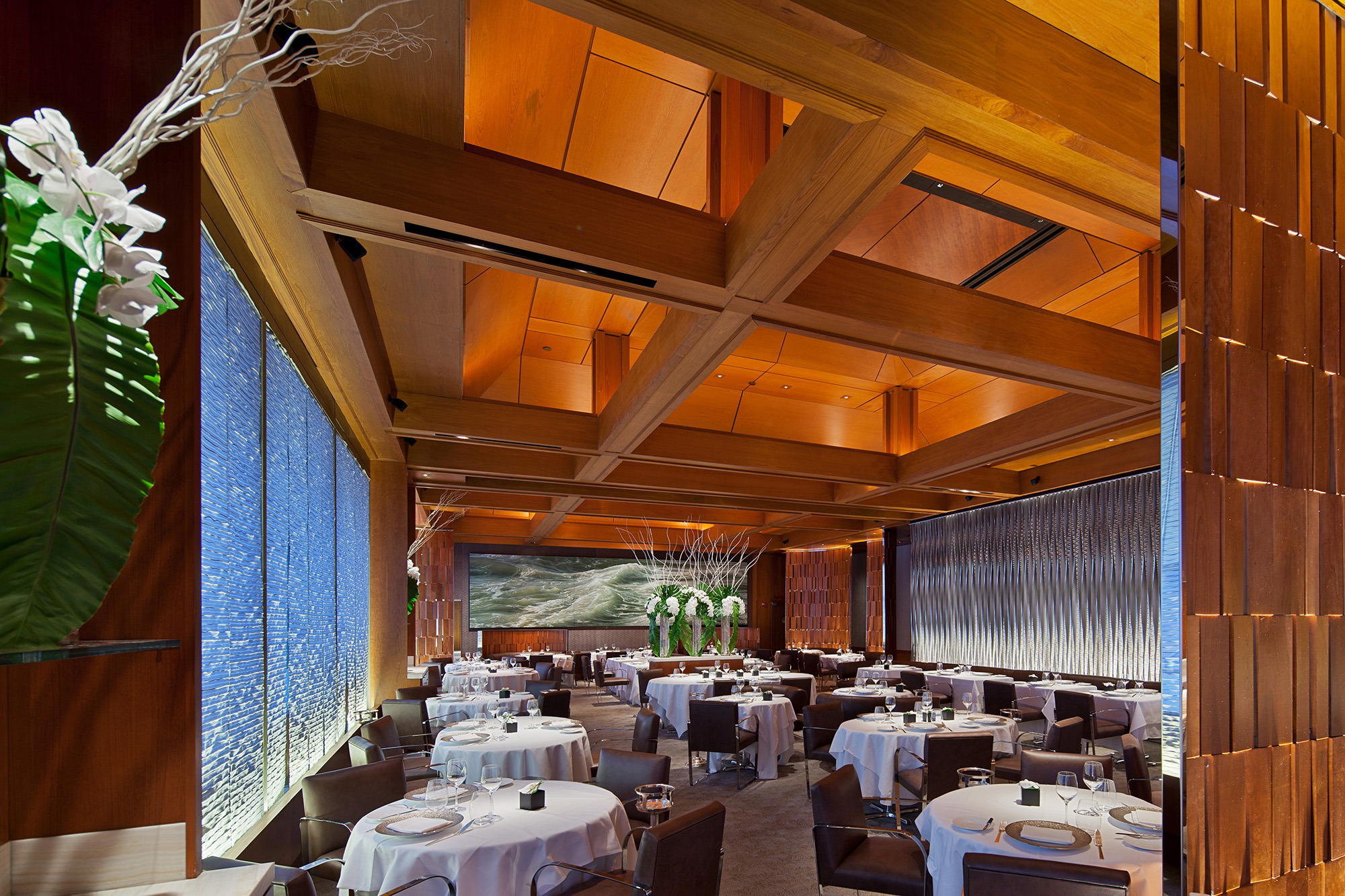
Bars in New York City
Browse all →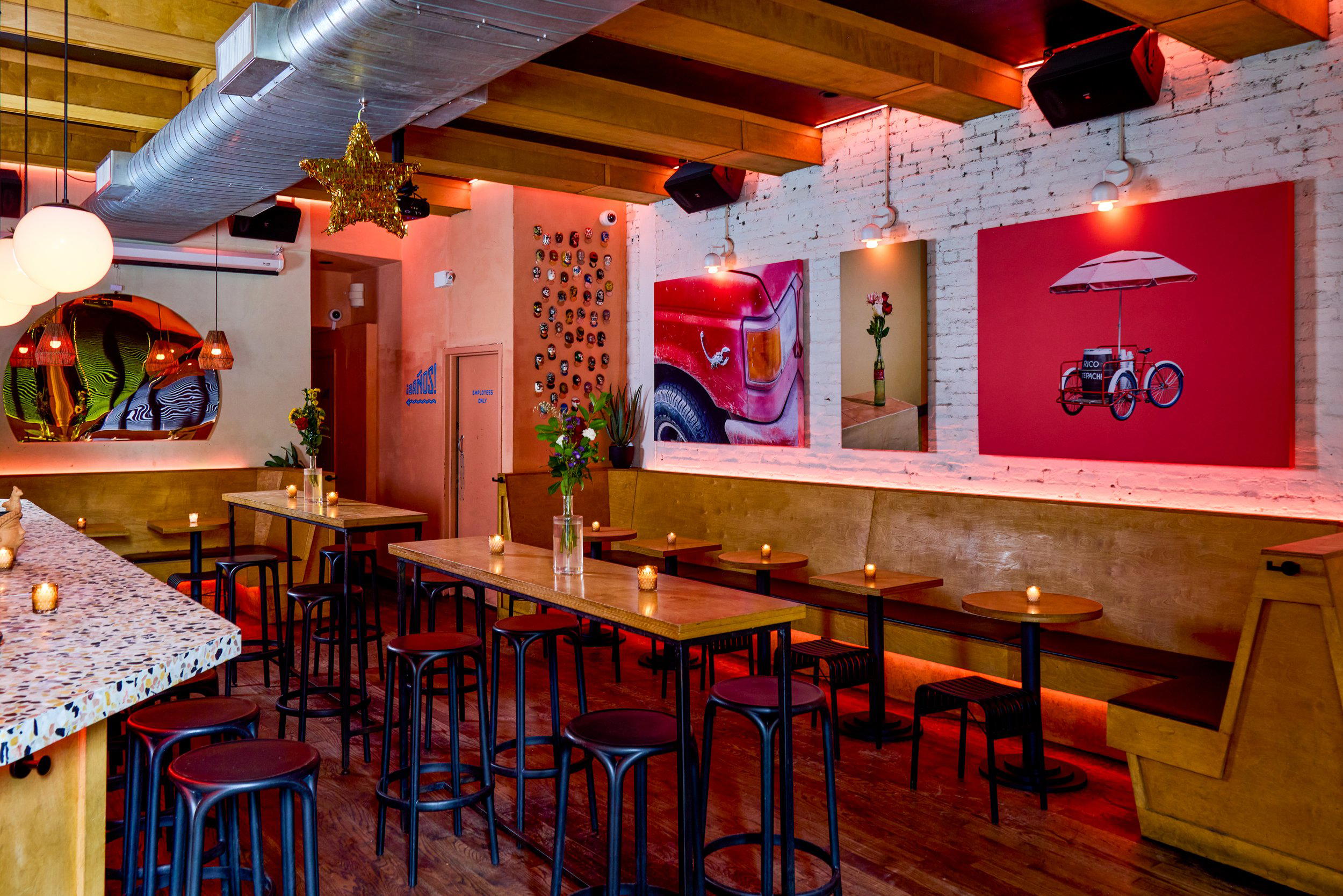




At a Glance
- Casual
- Trendy
- Cozy
- Casual Hangout
- Brunch
- Open Kitchen
Laid-back and cool casual atmosphere with limited indoor seating and nice summer outdoor options.