MEXiCUE
Our verdict
MEXiCUE occupies a Broadway address in Midtown Manhattan, bringing Mexican-inflected barbecue to one of New York City's most transit-dense corridors. The concept sits within a broader American shift toward cross-cultural live-fire cooking, where regional Mexican technique meets the slow-smoke traditions of the Southern United States. For visitors working through the city's casual dining spectrum, it represents a distinct point on that map.
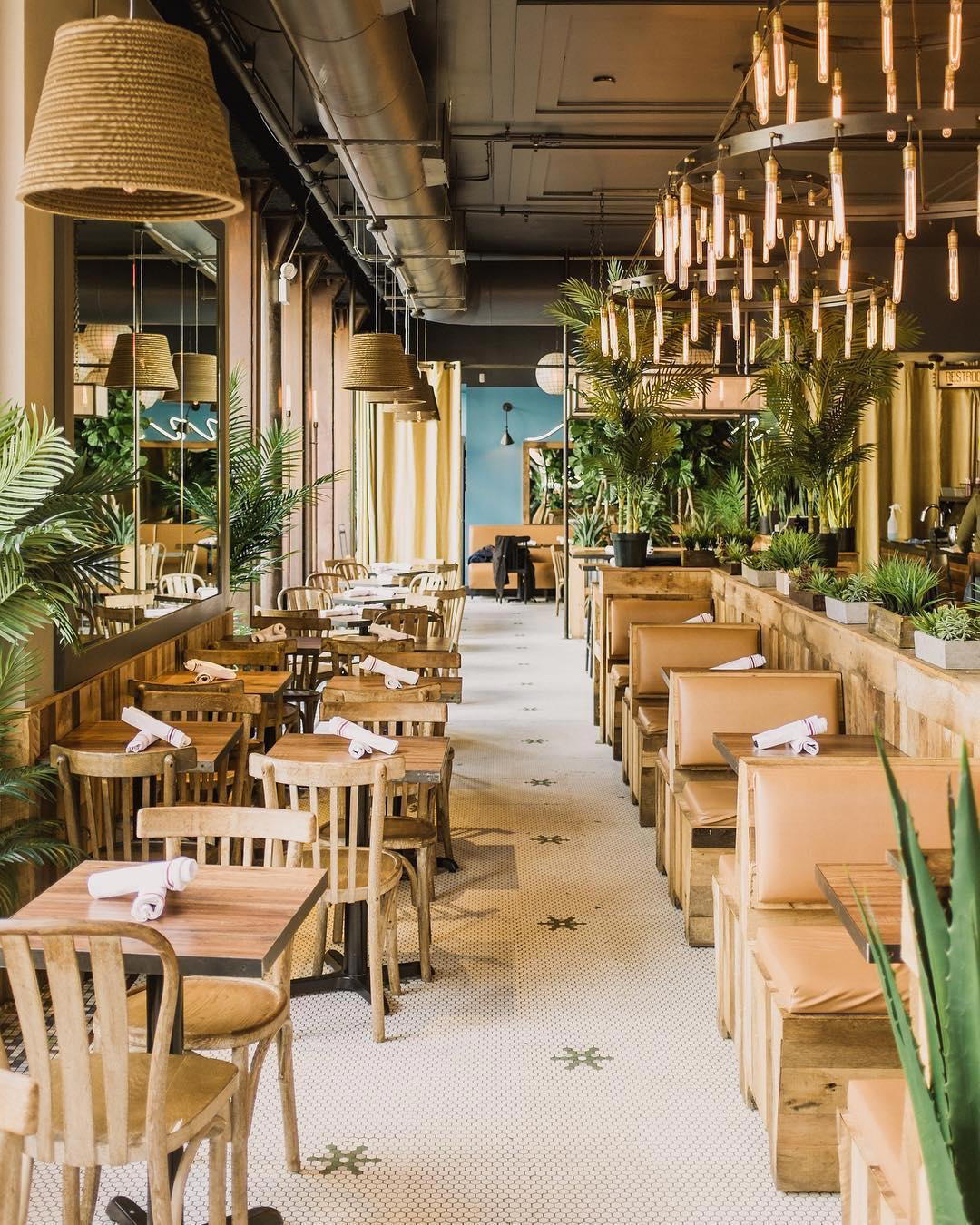
The menu
What to order
- Brisket Tacos
- Smoked Chicken Tacos
- Classic Nachos
Smoke, Masa, and the Midtown Corridor
Broadway at 1440 runs through the heart of Midtown's commercial grid, a stretch more associated with office towers and theatre queues than with serious cooking. That context matters. When a concept rooted in live-fire technique and Mexican regional tradition plants itself at this address, the surrounding neighbourhood shapes the experience before you reach the door. The foot traffic here is transactional by default, commuters, tourists, lunchtime crowds moving on schedules. Against that backdrop, a kitchen built around slow heat and sourcing decisions that reward patience reads as a deliberate counter-programme.
Cross-cultural barbecue has become one of the more consequential developments in American casual dining over the past decade. The conversation that once ran strictly through Central Texas, the Carolinas, or Kansas City has opened to include the wood-fire traditions of Oaxaca, the adobo-marinated meats of Jalisco, and the chili-forward rubs of northern Mexico. MEXiCUE sits within that conversation, occupying the specific intersection where American pit technique and Mexican flavour logic share the same smoke.
The Environmental Logic of Live-Fire Cooking
Sustainability in restaurant kitchens is often discussed in terms of ingredient sourcing, but the conversation around live-fire and barbecue formats adds a layer that fine-dining operations rarely address with the same directness: what happens to the whole animal, and how much of the production cycle is actually used. Slow-cooked formats, by their structural requirements, tend to generate less plate waste than à la carte service. A brisket or shoulder that cooks for twelve or more hours produces a coherent yield. The cook cannot pivot mid-service if something goes wrong; the commitment to the product is made hours before the first guest arrives.
Across the American barbecue revival, the venues that have built the most credible sustainability arguments are those that treat sourcing and waste as a single system rather than separate marketing points. Blue Hill at Stone Barns in Tarrytown made that systems-level argument foundational to its identity, with a farm-to-table model that treats the agricultural calendar as the menu. Single Thread Farm in Healdsburg applies similar logic at the fine-dining tier. MEXiCUE operates in a different price register and format, but the underlying question of how a kitchen accounts for what it uses is equally relevant at the casual end of the spectrum.
Mexican culinary tradition has its own deep relationship with whole-animal cooking and minimal-waste practice. Barbacoa, carnitas, and cochinita pibil are all formats that emerged from economic necessity as much as flavour preference: slow heat, tough cuts, maximum yield. When those traditions are brought into a New York operation, the sourcing chain extends from the original agricultural context into a supply network that can either honour or dilute the original logic. The credibility of the concept depends substantially on which of those outcomes the kitchen chooses.
Where MEXiCUE Sits in New York's Dining Map
New York's fine-dining tier is well documented. Le Bernardin, Atomix, Eleven Madison Park, Masa, and Per Se define the upper bracket, each representing a different national tradition rendered at the highest technical level the city can sustain. MEXiCUE does not compete in that tier, nor is it trying to. It addresses a different reader decision: where to eat well in Midtown when the format is casual, the flavour reference is Mexico, and the cooking method involves fire.
That segment of the market is less crowded than the tasting-menu tier, but it is not without competition. New York's casual Mexican landscape has historically skewed toward taqueria formats and larger, louder operations aimed at speed. The barbecue crossover niche is narrower, and within it, the combination of a Broadway address, a fire-based kitchen, and a menu that draws on both traditions simultaneously represents a specific editorial position.
For readers building a broader American itinerary that touches on serious casual cooking, comparable conversations are happening at Lazy Bear in San Francisco, where communal formats and sourcing transparency define the experience, and at Smyth in Chicago, which applies fine-dining rigour to ingredient provenance at the mid-tier. Emeril's in New Orleans, Providence in Los Angeles, Addison in San Diego, The French Laundry in Napa, The Inn at Little Washington, Frasca Food and Wine in Boulder, and international reference points like Atelier Moessmer Norbert Niederkofler in Brunico and Dal Pescatore in Runate each represent a different national or regional answer to the question of how ingredient ethics and cooking tradition can be held together in a single concept. MEXiCUE answers that question through a distinctly American-Mexican lens, from a Midtown address that makes it accessible to a visitor base that the farm-to-table tier rarely reaches.
For a complete orientation to where MEXiCUE sits within the city's broader dining picture, our full New York City restaurants guide maps the competitive set across price tiers, neighbourhoods, and cuisine categories.
Planning Your Visit
The 1440 Broadway address places MEXiCUE within walking distance of Times Square and the major Midtown transit nodes, making it one of the more accessible options in this part of the city regardless of where you are staying. Reservations: Dress: Consistent with a casual live-fire format; no formal dress requirement is indicated. Budget: Timing: Midtown lunch service draws heavy office-hour volume on weekdays; evening visits or weekend visits typically offer a less compressed pace.
Frequently asked questions
What dish is MEXiCUE famous for?
Is MEXiCUE reservation-only?
How does MEXiCUE's location at 1440 Broadway affect the dining experience compared to other Mexican restaurants in New York City?
A Credentials Check
A compact comparison to help you place this venue among nearby peers.
| Venue | Cuisine | Price | Awards | Notes |
|---|---|---|---|---|
| MEXiCUEThis venue (the venue you are viewing) | Mexican BBQ Fusion | Not listed | Not listed | Not listed |
| Le Bernardin | French Seafood Fine Dining | $300–500 | 3 Michelin Stars · World's 50 Best #13 | French, Seafood |
| Atomix | Modern Korean Tasting Menu | $300–500 | 2 Michelin Stars · World's 50 Best #7 | Modern Korean, Korean |
| Per Se | French Fine Dining Tasting Menu | $300–500 | 3 Michelin Stars · World's 50 Best #40 | French, Contemporary |
| Masa | Traditional Japanese Omakase | $500+ | 2 Michelin Stars · World's 50 Best #27 | Sushi, Japanese |
| Eleven Madison Park | Contemporary Plant-Based Fine Dining | $300–500 | 3 Michelin Stars · World's 50 Best #4 | French, Vegan |
Continue exploring
More in New York City
Restaurants in New York City
All restaurants in New York City →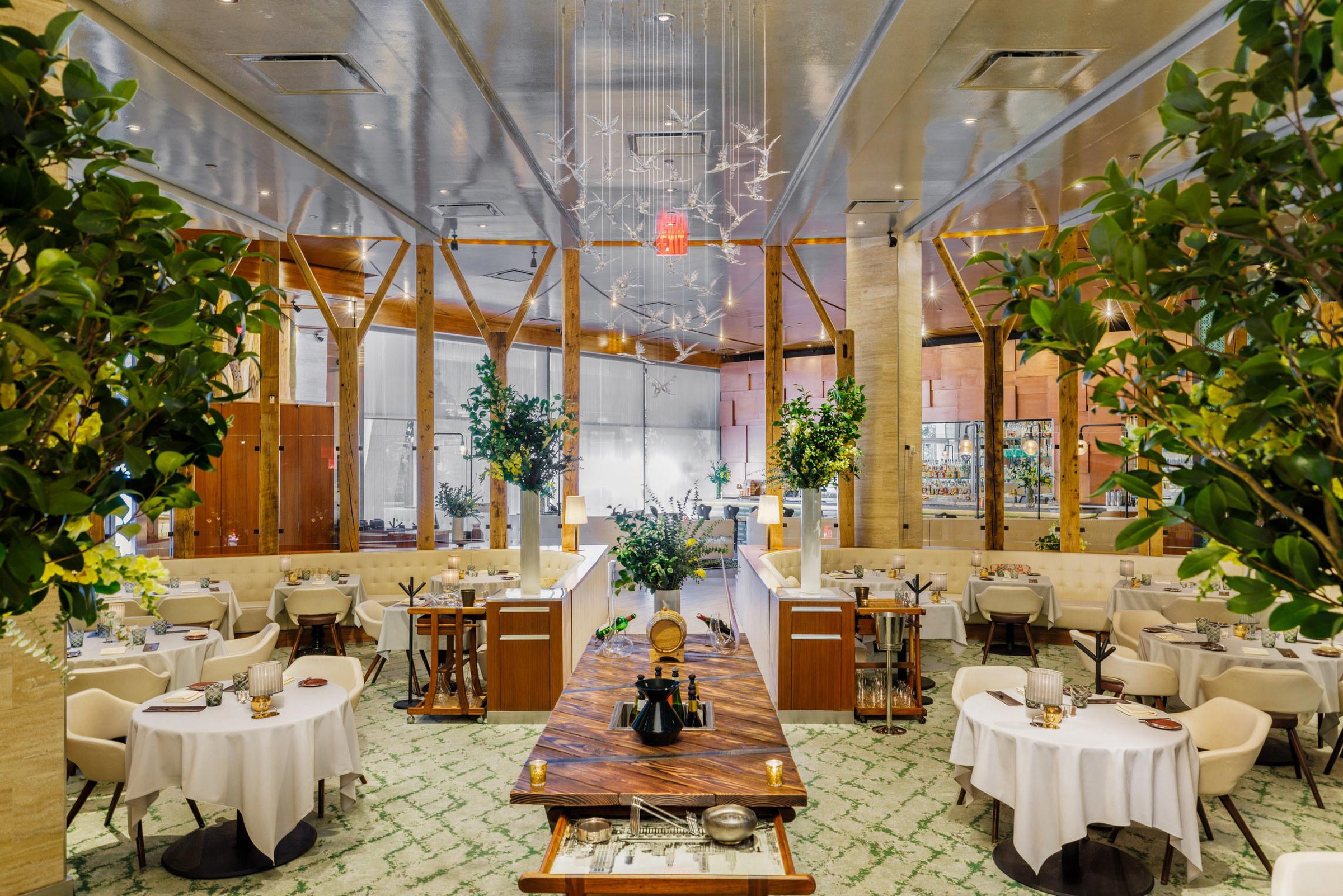
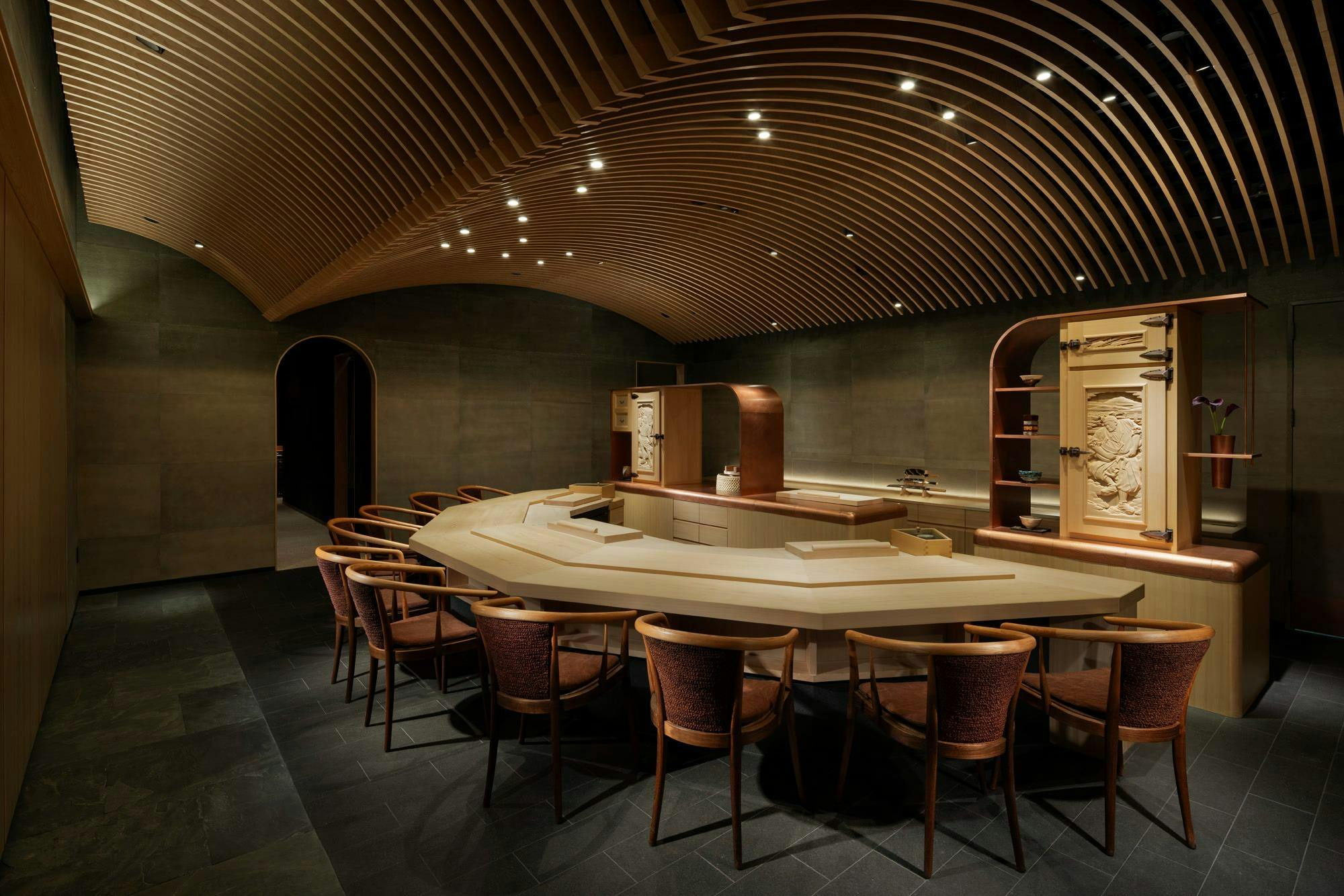
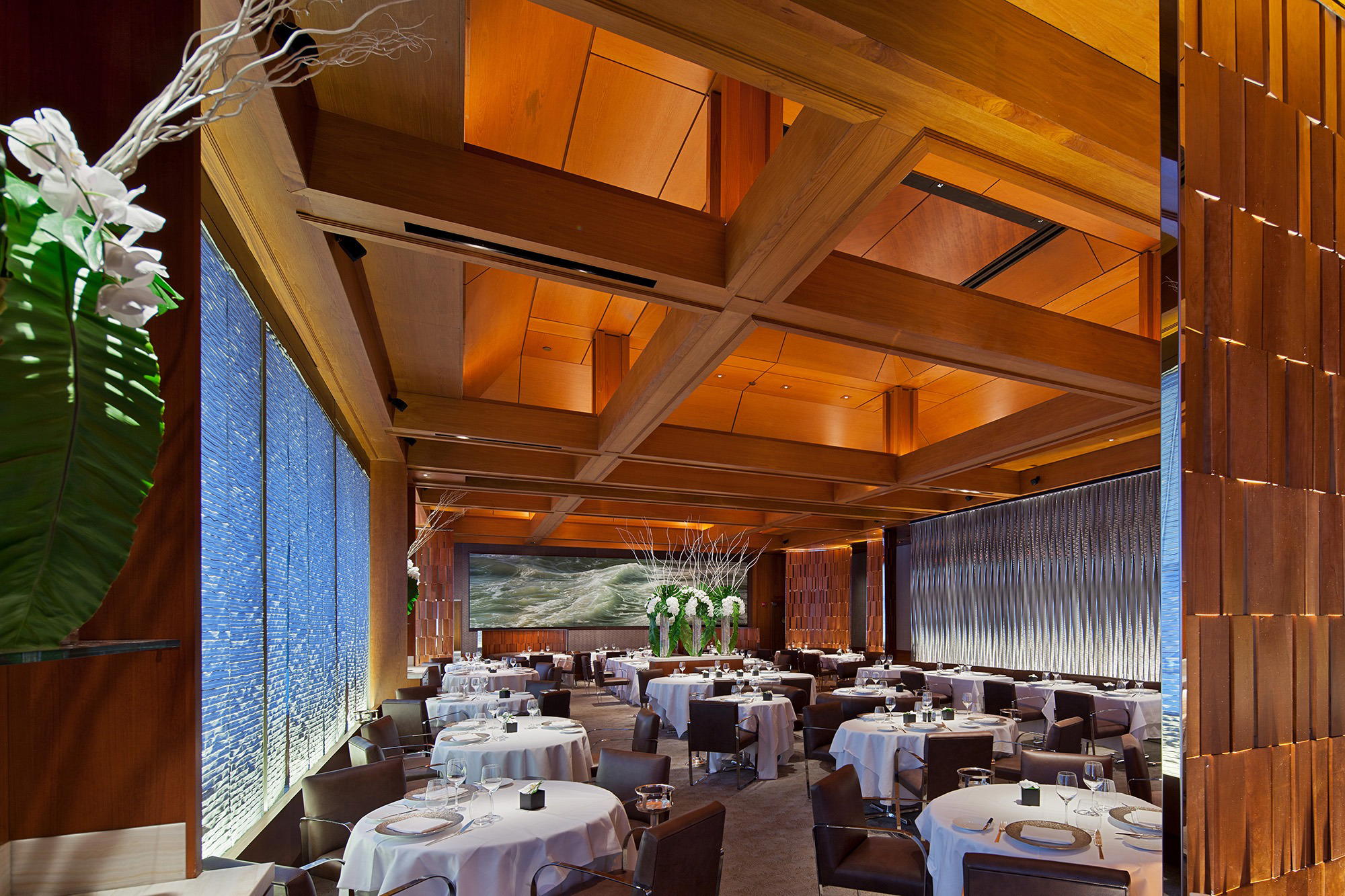
Bars in New York City
All bars in New York City →
Details
- Lively
- Trendy
- Energetic
- Group Dining
- Casual Hangout
- Brunch
- Open Kitchen
- Craft Cocktails
- A La Carte
- Small Plates
- Margaritas
- Vegetarian Friendly
- Vegan Options
Lively bar scene with a lively, fun atmosphere packed during peak hours.