Our verdict
Tlangmi Choka Restaurant pairs Korean & Northeast Indian cooking with chilli prawns, chicken tikka and seafood, in a casual standalone setting for lunch or dinner.

Pearl is the En Primeur Club membership app — saves, bookings, and concierge access live there. Same editors, same standards.
- Address
- H. No.
- Phone
- +918810468958
- Hours
- Mon–Sat 11 AM–9 PMSun Closed
- Website
- bit.ly
- Directions
- Get directions
- Booking
- Book on the venue's website
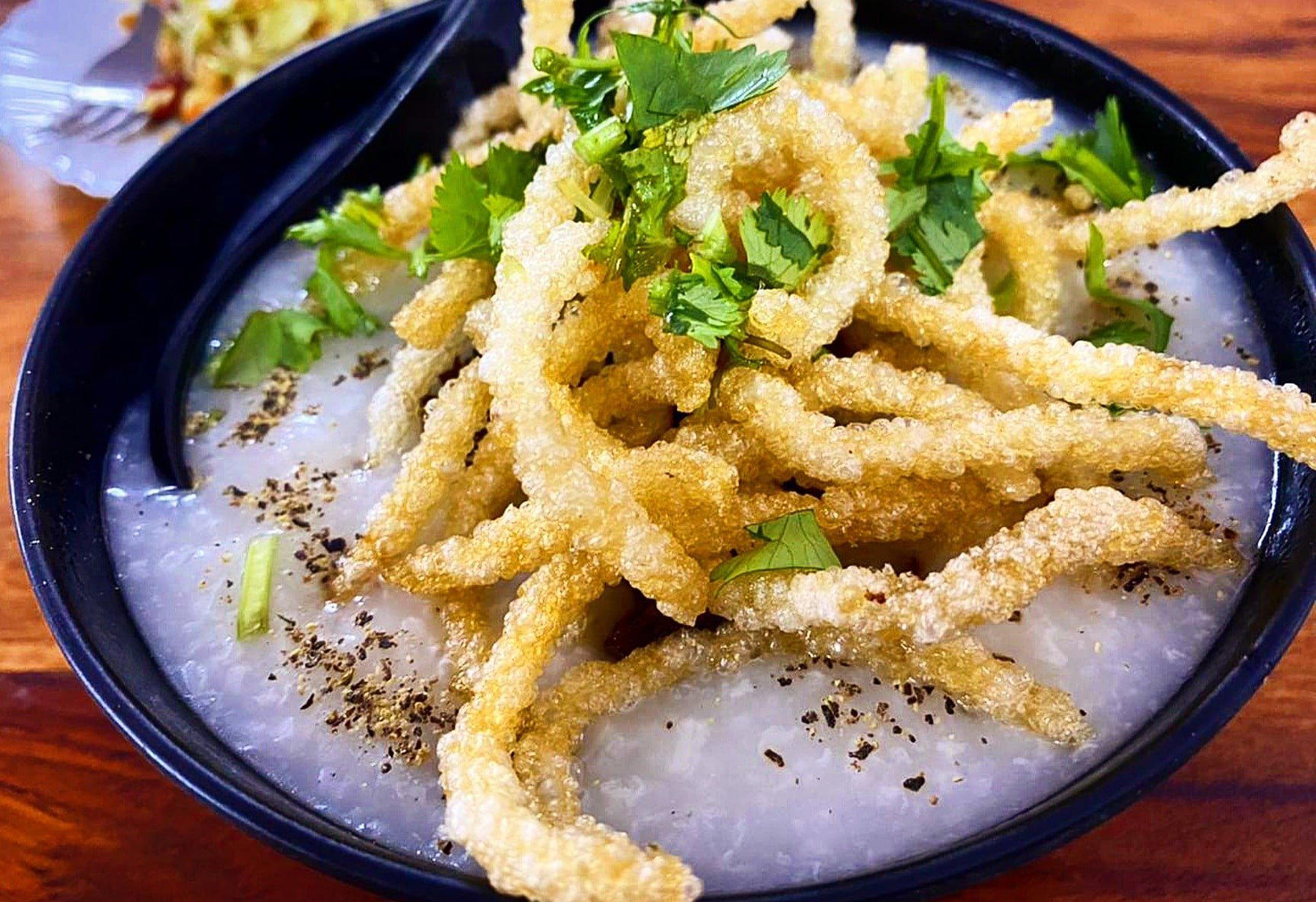
Where Northeast India Finds a Table in the Capital
Delhi's dining map has long been dominated by the grand registers of Mughal-derived cooking, the tandoor smoke of Bukhara (Modern Indian) and the slow-braised depth of Dum Pukht, alongside the contemporary reinterpretation work happening at Indian Accent. Against that backdrop, a restaurant carrying the culinary traditions of India's northeastern hill communities occupies a genuinely different position in the city's food culture. Tlangmi Choka Restaurant enters that conversation as a representative of a cooking heritage rarely encountered at restaurant scale in the capital.
The northeastern states, from Nagaland through Manipur and into the Mizo hills, carry food traditions built around fermented proteins, wood-smoke, foraged greens, and rice-based preparations that have almost no overlap with the subcontinental mainstream. In Delhi, where Northeastern communities have established residential clusters, particularly in areas like Humayunpur in Safdarjung, the demand for this kind of cooking has grown steadily over the past decade. Tlangmi Choka Restaurant operates inside that community-driven ecosystem, where authenticity of sourcing and preparation method matters more to the core audience than interior polish or press recognition.
The Physical Space as Cultural Statement
Restaurants representing minority regional cuisines in large Indian metros often make a deliberate choice about how much the space should signal their origins. The more considered operations lean into material culture: hand-woven textiles used as wall treatments, wooden furniture referencing highland craft traditions, and lighting schemes that move away from the fluorescent brightness common in budget Delhi dining toward something warmer and more specific.
What the physical container communicates in this category of restaurant is often more about community than curation. The seating arrangements in comparable venues tend to prioritize communal ease over instagrammable geometry: longer tables, shared dishes at the center, an implicit invitation to eat the way the food was designed to be eaten. That format, where the table layout itself encodes a cultural logic, is part of what separates a functioning community restaurant from a themed concept. Venues like Inja in Delhi have explored adjacent territory, though from a different starting point. For a broader view of where Tlangmi Choka sits within the capital's full restaurant spread, the EP Club New Delhi restaurants guide provides a mapped comparative reference.
The Culinary Tradition Behind the Menu
Northeastern Indian cooking does not resolve into a single cuisine. Naga food centres on smoked and fermented pork, axone (fermented soybean), bamboo shoot preparations, and chillies of considerable heat. Manipuri cooking brings more vegetable diversity, with dishes like eromba, a mashed preparation of vegetables and fermented fish, appearing regularly. Mizo food leans toward rice-based staples with lighter protein preparations. A restaurant holding all of these under one roof faces an editorial challenge in the kitchen as much as on the menu, since the traditions do not share a single pantry.
The choka in the restaurant's name is a term with specific meaning in some Northeast Indian food cultures, often referring to a preparation style involving roasting or charring, which would situate the menu in a particular technique-led identity rather than a purely regional one. If that reading is accurate, the cooking method becomes as central to the restaurant's identity as the geography it draws from, a framing that aligns with how the more coherent operators in this niche have built their menus.
Across India, the pattern of regional specificity driving premium positioning is visible in venues like Farmlore in Bangalore, which built its reputation on hyperlocal Karnataka sourcing, and Naar in Kasauli, which frames Himachali culinary tradition through a considered tasting format. Tlangmi Choka operates in a different price register and community context, but the underlying argument, that place-specific cooking deserves a dedicated room rather than a thali section on a pan-Indian menu, is the same.
Delhi's Northeastern Dining Tier
The Northeastern restaurant category in Delhi has matured considerably since the early 2000s, when options were sparse and largely confined to home-style setups in residential areas. The current tier includes everything from street-food operations selling momos and thukpa to sit-down restaurants with fuller menus covering multiple northeastern states. Tlangmi Choka occupies the sit-down tier of this spread, where the dining experience extends beyond a single dish category. Comparable community restaurants in Delhi's Northeastern enclave areas tend to be modestly priced relative to the city's hotel dining benchmark, with a clientele that skews toward the diaspora community alongside curious Delhi residents seeking an alternative to the Mughal-Punjabi mainstream.
For readers building a broader picture of regional Indian cooking across the country, the EP Club catalogue covers similar territory in other cities: Leela Kerala Terrace in Trivandrum for southern coastal cooking, Esphahan in Agra for Mughal-era formality, and Beera Chicken House in Amritsar for the stripped-back confidence of Punjabi grill culture. Each represents a regional tradition served with enough conviction to justify a dedicated trip.
Planning Your Visit
Confirmed operational details for Tlangmi Choka Restaurant are limited in currently available data, including hours, booking method, and price range. The address is listed within Delhi but precise location data has not been confirmed. For current hours, reservation options if applicable, and menu details, contacting the restaurant directly or visiting the locality in person is the practical approach. Northeastern restaurants in Delhi's community enclaves often operate without online booking systems, with walk-in capacity sufficient during off-peak hours but tighter on weekend evenings when the community dining traffic peaks. Arriving early in the dinner service is generally the lower-friction approach at this category of venue.
Readers planning a broader Delhi dining itinerary might cross-reference venues across different registers: AQUA for hotel-pool dining, and the international comparison set including Le Bernardin in New York City and Atomix in New York City for context on how regional specificity translates into high-end positioning in other markets. Across India, the EP Club also covers Americano in Mumbai, 5868 Restaurant in Gandhinagar, Harvest Kitchen Somnath in Veraval, La Fountain Blu in Navsari, and WelcomCafe Oceanic Restaurant in Visakhapatnam for a fuller national picture.
Frequently asked questions
What's Tlangmi Choka Restaurant's location?
Tlangmi Choka Restaurant is located at H. No. New Delhi.
Is Tlangmi Choka Restaurant one of the few places in New Delhi to eat authentic Northeastern Indian food?
The Northeastern restaurant category in Delhi remains thin relative to the city's overall dining volume, and venues offering cooking rooted in Naga, Mizo, or Manipuri traditions are concentrated in specific neighbourhoods rather than spread across the capital. Tlangmi Choka operates within that small peer group in New Delhi, making it relevant to anyone specifically seeking smoked, fermented, or bamboo-led regional cooking rather than the city's more prevalent culinary traditions.
What's the best thing to order at Tlangmi Choka Restaurant?
Without a confirmed published menu, the safest guide is the tradition behind the kitchen: Northeastern cooking in Delhi tends to foreground smoked pork, axone (fermented soybean), and bamboo shoot preparations. These are the dishes that define the region and the reason restaurants like Tlangmi Choka exist in the capital. Ask staff what has come in fresh or what the kitchen considers its core preparations that day.
How hard is it to get a table at Tlangmi Choka Restaurant?
Restaurants specialising in Northeastern Indian cuisine in Delhi operate across a range of formats, from walk-in canteens to booked dining rooms. Calling ahead or visiting in person remains the most reliable approach until official contact details are published.
What's the signature at Tlangmi Choka Restaurant?
The restaurant's identity sits within the Northeastern Indian culinary tradition, where fermentation, smoking, and bamboo-based techniques define the food rather than the spice-heavy profiles associated with most Delhi restaurants. That positioning is itself the signature: cooking that does not conform to the capital's dominant Mughal-derived or tandoor register.
Do they accommodate allergies at Tlangmi Choka Restaurant?
No allergy or dietary accommodation policy is confirmed in available data for Tlangmi Choka Restaurant. Northeastern cooking frequently uses fermented ingredients, including soybean pastes and preserved meats, which carry allergen implications not always flagged on informal menus. Direct communication with the restaurant before visiting is the practical step here.
Is Tlangmi Choka Restaurant worth it?
For anyone wanting to eat outside Delhi's dominant North Indian and Mughal-derived restaurant tier, Tlangmi Choka represents a genuine category shift. Northeastern Indian cuisine — built on axone, smoked pork, and bamboo preparations — has very limited representation in the capital, which gives restaurants like this structural relevance beyond any single dish or price point. No Michelin or major award data is currently attached to the venue, so the case rests on culinary scarcity rather than critical validation.
Just the Basics
Comparable venues nearby, for context on price, style, and recognition.
| Venue | Cuisine | Price | Notes |
|---|---|---|---|
| Tlangmi Choka RestaurantThis venue — the venue you are viewing | Korean & Northeast Indian | Not listed | Not listed |
| Common Time | Contemporary Coffee & Bakery Café | $10–20 | Lodhi Colony, Contemporary Coffee & Bakery Café |
| Kunga Cafe & Restaurant | Pan-Asian | $10–20 | Majnu-ka-tilla, Pan-Asian |
| Nand Di Hatti | Classic Punjabi Chole Bhature | $1–10 | Sadar Bazar, Classic Punjabi Chole Bhature |
| Cafe Vagabond | Multi-Cuisine (Indian, Italian, Chinese) | $10–20 | Paharganj, Multi-Cuisine (Indian, Italian, Chinese) |
| Copper Chimney, North Indian Restaurant in Rajouri Garden- New Delhi | North Indian | $10–20 | Rajouri Garden, North Indian |
Continue exploring
More in New Delhi
Restaurants in New Delhi
Browse all →
Bars in New Delhi
Browse all →
Details
- Lively
- Cozy
- Casual Hangout
- Group Dining
- Standalone
- A La Carte
- Vegetarian Friendly
Current opening hours
- Monday
- 11 AM–9 PM
- Tuesday
- 11 AM–9 PM
- Wednesday
- 11 AM–9 PM
- Thursday
- 11 AM–9 PM
- Friday
- 11 AM–9 PM
- Saturday
- 11 AM–9 PM
- Sunday
- Closed
Hours can change for holidays and private events. Last verified .
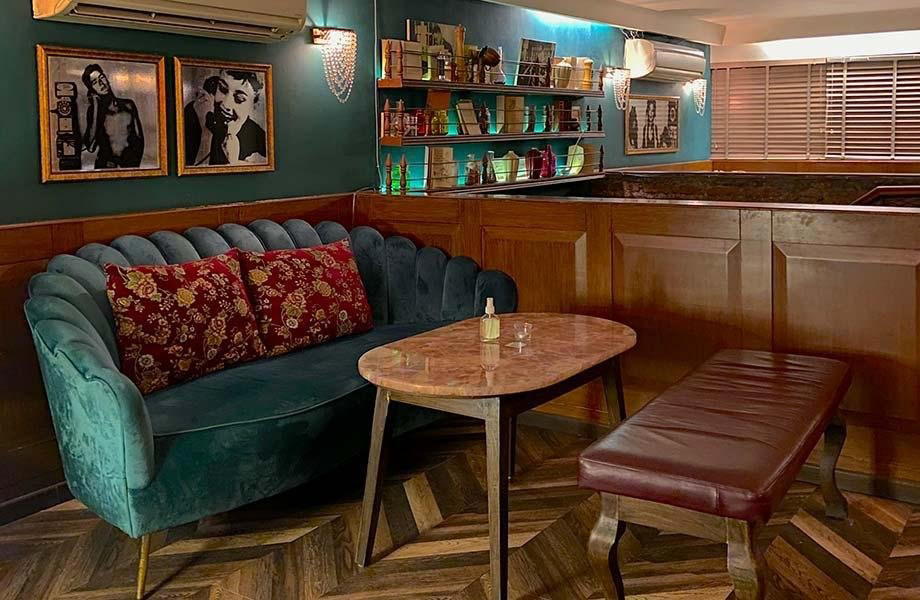
Cool, friendly atmosphere with nice ambiance reflecting the restaurant's character and style.