Our verdict
Common Time fits New Delhi’s newer all-day dining mood: less ceremony than a tasting-menu room, more range than a coffee counter. The appeal sits in format and sourcing logic, with a modern cafe frame that can absorb breakfast habits, afternoon work tables, and dinner without forcing the meal into a single ritual.

Pearl is the En Primeur Club membership app — saves, bookings, and concierge access live there. Same editors, same standards.
- Address
- New Delhi, India
The menu
What to order
- Specialty coffee
- Refined bakes inspired by Amsterdam’s morning bakeries
New Delhi’s cafe rooms have become a useful barometer for how the city eats between formal meals. The sound is less about silverware and more about laptops closing, coffee machines cutting through conversation, and tables turning from late breakfast into early dinner. Common Time belongs to that all-day category, where the kitchen has to handle several appetites in one service rhythm rather than stage a single grand performance.
That format matters in a city where dining still splits sharply between hotel-led polish, old-room North Indian gravitas, and younger restaurants built around flexible hours. A modern cafe in New Delhi is not a minor genre. It is where the city tests lighter plates, global pantry habits, produce-led cooking, and the informal luxury of staying longer than the meal strictly requires.
All-day dining in Delhi now depends on range, not theatre
The stronger end of the cafe category is defined by discipline. Breakfast cannot feel like an afterthought, coffee cannot be decorative, and later service has to carry enough structure for a proper meal. Common Time’s stated identity as modern cafe and all-day dining places it inside this practical, demanding lane: the menu must work for different tempos without becoming vague.
Ingredient sourcing is the quiet test here. Delhi’s contemporary cafe cooking has moved away from merely importing global templates and toward a more selective use of vegetables, grains, dairy, ferments, bakery work, and pantry items that make sense for the room. When this style succeeds, the sourcing is not shouted through luxury language. It shows up in restraint: cleaner plates, shorter ingredient lists, and dishes that do not need heavy sauces to justify their price tier.
This is also where the cafe differs from the city’s more formal dining rooms. A grand restaurant can build authority through ritual, hierarchy, and a long tasting arc. An all-day cafe has to earn trust through repeat usefulness. The question is not whether one dish can impress once, but whether the room can carry a weekday meeting, a solo coffee, a late lunch, and an unfussy dinner with the same basic competence.
Where Common Time fits in a city of hotel dining, regional rooms, and casual modernity
New Delhi’s premium dining map is unusually broad. Hotel restaurants still shape many high-spend meals, regional Indian rooms retain cultural weight, and independent cafes absorb the city’s daily social traffic. Common Time occupies the softer edge of that spectrum, closer to contemporary urban routine than ceremonial dining.
For readers mapping the city, the contrast is useful. Some New Delhi dining rooms point toward the capital’s enduring appetite for large-format North Indian cooking, while hotel and resort-style formats continue to influence the city’s international dining language. Common Time reads differently: less occasion-led, more about the everyday premiumisation of cafe culture.
That everyday quality is not a downgrade. The all-day format has become one of the harder restaurant types to execute because it asks for breadth without clutter. The sourcing angle is central to that equation. A cafe that wants to feel current in New Delhi has to make produce, bread, coffee, and lighter plates do real work, while leaving enough comfort on the table for diners who are not looking for a lecture on locality.
How to place it within a wider India itinerary
Common Time is better understood as a New Delhi rhythm stop than as a destination meal built around chef mythology. Its recognition has come from being an intimate, design-forward cafe-restaurant with artisanal coffee and an upscale all-day experience. That makes it useful for travellers who are already balancing formal dinners with museums, markets, hotel meetings, and onward flights. The smart move is to treat it as part of the city’s daily dining fabric, then spend the larger itinerary budget on meals where ceremony is the point.
EP Club’s city rails help separate those purposes. Use Our full New Delhi restaurants guide for dining context, Our full New Delhi hotels guide for where to stay, Our full New Delhi bars guide for late-evening planning, Our full New Delhi wineries guide for wine-led research, and Our full New Delhi experiences guide for cultural structure around the meal.
The broader Indian dining map also clarifies the distinction. Heritage and regional formats pull differently across India, while casual specialist formats in other major dining cities show how narrow concepts can carry a dining identity. Common Time works from the opposite premise: breadth, accessibility, and the sourcing decisions that make an all-day room feel current rather than generic.
Frequently asked questions
Is Common Time okay with children?
Common Time’s modern cafe and all-day dining format in New Delhi makes it an easy fit for family meals. The daytime setting usually works better for children than a formal tasting-menu room.
How would you describe the vibe at Common Time?
Expect a modern cafe atmosphere, not a formal dining room. In New Delhi, that places Common Time in the relaxed all-day dining lane rather than the hotel-restaurant tier.
What kind of cuisine does Common Time serve?
Common Time serves Modern cafe & all-day dining cuisine.
How far ahead should I plan for Common Time?
Plan it as an all-day dining stop in New Delhi rather than a reservation-led occasion. Because the venue is positioned as a modern cafe, it is best approached as part of the city’s everyday dining rhythm.
In Context
Comparable venues nearby, for context on price, style, and recognition.
| Venue | Cuisine | Price | Awards | Notes |
|---|---|---|---|---|
| Common TimeThis venue — the venue you are viewing | Contemporary Coffee & Bakery Café | $10–20 | Not listed | Not listed |
| Tres | Modern European | $20–30 | Not listed | Lodhi Colony, Modern European |
| Nando's Pacific Mall, Tagore garden | South African PERi-PERi Flame-Grilled Chicken | $10–20 | Not listed | Tagore Garden, South African PERi-PERi Flame-Grilled Chicken |
| Kunga Cafe & Restaurant | Pan-Asian | $10–20 | Not listed | Majnu-ka-tilla, Pan-Asian |
| Leo’s | Authentic Italian Pizza | $10–20 | 50 Top Pizza Asia-Pacific #41 | Pizza |
| Omya | Modern Indian Fine Dining | $100–150 | Not listed | Lodhi Road, Modern Indian Fine Dining |
Continue exploring
More in New Delhi
Restaurants in New Delhi
Browse all →
Details
- Modern
- Minimalist
- Trendy
- Cozy
- Solo
- After Work
- Casual Hangout
- Brunch
- Design Destination
- Standalone
- Zero Proof
- Street Scene
- A La Carte
- Counter Dining
- Coffee
- Tea
- Non Alcoholic
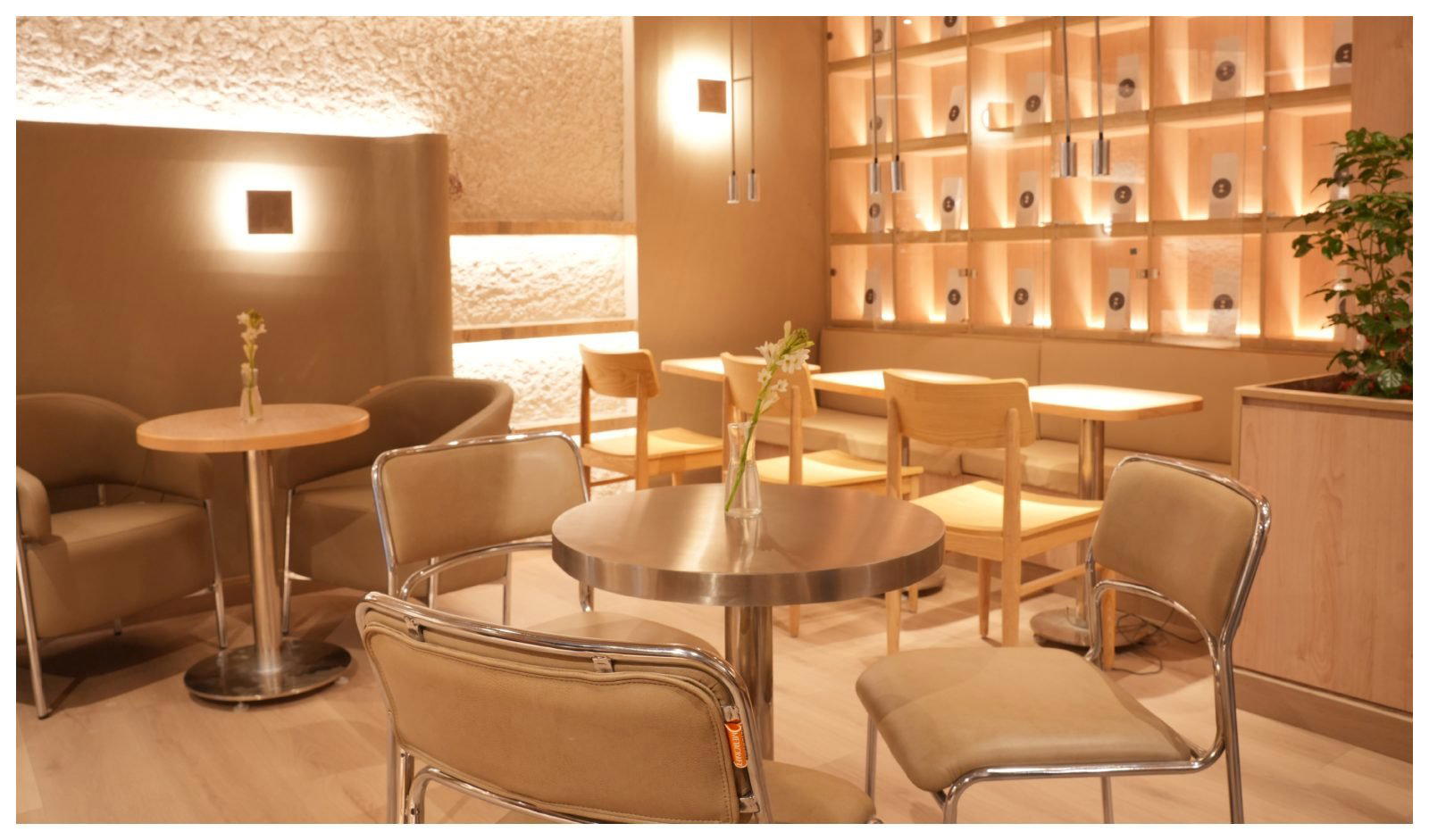
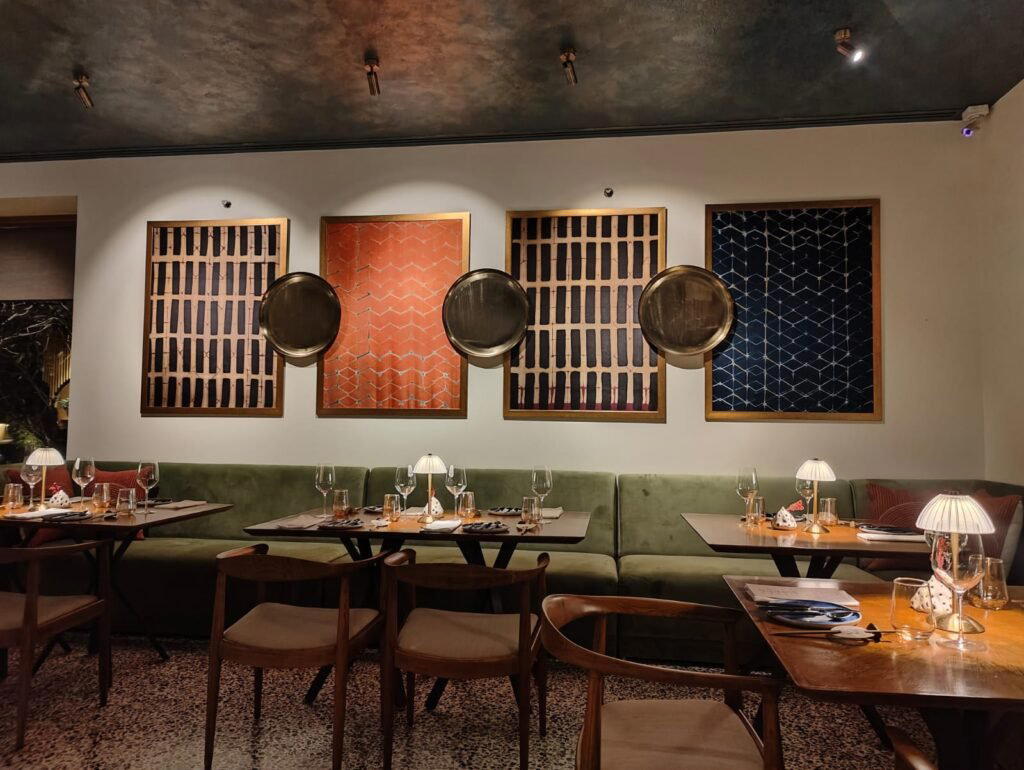
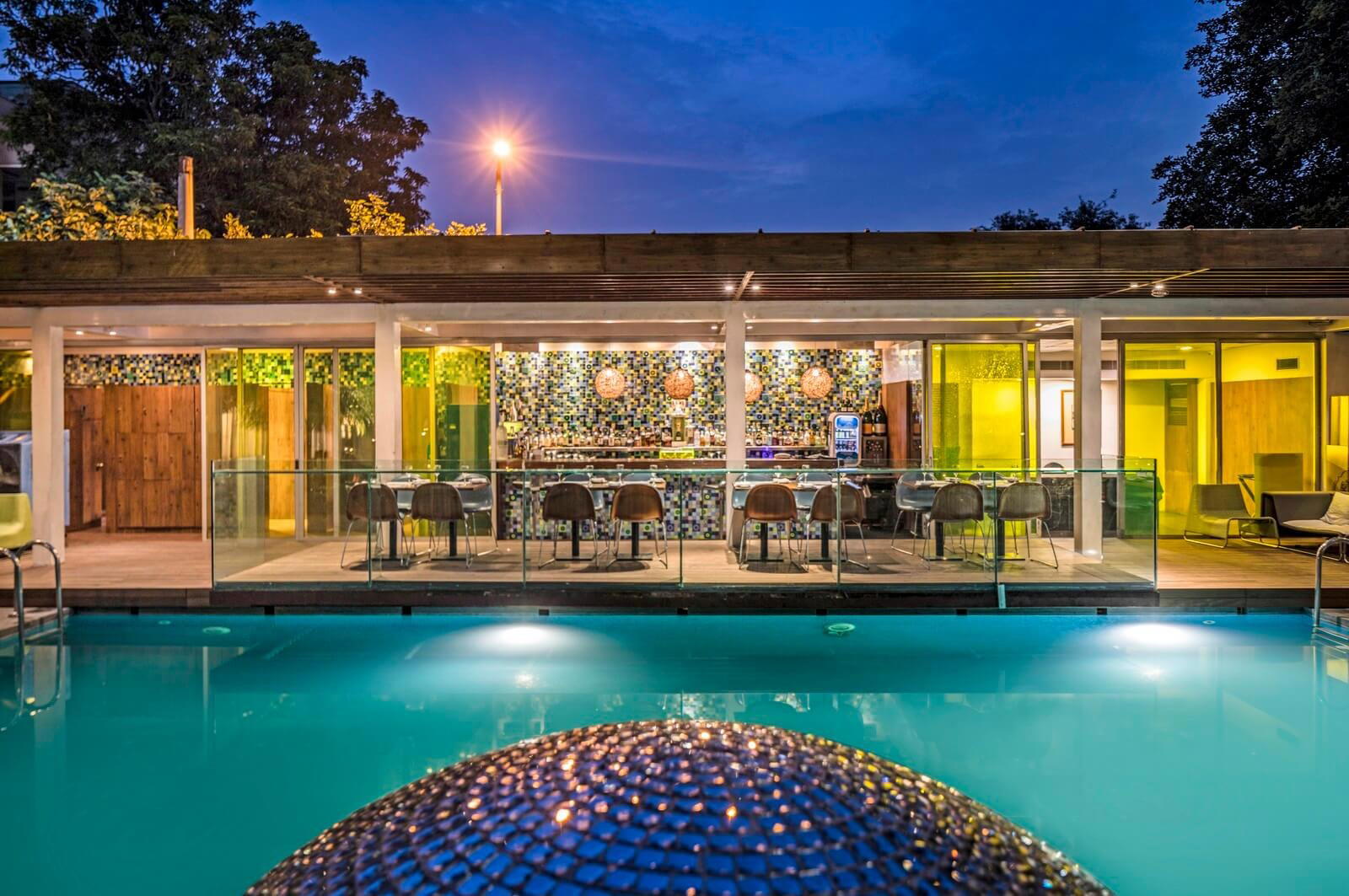
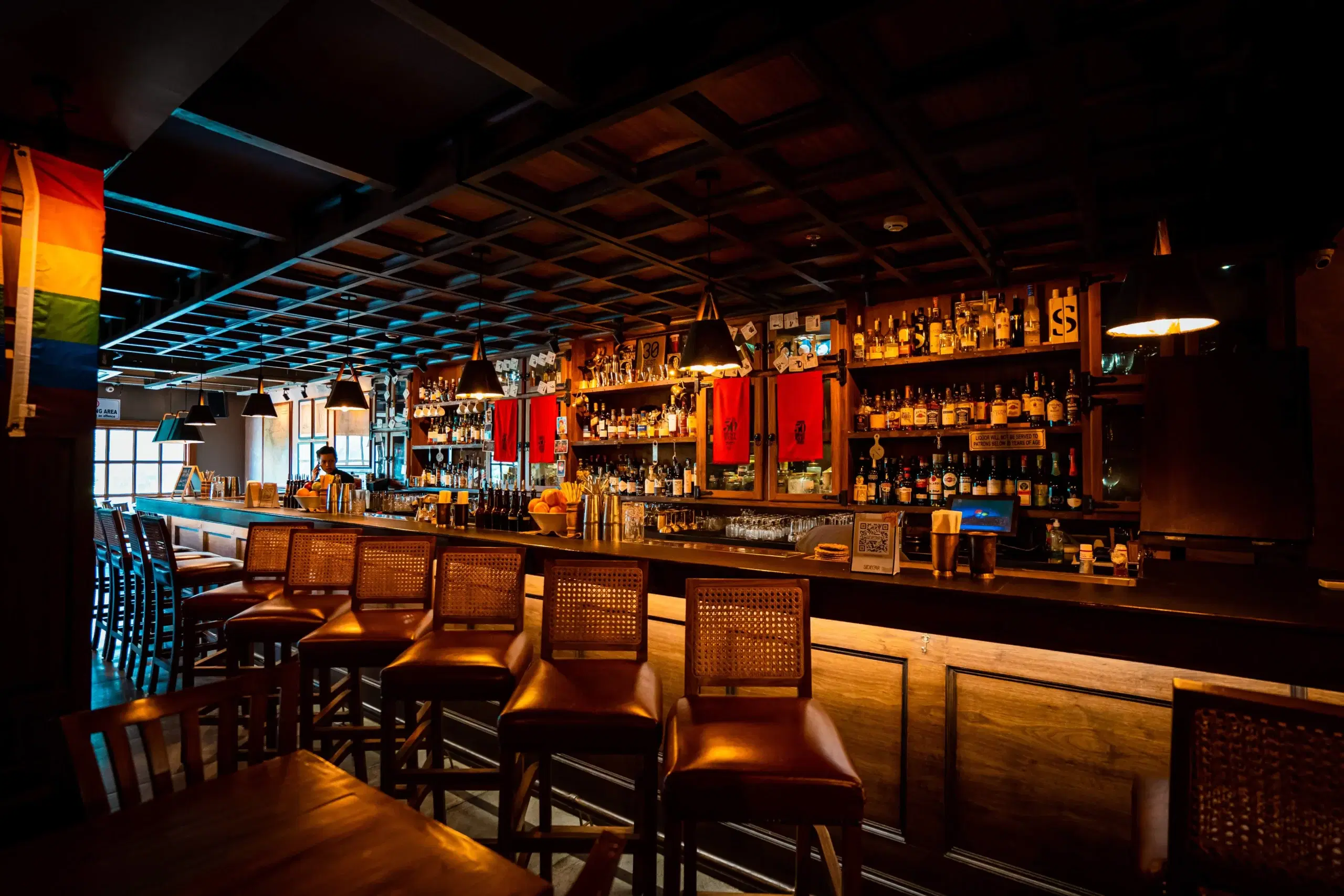
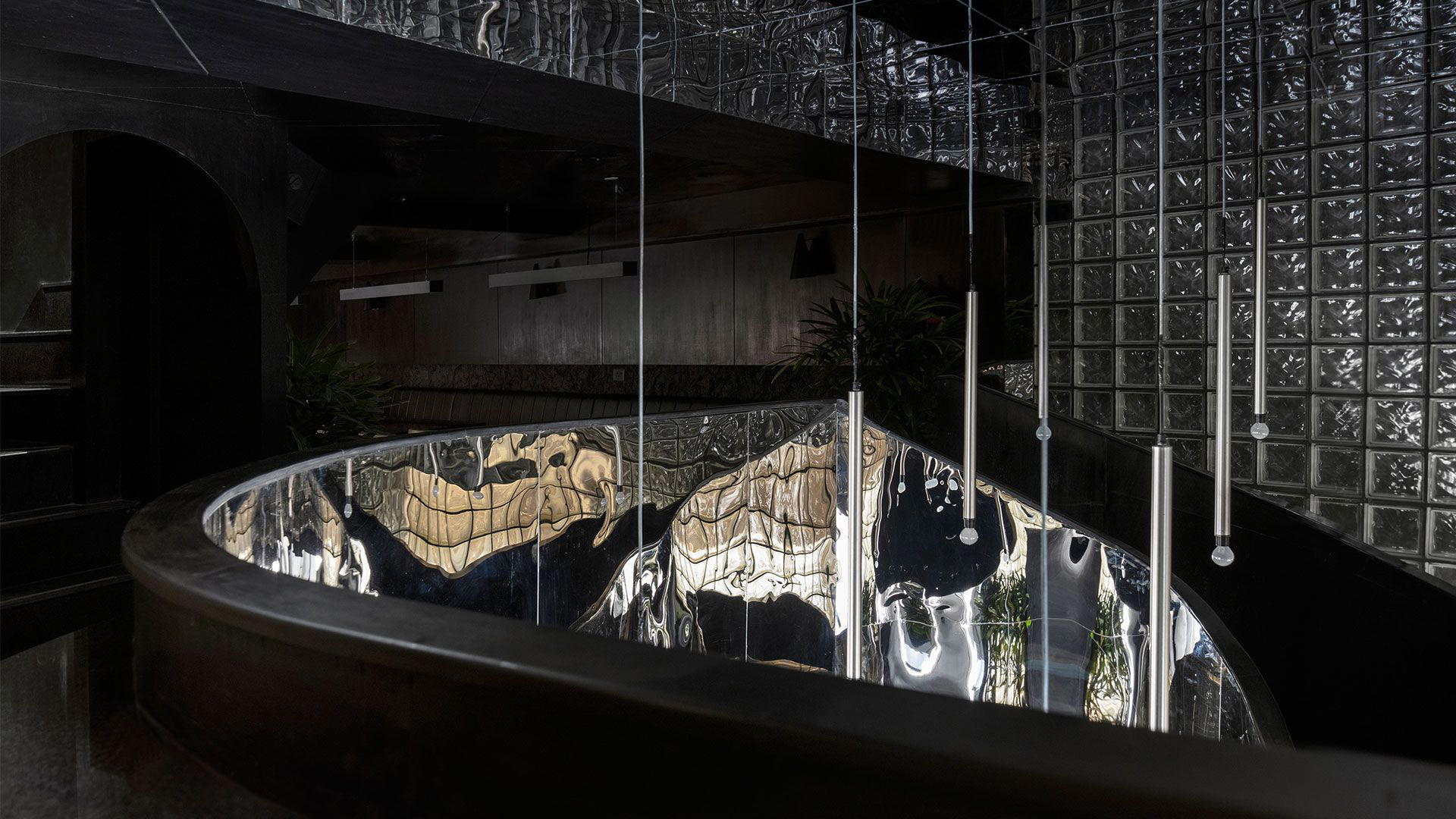
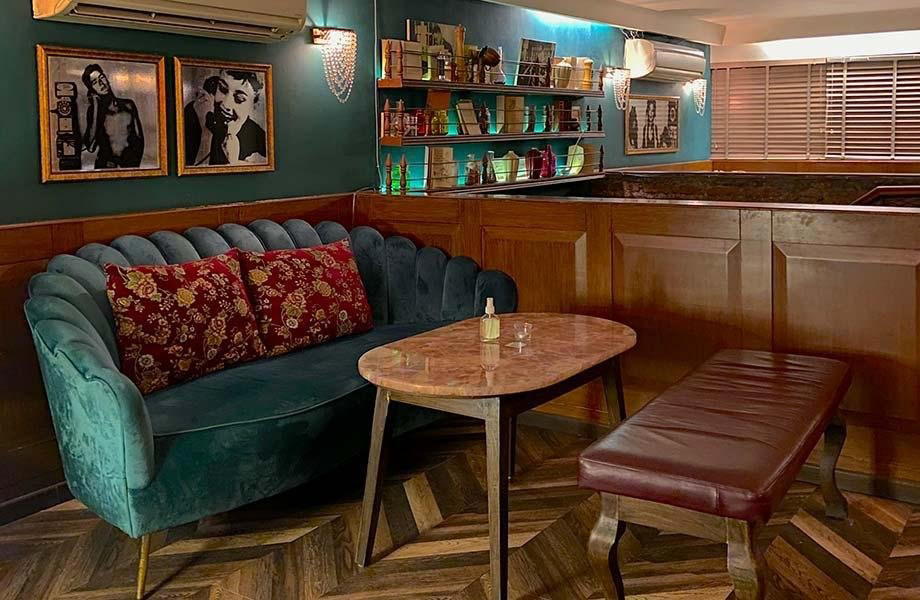
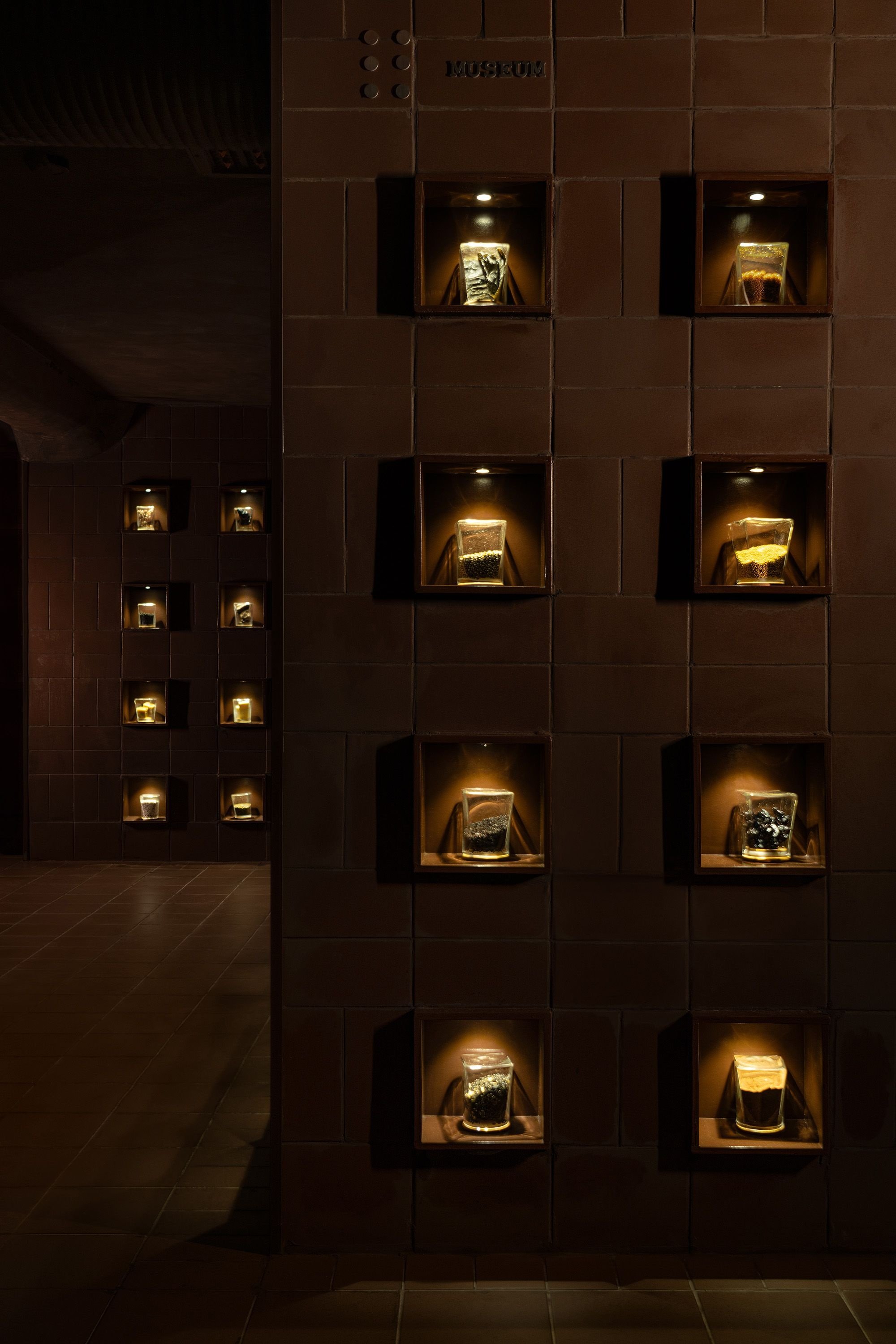
A contemporary, intentionally designed café with clean lines, tactile materials, and uncluttered interiors that create a calm, minimalist atmosphere centered on the sensory experience of coffee, fresh bakes, and design.