Tio Pepe
One of Baltimore's most enduring dining institutions, Tio Pepe has anchored the Mount Vernon dining scene for decades with its Spanish-continental kitchen and formally appointed dining room. The address on East Franklin Street has long served as a reference point for the city's fine dining conversation, drawing regulars who treat its traditions as a constant in a city that keeps reinventing itself.
Pearl is the En Primeur Club membership app — saves, bookings, and concierge access live there. Same editors, same standards.
- Address
- 10 E Franklin St, Baltimore, MD 21202
- Phone
- +14105394675
- Website
- tiopepe.us
- Directions
- Get directions
 Saves & bookings on Pearl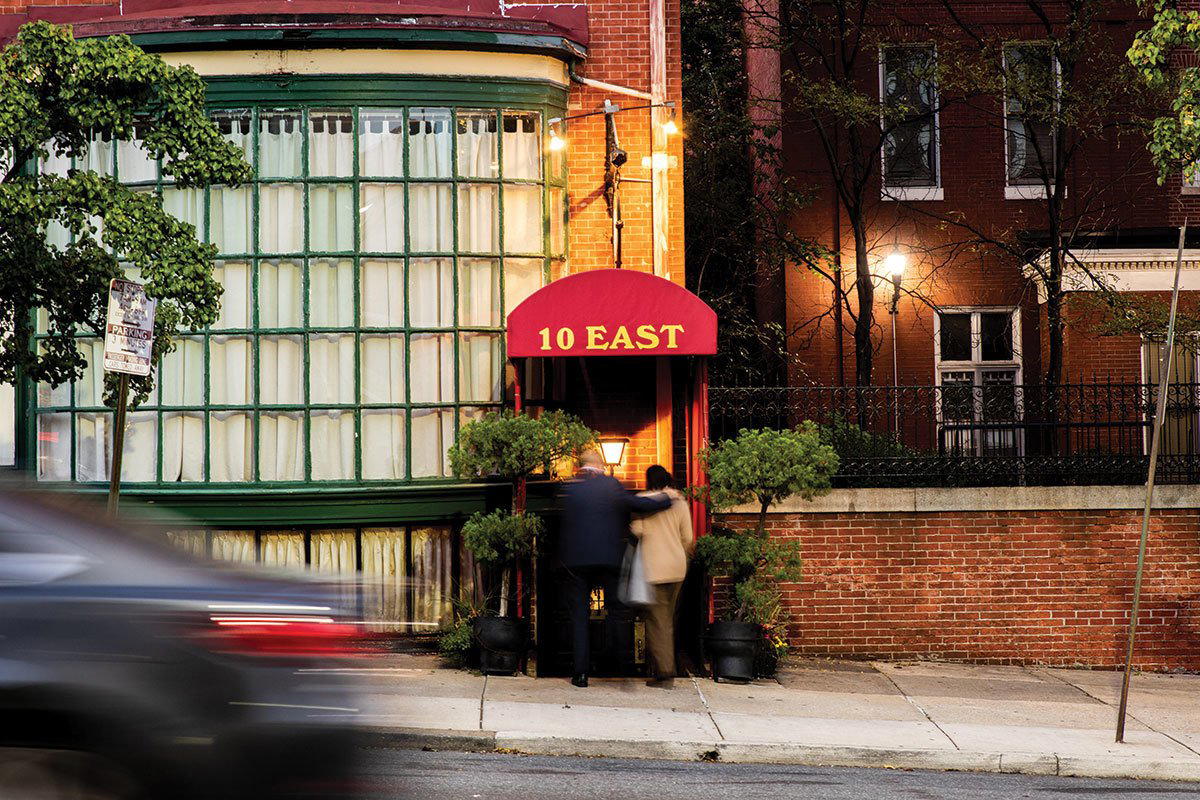
A Room That Holds Its Ground
Tio Pepe is a Spanish and Mediterranean restaurant at 10 E Franklin St in Baltimore's Mount Vernon neighborhood. a dining room that has not chased trend cycles or softened its formality to court a younger demographic. Spanish-continental restaurants of this vintage occupy an increasingly thin tier in American dining, where the genre's white-tablecloth conventions have largely ceded ground to casual Mediterranean concepts and share-plate formats. Tio Pepe persists as a working example of that older idiom, and the room itself carries the weight of accumulated years in a way that newer restaurants cannot manufacture.
The physical environment reads as deliberately preserved rather than retro-styled. There is a difference between a restaurant that decorates itself to evoke a past era and one that simply never abandoned it. The latter carries a specific atmospheric density that diners either find reassuring or anachronistic, depending on their relationship with formality. For those attuned to it, the effect is closer to entering a Spanish comedor that predates the casualization of American dining rooms, where jackets and quiet conversation were assumed rather than optional.
Where Tio Pepe Sits in Baltimore's Dining Conversation
Baltimore's restaurant scene has become more layered over the past decade. The city now supports Turkish fine dining at dede (Turkish), destination-level tasting menus at Cindy Wolf's Charleston, and neighborhood anchors like Angeli's Pizzeria that define particular districts. At the other end of the formality register, Akbar has held steady as a standard-bearer for Indian cooking in the city, and 16 On The Park represents a newer generation of event-adjacent dining.
Within that spread, the restaurant occupies a specific historical position. Spanish-continental cuisine, understood as the synthesis of classical Spanish technique with French-influenced fine dining conventions, was the prestige register of American restaurant culture through the 1970s and 1980s. Most of those rooms have closed. The ones that remain function both as restaurants and as living records of what serious dining looked like before the casualization wave of the 1990s reshaped the category entirely. The restaurant's longevity on the Baltimore scene places it in that narrow cohort of survivors.
Le Bernardin in New York City and the farm-to-table precision of Blue Hill at Stone Barns in Tarrytown, both of which demonstrate how European-rooted fine dining formats have been remade by American kitchens. The restaurant's choice not to remake itself reads as a deliberate position in that context, not an oversight. American fine dining institutions that have pursued reinvention include Alinea in Chicago, The French Laundry in Napa, and Providence in Los Angeles, all of which have evolved their formats significantly over their histories. The contrast is instructive: preservation and innovation represent two legitimate responses to the same competitive pressure.
The Sensory Register of Traditional Spanish-Continental Dining
Spanish-continental kitchens operate through a specific sensory vocabulary that differs from both modern Spanish cooking (which runs toward acidic brightness and textural contrast) and classical French cuisine (which leans on butter and reduction). The idiom at the heart of this tradition involves olive oil, garlic, slow-cooked proteins, and sauces built from stock and wine, often finished tableside or presented with a formality that makes the act of service part of the dining experience itself. Saffron, sherry, and smoked paprika anchor the aromatic profile; the cooking tends toward warmth rather than brightness, toward depth rather than acidity.
Dining rooms of this genre are typically quieter than their modern counterparts, the ambient noise level controlled by spacing, tablecloths, and the pace of service. The sensory experience is cumulative rather than immediate: the room builds rather than announces. This is a different proposition than the high-energy, acoustically lively environments that dominate current fine dining openings across American cities from Lazy Bear in San Francisco to Atomix in New York City, and it suits a particular type of dinner occasion, specifically one where conversation is the point and the food is the supporting argument rather than the performance.
Restaurants that have maintained similar sensory registers over long periods, including The Inn at Little Washington in Washington and Emeril's in New Orleans, demonstrate that this approach retains a loyal audience even as the broader market moves toward informality. The question for any restaurant holding this position is not whether the format is valid but whether the kitchen keeps pace with the room's implicit promises. The restaurant's continued presence in Baltimore suggests the answer, at least for its regulars, is yes.
How Tio Pepe Compares Against the Fine Dining Field
Fine dining in American mid-sized cities often splits between two models: the nationally recognized tasting-menu room that positions itself against coastal peers like Addison in San Diego or Single Thread Farm in Healdsburg, and the long-established continental room that has built its reputation through decades of consistent service rather than award cycles. The restaurant belongs to the second category. Its competitive set is not the city's newest tasting-menu counter but rather the small national population of Spanish-influenced fine dining rooms that have operated for multiple decades and maintain a distinct identity despite the pressure to modernize.
Internationally, the persistence of Spanish dining heritage at the fine dining level can be seen in operations like 8 1/2 Otto e Mezzo Bombana (Hong Kong) in Hong Kong, where European fine dining templates have been transplanted and sustained across different cultural contexts. The challenge of maintaining a dining tradition across decades, in a city whose culinary identity continues to evolve, is one that restaurant has navigated across a longer arc than most of its Baltimore contemporaries.
Know Before You Go
| Detail | Information |
|---|---|
| Address | 10 E Franklin St, Baltimore, MD 21202 |
| Neighborhood | Mount Vernon, Baltimore |
| Cuisine | Spanish-continental |
| Price | About $60 per person |
| Hours | Mon to Thu and Sun: 3 to 8:30 PM; Fri: 3 to 9 PM; Sat: 4 to 9 PM |
| Reservations | Reservations are essential |
| Phone | Not available in current listings |
| Website | Not available in current listings |
Cuisine Lens
Comparable venues nearby, for context on price, style, and recognition.
| Venue | Cuisine | Price | Notes |
|---|---|---|---|
| Tio PepeThis venue — the venue you are viewing | Authentic Spanish & Mediterranean | $$$ | Not listed |
| Tapas Teatro | Spanish Tapas | $$ | Station North |
| Sotto Sopra | Authentic Northern Italian | $$$ | Mount Vernon |
| La Tavola | Traditional Venetian-Inspired Italian | $$$ | Little Italy |
| Tagliata | Upscale Italian Chophouse | $$$ | Harbor East |
| La Cuchara | Basque Spanish Tapas | $$ | Woodberry |
Continue exploring
More in Baltimore
Restaurants in Baltimore
Browse all →
Bars in Baltimore
Browse all →
At a Glance
- Romantic
- Cozy
- Elegant
- Classic
- Well Known
- Date Night
- Celebration
- Special Occasion
- Family
- Historic Building
- Extensive Wine List
Current opening hours
- Monday
- 3–8:30 PM
- Tuesday
- 3–8:30 PM
- Wednesday
- 3–8:30 PM
- Thursday
- 3–8:30 PM
- Friday
- 3–9 PM
- Saturday
- 4–9 PM
- Sunday
- 3–8:30 PM
Hours can change for holidays and private events. Last verified .
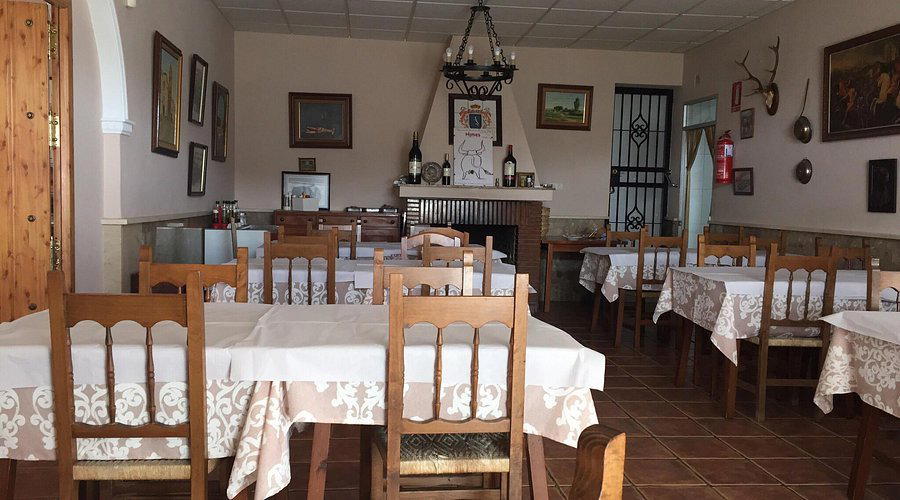
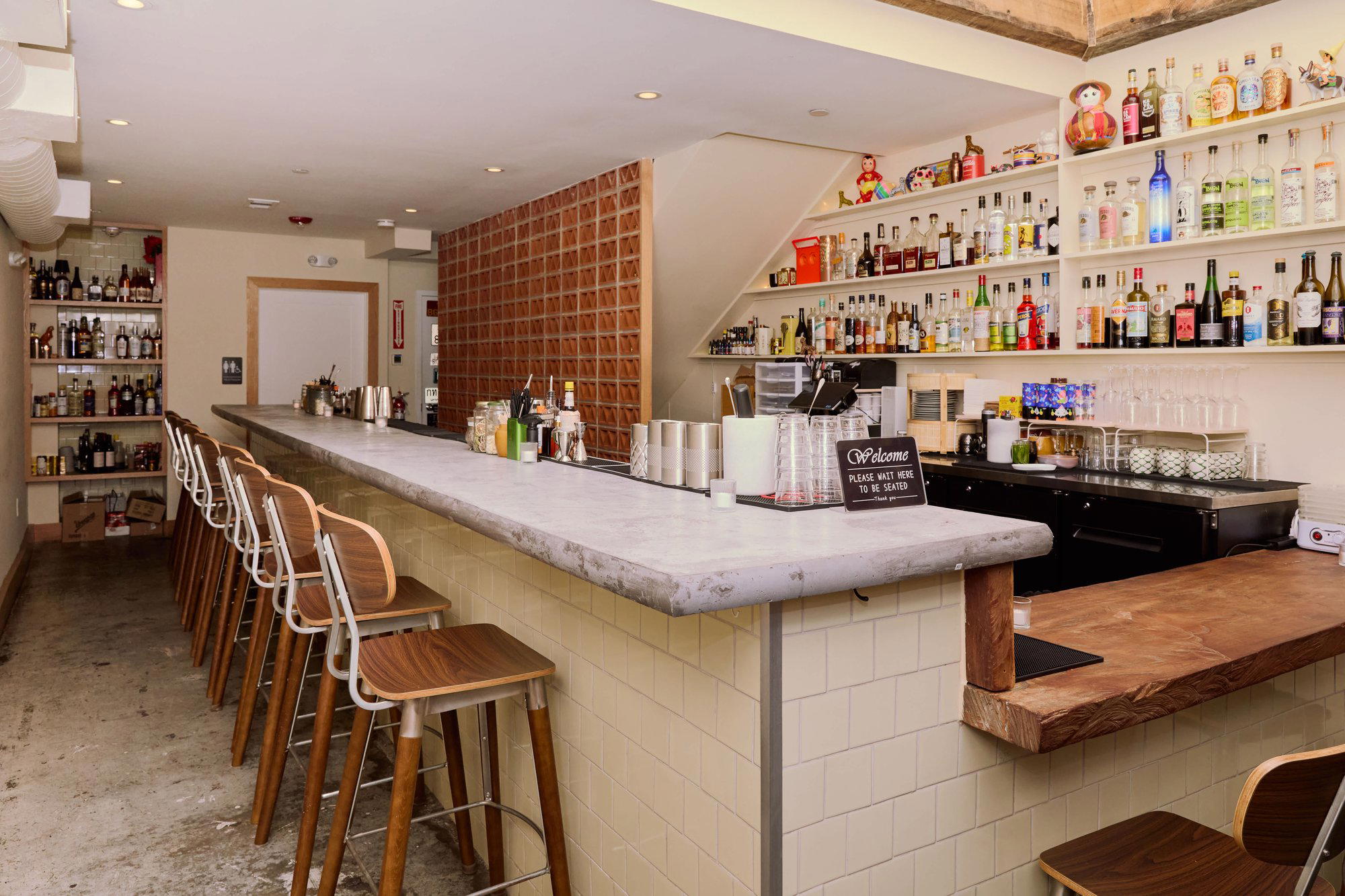
Cozy subterranean rooms with candlelight, white tablecloths, soft lighting, Spanish pottery on walls, and a busy romantic atmosphere.