Tinos
Tinos occupies a corner of Upper East Side dining that rewards attention: a Greek-inflected restaurant on First Avenue where the menu structure does the talking. The address places it outside Manhattan's most-trafficked fine dining corridor, which means it draws on neighbourhood loyalty as much as destination traffic. For readers tracking where serious cooking happens beyond the obvious zip codes, it belongs on the list.
Pearl is the En Primeur Club membership app — saves, bookings, and concierge access live there. Same editors, same standards.
- Address
- 1748 1st Ave, New York, NY 10128
- Phone
- +16463706067
- Website
- tinosnyc.com
- Directions
- Get directions
 Saves & bookings on Pearl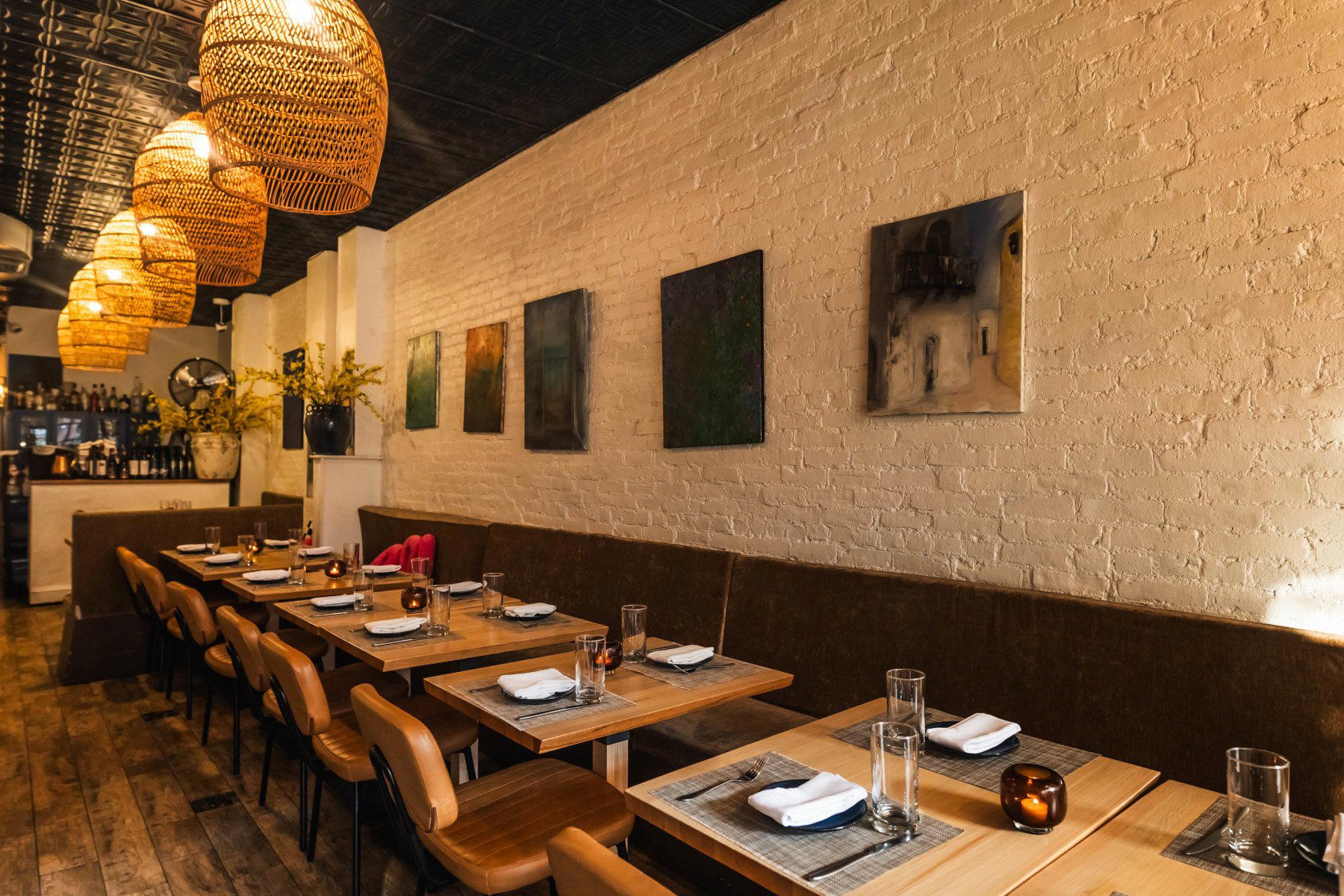
First Avenue and What It Tells You
Manhattan's fine dining conversation tends to collapse around a few well-worn coordinates: Midtown's power-lunch circuit, the West Village's chef-driven rooms, and the handful of tasting-counter addresses that have become reference points for the whole country. What those conversations routinely skip is the stretch of the Upper East Side running along First Avenue, where restaurants have historically survived on neighbourhood credibility rather than critical spotlight. It sits squarely in that tradition.
The address is worth noting not as a quirk but as context. Upper East Side dining at this end of the avenue operates under different pressures than a room in Tribeca or the West 50s. The draw is sustained local trust, repeat custom, and a menu architecture that gives regulars a reason to return rather than a single showpiece moment designed to photograph well and fade quickly. That structural reality shapes what Tinos puts on the plate and how it sequences what it offers.
How the Menu Is Built, and What That Signals
Greek cooking in New York has occupied a peculiar position for decades: abundant in the city's outer boroughs and diner culture, underrepresented at the level where cuisine is taken seriously as a technical and cultural project. The better modern Greek rooms have addressed that gap by treating the cuisine's fundamentals, acid-driven vegetable preparations, whole-fish cookery, grains and legumes as the structural backbone of a menu rather than the decorative flourish on an otherwise generic Mediterranean spread.
Menu architecture of this kind, where the composition of dishes reflects a coherent position on a cuisine rather than a collection of crowd-pleasing hits, functions as the clearest signal of a kitchen's priorities. When a Greek-inflected room structures its menu around those core techniques rather than defaulting to the Hellenic-American shorthand of saganaki and moussaka checkboxes, it is making an argument. The structure communicates that the kitchen is asking what the cuisine actually is before asking what will sell.
This is the frame through which Tinos reads most usefully. The Upper East Side address, the neighbourhood-first positioning, the apparent absence of the kind of institutional recognition that draws food tourists to addresses like Le Bernardin, Atomix, or Masa: these are not absences that diminish the restaurant. They are the conditions under which a certain kind of serious, undistracted cooking tends to happen.
Where Tinos Sits in New York's Broader Dining Order
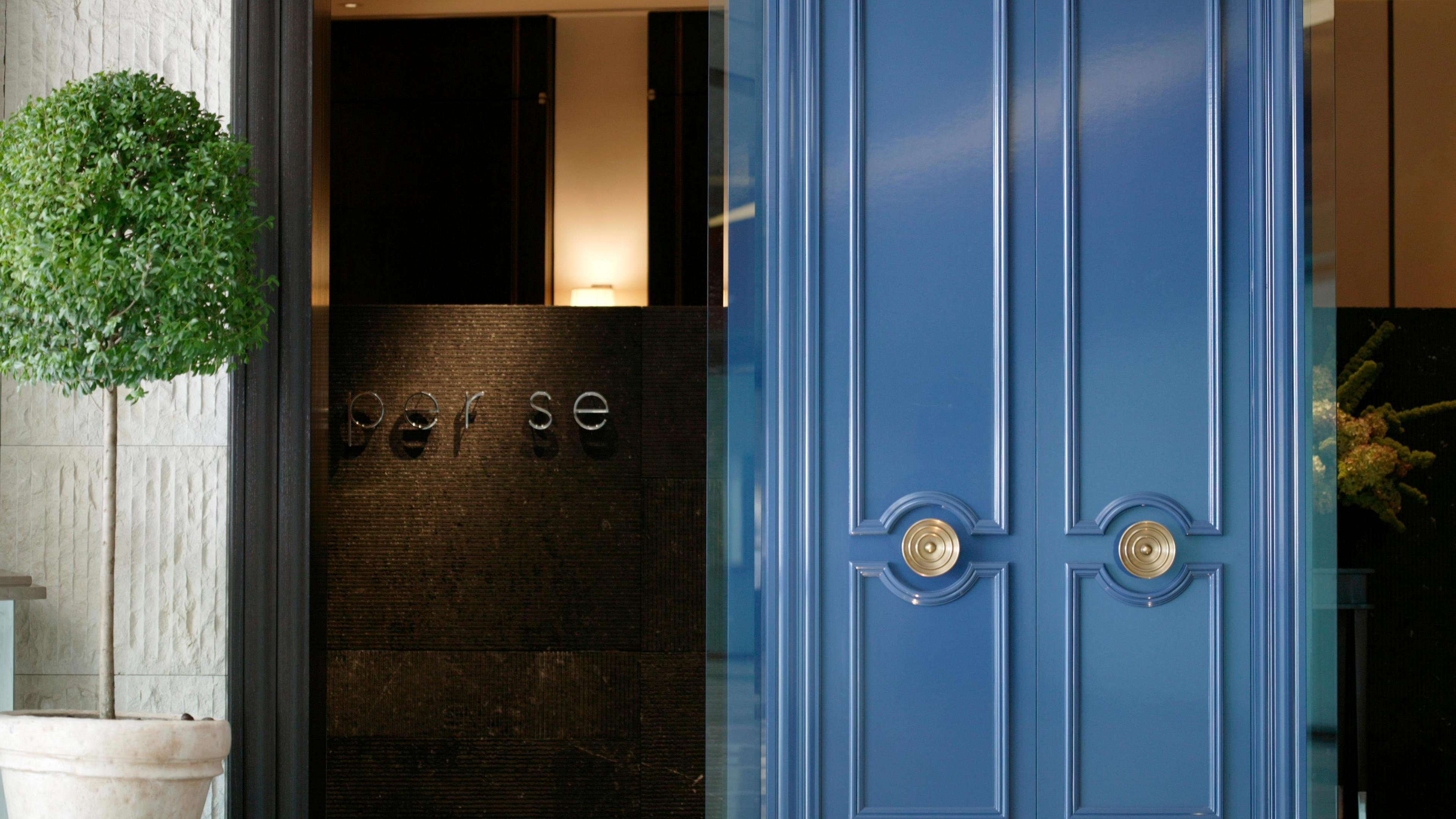
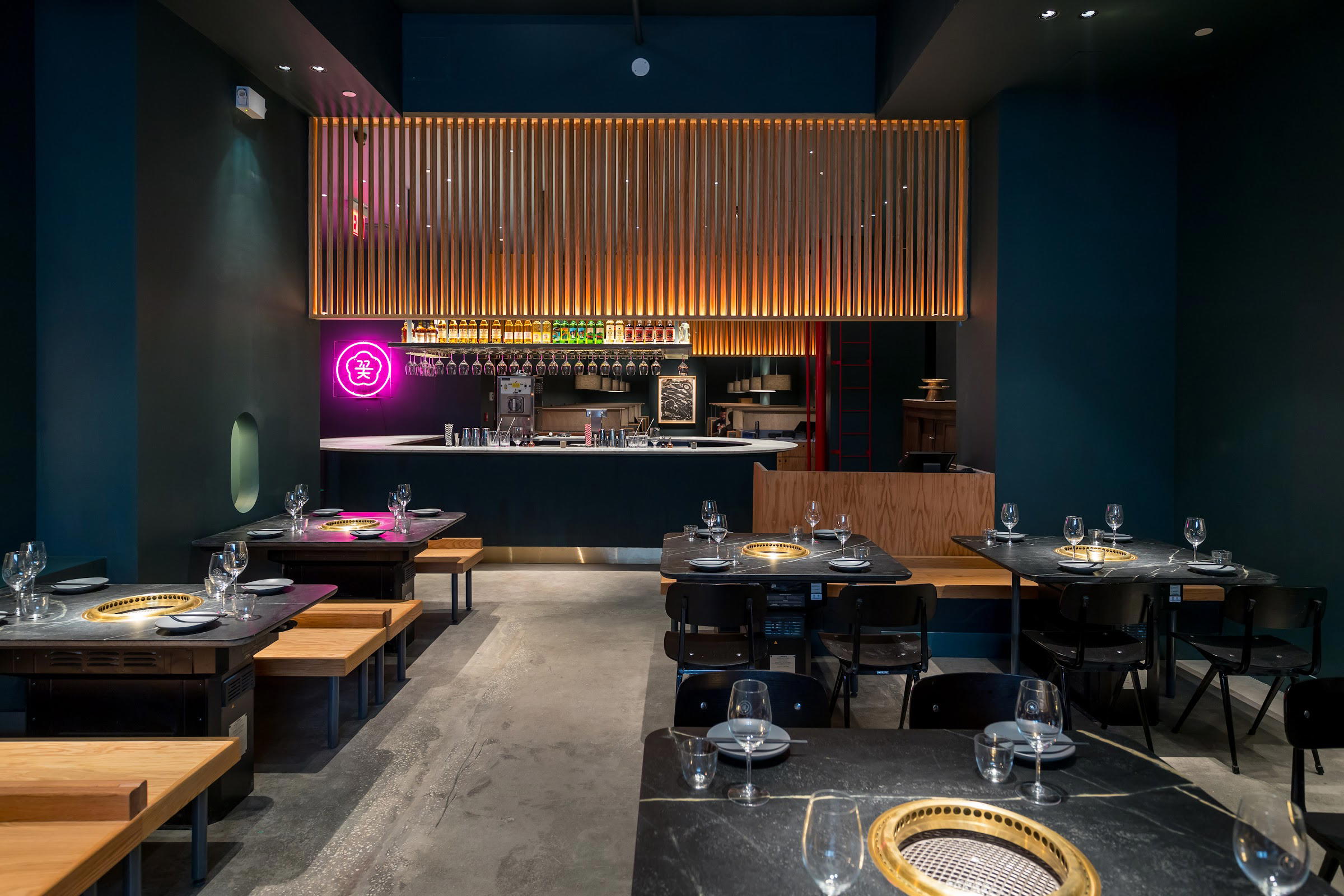
New York's fine dining tier has consolidated significantly over the past decade. The rooms that draw critical attention, places like Per Se and Jungsik New York, operate at price points and with institutional footprints that place them in a different competitive conversation entirely. Below that tier, and well above the neighbourhood-casual baseline, sits a stratum of restaurants that do serious work without the apparatus of awards and allocations that the leading rooms carry.
Tinos belongs to that stratum. It shares more in spirit with the kind of chef-driven neighbourhood anchor that cities like San Francisco celebrate at Lazy Bear, or that the American fine dining tradition has refined at places like Blue Hill at Stone Barns in Tarrytown, than it does with the tasting-menu institutions that require three-month advance booking windows and four-figure per-person spending. The comparison is not about parity of ambition but about the structural role a restaurant plays in its city's dining ecosystem: the place that holds the neighbourhood together, where the cooking is taken seriously without the theatre of the experience overwhelming the food itself.
That positioning is not distinctive to New York. Serious cooking anchored in a neighbourhood rather than a destination address is how Bacchanalia built its standing in Atlanta, and how Emeril's accumulated cultural weight in New Orleans over decades. The model is durable precisely because it does not depend on the kind of critical moment that can evaporate.
The Greek Cuisine Tradition in This Context
Greek cooking's relative absence from the upper tier of American restaurant culture has less to do with the cuisine's depth than with how it has been represented commercially. The Mediterranean category in American dining has long been dominated by Italian frameworks, with Greek, Turkish, and Levantine kitchens often flattened into a supporting role. The restaurants that have changed that conversation, in New York and elsewhere, have done so by refusing to flatten the cuisine's regional specificity into a generic sun-and-sea shorthand.
The technical range of serious Greek cooking is considerable: curing and pickling traditions that rival Scandinavian approaches, whole-animal and offal preparations that have a longer continuous history in Greek regional cooking than in most European cuisines, and a pastry and grain tradition that remains underexplored in restaurant contexts. A menu that draws on any substantial portion of that range signals genuine engagement with the cuisine rather than a simplified version of it designed to read legibly to a broad audience.
For readers who track how cuisines are represented at the restaurant level, the comparison worth making is not between Tinos and the obvious Manhattan institutions, but between Tinos and the peer group of restaurants across the country that are making similar arguments about underrepresented culinary traditions. Providence in Los Angeles built a reputation on taking American seafood cooking seriously as a tradition rather than a backdrop. Addison in San Diego has done comparable work with California's agricultural specificity. The parallel holds: seriousness about a tradition, expressed through menu structure rather than marketing language.
Planning Your Visit
Tinos is located at 1748 First Avenue in the Yorkville section of the Upper East Side, accessible by subway on the Q or 4/5/6 lines to 86th Street. The neighbourhood character means that walk-in availability tends to be more realistic here than at Manhattan's heavily booked tasting-counter addresses, but Reservations are recommended, particularly on weekend evenings when neighbourhood traffic is heaviest.
Readers planning a broader New York itinerary around serious dining should note that the Upper East Side's concentration of serious neighbourhood restaurants makes the area worth treating as a dining destination in its own right rather than a default residential fallback. For context on how Tinos fits within a larger programme of New York dining, the patterns established by rooms like Alinea in Chicago or The Inn at Little Washington suggest that destination-level cooking does not require a destination-tier address to carry weight. The cooking is the point. The address is context.
International visitors comparing New York's neighbourhood dining culture to peers in other cities may find useful reference in how rooms like 8 1/2 Otto e Mezzo Bombana in Hong Kong or Alain Ducasse at Louis XV in Monte Carlo have built sustained local authority while drawing international attention. The trajectory is not automatic, but the model is legible. Similarly, Single Thread Farm in Healdsburg and The French Laundry in Napa demonstrate how serious cooking accumulates gravity over time, independent of the metropolitan centre. Tinos is earlier on that arc, but the structural conditions for it are present.
Quick reference: 1748 First Avenue, New York, NY 10128. Nearest subway: Q or 4/5/6 to 86th Street. Hours: Mon to Thu 5 to 11 PM, Fri 12:30 to 11 PM, Sat 12:30 to 10 PM, Sun 12:30 to 11 PM.
Cuisine-First Comparison
Comparable venues nearby, for context on price, style, and recognition.
| Venue | Cuisine | Price | Notes |
|---|---|---|---|
| TinosThis venue — the venue you are viewing | Authentic Greek Seafood | $$ | Not listed |
| Aliada | Greek & Cypriot Cuisine | $$ | Astoria (Central) |
| Ovelia | Modern Greek Grill | $$ | Astoria (Central) |
| Meraki Greek Bistro - Brooklyn | Authentic Traditional Greek | $$ | Williamsburg |
| Kiki's | Authentic Greek | $$ | Chinatown-Two Bridges |
| Molyvos | Modern Greek with Mediterranean Influences | $$$ | Hell's Kitchen |
Continue exploring
More in New York City
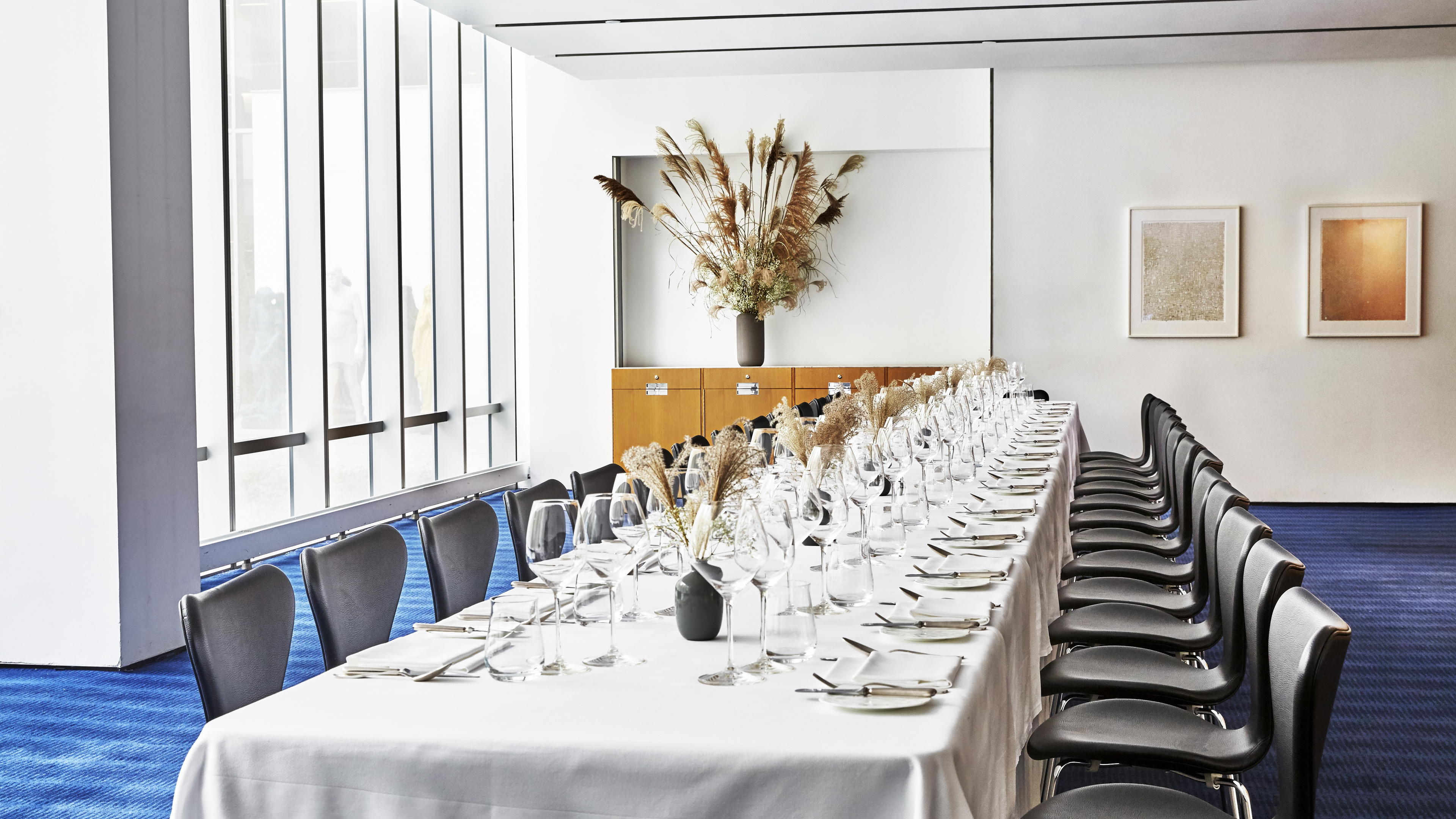
Restaurants in New York City
Browse all →
Bars in New York City
Browse all →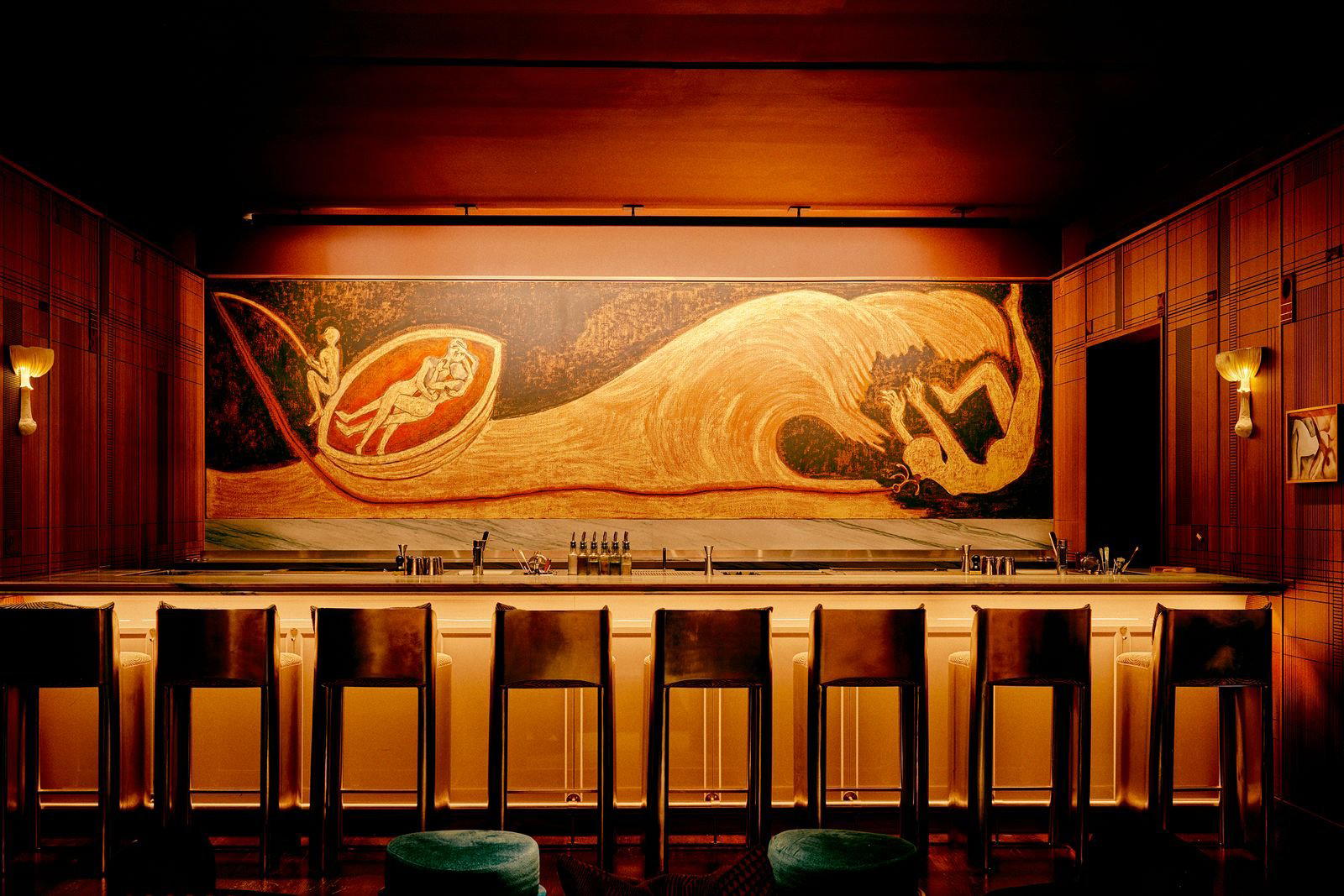

Hotels in New York City
Browse all →







At a Glance
- Cozy
- Rustic
- Intimate
- Family
- Date Night
- Casual Hangout
- Standalone
Current opening hours
- Monday
- 5–11 PM
- Tuesday
- 5–11 PM
- Wednesday
- 5–11 PM
- Thursday
- 5–11 PM
- Friday
- 12:30–11 PM
- Saturday
- 12:30–10 PM
- Sunday
- 12:30–11 PM
Hours can change for holidays and private events. Last verified .
Rustic decor with blue-and-white Greek accents, warm wooden elements, cozy lighting, and exposed brick walls creating a warm, inviting atmosphere.