Kiki's
On Division Street in Manhattan's Chinatown-adjacent Lower East Side, Kiki's has built a following around a Greek-leaning Mediterranean kitchen that feels at odds with its surroundings in one productive way. The room draws a loyal downtown crowd, and the cooking connects Aegean technique to ingredients sourced with the same rigor that New York's better casual kitchens have made standard. It occupies a middle tier between neighborhood taverna and destination dining.
Pearl is the En Primeur Club membership app — saves, bookings, and concierge access live there. Same editors, same standards.
- Address
- 130 Division St, New York, NY 10002
- Phone
- +1 646 882 7052
- Website
- kikisnyc.com
- Directions
- Get directions
 Saves & bookings on Pearl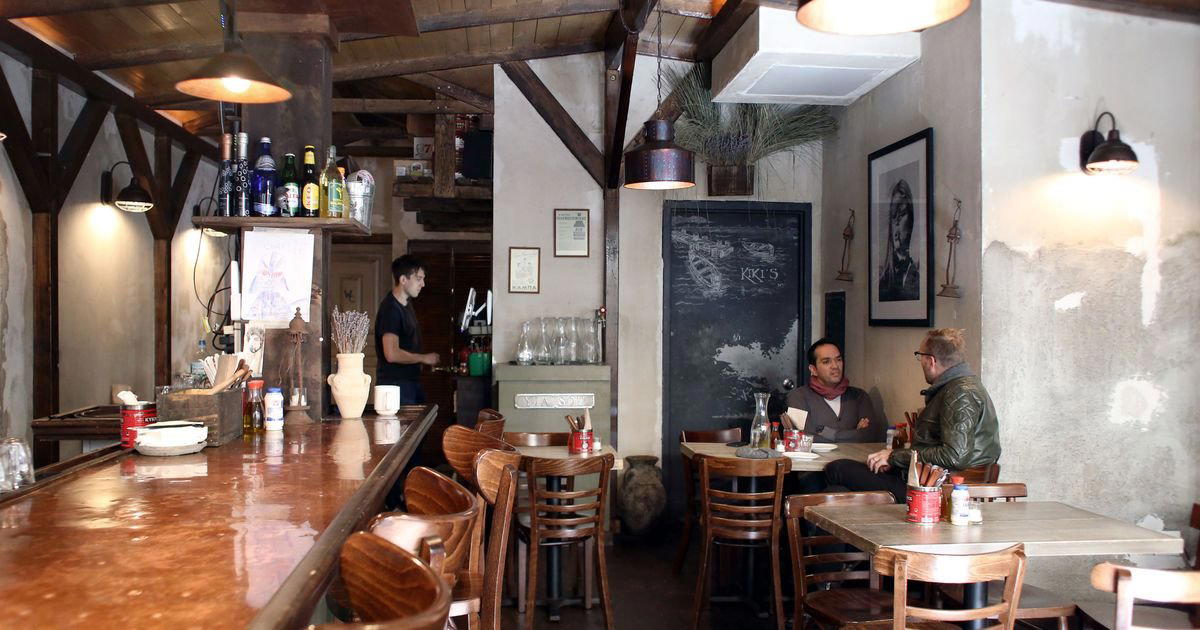
Division Street and the Tension It Produces
Kiki's is an Authentic Greek restaurant at 130 Division St in New York City, with a $30 per person price point. Division Street, wedged between the Lower East Side and Chinatown, has long been one of those addresses that resists easy categorization. The blocks here carry the architectural memory of successive immigrant waves, and the dining that has taken root in this corridor tends to benefit from that compressed cultural density. Kiki's, at 130 Division St, sits in that environment and draws something from it: a casual Greek-Mediterranean kitchen operating in a city where the dominant frame for serious cooking runs closer to the Michelin-tracked formality of Le Bernardin or the omakase precision of Masa.
The gap between those poles is where places like Kiki's operate, and it is a more interesting space than it is usually given credit for. New York's fine-dining tier, represented by venues like Per Se and Atomix, sets one kind of expectation for what ambitious cooking looks like. Kiki's sets a different one: that the application of genuine technique to honest ingredients, served in a room without ceremony, can generate the same kind of repeat loyalty that tasting menus earn through spectacle.
Greek Technique in a Manhattan Context
The editorial angle here runs through a specific strand of contemporary New York dining: imported culinary grammar applied to local and seasonal product. Greek cooking, at its structural core, is a technique-light, ingredient-heavy tradition. The quality of the olive oil, the freshness of the fish, the sourcing of the herbs do more work than the kitchen's intervention. That approach, when transplanted to Lower Manhattan and matched with the sourcing standards that New York's better casual kitchens have normalized over the past decade, produces something that reads less like an ethnic restaurant in the old sense and more like a focused culinary position.
Across the American dining circuit, this intersection of imported method and locally grounded product has become one of the more generative ideas in mid-tier restaurants. Blue Hill at Stone Barns in Tarrytown built an entire philosophy around the relationship between technique and regional ingredient. Single Thread Farm in Healdsburg works a Japanese-Californian axis along similar lines. Kiki's operates with less structural ambition but applies the same underlying logic: the technique comes from somewhere specific, and so does the product, and the tension between those two geographies is where the cooking finds its character.
The Room and What It Signals
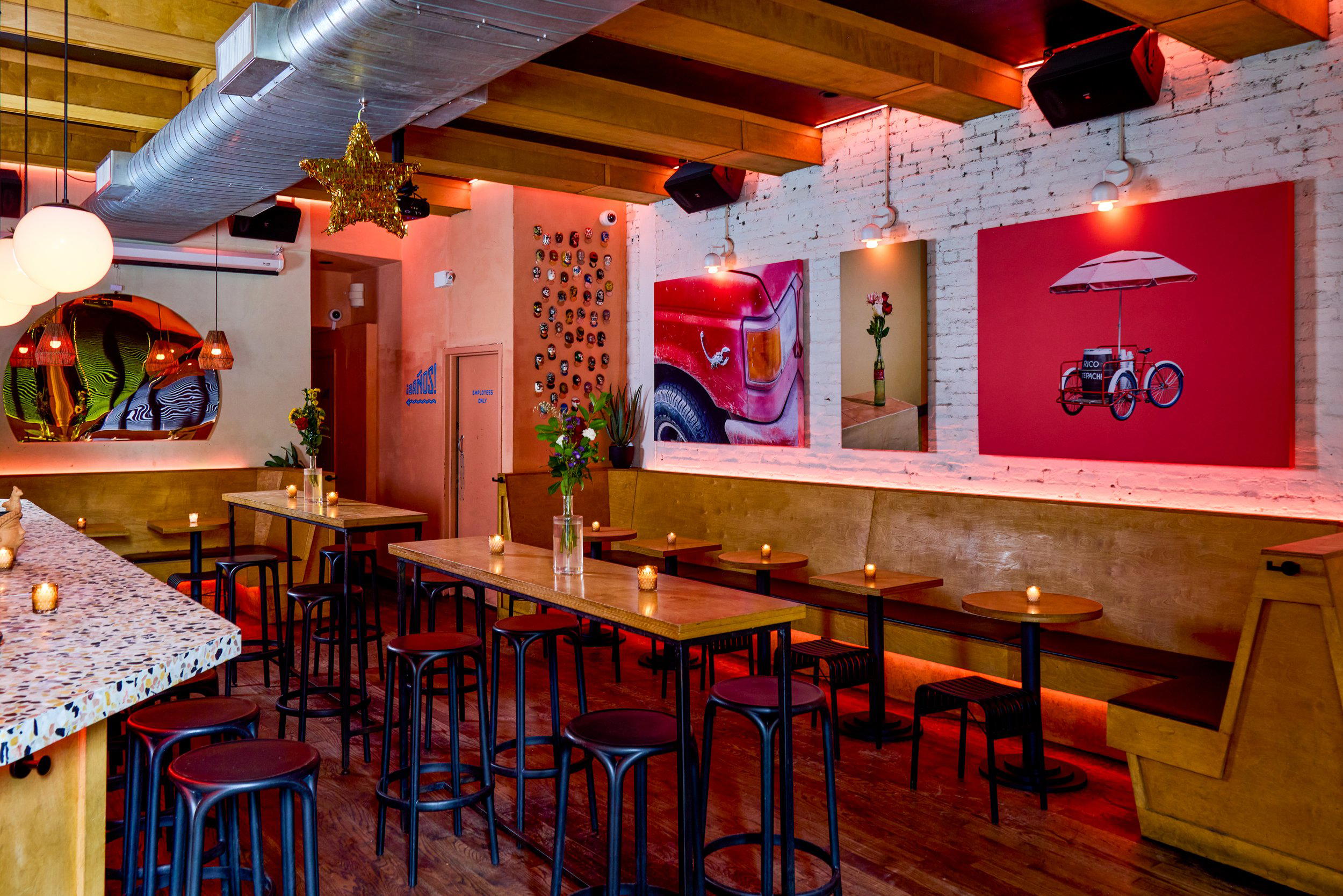
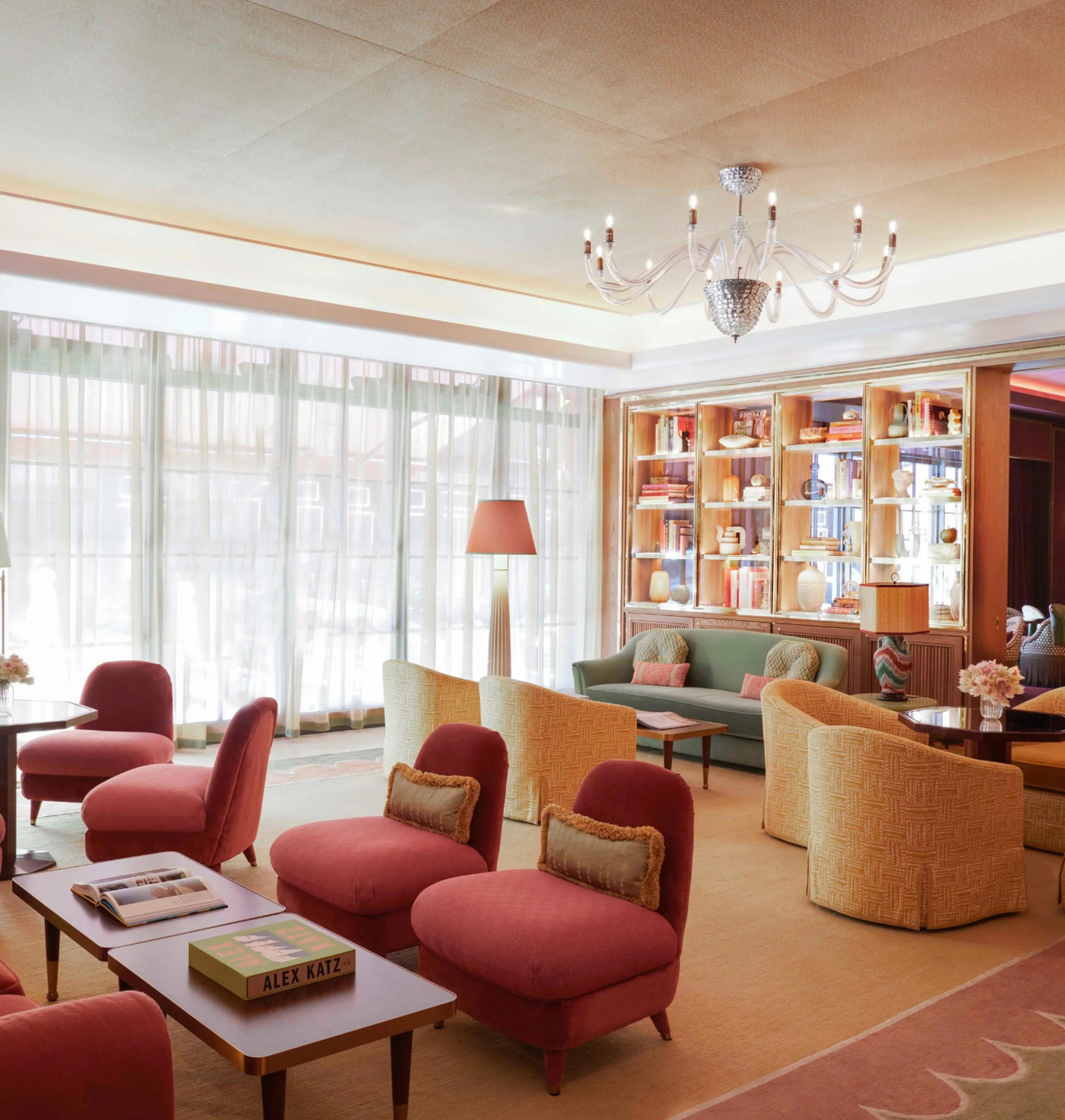
Atmosphere in a restaurant like this does a specific kind of work. The Lower East Side has spent the better part of two decades shifting between dive-bar grime and self-conscious renovation, and the dining rooms that have survived that cycle tend to be the ones that committed to a sensibility rather than chasing a demographic. A room with genuinely worn surfaces, low light, and a wine list that reflects a coherent point of view signals something different from a room designed to look like those things. The distinction matters to a downtown crowd that has become skilled at reading the difference.
Kiki's has drawn that crowd in a way that places it in the company of restaurants that earn their following through consistency rather than event-driven spikes in attention. That model of restaurant loyalty, built on repeat visits rather than first-timer traffic, is the same engine that has sustained places like Bacchanalia in Atlanta and Emeril's in New Orleans across longer arcs than their press cycles. At Kiki's, the mechanism is simpler: a kitchen that delivers on what the room promises, and a room that does not promise more than the kitchen can deliver.
Where It Sits in the New York Dining Conversation
New York's Mediterranean dining scene has expanded considerably in the years since Greek cooking was largely confined to the diner format or the mid-century taverna. The city now sustains a range of Aegean-influenced kitchens at different price points and levels of formal ambition, from neighborhood spots in Astoria to more polished operations in Midtown. What Kiki's represents in that spread is a downtown iteration: lower ceremony, higher ingredient focus, and a price point that keeps it accessible relative to the tasting-menu tier occupied by Jungsik New York or the omakase counters further uptown.
That positioning has consequences for how the restaurant functions in practice. Tables at venues that operate below the formal reservation-required tier in New York tend to move faster and fill later in the week through word-of-mouth rather than advance booking cycles. The walk-in culture of the Lower East Side, where the street-level energy on a Thursday or Friday evening still drives spontaneous dining decisions, suits a kitchen whose cooking holds up to the informality. Comparable dynamics operate at Lazy Bear in San Francisco and Alinea in Chicago, though those venues have moved to more structured booking formats; Kiki's occupies an earlier point on that curve.
Internationally, the technique-meets-local-product model that defines Kiki's approach has parallels in venues like 8½ Otto e Mezzo Bombana in Hong Kong and Alain Ducasse's Louis XV in Monte Carlo, where European culinary grammar meets specific regional product with serious intent. The ambition at Kiki's is more modest, but the underlying logic is the same.
Planning a Visit
Kiki's is at 130 Division Street in the pocket of Lower Manhattan where the Lower East Side meets Chinatown. The address is walkable from the Delancey Street and Essex Street subway stations, and the surrounding blocks offer enough pre- or post-dinner options to make the evening more than a single stop. Given the restaurant's following among the downtown crowd, weekend evenings tend to fill early, and arriving before the peak window or settling for a weeknight visit will improve the experience of getting a table without a long wait. Kiki's is open Mon: 12-11 PM; Tue: 12 PM-12 AM; Wed: 12 PM-12 AM; Thu: 12 PM-12 AM; Fri: 12 PM-12 AM; Sat: 12 PM-12 AM; Sun: 12-11 PM, and it is walk-in friendly.
Credentials Lens
Comparable venues nearby, for context on price, style, and recognition.
| Venue | Cuisine | Price | Notes |
|---|---|---|---|
| Kiki'sThis venue — the venue you are viewing | Authentic Greek | $$ | Not listed |
| Dionysos Restaurant | Traditional Greek and Cypriot | $$ | Astoria (North)-Ditmars-Steinway |
| Kyma Hudson Yards | Upscale Greek Mediterranean Seafood | $$$ | Chelsea-Hudson Yards |
| Taverna by Gyro Project | Modern Greek Taverna | $$ | Chelsea-Hudson Yards |
| BZ Grill | Greek Grill | $$ | Astoria (Central) |
| Meraki Greek Bistro - Brooklyn | Authentic Traditional Greek | $$ | Williamsburg |
Continue exploring
More in New York City
Restaurants in New York City
Browse all →
Bars in New York City
Browse all →
Hotels in New York City
Browse all →







At a Glance
- Lively
- Trendy
- Cozy
- Casual Hangout
- Date Night
- Group Dining
- Open Kitchen
Current opening hours
- Monday
- 12–11 PM
- Tuesday
- 12 PM–12 AM
- Wednesday
- 12 PM–12 AM
- Thursday
- 12 PM–12 AM
- Friday
- 12 PM–12 AM
- Saturday
- 12 PM–12 AM
- Sunday
- 12–11 PM
Hours can change for holidays and private events. Last verified .