Redfish Poke Bar
Our verdict
Redfish Waikiki sits on Ala Wai Boulevard at the edge of Waikiki's canal, positioning it between the neighborhood's tourist-facing dining strip and the quieter residential rhythm of the waterway. The address places it within reach of Honolulu's broader seafood-forward dining conversation, where Pacific ingredients and cross-cultural technique increasingly define what serious cooking looks like on Oahu.

Pearl is the En Primeur Club membership app — saves, bookings, and concierge access live there. Same editors, same standards.
- Address
- 2375 Ala Wai Blvd, Honolulu, HI 96815
- Phone
- (808) 921-3220
- Hours
- Daily 7 AM–1 PM, 5–10 PM
- Website
- redfishpoke.com
- Directions
- Get directions
- Booking
- Book on OpenTable
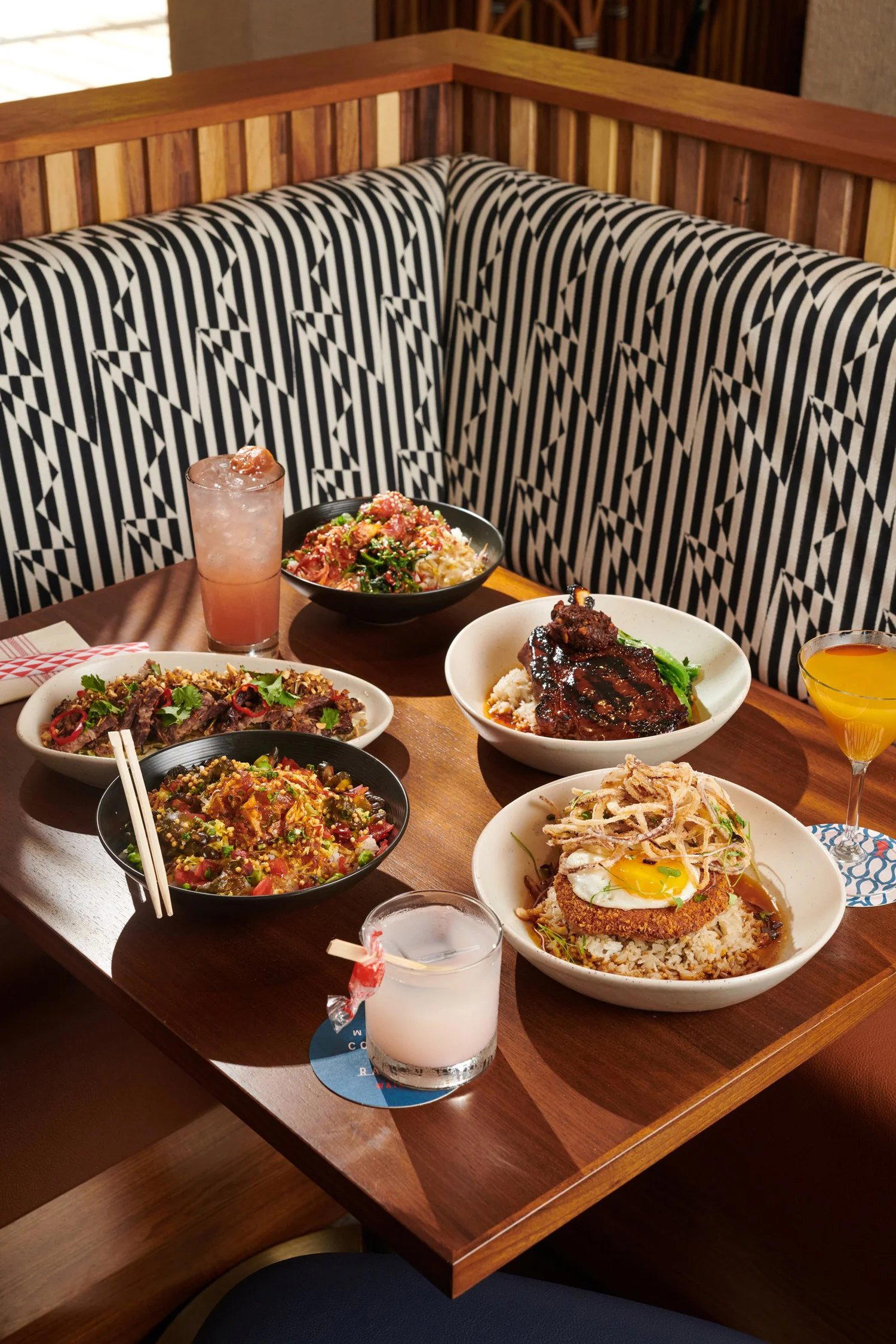
The menu
What to order
- Hawaiian Ahi Poke
- Torched Misoyaki Salmon
- Ginger Scallion Hamachi
- Kalua Pig Fried Rice
- Hapa Burger
Where the Canal Meets the Table
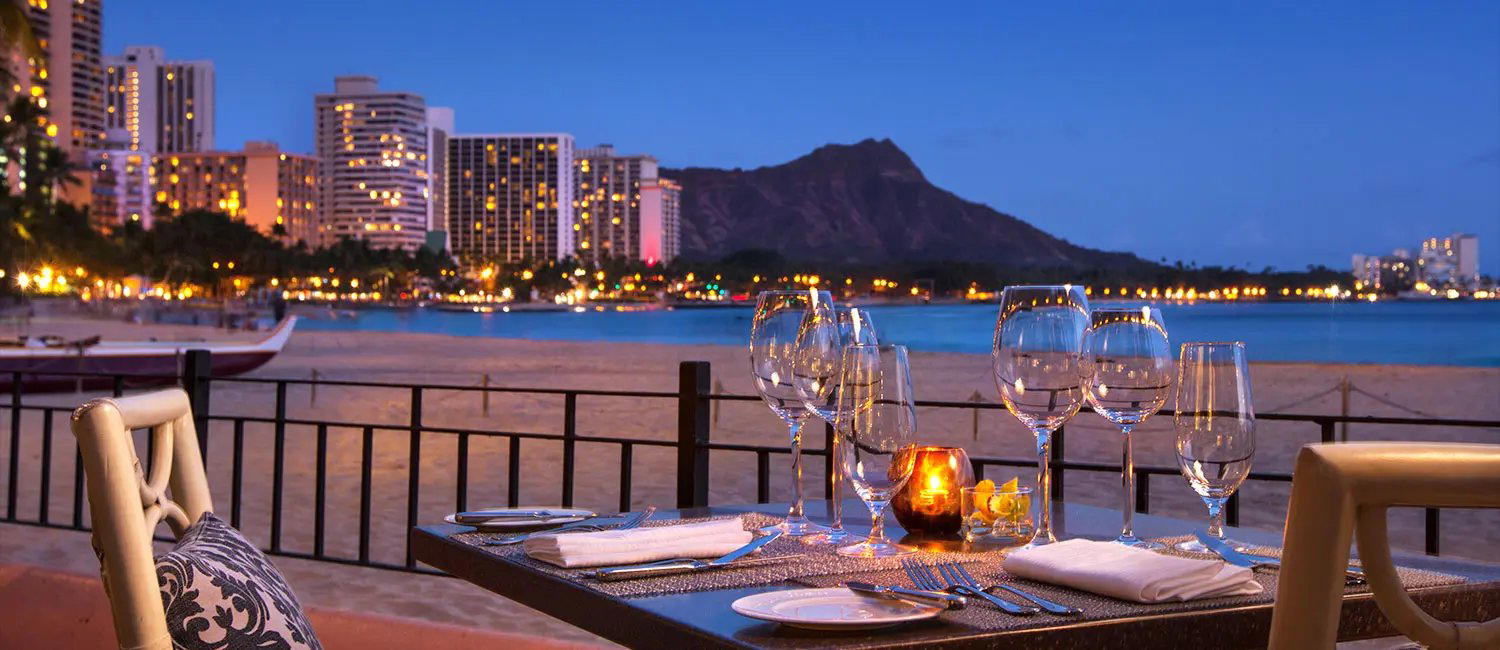
The Ala Wai Canal has never been Waikiki's most celebrated feature, but the boulevard running alongside it occupies an interesting position in the neighborhood's geography: close enough to the beach-side hotel corridor to draw visitors, far enough from Kalakaua Avenue to attract a local clientele that prefers its meals without the background noise of resort programming. Redfish Waikiki sits at 2375 Ala Wai Boulevard, in a zone where the dining offer has historically been more residential than destination-focused. That address is itself an editorial statement about what kind of room this is meant to be.
Honolulu's seafood dining scene has grown considerably more sophisticated over the past decade, shaped by the convergence of two forces: the island's proximity to some of the Pacific's most productive fishing grounds, and a generation of chefs who trained on the mainland before returning with techniques calibrated for European or American kitchens, then redirected toward local product. The result is a city where the gap between a hotel buffet and a serious fish-forward tasting counter has widened substantially. Redfish Waikiki enters that conversation from the Ala Wai side rather than the beachfront side, which already distinguishes its competitive positioning from the resort-anchored dining rooms that dominate Waikiki's recognized dining tier.
Hawaii's Seafood Identity and What It Demands of a Kitchen
To understand what a restaurant named Redfish means in a Hawaiian context, it helps to understand what Hawaiian seafood culture actually is. The islands sit at the intersection of Polynesian fishing traditions, Japanese immigrant influence on preparation and preservation, and a post-statehood American palate that absorbed both. The result is an approach to fish that prizes freshness to a degree unusual even by coastal American standards, where same-day catch is an expectation rather than a marketing point, and where Japanese-inflected raw preparations sit comfortably alongside grilled whole fish and poke in the same dining culture.
Poke, in its traditional Hawaiian form, was never the Instagram-formatted bowl format that proliferated across the mainland from around 2015 onward. It was cubed raw ahi dressed with sea salt, limu seaweed, and kukui nut, eaten as a snack or side by fishermen and their families. The version that traveled to the mainland was adapted for mass production and convenience. In Honolulu, the distinction between the two registers immediately with local diners. A restaurant positioned in the seafood space on Oahu is measured against a standard set by that deep familiarity with fish, not just by what the kitchen sends out on a plate.
That cultural weight is worth establishing before assessing any individual venue, because it shapes the expectations diners bring and the credibility required to meet them. Honolulu is not a city that grants seafood restaurants easy authority. The fishing culture is too embedded, the Japanese culinary influence too precise, and the local palate too practiced for a kitchen to coast on geography alone.
Honolulu's Dining Tiers and Where Canal-Side Fits
Honolulu's restaurant scene has developed a reasonably clear stratification. At the upper end sit rooms with documented recognition: places like Fête, with its New American program, or 53 By The Sea, which occupies an architecturally distinct waterfront position in Ewa. 3660 On the Rise has maintained a Kaimuki presence for years as a reference point for Euro-Pacific cooking. Further into cultural programming, Ahaaina Luau represents the ceremonial dining tradition. 855-ALOHA operates in a different register entirely. The city is not short of reference points across categories.
Canal-side on Ala Wai occupies a different niche from the hotel-embedded fine dining of the Kalakaua or Kapiolani corridors. The neighborhood dynamic leans toward regulars and local professionals rather than hotel guests on their one special evening out. That distinction matters for pacing, pricing expectations, and the kind of authority a kitchen earns over time. It is a different audience than the one a Waikiki resort restaurant plays to, and the difference shapes everything from menu ambition to reservation patterns.
For context on what serious seafood-forward cooking looks like at the upper tier of American fine dining, venues like Le Bernardin in New York City or Providence in Los Angeles represent the benchmark against which technique and sourcing are measured. On the West Coast, Lazy Bear in San Francisco and Single Thread Farm in Healdsburg demonstrate what ingredient-led precision looks like when a kitchen commits fully to its sourcing program. The broader range of American culinary ambition includes The French Laundry in Napa, Alinea in Chicago, Blue Hill at Stone Barns in Tarrytown, Addison in San Diego, The Inn at Little Washington, and internationally, operations like Atomix in New York City and 8 1/2 Otto e Mezzo Bombana in Hong Kong. Emeril's in New Orleans established that regional American identity could anchor a serious dining program. These reference points matter because they define what diners with international experience carry in their heads when they sit down at a Hawaii seafood counter.
What to Expect at Redfish Waikiki
The venue's Ala Wai address situates it away from the most congested sections of Waikiki's dining strip, which typically means easier street access than the resort zone allows. Parking along Ala Wai Boulevard and in the surrounding residential-commercial grid is more manageable than the hotel-valet dependency of Kalakaua-facing rooms. For visitors staying in Waikiki hotels, the canal boulevard is a walkable distance from most accommodation, roughly parallel to the beach corridor but one block inland from the park that edges the canal.
For the broader Honolulu dining picture, our full Honolulu restaurants guide maps the city's dining tiers, neighborhoods, and booking considerations across cuisine types.
Frequently asked questions
What's the address for Redfish Waikiki?
Redfish Waikiki is located at 2375 Ala Wai Blvd, Honolulu, HI 96815, Honolulu.
Is Redfish Waikiki a good option for dining away from the main Waikiki tourist corridor?
The Ala Wai Boulevard address places Redfish Waikiki on the canal-facing edge of the neighborhood, which is geographically and atmospherically distinct from the Kalakaua Avenue and beachfront hotel dining strip that dominates Waikiki's tourist-facing restaurant market. In Honolulu's dining stratification, canal-side rooms tend to draw a more local and repeat-visitor clientele than the resort-facing alternatives. For travelers specifically trying to step outside the convention-hotel dining circuit, the Ala Wai address is a structurally sound starting point.
What should I order at Redfish Waikiki?
What the Ala Wai Boulevard address does suggest is a kitchen operating outside the hotel-corridor dining formula, where Hawaii's broader seafood culture — built around Pacific species like ahi, mahi-mahi, and opakapaka — tends to show up in more locally oriented preparations. Ask staff what's running that day; canal-side rooms in Honolulu typically source regionally, and the daily catch shapes the menu more than a fixed list does.
Do they take walk-ins at Redfish Waikiki?
Redfish Waikiki's position at 2375 Ala Wai Boulevard puts it outside the heavily trafficked hotel-corridor blocks where walk-in waits run longest in Waikiki. Canal-side addresses in Honolulu generally see softer foot traffic than beachfront or Kalakaua Avenue locations, which tends to make spontaneous seating more realistic. Contacting the venue directly before arrival is the safest approach, as walk-in capacity varies by season and day of week.
Recognition Snapshot
Comparable venues nearby, for context on price, style, and recognition.
| Venue | Cuisine | Price | Awards | Notes |
|---|---|---|---|---|
| Redfish WaikikiThis venue — the venue you are viewing | Hawaiian Poke & Local Cuisine | $20–30 | Not listed | Not listed |
| Tamashiro Market | Hawaiian Seafood Market & Poke | $10–20 | Not listed | Kalihi-Palama |
| Ahi Assassins | Fresh Hawaiian Poke | $10–20 | Not listed | Moiliili |
| Moani Waikīkī | Island-Style Hawaiian Comfort Food | $30–50 | Not listed | Waikiki |
| Nico's Pier 38 | Hawaiian Seafood | $20–30 | Diners, Drive-Ins and Dives Featured Restaurant | Iwilei |
| Fumi's Kahuku Shrimp | Hawaiian Garlic Shrimp | Not listed | Not listed | Ala Moana |
Details
- Modern
- Trendy
- Lively
- Casual Hangout
- Brunch
- Group Dining
- Family
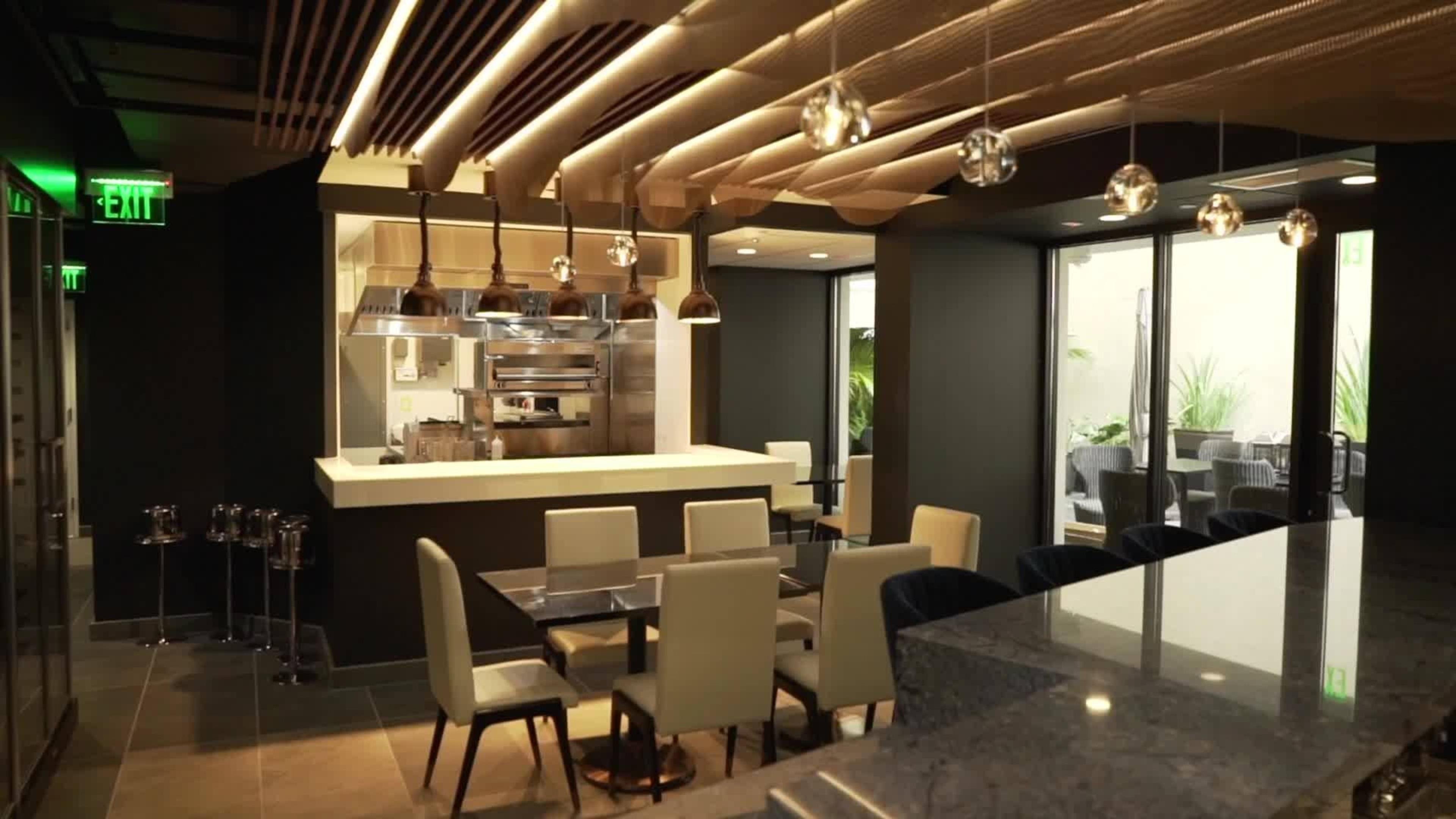
- Open Kitchen
- Craft Cocktails
- Beer Program
- Local Sourcing
- Farm To Table
- Counter Dining
- A La Carte
- Local Craft Brews
- Signature Cocktails
- Vegetarian Friendly
- Vegan Options
- Gluten Free Options
- Allergy Accommodating
Current opening hours
- Monday
- 7 AM–1 PM, 5–10 PM
- Tuesday
- 7 AM–1 PM, 5–10 PM
- Wednesday
- 7 AM–1 PM, 5–10 PM
- Thursday
- 7 AM–1 PM, 5–10 PM
- Friday
- 7 AM–1 PM, 5–10 PM
- Saturday
- 7 AM–1 PM, 5–10 PM
- Sunday
- 7 AM–1 PM, 5–10 PM
Hours can change for holidays and private events. Last verified .
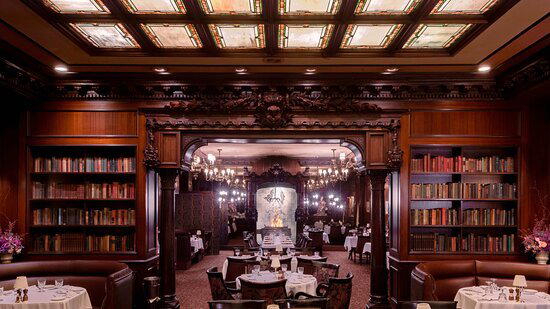
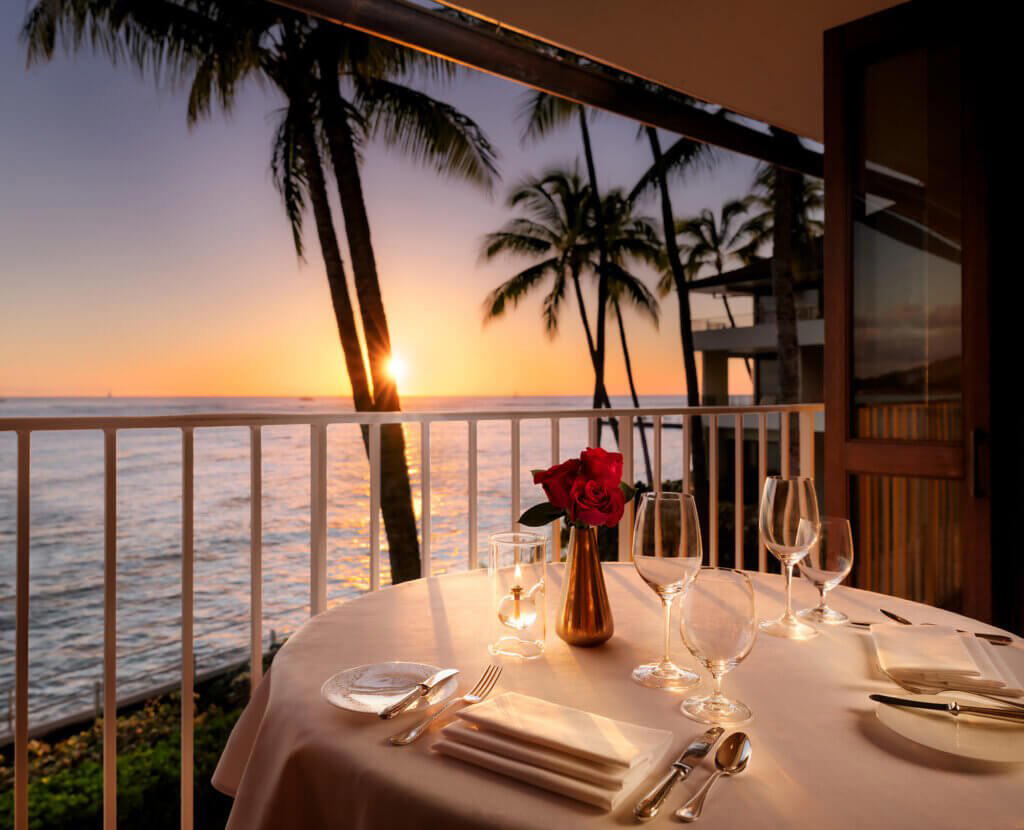
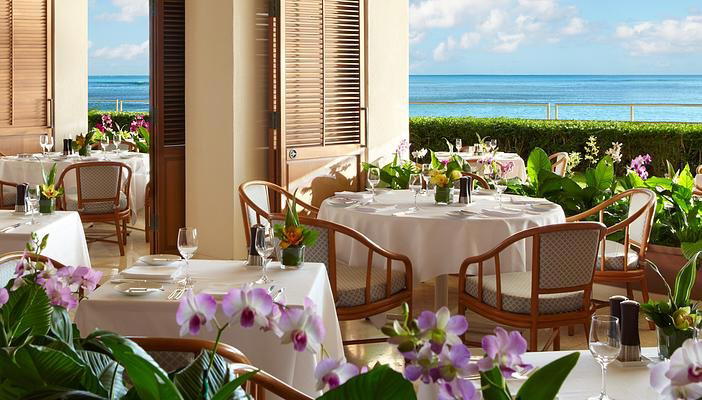
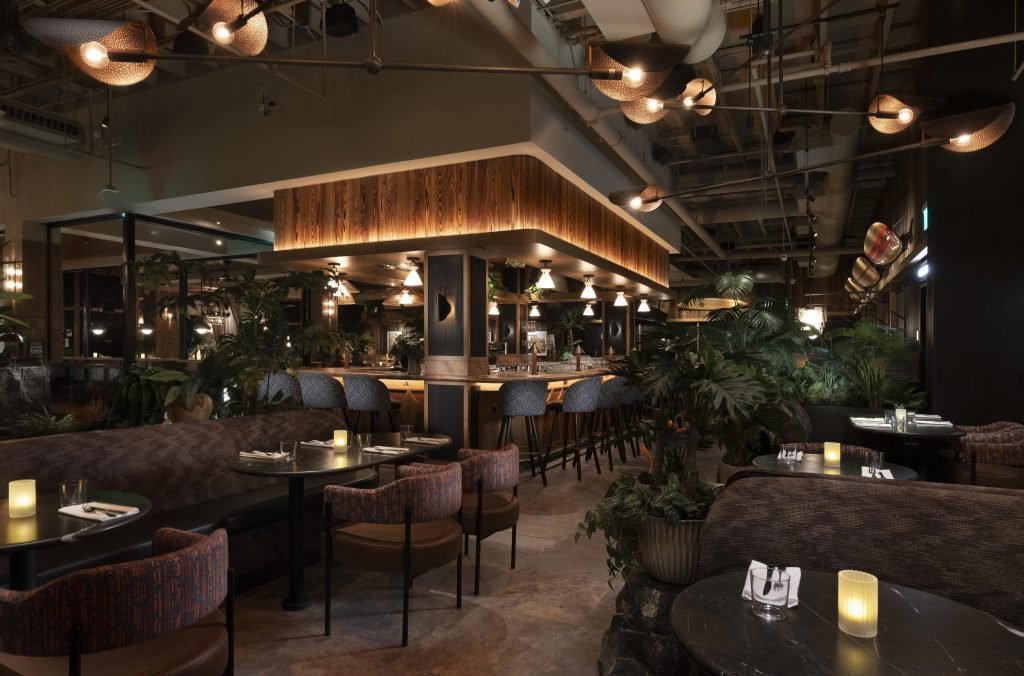
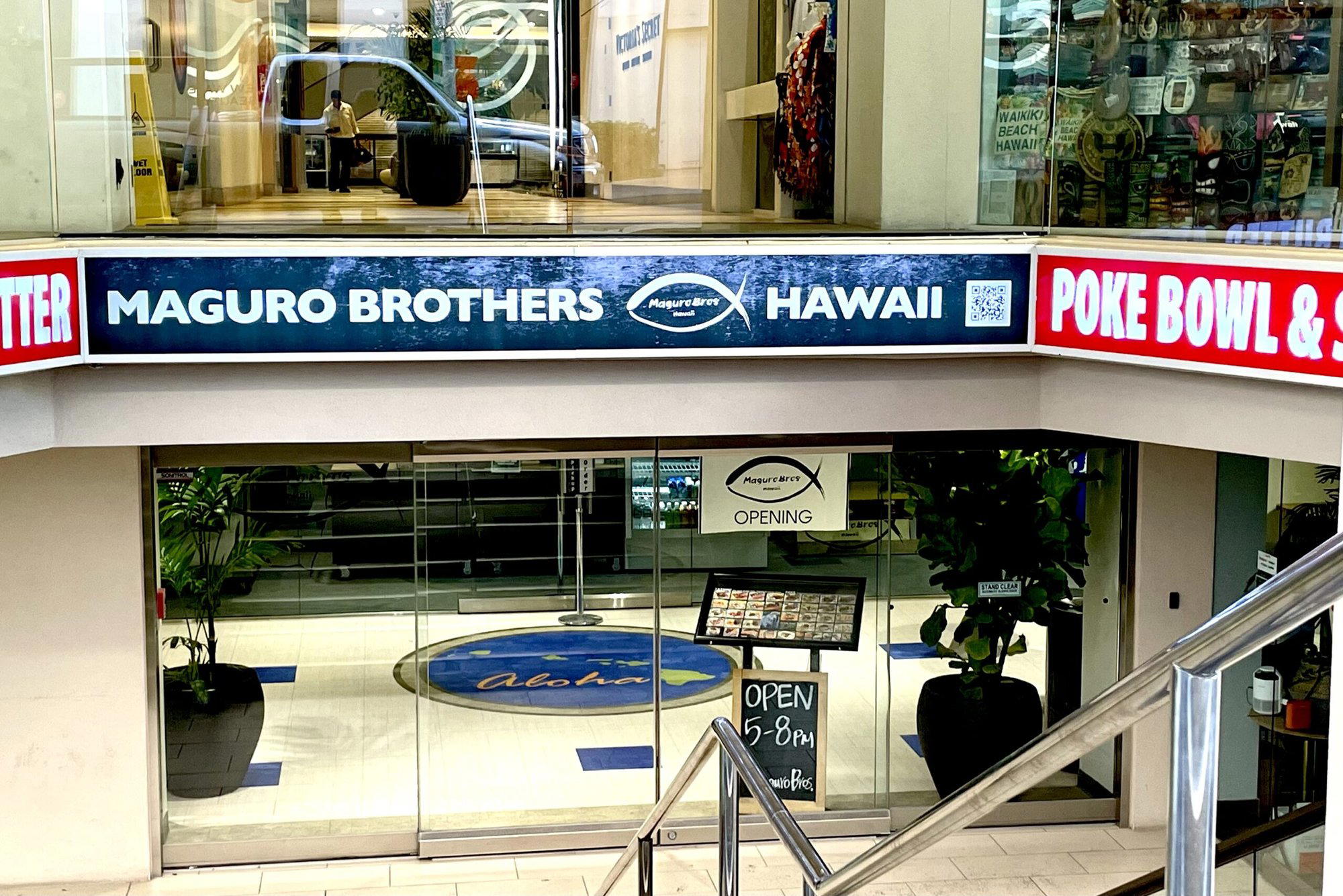
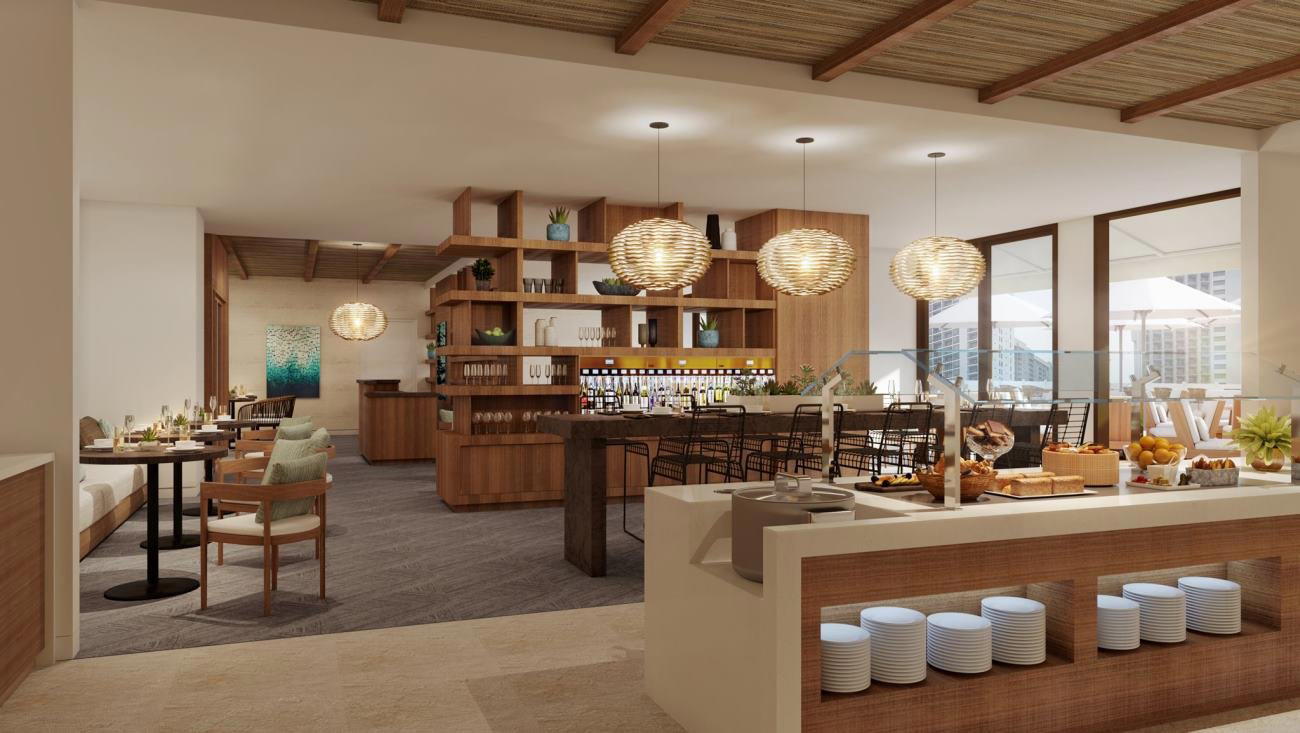
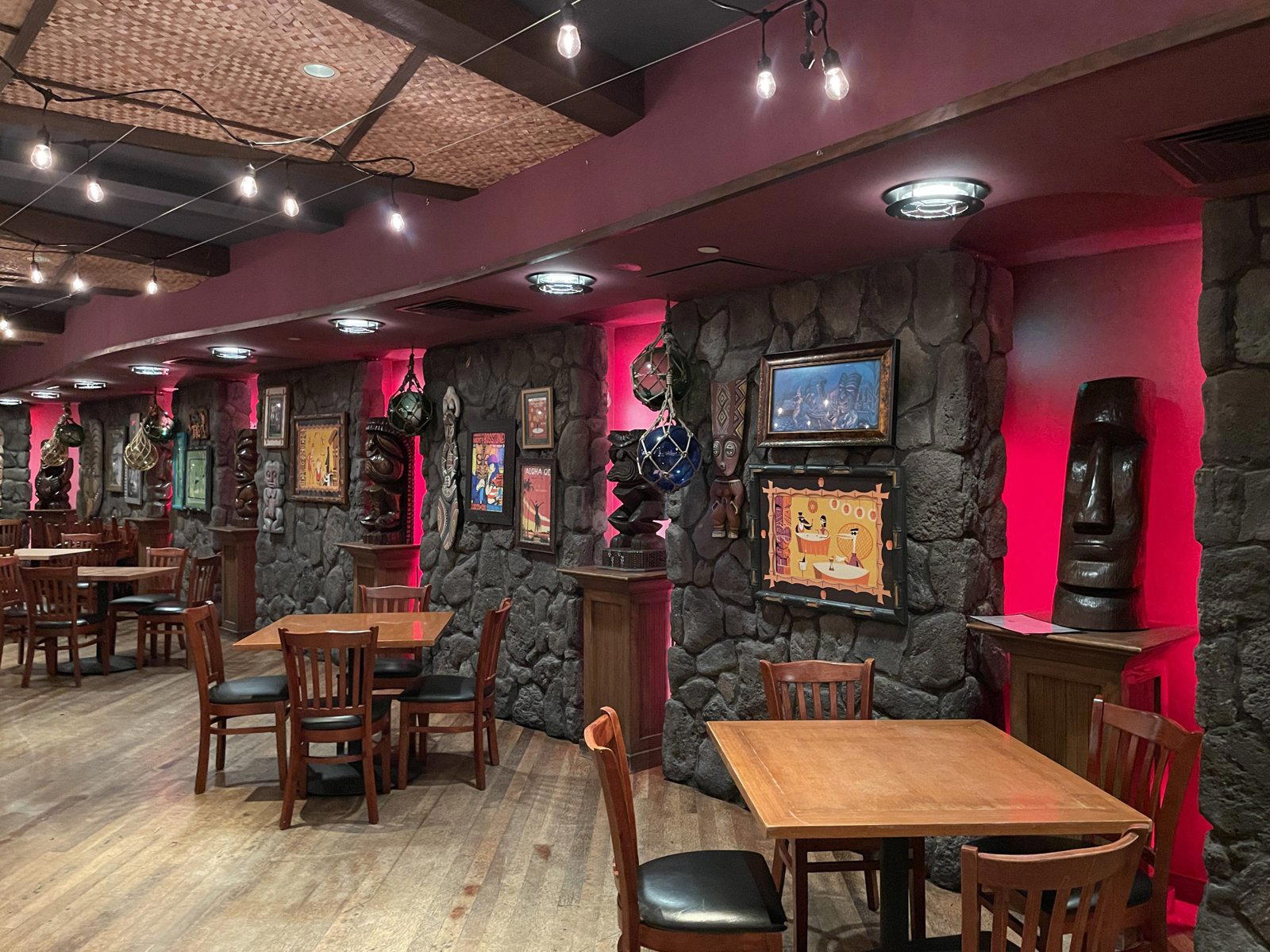
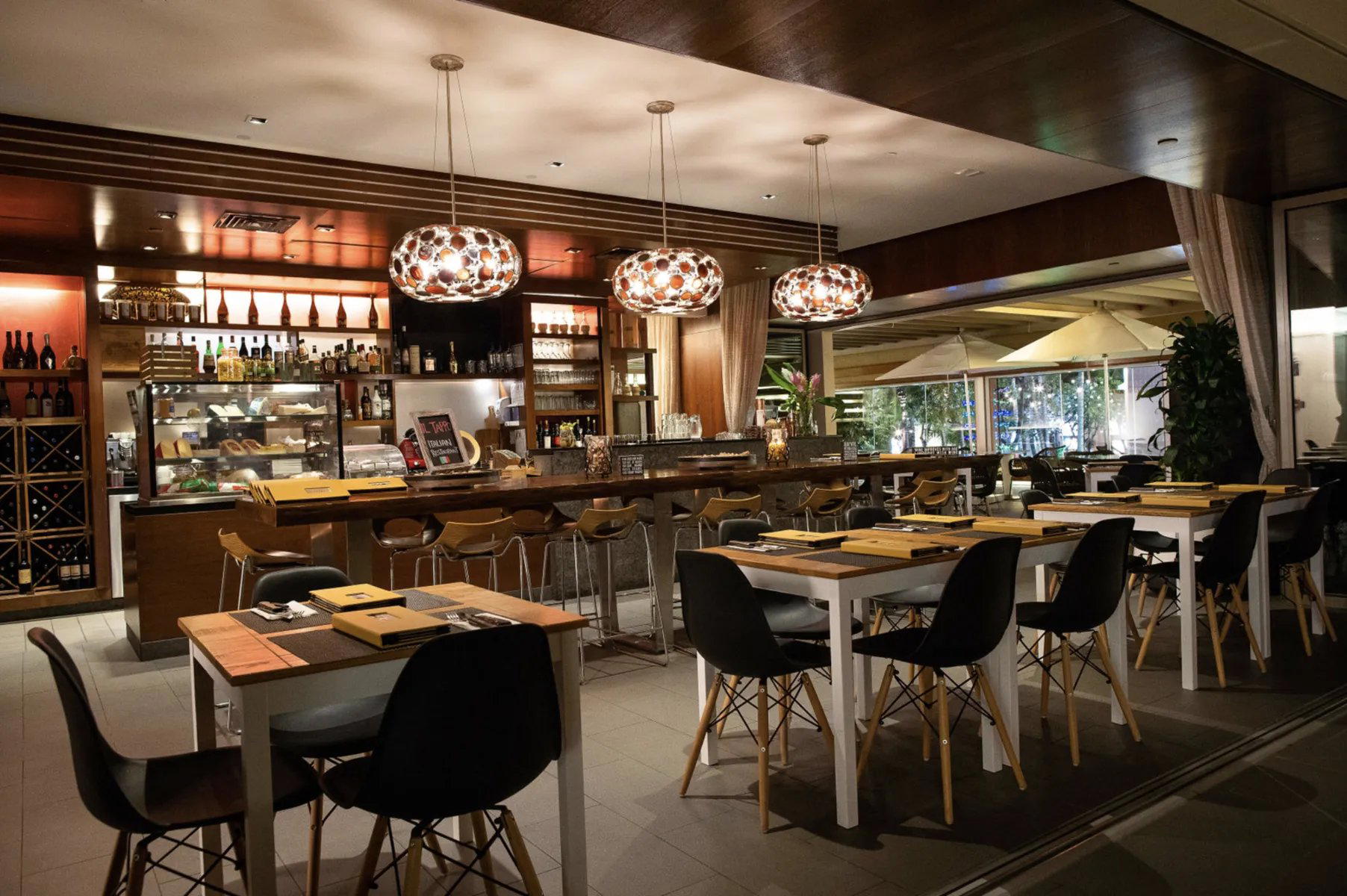
Modern casual dining with a lively, energetic atmosphere featuring a counter-service poke bar and full restaurant seating.