Third Rail
Third Rail occupies a modest address on 20th Street in San Francisco's Dogpatch, where the city's most considered progressive dining has quietly taken root alongside the waterfront industrial corridor. The venue sits within a local dining tier that rewards patience and advance planning, drawing a crowd that treats the meal as an event rather than an occasion.
Pearl is the En Primeur Club membership app — saves, bookings, and concierge access live there. Same editors, same standards.
- Address
- 628 20th St, San Francisco, CA 94107
- Phone
- +14152527966
- Website
- thirdrailbarsf.com
- Directions
- Get directions
 Saves & bookings on Pearl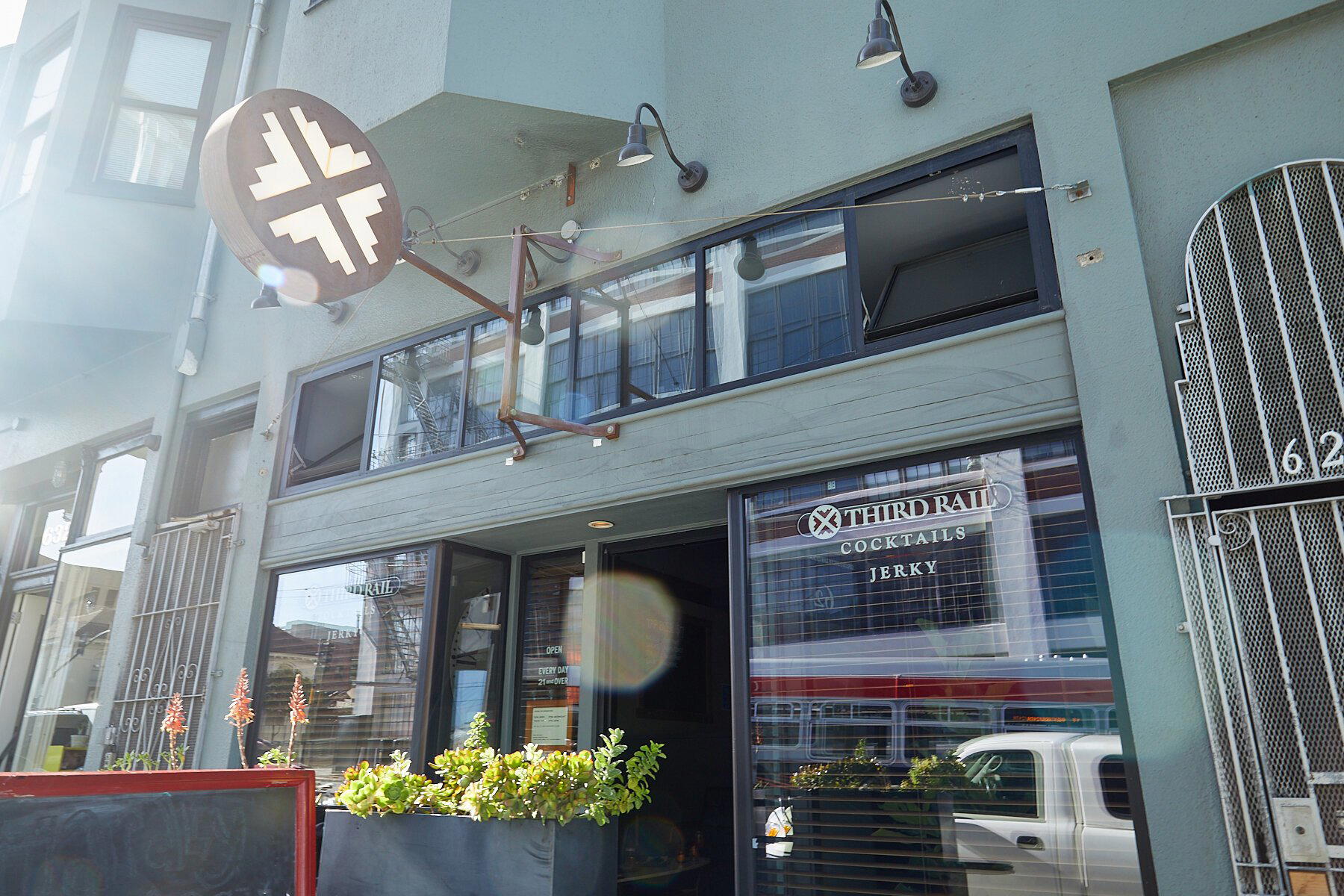
Dogpatch and the Geography of San Francisco's Progressive Dining
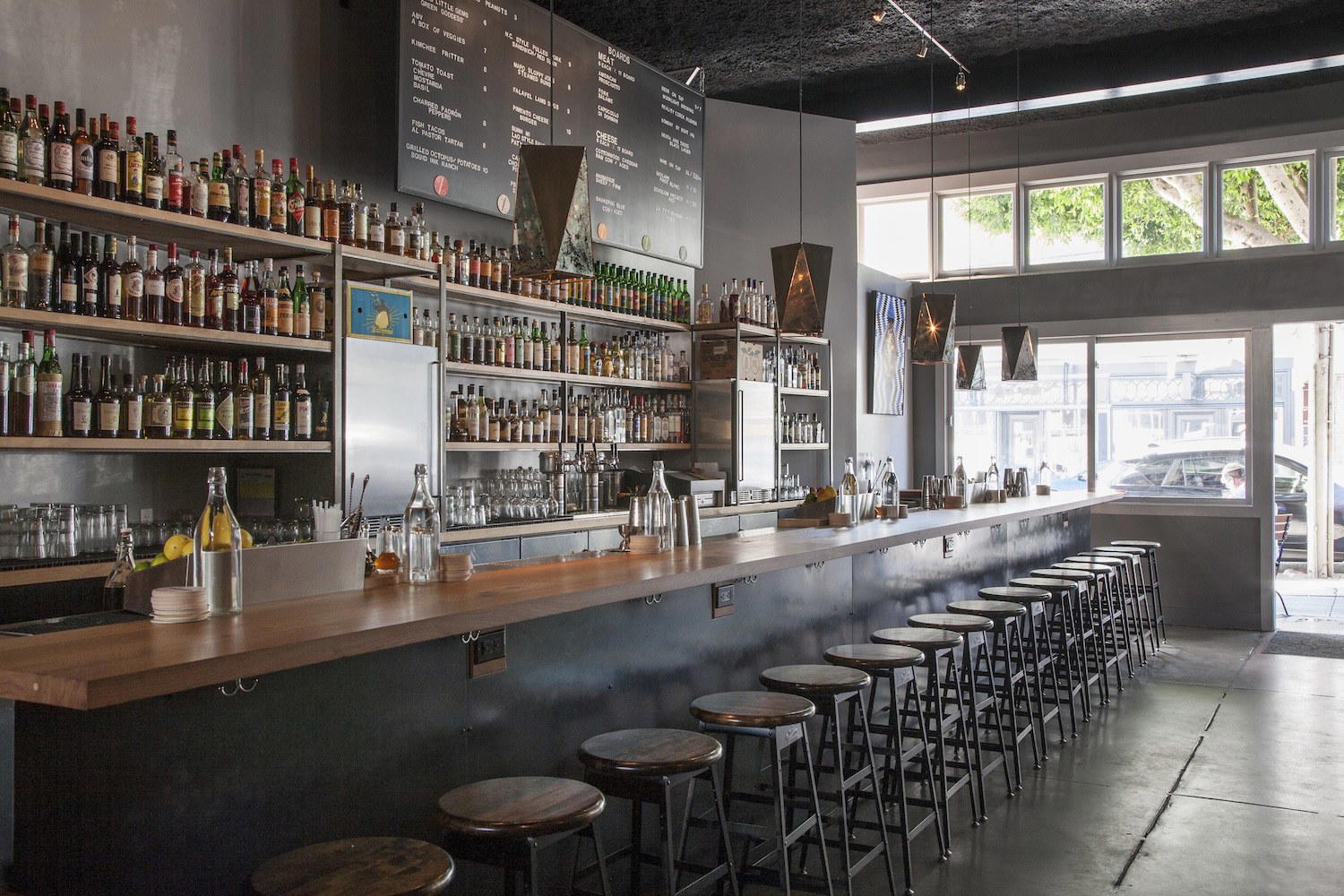
San Francisco's serious restaurant scene has never been geographically tidy. While the critical conversation long centered on SoMa and the Financial District, the decade following 2010 saw a steady southward migration of ambitious kitchens into Dogpatch and the Central Waterfront. The neighborhood's industrial bones, converted warehouses, wide streets, proximity to the bay, gave operators a different kind of freedom than the compressed footprints of Hayes Valley or the Mission. Third Rail, at 628 20th Street, is part of that migration: a Dogpatch address that signals intent before the meal begins. Third Rail is a Cocktails & Jerky Bar in San Francisco, with a casual dress code and a walk-in-friendly policy.
Understanding where Third Rail sits in the city's dining structure matters. San Francisco operates with a distinct top tier of multi-course, reservation-required restaurants where the format and philosophy of the meal are as deliberate as the food itself. Lazy Bear turned a communal ticketed-dinner model into one of the city's defining formats. Atelier Crenn built its identity around poetic abstraction applied to French technique. Benu fused French and Chinese culinary logic into a tasting format that earns sustained Michelin attention. Quince and Saison both price and pace themselves against national peers rather than local competition. The restaurant operates in proximity to this tier, drawing from the same diner base that plans meals months ahead and treats the reservation as the first act of the experience.
The Meal as Sequence: How Progressive Formats Structure a Visit
At San Francisco's most considered addresses, the meal is not assembled dish by dish at the diner's discretion. It is choreographed. The tasting progression format, a fixed or semi-fixed sequence in which courses build on each other in weight, temperature, and intensity, has become the default grammar of serious dining in the city, echoing approaches you find at Alinea in Chicago, Le Bernardin in New York City, and The French Laundry in Napa. The logic is simple but demanding: the kitchen controls narrative arc, and the diner's role is attentive reception rather than active curation.
This format shifts the stakes of every decision the kitchen makes. An early course sets register, how restrained, how technically forward, how flavor-dense the meal will be. Mid-sequence courses carry the weight of development, introducing richer textures or more assertive flavors while sustaining coherence. The final savory courses must resolve the arc without simply escalating. Dessert, in the leading versions of this format, functions as punctuation rather than afterthought. The test of any kitchen operating in this mode is whether the sequence feels authored or merely assembled.
Comparable restaurants nationally have handled this differently. Single Thread Farm in Healdsburg builds its sequence explicitly around seasonal agriculture and Japanese hospitality codes. Blue Hill at Stone Barns in Tarrytown uses the farm itself as the narrative spine of the progression. Atomix in New York City layers Korean culinary tradition into a format that moves through courses with curatorial precision. The question for any restaurant in this comparable set is what organizing principle holds the sequence together.
Dogpatch as Context: The Neighborhood's Dining Character
The Central Waterfront has become one of the more interesting corridors in San Francisco's dining geography precisely because it lacks the competitive density of the Mission or the tourist traffic of Fisherman's Wharf. Restaurants here operate for locals and for the kind of traveler who does research before arriving. The surrounding blocks on and around 20th Street reflect a neighborhood in the middle of a longer transition: craft production spaces, design studios, and a handful of serious hospitality operations that have found the area's lower-profile character useful rather than limiting.
That context shapes the experience of arriving. There is no ambient foot traffic announcing the destination. The decision to eat here is deliberate. In that sense, Dogpatch restaurants occupy a similar psychological position to addresses like Providence in Los Angeles or Addison in San Diego, places where the neighborhood does not do the selling, and where the meal carries full responsibility for justifying the trip.
The spread between formats, from Lazy Bear's communal-ticketed approach to the more classical service codes at Quince, is wide enough that matching the format to the occasion matters as much as matching the cuisine.
Comparable decisions arise in other cities. Emeril's in New Orleans, Bacchanalia in Atlanta, and The Inn at Little Washington each represent their city's version of the serious, occasion-driven dining commitment. 8½ Otto e Mezzo Bombana in Hong Kong offers an international reference point for how a Western fine-dining format transplants into an Asian city context. The common thread is that these are not drop-in restaurants. They require and reward preparation.
What to Know Before You Go
The restaurant is located at 628 20th Street in San Francisco's Dogpatch neighborhood, a corridor that sits between the more established Mission district to the west and the waterfront to the east. The address is served by the 22-Fillmore and T-Third Muni lines, and ride-share drop-off is direct on 20th Street. Street parking in Dogpatch is considerably more available than in central San Francisco neighborhoods, which matters for diners arriving from the East Bay or Peninsula.
Dietary accommodations at multi-course restaurants in San Francisco are generally handled at the time of booking, and it is standard practice to flag restrictions in advance rather than on arrival, kitchens running fixed sequences need preparation time to adjust courses without disrupting the arc of the meal.
In Context: Similar Options
Comparable venues nearby, for context on price, style, and recognition.
| Venue | Cuisine | Price | Notes |
|---|---|---|---|
| Third RailThis venue — the venue you are viewing | Cocktails & Jerky Bar | $$ | Not listed |
| Quik Dog | American Hot Dogs & Burgers | $$ | Mission Bay |
| The Richmond | Seasonal American Tasting Menu | $$ | Inner Richmond |
| Street | New American with International Influences | $$ | Russian Hill |
| Causwells | Modern American Bistro | $$ | Marina |
| Dottie's True Blue Cafe | Classic American Breakfast Cafe | $$ | Tenderloin |
Continue exploring
More in San Francisco
Restaurants in San Francisco
Browse all →
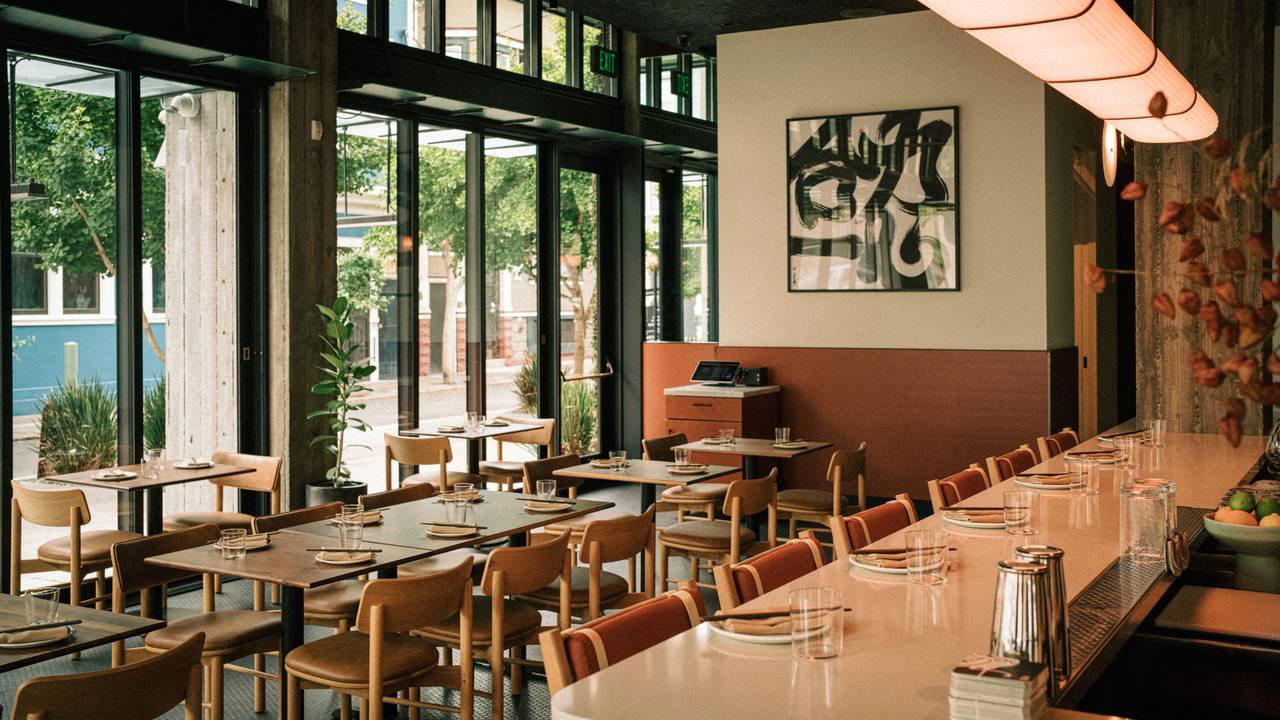
Bars in San Francisco
Browse all →
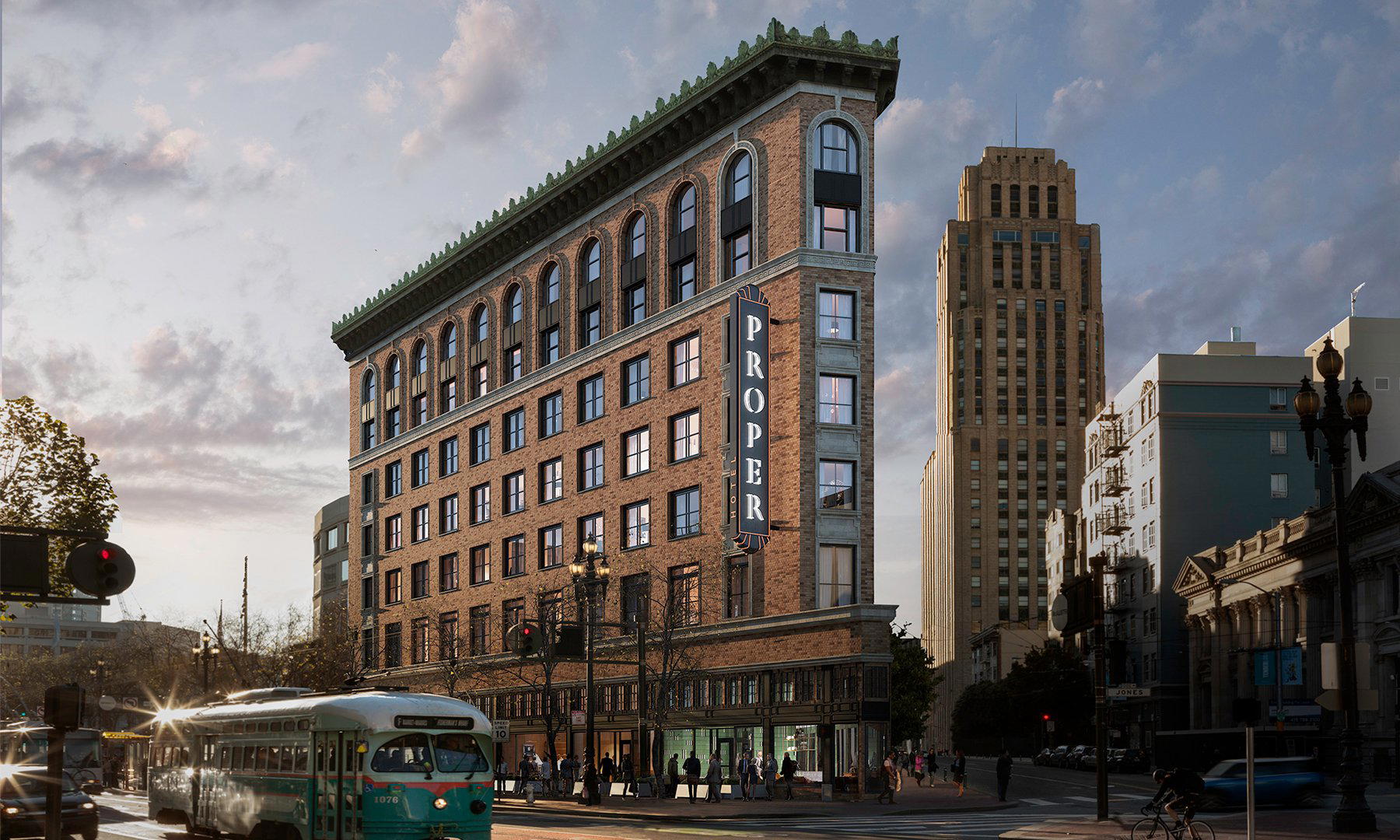
Hotels in San Francisco
Browse all →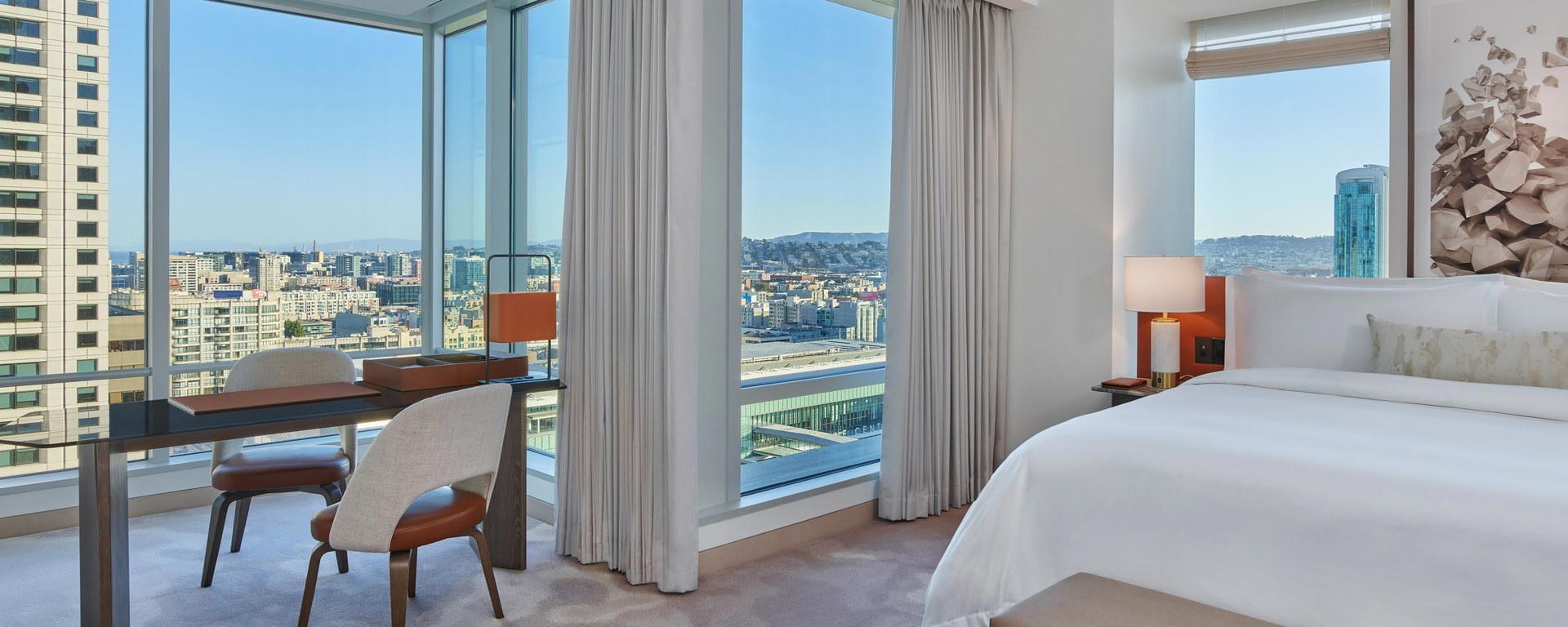
At a Glance
- Trendy
- Cozy
- Lively
- Casual Hangout
- Date Night
- After Work
- Open Kitchen
- Craft Cocktails
- Beer Program
Current opening hours
- Monday
- Closed
- Tuesday
- 4 PM–12 AM
- Wednesday
- 4 PM–12 AM
- Thursday
- 4 PM–12 AM
- Friday
- 2 PM–2 AM
- Saturday
- 2 PM–2 AM
- Sunday
- 4–11 PM
Hours can change for holidays and private events. Last verified .
Upscale yet chill atmosphere with a subtle railway theme, featuring high-quality cocktails served with hand-cut ice in a welcoming neighborhood bar setting.