The Triple Door
The Triple Door occupies a below-street-level space on Union Street in downtown Seattle, pairing live music programming with a dining room format that draws from the city's appetite for experience-led evenings. It sits in a tier of Seattle venues where entertainment and food share equal billing, making it a distinct option in a dining scene dominated by neighbourhood restaurants and chef-driven counters.
Pearl is the En Primeur Club membership app — saves, bookings, and concierge access live there. Same editors, same standards.
- Address
- 216 Union St, Seattle, WA 98101
- Phone
- +1 206 838 4333
- Website
- thetripledoor.net
- Directions
- Get directions
 Saves & bookings on Pearl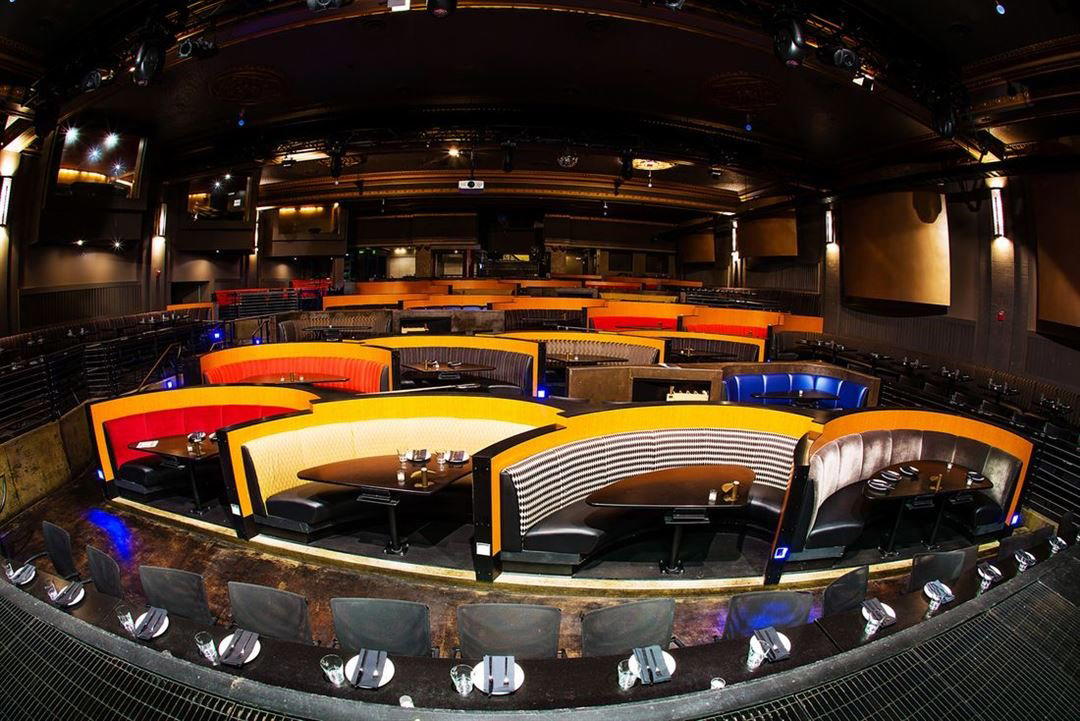
Below Street Level, Above the Usual Night Out
Descend from Union Street into The Triple Door and the transaction is immediately different from most of downtown Seattle's dining options. The room is built around a stage. Banquette seating, low light, and a sightline calibrated toward live performance signal that the meal here is one element of a longer evening rather than the destination itself. That format puts The Triple Door in a specific and relatively small category of American urban venues where the music-and-dining combination is treated as a genuine proposition rather than an afterthought bolted onto a bar.
In Seattle specifically, that category matters. The city's dining scene has tilted increasingly toward the chef-driven, ingredient-forward model over the past decade, producing counters and tasting menus that demand full attention. Canlis (New American) operates in a register of occasion dining where the view and the service architecture carry as much weight as the plate. Joule (New Asian) sits further into the culinary-first mode. The Triple Door positions itself differently: the stage is the organizing principle, and the food and drink program is designed to sustain an evening that might run three hours or more depending on the bill.
The Arc of the Evening
Venues structured around live performance tend to produce a particular kind of dining rhythm. There is a pre-show phase, where the room fills and early courses are ordered with an eye on timing. There is the performance itself, where service adjusts its pace to the room's attention. And there is the post-show stretch, where the energy shifts and guests either linger or move on. Across American cities, the venues that execute this format well treat those phases as distinct acts rather than ignoring the structure entirely.
The approach requires a kitchen and front-of-house team aligned on tempo. Lazy Bear in San Francisco and Smyth in Chicago represent the tasting-menu end of experiential dining, where the progression is entirely food-led. The Triple Door operates at the opposite pole: the progression is performance-led, and the food needs to hold up across a longer, more interrupted timeline. That is a different set of demands than a standard restaurant, and it shapes everything from how dishes are composed to how the drinks program is weighted.
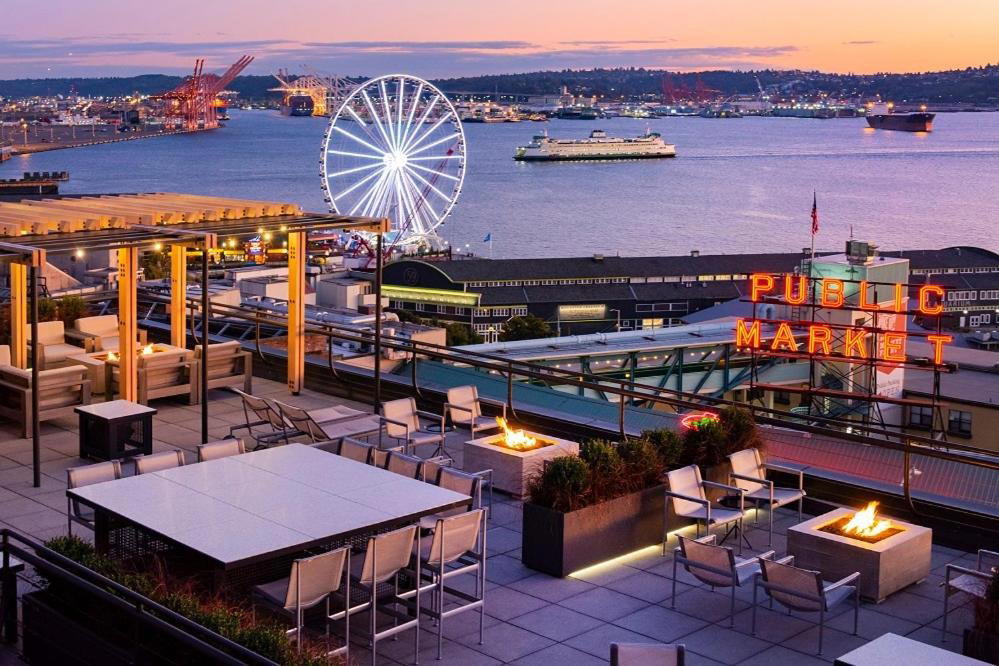
The room at 216 Union Street is in the heart of downtown Seattle, close enough to Pike Place Market and the waterfront that it draws both locals with tickets and visitors working through the central city.
Where It Fits in Seattle's Dining Geography
Downtown Seattle supports a range of dining formats across its compact core. The blocks around Pike Place pull tourist volume; the stretches closer to Capitol Hill and First Hill carry more neighbourhood-facing programming. Union Street itself sits in the transition zone, and the restaurant's below-street address gives it a degree of separation from the pedestrian flow above. That physical structure, a room you descend into rather than walk past, tends to self-select for guests with a specific intention rather than walk-in impulse.
Addresses including 1415 1st Ave, 1744 NW Market St, and 2963 4th Ave S represent different points on the spectrum from casual to serious across the city's neighbourhoods.
The broader American dining context for live-music venues with serious food programs is instructive. Emeril's in New Orleans operates in a city where entertainment and dining have always been culturally integrated. Le Bernardin in New York City represents the opposite model: a room where silence and focus are themselves part of the offer. Most American dining falls somewhere on the continuum between those poles, and the restaurant sits deliberately toward the entertainment-integrated end.
The Drink Program as Structural Support
In venues where the evening runs long and the kitchen's rhythm is interrupted by performance timing, the bar program carries a heavier structural load than in a standard restaurant. A well-constructed cocktail list needs to work at multiple points in the evening: aperitif weight early, something to sustain attention during a set, and options that fit the post-show wind-down. This is not the same demand profile as a destination cocktail bar like the programs seen at venues benchmarked against Atomix in New York City or the precision-focused kitchens at The French Laundry in Napa.
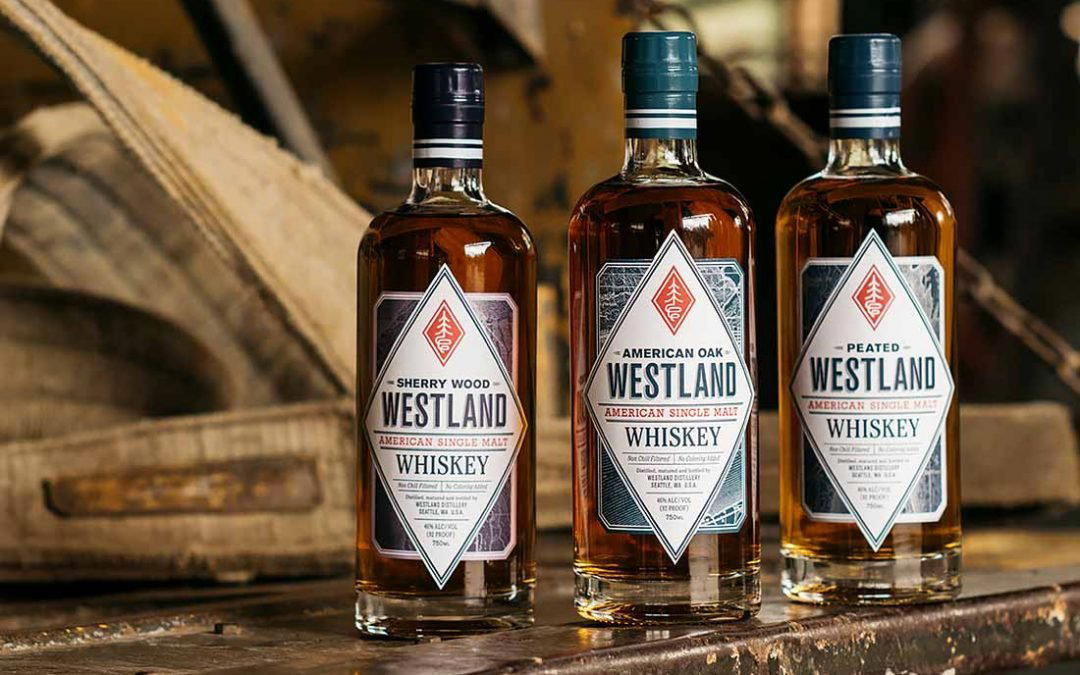
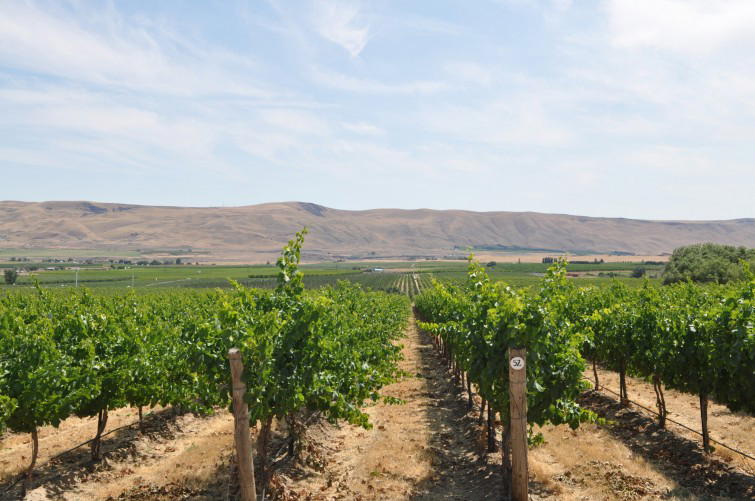
Pacific Northwest drinking culture has developed a strong regional identity around local spirits, Washington wine, and the craft beer movement that has been present in Seattle since the early 1990s. Any venue operating in this market with a credible bar program is working within that context, whether it explicitly foregrounds Pacific Northwest producers or takes a more eclectic approach. The region also benefits from proximity to strong wine production, meaning the by-the-glass options available to Seattle venues are substantively different from what a comparable room in a less wine-proximate city could offer.
Occasion Dining at a Different Frequency
The dining formats that have attracted critical attention in recent years share a tendency toward remove: the single sitting, the tasting progression, the room designed to eliminate distraction. Blue Hill at Stone Barns in Tarrytown, Single Thread Farm in Healdsburg, Providence in Los Angeles, Addison in San Diego, and The Inn at Little Washington in Washington all operate in that mode. So does Atelier Moessmer Norbert Niederkofler in Brunico, among comparable European formats. The restaurant operates on a different frequency entirely: the distraction is the point, and the food and drink program exists to support an evening that is already organized around something happening on stage.
That is not a lesser proposition. It is a different one, and for a meaningful share of Seattle's dining population, it is the right one on a given night. The test for any venue in this format is whether the food holds up as a genuine element of the evening rather than a concession to the fact that people need to eat while they wait for the music to start. The room at 216 Union Street has been part of Seattle's downtown entertainment infrastructure long enough to suggest it has found a workable answer to that question.
Know Before You Go
Cost Snapshot
Comparable venues nearby, for context on price, style, and recognition.
| Venue | Cuisine | Price | Notes |
|---|---|---|---|
| The Triple DoorThis venue — the venue you are viewing | Not listed | $$$ | Not listed |
| STELLA. | First Hill, Coastal Italian | $$$ | Not listed |
| Salty's on Alki | Not listed | $$$ | West Industrial District, Pacific Northwest Seafood and Steakhouse |
| Off Alley | Not listed | $$$ | Columbia City, Seasonal Pacific Northwest Nose-to-Tail |
| Duke's Seafood Greenlake | Not listed | $$$ | Green Lake, Pacific Northwest Sustainable Seafood |
| Margaux | Not listed | $$$ | Denny Triangle, Northwest American Seafood |
Continue exploring
More in Seattle
Restaurants in Seattle
Browse all →
Bars in Seattle
Browse all →
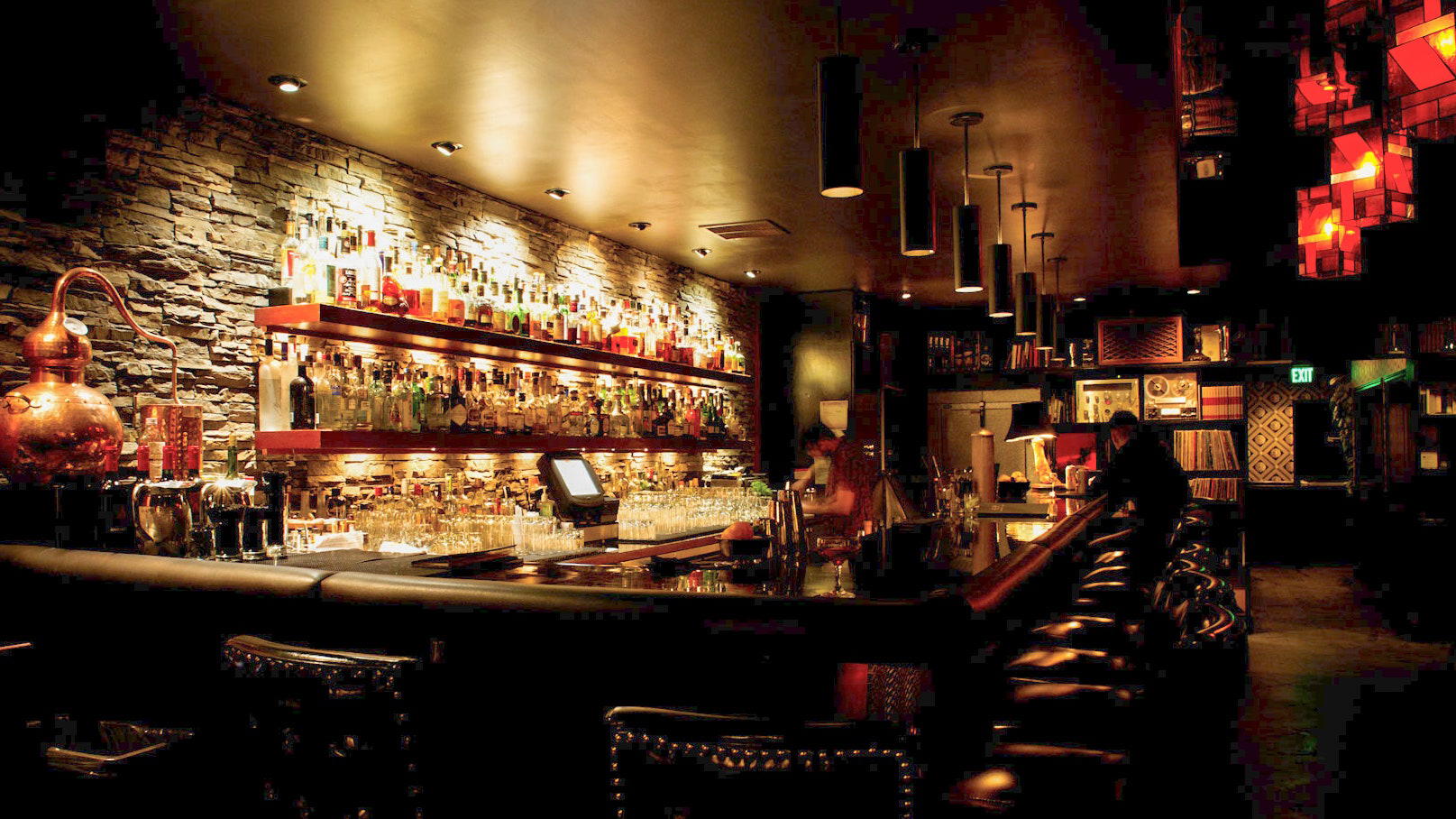
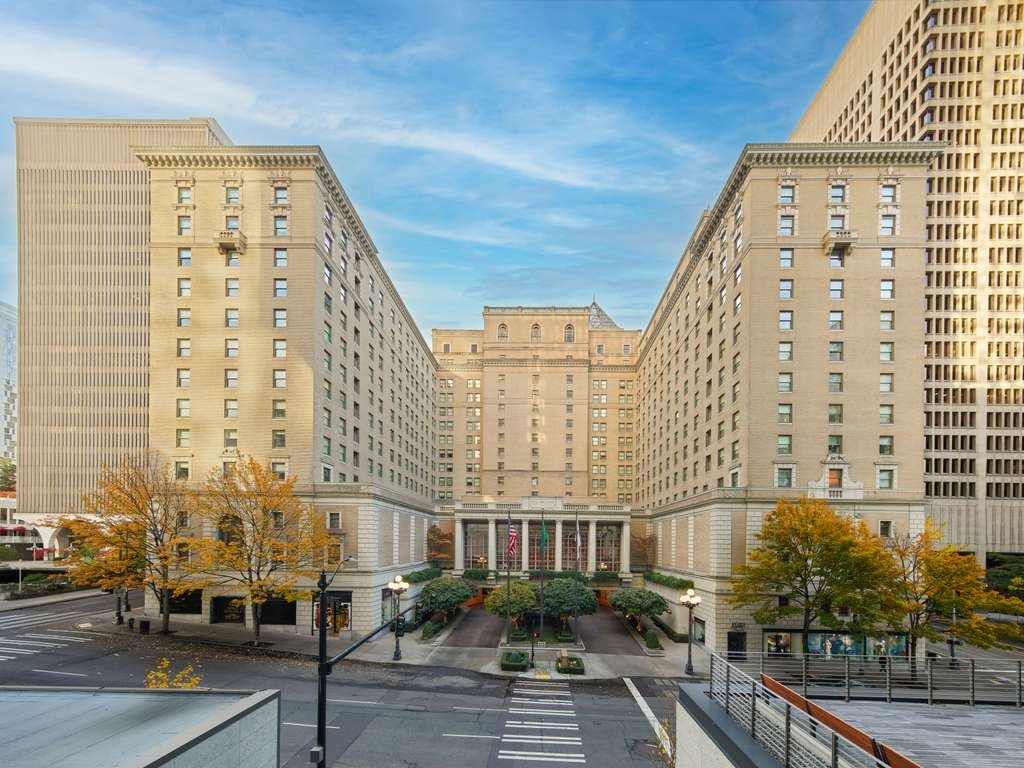
Hotels in Seattle
Browse all →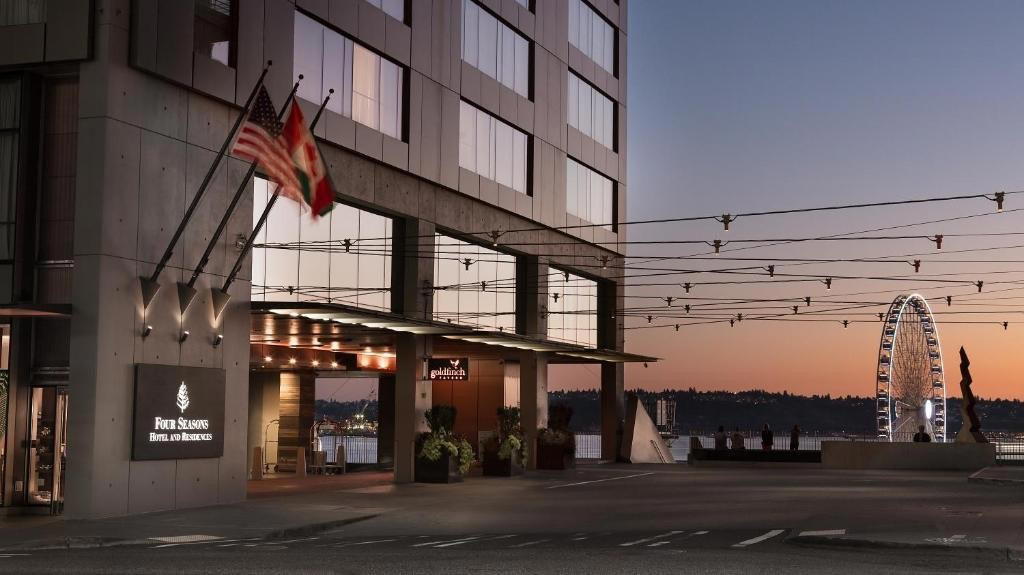
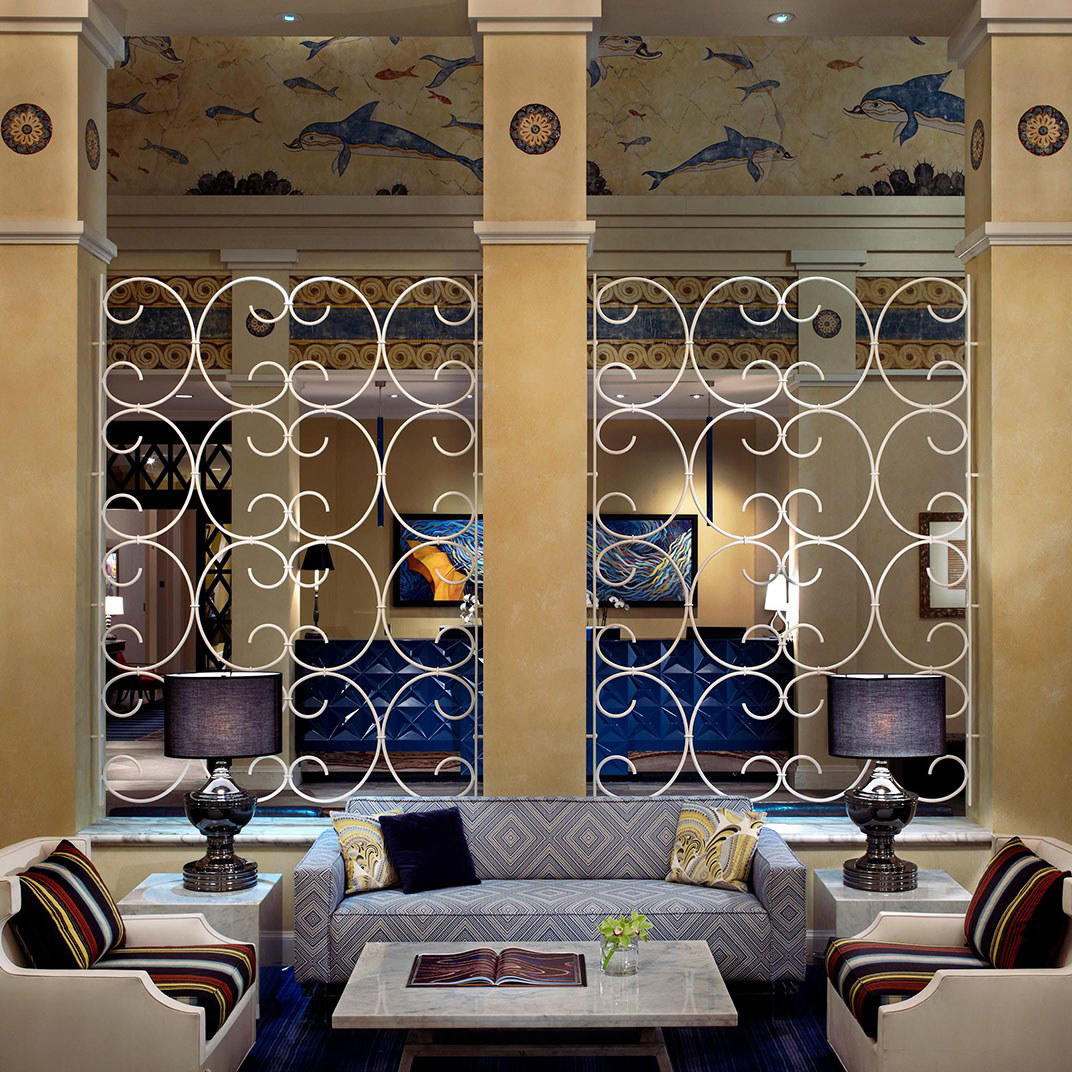
At a Glance
- Elegant
- Intimate
- Sophisticated
- Date Night
- Special Occasion
- Live Music
- Historic Building
- Private Dining
- Craft Cocktails
- Extensive Wine List
- Local Sourcing
Current opening hours
- Monday
- Closed
- Tuesday
- 4–9 PM
- Wednesday
- 4–9 PM
- Thursday
- 4–9 PM
- Friday
- 4–10 PM
- Saturday
- 4–10 PM
- Sunday
- 4–9 PM
Hours can change for holidays and private events. Last verified .
Beautifully restored gold and maroon theater with an elegant, sophisticated atmosphere well-suited for live music.