The Star on Park
Our verdict
The Star on Park occupies a Park Street address in Alameda, California, placing it within the island city's main commercial corridor alongside a diverse range of dining options. With limited publicly available detail on cuisine, format, and pricing, it sits in a category where the physical space and neighbourhood context do much of the positioning work. Visitors approaching from Oakland via the Park Street Bridge will find it among the area's most accessible dining destinations.

Pearl is the En Primeur Club membership app, where members save venues, book tables and use the concierge.
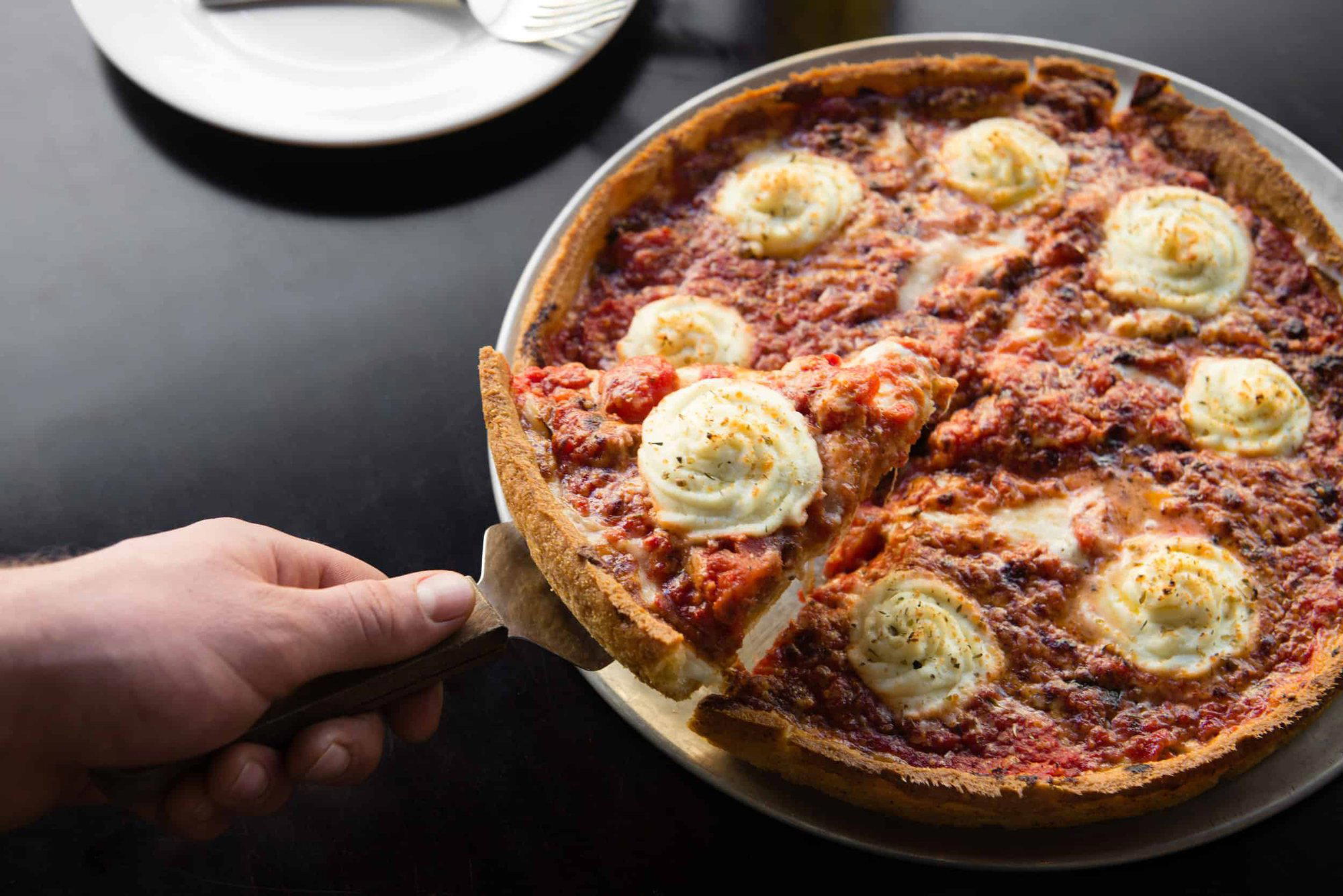
Park Street's Physical Grammar
Alameda's Park Street corridor operates on a scale that most Bay Area commercial strips have lost. The street runs wide enough for diagonal parking, the storefronts sit at ground level with minimal setback, and the result is a pedestrian rhythm that feels more like a small California city from several decades ago than a suburb absorbing Oakland's overflow. Within that corridor, the built environment does significant positioning work for any venue: proximity to the bridge end of Park Street signals accessibility and foot traffic; proximity to the southern stretch signals neighbourhood regularity over destination dining. The Star on Park sits at 1400 Park St, a block address that places it in the active middle stretch of the corridor, where the mix of independent restaurants, local retail, and evening foot traffic is densest.
That physical address is not incidental to understanding the venue. In a dining scene as geographically compressed as Alameda's, where the island's restaurant options are distributed across a relatively small area, address and frontage carry weight that would be absorbed by reputation alone in a larger city. The space a venue occupies on Park Street communicates something about its intended relationship to the neighbourhood before a single dish arrives.
The Alameda Dining Frame
Alameda's restaurant community has developed along two distinct tracks. One track serves the island's residential base: neighbourhood regulars, families, and weekday lunch crowds who move between a rotating cast of independent operators. The other track draws cross-bay visitors, typically on weekends, who treat Alameda as an alternative to Oakland's more saturated dining corridors. The venues that manage both tracks successfully tend to share a common characteristic: their physical spaces read clearly to different audiences without requiring a formal press narrative to do the work.
The comparison set on and near Park Street is instructive. Burma Superstar operates a format with an established Oakland identity that translates directly to the Alameda location. Ceron Kitchen and Fikscue represent the independent operator tier that defines much of Park Street's character. Chong Qing Noodles House and East Ocean Seafood Restaurant anchor the corridor's Chinese dining options, drawing from both the residential Chinese-American community and weekend dim sum traffic. Each of these venues has a legible identity that can be communicated in a sentence. The question for any newcomer or less-documented operator on the same street is whether the physical space and operating format carry enough signal to do similar work.
What the Space Communicates
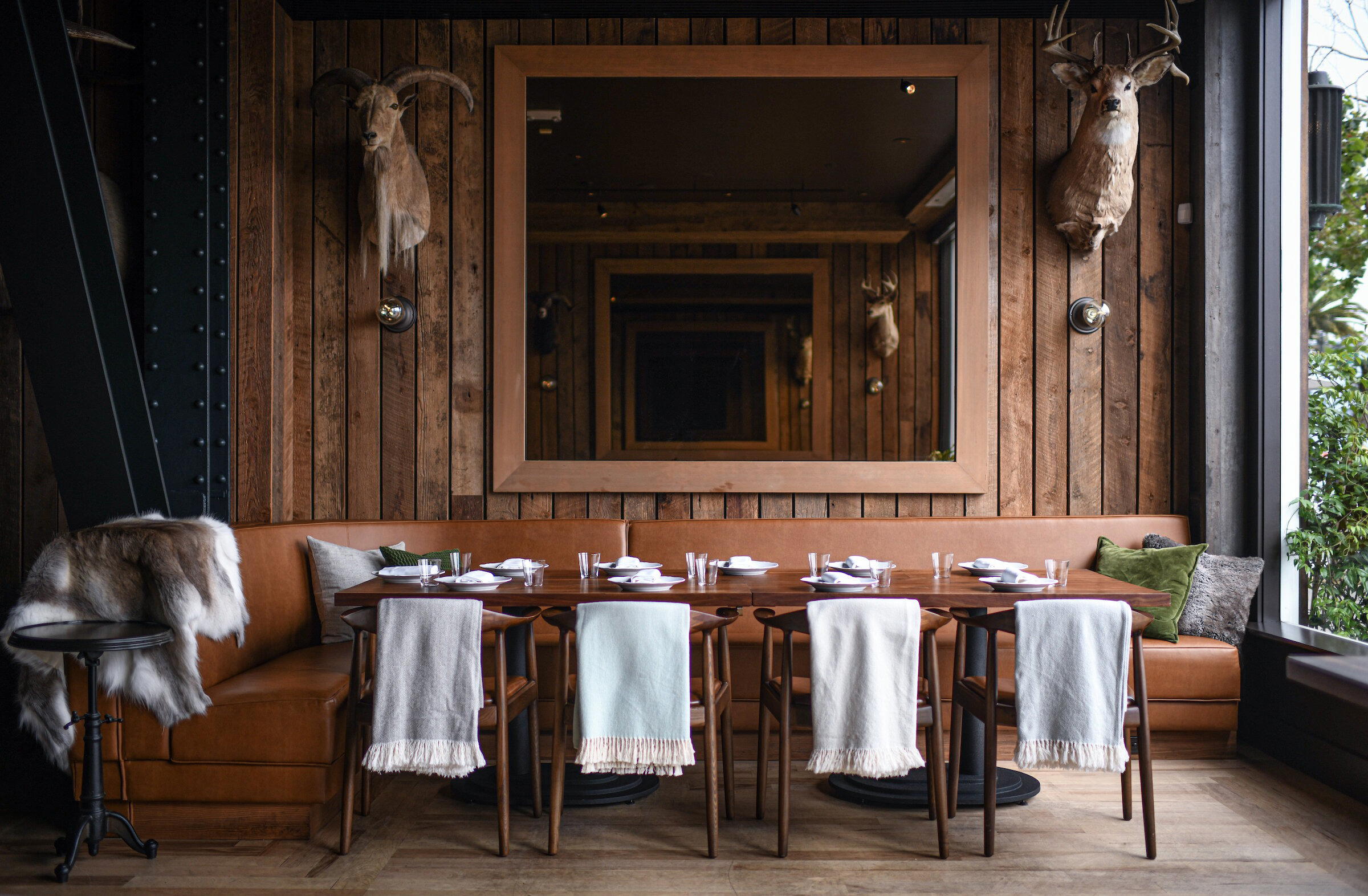
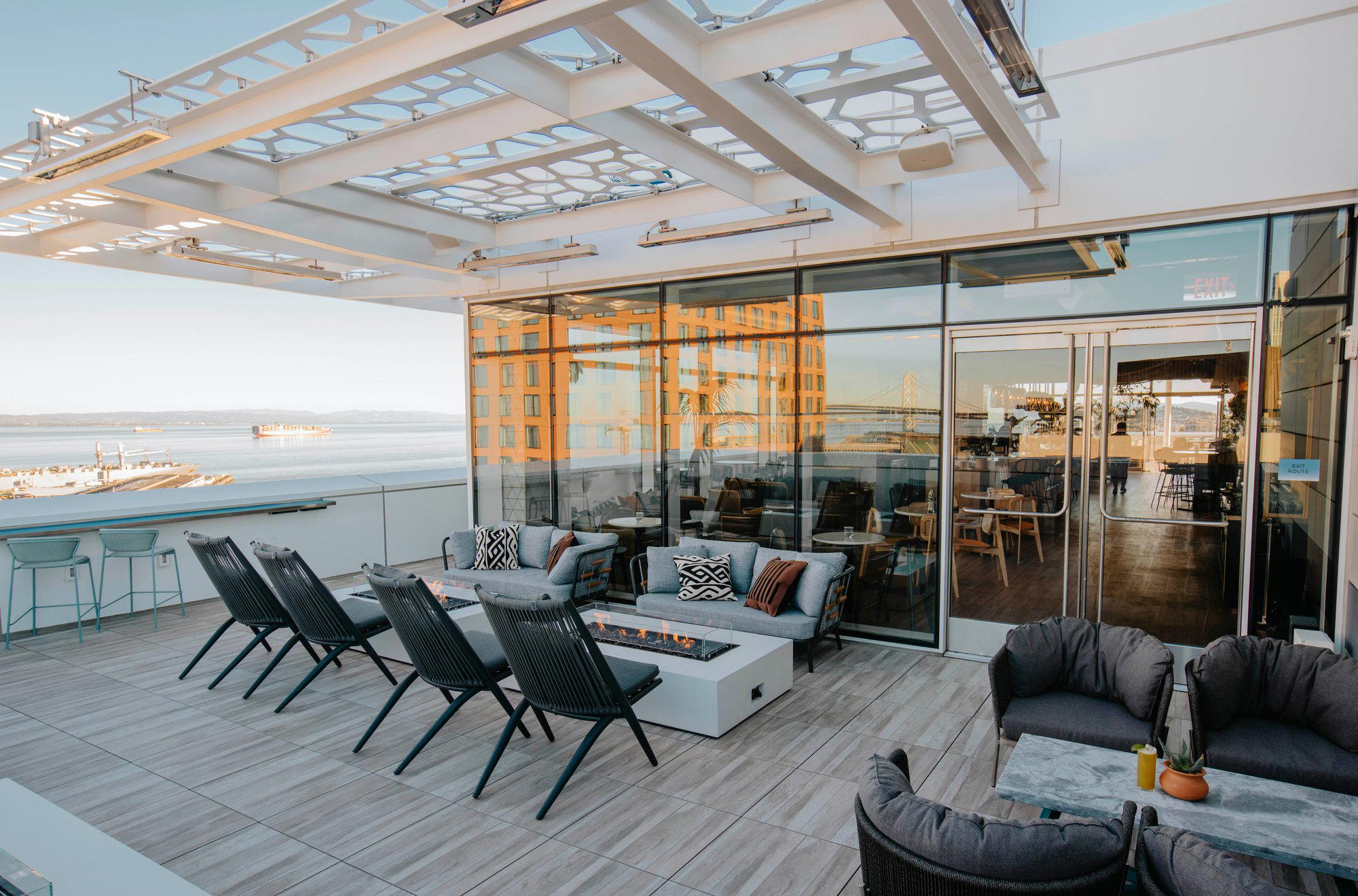
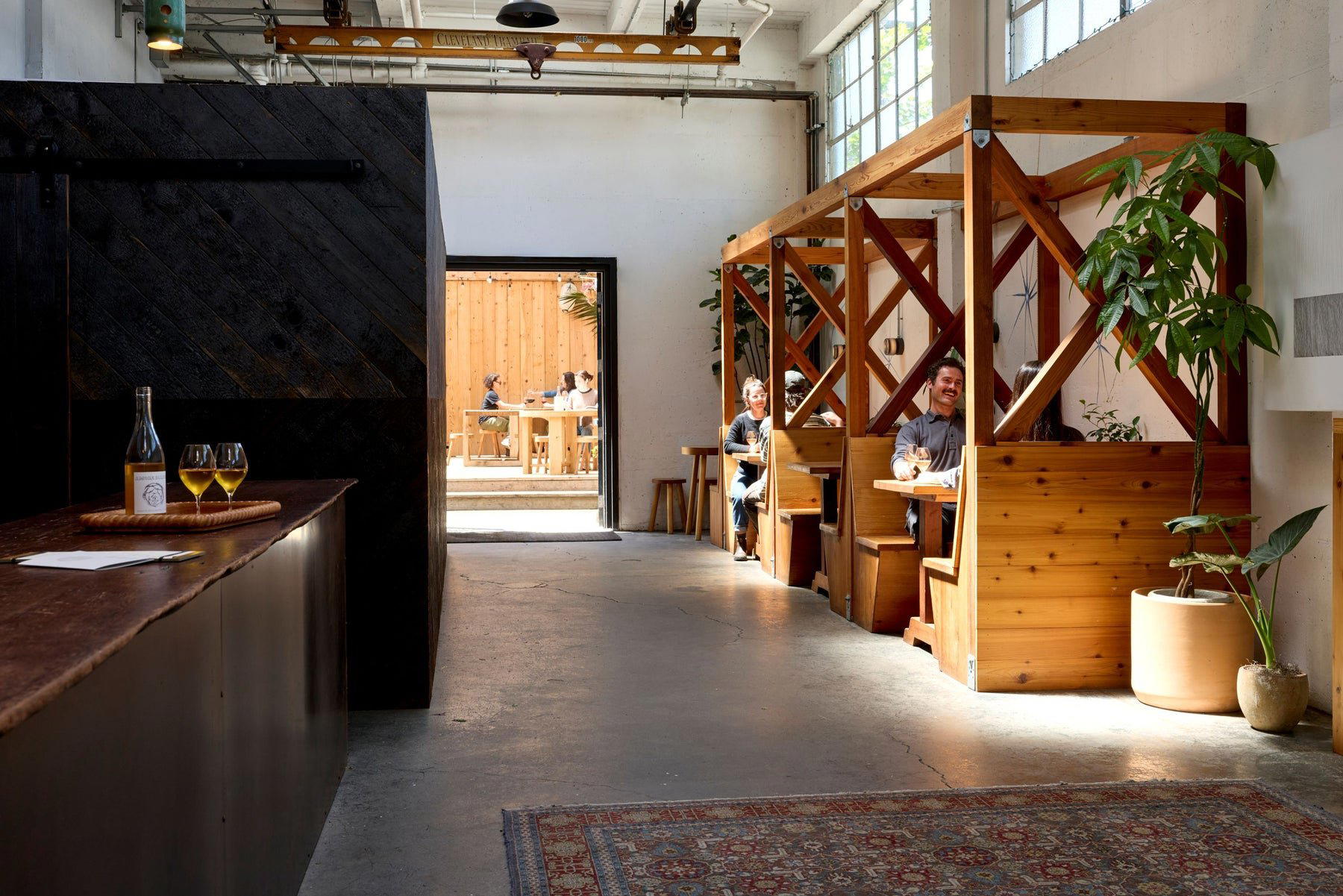
In American casual and mid-market dining, the interior of a venue on a commercial main street functions as the primary communication channel before any menu or online presence. The design vocabulary of Park Street tends toward exposed brick, reclaimed wood, and the kind of casual-industrial finish that signals independent ownership without requiring significant capital expenditure. Venues that depart from this vocabulary, either toward something more formal or toward something more deliberately stripped-down, are making a positioning statement that regulars read quickly.
The architecture and seating arrangement of a restaurant on a street like Park Street also determine its operating tempo. A venue with a bar-forward layout and communal seating will attract a different evening demographic than one organized around four-tops and a service floor. A counter arrangement, increasingly common in the Bay Area as operators balance labour costs against hospitality depth, reads differently to a solo diner than to a group. These spatial decisions compound over time into a venue's identity, often more durably than menu changes or chef rotations. For context, the kind of spatial discipline and format clarity that defines the highest tier of American dining, places like Lazy Bear in San Francisco or Alinea in Chicago, begins with an unambiguous physical concept. At the neighbourhood level, the same principle applies, scaled down but not less consequential.
Bay Area Context: Where Alameda Sits
The Bay Area's dining geography has shifted considerably over the past decade. San Francisco's restaurant attrition during and after 2020 redistributed both operators and audiences toward the East Bay. Oakland absorbed much of that energy, and Alameda, connected to Oakland by three causeways, benefited from a secondary wave. Dining destinations that previously required a cross-bridge commitment began operating closer to Alameda's residential base, while Alameda's own operators found a slightly expanded audience willing to make the short trip from Oakland's Temescal or Grand Avenue corridors.
That regional shift matters because it changed the competitive reference points for Park Street venues. A decade ago, a solid neighbourhood restaurant in Alameda competed primarily within the island. Today, the same venue is implicitly measured against East Bay options within a fifteen-to-twenty-minute drive, and occasionally against the kind of destination dining that draws from the entire Bay Area. The upper register of that regional comparison includes operators with the kind of documented recognition that venues like Single Thread Farm in Healdsburg or The French Laundry in Napa carry. The neighbourhood tier, where most of Alameda's Park Street operates, competes on consistency, value, and physical accessibility rather than on award credentials.
Planning a Visit
Park Street is accessible from Oakland via the Park Street Bridge, which deposits visitors directly onto the corridor's northern end. The 1400 block is within walking distance of the bridge for those arriving on foot or by bicycle, and street parking along Park Street is generally available outside peak weekend lunch hours. Alameda is not served by BART directly; the closest stations are in Oakland, with AC Transit providing bus connections across the bridges.
Given the limited publicly available information on The Star on Park's current hours, booking format, and pricing, prospective visitors are advised to confirm operating details directly before travelling. The venue's position on a well-trafficked commercial street suggests walk-in access may be viable during off-peak periods, but weekend and evening demand on Park Street can be higher than the island's residential character implies, particularly as cross-bay visitors have become a more consistent part of the corridor's audience. For a broader orientation to what the island offers across price points and cuisine types, the full Alameda restaurants guide maps the current range of options.
Those approaching from further afield, planning a Bay Area itinerary that includes destinations like Providence in Los Angeles, Le Bernardin in New York City, Addison in San Diego, Atomix in New York City, Blue Hill at Stone Barns in Tarrytown, The Inn at Little Washington, 8 1/2 Otto e Mezzo Bombana in Hong Kong, or Emeril's in New Orleans, will find Alameda a low-pressure counterpoint to the Bay Area's higher-profile dining circuits, useful as a half-day or evening addition to an East Bay itinerary rather than as a standalone destination trip.
Frequently asked questions
Where is The Star on Park located?
The Star on Park is located at 1400 Park St, Alameda, CA 94501, Alameda.
Is The Star on Park accessible from Oakland or San Francisco for a day visit?
The Star on Park sits at 1400 Park St in Alameda, a short drive from Oakland via the Park Street Bridge, which deposits visitors directly onto the corridor's northern stretch. From San Francisco, the crossing adds modest time but positions Alameda as a low-friction East Bay stop. The Park Street corridor offers enough dining and retail density to anchor a half-day visit from either city.
What's the must-try dish at The Star on Park?
Contacting the venue directly or checking current local coverage will give you the most accurate picture of what's on offer.
Do I need a reservation for The Star on Park?
Park Street in Alameda draws consistent weekend foot traffic, and the 1400 block sits within the corridor's active dining zone, so confirming availability in advance is a reasonable precaution. Reaching out to the venue directly before your visit is the most reliable approach.
What is The Star on Park known for?
The Star on Park holds a Park Street address at 1400 Park St in Alameda, California, placing it within the island city's primary commercial and dining corridor. Park Street is Alameda's most-trafficked retail and restaurant strip, running wide enough for diagonal parking and drawing both local residents and cross-bay visitors from Oakland.
Compact Comparison
Comparable venues nearby, for context on price, style, and recognition.
| Venue | Cuisine | Price | Notes |
|---|---|---|---|
| The Star on ParkThis venue (the venue you are viewing) | Chicago-Style Deep Dish Pizza | $20–30 | Not listed |
| Shirasoni | Japanese Teppanyaki and Sushi | Not listed | Not listed |
| Ceron Kitchen | New American | $50–100 | West End, New American |
| Chong Qing Noodles House | Authentic Chongqing Chinese Noodles | $10–20 | Park Street, Authentic Chongqing Chinese Noodles |
| Phnom Penh House | Cambodian | $20–30 | Webster Business District, Cambodian |
| Yume | Park Street, Omakase Sushi | Not listed | Not listed |
Continue exploring
More in Alameda
Restaurants in Alameda
All restaurants in Alameda →
Bars in Alameda
All bars in Alameda →


Details
- Cozy
- Elegant
- Family
- Casual Hangout
- Group Dining
- Open Kitchen
- Craft Cocktails
- A La Carte
- Craft Cocktails
- Beer Program
- Vegetarian Friendly
Current opening hours
- Monday
- 11:30 AM–9 PM
- Tuesday
- 11:30 AM–9 PM
- Wednesday
- 11:30 AM–9 PM
- Thursday
- 11:30 AM–9 PM
- Friday
- 11:30 AM–10 PM
- Saturday
- 11:30 AM–10 PM
- Sunday
- 11:30 AM–9 PM
Hours can change for holidays and private events. Hours as of .
Cozy atmosphere with elegant dining room lighting.