The Stage at The Londoner
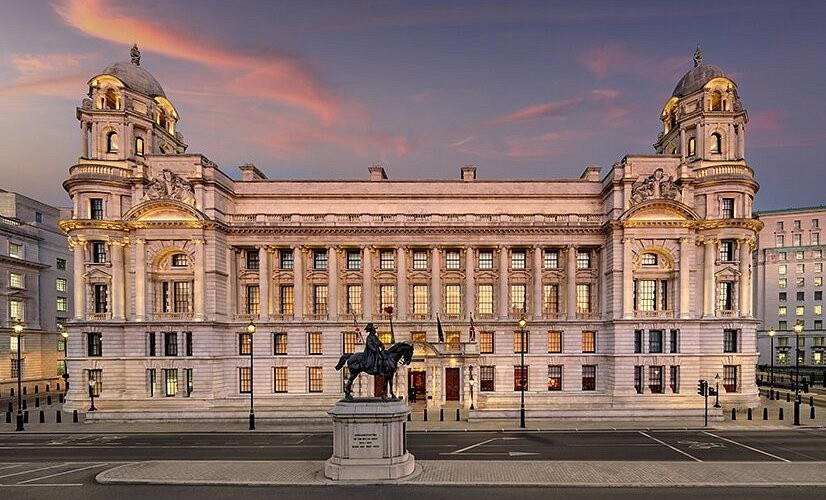
The Stage at The Londoner sits in Leicester Square at the intersection of London's theatre district and its hotel dining conversation. Positioned within the Londoner hotel, it enters a market where hotel restaurants increasingly define themselves by sourcing discipline and format clarity rather than proximity to Michelin prestige. For the sustainability-conscious traveller, the address and broader hotel programme make it a relevant reference point in central London.
Pearl is the En Primeur Club membership app — saves, bookings, and concierge access live there. Same editors, same standards.
- Address
- 38 Leicester Square, London WC2H 7DX, United Kingdom
- Phone
- +442074510139
- Website
- thelondoner.com
- Directions
- Get directions
 Saves & bookings on Pearl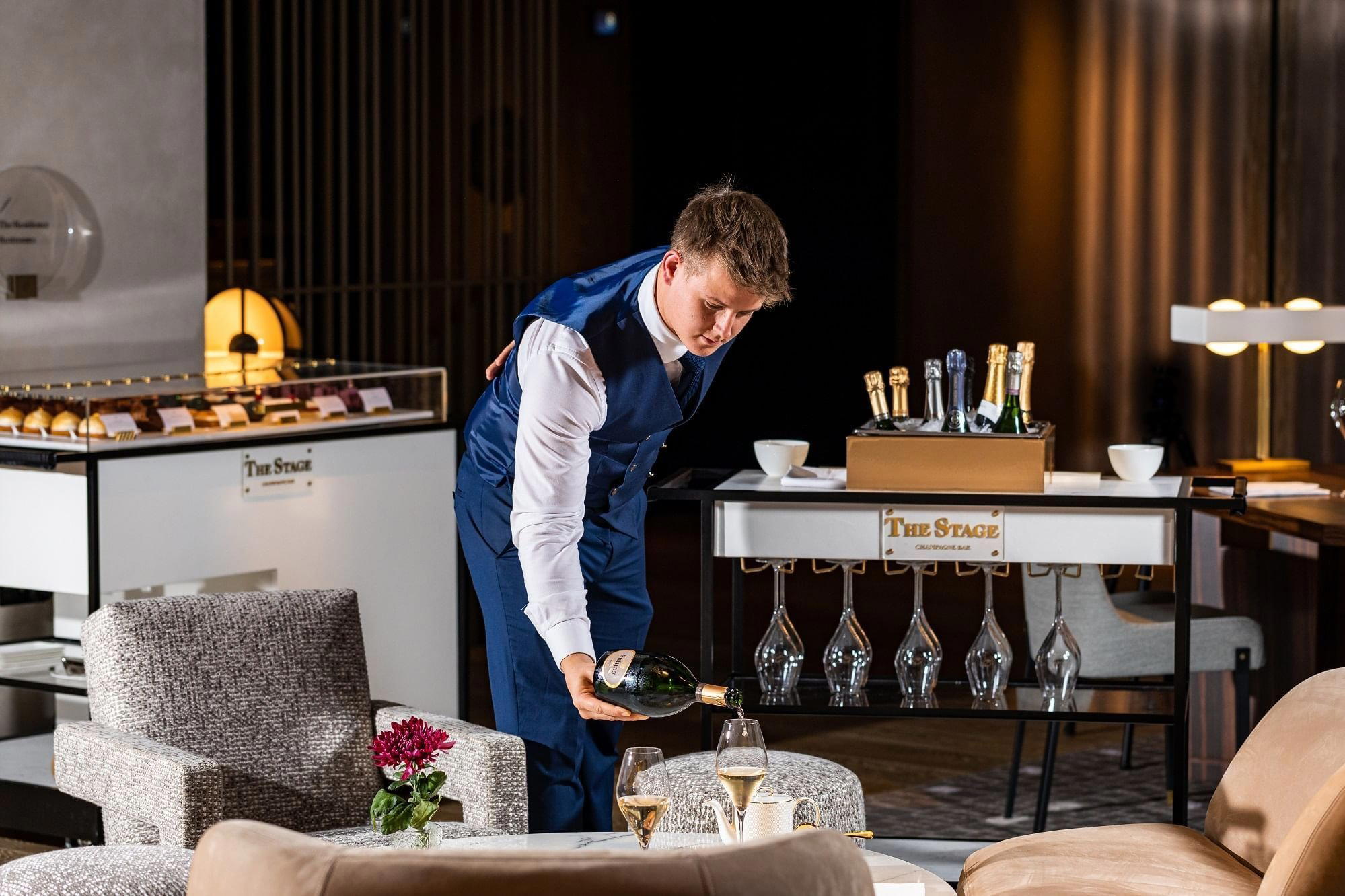
Leicester Square's Dining Conversation Has Changed
For most of the twentieth century, Leicester Square was the place London's serious diners passed through on their way somewhere else. The West End's theatre cluster drew pre-show crowds, but the square's own restaurant offer tracked tourist footfall rather than culinary ambition. That started to shift in the 2010s as hotel groups reassessed the location's commercial potential. The Londoner, which opened on Leicester Square in 2021, was part of that reassessment: a purpose-built hotel that positioned itself at the upper end of the London independent hotel market, rather than as an outpost of an international chain.
The Stage at The Londoner is a champagne bar with British small plates at 38 Leicester Square in London. It entered a London restaurant scene that, over the past decade, has fractured into clearly defined peer groups. At the summit sit long-running destination kitchens: CORE by Clare Smyth, Restaurant Gordon Ramsay, Sketch, The Lecture Room and Library, The Ledbury, and Dinner by Heston Blumenthal. Below that tier, hotel dining rooms occupy a contested middle ground: enough operational infrastructure to support ambitious cooking, but without the single-minded identity of an independent kitchen.
The Stage's positioning within that middle ground is shaped considerably by the Londoner's broader hotel philosophy, which has emphasised responsible sourcing and environmental credentials since opening. In a city where greenwashing has become a genuine editorial concern, the question of what that commitment actually means in practice is the relevant one to ask.
Sustainability in Hotel Dining: From Talking Point to Standard
Conversation around ethical sourcing in British restaurants has matured considerably since it was first introduced as a differentiator in the early 2010s. What was once a marketing angle for a handful of countryside kitchens has become a baseline expectation in any serious dining room. Restaurants like L'Enclume in Cartmel and Moor Hall in Aughton built sourcing into their identities from the outset, with direct relationships with farms that are documented and verifiable. Country house hotels such as Le Manoir aux Quat'Saisons in Oxford and Gidleigh Park in Chagford have long maintained kitchen gardens as part of their offer, making provenance legible to guests in a physical, not just rhetorical, way.
City hotel restaurants face a harder version of this challenge. The supply chain required to feed a full hotel operation at scale sits in tension with the traceability demands of genuine farm-to-table practice. The Stage, operating within a large central London hotel, occupies exactly this tension. The Londoner has made public commitments around sustainability across its hotel operations, and these commitments extend to its food and beverage programme in principle.
For useful comparison points on what documented sustainability looks like in practice, Hide and Fox in Saltwood and Hand and Flowers in Marlow both operate with sourcing transparency that is built into their public-facing identity. Midsummer House in Cambridge has similarly made its kitchen garden a central part of how it communicates with guests. These are the benchmarks against which any central London hotel dining room claiming sustainability credentials should be measured.
The West End Hotel Dining Room: Format and Expectation
Hotel restaurants in London's West End have broadly followed one of two formats in recent years: the all-day brasserie format designed to serve hotel guests across breakfast, lunch, and dinner, or the more intentional dinner-only or tasting-menu approach designed to attract destination diners from outside the hotel. The Stage's name, drawn from the theatricality of Leicester Square's entertainment history, signals something about tone and presentation, though the specific format and menu structure are not verified here.
What the address does establish clearly is a comparison set. Guests choosing The Stage for a dinner are drawing from a West End pool that also includes restaurant destinations a short distance away in Soho, Covent Garden, and Mayfair. The competition for that booking is fierce, and the criteria have shifted: service consistency, sourcing story, and format coherence now carry as much weight with informed diners as chef pedigree alone.
Internationally, hotel restaurants operating in similarly dense urban environments have navigated this by specialising sharply. Le Bernardin in New York City and Atomix in New York City demonstrate what happens when a restaurant achieves full independence from its building's hotel identity and competes purely on culinary terms. In Scotland, Restaurant Andrew Fairlie in Auchterarder is a useful case study for how a hotel restaurant can develop a distinct identity that operates on its own critical terms. Opheem in Birmingham similarly demonstrates that a strong culinary identity can anchor a restaurant's reputation independently of its building.
For a broader map of where The Stage sits within London's restaurant conversation, the city guide provides the context and comparative framework that a single venue page cannot. The Waterside Inn in Bray also offers a useful reference for how proximity to London has historically shaped fine dining geography in the wider region.
Planning a Visit
Know Before You Go
- Address: 38 Leicester Square, London WC2H 7DX
- Transport: Leicester Square Underground station (Northern and Piccadilly lines) is the closest stop, approximately two minutes on foot from the hotel entrance.
- Context: The Londoner is an independently positioned hotel, not part of a major international chain, which shapes the dining room's identity and service culture.
- Booking: Reservations are recommended.
- Dress code: Smart casual.
- Dietary requirements: For allergy or dietary queries, direct contact with the restaurant team before arrival is always the appropriate step.
The Quick Read
Comparable venues nearby, for context on price, style, and recognition.
| Venue | Cuisine | Price | Notes |
|---|---|---|---|
| The Stage at The LondonerThis venue — the venue you are viewing | Not listed | $$$ | Not listed |
| The Clermont Restaurant and Bar | Embankment, Classic British Hotel Dining | $$$ | Not listed |
| Farm Shop Mayfair | Not listed | $$$ | Mayfair, Farm-to-Table British Small Plates |
| Darby's | Not listed | $$$ | Nine Elms, Modern British Steakhouse & Seafood |
| The Ladbroke Arms | Notting Hill, Modern British Gastropub | $$$ | Not listed |
| Roast | Borough, Classic British Roast | $$$ | Not listed |

At a Glance
- Elegant
- Sophisticated
- Modern
- Special Occasion
- Date Night
- Celebration
- Live Music
- Hotel Restaurant
- Extensive Wine List
- Craft Cocktails
Current opening hours
- Monday
- 8 AM–12 AM
- Tuesday
- 8 AM–12 AM
- Wednesday
- 8 AM–12 AM
- Thursday
- 8 AM–1 AM
- Friday
- 8 AM–1 AM
- Saturday
- 8–10:30 AM, 12–4 PM, 5 PM–1 AM
- Sunday
- 8–10:30 AM, 12–4 PM, 5 PM–12 AM
Hours can change for holidays and private events. Last verified .
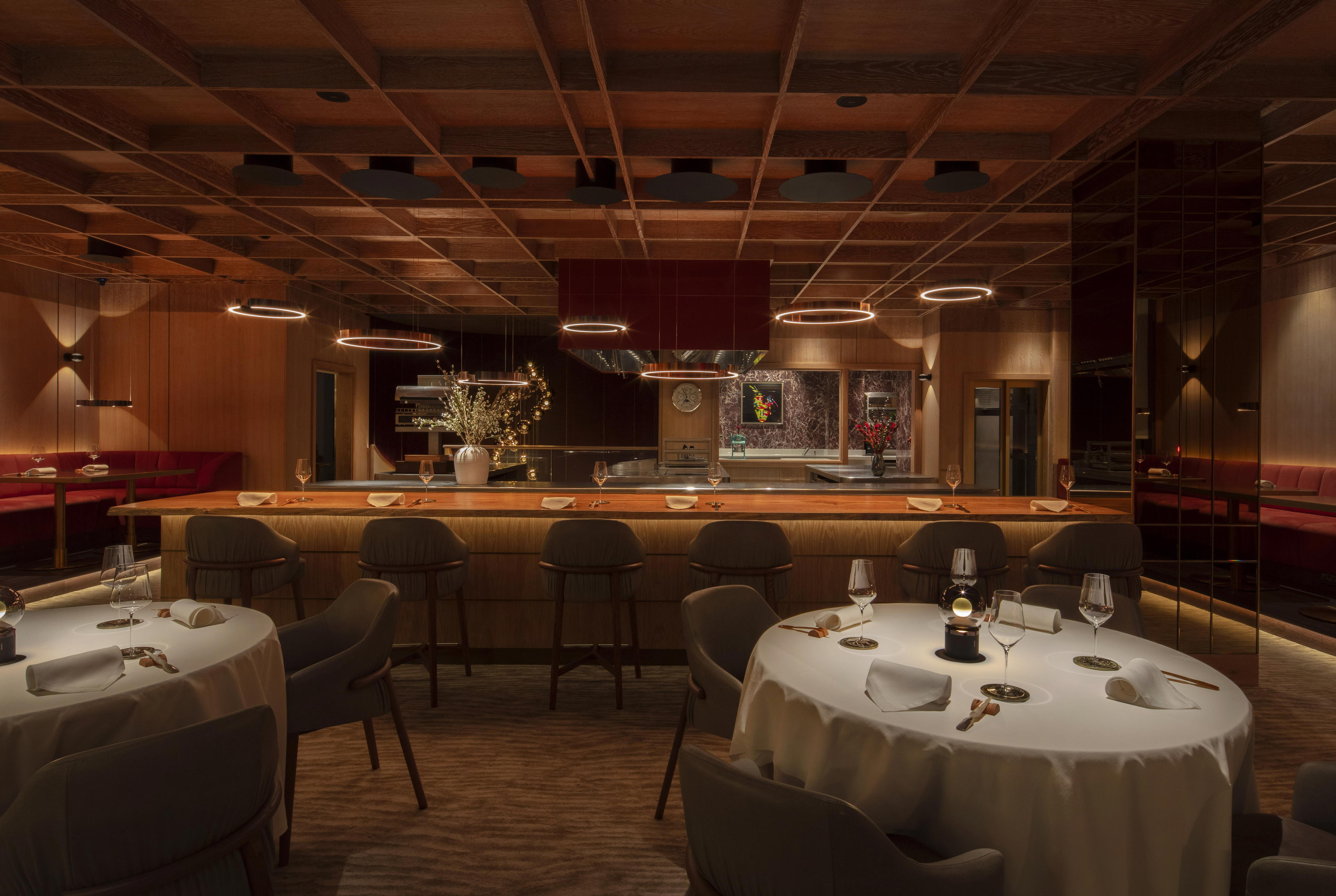
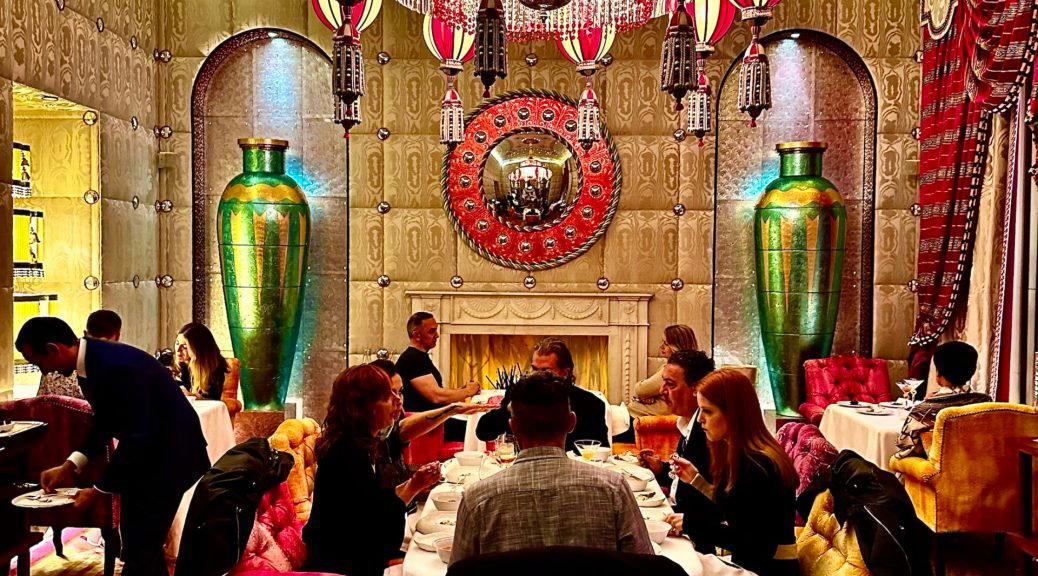
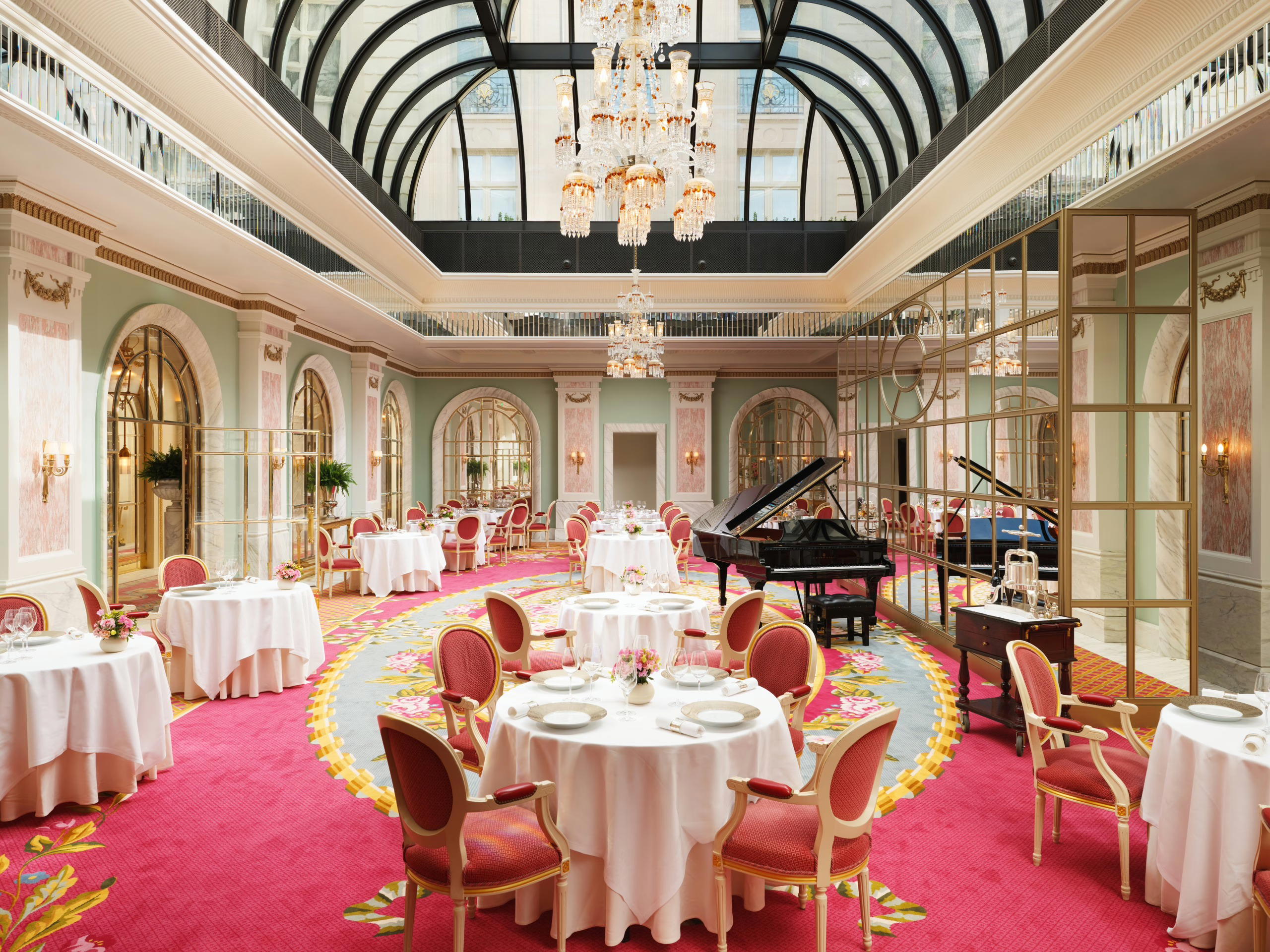
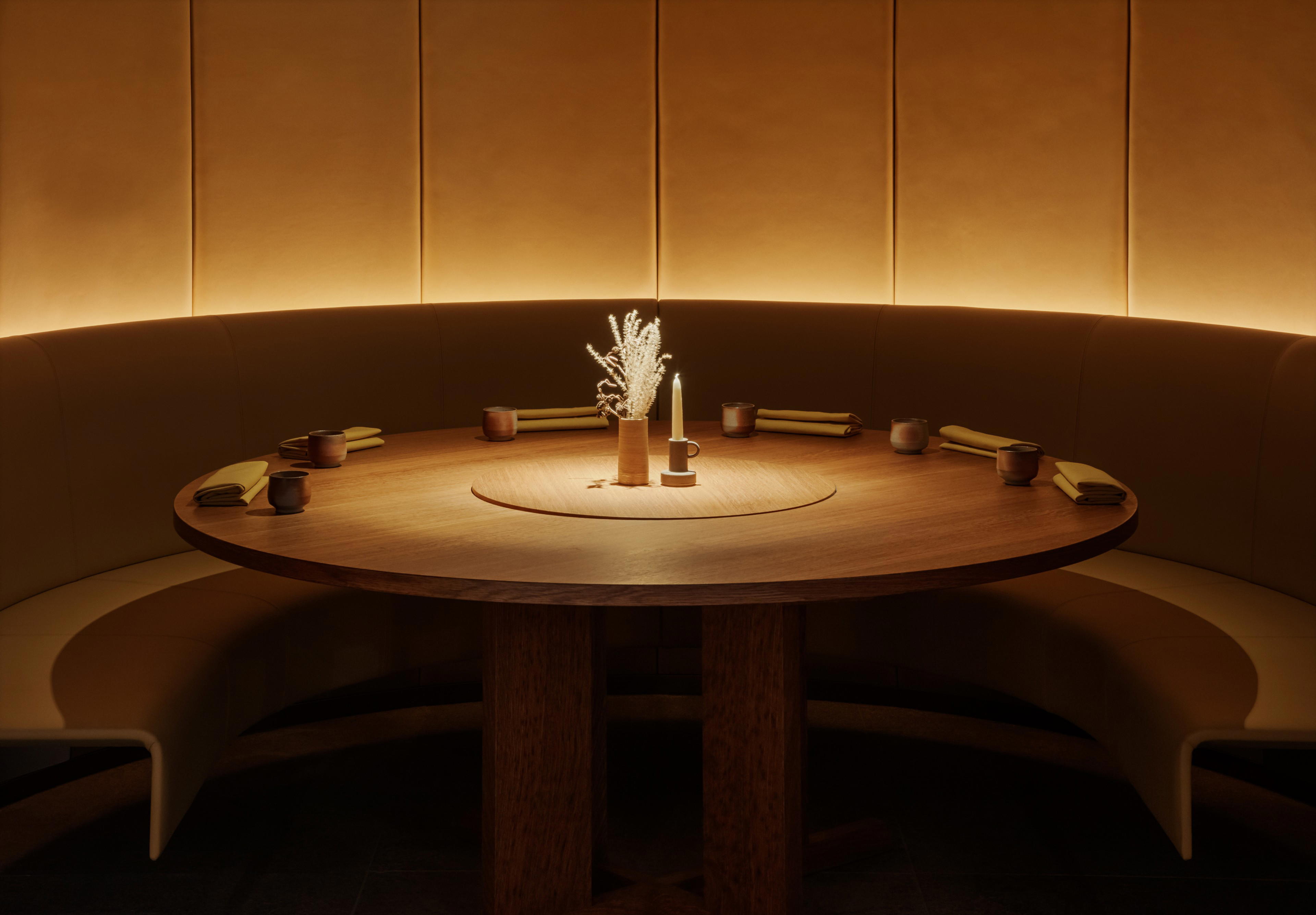
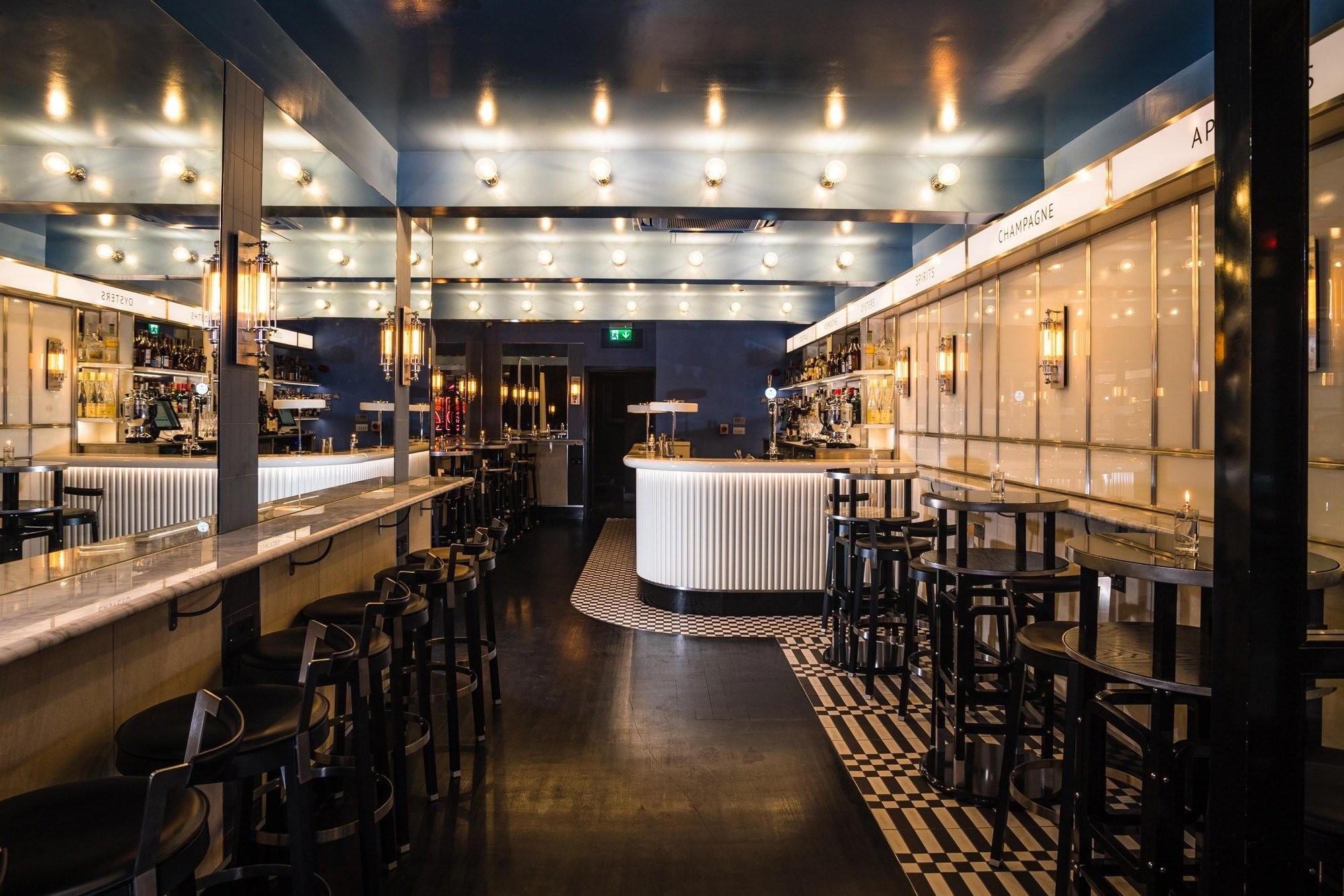
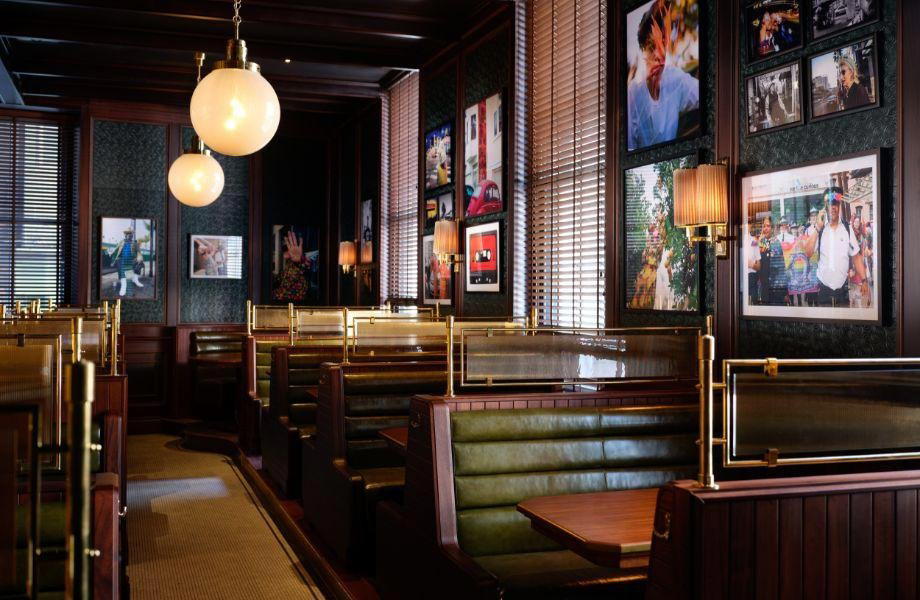
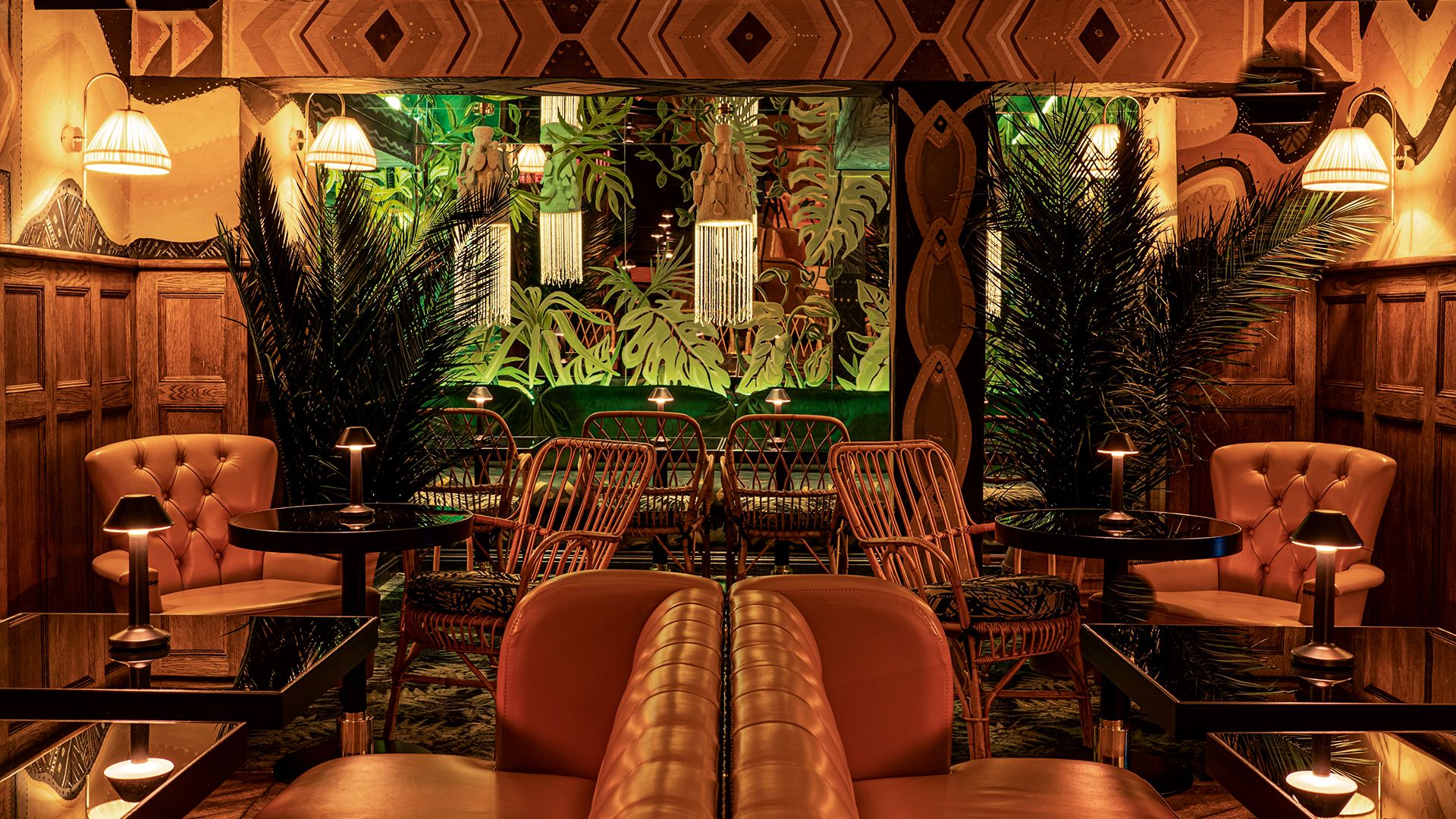
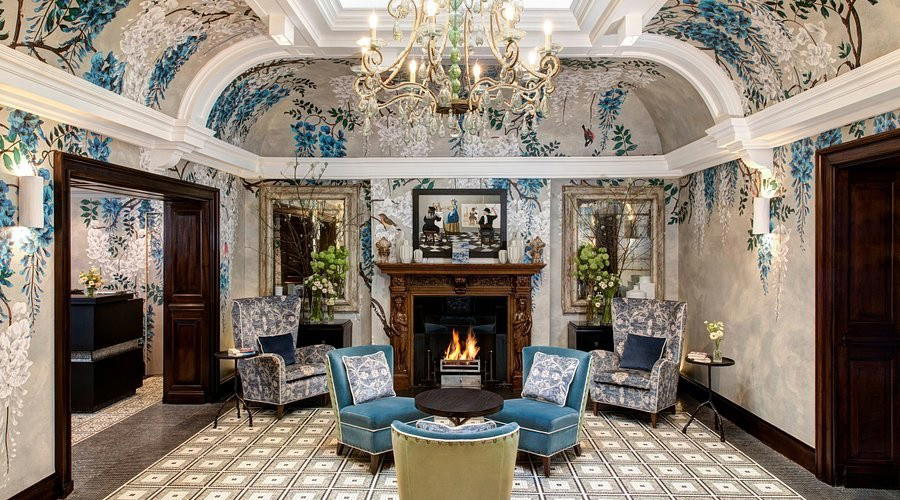
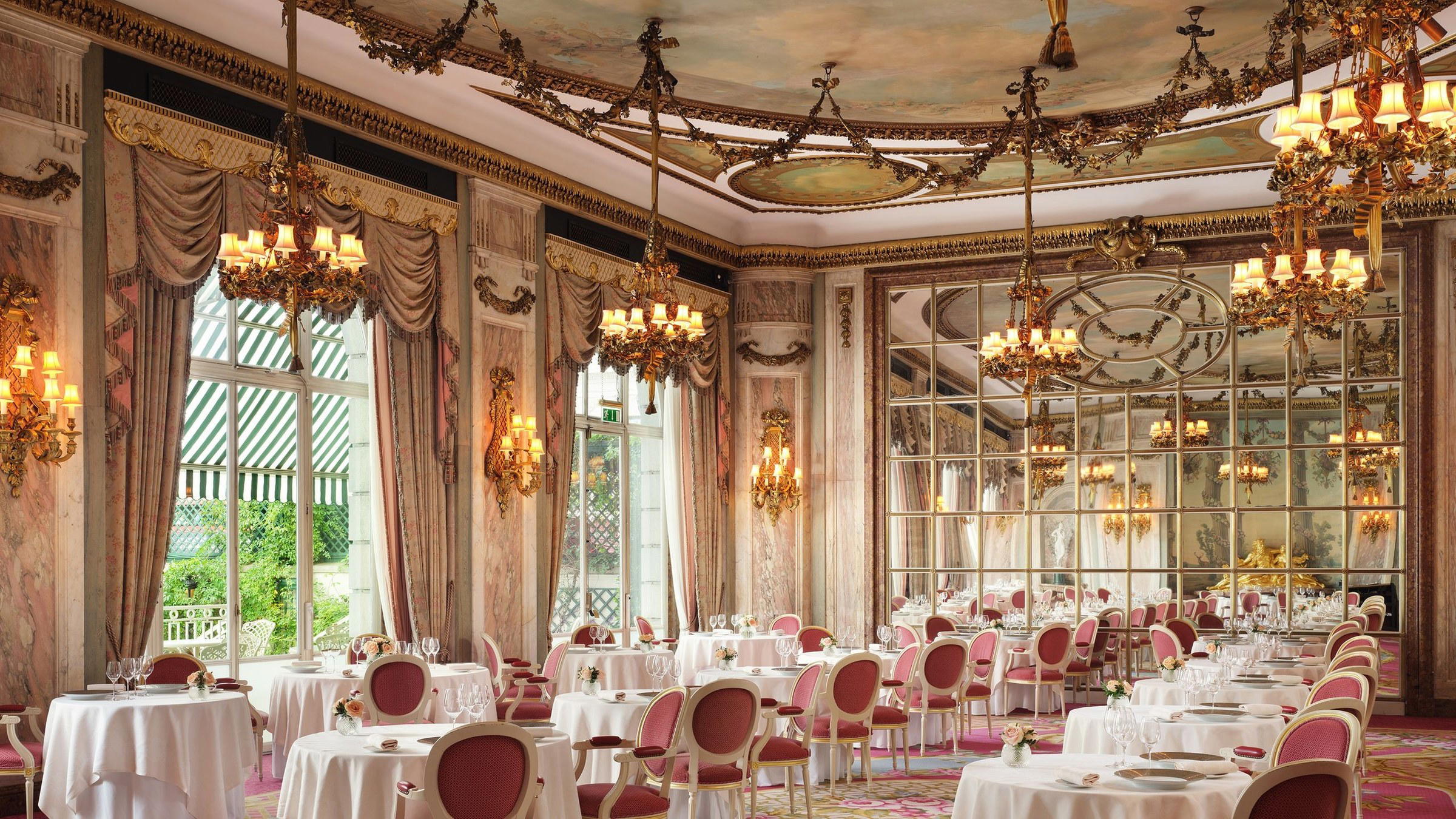
Refined and elegant atmosphere beneath shimmering gold tones with live music performances.